Cheap Restaurant Supplies
Source cheap restaurant supplies through wholesale clubs, group buying and online marketplaces. Cut cost without sacrificing safety or durability.
Sourcing restaurant supplies without compromising on quality or compliance starts with knowing which categories demand commercial-grade specification. This guide helps you prioritize spend and avoid common pitfalls.
Where to find cheap restaurant supplies without sacrificing safety
Cheap restaurant supplies cover everything from disposable containers and cleaning chemicals to smallwares, utensils, and packaging. The biggest risk in low-cost sourcing is not price—it is compliance. Food-contact materials must carry FDA or EU food-contact declarations, and cleaning chemicals must be rated for commercial kitchen use. Buyers who source from uncertified suppliers may receive plastics that leach at high temperatures or detergents that leave toxic residues. The safest cheap-supply channels are restaurant-wholesale clubs, group-buying networks, and verified online marketplaces that publish material certifications.
Wholesale clubs and group buying
Restaurant-wholesale clubs such as Restaurant Depot, Costco Business, and regional foodservice distributors offer bulk pricing on disposables, smallwares, and cleaning supplies. Group-buying networks—especially in Asia and the Middle East—let independent restaurants combine orders to reach MOQ thresholds. The discount is real, but storage space and shelf life matter: a 20-liter drum of sanitizer is only cheap if you can use it before it degrades. Share storage with neighboring tenants or split orders with nearby venues to reduce waste.
Online marketplaces and direct manufacturers
Alibaba, Global Sources, and Made-in-China list millions of restaurant supply SKUs at factory prices. The risk is quality variance; always request samples, food-contact certificates, and factory audit reports before placing a bulk order. Direct manufacturers often sell overruns, closeout packaging, or B-grade products at steep discounts. B-grade supplies—scratched pans, dented containers, or misprinted packaging—are safe to use if the defect is cosmetic. Ask for a defect-rate report before buying.
What to never buy cheap
Certain categories affect food safety, compliance, or brand reputation so directly that cost should be secondary. Food-contact plastics, cutting boards, and cookware should carry NSF or equivalent certification. Cleaning chemicals should be EPA-registered or EU-CPR compliant. Takeout containers that leak or melt in transit generate customer complaints and refunds. Disposable gloves that tear during use expose staff to cross-contamination. A single health-code violation or customer complaint can cost more than the savings from a cheap supply order.
| Category | Safe to buy cheap? | Key verification |
|---|---|---|
| Disposable containers | Yes, if food-contact certified | Material cert, leak test |
| Cleaning chemicals | Yes, if EPA or EU registered | MSDS, dilution ratio |
| Smallwares | Yes, if NSF or CE marked | Material grade, warranty |
| Gloves | Yes, if food-grade and AQL tested | Puncture resistance, powder-free |
| Takeout packaging | Conditional | Leak test, grease resistance |
Key takeaway: Buy cheap on commodities with certifications; never compromise on food-contact safety or cleaning efficacy. A failed health inspection or a customer complaint wipes out supply savings overnight.
Storage, shelf life, and inventory control
Cheap supplies only save money if you use them before they expire or degrade. Cleaning chemicals lose potency after 12 to 24 months. Disposable gloves become brittle if stored in direct sunlight or extreme temperatures. Paper-based packaging absorbs humidity and loses strength. Use a first-expire-first-out (FEFO) rotation system rather than a simple first-in-first-out (FIFO) approach. Track expiry dates in your inventory software and set alerts for products that approach end of life.
Digital sourcing, samples, and quality control
Online sourcing removes geographic limits but increases quality-control risk. Before placing a bulk order, request pre-production samples and inspect them against your specifications. Check food-contact certificates, material thickness, and seam quality. For disposable packaging, perform a leak test and a grease-resistance test with hot soup or oil. For smallwares, weigh the item and measure wall thickness; lightweight pans often have thin bases that hot-spot and warp. Use a third-party inspection service for orders above $5,000; the cost of an inspection is negligible compared to a rejected container shipment.
Sustainability and environmental compliance
Cheap restaurant supplies increasingly face environmental regulations. Single-use plastics are banned or taxed in many jurisdictions; verify that your packaging complies with local single-use plastic directives. Compostable containers need certified industrial composting facilities; if none exist locally, they end up in landfill anyway. Chemical concentrates should be packaged in recyclable HDPE drums with proper hazard labeling. Track your supply-chain sustainability metrics because customers and auditors increasingly ask for proof of responsible sourcing.
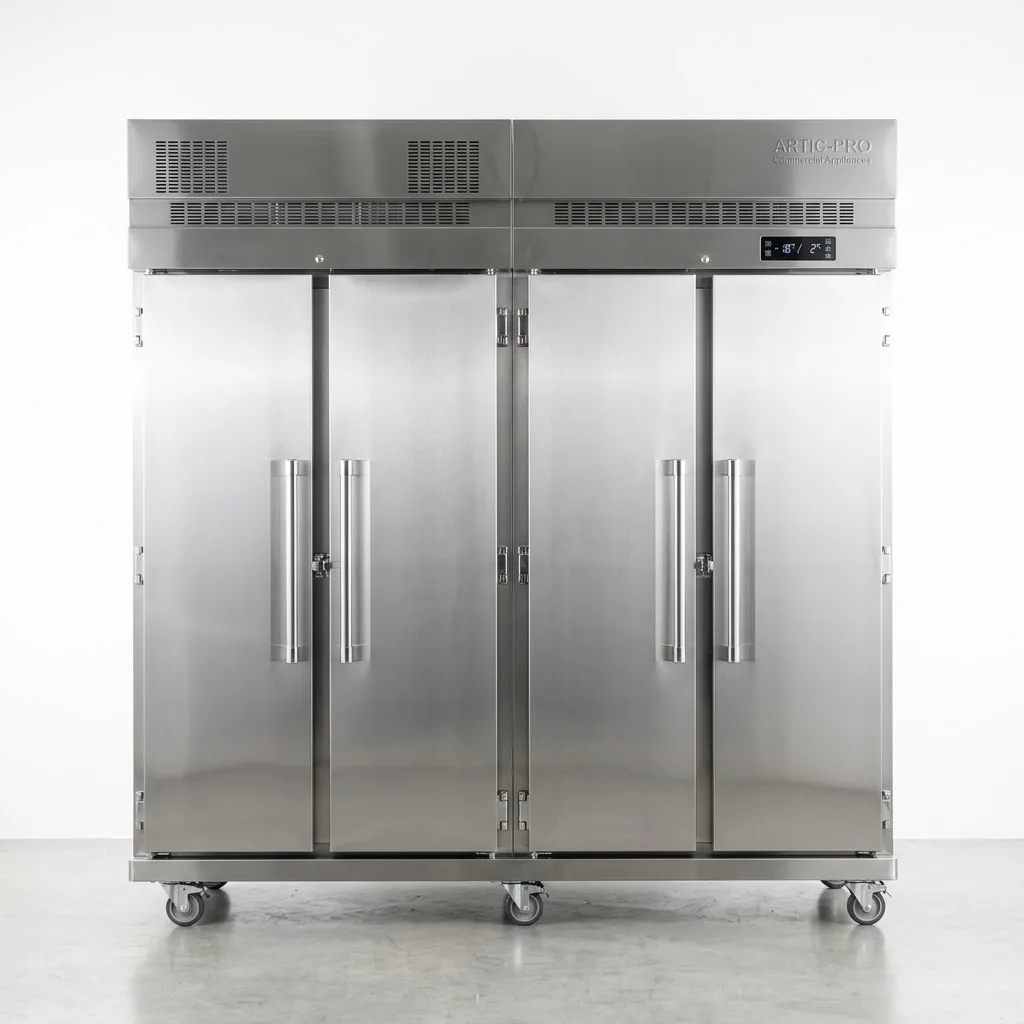
Refrigeration Equipment
Refrigerators, freezers and cold rooms for small operators.
View refrigeration equipment →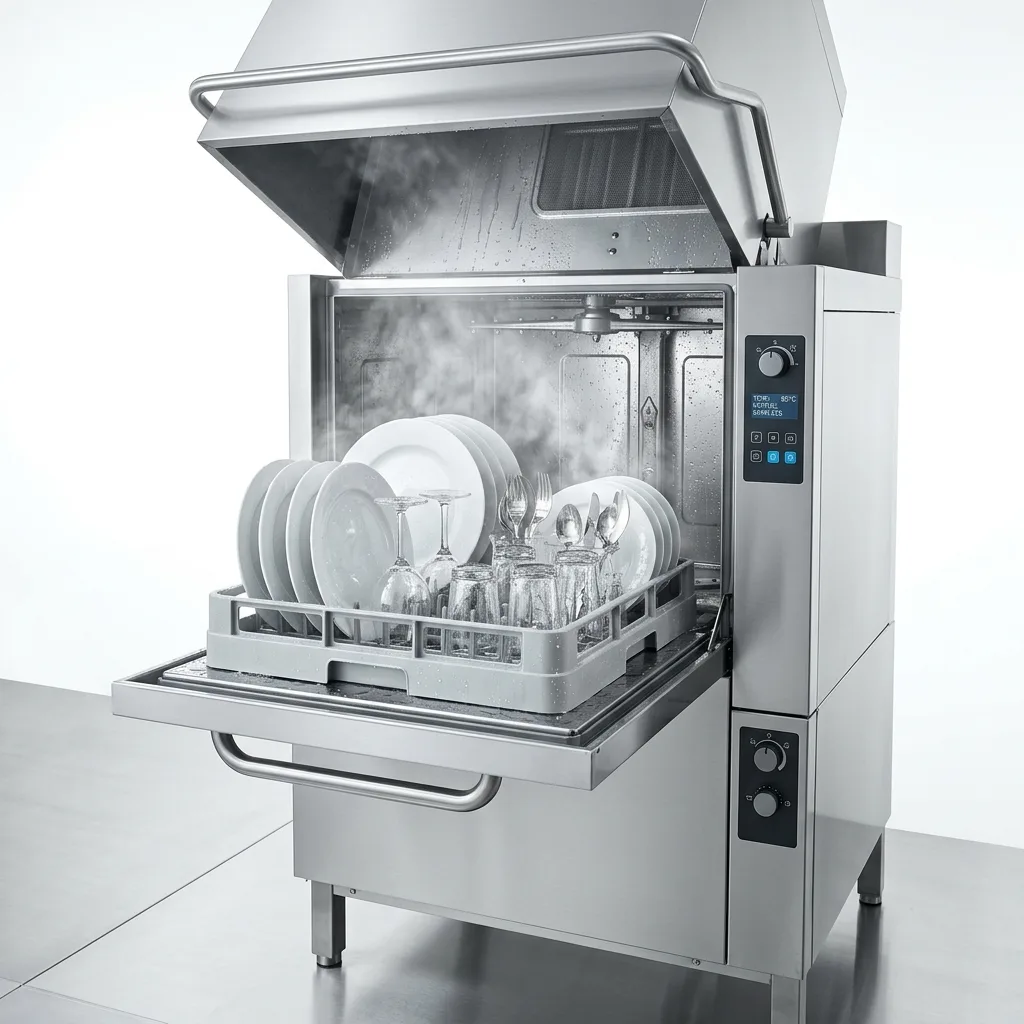
Dishwashing Equipment
Undercounter and hood-type dishwashers for small kitchens.
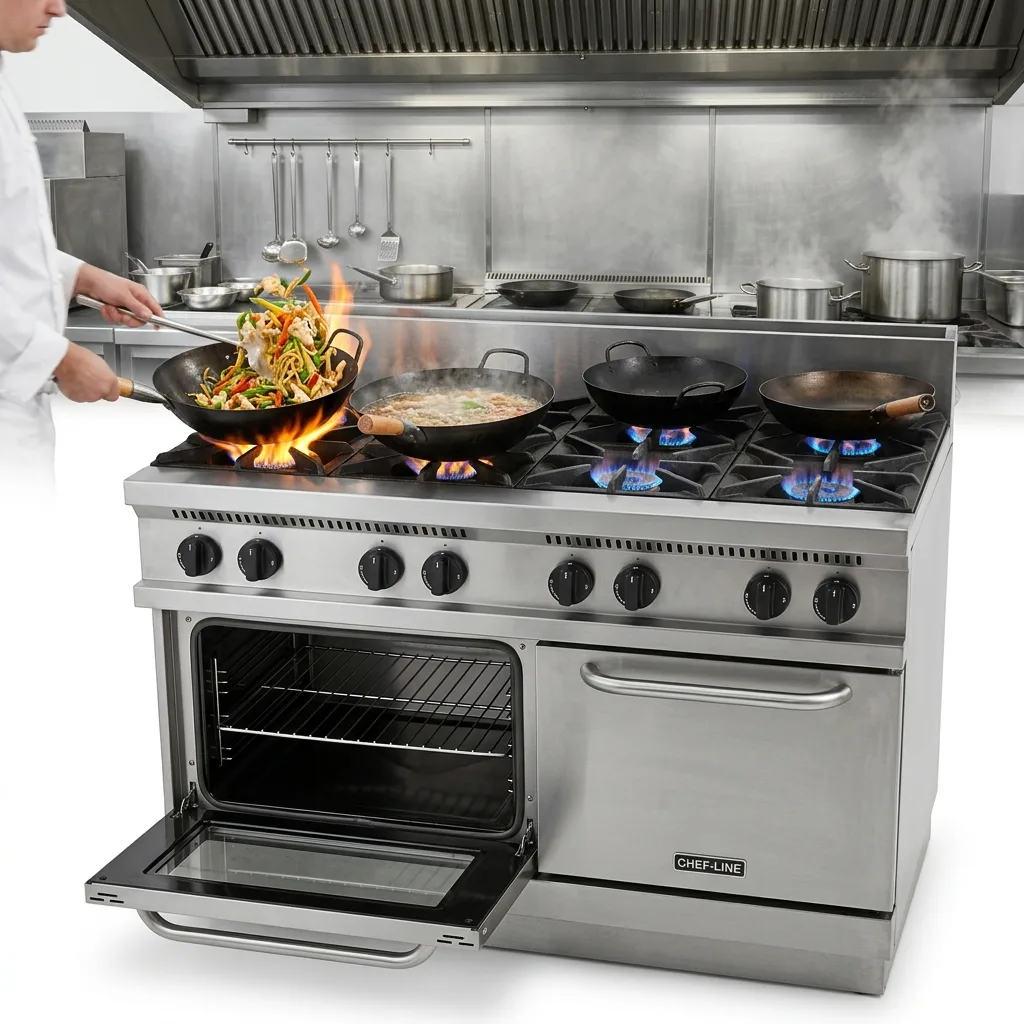
View dishwashing equipment →Browse the full cooking equipment range. For hygiene standards, see our hygiene and HACCP guidance.
For projects with specific raw material requirements, target capacity needs, or custom factory drawing specifications, contact our team to discuss your working hours and operational requirements. We support full project planning from specification to installation.
Frequently Asked Questions
Where can I find cheap restaurant supplies safely?
Use restaurant-wholesale clubs, group-buying networks, and verified online marketplaces that publish food-contact certifications. Always request samples and material certs before buying disposables or smallwares in bulk.
What restaurant supplies should I never buy cheap?
Never compromise on food-contact plastics, cleaning chemicals, gloves, and takeout packaging. A health-code violation or customer complaint costs more than the savings from uncertified supplies.
How do I avoid expired or degraded supplies?
Use a first-expire-first-out rotation system and track expiry dates in inventory software. Cleaning chemicals degrade after 12 to 24 months; gloves become brittle in heat or sunlight.
Are B-grade restaurant supplies safe?
B-grade items with cosmetic defects—scratched pans, dented containers—are usually safe. Ask for a defect-rate report before buying and inspect the goods on delivery.
Can I negotiate with restaurant supply stores?
Yes. Negotiate spare-parts consignment, commissioning, and extended warranty into package deals. Specify model numbers in the contract to prevent unwanted substitutions.
Plan the Equipment Around Your Kitchen.
Share your menu, peak service demand, available space and site utilities. Tell us which equipment you are considering so we can review the requirements with you.