Chinese and Asian Restaurant Kitchen Equipment
Chinese, Thai, Japanese, Indian and Italian menus load a kitchen differently. Heat output, steam and grease decide the equipment list far more than cover count does.
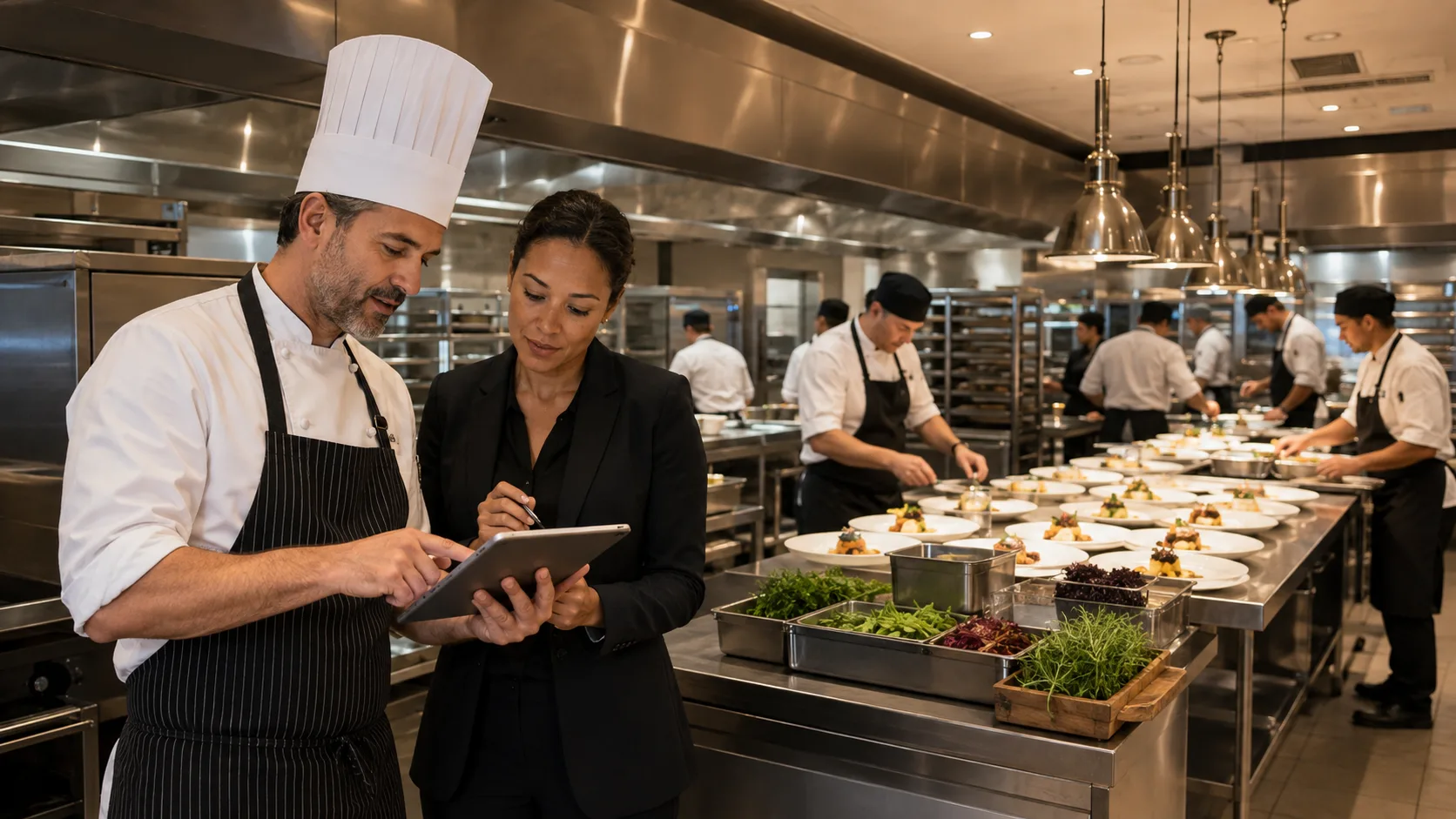
A Chinese or Asian restaurant kitchen is built around heat and steam, not around cover count. A wok station can draw more gas than the rest of the kitchen combined, and dim sum service adds continuous steam at the same time. This page sets out a complete solution for Chinese restaurant kitchen equipment and the wider Asian kitchen, from high-heat wok ranges and steamer batteries through sushi and tandoor stations, and marks where the ventilation and gas supply decide the layout.
Key takeaway: Size the gas supply and the hood before the menu. A wok range and a steamer battery running together are what force a larger incoming line and a longer canopy.
Solution Overview
The solution covers a high-heat, multi-station Asian kitchen: cold storage and prep, wok cooking, steaming, rice and noodle production, optional tandoor, pasta, or sushi stations, batch holding, and high-volume ware washing. Automation is limited to steamer control, rice cooking, and blast chilling rather than a continuous production line. The boundary starts at the delivery door and ends at the pass; it includes ventilation and gas infrastructure inside the unit but excludes central commissary production. Because cuisine mix, seating, and gas capacity differ per site, station counts and hood length are engineered individually.
Applicable Scenarios and Service Recipients
This applies to Chinese restaurant equipment installations in full-service restaurants, dim sum houses, noodle bars, and food-court units, and to the wider Asian commercial kitchen equipment package that carries Thai, Japanese, Indian, and Italian menus under one roof. Recipients are seated diners, takeaway customers, and delivery riders. The boundary is cooked-to-order service with batch peaks; it excludes institutional bulk catering. Raw inputs are fresh vegetables, meat and fish, rice, noodles, and dough. Final outputs are wok dishes, dim sum, curries, pasta, and plated cold items. Packaging is takeaway and delivery driven. An Italian restaurant equipment list adds a pasta cooker and a deck oven on the same footprint rules, so station planning holds whether the brief is a dim sum house or a full Italian commercial kitchen equipment package.
Typical Workflow or Equipment Zones
Work is organised by station rather than by one linear flow:
- Delivery, cold storage, and butchery prep
- Vegetable and protein mise en place
- Wok and high-heat stir-fry cooking
- Steaming, rice, and noodle production
- Curry, tandoor, or pasta station
- Cold assembly at the sushi or salad counter
- Batch holding and pass handoff
- Ceramic and utensil washing
Main Equipment
| Stage | Equipment | Function | Standard / Optional |
|---|---|---|---|
| Wok cooking | High-heat wok range, 22 to 30 kW per burner | Stir-fry at wok heat | Standard |
| Steaming | Multi-tier steamer cabinet | Dim sum, buns, and rice rolls | Standard |
| Rice and noodles | Rice cooker battery and noodle boiler | Bulk rice and portioned noodles | Standard |
| Curry and bread | Tandoor oven or clay oven | Indian breads and skewers | Optional |
| Pasta | Pasta cooker with basket lifts | Italian pasta service | Optional |
| Cold assembly | Sushi prep counter with undercounter refrigeration | Cold assembly at 0 to 4 degrees Celsius | Optional |
| Baking | Deck or conveyor pizza oven | Pizza and flatbreads | Optional |
| Holding | Bain-marie and hot holding drawers | Batch service during peaks | Standard |
| Chilling | Blast chiller and upright refrigerator | Cook-chill and stock holding | Standard |
| Sanitation | Rack conveyor dishwasher | High ceramic and utensil volume | Standard |
Capacity and Automation
Heat output, not covers, is the first ceiling. A four-burner high-heat wok range covers roughly 120 to 200 stir-fry covers per service when one chef works two burners, while a steamer cabinet handles 60 to 120 dim sum portions per tier cycle. Plan C (covers per service) against H (usable cooking hours) and add a 15 to 20 percent buffer for delivery orders arriving inside the same window. Gas supply, hood length, and make-up air are sized on simultaneous station use, so a menu that runs wok and tandoor together needs a supply sized for both at once. No fixed covers-per-hour figure is quoted because menu mix and station manning are confirmed during engineering.
Layout and Material Flow
Stations are arranged so that wok, steamer, and pass sit within one step of each other, because wok dishes lose texture in seconds. Raw preparation is kept at the back with a dedicated butchery and vegetable zone, and cooked and raw handling are separated where a sushi or cold station shares the room. Washable flooring with a fall to a floor drain is standard, and the floor drain sits clear of the wok station so that grease does not pond. The canopy is set to overhang the cooking edge by at least 150 mm on the open side, and service, cleaning, and maintenance access stays on equipment fronts. Gas bottles or the meter position are plotted on the drawing because they constrain where the wok range can stand.
Utility Requirements
Calculated per site: incoming gas capacity for the wok range and steamer battery, commonly 90 to 120 kW for a four-burner high-heat range alone, plus the water heater and tandoor. Electrical load covers steamers, rice cookers, refrigeration, and the dishwasher, with three-phase supply once electric steamers or a blast chiller are specified. Ventilation requires a Type I hood with baffle filters, a grease tray, and make-up air at 85 to 90 percent of exhaust volume so the room does not run negative. Water is needed at the wok station, noodle boiler, and sushi counter, and heavy grease loads mean grease interception and a dedicated wastewater route. Lighting at the pass is kept above 500 lux for plating checks.
Food Safety and Hygienic Design
Food-contact surfaces use 304 stainless steel, with 316 specified where acidic sauces or heavy salt brines are handled. Hood filters, grease trays, and duct access panels are removable because a high grease load makes cleaning frequency the deciding factor in fire risk. Raw fish and rice handling use separate boards and surfaces, and the cold station holds 0 to 4 degrees Celsius with a log. NSF and CE are the baseline, with local fire and gas codes added. Waste oil is decanted to a sealed container, and the steamer and wok water lines are fitted with accessible isolation valves.
Quality Control Points
Control points: wok burner flame test and gas pressure check on commissioning, hood grease tray cleaning on a fixed interval, steamer water quality with a descaling schedule to protect elements, rice holding temperatures above 60 degrees Celsius, and twice-per-shift cold-chain logs at the sushi counter. Sauce and stock batches are portioned by weight rather than by ladle so that dish cost stays stable across shifts.
Labor and Operating Considerations
Wok and dim sum work need trained specialists, so station manning drives the equipment count more than covers do: a second wok station is added when a single chef cannot hold the wok dish time during peak. Mise en place is prepared before service because wok dishes are cooked to order in under two minutes. A spare-parts kit covering burner jets, thermocouples, steamer door gaskets, and hood filter clips keeps a peak service running, and deliveries are scheduled against the same prep window.
Customization and Project Engineering
Every unit differs in cuisine mix, seating, and incoming gas capacity, so engineering fixes station counts, hood length, and utility routing. Inputs include the menu with station allocation, expected covers and delivery share, room and canopy dimensions, incoming gas and electrical capacity, ventilation route, drainage positions, and required certifications. Only layout, counts, and interfaces are engineered; the appliances are standard catalog models. Where a wok range, tandoor, or pasta station cannot fit under one canopy, station grouping is reworked before the equipment list is frozen.
Project Implementation Stages
Engagement follows: requirement confirmation, process design, preliminary equipment list, layout and utility calculation, technical clarification, manufacturing, factory acceptance test, delivery, installation, and commissioning with training. A gas pressure and ventilation test is added at handover. Timelines are quoted only against an actual project schedule.
Information Needed for a Technical Proposal
Provide the cuisine mix and menu with station allocation; expected covers, takeaway, and delivery share; room and canopy dimensions; incoming gas and electrical capacity; ventilation route and drainage positions; water quality where a steamer or noodle boiler is included; and required certifications. Precise inputs produce an accurate station count, hood length, and budget.
Discuss the Project
An Asian kitchen is decided by heat output, steam, and grease loading before it is decided by seating. If you are fitting out a Chinese restaurant, dim sum house, noodle bar, or a multi-cuisine Asian kitchen, send your menu, gas capacity, and drawings and we will engineer the station layout and canopy to match the way the kitchen actually cooks. Contact our project team to start requirement confirmation.
Related Product Groups
The product groups behind a wok, steamer and multi-cuisine station layout:
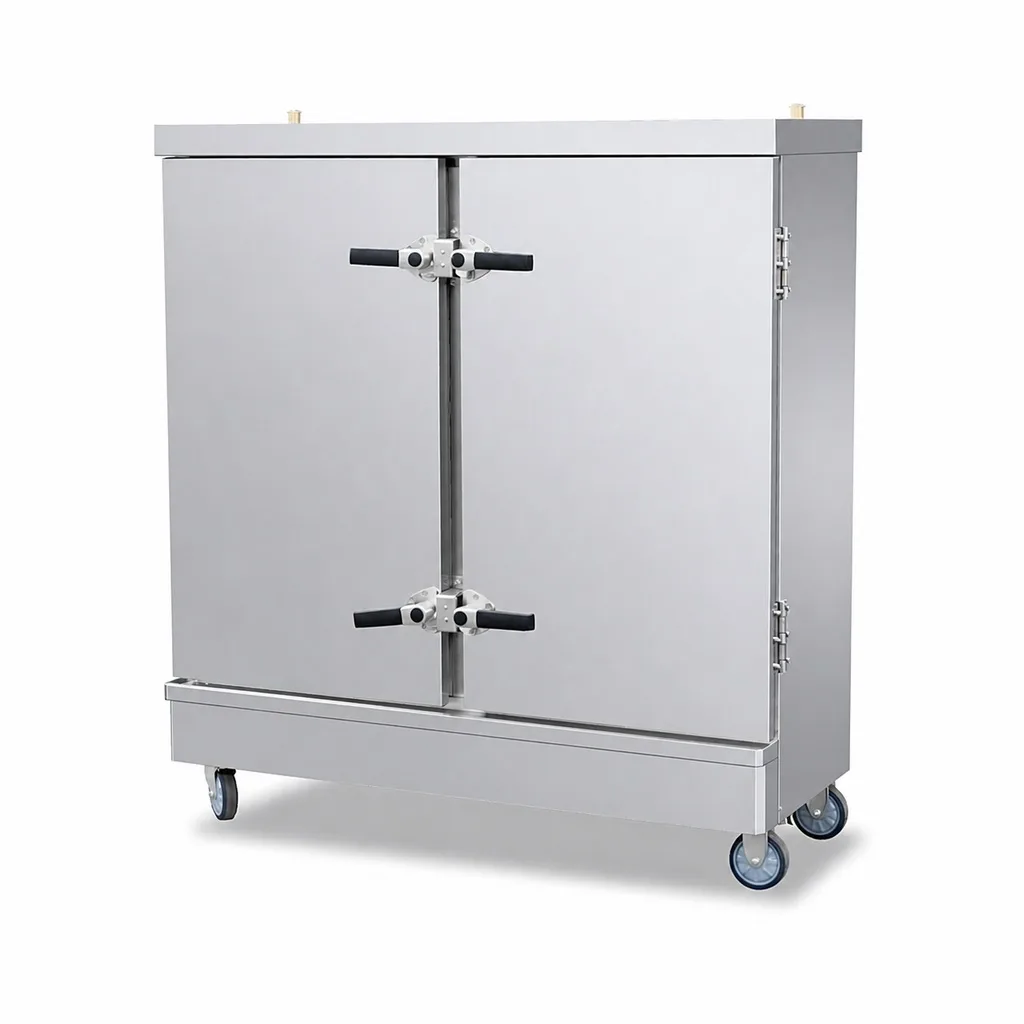
Steamer and Rice Cabinets
Multi-tier steamers and rice batteries for dim sum service.
View high-output cooking equipment →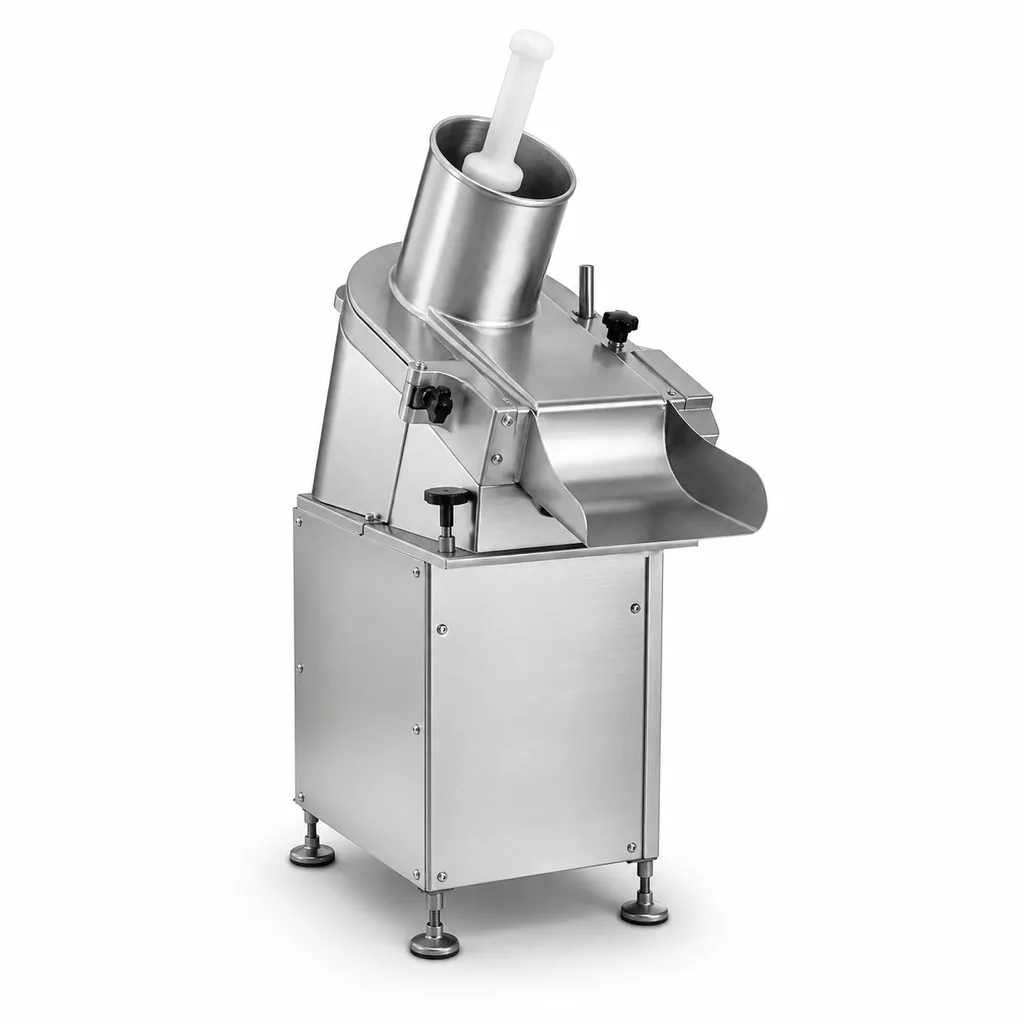
Mise en Place Preparation
Cutters and mixers that carry the prep load before service.
View preparation equipment →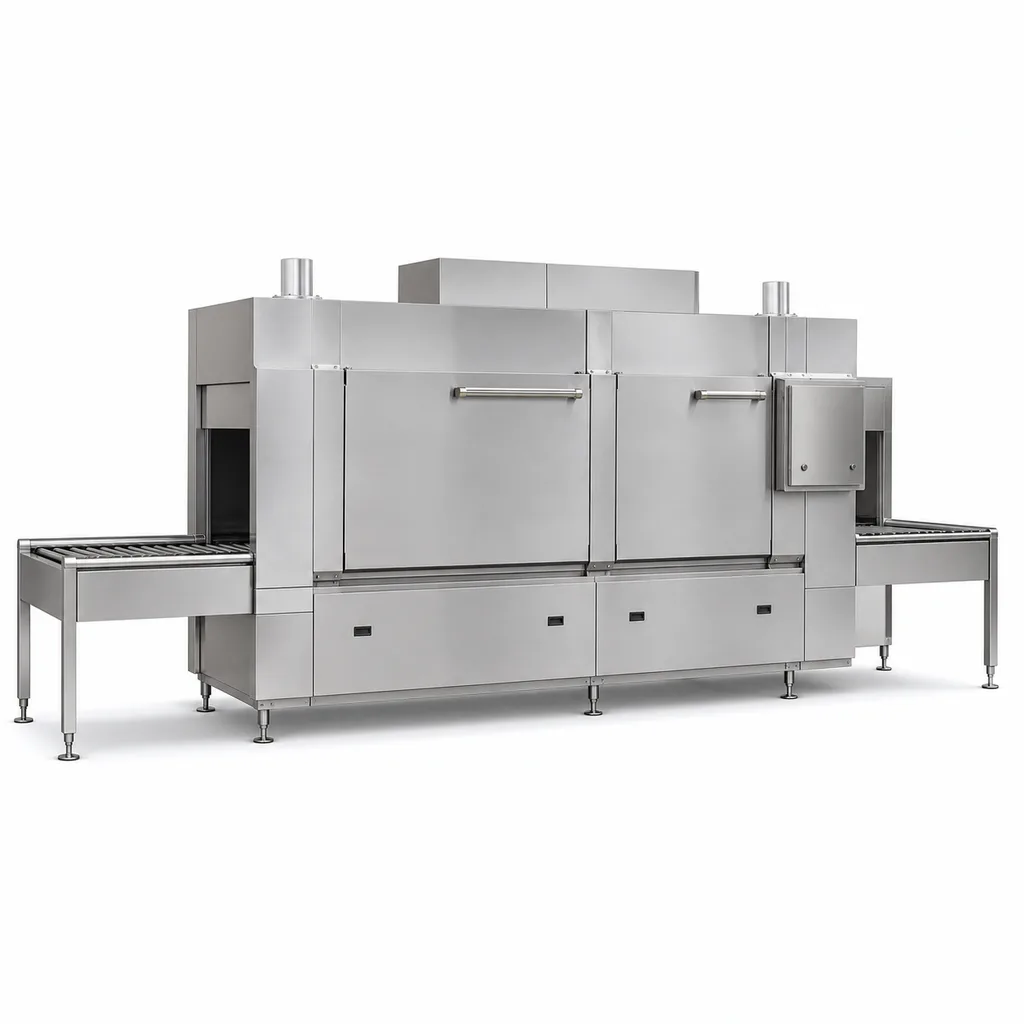
High-Volume Warewashing
Conveyor machines sized for ceramic and utensil volume.
View high-volume warewashing →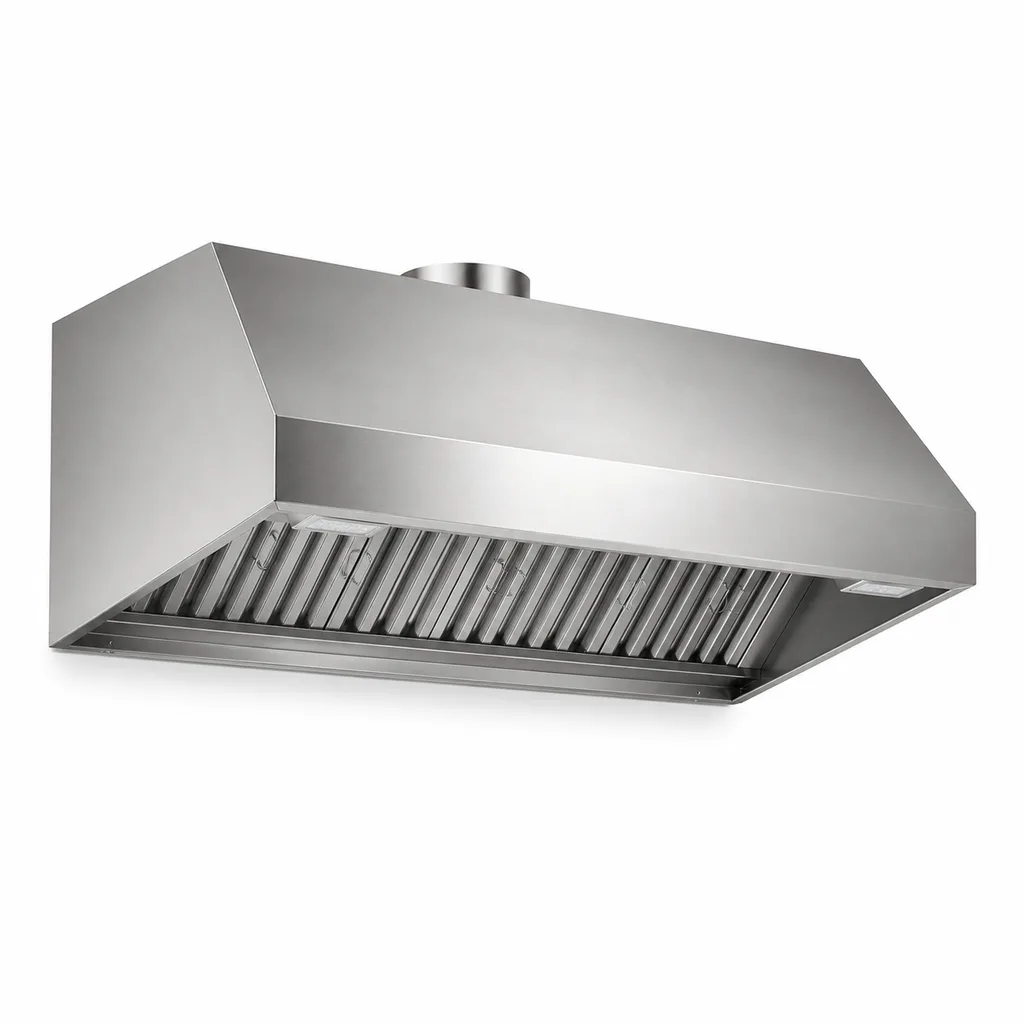
Exhaust Hoods and Grease Filters
Type I canopies with baffle filters for heavy grease loads.
View hoods and stainless steel equipment →Frequently Asked Questions
How much gas does a Chinese wok range need?
A four-burner high-heat range draws roughly 90-120 kW, or 22-30 kW per burner. Confirm the incoming gas supply and meter capacity before specifying the range, because the steamer battery and water heater draw on the same line.
Why do Asian kitchens need more ventilation than European ones?
Wok cooking and griddling release far more grease and smoke per hour. Plan a Type I hood with baffle filters, a grease tray and overhang beyond the cooking edge, with make-up air at 85-90% of exhaust so the room does not run negative.
Can a tandoor and a wok range share one hood?
Yes if both sit under the same canopy and the hood is sized on combined heat output. Keep the tandoor against an outside wall or under its own extraction, because a clay oven usually runs continuously and releases constant radiant heat.
What refrigeration does a sushi counter need?
A dedicated 0-4 degrees Celsius prep counter with undercounter storage, plus a separate sashimi display case. Keep raw fish and rice handling on separate surfaces and log cold-chain temperatures twice per shift.
Plan the Equipment Around Your Kitchen.
Share your menu, peak service demand, available space and site utilities. Tell us which equipment you are considering so we can review the requirements with you.