Commercial Kitchen Appliance Service & Maintenance Guide
Comprehensive engineering guide for commercial kitchen appliance service and catering equipment maintenance contracts. Learn diagnostic cycles, warranty boundaries, and SLA checklists.
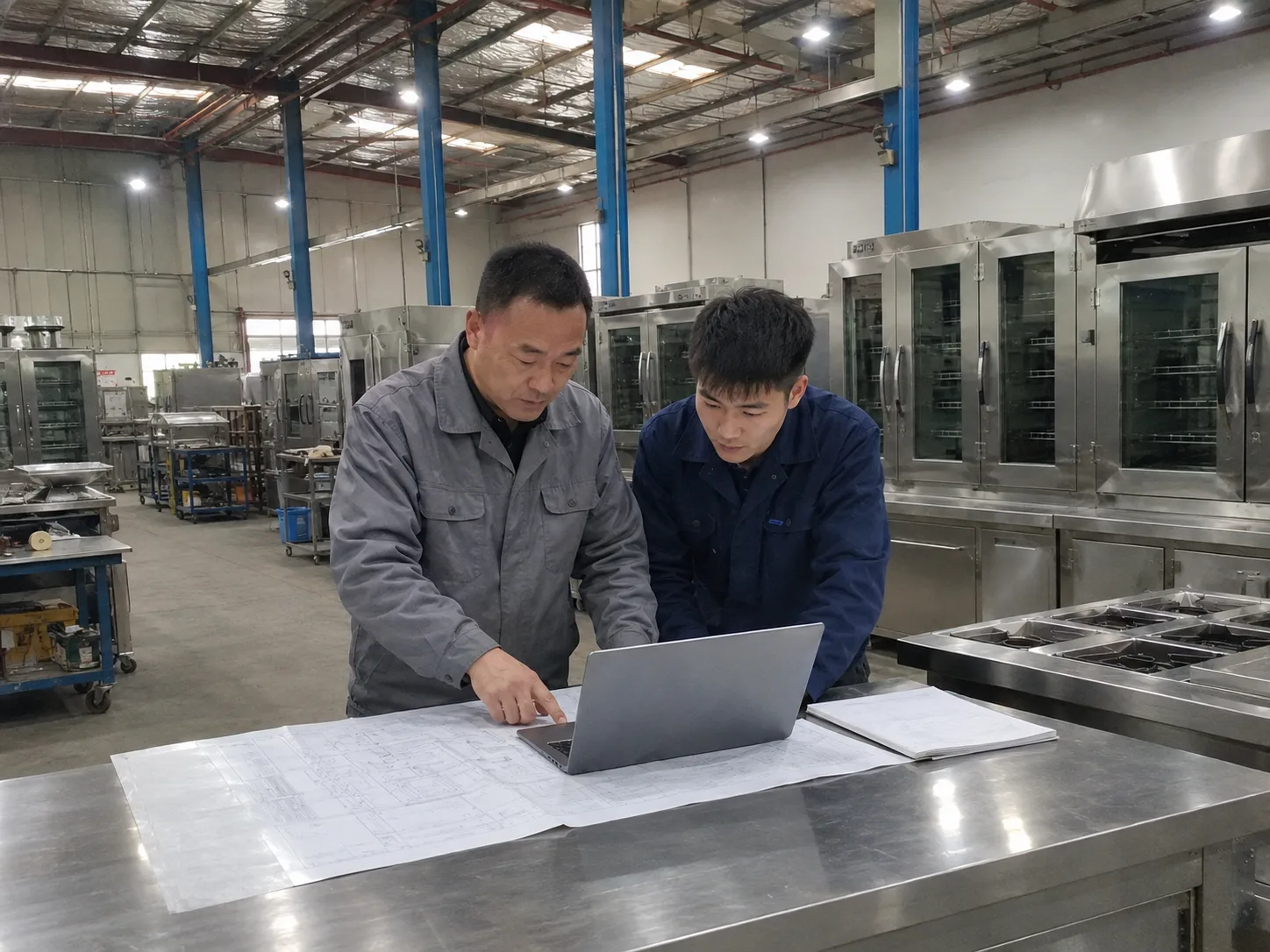
Professional commercial kitchen appliance service requires structured preventive maintenance cycles, certified technician response contracts, and genuine OEM component replacements to maintain NSF hygiene and NFPA fire safety standards. Most unplanned foodservice equipment downtime stems from three preventable root causes: unchecked scale encrustation on heating elements, delayed lubrication of high-stress mechanical drive assemblies, and deteriorated refrigeration condenser airflow.
Key takeaway: Implementing a quarterly preventative maintenance SLA with an authorized commercial food equipment service provider reduces emergency service calls by up to 68% and extends the operational lifecycle of heavy-duty cooking and refrigeration lines beyond 10 years.
Core Differences: Emergency Repair vs. Planned Maintenance Service
Commercial kitchen operators frequently conflate reactive emergency repairs with systematic appliance servicing. An emergency callout addresses acute failure—a cracked conveyor drive belt, a seized combi oven circulation blower, or an overheated compressor. In contrast, planned commercial food equipment service addresses wear thresholds before mechanical or electrical failure triggers a line shutdown.
| Service Attribute | Emergency Callout Service | Quarterly Preventive Service | Annual Overhaul Service |
|---|---|---|---|
| Average Response Time | 4 to 24 Hours (Premium Surcharge) | Scheduled During Low-Traffic Hours | Scheduled During Planned Shutdown |
| Scope of Work | Single-Component Replacement | Full 42-Point Inspection & Calibration | Deep Descaling, Seal & Gasket Refresh |
| Downtime Impact | Immediate Revenue & Service Loss | Zero Kitchen Downtime | Controlled 4-8 Hour Maintenance Window |
| Warranty Protection | Standard 90-Day Part Warranty | Maintains Factory Machine Warranty | Extends Extended Service Agreements |
Preventive Maintenance Schedules Across Key Kitchen Equipment Categories
Different commercial kitchen machines endure vastly disparate thermal, chemical, and mechanical stresses. A multi-deck conveyor dishwasher experiences continuous chemical dosing and 85°C hot water exposure, while a commercial blast chiller handles rapid thermal pull-downs and high evaporator moisture loads.
Warewashing and Dishwashing Equipment
Daily cleaning by kitchen stewards must be supplemented by monthly technician inspections of wash and rinse arm nozzles, chemical dosing pump peristaltic squeeze tubes, and rinse booster heating elements. Hard water scale is the primary killer of commercial dishwashers; decalcification cycles must be tied directly to incoming water hardness telemetry.
Thermal Cooking and Combi Ovens
Gas burner orifices require semi-annual flue gas CO/CO2 ratio analysis to guarantee stoichiometric combustion and prevent dangerous carbon monoxide build-up. Electric combi ovens demand quarterly boiler descaling, door gasket elasticity checks, and core probe temperature calibration against certified digital reference thermometers.
Commercial Refrigeration and Blast Chillers
Condenser coils act as electrostatic dust collectors in greasy kitchen environments. A clogged condenser coil increases compressor head pressure, leading to thermal overload trips and doubling power draw. Quarterly dry nitrogen coil flushes and evaporator fan motor amp-draw verifications are mandatory.
What to Require in Service Contracts with Catering Equipment Companies
When negotiating agreements with kitchen equipment service companies, facility managers should avoid generic hourly contracts in favor of comprehensive Service Level Agreements (SLAs) with defined response times and guaranteed first-time fix rates.
- Guaranteed Emergency On-Site Response: Maximum 4-hour window for critical production assets (primary cooking ranges, walk-in coolers, master dishwashers).
- First-Time Fix Inventory: Technicians must carry universal high-failure components (thermostats, contactors, heating elements, universal water solenoids, thermocouples).
- Digital Maintenance Logs: Machine-specific QR-coded asset logs tracking part replacement history, technician certifications, and energy efficiency metrics.
- Factory-Trained Certification: Direct OEM credentials for specialized European and American commercial cooking platforms.
Related Product Groups
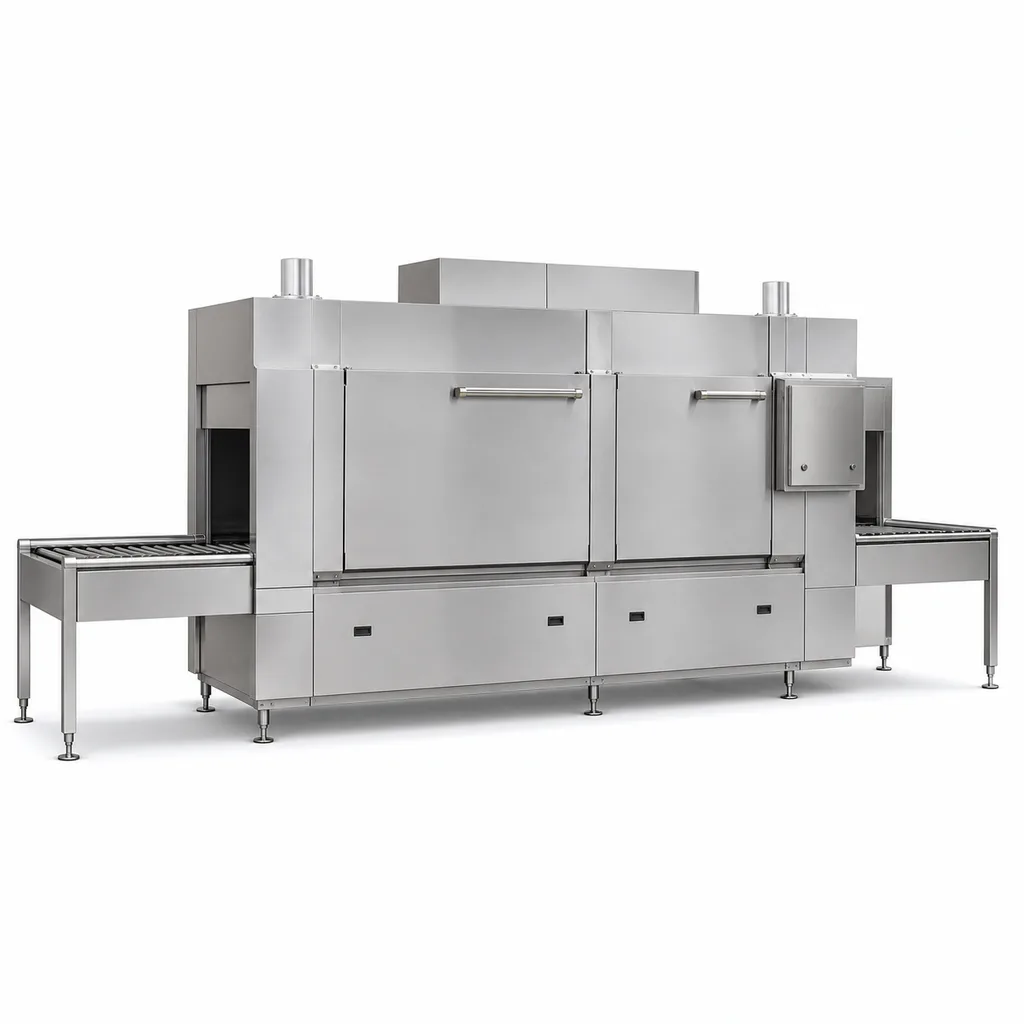
Warewashing Systems
High-capacity flight and conveyor dishwashers engineered with accessible maintenance panels.
View Warewashing Equipment →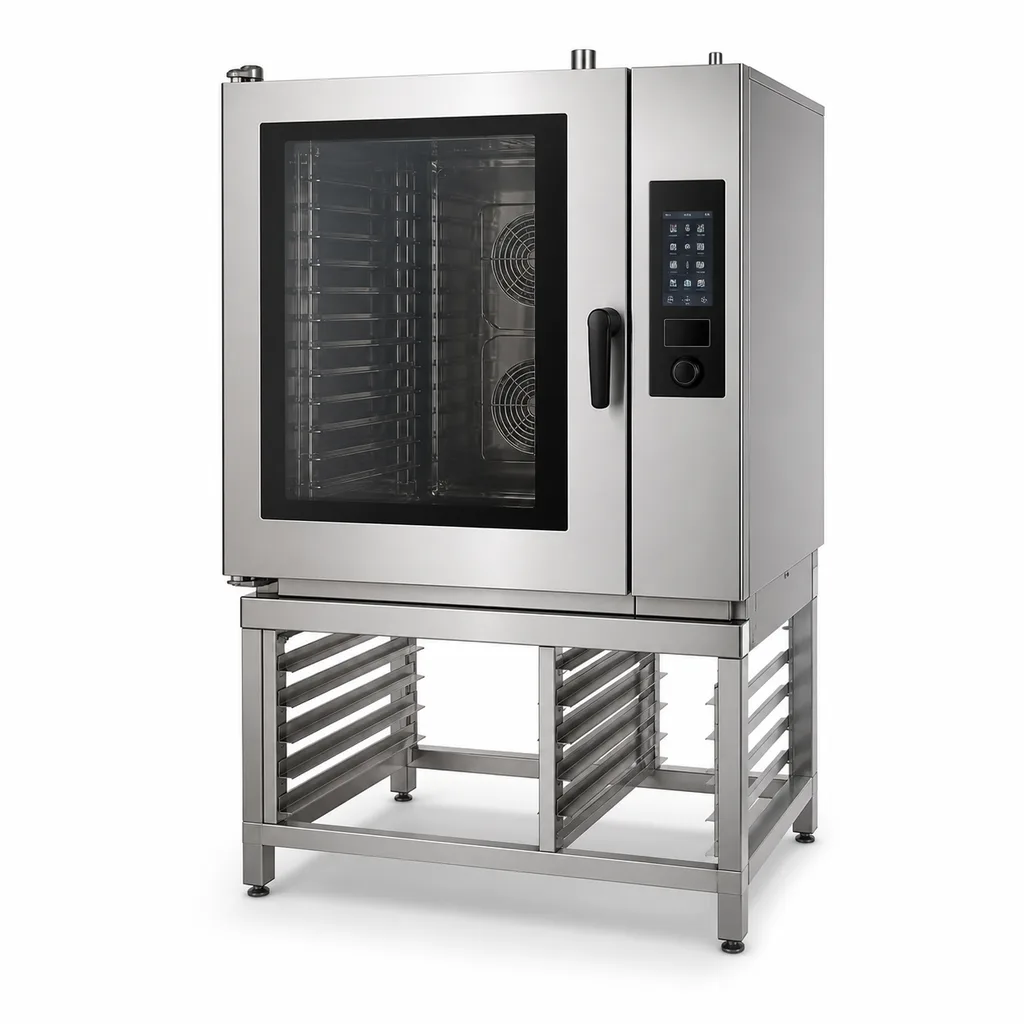
Combi Ovens & Steamers
Intelligent thermal cooking equipment with automated boiler descaling and diagnostic telemetry.
View Cooking Equipment →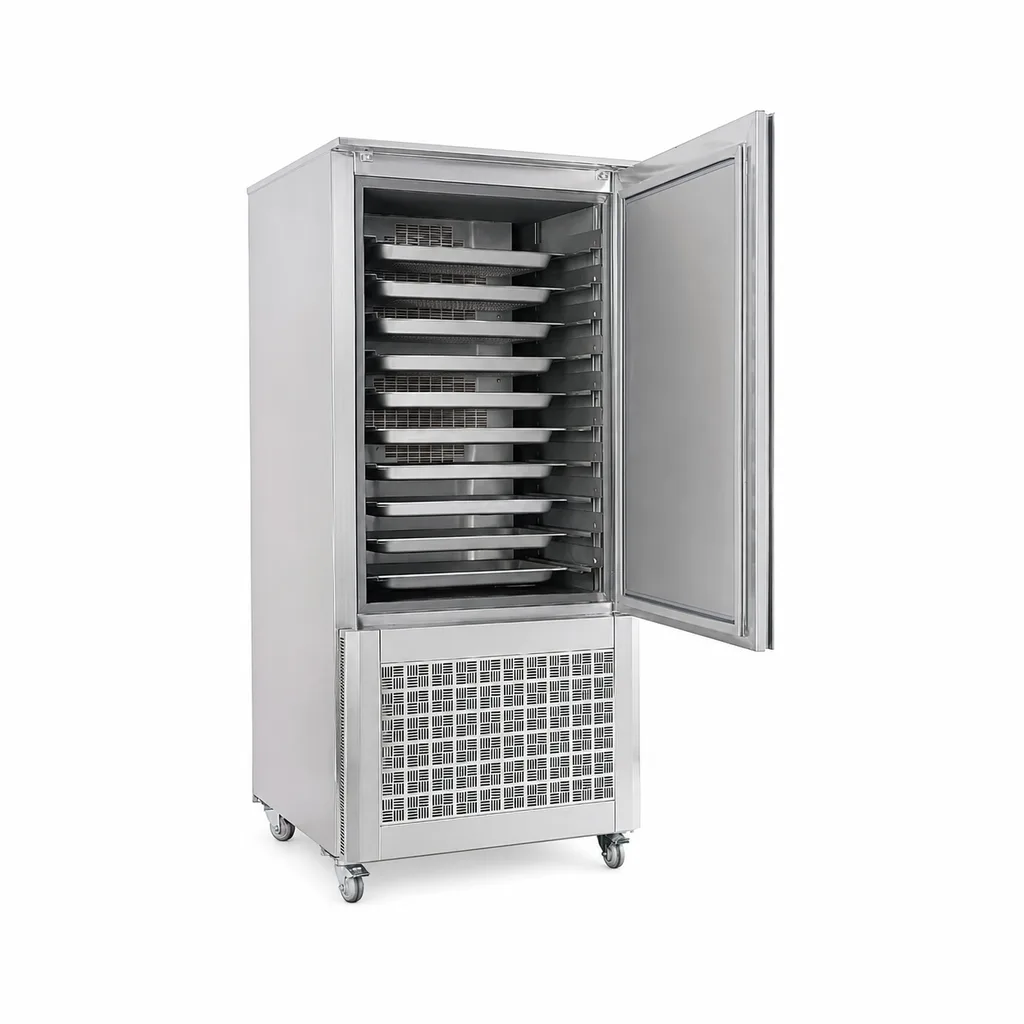
Refrigeration & Chillers
Heavy-duty upright freezers and blast chillers with swing-out condenser housings for rapid servicing.
View Refrigeration Lines →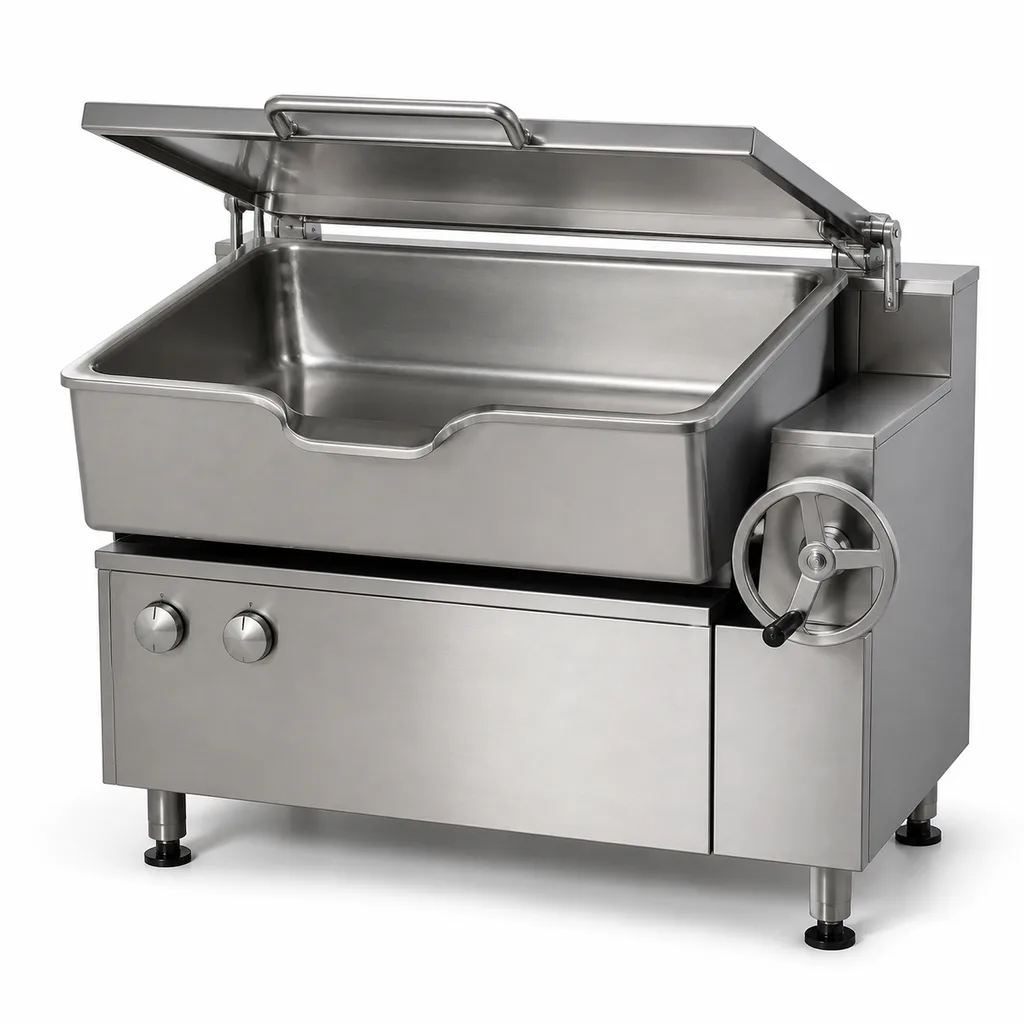
Tilting Kettles & Pans
Industrial batch cooking kettles with motorized tilting mechanisms and thermal limit protections.
View Batch Cooking Lines →Frequently Asked Questions
How often should commercial kitchen appliances be professionally serviced?
High-use thermal cooking and warewashing equipment should undergo scheduled professional service every 3 to 6 months. Cold-line refrigeration equipment requires condenser cleaning and refrigerant pressure verification at least quarterly.
What is the difference between an emergency repair and a planned service agreement?
Emergency callouts repair broken parts after production stops at premium overtime rates. Planned service agreements inspect, calibrate, descale, and adjust equipment before catastrophic failure occurs, maintaining full factory warranty compliance.
Can our in-house maintenance staff service commercial gas equipment?
Gas cooking lines, combi ovens, and pressure fryers must be serviced by certified gas technicians holding commercial endorsements (such as Gas Safe or local equivalent) to guarantee safety code and building insurance compliance.
What causes most unexpected commercial dishwasher breakdowns?
Hard water scale encrustation on booster elements and wash manifolds accounts for over 60% of warewashing service calls, followed by clogged scrap screens and deteriorated door microswitch seals.
Plan the Equipment Around Your Kitchen.
Share your menu, peak service demand, available space and site utilities. Tell us which equipment you are considering so we can review the requirements with you.