Commercial Kitchen Essentials
Commercial kitchen essentials cover cooking, refrigeration, dishwashing, and holding equipment, with a startup checklist to help new restaurants prioritize purchases.
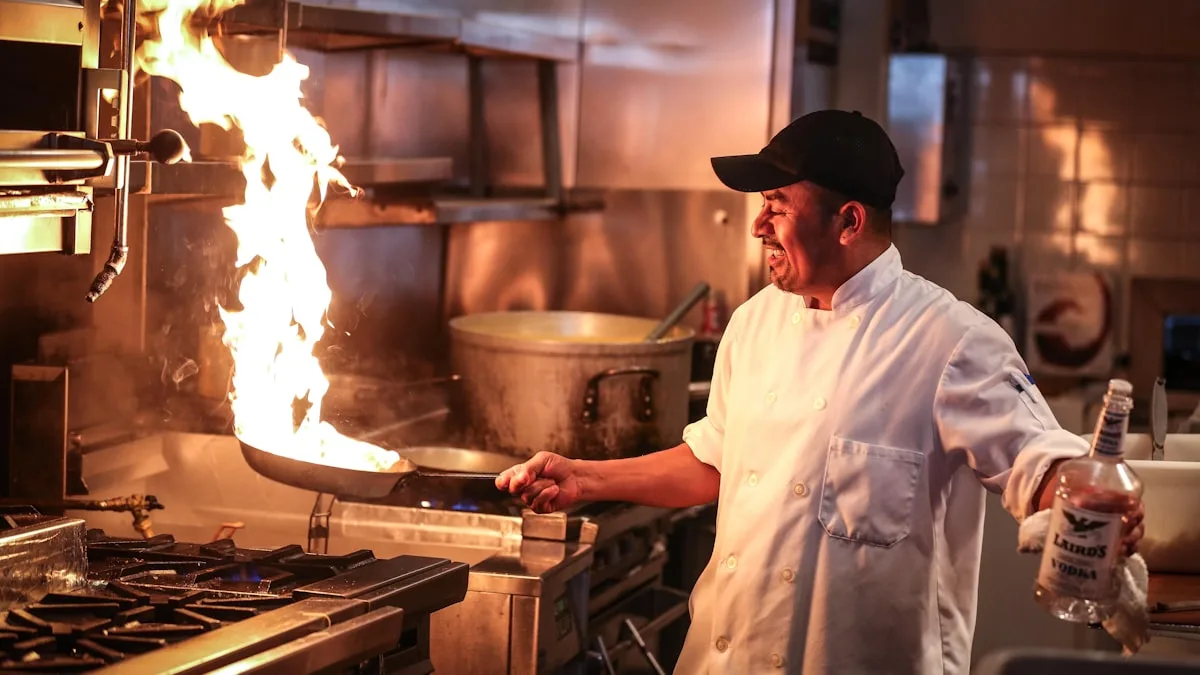
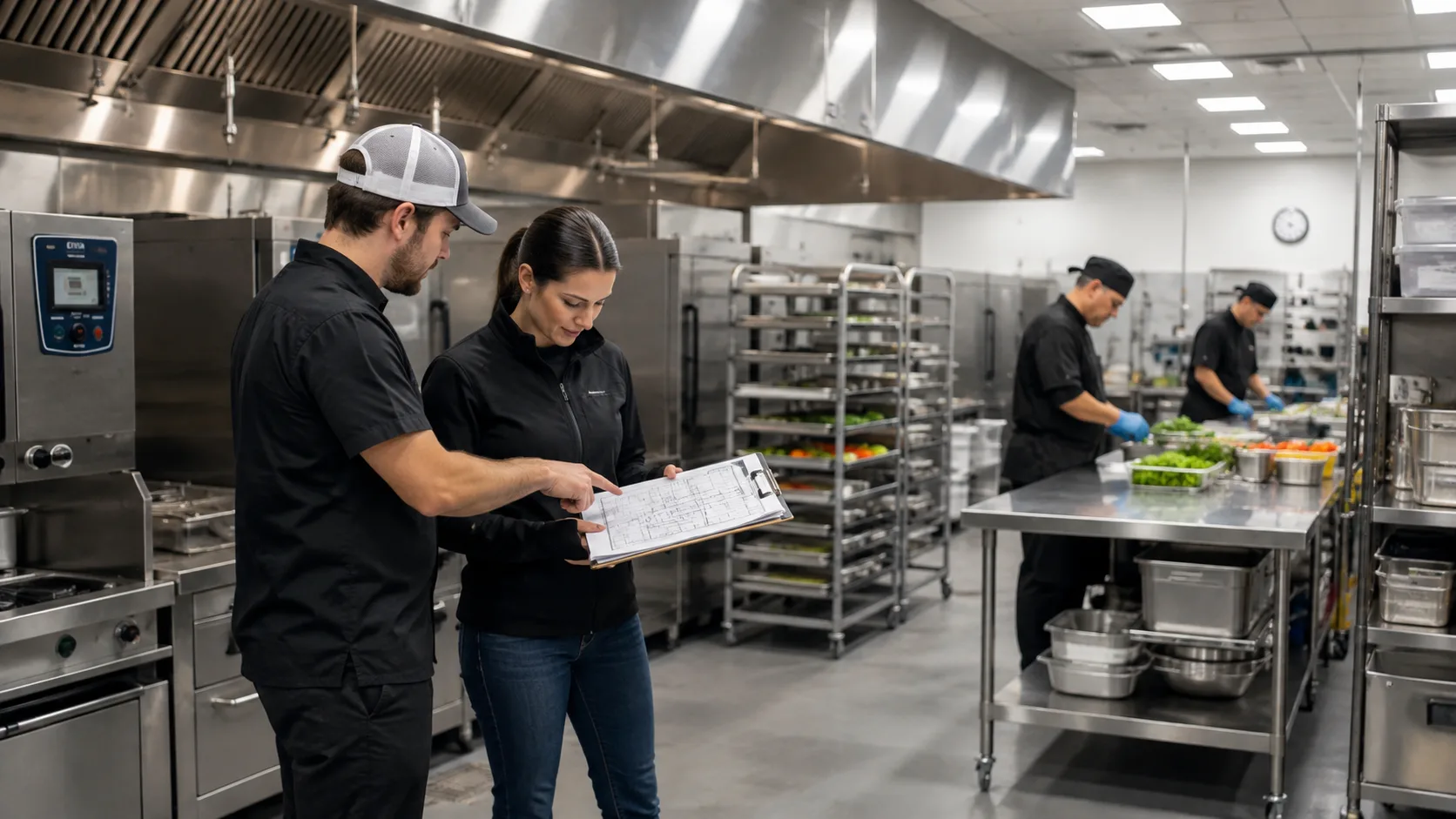
A new restaurant build-out fails less often from bad recipes than from an incomplete equipment list. Before you place orders, map every station—prep, cooking, holding, and cleanup—against your menu and projected covers. Missing even one item creates bottlenecks that hurt service speed and food safety.
The following checklist groups equipment by kitchen zone. Use it to verify that each area has the right capacity, ventilation support, and utility hookups before your first service.
Key takeaway: Start with your menu and covers per hour. Every equipment decision should trace back to a specific cooking or holding task, not a generic "standard kitchen" list.
Core Cooking Equipment
Your primary cooking line depends on menu complexity. A limited menu can run on a single convection oven and a range, while a full-service operation needs a modular cookline with tilting brazier, griddle, and pasta cooker. Consider these capacity benchmarks:
| Daily Covers | Recommended Line Configuration | Key Power Requirement |
|---|---|---|
| 100–200 | 2-burner range + convection oven | 30–50 kW |
| 200–500 | 4-burner range + 2-oven deck + tilting brazier | 60–90 kW |
| 500–1,000 | Modular cookline + combi steamer + separate fryer bank | 120–180 kW |
If your menu includes high-volume breakfast items, allocate extra space for a dedicated griddle and toaster. For Asian or Indian menus, a wok range and tandoor oven change your ventilation and gas sizing requirements. Also plan for future growth: leaving 20% extra capacity in your electrical and gas lines delays costly retrofit later.
Refrigeration and Cold Storage
Undercounter refrigerators and prep tables handle daily prep, while walk-in coolers store bulk inventory. Plan cold storage at 1.5–2.5 cubic feet per meal served to avoid overstocking and temperature abuse. A 200-cover restaurant typically needs a 10×12 ft walk-in cooler and a matching freezer compartment.
Cold Storage Zones
Separate raw protein storage from ready-to-eat items. Use blast chillers for rapid cooling when you prepare food more than four hours before service. This reduces bacterial growth and keeps HACCP logs clean. Label each shelf with color-coded tags and enforce a first-in, first-out rotation schedule.
Dishwashing Zones
A commercial dishwasher is not optional; it is a health department requirement. Hood-type machines fit spaces under 20 seats, while rack conveyor dishwashers handle 300+ covers per hour. Factor in a dedicated pot-washer if you run large stockpots or fryer baskets.
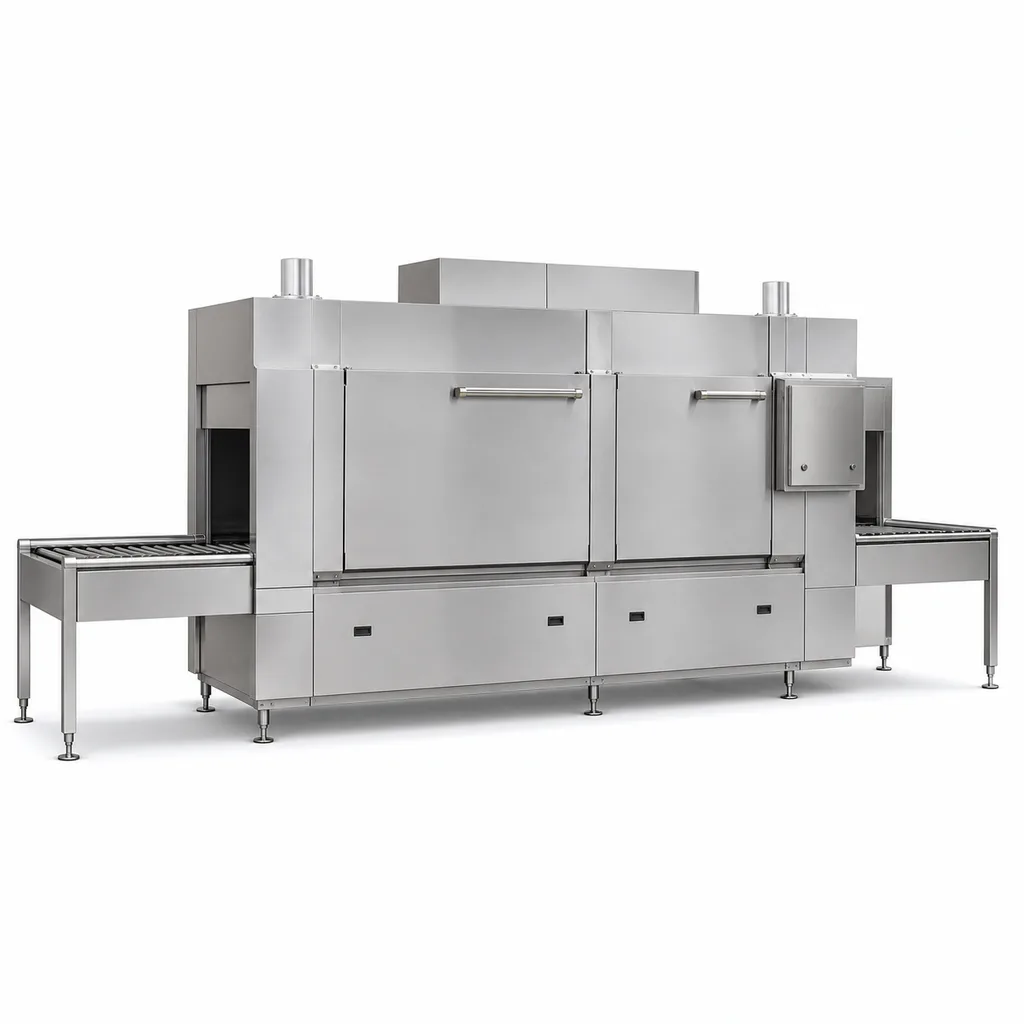
Rack Conveyor Dishwasher
Best for 300–1,000 covers per hour. Continuous belt design keeps dish flow steady during peak rush.
View Dishwashing Equipment →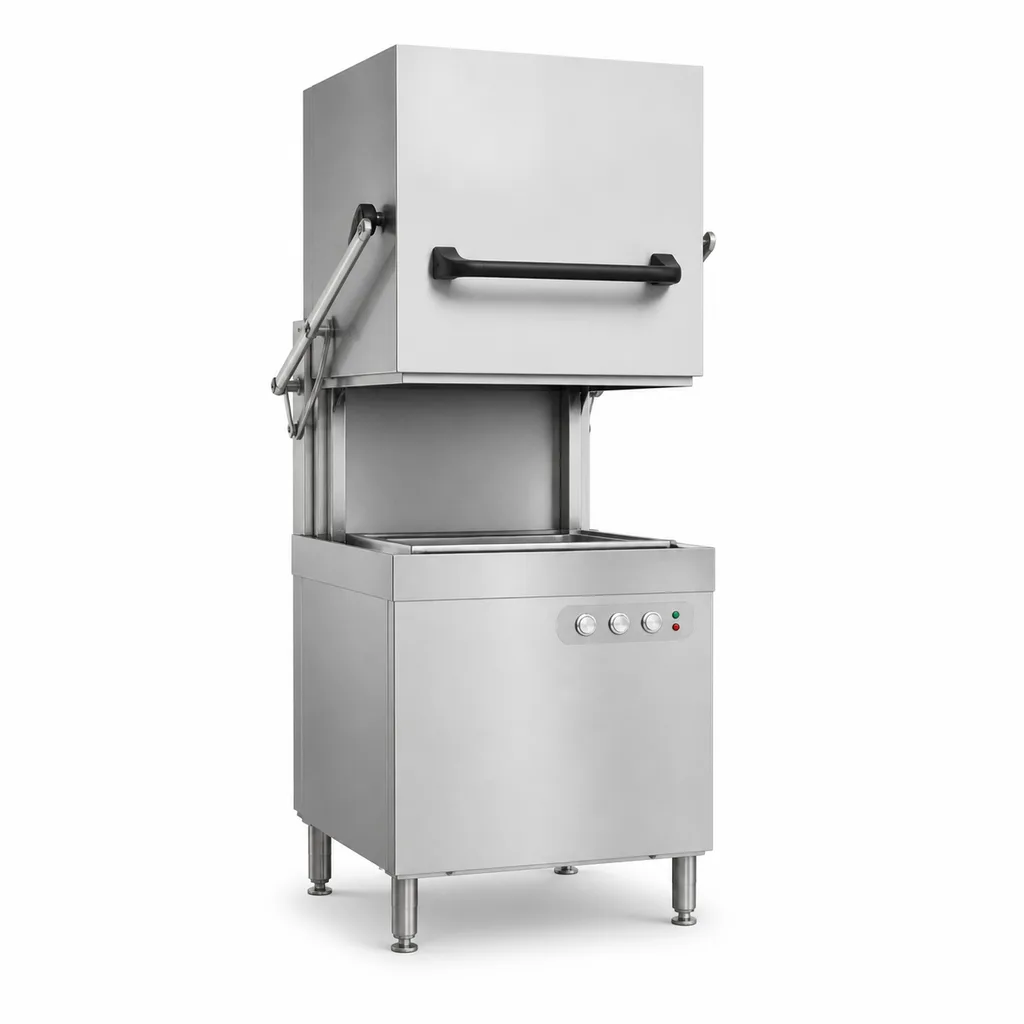
Hood-Type Dishwasher
Undercounter or door-type units for 50–200 covers. Simple installation under a standard counter.
View Dishwashing Equipment →Food Holding and Warming
Hot holding cabinets and bain-marie counters bridge the gap between finishing a dish and plating. Choose holding equipment with digital temperature controls and humidification to prevent drying. For buffet or banquet service, heated holding trolleys keep food safe during transport from kitchen to service line.
Workflow Layout Tips
Arrange equipment so that dirty dishes never cross the same path as clean plates. Keep the cooking line between prep and plating. A 12-ft-wide kitchen allows a two-person line with clearance for pass-through windows. If your floor plan forces longer travel distances, add a second prep table near the line to reduce congestion.
Grease Management and Fire Safety
Install a grease trap sized for your dishwasher and three-compartment sink. Clean it monthly to avoid foul odors and fire hazards. Keep a Class K fire extinguisher within 10 ft of every cooking station and train all staff on its use.
Ventilation and Utility Planning
Every cooking appliance needs adequate makeup air. A commercial range hood should move 100–150 CFM per BTU of cooking output. Consult a mechanical engineer before finalizing hood size; undersized hoods cause heat buildup and trigger fire suppression systems.
For a complete equipment checklist tailored to your menu, see our restaurant kitchen solutions or browse the full cooking equipment catalog.
Plumbing and Drainage
A three-compartment sink is the minimum for washing, rinsing, and sanitizing. Install a floor drain with a grease trap at every cooking station. If your menu includes fryers, add a separate drain for used oil collection to avoid cross-contamination.
Training and Documentation
New equipment should come with an operation manual, safety data sheet, and cleaning checklist. Store digital copies on a shared drive accessible to shift managers. Train every new hire on startup, shutdown, and emergency stop procedures before their first solo shift.
For projects with specific raw material requirements, target capacity needs, or custom factory drawing specifications, contact our team to discuss your working hours and operational requirements. We support full project planning from specification to installation.
Frequently Asked Questions
Does a higher price always mean higher quality?
No. Price reflects brand premium as well as build quality. Judge by steel grade, gauge and certifications.
How long should quality equipment last?
Cooking equipment 10-15 years, refrigeration 8-12 years, with proper maintenance.
Plan the Equipment Around Your Kitchen.
Share your menu, peak service demand, available space and site utilities. Tell us which equipment you are considering so we can review the requirements with you.