Commercial Tandoor Oven Price
Commercial tandoor oven prices vary by clay, gas or electric heating, and size. We compare features, installation and operating costs for Indian restaurants and hotels.
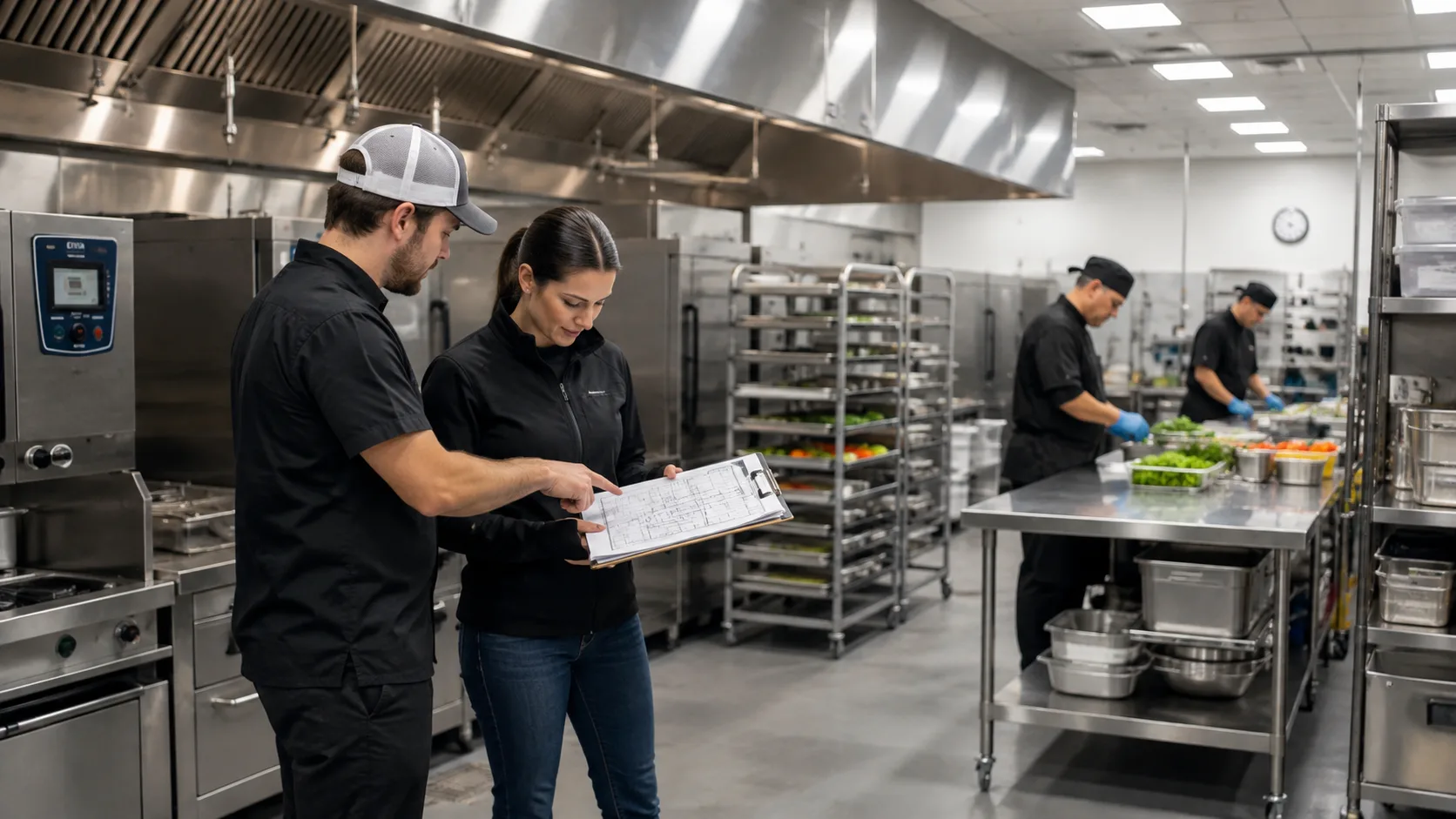
How commercial tandoor oven prices are structured is a critical consideration for any commercial kitchen project. This guide covers the key factors, costs, and selection criteria you need to make an informed decision.
How commercial tandoor oven prices are structured
Commercial tandoor ovens are cylindrical clay or metal chambers that cook with radiant heat from the bottom and sides. Prices depend on material, diameter, height, and whether the oven uses charcoal, gas, or electric heating. Clay tandoors produce the most authentic smoky flavor but need more maintenance: the clay must be cured, sealed, and protected from moisture. Metal tandoors are easier to clean and more durable, but they heat differently and produce less smoky flavor. Gas and electric models offer temperature control that charcoal cannot match, which matters for consistency in high-volume restaurants.
Clay, gas, and electric comparisons
Clay tandoor ovens start around $600 to $2,000 for small tabletop models and scale to $4,000 to $10,000 for large floor-standing units. They need a well-ventilated location because charcoal produces smoke and ash. Gas tandoors cost $2,000 to $8,000 and offer adjustable heat with no ash cleanup. Electric tandoors cost $1,500 to $6,000 and suit locations where open flame or gas is prohibited. Metal tandoors—often called "modern tandoors"—use steel or cast-iron construction and cost $3,000 to $12,000; they heat faster and last longer than clay but need insulation to retain heat.
Size, capacity, and installation
A small tandoor with a 24-inch diameter and 36-inch height suits a 40- to 80-cover restaurant producing 100 to 200 naan or tandoori items per service. A large tandoor with a 36-inch diameter and 48-inch height suits a 150- to 300-cover restaurant producing 400 to 800 items per service. Installation includes a ventilation canopy, fire suppression, and, for gas models, properly sized piping. Charcoal tandoors need an ash disposal plan and a carbon monoxide monitor. Expect installed costs to run 1.5 to 2.5 times the equipment price when mechanical work is included.
Operating costs and maintenance
Charcoal tandoors have low fuel cost but high labor cost for ash removal and temperature management. Gas tandoors cost more per hour to run than charcoal but offer faster heat recovery and cleaner operation. Electric tandoors are the simplest to install but the most expensive to run in regions with high electricity prices. Over a five-year window, fuel and maintenance differences between charcoal, gas, and electric can reach $5,000 to $15,000 depending on volume. Clay tandoors need annual resealing and careful moisture control; a rain-exposed clay tandoor can crack and spall, requiring full rebuild.
| Type | Size | Price range | Installation complexity |
|---|---|---|---|
| Clay charcoal | Tabletop | $600 – $2,000 | Medium |
| Clay charcoal | Floor-standing | $4,000 – $10,000 | High |
| Gas metal | Mid-size | $2,000 – $8,000 | Medium–high |
| Electric metal | Tabletop to floor | $1,500 – $6,000 | Low–medium |
Key takeaway: Choose tandoor type based on your menu authenticity, labor tolerance, and local codes. Gas and electric models offer consistency; clay charcoal models offer flavor but need more skill and maintenance.
Ventilation, safety, and compliance
Tandoors produce radiant heat, smoke, and combustion products. The exhaust canopy must capture all three, which means higher airflow than a standard range hood. Charcoal tandoors need a carbon monoxide monitor and an ash-safe disposal area. Gas tandoors need a solenoid shutoff interlocked with ventilation. Fire suppression is mandatory in most jurisdictions. The mechanical contractor should design the hood and ductwork specifically for tandoor output; a generic range hood is usually inadequate. Expect three to five days for rough-in, testing, and inspection.
Brand support, warranty, and total cost
Tandoor oven brands differ in clay quality, metal thickness, and service-network density. Clay ovens need careful curing and moisture protection; a reputable brand should provide detailed seasoning instructions and a warranty against cracking under normal use. Metal tandoors need insulation inspection and heating-element protection. Over five years, maintenance costs range from $500 to $2,000 per year depending on type and volume. Ask for the nearest service center and the lead time for heating elements, gas valves, or control boards before buying. Well-maintained tandoors retain 25% to 45% of their value after five years if you document maintenance and avoid moisture damage.
Cooking Equipment
Tandoors, clay ovens and metal ovens for Indian restaurants and hotels.
View cooking equipment →
Browse the full cooking equipment range. For kitchen layout planning, see our central kitchen planning guide.
For projects with specific raw material requirements, target capacity needs, or custom factory drawing specifications, contact our team to discuss your working hours and operational requirements. We support full project planning from specification to installation.
Frequently Asked Questions
How much does a commercial tandoor oven cost?
Clay charcoal tandoors cost $600 to $10,000 depending on size. Gas metal tandoors cost $2,000 to $8,000. Electric metal tandoors cost $1,500 to $6,000. Installed cost can double the equipment price.
What is the difference between clay and metal tandoors?
Clay tandoors produce authentic smoky flavor but need more maintenance and moisture protection. Metal tandoors are easier to clean and more durable but heat differently and produce less smoky flavor.
Do tandoors need special ventilation?
Yes. Tandoors produce radiant heat, smoke, and combustion products. A Type 1 hood with fire suppression is mandatory in most jurisdictions. Hood design should be calculated specifically for tandoor output.
Can I use a tandoor indoors?
Yes, if you have proper ventilation, fire suppression, and, for charcoal models, a carbon monoxide monitor. Some jurisdictions restrict open-flame cooking indoors; check local codes before installing.
How do I maintain a clay tandoor?
Season the clay before first use, seal it regularly, and protect it from moisture. A rain-exposed clay tandoor can crack and spall. Metal tandoors need less maintenance but should be inspected for insulation degradation annually.
Plan the Equipment Around Your Kitchen.
Share your menu, peak service demand, available space and site utilities. Tell us which equipment you are considering so we can review the requirements with you.