Kitchen Mechanical Equipment Guide
Kitchen mechanical equipment covers ventilation hoods, grease traps, drains and utilities. Maintenance schedules and compliance checks for commercial kitchens.
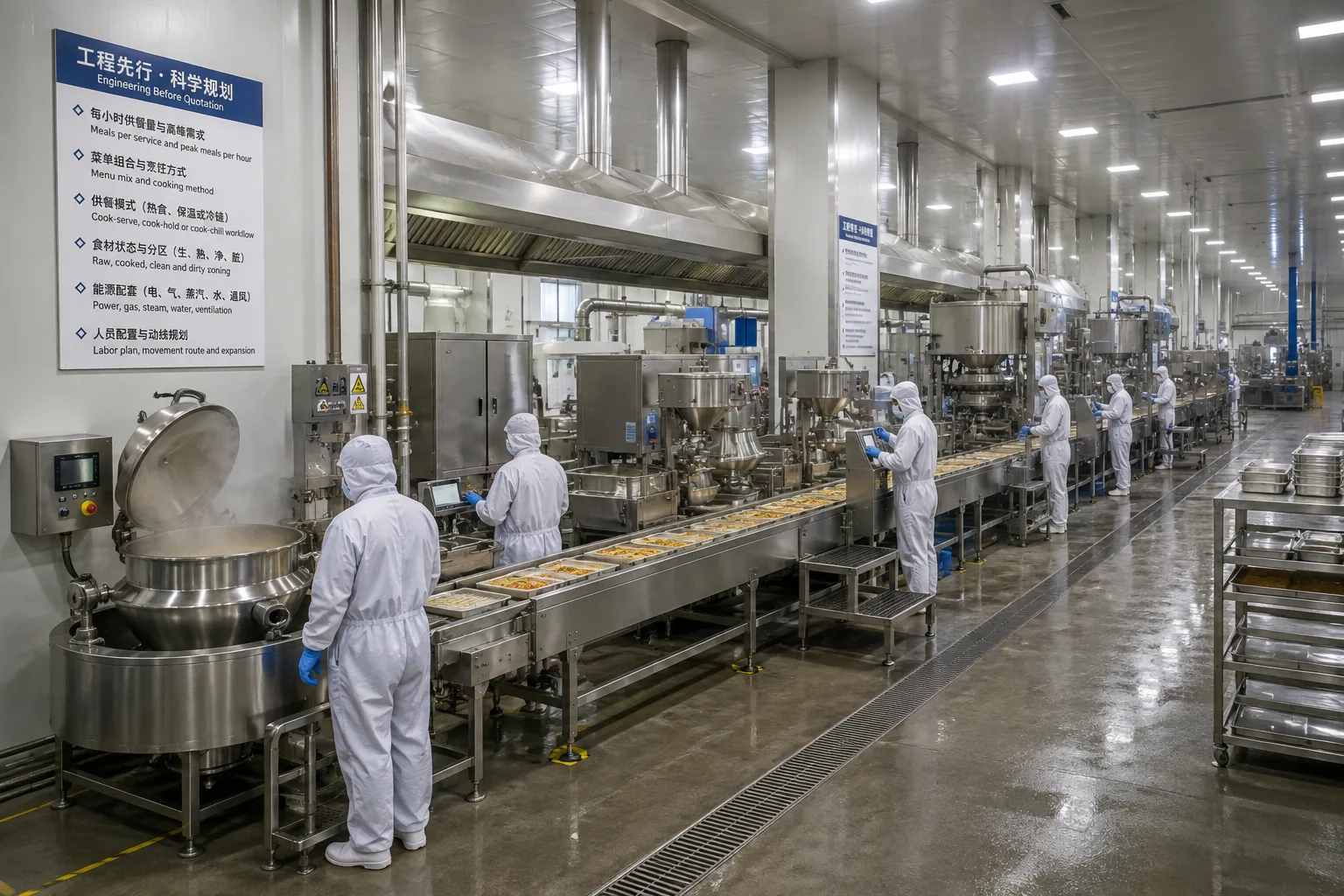
Making the right choice for kitchen mechanical equipment guide requires clear criteria and realistic budget boundaries. This guide covers the selection factors that matter most for commercial kitchen buyers.
Why mechanical equipment maintenance prevents expensive shutdowns
Kitchen mechanical equipment is the invisible backbone of food safety. Grease-laden ventilation ducts, blocked floor drains, and failed utility systems cause more downtime than any cooking appliance. A grease fire in a duct can shut a kitchen for days while the fire suppression system resets. A blocked drain can flood a prep room during service. A failed compressor or boiler can halt production until a specialist arrives. Preventive maintenance on mechanical systems is cheaper than emergency repairs and usually required by insurance and health codes.
Ventilation and grease control
Type 1 hoods capture grease-laden vapors from cooking equipment. Grease filters should be inspected weekly and cleaned monthly; baffle filters need deep degreasing every three months. Ductwork should be inspected annually for grease accumulation and cleaned when deposits exceed the thickness of a nickel. Fire-suppression systems need six-month inspections and annual hydrostatic testing. Exhaust fans should be balanced and bearings lubricated quarterly. A poorly maintained hood reduces capture efficiency, increases kitchen temperature, and raises fire risk.
Drains, traps, and grease interceptors
Floor drains need strainers to catch solids and traps to prevent sewer gas ingress. Grease interceptors should be pumped monthly in high-volume kitchens; buildup reduces flow and causes backups. Drain cleaning should use enzyme-based or mechanical methods rather than harsh acids, which damage pipes. Backflow preventers protect potable water from contamination and need annual testing. A documented drain-maintenance log is often requested during health inspections.
Utility systems and safety interlocks
Commercial kitchens rely on gas, electricity, water, and drainage working together. Gas pipes need annual leak testing and pressure validation. Electrical panels need thermal imaging inspections annually to detect overloaded circuits. Water pressure should sit between 40 and 80 psi; pressure reducers protect equipment from water hammer. Boiler and steam systems need blowdown schedules and water-quality testing. Safety interlocks—gas solenoid shutoffs, ventilation interlocks, and high-limit cutoffs—should be tested quarterly. A failed interlock is a code violation and a fire hazard.
| System | Monthly | Quarterly | Annually |
|---|---|---|---|
| Hood and filters | Filter inspection | Deep degrease | Duct inspection |
| Fire suppression | — | — | Inspection and hydro test |
| Grease interceptor | Pump out | Flow check | Tank inspection |
| Drainage | Strainer clean | Enzyme treatment | Camera inspection |
| Gas system | Visual leak check | Pressure test | Pipe inspection |
| Electrical | Panel temp check | Breaker test | Thermal imaging |
Key takeaway: Mechanical failures are preventable with a written schedule. Document every inspection, cleaning, and test; the log protects you during health inspections and insurance claims.
Compliance, documentation, and vendor selection
Health inspectors, fire marshals, and insurance auditors all ask for mechanical maintenance records. A digital CMMS or service portal should log filter cleanings, duct inspections, pump-outs, and interlock tests with dates and technician signatures. When selecting mechanical contractors, verify NFPA 96 compliance training, local authority licensing, and references from similar kitchens. At contract renewal, benchmark response times and pricing against current market terms. The cheapest contractor is not the best value if they miss filter-cleaning schedules or fail to test interlocks.
Energy efficiency and sustainability
Mechanical systems are often the largest energy consumers in a commercial kitchen. Ventilation fans run continuously; upgrading to EC motors can cut fan energy by 30% to 50%. Insulated exhaust ducts reduce heat loss and improve hood capture efficiency. LED lighting in mechanical spaces reduces electricity and improves inspection visibility. Water recycling from condensate or boiler blowdown can offset utility costs. Track mechanical energy use separately from cooking equipment; the data helps you qualify for energy-efficiency grants and proves compliance during sustainability audits.
Training in-house teams and contractor management
Mechanical maintenance fails without trained staff. Every shift should know how to inspect filters, listen for fan anomalies, and report drain backups before service. In-house teams need a mechanical maintenance calendar that aligns with the contractor’s inspection schedule. When hiring mechanical contractors, verify NFPA 96 compliance training, local authority licensing, and references from similar kitchens. At contract renewal, benchmark response times and pricing against current market terms. The cheapest contractor is not the best value if they miss filter-cleaning schedules or fail to test interlocks.
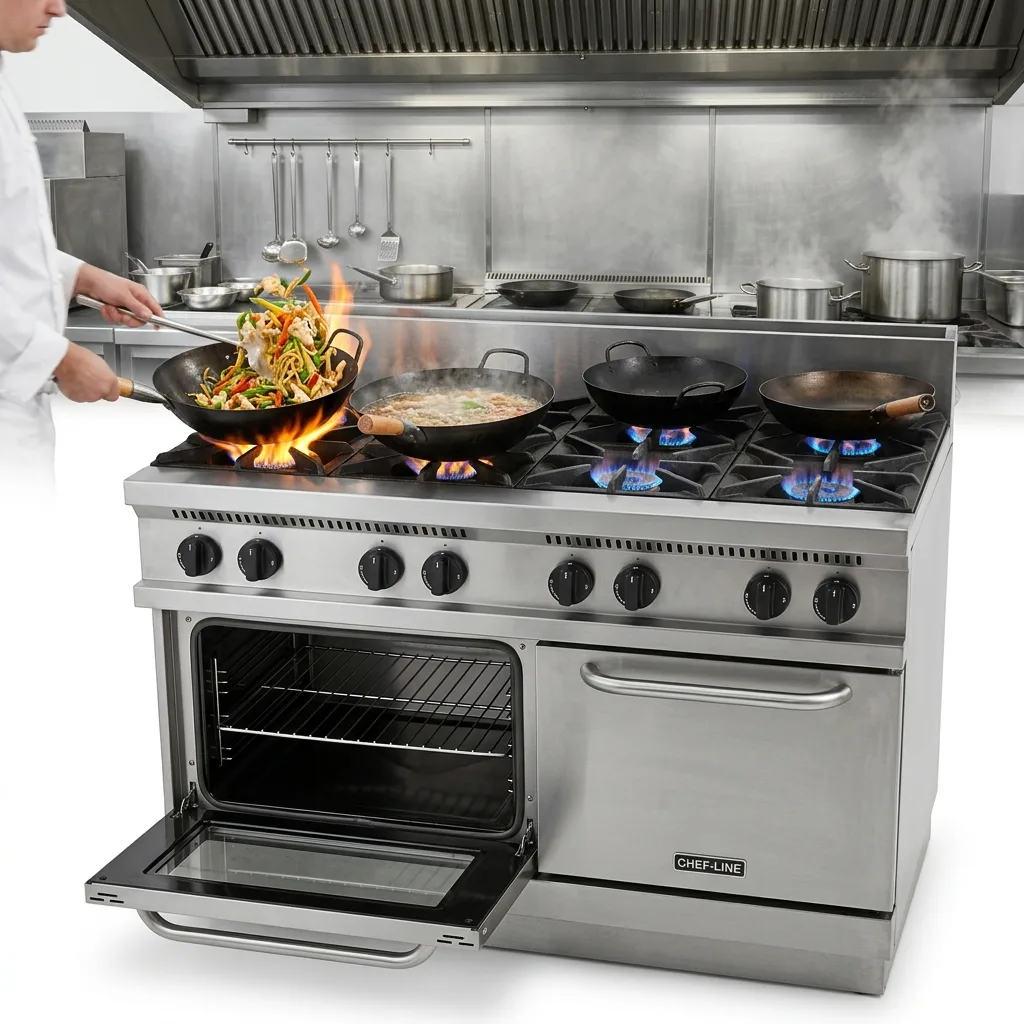
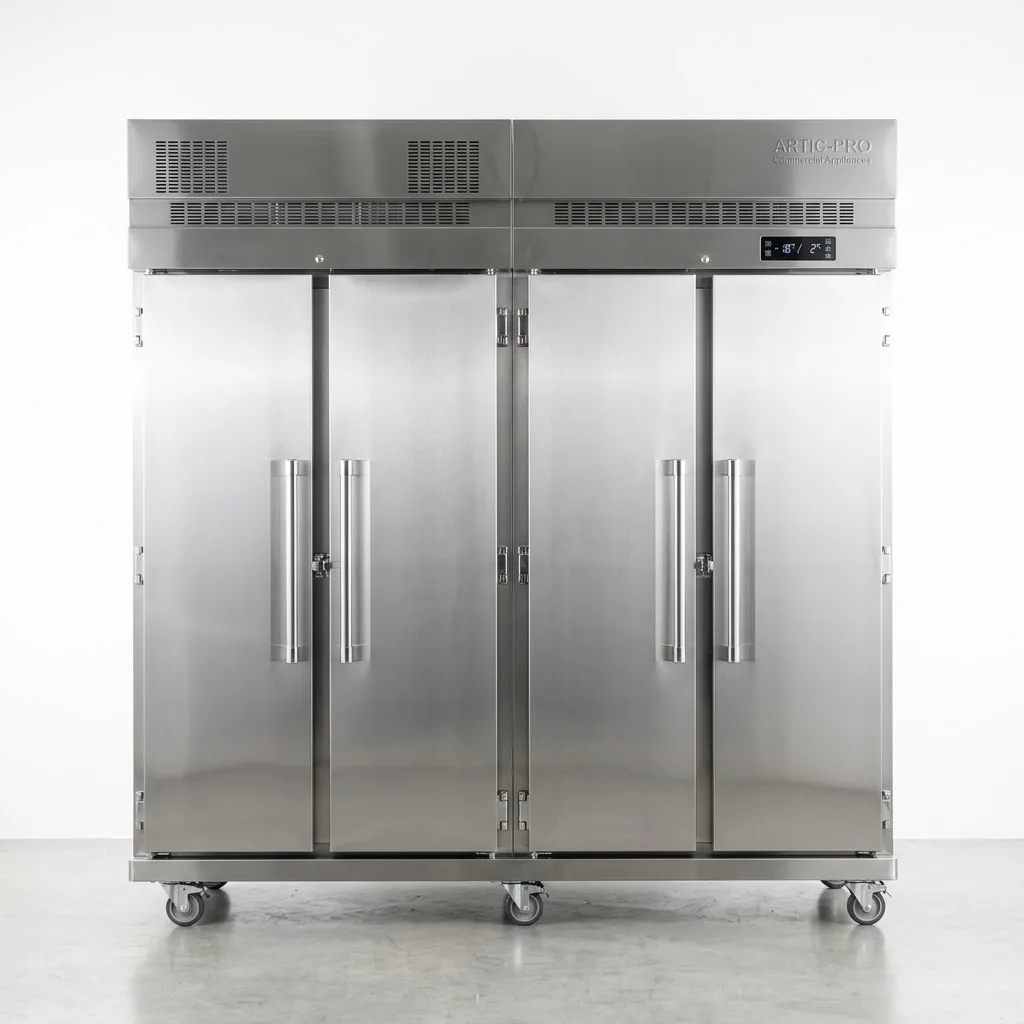
Refrigeration Equipment
Refrigerators, cold rooms and display freezers for mechanical specs.
View refrigeration equipment →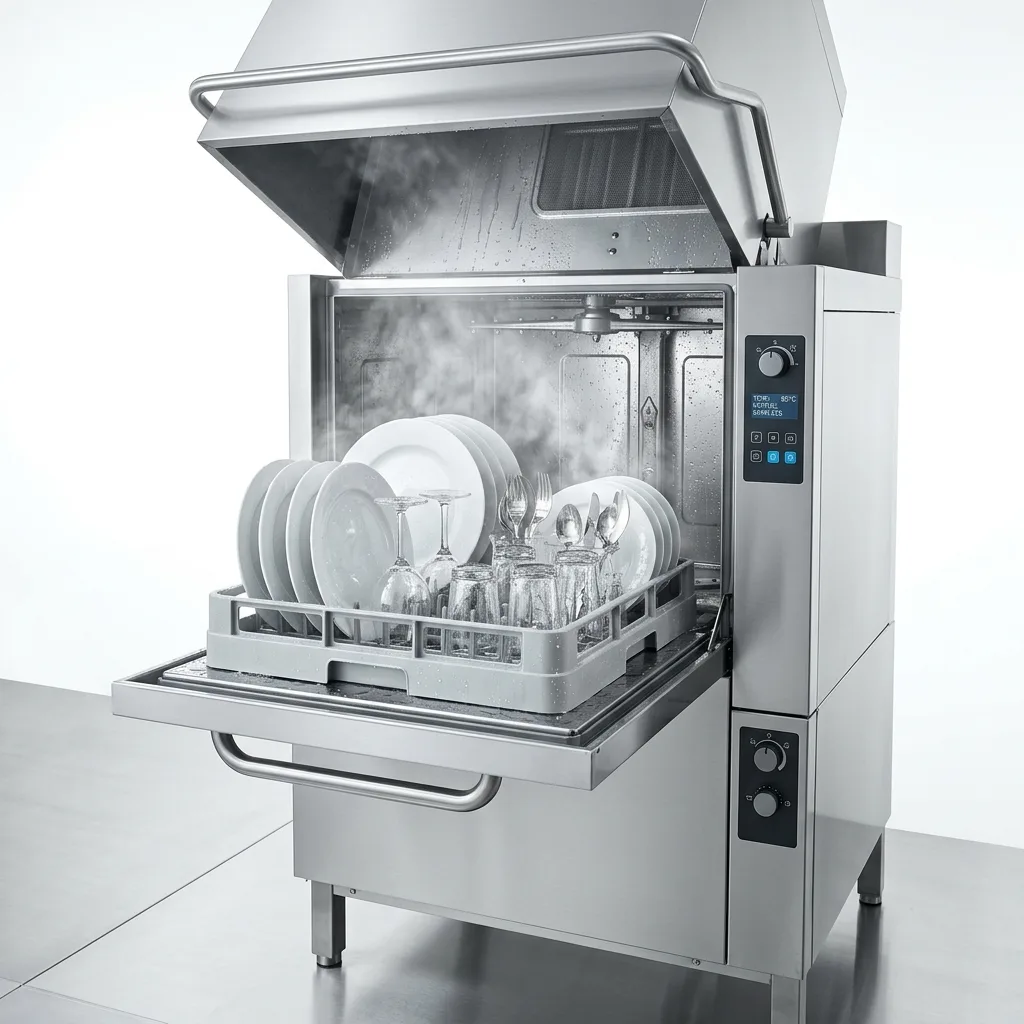
Dishwashing Equipment
Commercial dishwashers and utensil washers for drainage and water specs.
View dishwashing equipment →For hygiene and compliance guidance, see our hygiene and HACCP guidance. For equipment maintenance support, see our installation and maintenance support.
For projects with specific raw material requirements, target capacity needs, or custom factory drawing specifications, contact our team to discuss your working hours and operational requirements. We support full project planning from specification to installation.
Frequently Asked Questions
What is included in kitchen mechanical equipment?
Kitchen mechanical equipment includes ventilation hoods, grease traps, floor drains, gas systems, electrical panels, boilers, and safety interlocks. These systems prevent downtime and ensure compliance.
How often should I clean kitchen hood filters?
Inspect filters weekly and deep-clean baffle filters monthly. Ductwork should be inspected annually and cleaned when grease deposits exceed the thickness of a nickel.
How do I prevent drain backups?
Use strainers, pump grease interceptors monthly in high-volume kitchens, and clean drains with enzyme-based treatments. Harsh acids damage pipes; mechanical cleaning is safer.
What mechanical inspections does my kitchen need?
Gas systems need annual leak testing. Electrical panels need annual thermal imaging. Safety interlocks need quarterly testing. Document every inspection for health and insurance audits.
Why is mechanical maintenance documentation important?
Health inspectors, fire marshals, and insurance auditors ask for maintenance logs. A digital CMMS with dated records protects you during inspections and supports warranty claims.
Plan the Equipment Around Your Kitchen.
Share your menu, peak service demand, available space and site utilities. Tell us which equipment you are considering so we can review the requirements with you.