Quality Restaurant Equipment: How to Judge Before You Buy
How to judge quality in restaurant equipment before you buy: steel grades, weld construction, certifications, and a practical buyer's inspection checklist.
Every supplier claims to sell quality restaurant equipment. The word appears on catalog covers, trade show booths and quotation headers — and it means nothing until you can verify it against a specification. Two work tables can look identical in photos and differ by three steel grades, two gauge thicknesses and ten years of service life.
This guide turns "quality" into a set of checkpoints you can actually inspect: what materials and construction details to look for, which certifications carry weight, and how to tell a price difference that reflects real build quality from one that is just margin.
Key takeaway: Judge restaurant equipment by verifiable specifications — steel grade and gauge, weld finish, component brands, certification marks and spare-parts availability. Price and surface polish tell you very little on their own.
What "Quality" Actually Means for Restaurant Equipment
In a commercial kitchen, quality is not a feeling — it is the ability to survive a duty cycle. A restaurant range runs 12 to 16 hours a day; a reach-in refrigerator door opens hundreds of times per service. Equipment built for this workload shares four traits.
Materials
Food-contact surfaces should be SUS304 (18/8) stainless steel, which resists corrosion from salt, acid and daily sanitation chemicals. Grade 430 stainless is acceptable for non-contact panels and backs — it is magnetic, which gives you a quick field test: if a magnet sticks firmly to a "stainless" worktop, it is not 304. Watch also for 201-grade steel, a cheaper substitute that pits and rusts within one to two years in humid kitchens.
Construction
Thickness matters as much as grade. Worktop surfaces in 16-gauge (about 1.5 mm) steel resist denting from dropped stock pots; 18-gauge is a minimum for light prep tables. Welds should be continuous and ground smooth — spot-welded seams trap food residue and fail hygiene inspections.
Components and serviceability
The sheet metal is the easy part. Quality shows in the components: brand-name compressors in refrigeration, cast-iron burners rather than thin pressed steel, thermostats and hinges that are replaceable without scrapping the unit. A machine is only as good as the availability of its spare parts five years from now.
A Buyer's Inspection Checklist
Whether you are standing in a showroom or reviewing a quotation from overseas, these checkpoints separate well-built equipment from look-alikes.
| Checkpoint | What to look for | Red flag |
|---|---|---|
| Steel grade | SUS304 on all food-contact zones; grade stated in the spec sheet | "Stainless steel" with no grade specified |
| Steel thickness | 16-gauge or thicker on worktops and sink bowls | Flexing or drumming when you press the surface |
| Welds | Continuous, ground smooth, no gaps at corners | Spot welds, visible gaps, rough slag |
| Doors and gaskets | Solid hinge action; gaskets that seal evenly and pull off for cleaning | Sagging doors, glued-in gaskets |
| Components | Named compressor, thermostat and burner brands with available spares | Unbranded internals, proprietary parts only |
| Certification marks | NSF, ETL/UL or CE marks on the rating plate | Marks mentioned in marketing but absent on the plate |
Quality Markers by Equipment Category
Each equipment category has its own failure points. Here is where to focus your inspection.
Cooking Equipment
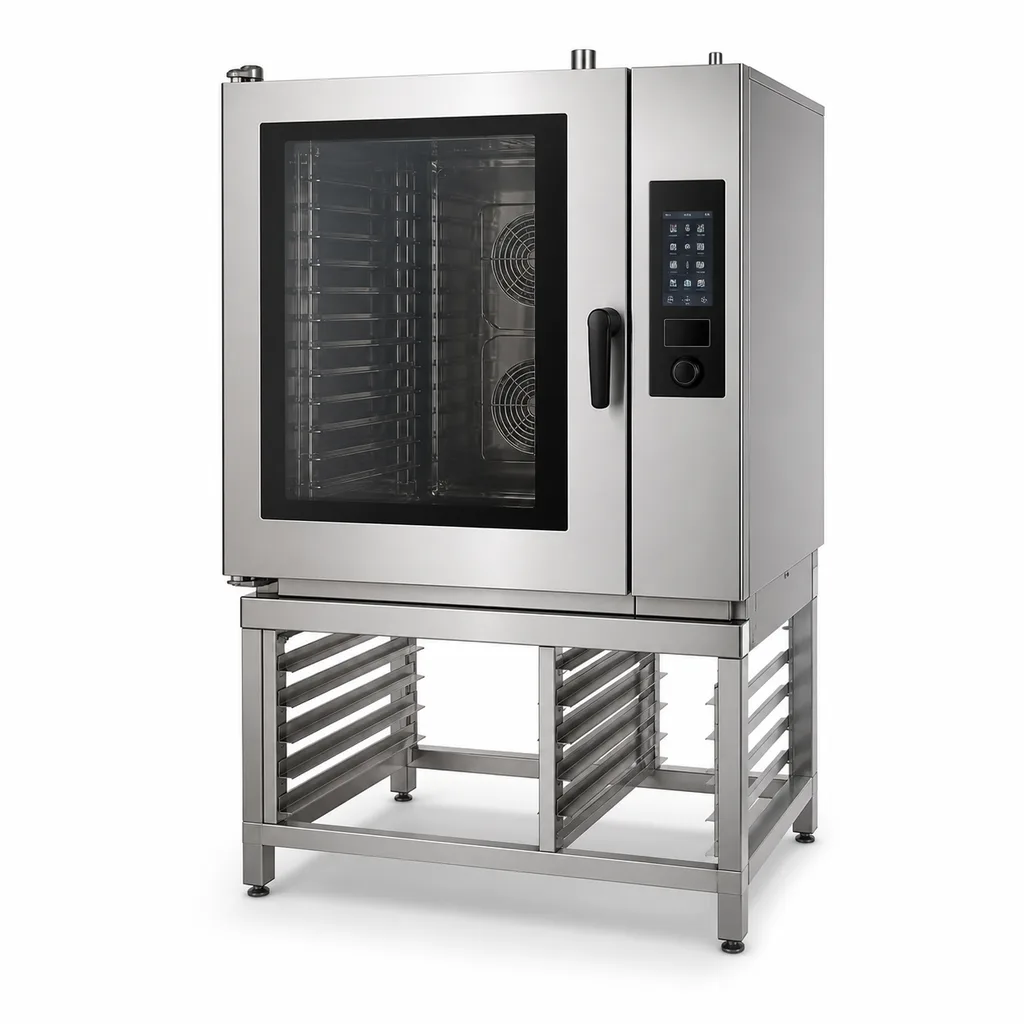
Check burner output recovery time, door seal integrity and control-board accessibility. A quality combi oven holds temperature within ±5°C across the chamber.
View cooking equipment →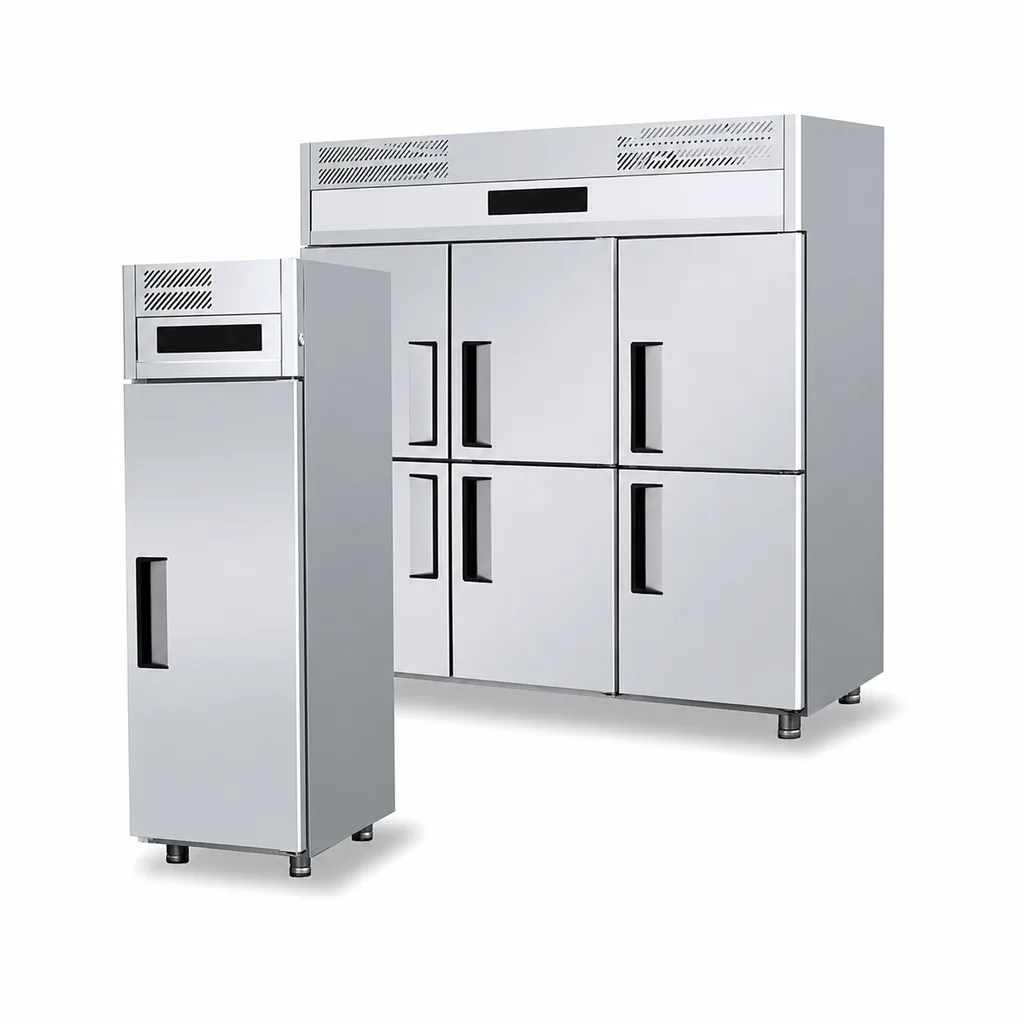
Refrigeration
Compressor brand, forced-air versus static cooling, and pull-down time from ambient to 4°C. Insulation should be foamed-in-place polyurethane, 50 mm or thicker.
View refrigeration →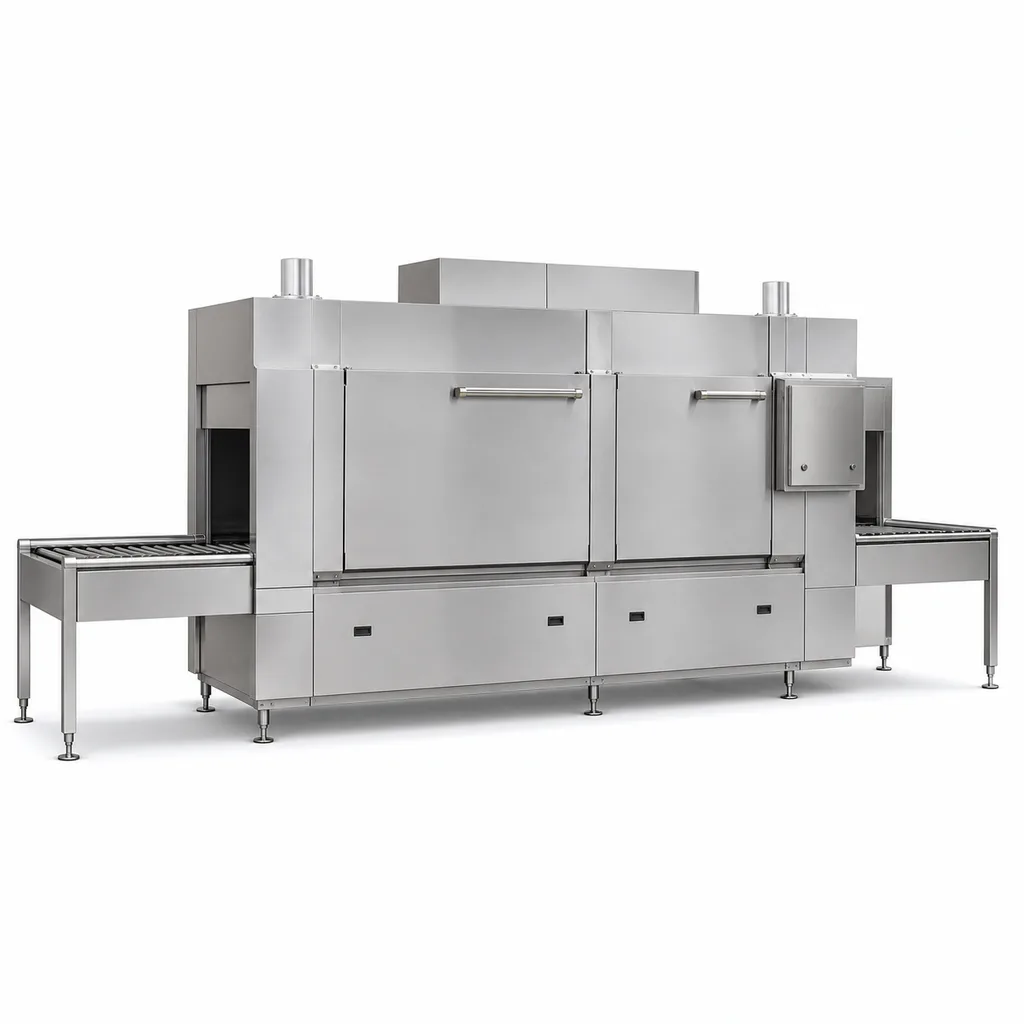
Dishwashing
Pump rating, wash-arm material (stainless, not plastic), and final-rinse temperature stability at 82–88°C for sanitizing. Check that tanks drain fully for cleaning.
View dishwashing →Certifications That Actually Matter
Certification marks are the cheapest quality signal to verify — they either exist on the rating plate or they do not. The ones worth insisting on:
- NSF: the baseline for food-zone hygiene design in North America and widely accepted elsewhere; covers cleanability and material safety
- ETL / UL: electrical safety listing; critical for insurance and local code approval
- CE: required for the European market; includes machinery and electrical safety directives
- ISO 9001: a factory-level certification — it does not certify the product, but it indicates consistent production control at the manufacturer
Ask for the certificate number, not just the logo. Legitimate certifications can be verified in the issuing body's public database.
Price vs. Quality: Where the Money Goes
A premium unit typically costs 30–60% more than a budget look-alike. That gap pays for specific, nameable things — and knowing them tells you whether a quote is fair:
- Thicker, higher-grade steel (304 throughout, not just the top)
- Branded compressors, burners and controls with global parts support
- Full certification testing, not self-declared compliance
- Welded frames instead of bolted assemblies that loosen over time
Where the premium does not pay off: cosmetic panels on equipment that sits in a back-of-house corner, and capacity you will never use. Match the build grade to the duty cycle — a hotel banqueting kitchen and a small café do not need the same tier.
Frequently Asked Questions
Does a higher price always mean higher quality?
No. Price reflects brand premium and distribution margins as well as build quality. Judge by the checklist in this guide — steel grade, gauge, welds, components and certifications. A mid-priced unit with SUS304 construction and branded components often outlasts an expensive unit built on 430-grade panels.
How long should quality restaurant equipment last?
With daily commercial use and proper maintenance: cooking equipment 10-15 years, refrigeration 8-12 years, dishwashers 8-10 years, stainless steel work tables 15+ years. If a supplier cannot state an expected service life, treat that as a red flag.
What warranty should I expect on commercial kitchen equipment?
One year parts and labor is the commercial baseline. Quality manufacturers offer two years on major components, and five years or more on refrigeration compressors. Check whether warranty service is available in your country before buying imported equipment.
How can I verify a supplier's quality claims before ordering?
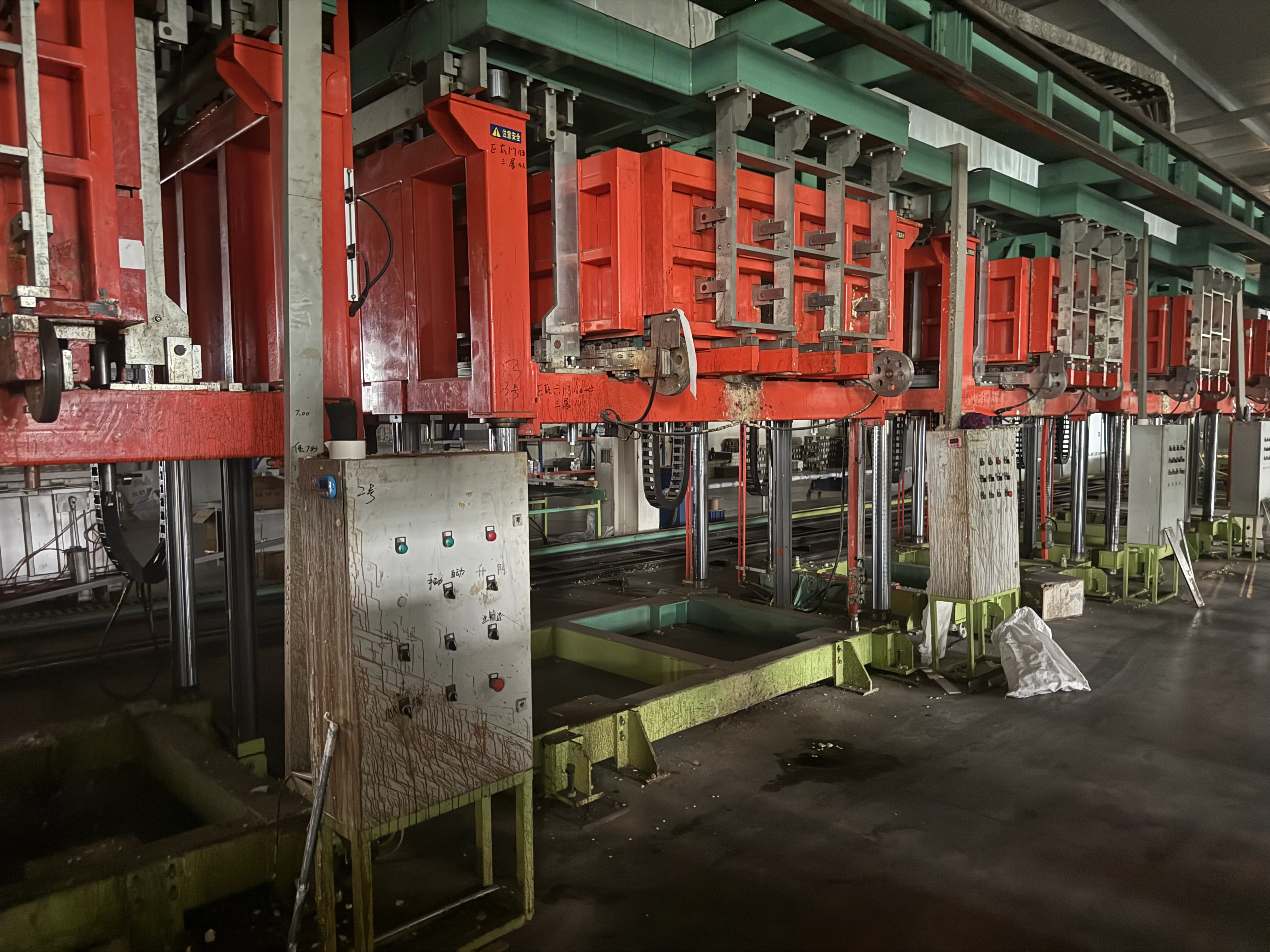
Ask for the material spec sheet with steel grade and gauge, certification numbers you can check in public databases, and photos or video of the actual production line rather than catalog renders. A factory that welcomes a video audit is usually one that passes it.
Plan the Equipment Around Your Kitchen.
Share your menu, peak service demand, available space and site utilities. Tell us which equipment you are considering so we can review the requirements with you.