Direct Answer / Key Takeaway: Compare a combined refrigerated pizza table with separate storage and preparation using the same order mix, refill work, staff and occupied floor space.
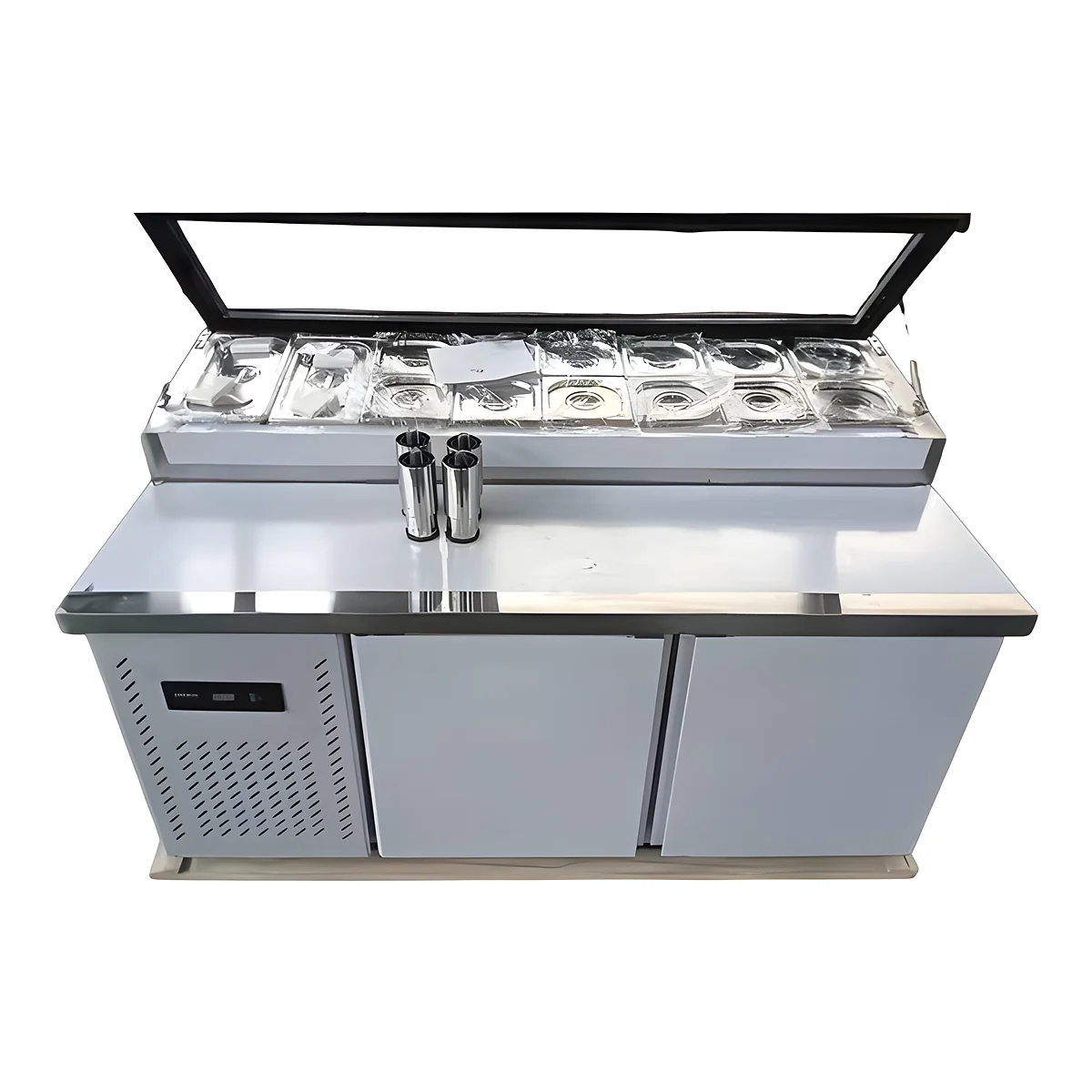
A combined pizza prep table puts toppings, a work surface and chilled reserve stock close together. To decide whether it improves a particular kitchen, compare that whole work sequence with the proposed alternative. A smaller equipment footprint or more pan positions alone does not establish higher output.
Set up a fair working comparison
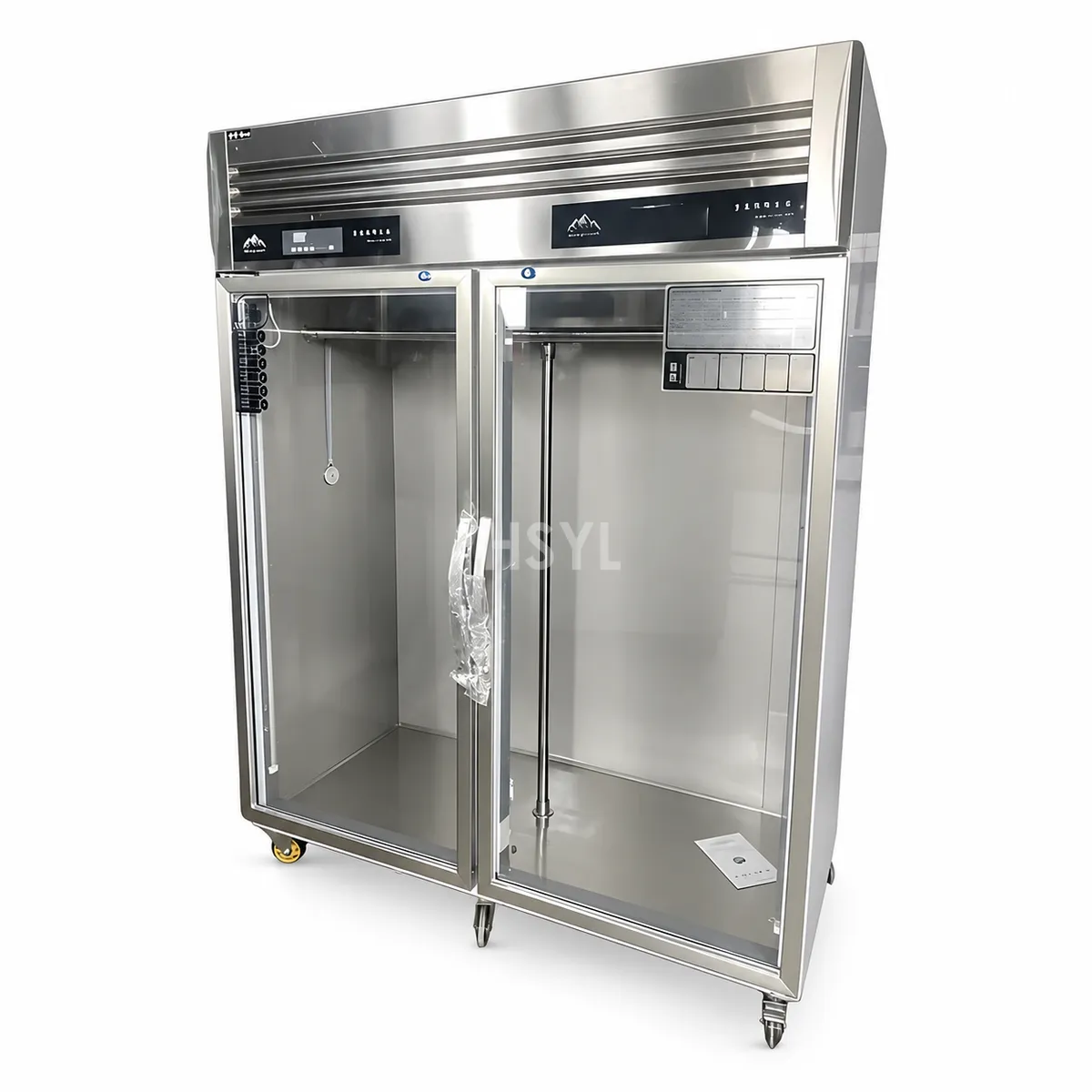
Describe two complete arrangements. One might be a refrigerated pizza table; the other might use a separate topping rail, workbench and nearby refrigerator. Include the actual refill storage, utensils, finished-order exit and cleaning access in both. Do not compare a complete combined station with only the purchase price of an empty bench.
Use a representative order mix and the same assignment of people. Begin with equivalent prepared ingredients and usable stock, under the food controls applicable to each arrangement. Where safe, suitable demonstrations are possible, mark the sequence of completed orders and note why work pauses. Use mock ingredients for movement checks where food conditions cannot be properly controlled.
Distinguish time spent assembling from time spent fetching stock, exchanging a pan, clearing a board or waiting for the next process. If the oven or order release holds both stations, extra preparation space may make no difference to completed orders. The whole-kitchen workflow helps locate that dependency.
Read the differences before assigning money
- Less walking, more interference: reserve stock is close, but opening its door may obstruct the maker or another worker.
- More rail positions, longer reaches: a larger station may improve ingredient choice while moving common items away from the person who uses them.
- Smaller cabinet outline, unchanged occupied area: the operation still needs refill approach, open-door space and a finished-order landing.
- Fast assembly, slow reset: cleaning and replenishment between services may dominate the usable staff time.
These are observations to test, not expected results for every table. Measure the occupied operating envelope on the plan rather than dividing an hourly sales target by cabinet length. Keep any change in staffing, menu or downstream capacity visible instead of crediting all of its effect to the refrigerator.
For the cost comparison, include the complete installed equipment, necessary site work and separately identified operating tasks. Apply site labour rates only to work that actually changes. A few seconds saved in a trial does not automatically remove a paid shift. Likewise, a catalogue power entry does not supply a daily energy cost.
Request the missing configuration details through the pizza prep table product enquiry. Select the arrangement that suits the demonstrated work, the available space and the support plan. If both meet the task, show the remaining price and operational tradeoffs plainly rather than inventing a throughput or payback percentage.