Direct Answer / Key Takeaway: Plan the removal, cleaning and correct return of the pizza board, pans and approved removable supports, then check that the rail is ready for the next service.
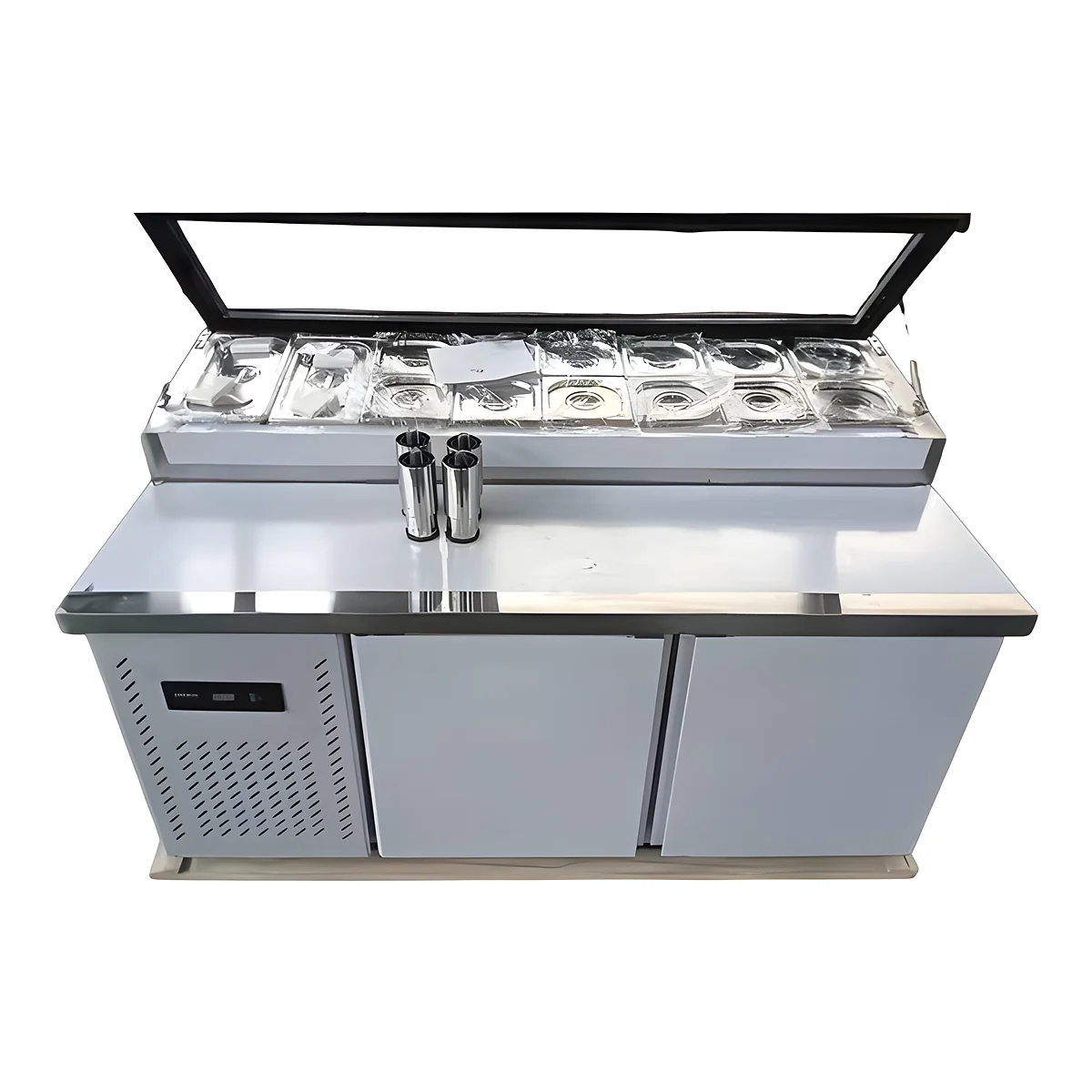
Taking a pizza prep rail apart can expose food debris that is hidden during service. The cleaning task must also return its approved parts to the right positions. A clean-looking station with a missing support, misplaced panel or unstable board is not ready for the next maker.
Prepare a clean route back to the station
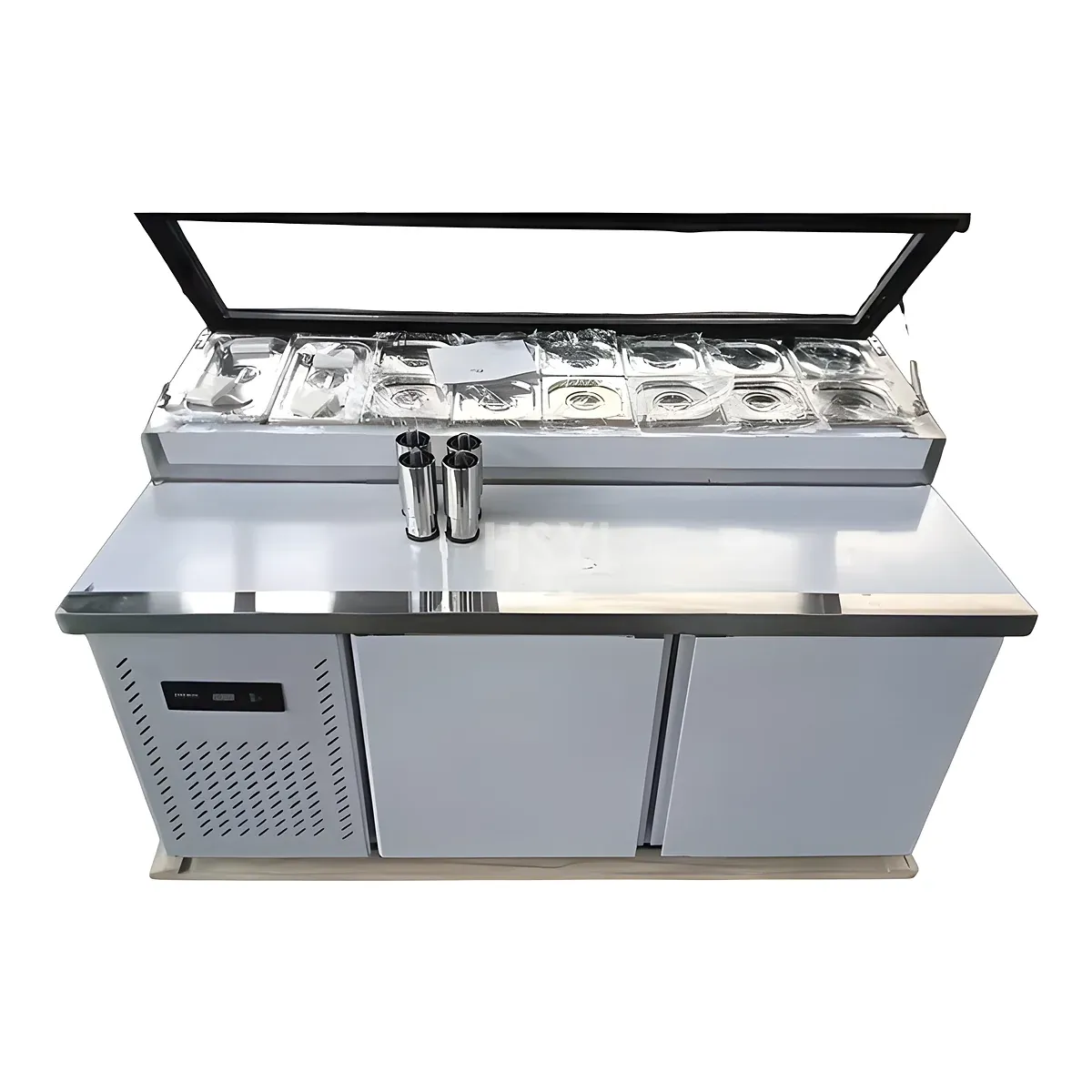
Move ingredients to suitable protected storage under the site's food-handling procedure before beginning. Identify the actual table and its cleaning instructions, including what may be removed by the operator, how the board is retained and whether the rail must be stopped or isolated. Keep powered or fixed components outside an improvised strip-down.
Photograph or label the approved pan/support arrangement before removal where it is not already clear in the instructions. Provide separate destinations for used parts and cleaned parts so a washed support is not returned to a soiled trolley. Protect nearby ready-to-use food and equipment from debris and cleaning splash.
- Remove pans, utensils, the board and only the supports or covers authorised for operator removal. Keep different retainers identifiable.
- Remove food debris using the permitted method. Do not sweep it into a rail opening, fan path or outlet.
- Clean and, where required, sanitize each food-contact component using the approved material-compatible process. Follow the chemical label and site procedure for preparation, contact and any required rinse.
- Clean accessible fixed surfaces without flooding electrical or concealed assemblies. A visible hole is not permission to pour cleaning water through it.
- Protect cleaned parts while they reach the required ready-for-use condition. Reassemble by the matching instructions rather than by whichever position appears to fit.
The board's material and retention system matter. Do not assume every white board has the same heat tolerance, can enter the same dishwasher cycle or can be resurfaced. Report cracks, damaged fixing points or a surface that cannot be effectively cleaned through the site's replacement process. Obtain the correct part rather than altering its thickness or supports to stop a wobble.
Check the rebuilt working surface
Confirm each support is seated and retained as intended, the board is stable, and pans and covers operate without interference. Keep specified openings and airflow features clear. Follow the equipment's restart and preparation requirements, then verify the required food-holding conditions before releasing the rail for use.
Assign the release check to a named role, especially where one team cleans and another opens the kitchen. The cleaning-verification process should distinguish visible soil, correct assembly and the site's further hygiene checks. Passing one of those observations does not settle all three.
If a component is left out because it is difficult to clean or replace, hold the affected arrangement for correction. That finding calls for the right instructions or part, not a new informal pan layout at the start of service.