Best Commercial Range: Choose the Cooking Station
Compare commercial ranges by menu concurrency, fuel, cooking top, oven base, installed cost and receiving-country requirements before ordering.
The best commercial range is the configuration that completes your busiest menu sequence with approved utilities, workable pan spacing and acceptable installed cost. Compare the cooking top and oven or storage base separately. A high burner rating or a long equipment list does not prove that the whole station meets service demand.
Define the cooking station before comparing brands
A commercial range usually brings several cooking positions into one station, sometimes with an oven underneath. The word range also covers countertop hot plates, solid tops and specialist stations. A procurement brief should therefore describe work rather than ask for the strongest stove. List the dishes, vessels, cooking methods, quantities and times when each position is occupied. Include simmering sauces that stay on the line while other orders arrive.
For a hotel, breakfast eggs, banquet sauce preparation and evening à la carte service may use the same station at different times. They can also overlap when events change. The useful question is which operations collide during the busiest credible window. A restaurant preparing stock in a large pot and rapidly finishing small sauté pans has two different vessel and handling requirements. Extra burners alone may not resolve either one.
Write the project boundary as a cooking station plus its connections, ventilation, landing space and operator route. A quoted appliance width excludes many costs and physical needs. An oven door opens into the aisle, a tall pot changes handling height, and a griddle needs a workable grease removal route. These interfaces can eliminate a configuration before brand or price comparisons begin.
Commercial range selection matrix
| Menu requirement | Configuration to investigate | Evidence required | Likely compromise |
|---|---|---|---|
| Several independent sauté or sauce pans | Open burners or separate electric cooking positions | Actual pan spacing, stable support and controlled simmering trial | More nominal positions can still create handle interference |
| Breakfast items and burgers alongside saucepan work | Combination griddle and burner top | Usable plate zones and concurrent pan/plate test | Plate width removes space available for separate pans |
| Roasting or baking below an active cookline | Range with a documented oven base | Tray fit, loaded recipe results and safe access during top service | One appliance failure can interrupt two menu functions |
| Large stockpots or bulk liquids | Purpose-designed stockpot station | Loaded vessel support, working height and transfer route | A standard range may create difficult lifting or unstable support |
| Round-bottom wok production | Compatible wok station | Vessel seating, flame or heating pattern and actual recipe test | Specialist geometry reduces general pan flexibility |
| Existing independent ovens and a flexible cookline | Top with open or cabinet storage base | Storage access and approved top/base assembly | No additional baking capacity is created |
Use this matrix to create a shortlist, then confirm the exact offered arrangement. A catalogue family can contain gas and electric units, griddles of different sizes and bases with different functions. A photograph showing an oven does not establish that the priced option includes it. Require an annotated configuration drawing and a parts list that match the quotation revision.
Confirm the exact model's permitted commercial application and the written warranty treatment for that use. Professional styling does not establish suitability for a restaurant duty schedule. An outdoor burner or portable event cooker needs its own intended-use and installation documents; portability is not permission to install it indoors. Keep a standalone countertop oven outside the integrated range comparison unless the project separately assigns it a task.
Compare gas, electric resistance and induction by the complete job
Gas selection begins with the fuel available at the receiving site and the documented fuel version of the appliance. Natural gas and LPG are separate specifications. Confirm supply conditions, connection requirements and any electrical needs for fans, ignition or controls. A supplier should identify whether a conversion is permitted, by whom and under which model instructions. Do not treat a regulator change as evidence that conversion is acceptable.
Electric resistance cooking needs an electrical assessment for the complete connected arrangement. Confirm voltage, frequency, phase, connected load and the required isolation method on the exact model sheet. Common international supplies such as 220–240 V at 50 Hz and 115 V at 60 Hz are different versions, not interchangeable labels. An electric top above an electric oven can create a different demand from the top alone.
Induction needs a representative cookware trial as well as an electrical review. Confirm pan compatibility, usable heating area, control response and the effect of neighbouring positions operating together. Test the vessel bases actually purchased by the kitchen rather than a demonstration pan supplied for the appliance. Round-bottom wok production requires the appropriate equipment geometry; an ordinary flat cooking surface should not be assumed suitable.
Fuel economy cannot be settled by comparing a gas input rating with an electric connected load. Measure energy consumed while producing accepted dishes, including preheat, idle intervals and cleaning shutdowns. Keep the ventilation and room-conditioning costs visible. Electric appliances can still create cooking emissions requiring extraction. A gas model with auxiliary electrical systems should not be advertised as guaranteed to operate during a power failure.
Allocate the top to occupied tasks, not burner counts
Measure each pan with its handles and the space needed to lift or slide it safely. Draw the occupied positions during service, including a pot waiting for a late ingredient and a pan moved away from active heat. A position that accepts a small pan may not support a loaded stockpot. Request documented support limits for the intended vessels rather than inferring them from heavy-looking grates.
For a mixed griddle top, identify the items that share the plate, their starting conditions and the handling steps between batches. Separate usable cooking area from the external appliance width. Record temperature recovery and accepted product results after repeated loading. Adjacent plate zones are not automatic allergen separation, and independent knobs do not prove independent thermal behaviour across the plate.
A solid or French top may suit a particular arrangement of pans and holding movements, but its usefulness depends on the actual controls and heat distribution. Test controlled simmering, reheating where specifically permitted and the busiest sequence. Do not promise that every position performs identically. For a charbroiler section, assess grate cleaning, grease management and emissions separately from flat-plate work.
For hotels serving several meal periods, map changeovers as real work. Moving from breakfast plate service to sauce production can require cleaning, different vessels and another preheat condition. Include the labour and unavailable minutes in the comparison. A second smaller station may cost more to purchase but avoid a documented collision; that benefit must come from the operating schedule, not an assumed percentage improvement.
Original HTML planning tool: simultaneous cooking worksheet
Complete one row for each operation in the busiest service window. Use observed or trial timings. This worksheet is a planning aid, not a manufacturer output rating or an engineering approval.
| Operation | Vessel and usable position | Occupied interval | Concurrent work | Acceptance evidence |
|---|---|---|---|---|
| Sauce or liquid preparation | Actual loaded pot, lid and handle clearance | Start, controlled simmer, release and removal | Neighbouring pans, stockpot and oven use | Product result, control stability and safe movement |
| Pan finishing | Actual pan diameter and handles | Loading, cooking, unloading and reset | Orders arriving during occupied positions | Accepted dishes and queue time through repeated service |
| Flat-plate items | Usable griddle zones and utensil space | Preheat, batch sequence and cleaning interruption | Burner tasks beside the plate | Acceptable colour, texture and recovery |
| Oven production | Loaded tray format, shelf spacing and access | Preheat, cook, door opening and unloading | Top service and aisle traffic | Accepted loaded recipe and safe extraction of trays |
Compare alternatives using the same service sequence and acceptance rules. Record missed orders and the reason, such as an occupied pan position, plate recovery or blocked oven access. Repeat the critical sequence until the initial preheat advantage is no longer disguising an accumulating queue. Capacity is accepted output over the measured window, with the complete operating conditions attached.
For a griddle above an oven, distinguish a manufacturer-approved integrated range or documented supported assembly from an improvised stack of separate appliances. Obtain the assembly drawing, supported load, heat and clearance instructions, service access and complete top/base utility schedule. Similar external widths do not establish an approved combination. A gas convection base can still require electricity for a blower or controls; record that requirement for the offered version. Check loaded tray orientation and usable rack positions against the real pans.
Specify the griddle and oven as an approved arrangement
A commercial flat top grill with oven can describe an integrated cooking range or two separately installed appliances. Ask the supplier to name the actual assembly and provide its installation drawing. A countertop griddle does not become an approved oven-top unit because its footprint appears to fit. Confirm the manufacturer's support, operating weight, heat exposure, flue or cooling paths, access and clearance instructions for the complete proposed configuration.
For an integrated arrangement, document the griddle cooking area separately from the usable oven rack positions. Test the intended top load while the oven carries representative trays. Record accepted food, recovery after loading, tray removal, operator movement and access to controls. Shared fuel, power or exhaust conditions should be assessed during that simultaneous trial. Separate appliances offer a different service and replacement boundary; they still need approved supporting surfaces and contractor-reviewed utility and extraction requirements.
Keep the oven door and hot-tray landing route clear of fryer draining, griddle scraping and ingredient replenishment. Request the complete components list, including stands, restraints, grease collection, oven racks and any manufacturer-approved joining or stacking hardware. Record how each appliance is isolated for maintenance. The enquiry should compare the installed arrangement, cleaning access and menu output, without assuming that every advertised griddle includes an oven or that a separately quoted top has permission to share another appliance's base.
Specify the base as a separate production decision
An oven base adds value when the menu needs its actual tray format and loaded cooking performance. Confirm internal usable dimensions, shelf arrangements and door clearance. A convection and a static oven should not be treated as identical baking processes. Trials should use the food thickness, load arrangement, tray material and end-point criteria intended for production.
Check whether the same operator can access the oven while pans occupy the top. Hot tray handling may compete with cookline traffic or grease collection. If the oven is mainly used for occasional preparation outside service, document that schedule rather than buying two ovens because they appear in a product photograph. Storage bases need accessible, cleanable space and an approved assembly, rather than a fictional cooking capacity.
Consider failure consequences for the combined station. Ask which components can be isolated for service and which failures stop the whole appliance. A separate oven may preserve part of the menu during a range repair, although this is not a guaranteed availability improvement. Price the actual fallback procedure, staff time and any substitute cooking work that the business can realistically perform.
Apply the occupancy map to each branch and destination
In an illustrative four-position station, a continuing stockpot, a sauce task and a vegetable pot leave only one position available for incoming orders. This is a planning example, not a rated output. Increasing heat input does not add a physical pan position. Check whether moving a continuing task to suitable separate equipment, changing the sequence or changing the top layout resolves the observed queue.
For a chain purchase, keep a branch register linking the menu variant, cookware map, approved configuration, aisle and delivery route, utilities and extraction drawing to the site's revision. Repeat the critical checks where those inputs differ. Approval at one outlet does not approve a different installation.
For an EU gas-appliance offer, use the European Commission's Regulation (EU) 2016/426 guidance to identify the applicable framework, assessment documents and destination gas-supply conditions. Obtain documents identifying the actual offered version; a general CE logo does not establish those details.
For UK gas installation and maintenance, HSE's catering gas-safety guidance distinguishes competence and Gas Safe requirements for work within the relevant regulatory scope from some industrial-premises situations. Have the responsible professional confirm the actual premises and work scope. Do not use that older sheet's market-marking discussion as a substitute for current placing-on-market guidance.
Resolve installation and country requirements before ordering
Give the installer the exact configuration, appliance drawing, connection schedule and intended menu. Require a site review covering fuel or electrical capacity, ventilation, clearances, restraints, isolation and service access. Ask the ventilation specialist to assess the installed cookline and simultaneous emissions. Generic hood dimensions, catalogue photographs and another customer's installation are not approval for this site.
For the United States, ask the responsible parties which electrical safety listings and sanitation requirements apply to the exact appliance, together with local fire, gas and ventilation approvals. UL 197 for commercial electric cooking appliances and relevant NSF/ANSI food-equipment standards are examples to discuss where applicable; a logo alone does not establish model scope. Canada requires its own receiving and installation review rather than automatic acceptance of a US claim.
For an EU destination, request the applicable conformity documentation, instructions and model identification behind any CE marking, including the gas or electrical configuration supplied. For the UK, confirm the current placing-on-market and installation requirements with the receiving professional. Other destinations need their own electrical, gas, fire and food-service review. HACCP procedures concern the food operation and should not be described as a universal appliance certification.
Retain approval evidence with the purchase order. The required documents should identify the model, configuration, supplier and receiving location. Remove any unverified certification or component brand from public product claims. Where a burner, valve, thermostat or controller brand matters to service, require its actual part number and supply commitment rather than substituting a familiar brand name.
Original HTML planning tool: installed cooking-station cost ledger
Compare a common evaluation period and common menu demand. Record currency, energy tariffs, labour assumptions and the evidence behind every estimate. Keep unpriced work as an unresolved quote item rather than counting it as free.
| Cost block | Inputs to obtain | Comparison method |
|---|---|---|
| Purchase and accessories | Exact top/base, racks, approved stand or casters, connectors | Compare the complete delivered configuration |
| Site work | Fuel or electrical installation, extraction changes and commissioning | Add written project quotes with their exclusions |
| Measured operation | Energy per representative shift and planned annual shifts | Annual energy cost = measured shift consumption × shifts × tariff |
| Routine care | Cleaning labour, approved consumables and documented maintenance intervals | Annual care cost from the planned task schedule |
| Failure scenario | Parts, labour, lost accepted output and usable fallback | Price stated scenarios without inventing failure probabilities |
For electricity, retain measured kWh per shift and derive kWh per year from the actual operating schedule. Record gas consumption in its measured unit and use the matching tariff. A mixed-fuel arrangement needs both entries. The resulting cost per accepted dish is useful only when the tested menu and utilisation match the production plan.
Inspection, cleaning and the purchase packet
During a demonstration, check access to grates, trays, grease channels, filters where fitted and service panels. Follow the exact manufacturer's isolation, cool-down and cleaning instructions. Record cleaning time after a realistic menu, including food debris and grease disposal. Do not prescribe generic chemicals or methods for every plate coating, electrical component or gas assembly.
The purchase packet should include the configuration revision, trial records, site approvals, component identification, spare-part arrangements and responsibility for commissioning. Request packed dimensions, gross weight, lifting restrictions, access requirements and protection for projecting controls. Container planning for 20GP or 40HQ loads must follow the verified packing list and loading plan; appliance width cannot determine container quantity.
For an HSYL quotation, send the menu sequence, vessel measurements, preferred top/base combination, receiving-country utilities and site layout. Request confirmation against the exact offered model documents. This guide supplies a procurement method rather than a claim that a particular HSYL model has a specified output, certification, component brand, warranty or fuel-conversion permission.
Engineering-Led Commercial Kitchen Manufacturing
HSYL Kitchen Systems designs and produces heavy-duty commercial kitchen equipment for central kitchens, hotels, canteens, hospitals and high-capacity restaurants. Our goal is to provide precise equipment matching, documented quality gates and verified delivery for global foodservice operations.
- Food-grade SUS304 & SUS316 stainless steel construction
- Custom engineering layout & CAD drawing support
- Multi-stage factory quality control & FAT testing
- Factory-direct supply chain with spare parts backup
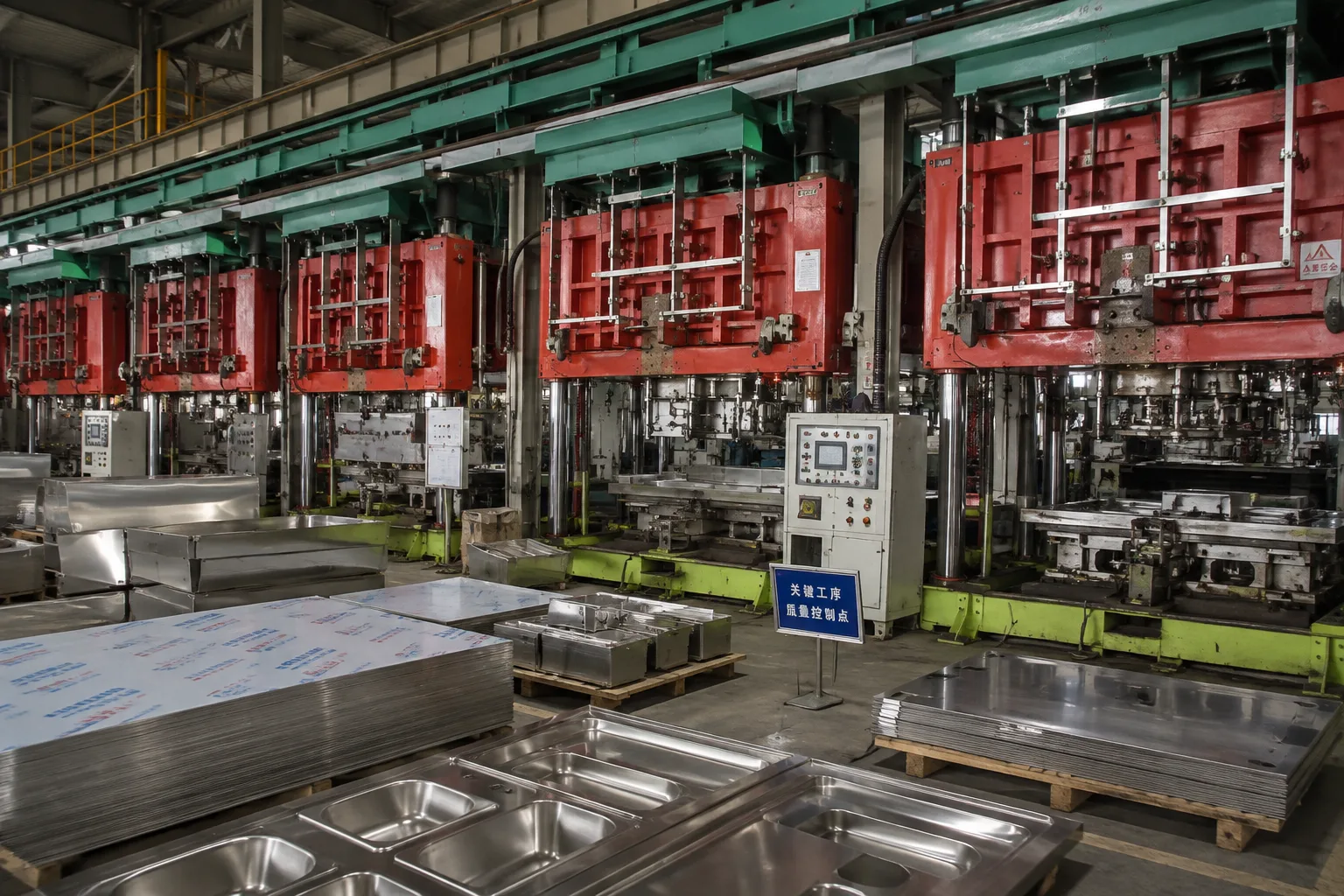
Advanced OEM Processing Equipment & Lines
Equipped with world-class automated sheet metal processing, precision bending centers, thermal foaming lines, and vacuum test rigs to support high-volume commercial kitchen OEM/ODM manufacturing.
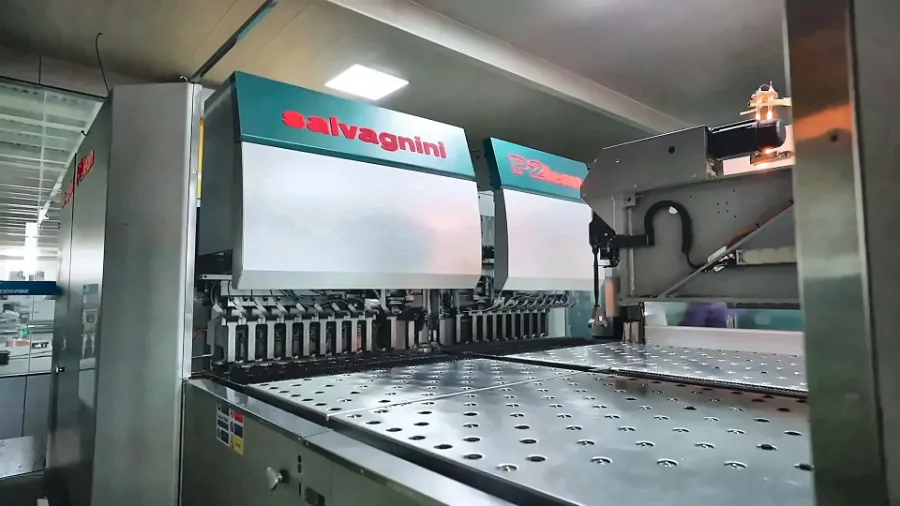
Italian Salvagnini Panel Bending Center
Automated sheet metal bending system for seamless cabinet fabrication and tight structural tolerances.
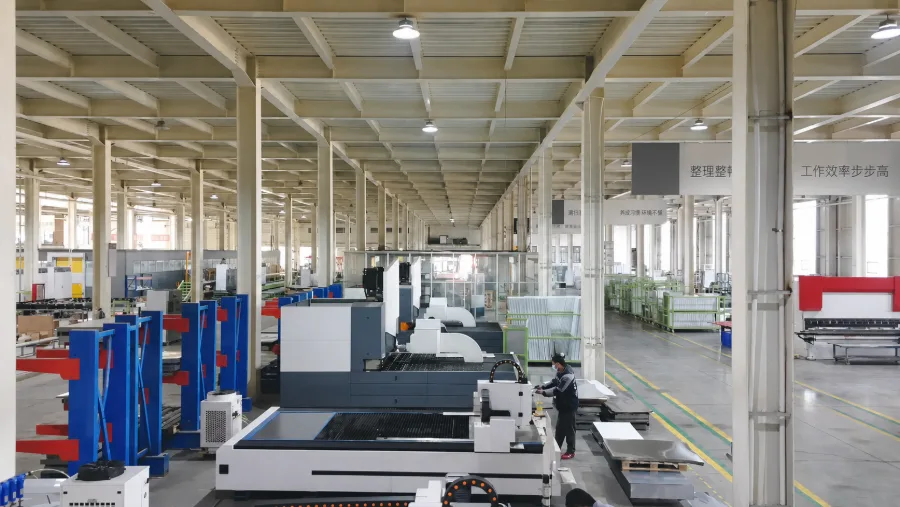
Automated Bending & Laser Cutting Line
Integrated flexible processing line combining fiber laser cutting and multi-axis CNC bending.
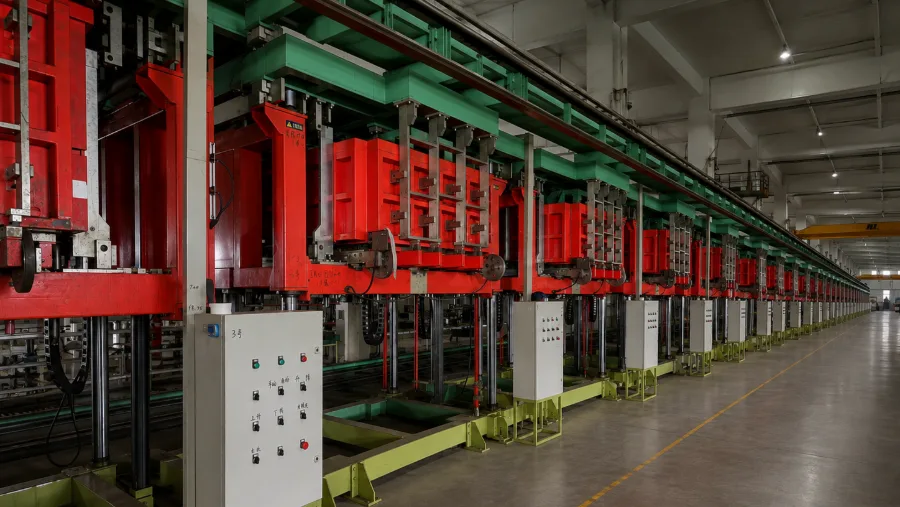
Constant-Temperature Foaming Line
Continuous polyurethane thermal insulation foaming line ensuring uniform core density.
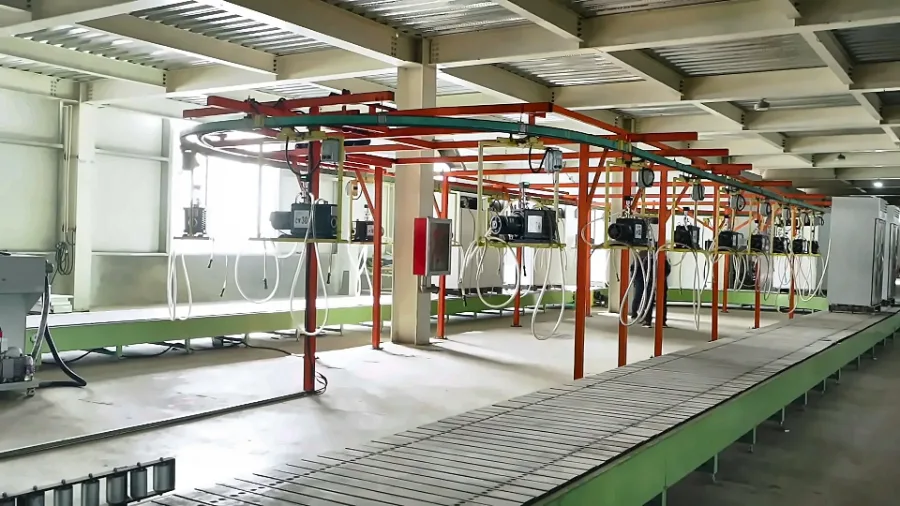
Vacuum Extraction & Testing Line
High-vacuum circuit evacuation and automated leak detection for commercial cooling systems.
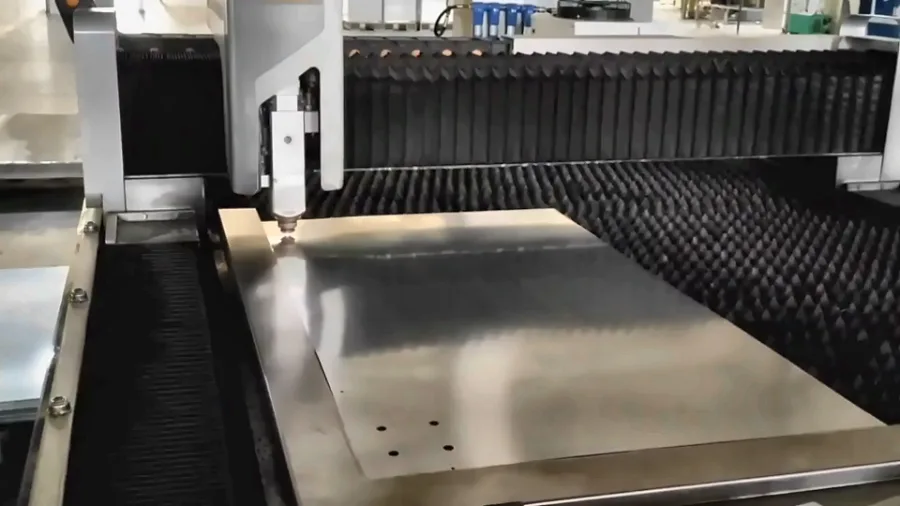
Laser Cutting & CNC Punching Station
High-speed fiber laser cutting and precision CNC punching for intricate component fabrication.
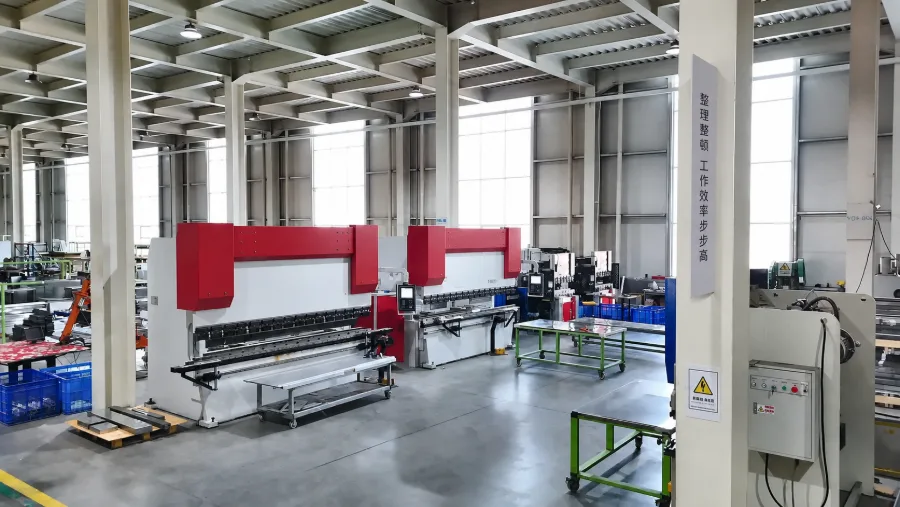
Canadian Heavy-Duty CNC Press Brake
High-tonnage precision press brake for large-format stainless steel sheet forming.
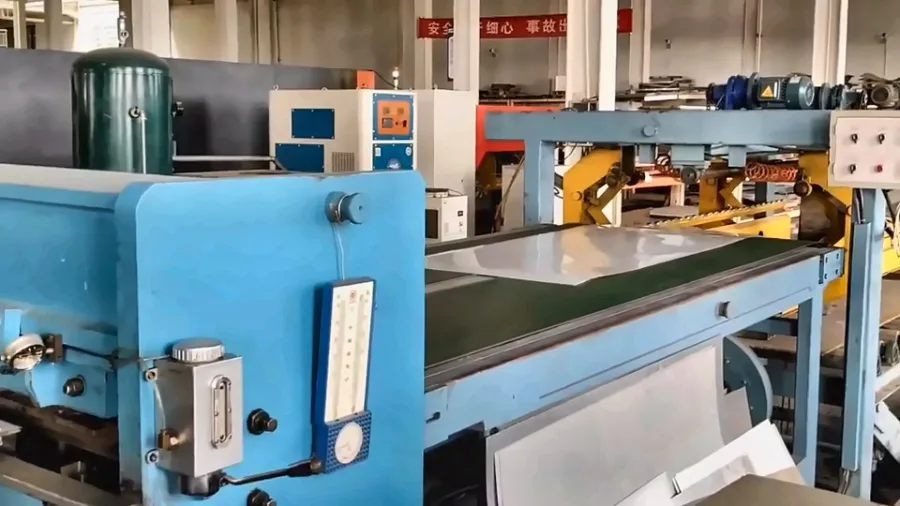
Material Shearing & Cutting Line
Automated heavy-gauge stainless steel shearing and precision raw material sizing.
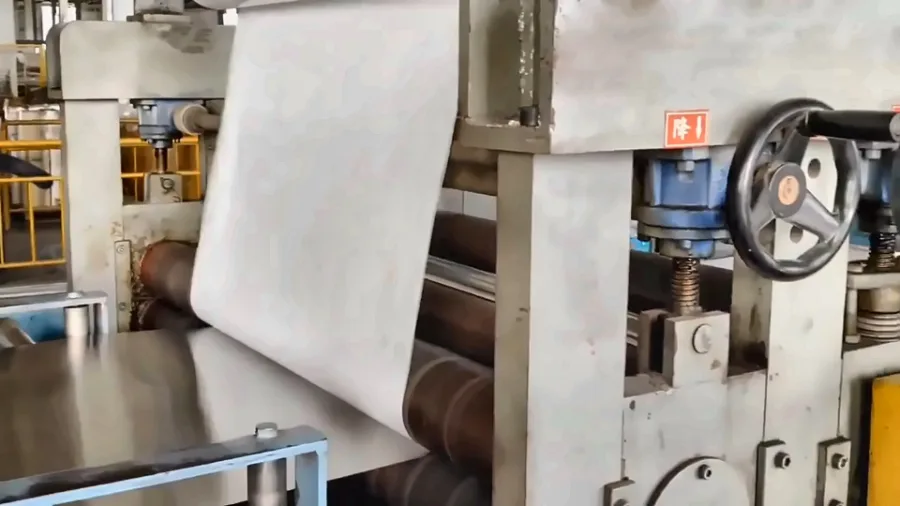
Material Film Laminating Line
Automated surface protection film application to preserve satin and mirror metal finishes.
Explore Popular Kitchen Equipment
Browse equipment that visitors frequently explore, then review the exact model and specifications for your project.
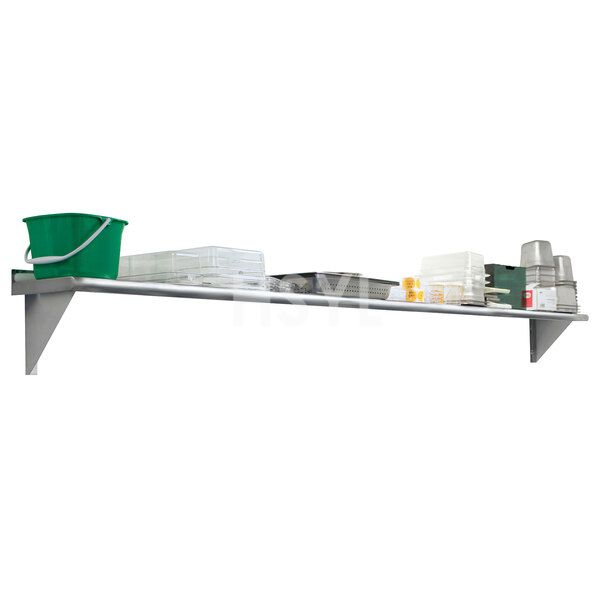
Stainless Steel Wall Shelves
Stainless Steel Wall Shelves for commercial kitchens, fabricated to project dimensions in ...
View product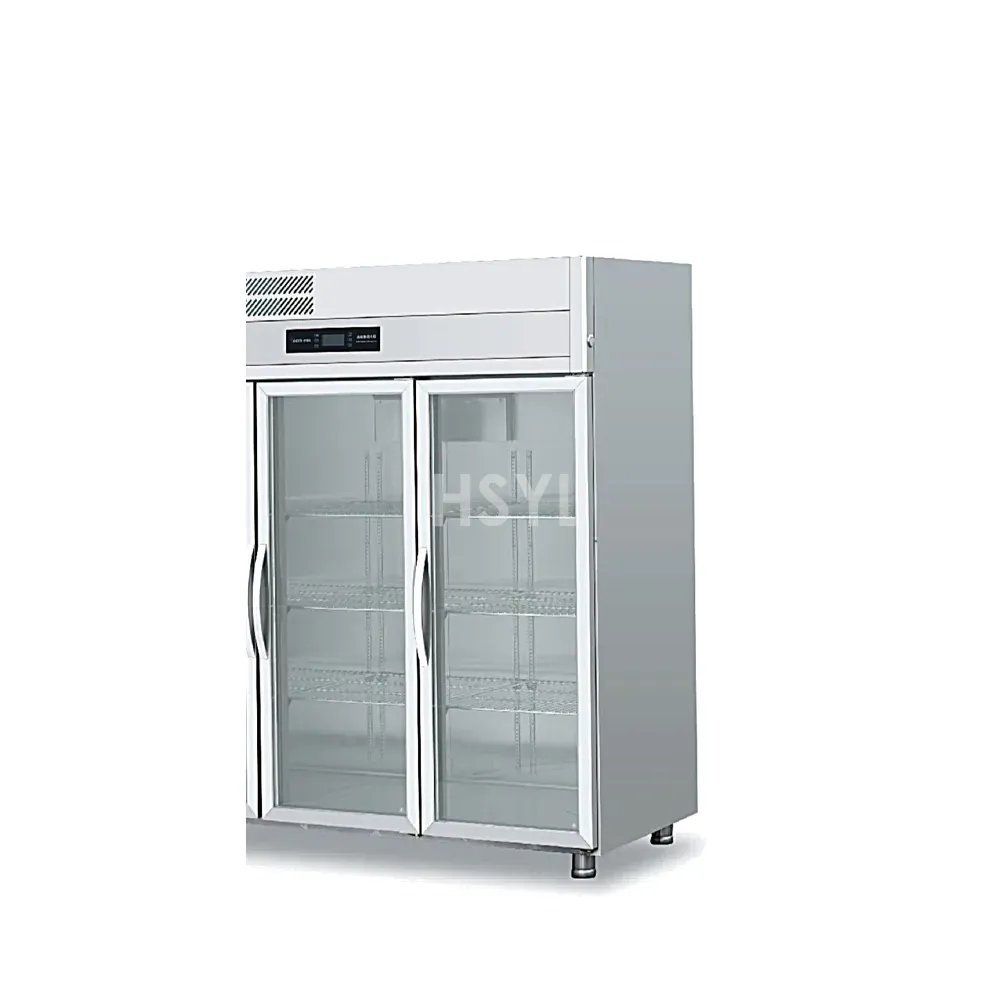
E Series Display Refrigerator Range
Compare E Series display cabinets by door layout, footprint and storage duty. Confirm the ...
View product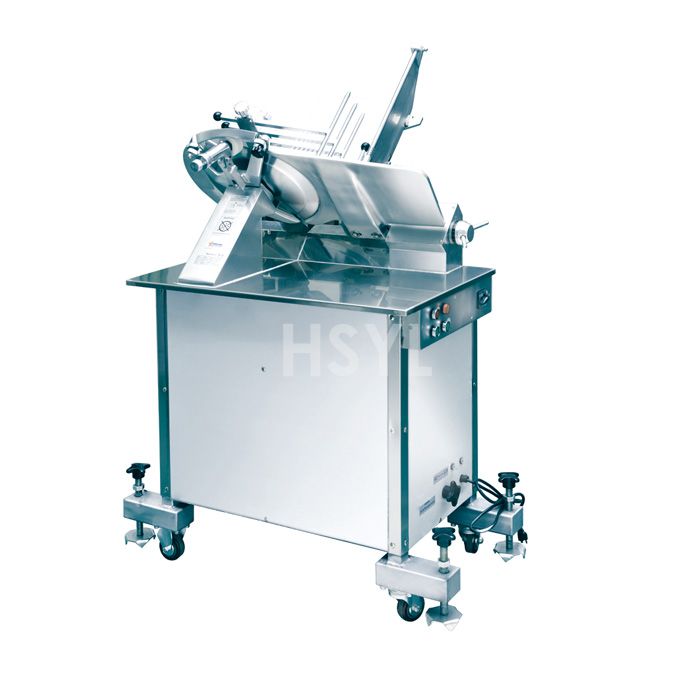
Commercial Meat Slicer-FP-HB-350400
Compare HB-350/400 meat slicers around meat size, slice thickness and production needs. Re...
View product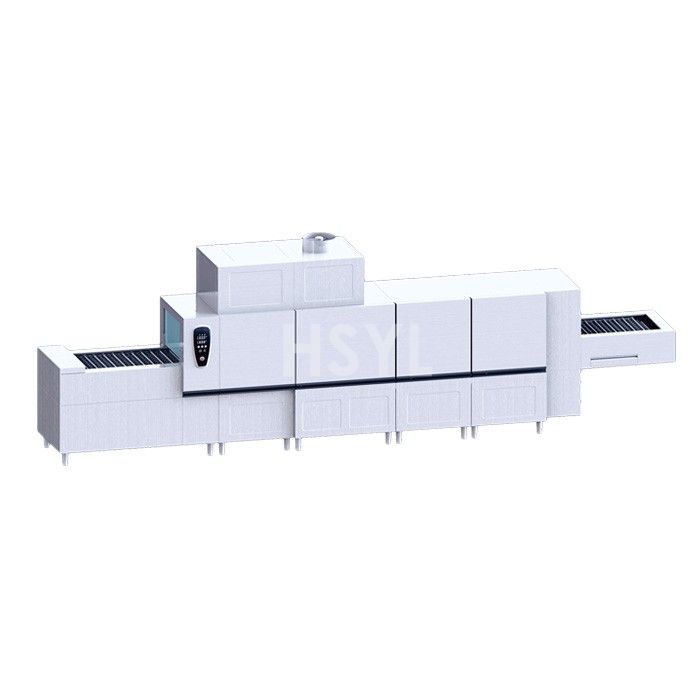
HDW8000L Steam-Heated Commercial Dishwasher
Quick Summary: The HDW8000L Steam-Heated Commercial Dishwasher (Model: CK-HDW8000L) is a h...
View product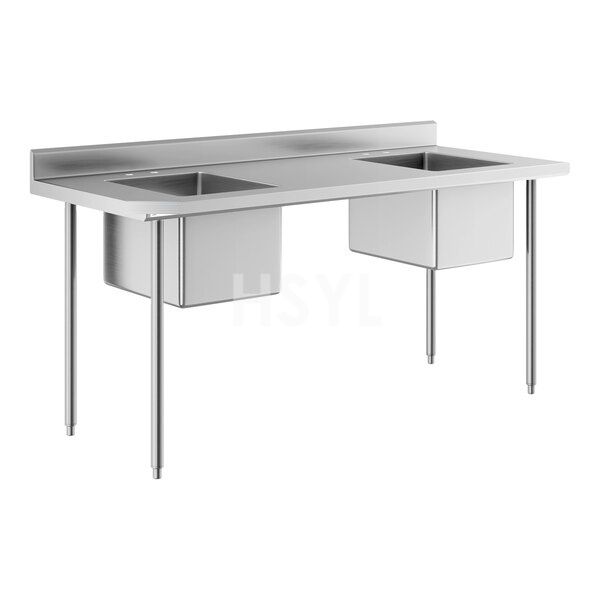
Two-Compartment Commercial Sinks
Two-Compartment Commercial Sinks for commercial kitchens, fabricated to project dimensions...
View product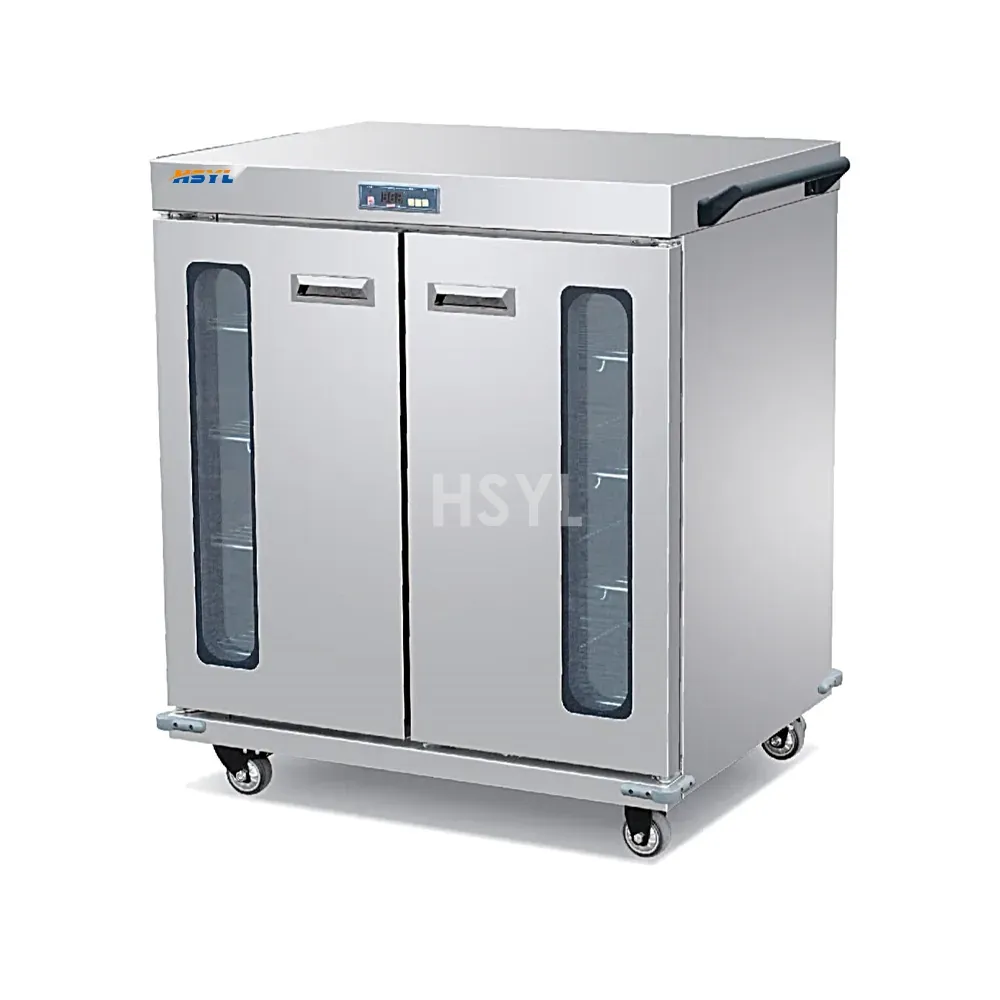
E234-BCW02-11 Horizontal Banquet Cart
Quick Summary: The E234-BCW02-11 Horizontal Banquet Cart-B (Model: SL-E234-BCW02-11) is a ...
View product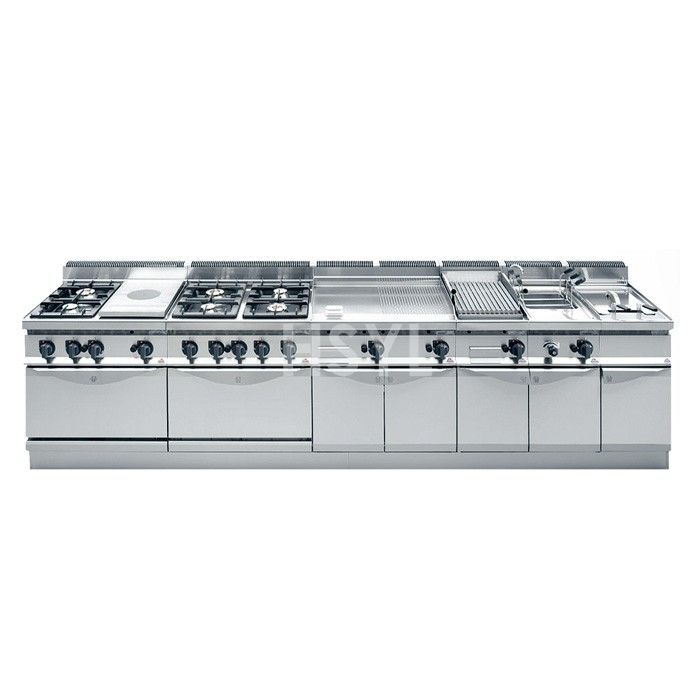
700-Series Combined Western Kitchen Stove
Quick Summary: The 700-Series Combined Western Kitchen Stove (Model: CK-BERTO) is a heavy-...
View product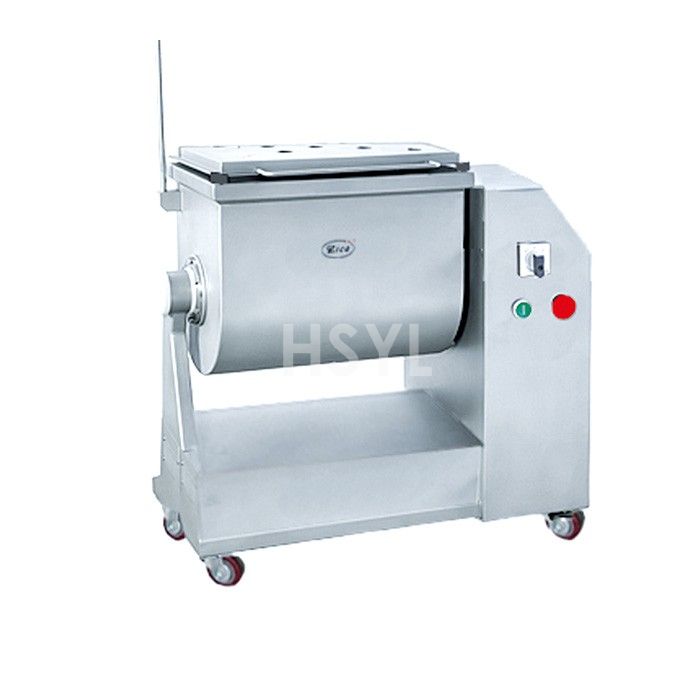
Commercial Meat Mixers
Commercial meat mixers for central kitchens, restaurant prep and meat-processing workstati...
View product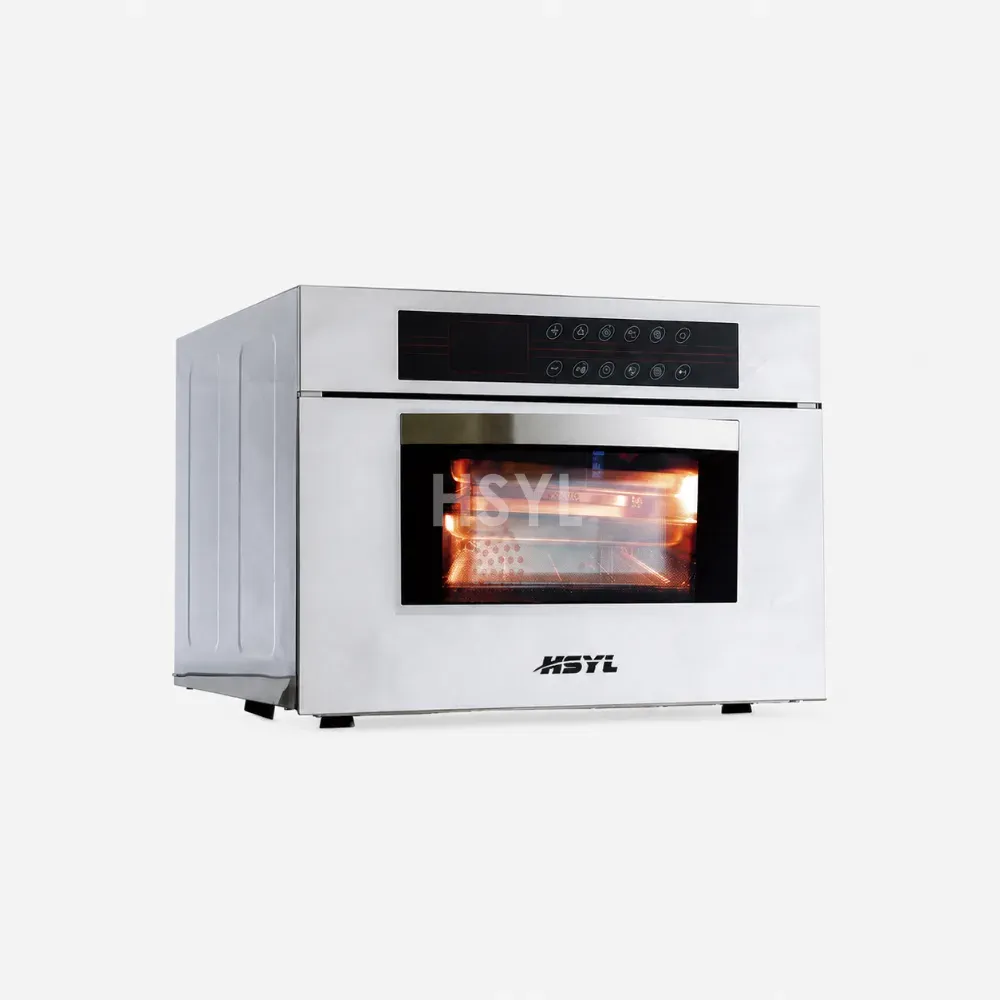
Commercial Ovens for Professional Kitchens
Commercial electric and convection oven solutions for professional kitchens. Review HSYL c...
View product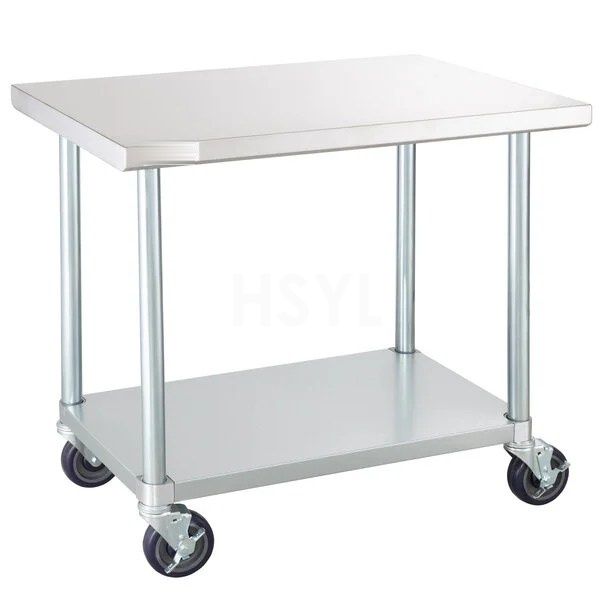
Stainless Steel Kitchen Trolleys
Stainless Steel Kitchen Trolleys for commercial kitchens, fabricated to project dimensions...
View product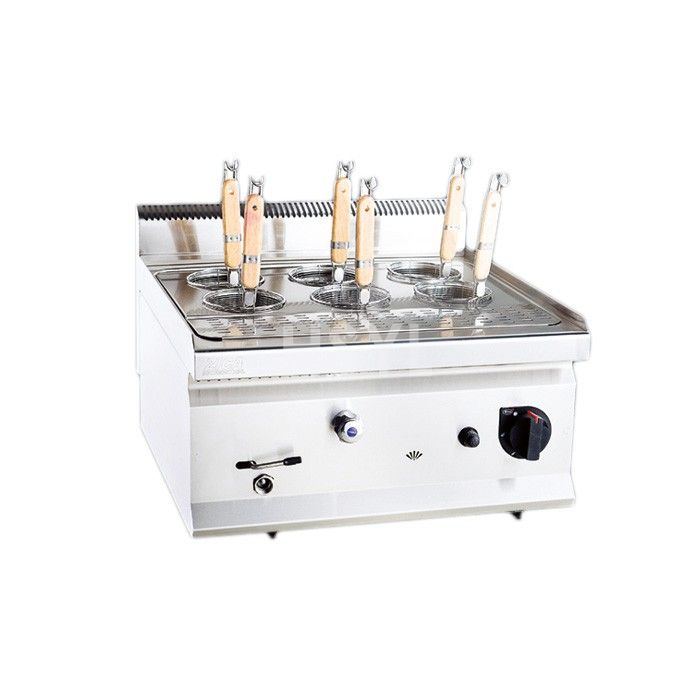
HP Countertop Gas Pasta Cooker Range
Compare HP6035G and HP6060G countertop gas pasta cookers. Review footprint and gas require...
View product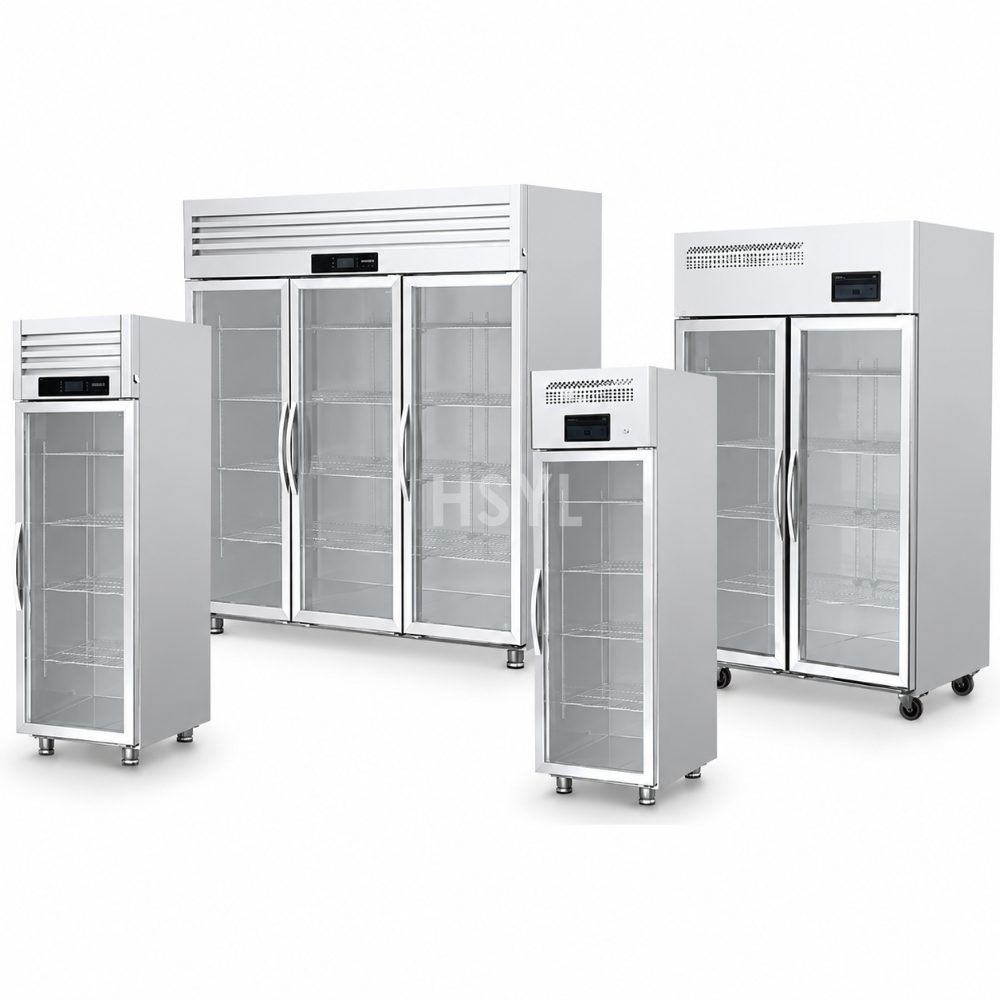
Q and S Series Direct-Cooling Display Cabinet Range
Compare Q and S Series display cabinets for your products and store layout. Confirm temper...
View product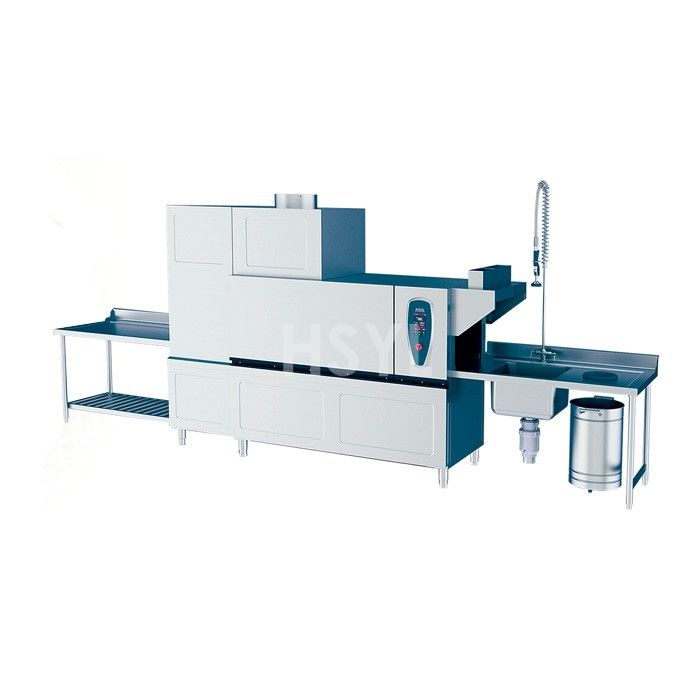
HDW260-EL-R Electric-Heated Commercial Dishwasher
Compare HDW260-EL-R Electric-Heated Commercial Dishwasher capacity, heating, dimensions, u...
View product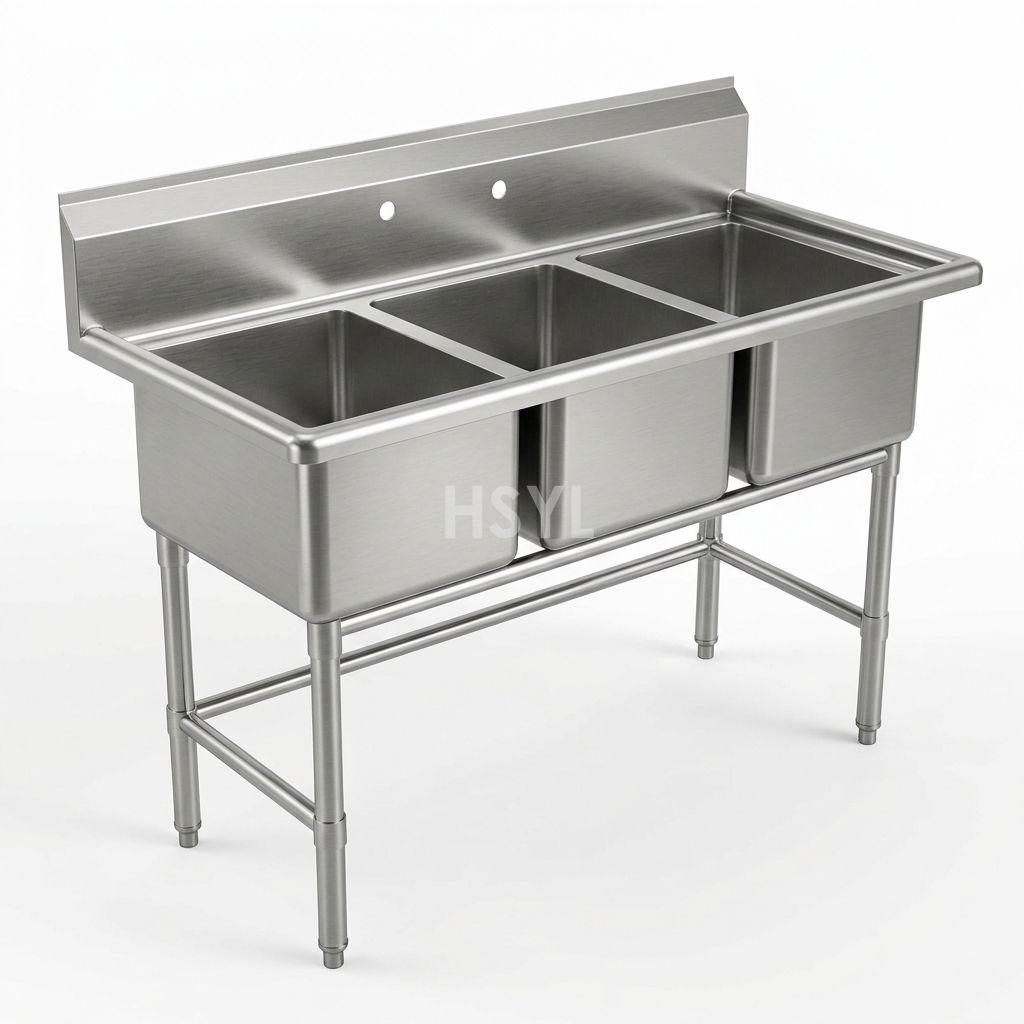
Three-Compartment Commercial Sinks
Three-Compartment Commercial Sinks for commercial kitchens, fabricated to project dimensio...
View product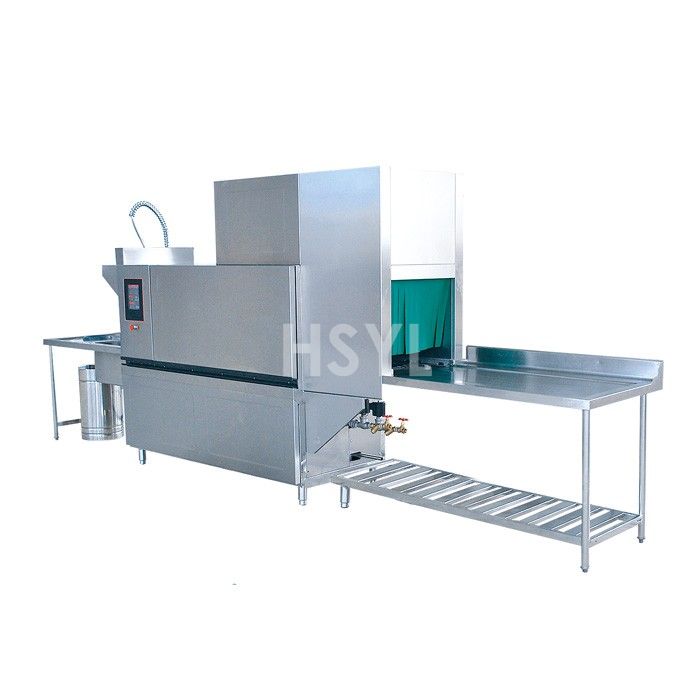
HDW260-SL-R Steam-Heated Commercial Dishwasher
Compare HDW260-SL-R Steam-Heated Commercial Dishwasher capacity, heating, dimensions, util...
View product Stainless Steel Wall Shelf
Plan stainless steel kitchen wall shelves for utensils, containers and clean storage. Spec...
View product
Commercial Vegetable Washers
Commercial Vegetable Washers for central kitchens, food processing plants, canteens and re...
View product
Commercial Grease Traps
Commercial Grease Traps for commercial kitchens, fabricated to project dimensions in AISI ...
View productPlan the Equipment Around Your Kitchen.
Share your menu, peak service demand, available space and site utilities. Tell us which equipment you are considering so we can review the requirements with you.