catering restaurant equipment
Plan catering restaurant equipment from preparation to transport, buffet replenishment and return washing. Compare venue fit, complete scope and service costs.
Buy catering restaurant equipment around the full service route: preparation, transport, display, replenishment and return washing. Confirm the menu, venue utilities and receiving arrangements before choosing appliances. A restaurant's fixed cooking line does not by itself provide a complete catering service package.
Prepare a per-event packing register for compatible pans, lids, serving tools, smallwares, disposables where used and the operation's approved measurement and cleaning supplies. Include the venue contact, loading window, access documents and ownership of setup and cleanup. Compare reusable items with drop-off supplies through the actual retrieval, cleaning and replacement process. A catalog bundle or guest count does not establish one universal utensil quantity, holding duration or temperature-control result. Give competing suppliers the same event register and ask them to identify included items, current availability and written support or return terms.
Separate restaurant production from event service
The purchasing question covers more than the cooking appliance. A restaurant may prepare food in its own kitchen but serve it in a temporary venue, a hotel function room or an outdoor event area. Each arrangement changes the equipment needed between cooking and the guest. Write down where food is prepared, how it travels, who replenishes the service point and where used utensils return.
Start with a menu and a service format. A plated event needs a controlled assembly sequence, a reliable route to the dining area and enough return space for dishes. A buffet needs presentation vessels, replenishment capacity and safe access for staff behind the display. Beverage service needs its own containers, dispensing arrangement and cleaning plan. These decisions precede the choice of a fryer, oven or cooking range.
Independent supplier categories commonly separate serving accessories, buffet equipment and major restaurant appliances. That separation is useful because buying one category does not solve the others. A heated cabinet cannot choose the right portion size, and a chafer cannot cook raw food unless its actual instructions expressly support that task. Specify the function you need and ask for equipment designed and documented for that function.
For an overseas project, also identify what will be bought locally. Tableware, small replacement items and venue-specific connectors may be practical local purchases. Large fabricated units or appliances may need an import specification package. Make the sourcing choice by compatibility, delivery scope and support rather than by assuming a supplier's catalog includes installation in every country.
Match each equipment group to a service task
| Task | Equipment group | Critical buying question | Acceptance evidence |
|---|---|---|---|
| Kitchen production | Ovens, ranges, steamers and preparation stations | Can the planned menu be produced inside the available working period? | Loaded food trial and approved utility schedule |
| Transfer to venue | Insulated carriers, appropriate holding equipment and carts | Does the route preserve the agreed food condition with actual handling? | Time and condition record for the complete route |
| Buffet presentation | Food vessels, supports, suitable heating or cooling arrangements | Can staff replenish safely without interrupting guest access? | Mock service using the selected pans and utensils |
| Beverage station | Dispensers, servers, appropriate brewing equipment and containers | Does the station match the drink, volume and refill method? | Dispensing, spill and cleaning checks |
| Return and washing | Collection carts, landing surfaces and warewashing arrangement | Where do dirty items wait without crossing food preparation? | Return-flow observation and cleaning instructions |
Use the matrix to find the missing interface rather than to build the longest equipment list. If food is cooked on time but held in an unsuitable pan during transport, more cooking capacity will not correct the failure. If service staff cannot reach replacement dishes, additional display vessels may only enlarge the obstruction.
Give every line a named owner. The chef approves the food result, the venue confirms permitted utilities, the installation provider checks connections and the purchasing team controls model identity. When several suppliers contribute, nominate the person who checks the combined layout. Each supplier can correctly deliver its own item while the assembled service route still fails.
Plan replenishment rather than displaying the entire menu at once
Size the service equipment from expected demand during each part of the event. The full guest count alone is not enough: a buffet opening creates a different arrival pattern from continuous restaurant service. Record the starting quantity, the replenishment quantity and the maximum time staff can spend away from the service point.
Use the actual food vessel to establish useful quantity. Deep filling may change the food condition, portion consistency or serving speed. A supplier's vessel volume is a geometry figure; it does not prove how many acceptable portions of a particular dish can be served from it. Weigh or count portions during a representative trial and record the fill depth used.
Plan the refill path through doors, lifts and guest circulation. A cart that fits the kitchen can be awkward at the venue entrance. Identify where a hot or chilled replacement pan can wait, how staff exchange it and where the empty pan goes. Check handles, lids and the transfer surface with the staff who will actually use them.
| Menu line | Service vessel | Approved fill | Refill trigger | Transfer route | Responsible role |
|---|---|---|---|---|---|
| Hot main dish | Identify pan and lid | Set from the dish trial | Remaining accepted portions | Kitchen to holding point to buffet | Kitchen and service lead |
| Cold prepared dish | Identify chilled display arrangement | Set from the service plan | Time or remaining portions | Approved cold route | Food-safety and service lead |
| Beverage | Identify compatible dispenser | Useful dispensing quantity | Refill before dispensing stops | Preparation to beverage station | Beverage station operator |
Keep preparation and service observations in the same record. Note rejected portions, spills, queueing and difficult lid handling. A successful event demonstration should include at least one complete replenishment exchange and the return of used items. Displaying an empty appliance proves far less than observing this sequence.
Distinguish cooking, holding and insulated transport
These functions require different evidence. Cooking equipment must achieve the required food result under the loaded conditions. Holding equipment must maintain the agreed food condition during service. An insulated carrier slows heat transfer but does not automatically become a powered cooking or holding appliance. Read the instructions for the exact product instead of treating similar stainless-steel bodies as interchangeable.
Decide whether the event needs powered holding and whether the venue can support it. Confirm the actual electrical configuration, approved connection method and permitted placement. For example, equipment supplied for 220–240V/50Hz and equipment supplied for 115V/60Hz belong to different electrical schedules; a travel adaptor does not establish compatibility. Larger equipment may require a separately documented three-phase supply.
Fuel-heated buffet equipment also needs a venue-specific decision. Ask the venue which arrangements it permits and how staff should manage ventilation, ignition and fuel storage. Do not assume a permitted restaurant gas installation covers a temporary event appliance. Where cooking is performed at the venue, its gas and ventilation arrangements need their own competent assessment.
Set food-condition acceptance values through the operation's approved food-safety plan and local requirements. Equipment marketing does not replace that plan. Measure the actual food with an appropriate method, log relevant time points and confirm that staff can take corrective action. This guide supplies purchasing questions; it does not assign a universal safe duration or temperature to every dish and jurisdiction.
Include serving accessories in the specification
Serving vessels, lids, utensils, display supports and beverage containers determine whether the station can function. List them as identified order lines rather than assuming they are supplied with an appliance. Check pan size, lid clearance, handle orientation, serving-utensil access and how each part is cleaned or replaced.
Compare material declarations by the actual food-contact part. A product description saying stainless steel can refer to the frame, cabinet or vessel, with different grades used in each. If an AISI 304 contact surface is requested, put the part and material requirement in the specification and ask for supporting documentation. Do not infer that grade from appearance or transfer a competitor's material declaration to an HSYL quotation.
For powered appliances, obtain the identity of service-sensitive components such as thermostats, heating elements, switches, sensors and connectors. For unpowered service items, identify replaceable seals, lids, hinges and handles. Brand familiarity can help a service provider, but it is the confirmed part identity and destination availability that matter. Require approval before a substitution changes the function or maintenance arrangement.
Test cleanability with the assembled accessories. A vessel may fit the display but not the available wash station; a lid may trap residues behind a handle; a cart may be difficult to clean under its runners. Include dismantling, cleaning and drying in the practical trial. Purchasing a compatible cleaning route is often less costly than compensating for unsuitable accessories after delivery.
Build a gas catering package around the actual service
Gas catering equipment includes both cooking appliances and holding appliances. A gas steam table or food warmer should be selected for the approved holding process, rather than treated as a fryer, oven or universal reheating machine. A gas panini unit also has a different contact and food-handling task from an open griddle. List each dish's preparation, cooking, transfer and service route before choosing the fuel arrangement.
Identify the exact approved appliance fuel configuration, operating location and supporting services. Gas heating does not prove that every control, fan, pump or cleaning function operates without electricity. The contractor or qualified installer should review the specified supply pressure, connection scope, ventilation and fire requirements for the destination and event location. For cylinder-fed service, obtain the approved storage, transport, connection and changeover arrangements; portability does not confer permission to use an outdoor unit indoors.
Budget fuel from a representative service period that includes warm-up, loaded cooking or holding, replenishment and standby. Use measured fuel consumption in the supplier's stated units multiplied by the local price, and annualise only over the actual planned operating periods. Price auxiliary electricity separately in kWh per annum. Record the food produced or maintained to the approved process alongside fuel use; an advertised burner input is neither finished food output nor the event's total consumption.
Agree the reserve and fault-response plan with the responsible operator. A second cylinder, another appliance or a backup service route should have its approved connection and handling procedure documented, rather than being assumed from the quotation. Include cleaning, water where needed, grease collection, consumables, service parts, installation and packing in the event budget. Select the complete service arrangement against accepted food and continuity during the real menu window.
Compare the cost per service, including return handling
An appliance price is only one part of the event cost. Include the accessories, cart, packaging, inbound freight, destination handling, connections and any commissioned service. Then add energy, approved fuel, cleaning consumables, staff handling and the replacement parts used over the chosen comparison period. Keep taxes and recoverable amounts separate according to the buyer's accounting treatment.
Use metered energy where it is available. Annual electricity planning can be expressed as measured kWh per representative service multiplied by expected annual services, plus separately measured standby use. A nameplate maximum input multiplied by the event duration is a connected-load estimate, not a measured energy result. State the distinction when comparing suppliers.
| Cost layer | Input to obtain | Comparison rule |
|---|---|---|
| Acquisition | Equipment, listed accessories, freight and commissioning | Compare the same delivered and installed scope |
| Operation | Measured energy, consumables and staff handling time | Use the same menu and service pattern |
| Maintenance | Manufacturer schedule, parts and destination labour | Separate planned service from unplanned failure |
| Disruption | Rental alternative, menu change and recovery costs | Define the scenario rather than forecasting a failure rate |
Planned cost per service = (acquisition allocated over the comparison period + operating costs + maintenance + defined disruption allowance) ÷ services within that period.
Calculate downtime exposure by the role of the failed item. Losing one serving utensil is different from losing the only powered holding station. Record whether a spare part, local replacement, rented unit or alternative menu can restore service. Ask who authorizes the response and how the failed equipment reaches the service provider. An overseas warranty statement is incomplete without a practical destination process.
Keep destination checks specific to each equipment category
For US projects, discuss sanitation and electrical acceptance with the destination's responsible parties. NSF's published scope separates food equipment, commercial cooking and holding equipment, refrigeration and warewashing. NSF/ANSI 2 and NSF/ANSI 4 address different equipment tasks. A listing on one accessory is not evidence that the whole catering package, or an HSYL model, holds the same listing.
For an EU import, request the conformity documentation applicable to the actual powered or gas equipment and its configuration. CE marking is not a universal certificate for every unpowered serving accessory. Identify the importer and the documents required for the products being ordered. For a UK site, confirm the installation and venue requirements separately; HSE guidance addresses commercial gas safety but does not approve an individual catering appliance.
Build the shipment plan around the packed dimensions, gross weights, handling orientation and permitted stacking of the selected items. A 20GP or 40HQ container count should follow the approved packing list and loading plan. Do not calculate a saleable quantity simply by dividing nominal container volume by cabinet volume: cartons, access, restraint and safe loading affect the result.
For OEM or ODM work, define the requested change, drawing revision and approval process. Branding a cabinet, moving a connector or changing a control may affect different documents and replacement parts. Ask the supplier to confirm which changes it accepts for this order. Neither customization availability nor a lead time is established by a general catalog statement.
Release the order after a representative service rehearsal
Arrange the selected appliances and accessories in the proposed route. Use the intended pans, food quantities, carts and operators. Observe kitchen dispatch, transport, buffet replenishment, beverage dispensing and return washing. Record access problems and unaccepted food separately from equipment faults so that the corrective action reaches the right owner.
Confirm the final bill of materials after the rehearsal. Check each model revision, electrical or fuel configuration, material declaration, supplied accessories and replacement-part arrangement. Attach the accepted layout and packing plan. Decide which checks happen before shipment, which at receipt and which after installation; a visual factory inspection cannot prove performance at an unknown venue.
When requesting an HSYL quotation, supply the menu, service format, guest arrival pattern, venue location, utility schedule and the missing equipment groups. Request a written configuration proposal with a clear supplied scope. Review that proposal against the service route before approving a model. The useful purchasing outcome is a complete, workable service arrangement with defined responsibilities and evidence.
Engineering-Led Commercial Kitchen Manufacturing
HSYL Kitchen Systems designs and produces heavy-duty commercial kitchen equipment for central kitchens, hotels, canteens, hospitals and high-capacity restaurants. Our goal is to provide precise equipment matching, documented quality gates and verified delivery for global foodservice operations.
- Food-grade SUS304 & SUS316 stainless steel construction
- Custom engineering layout & CAD drawing support
- Multi-stage factory quality control & FAT testing
- Factory-direct supply chain with spare parts backup
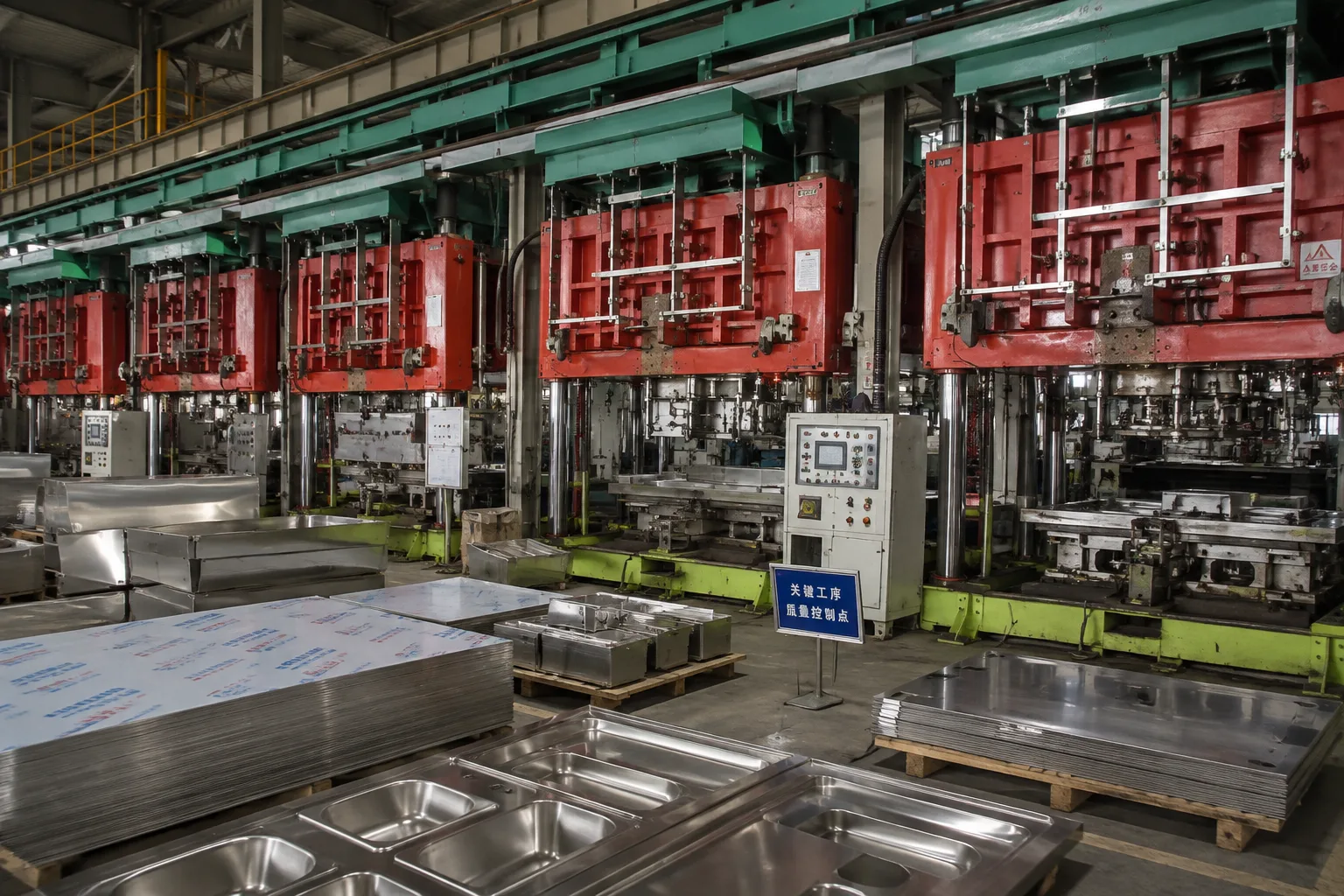
Advanced OEM Processing Equipment & Lines
Equipped with world-class automated sheet metal processing, precision bending centers, thermal foaming lines, and vacuum test rigs to support high-volume commercial kitchen OEM/ODM manufacturing.
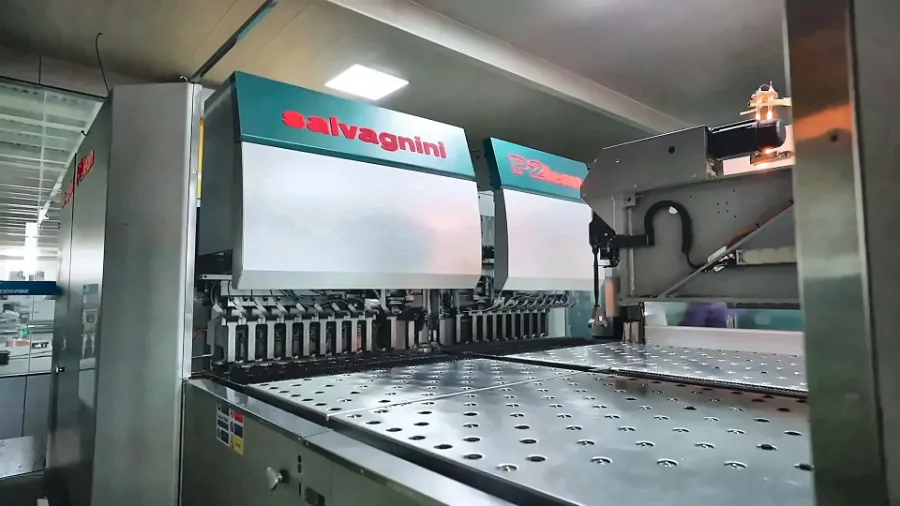
Italian Salvagnini Panel Bending Center
Automated sheet metal bending system for seamless cabinet fabrication and tight structural tolerances.
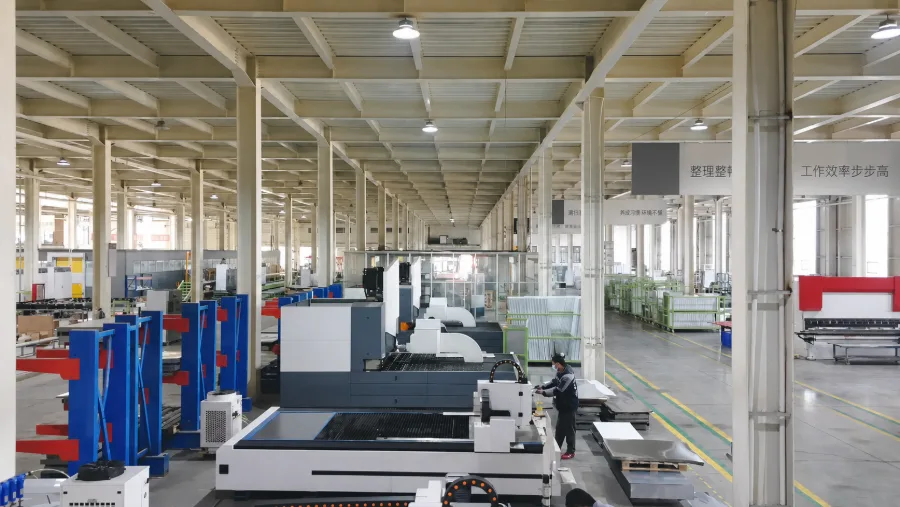
Automated Bending & Laser Cutting Line
Integrated flexible processing line combining fiber laser cutting and multi-axis CNC bending.
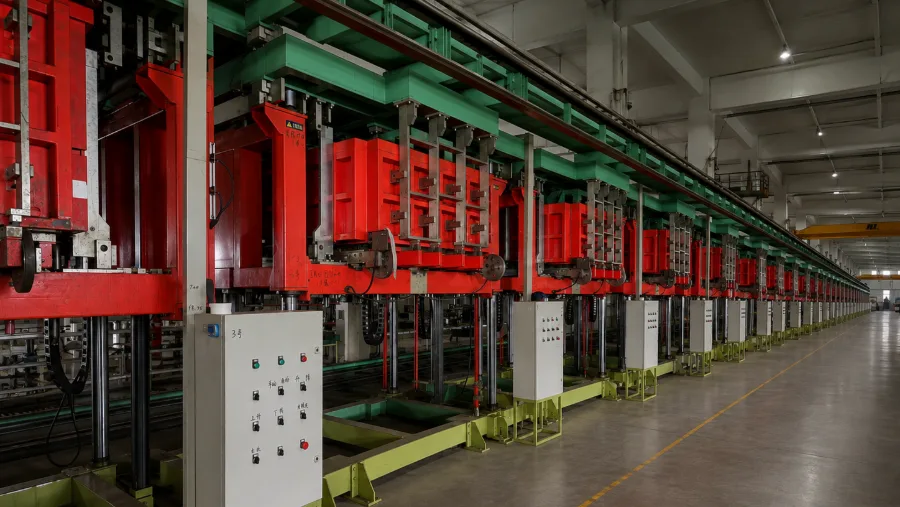
Constant-Temperature Foaming Line
Continuous polyurethane thermal insulation foaming line ensuring uniform core density.
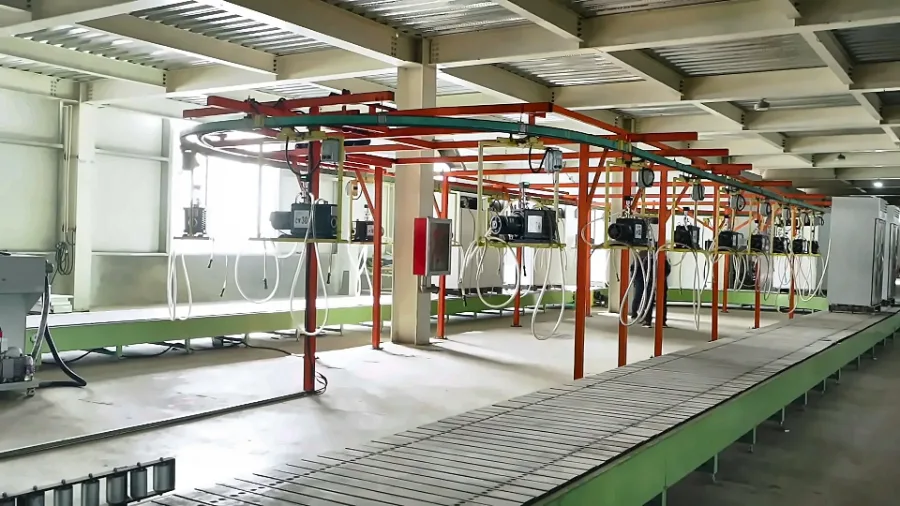
Vacuum Extraction & Testing Line
High-vacuum circuit evacuation and automated leak detection for commercial cooling systems.
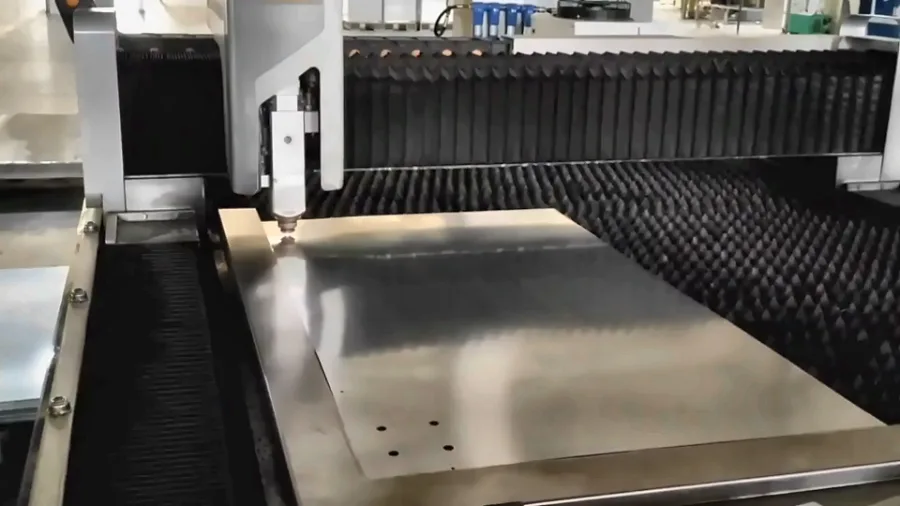
Laser Cutting & CNC Punching Station
High-speed fiber laser cutting and precision CNC punching for intricate component fabrication.
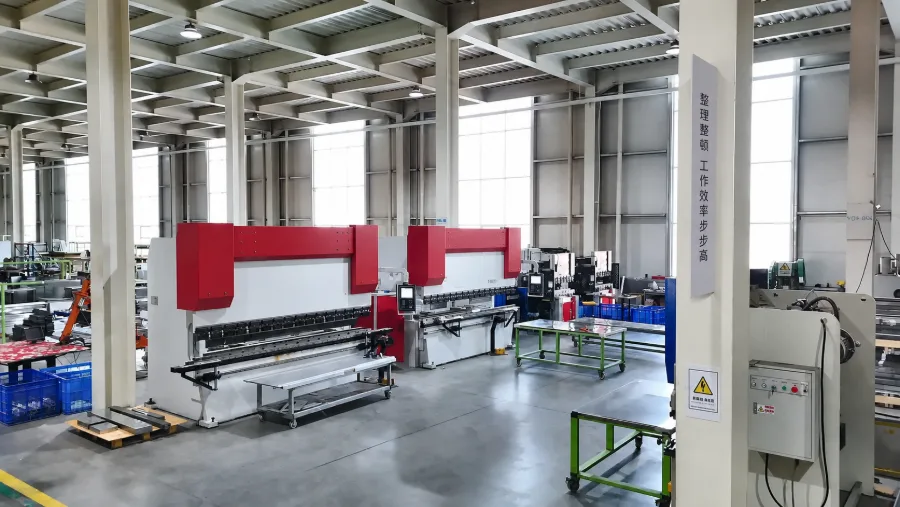
Canadian Heavy-Duty CNC Press Brake
High-tonnage precision press brake for large-format stainless steel sheet forming.
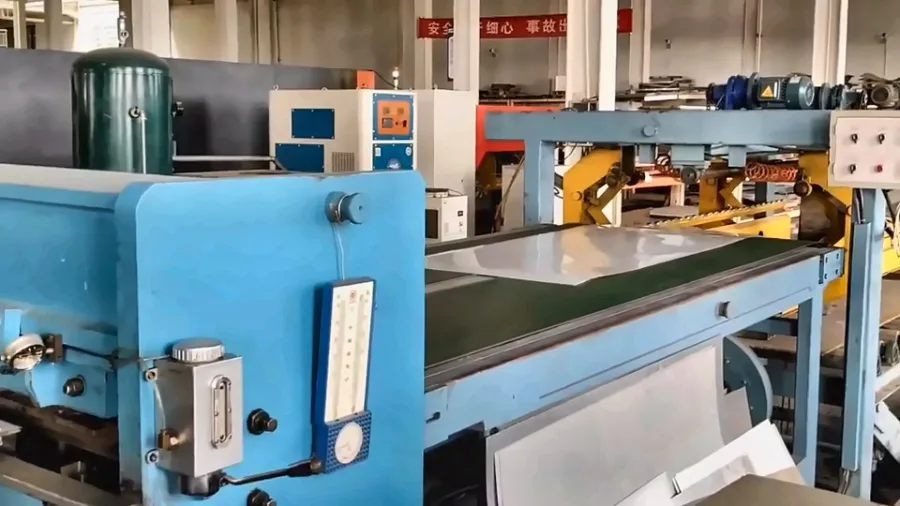
Material Shearing & Cutting Line
Automated heavy-gauge stainless steel shearing and precision raw material sizing.
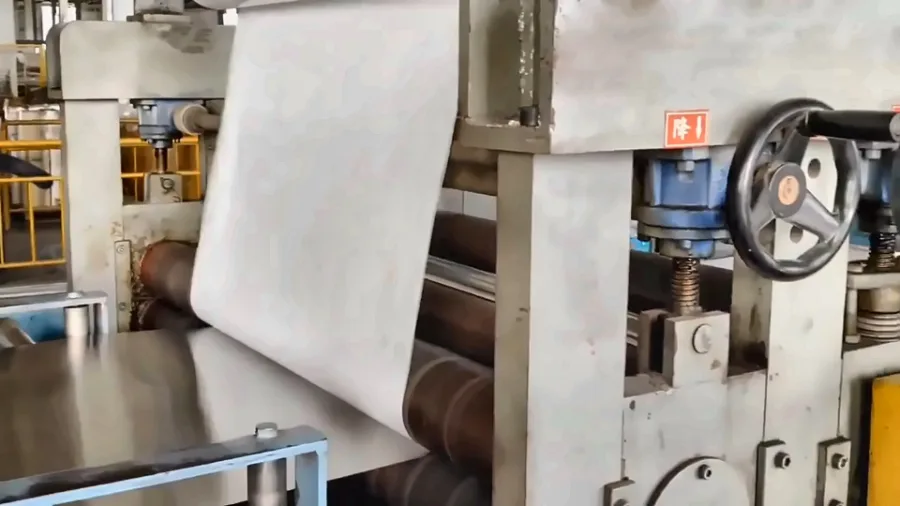
Material Film Laminating Line
Automated surface protection film application to preserve satin and mirror metal finishes.
Explore Popular Kitchen Equipment
Browse equipment that visitors frequently explore, then review the exact model and specifications for your project.
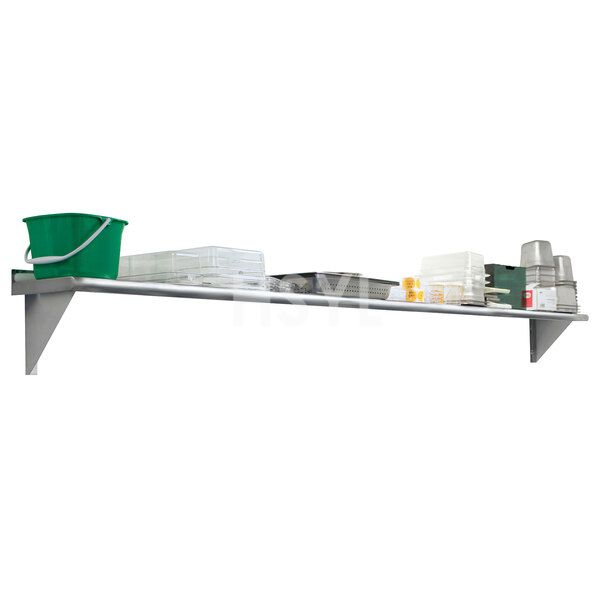
Stainless Steel Wall Shelves
Stainless Steel Wall Shelves for commercial kitchens, fabricated to project dimensions in ...
View product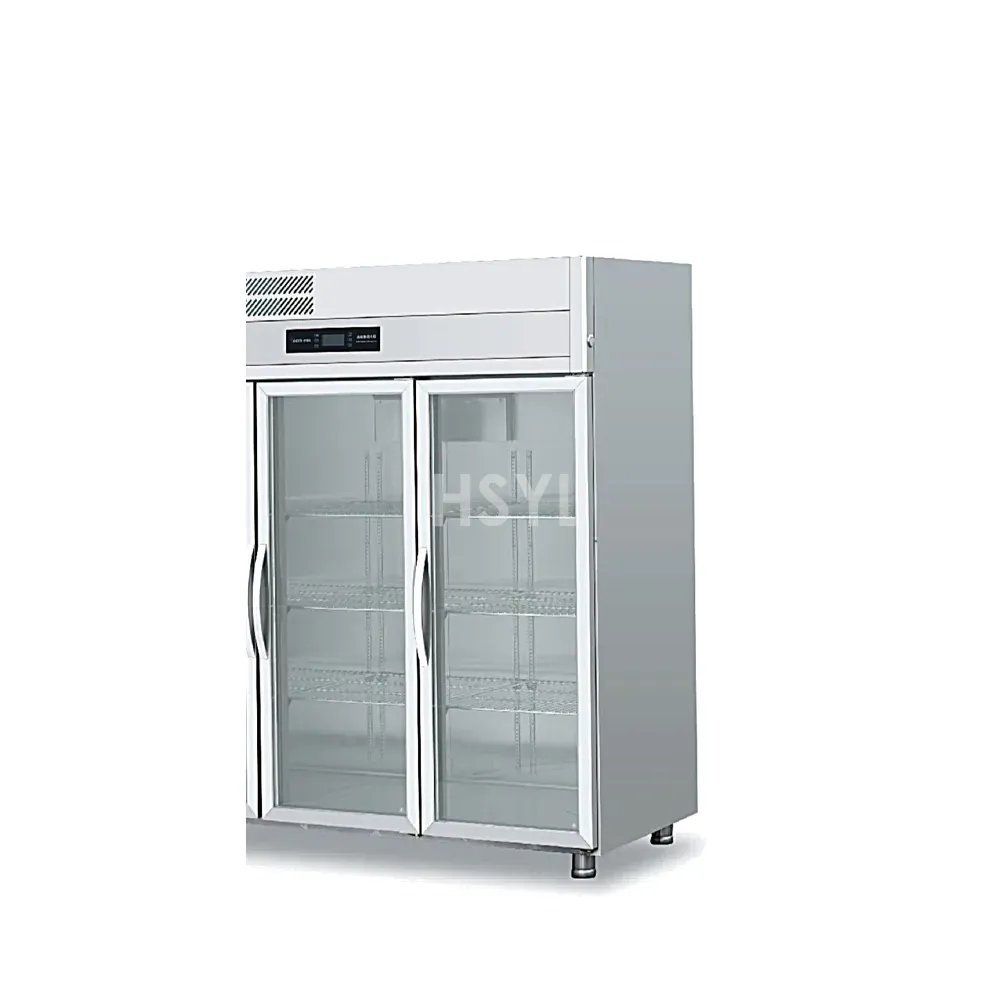
E Series Display Refrigerator Range
Compare E Series display cabinets by door layout, footprint and storage duty. Confirm the ...
View product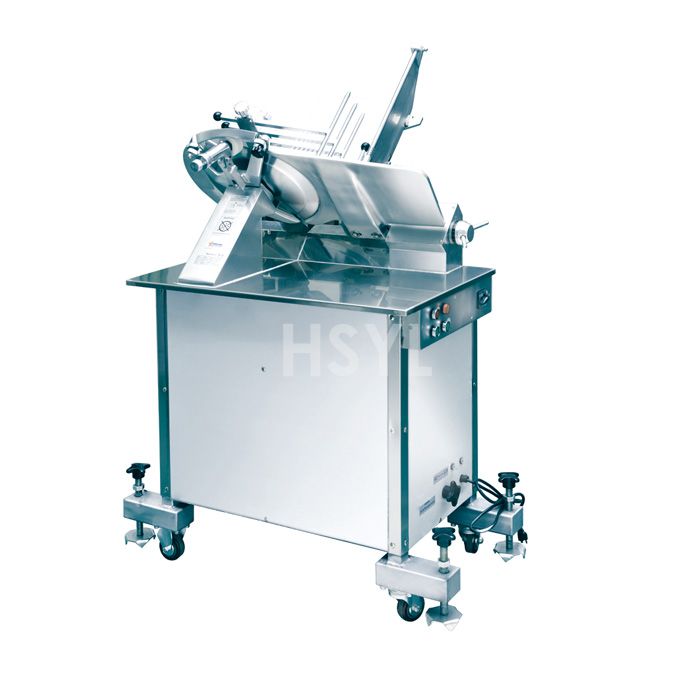
Commercial Meat Slicer-FP-HB-350400
Compare HB-350/400 meat slicers around meat size, slice thickness and production needs. Re...
View product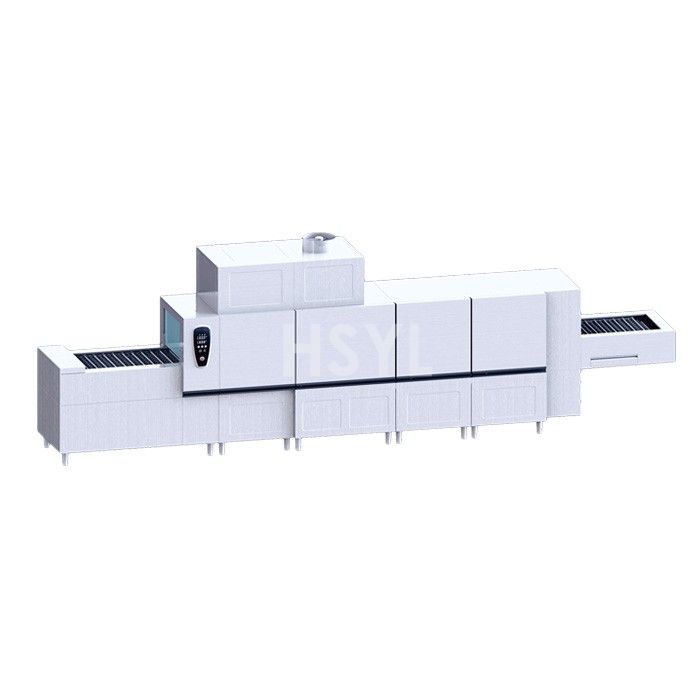
HDW8000L Steam-Heated Commercial Dishwasher
Quick Summary: The HDW8000L Steam-Heated Commercial Dishwasher (Model: CK-HDW8000L) is a h...
View product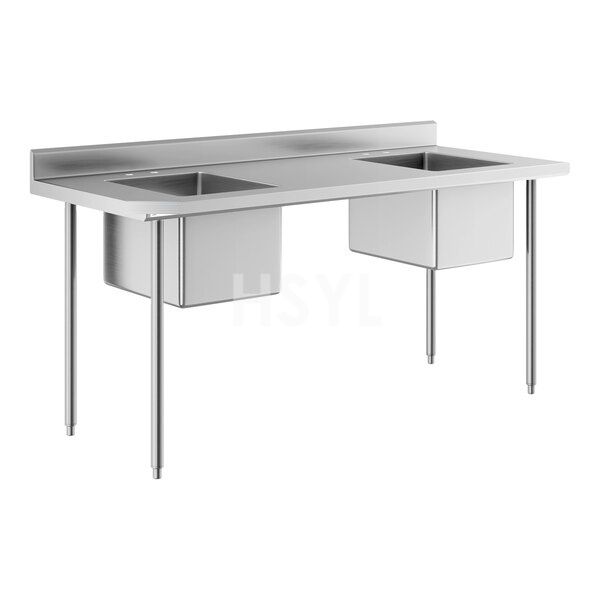
Two-Compartment Commercial Sinks
Two-Compartment Commercial Sinks for commercial kitchens, fabricated to project dimensions...
View product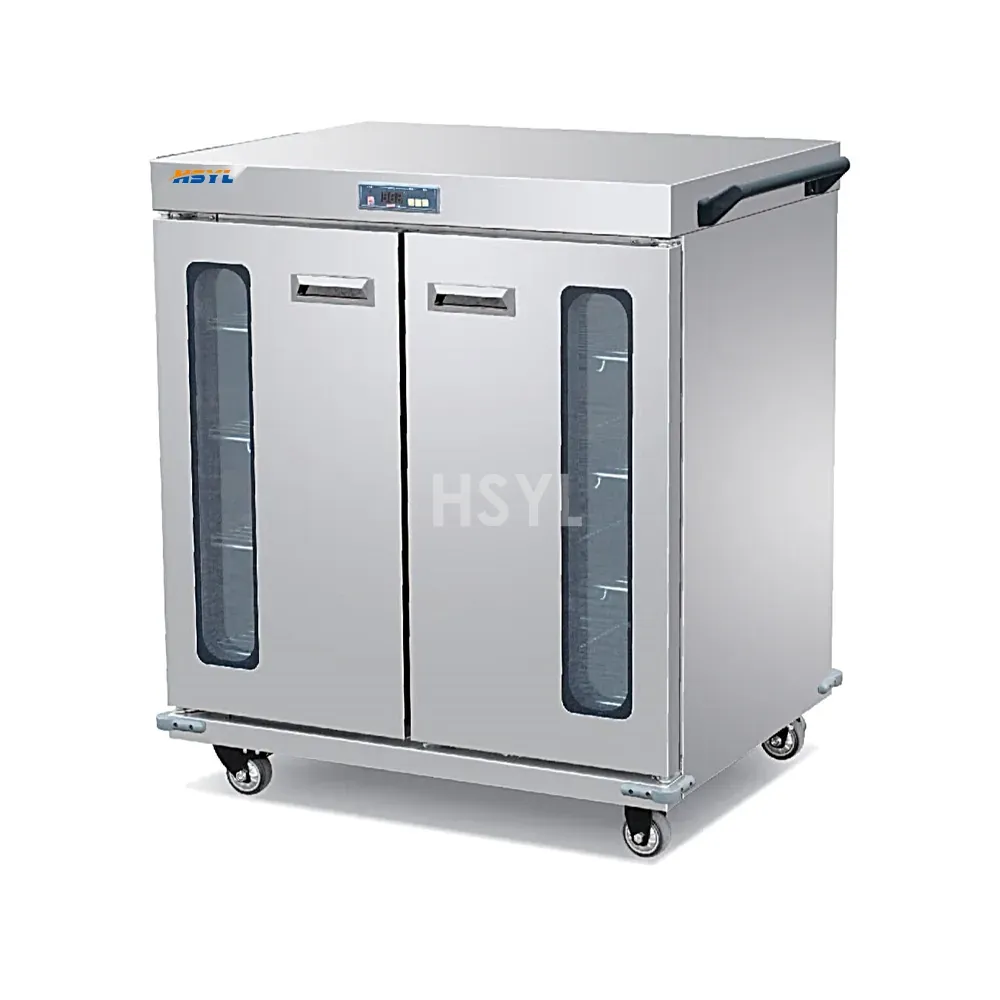
E234-BCW02-11 Horizontal Banquet Cart
Quick Summary: The E234-BCW02-11 Horizontal Banquet Cart-B (Model: SL-E234-BCW02-11) is a ...
View product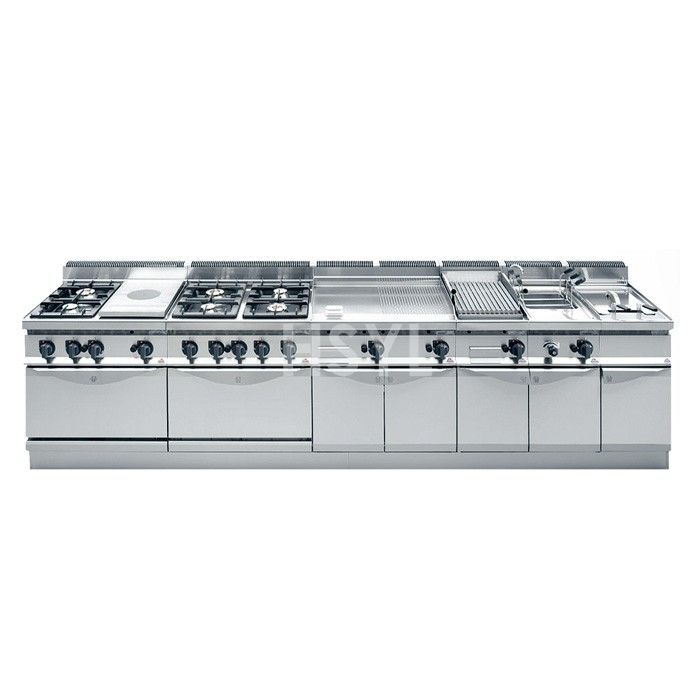
700-Series Combined Western Kitchen Stove
Quick Summary: The 700-Series Combined Western Kitchen Stove (Model: CK-BERTO) is a heavy-...
View product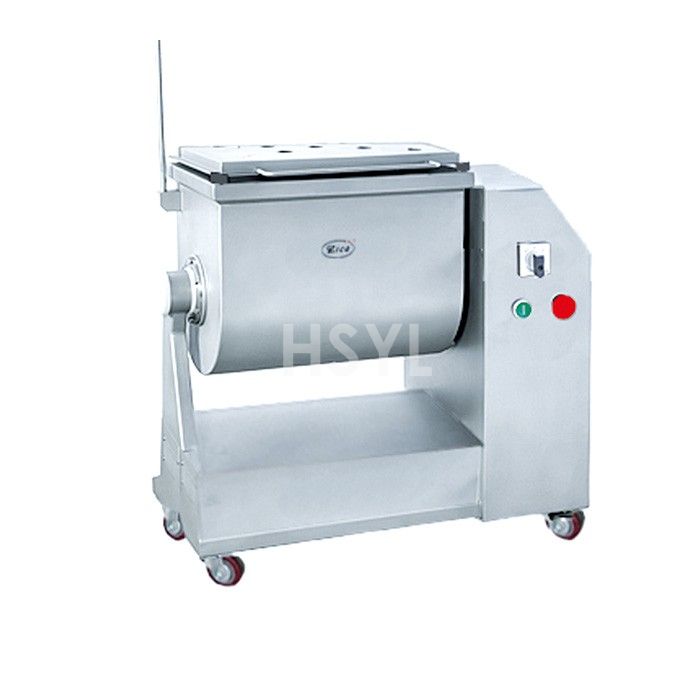
Commercial Meat Mixers
Commercial meat mixers for central kitchens, restaurant prep and meat-processing workstati...
View product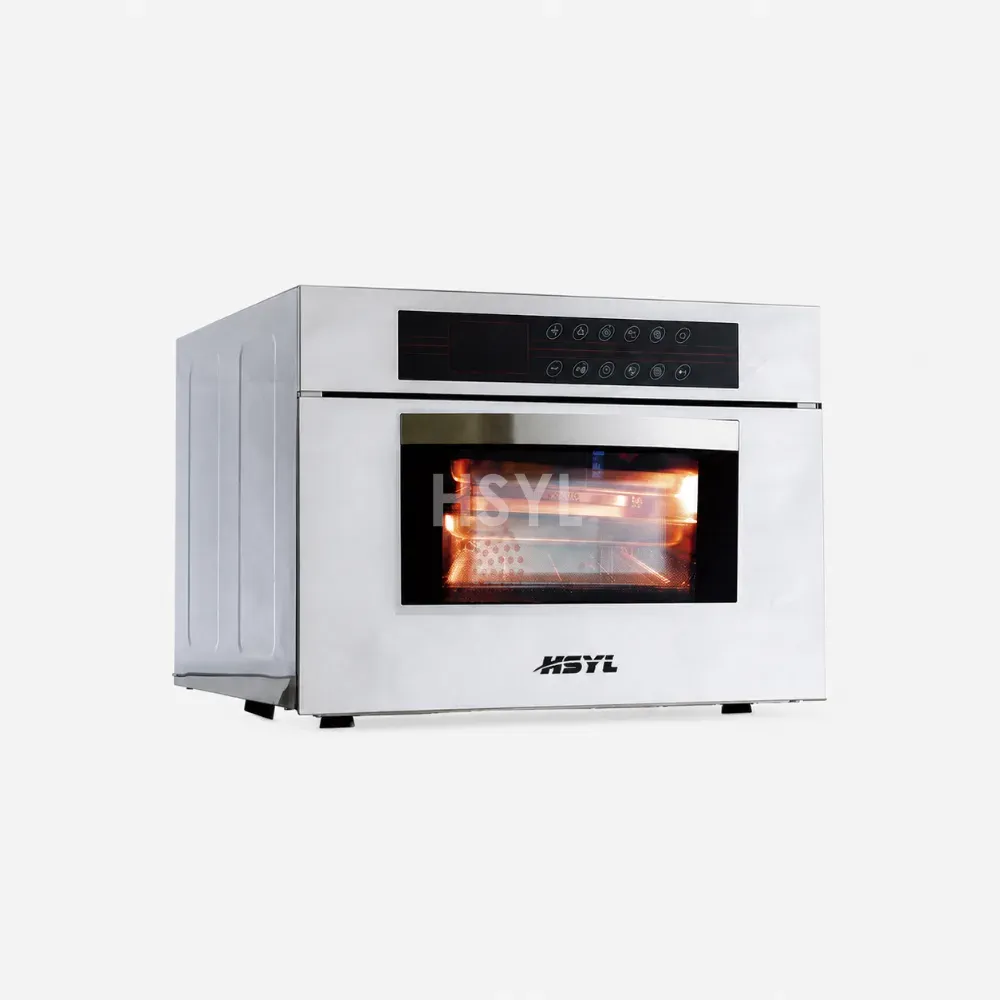
Commercial Ovens for Professional Kitchens
Commercial electric and convection oven solutions for professional kitchens. Review HSYL c...
View product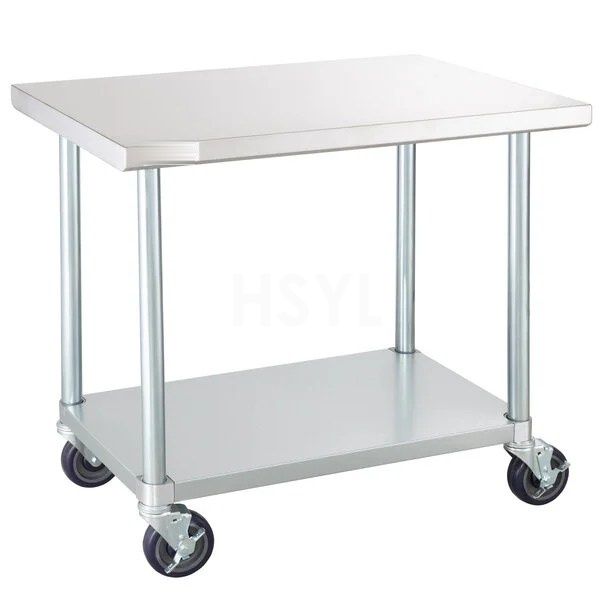
Stainless Steel Kitchen Trolleys
Stainless Steel Kitchen Trolleys for commercial kitchens, fabricated to project dimensions...
View product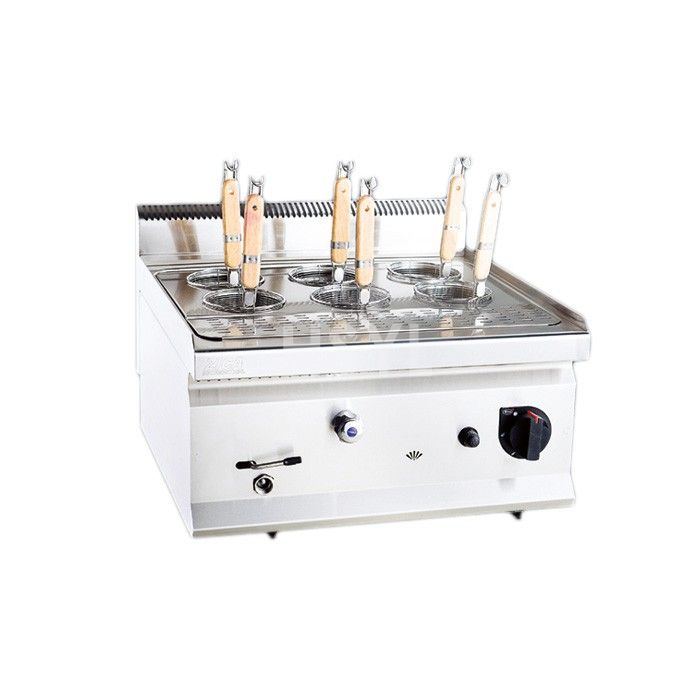
HP Countertop Gas Pasta Cooker Range
Compare HP6035G and HP6060G countertop gas pasta cookers. Review footprint and gas require...
View product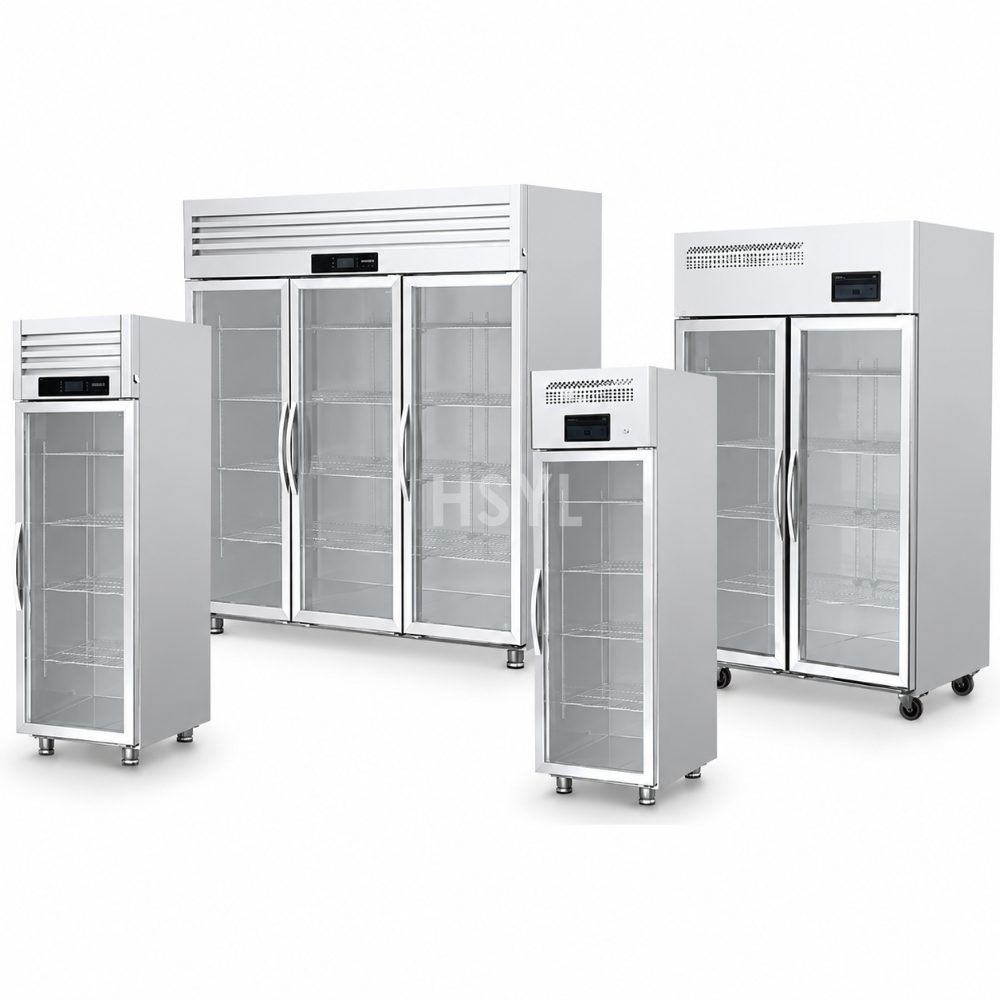
Q and S Series Direct-Cooling Display Cabinet Range
Compare Q and S Series display cabinets for your products and store layout. Confirm temper...
View product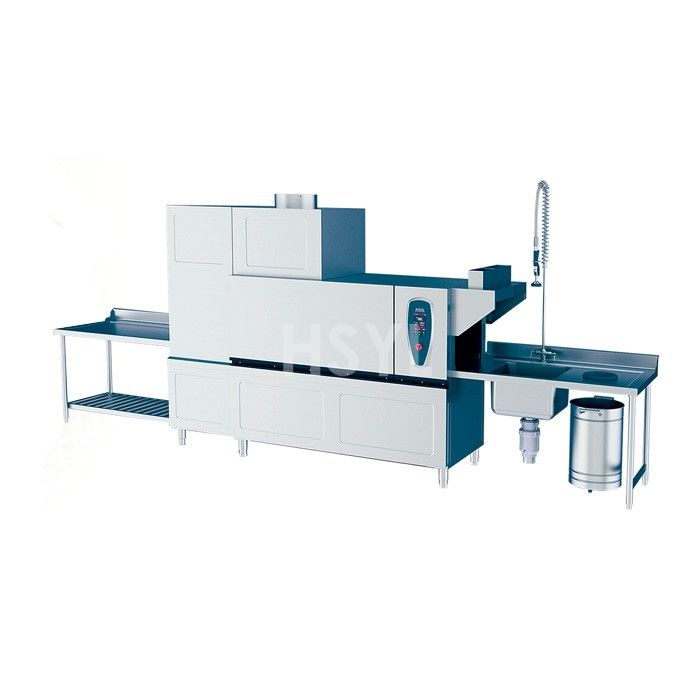
HDW260-EL-R Electric-Heated Commercial Dishwasher
Compare HDW260-EL-R Electric-Heated Commercial Dishwasher capacity, heating, dimensions, u...
View product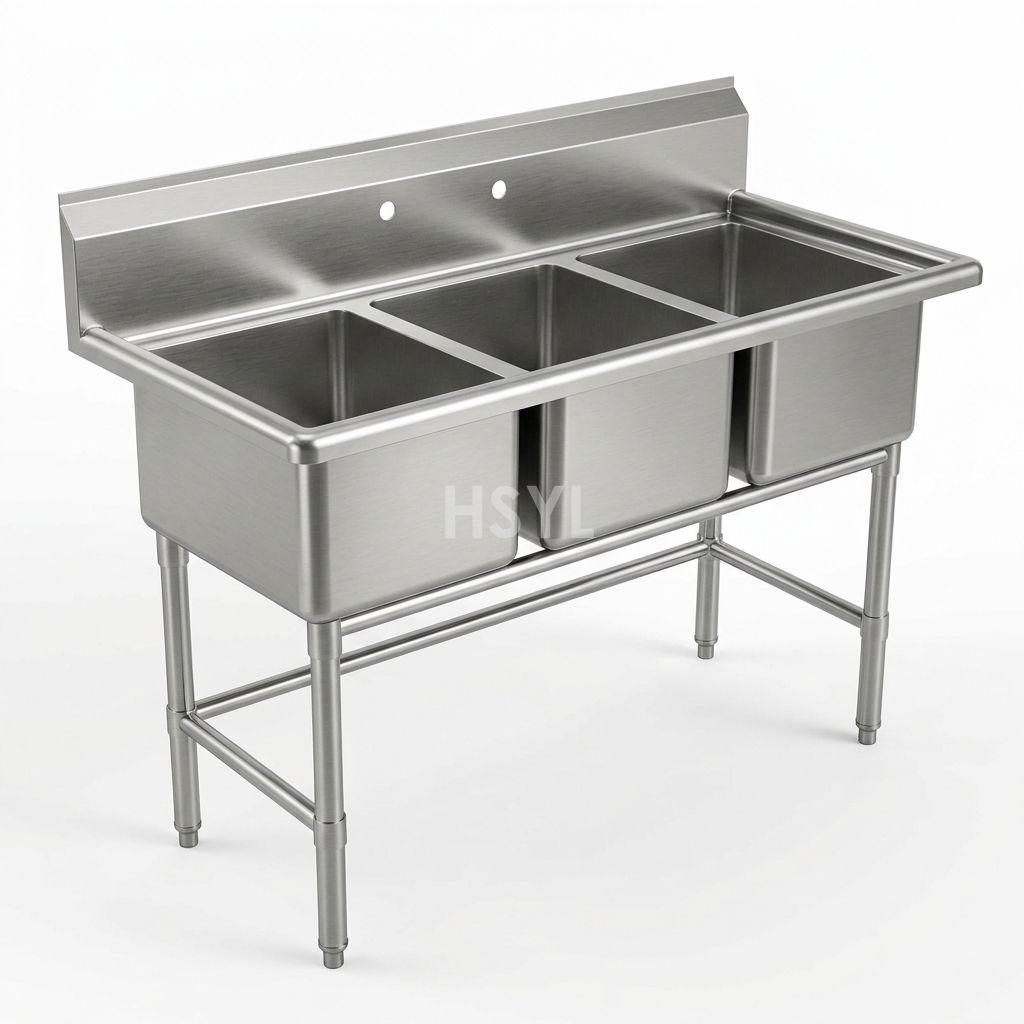
Three-Compartment Commercial Sinks
Three-Compartment Commercial Sinks for commercial kitchens, fabricated to project dimensio...
View product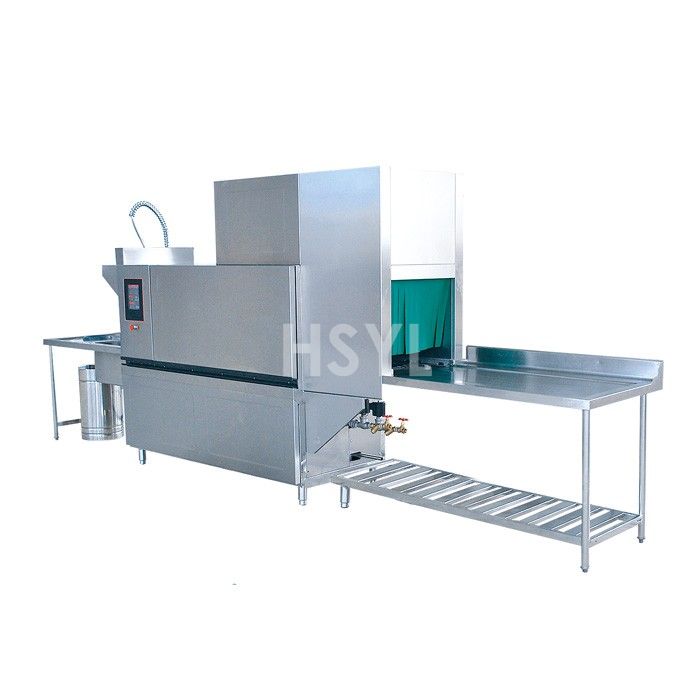
HDW260-SL-R Steam-Heated Commercial Dishwasher
Compare HDW260-SL-R Steam-Heated Commercial Dishwasher capacity, heating, dimensions, util...
View product Stainless Steel Wall Shelf
Plan stainless steel kitchen wall shelves for utensils, containers and clean storage. Spec...
View product
Commercial Vegetable Washers
Commercial Vegetable Washers for central kitchens, food processing plants, canteens and re...
View product
Commercial Grease Traps
Commercial Grease Traps for commercial kitchens, fabricated to project dimensions in AISI ...
View productFrequently Asked Questions
What equipment is needed for a catered restaurant event?
Specify production, transfer, service presentation, replenishment and return washing separately. The equipment list follows the menu, venue utilities, route and service format rather than a generic guest-count package.
Is an insulated food carrier the same as powered holding equipment?
No. Confirm the exact product's intended function and instructions. Establish acceptance under the approved food-safety plan using the actual food, transfer time and service conditions.
How should overseas catering equipment costs be compared?
Compare the same delivered scope, including accessories, freight, destination handling, installation and support. Add measured operating inputs, cleaning, maintenance and the defined disruption response.
Plan the Equipment Around Your Kitchen.
Share your menu, peak service demand, available space and site utilities. Tell us which equipment you are considering so we can review the requirements with you.