Restaurant Glass Washer: Cleaning Method and Service Output
Compare brush, batch and conveyor glasswashers with a real glass return trial, sanitation verification, ready service output and accepted glass cost.
Select a restaurant glass washer by the glass shapes, actual return surge and complete cleaning method. Brush washers, rinsers, batch machines, conveyor glasswashers and polishers perform different jobs. Compare accepted glasses ready for service, with the required sanitation process verified, rather than treating every catalogue glass cleaning product as an equivalent machine.
Define the glass return task at the bar and dining room
List the glasses used in the operation: tumblers, tall beer glasses, stemware, small cocktail glasses and any unusual shapes. Record dimensions, rim condition and the glass supplier's care instructions. Include decorated or delicate items separately. A washer selected for short tumblers may not accommodate a tall stemmed glass safely or provide the same loading density with a mixed return.
Describe the soils rather than calling every load dirty glassware. Beer residues, sticky beverage syrups, dairy drinks, lipstick, garnishes and dried residues can create different preparation and cleaning tasks. Use glasses from actual service for the trial, with the normal delay before washing. A demonstration using newly emptied water glasses does not represent the evening cocktail return.
Measure returns within the busiest short intervals. A restaurant may send a concentrated tray return after a dining sitting, while a bar receives a continuous stream. Both can have the same total evening glass count but require different handling arrangements. Record the staff available to remove residues, load, unload, inspect and return glasses while beverage orders continue.
Distinguish the equipment families before purchasing
| Equipment family | Task it addresses | What to verify | Do not assume |
|---|---|---|---|
| Brush type glass washer | Mechanical cleaning using the stated sink and chemical procedure | Glass access, brush compatibility and complete cleaning/sanitation arrangement | Brush contact alone establishes the whole sanitation process |
| Glass rinser or counter rinse fitting | Rinse glassware under the specified operating procedure | Water supply, drainage, permitted purpose and user handling | A rinse fitting replaces cleaning and required sanitation |
| Batch underbar glasswasher | Process loaded racks or baskets through a defined machine cycle | Actual glass fit, soil removal, sanitation method and recovery | Rated racks per hour equals ready glass output |
| Conveyor glasswasher | Support a continuous return with a suitable loading and discharge route | Glass stability, feed discipline, actual conveyor process and clean landing | Every glass shape can be fed together without trial |
| Glass polisher | Improve presentation under the manufacturer's permitted procedure | Glass compatibility, cleanliness before polishing and maintenance | Polishing is a substitute for an accepted washing process |
The first relevant professional catalogues contain several of these families. That variety explains why a buyer must ask which job the product completes. A catalogue category called glass washers can contain brush equipment and polishers alongside automatic machines. Write the required complete process into the inquiry so a quotation cannot silently substitute a presentation accessory for a washing system.
Check rack geometry and safe glass handling
Measure the largest and most awkward glass, not just the average item. Compare its height, diameter and stem geometry with the permitted rack, basket or conveyor arrangement. Request the manufacturer's loading instructions and glass compatibility guidance. Confirm that glasses remain stable, receive the intended wash exposure and can be removed without forced contact or unsafe handling.
For a batch machine, fill a representative rack using the actual assortment. Count usable positions rather than theoretical empty spaces. Mixed heights can change which rack extensions are required and how the next load is organized. Verify that the loaded rack passes through the opening and that the operator can lift or slide it with the proposed landing arrangement.
For a conveyor arrangement, trial feed spacing, glass stability and removal at the real bar pace. Include pauses, uneven arrivals and the actual employee tasks. The conveyor's nominal speed does not describe the staff's ability to sort or inspect mixed glasses. A pileup at the clean discharge can eliminate the benefit of continuous movement even when the wash section operates correctly.
Separate cracked, chipped or unsuitable glasses under the operation's handling policy. Define the response to breakage in the equipment with the manufacturer and operator. Record how the machine is safely stopped, inspected and cleaned before release. Do not promise that a particular rack, brush or machine prevents all glass damage.
Specify the sanitation method and receiving requirements
Automatic glasswashers may use different sanitation arrangements. Identify the exact machine process, required incoming water conditions, chemical system and electrical supply before ordering. Obtain the manufacturer's installation and operating instructions and confirm the receiving authority's requirements for the operation. A product described as low temperature is not evidence that it has no heating, chemical or infrastructure requirements.
For a chemical process, obtain the approved product, dosing and verification procedure from the machine supplier and qualified chemical provider. Include chemical replenishment and staff checks in the service routine. For a thermal process, confirm the exact heating arrangement and the required verification method. A displayed setting, a general catalogue temperature or an unrelated machine's booster rating is not proof that the loaded glasses completed the required process.
Keep validation records specific to the installed unit and method. The FDA Food Code is a US model resource; the receiving jurisdiction determines adopted requirements. For an NSF/ANSI 3 claim, check the actual listed equipment and scope rather than treating every product in a commercial catalogue as certified. Canada requires its own provincial and local review. EU buyers must obtain the applicable product conformity documents, including CE documentation where required, together with the site hygiene and installation review. UK buyers must distinguish Great Britain and Northern Ireland requirements for the exact version. Australian buyers must check electrical scope and local hygiene and installation requirements. These are separate destination checks, not interchangeable approvals.
Treat presentation and sanitation as separate results
Inspect glassware using the operation's agreed appearance criteria: visible soil, streaking, spotting, odour and damage. Verify the required sanitation process separately using the accepted method. A clear looking glass can still fail a process requirement, while a correctly processed glass may require further investigation for spotting or presentation quality. Staff need a clear rule for accepting, rejecting and reprocessing.
Water conditions, appropriate detergent and rinse aid, dosing, loading and maintenance can affect results. Obtain a site water assessment when the supplier requires it and select treatment for the actual equipment and conditions. Do not promise spot free results from a filter name alone. Record the trial conditions and compare glasses after the permitted cooling, draining or drying procedure.
Check whether the required glasses are ready for the next beverage task. The unloading point may need safe cooling and draining space, especially when immediate reuse conflicts with the glass supplier's care instructions or the beverage service procedure. Confirm any subsequent polishing procedure separately. Do not add towel handling or a polisher to conceal a recurring machine cleaning failure.
Measure ready output through the whole route
| Stage | Measured input or observation | Output recorded |
|---|---|---|
| Returned assortment | Glass families, soils, delay and arrival pattern | Representative count and trial window |
| Preparation and loading | Residue removal, actual rack positions or conveyor feed | Staff time and correctly presented glasses |
| Washing process | Exact unit, settings, supply and verified sanitation method | Completed loads or feed interval with exceptions |
| Inspection and recovery | Soil, spotting, damage and reprocessing | Accepted and rejected glasses by family |
| Ready return | Permitted draining, cooling, storage and handling | Accepted glasses available to the bar in the service window |
Ready glass rate equals accepted glasses available for service divided by the observed time window. Record the staff and equipment used to obtain it. This original planning tool does not replace sanitation testing or supply a universal machine rating. Retain rejects and rewash events in the record so the result reflects the actual process.
Repeat the relevant trial after several ordinary loads, with the normal soil pattern and staff arrangement. Include startup, water recovery and routine interruptions that occur within the service period. State which delays are included when comparing suppliers. A one-load stopwatch observation cannot support an entire shift's output claim without the corresponding service trial.
Lay out the station around dirty and clean movement
Draw the returned glass landing, residue disposal, washer loading, clean unloading and protected storage in sequence. Dirty and clean glasses should not compete for the same unidentified landing space. The arrangement must also leave room for the employee, racks, chemical containers and maintenance access. Assess the whole footprint when checking whether a machine fits under the bar.
Confirm the permitted water connections, drainage arrangement and available electrical supply for the exact unit. Check hose routes, rack travel, doors and access to strainers or other routine cleaning points. A built-in drain pump, dosing pump or booster can be a model option rather than a standard inclusion. Have the installer verify the quoted configuration against the site.
Check the clean return route to the point of use. If a distant dishroom supplies the bar, record tray handling and the return delay; if washing takes place under the bar, check that unloading does not interfere with serving beverages. Use the actual glass inventory and surge observations to plan buffer stock. Do not replace a stockout problem with a nominally faster machine without checking the route.
Compare the cost per accepted glass
Include machine, compatible racks or brushes, water treatment where needed, installation, electrical work, plumbing, chemical system, initial supplies and delivery. Compare purchase and service options on the same scope. A cheaper machine requiring an unquoted electrical upgrade or treatment arrangement can have a higher installed cost than the initial price suggests.
Use measured consumption during representative operation. Cost per accepted glass equals the trial's water, energy, chemicals and operating labour cost divided by accepted ready glasses. Add cleaning, maintenance and repair costs separately over the chosen planning period. Annual kWh can be calculated from measured operating and standby power multiplied by the respective hours; it is not established by the machine's nameplate alone.
Record chemical use and replenishment by the actual products and dosing procedure. Do not assume that lower chemical consumption is preferable if the required process is no longer achieved. Include rejects, rewash labour and broken glass losses in the comparison when observed. Separate the purchase of additional glass inventory from the machine's operating costs so the buyer can see what solves each constraint.
| Cost or acceptance item | Evidence required | Comparison boundary |
|---|---|---|
| Installed package | Machine version, included racks, pumps and site works | Same complete scope for each offer |
| Consumption | Measured water, kWh and approved chemical use | Same glass assortment and observed service window |
| Labour | Preparation, loading, unloading, checking and routine cleaning | Count actual employee tasks, including rewash |
| Acceptance | Required process evidence plus appearance and damage checks | Use accepted ready glasses as the denominator |
| Service continuity | Parts, permitted maintenance and an approved interruption plan | No assumed downtime or guaranteed emergency response |
This original ledger distinguishes presentation, sanitation and cost. Populate it with actual trial and quotation evidence. It contains no default hourly output, utility consumption or financial return. Unknown installed costs or unverified process conditions remain unresolved purchase inputs.
For a multi-bar restaurant, specify whether racks and glass families move between stations. Shared racks need confirmed compatibility with each machine and storage location; apparent external similarity does not establish compatible loading. Record where rejected glasses wait for reprocessing so they cannot be mixed with ready stock. The transfer procedure should identify clean and dirty racks without relying on the next employee to guess from the glass appearance.
Use the same defined service window when comparing a continuous conveyor with batch washing. Include the beginning and end of the return surge, not only the fastest uninterrupted portion. That exposes whether a configuration clears the actual queue before the next demand window.
Release the order with a documented support and export scope
Request actual component identifiers for the pumps, heaters, dosing equipment, controls, brushes or conveyor parts relevant to the offered unit. Obtain cleaning intervals and methods from the manufacturer's instructions and plan them around service. Agree how staff escalate poor cleaning, loss of supply, abnormal operation or breakage. Any alternative process during an interruption must be approved for the operation rather than improvised from a rinser.
For exports, provide the actual receiving voltage, phase and frequency, site water and drainage conditions, destination and glass trial specification. Obtain the unit's applicable conformity or listing documents, including CE documentation where required, with exact scope. Ask for packaged dimensions, gross mass and handling instructions; container loading must follow the confirmed packing plan. Certification and service commitments must refer to the ordered unit.
An HSYL quotation should identify the complete glass cleaning process and the supplied equipment family, with installation instructions, options and acceptance evidence. Send the actual glasses or a documented assortment and the return pattern for a representative assessment. This guide asserts no unverified HSYL cycle count, rack capacity, chemical dose, certification or glasswashing performance.
Related Kitchen Products
Selected from the catalogue against the keywords of this page, then reviewed with your duty cycle, utilities and site conditions before quotation.
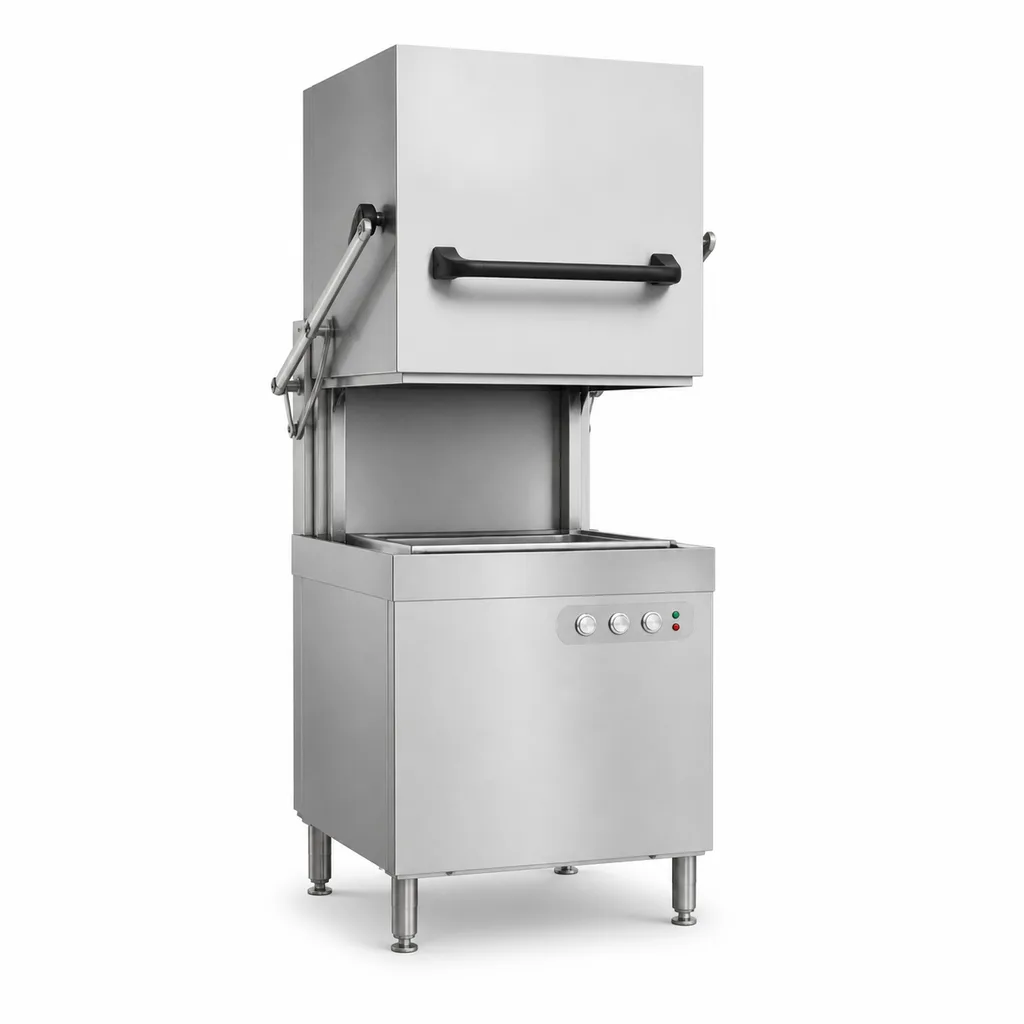
Dishwasher industrial machine
Explore Dishwasher industrial machine specifications and applications. Conveyor-type Commercial Dishwasher with 304 stainless steel, modular combination constru...
View product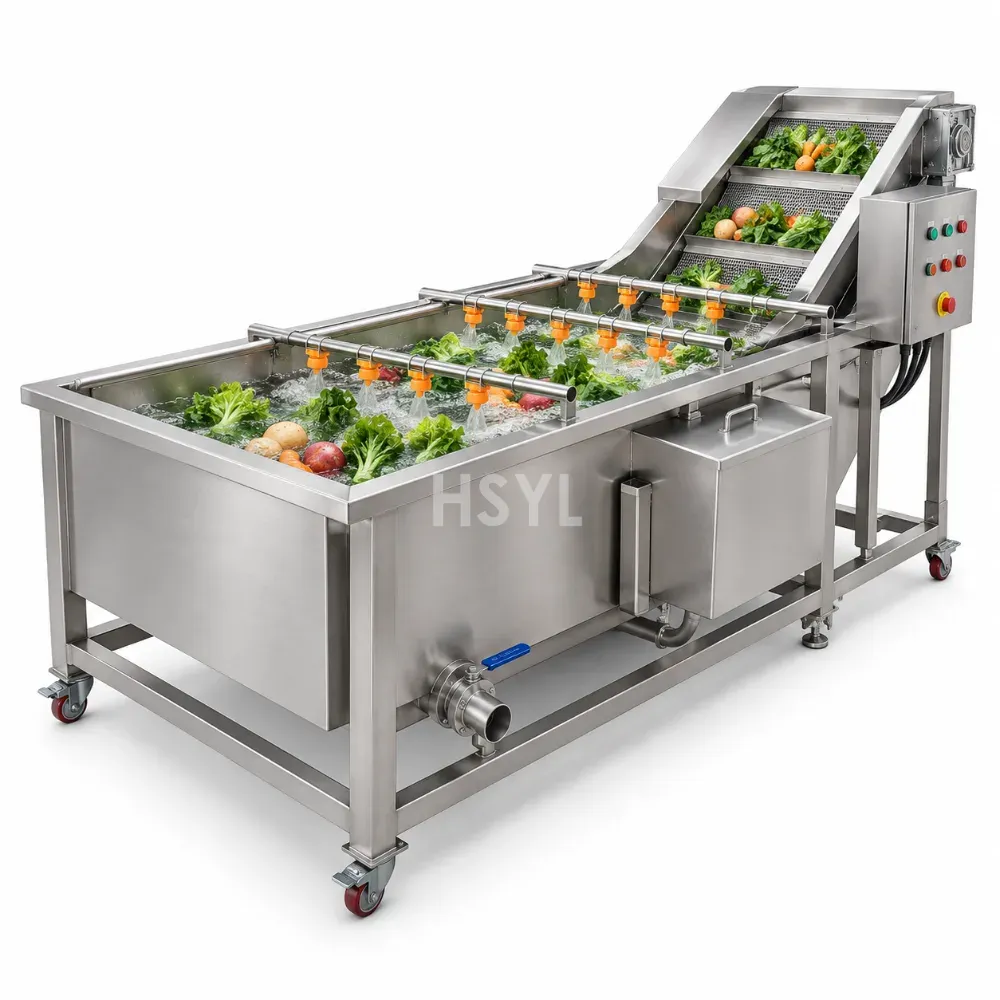
Commercial Vegetable Washers
Commercial Vegetable Washers for central kitchens, food processing plants, canteens and restaurants. Specify vortex, air-bubble, brush-roller and continuous was...
View product
Commercial Conveyor Dishwashers for High-Volume Warewashing
Compare commercial conveyor dishwasher systems for busy dishrooms. Plan ware handling, heating, water supply and dirty-to-clean flow with HSYL.
View product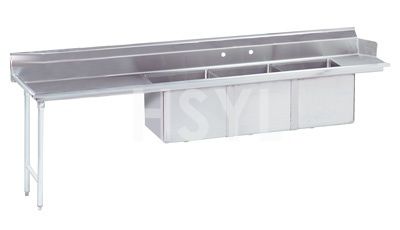
3 Compartment Sink Dishtable
Plan a 3 compartment sink dishtable around dishwasher connections, rack movement and manual washing space. Send HSYL your machine model and layout.
View product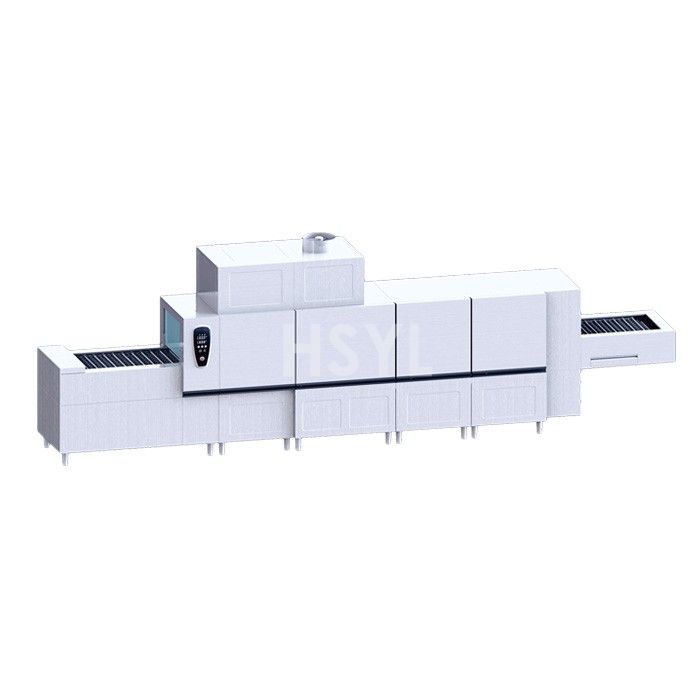
HDW8000L Steam-Heated Commercial Dishwasher
Quick Summary: The HDW8000L Steam-Heated Commercial Dishwasher (Model: CK-HDW8000L) is a heavy-duty commercial system engineered for high-throughput production ...
View productHDW3000 Steam-Heated Commercial Dishwasher
Compare HDW3000 Steam-Heated Commercial Dishwasher capacity, heating, dimensions, utilities and installation needs. Request an HSYL technical proposal.
View productEngineering-Led Commercial Kitchen Manufacturing
HSYL Kitchen Systems designs and produces heavy-duty commercial kitchen equipment for central kitchens, hotels, canteens, hospitals and high-capacity restaurants. Our goal is to provide precise equipment matching, documented quality gates and verified delivery for global foodservice operations.
- Food-grade SUS304 & SUS316 stainless steel construction
- Custom engineering layout & CAD drawing support
- Multi-stage factory quality control & FAT testing
- Factory-direct supply chain with spare parts backup
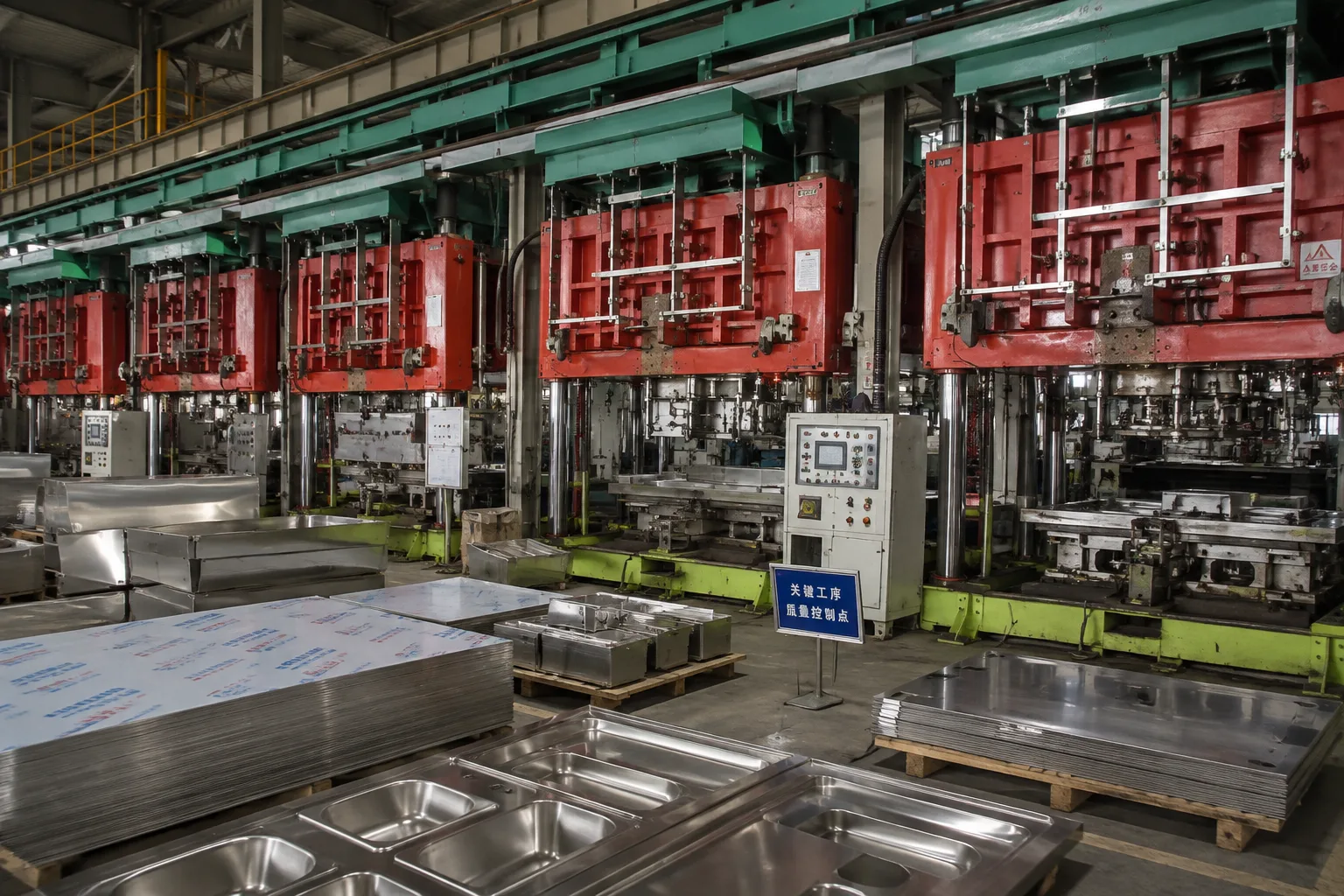
Advanced OEM Processing Equipment & Lines
Equipped with world-class automated sheet metal processing, precision bending centers, thermal foaming lines, and vacuum test rigs to support high-volume commercial kitchen OEM/ODM manufacturing.
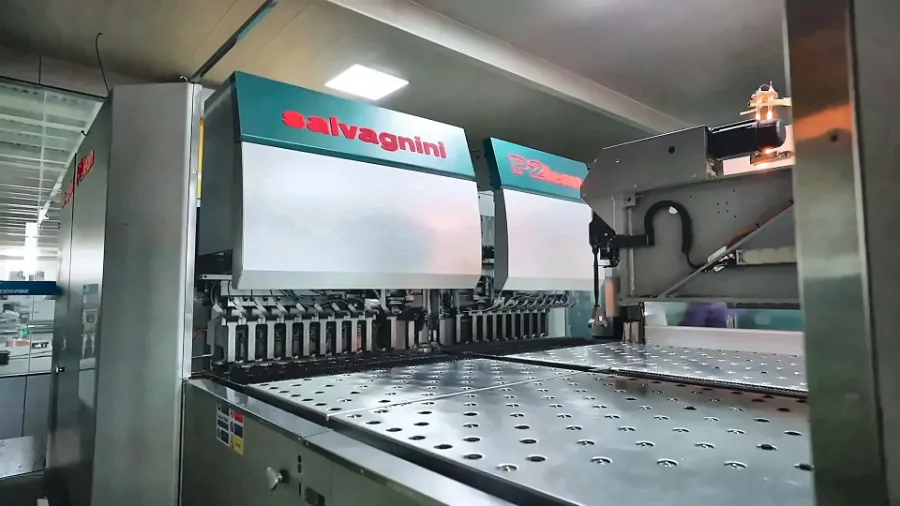
Italian Salvagnini Panel Bending Center
Automated sheet metal bending system for seamless cabinet fabrication and tight structural tolerances.
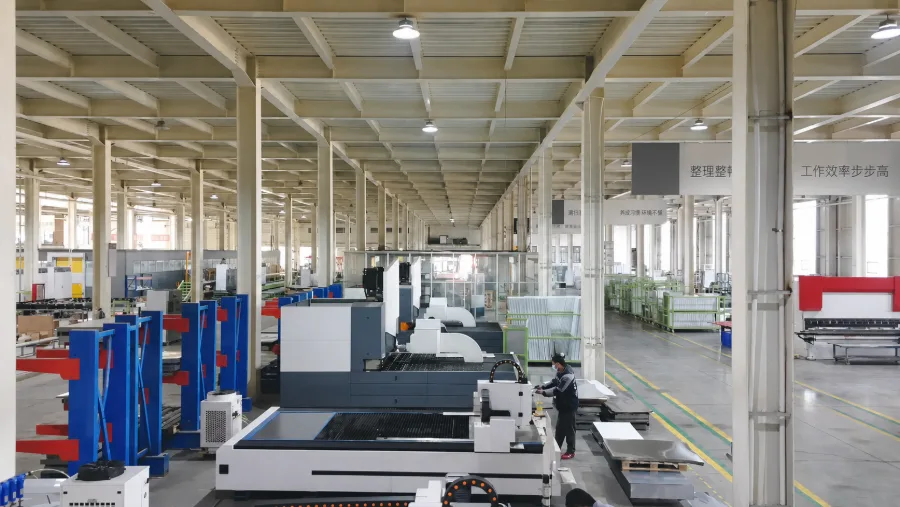
Automated Bending & Laser Cutting Line
Integrated flexible processing line combining fiber laser cutting and multi-axis CNC bending.
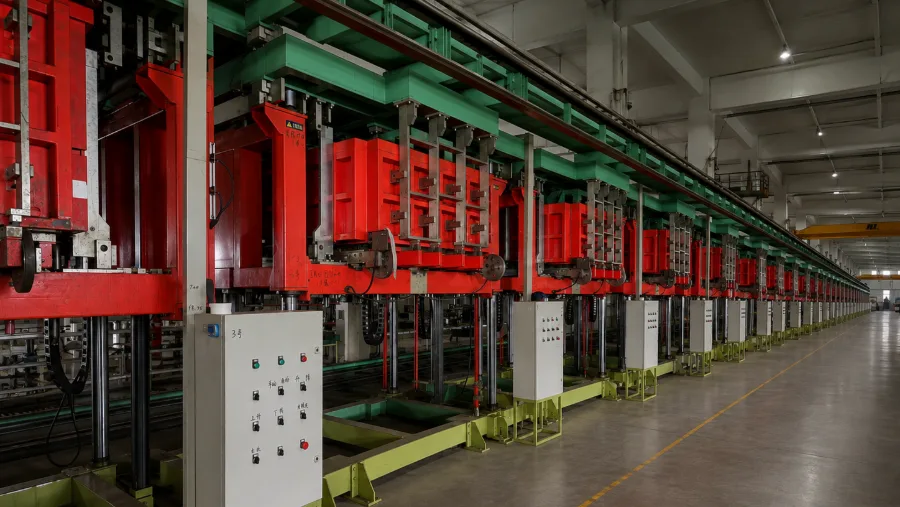
Constant-Temperature Foaming Line
Continuous polyurethane thermal insulation foaming line ensuring uniform core density.
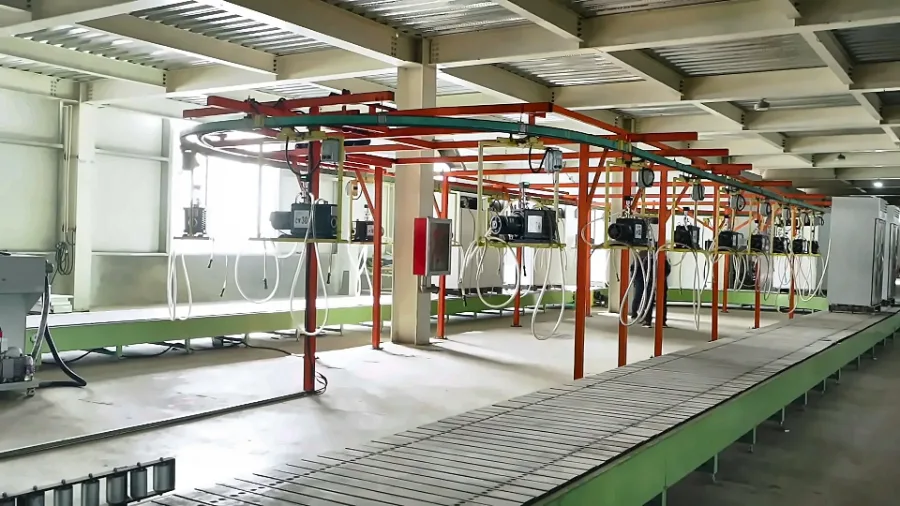
Vacuum Extraction & Testing Line
High-vacuum circuit evacuation and automated leak detection for commercial cooling systems.
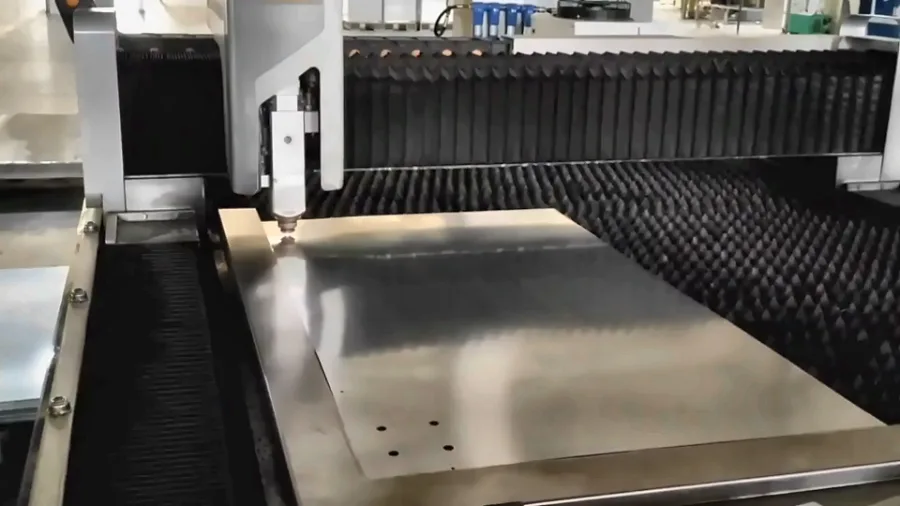
Laser Cutting & CNC Punching Station
High-speed fiber laser cutting and precision CNC punching for intricate component fabrication.
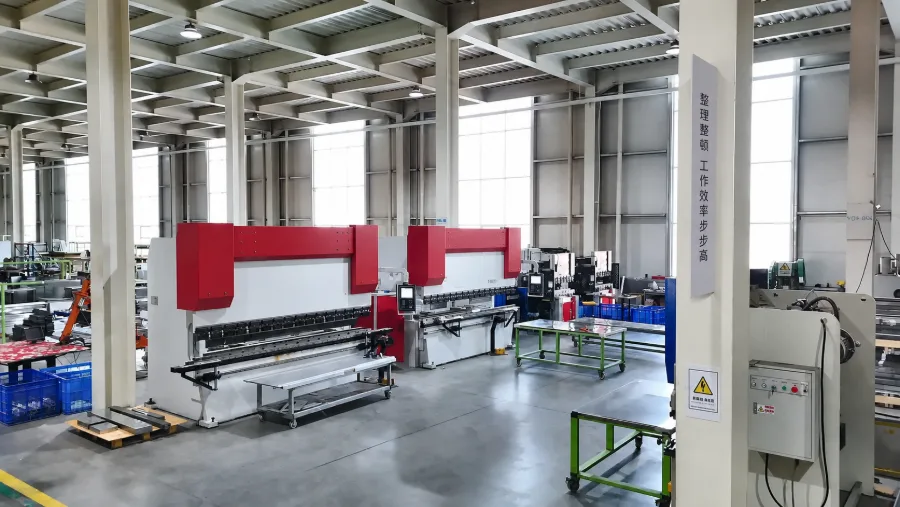
Canadian Heavy-Duty CNC Press Brake
High-tonnage precision press brake for large-format stainless steel sheet forming.
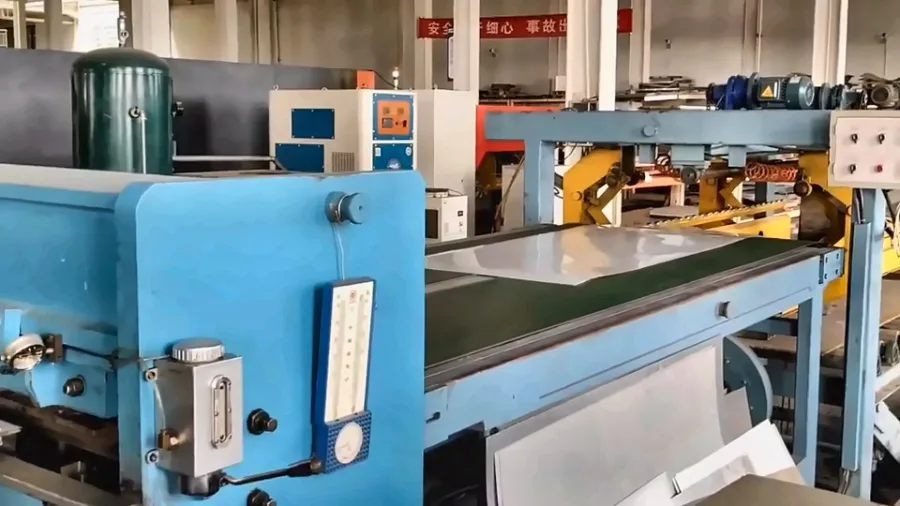
Material Shearing & Cutting Line
Automated heavy-gauge stainless steel shearing and precision raw material sizing.
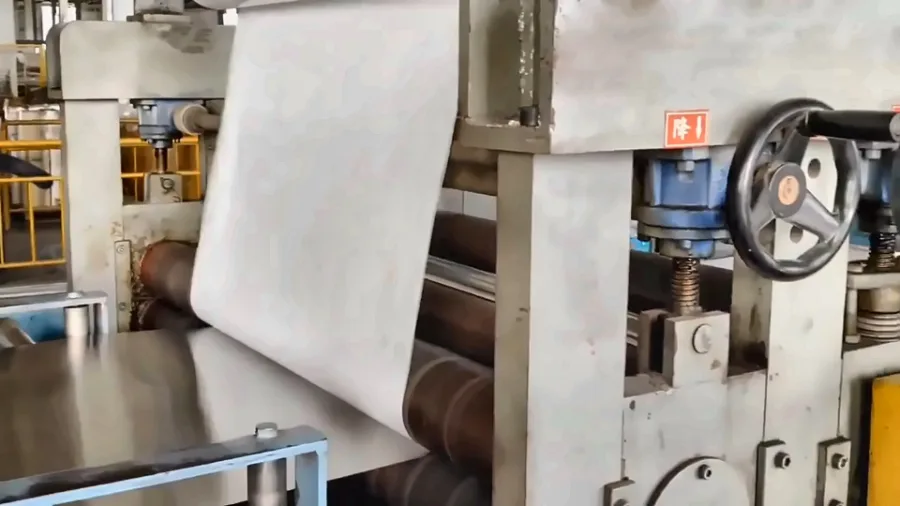
Material Film Laminating Line
Automated surface protection film application to preserve satin and mirror metal finishes.
Explore Popular Kitchen Equipment
Browse equipment that visitors frequently explore, then review the exact model and specifications for your project.
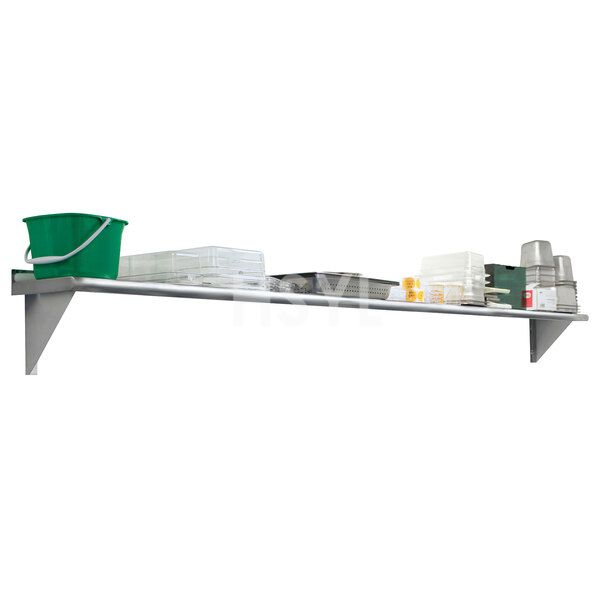
Stainless Steel Wall Shelves
Stainless Steel Wall Shelves for commercial kitchens, fabricated to project dimensions in ...
View product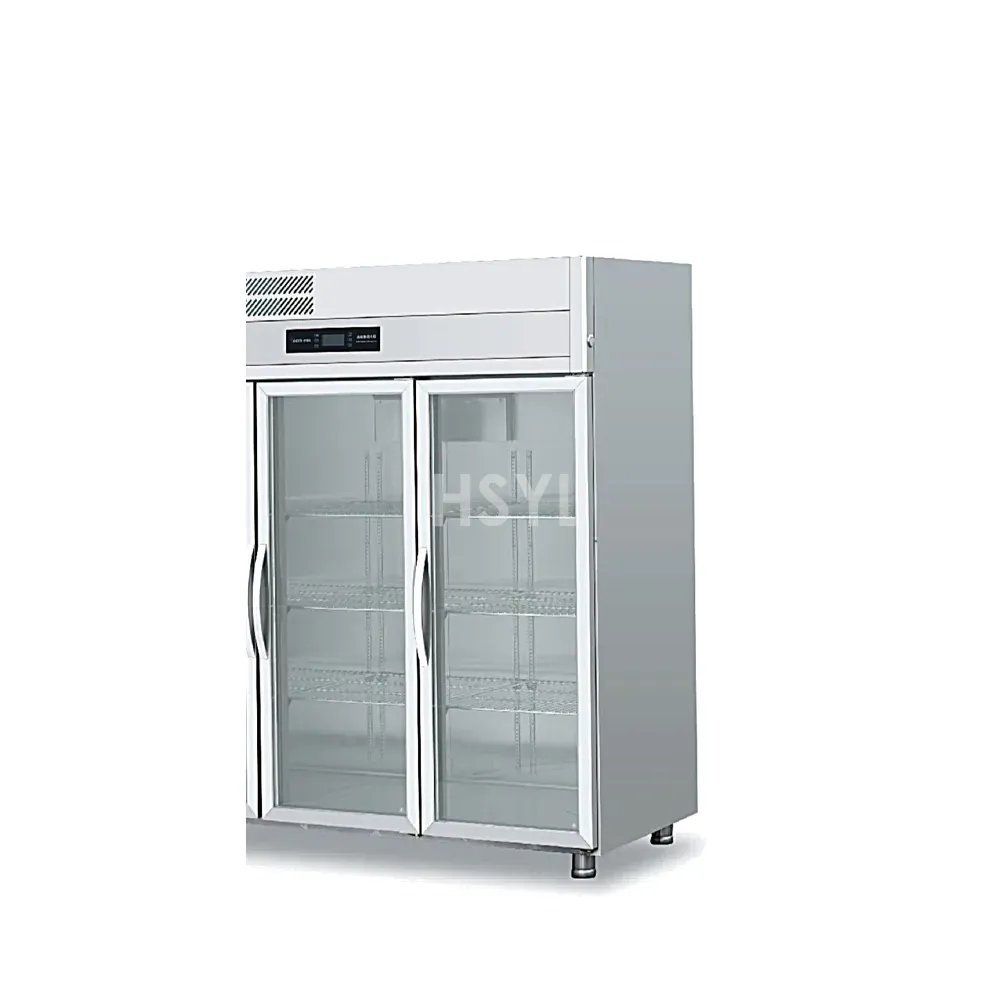
E Series Display Refrigerator Range
Compare E Series display cabinets by door layout, footprint and storage duty. Confirm the ...
View product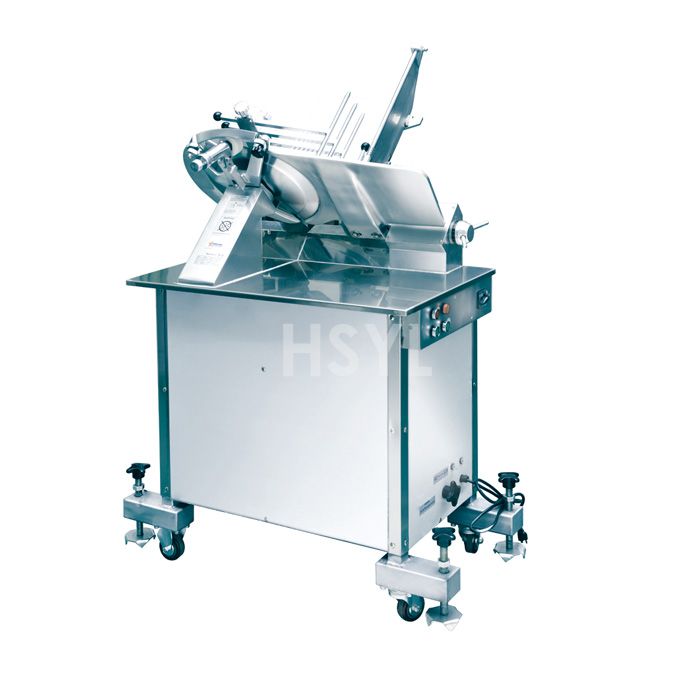
Commercial Meat Slicer-FP-HB-350400
Compare HB-350/400 meat slicers around meat size, slice thickness and production needs. Re...
View product HDW8000L Steam-Heated Commercial Dishwasher
Quick Summary: The HDW8000L Steam-Heated Commercial Dishwasher (Model: CK-HDW8000L) is a h...
View product
Two-Compartment Commercial Sinks
Two-Compartment Commercial Sinks for commercial kitchens, fabricated to project dimensions...
View product
E234-BCW02-11 Horizontal Banquet Cart
Quick Summary: The E234-BCW02-11 Horizontal Banquet Cart-B (Model: SL-E234-BCW02-11) is a ...
View product
700-Series Combined Western Kitchen Stove
Quick Summary: The 700-Series Combined Western Kitchen Stove (Model: CK-BERTO) is a heavy-...
View product
Commercial Meat Mixers
Commercial meat mixers for central kitchens, restaurant prep and meat-processing workstati...
View product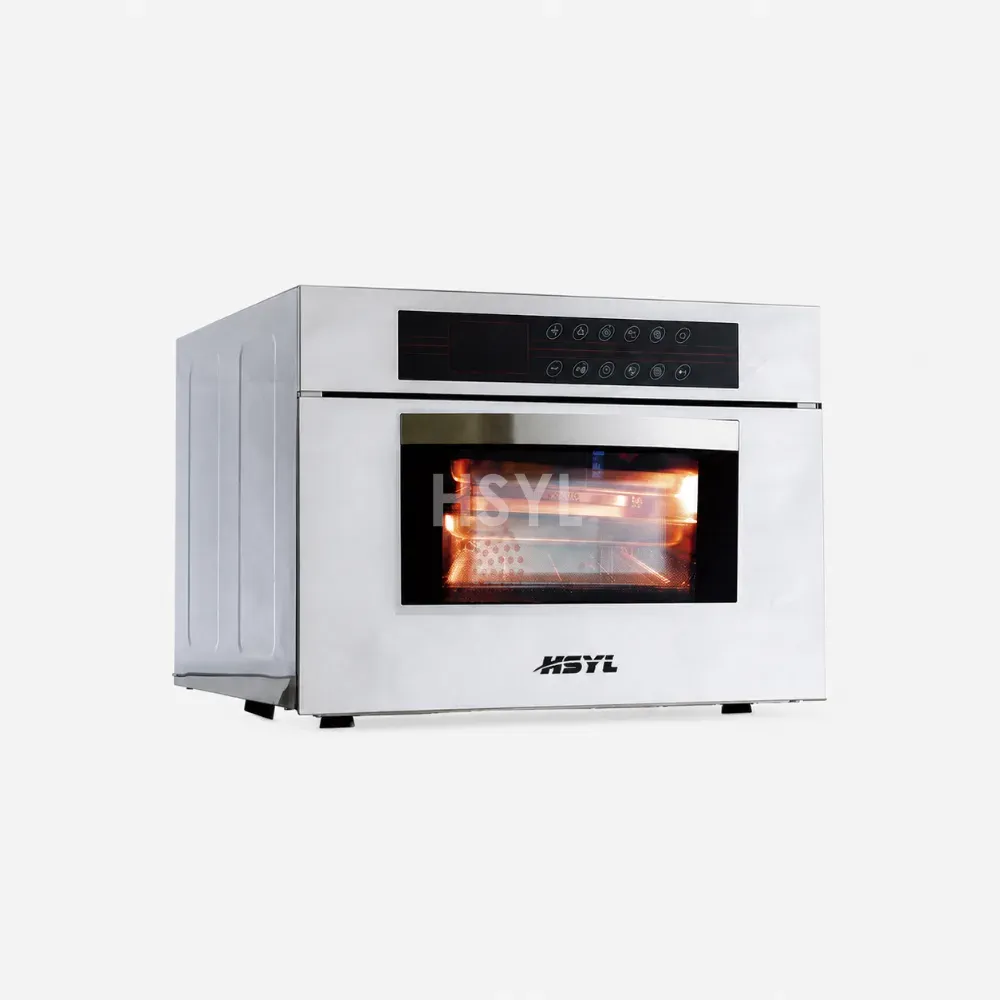
Commercial Ovens for Professional Kitchens
Commercial electric and convection oven solutions for professional kitchens. Review HSYL c...
View product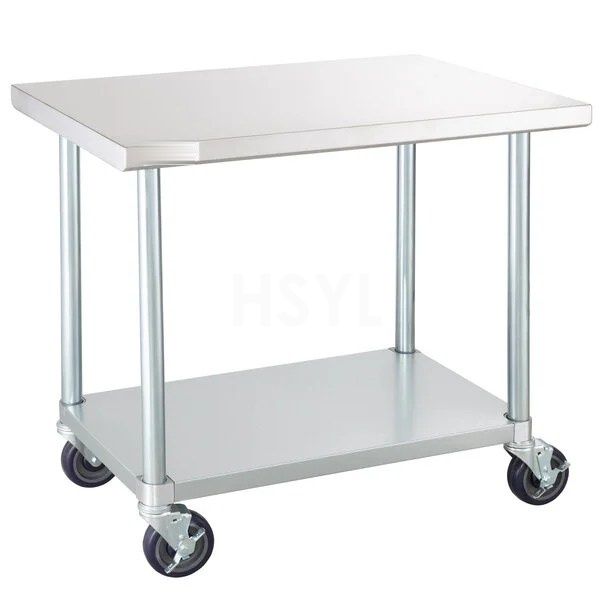
Stainless Steel Kitchen Trolleys
Stainless Steel Kitchen Trolleys for commercial kitchens, fabricated to project dimensions...
View product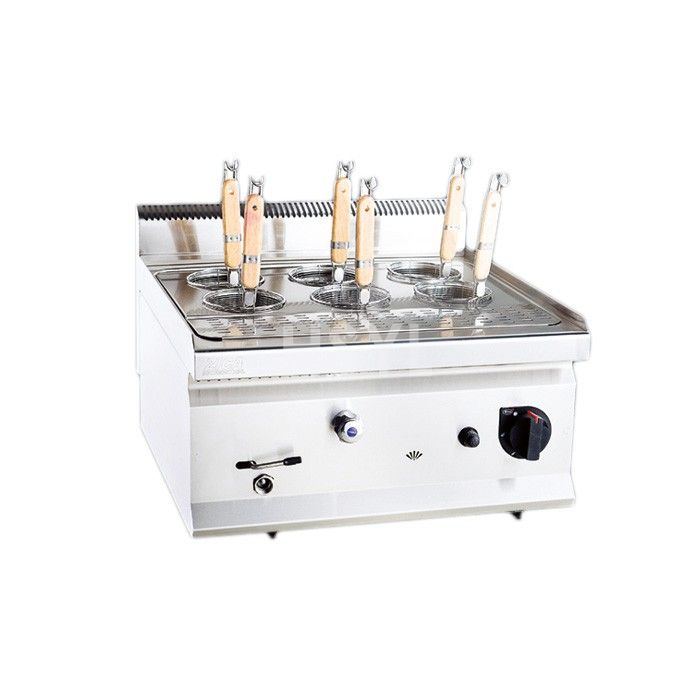
HP Countertop Gas Pasta Cooker Range
Compare HP6035G and HP6060G countertop gas pasta cookers. Review footprint and gas require...
View product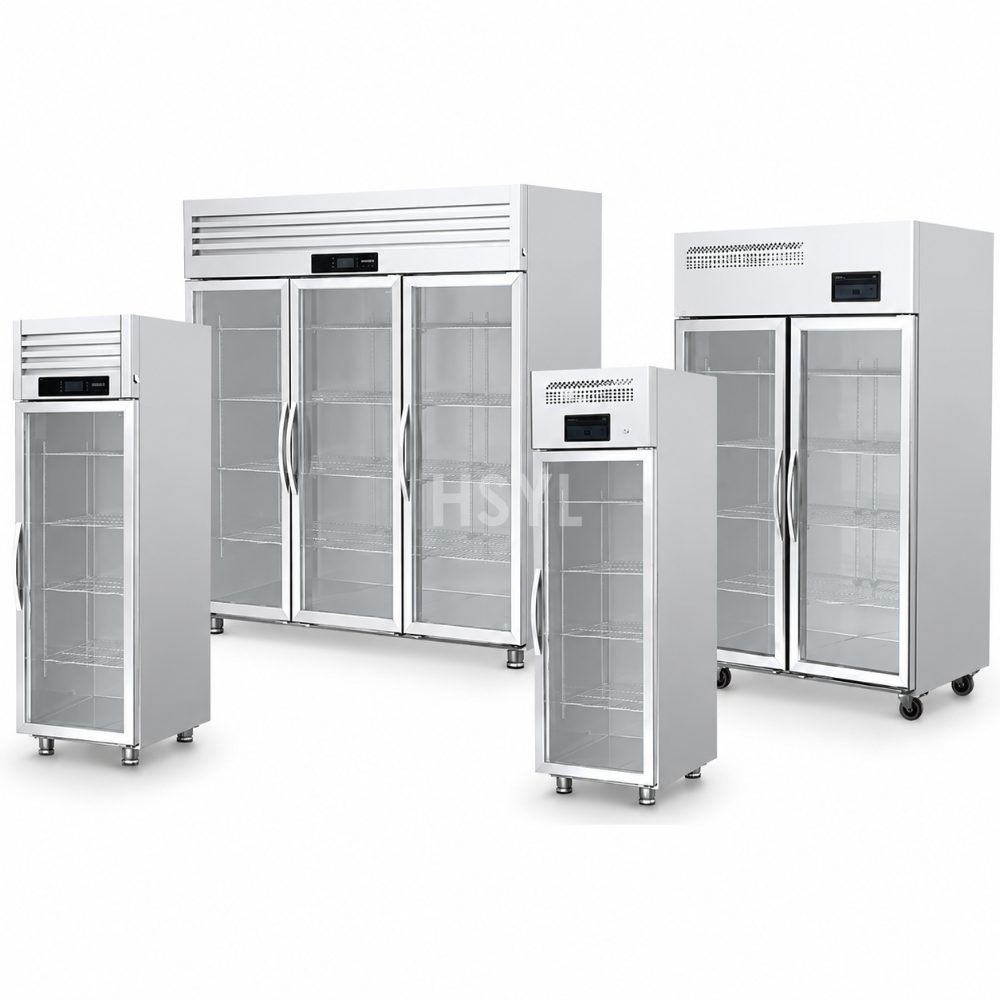
Q and S Series Direct-Cooling Display Cabinet Range
Compare Q and S Series display cabinets for your products and store layout. Confirm temper...
View product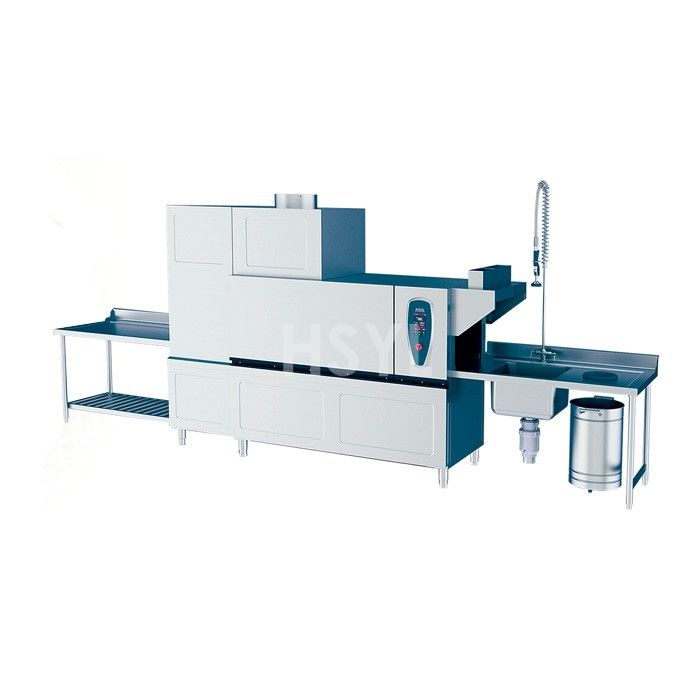
HDW260-EL-R Electric-Heated Commercial Dishwasher
Compare HDW260-EL-R Electric-Heated Commercial Dishwasher capacity, heating, dimensions, u...
View product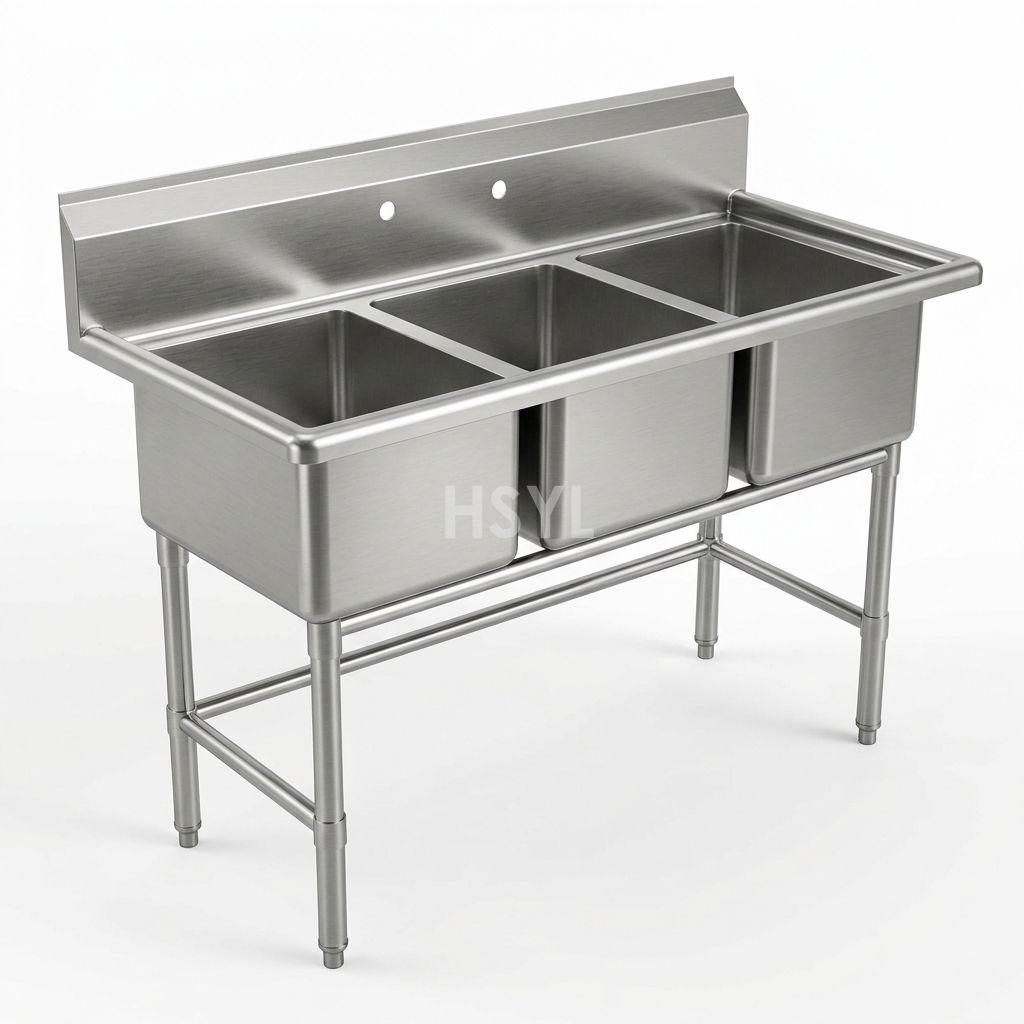
Three-Compartment Commercial Sinks
Three-Compartment Commercial Sinks for commercial kitchens, fabricated to project dimensio...
View product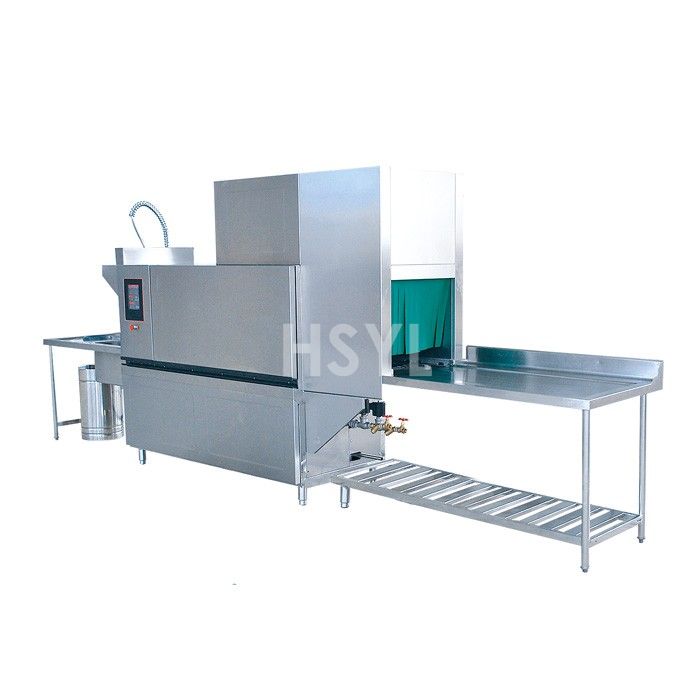
HDW260-SL-R Steam-Heated Commercial Dishwasher
Compare HDW260-SL-R Steam-Heated Commercial Dishwasher capacity, heating, dimensions, util...
View product Stainless Steel Wall Shelf
Plan stainless steel kitchen wall shelves for utensils, containers and clean storage. Spec...
View product Commercial Vegetable Washers
Commercial Vegetable Washers for central kitchens, food processing plants, canteens and re...
View product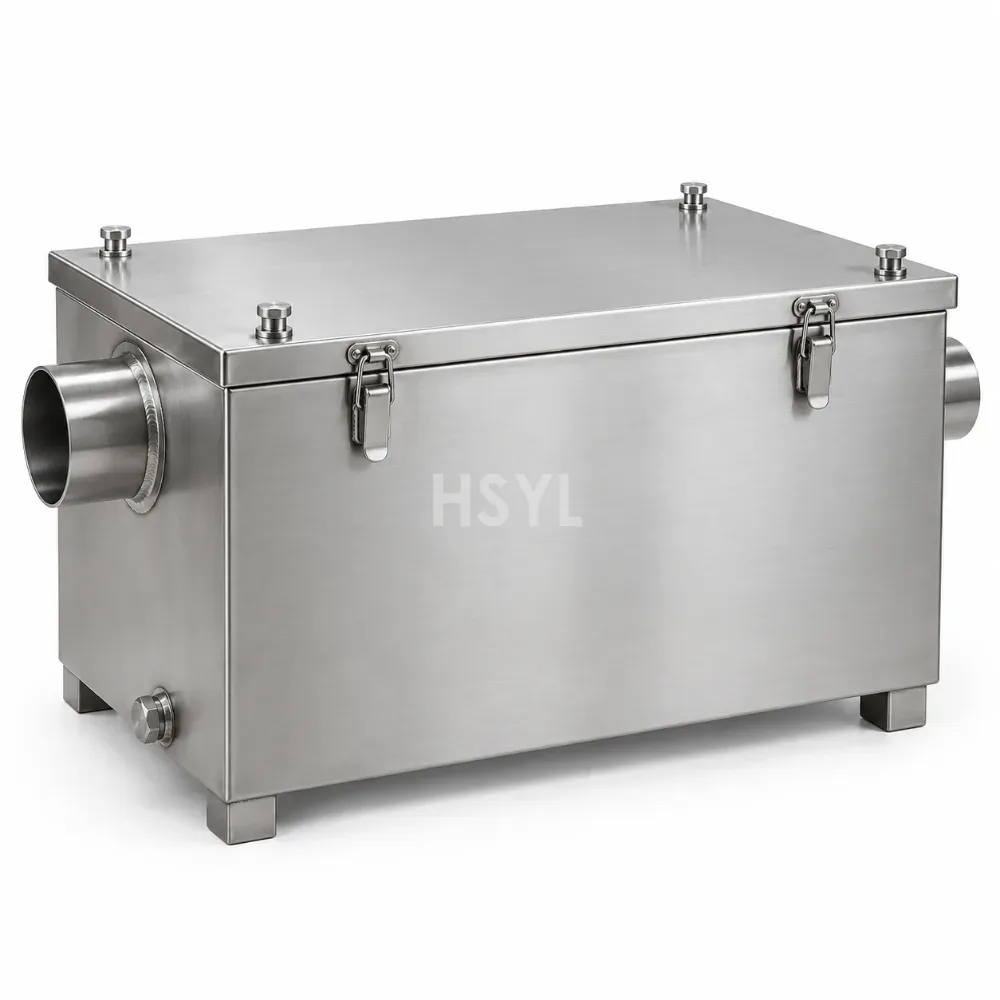
Commercial Grease Traps
Commercial Grease Traps for commercial kitchens, fabricated to project dimensions in AISI ...
View productPlan the Equipment Around Your Kitchen.
Share your menu, peak service demand, available space and site utilities. Tell us which equipment you are considering so we can review the requirements with you.