Catering Hand Wash Sink: Fixed and Mobile Station Planning
Choose a dedicated catering hand wash sink using staff access, complete fittings, water and waste balances, mobile refill trials and lifecycle cost.
A catering hand wash sink is a dedicated staff hygiene station. Select it for the actual worker route, usable water supply, wastewater arrangement, soap and drying provision. For mobile catering, verify the complete service period and refill plan rather than buying from the bowl size or tank headline alone.
Keep handwashing separate from the other sink tasks
Specify the intended purpose clearly on the layout and purchase order. A food preparation bowl, a pot washing station and a staff handwashing basin perform different tasks. Having a stainless bowl somewhere in the kitchen does not establish a suitable handwashing arrangement. The station must remain available when food is being prepared and served, including when the other sinks contain ingredients or dirty utensils.
Describe who uses the station and where their work begins. A fixed restaurant may have separate preparation, cooking and service areas. A catering team may operate from a vehicle, a tent and a temporary plating point. Map the actual worker route, including interruptions to handle waste or deliveries. Confirm the required number and locations with the receiving health authority and the operation's hygiene plan.
Use a dedicated designation and staff instructions to prevent the sink becoming a storage shelf. Soap, drying supplies and waste disposal must be reachable without crossing exposed food. A small basin can still consume substantial operating space when the worker, dispenser, waste bin, door swing and cleaning access are included. Check those relationships before fabricating or drilling a counter.
Choose the supply arrangement that the site can sustain
| Configuration | Suitable procurement task | Inputs to confirm | Operating constraint |
|---|---|---|---|
| Plumbed wall mounted station | Permanent dedicated staff access | Wall support, water connections, drainage and service access | Mounting and location must suit the actual building |
| Drop-in basin with separate services | Integrate a station into an approved counter arrangement | Cutout, support, faucet mounting and surrounding splash exposure | A basin alone may exclude faucet, drain and supplies |
| Freestanding plumbed station | Provide a supported station where a wall arrangement is unsuitable | Footprint, anchoring, plumbing route and cleaning access | Its floor space includes the user's working position |
| Tank supplied powered mobile station | Temporary service with a suitable electrical supply | Fresh water, waste capacity, heating or pumping requirements | No mains water connection does not mean no water is required |
| Tank supplied foot operated station | Temporary service without an electrical connection for pumping | Actual water delivery, wastewater handling and accepted water conditions | A pump arrangement does not establish local hygiene approval |
Commercial supplier catalogues include manual, sensor and pedal operated options, and some listings supply only a bowl with faucet mounting holes. Compare the complete installed station. Confirm which fittings, mixing components, hoses, traps, tanks, pumps, dispensers and accessories are included. A product photograph showing soap or paper towels is not a contractual inclusion list.
Check the worker's use before optimizing the hardware
Set up a mock station using the proposed bowl outline, faucet position and dispenser locations. Have representative staff perform the approved handwashing procedure. Check reach, splash behaviour, actuation, turning away to obtain drying supplies and disposal of used towels. The trial should reveal awkward movements and conflicts with nearby food or clean utensils before the metalwork is ordered.
Evaluate controls with the intended users. A manual faucet, knee valve, foot valve and sensor all require an operating and maintenance plan. Verify the available flow and the accepted water conditions at the outlet under realistic use. Automatic actuation does not by itself prove an effective handwashing procedure; it also introduces power, battery, sensing or control components that must remain functional.
Test access during the busiest service arrangement. Staff should not need to move dirty trays, open a storage door across the station or reach over food to obtain soap. Include several workers arriving within the same short window rather than measuring only average washes across the shift. If queues develop, review station location and capacity with the operator before assuming that a larger bowl is the solution.
Plan mobile water and waste as two separate balances
A mobile unit has a finite supply and a finite wastewater collection capacity. Neither number is the same as the usable service quantity. Request the manufacturer's usable fresh water volume, operating limits and waste arrangement. Identify water reserved or unavailable due to pump pickup, required operating level or the approved service procedure. Do not assume the tank's nominal volume can be consumed completely.
Measure water used by representative completed washes with the selected controls. Include startup, flushing, cleaning and other permitted station operations as separate measured allowances. The handwashing demand belongs to the actual team and service schedule; a generic supplier estimate of washes per tank cannot replace that observation. Use consistent volume units and record the method and water conditions.
Forecast demand by service interval between planned refills. Fresh water required is measured wash demand plus the recorded non-wash allowances and the operator's chosen contingency. Compare that with usable fresh supply. Separately compare expected collected discharge with usable wastewater capacity and the planned emptying interval. A fresh tank refill can keep the tap operating while a full waste tank creates a different failure.
Identify an approved refill source, suitable containers, handling route and wastewater disposal point. Assign the task to someone available during service. Water transport should not depend on the same employee continuously serving food. For vehicle and temporary installations, check that the station remains stable and that the operating location and weather exposure are permitted for the offered equipment.
Build the service balance from measured inputs
| Input | How to obtain it | Calculation or decision |
|---|---|---|
| Completed washes in each refill interval | Observe the representative catering team and hygiene procedure | Count demand within the actual service window |
| Water per completed wash | Measure selected faucet or pump operation | Wash volume = count multiplied by measured volume |
| Non-wash water allowances | Measure startup, flushing and approved cleaning operations | Add these separately to fresh demand |
| Usable fresh supply | Confirm the unit's usable quantity and operating limits | Required fresh demand must fit the planned interval |
| Usable waste collection | Confirm the actual collection arrangement and emptying limit | Collected discharge must fit the waste service interval |
| Refill and emptying operations | Trial the source, route and assigned staff member | Adjust intervals where service time or access is unsuitable |
This original worksheet provides an accounting method, not a default water allowance or legal minimum. Record actual values, method, responsible person and acceptance requirements on the event plan. An unknown usable tank quantity or untested refill route remains an operational gap even when the product's nominal capacity appears sufficient.
Confirm installation and maintainable construction
For fixed stations, supply a dimensioned drawing with the operator's side identified. Include basin, faucet, soap and drying positions, splash protection where required, waste outlet, service connections and access panels. The installer must verify that wall or counter supports suit the complete operating assembly. Do not infer permitted loading or fixing details from a visually similar sink.
Confirm water connection sizes, actual pressures and required control or protection components with the qualified installer. The accepted outlet conditions and any mixing arrangement depend on the installation and receiving requirements. For drainage, obtain the required connection, trapping and backflow or separation arrangements for the jurisdiction. This guide supplies no universal plumbing layout or water temperature target.
Request the material grade and finish for the exact basin, splash panels, supports and cabinet where relevant. A stainless description does not establish that every component has the same grade. Match cleaning agents and methods to the supplier's instructions. Identify pump, valve, faucet cartridge, sensor, battery and heater components where fitted, with actual part numbers and replacement instructions rather than assumed brands.
For mobile stations, obtain operating mass with fresh and waste tanks at their permitted conditions. Assess support and movement with the installed hoses, accessories and wheel arrangement. A station marketed as portable may still need a planned handling method. For vehicle installation, obtain the supplier's mounting and transport instructions and have the installer coordinate securing, electrical protection and tank servicing.
Compare the full cost of maintaining availability
Include the bowl or cabinet, fittings, water heating where applicable, pumps, tanks, dispensers, plumbing or vehicle installation, electrical work, delivery and commissioning. Separate items that are purchased from those supplied with the unit. For a short event, compare rental with purchase using the same water, waste handling and cleaning responsibilities; rental alone does not transfer every operational task.
For a powered unit, calculate energy from measured electrical input and operating time for each relevant mode. Annual kWh equals the sum of measured kW multiplied by recorded hours. Include heating standby and the actual use schedule where they apply. A motor or heater nameplate is not proof of annual consumption. A foot operated unit removes some electrical demand but still has refill, cleaning and maintenance labour.
Calculate refill and emptying labour from the demonstrated service route. Include cleaning, consumables, replacement parts and scheduled maintenance specified by the manufacturer. Compare costs per completed service period rather than assuming a cheaper faucet creates a lower total cost. Soap, drying supplies and safe waste handling are recurring operating items that should appear in the budget.
Model interruption using realistic failures: no usable fresh supply, full waste collection, blocked drainage, loss of power, failed actuation or unavailable soap. Identify the approved contingency and who authorizes its use. Do not promise uninterrupted catering service from the sink's purchase alone. A spare compatible pump or battery is useful only when staff can safely diagnose and replace it under the supplier's instructions.
Verify the complete station before the first service
| Acceptance task | Evidence to record | Boundary or response |
|---|---|---|
| Dedicated purpose and worker route | Approved location and representative staff use | Keep food preparation and utensil washing out of the handwashing station |
| Complete supply and actuation | Usable supply, outlet conditions and control operation | Match receiving requirements and exact unit instructions |
| Waste and splash management | Drain or collection operation and adjacent surfaces | Resolve leakage, overflow or exposure before service |
| Service interval trial | Water balance and demonstrated refill/emptying route | Use observed demand, not a generic wash count |
| Consumables and maintenance | Soap, drying supplies, cleaning method and components | Assign replenishment and fault escalation responsibility |
| Project documentation | Unit identity, drawings, approvals and operating instructions | Accept the actual configuration and installation |
Use the record with the operator, installer and receiving authority as applicable. It is an original procurement and handover aid, not proof of legal compliance. Close unresolved items before release and retain the settings, instructions and responsible contacts with the station.
Record the station's readiness at opening, between service windows and before the next event. After storage or transport, follow the manufacturer's cleaning and startup instructions rather than assuming yesterday's filled tanks remain ready for use. A powered heater may need preparation before staff arrive; a preheated water arrangement needs its own approved handling and replenishment procedure. Record who confirms readiness and what stops the station being released.
Keep fault observations specific. A sensor that does not actuate, poor delivered flow and water that does not meet the accepted condition are different observations. Check only operator tasks permitted by the instructions and use the service route for repairs. Do not bypass controls or substitute unapproved fittings to keep an event operating.
Check destination requirements against the exact configuration
In the United States, the FDA Food Code is a model resource for retail food protection; determine which version and provisions the receiving jurisdiction adopts. Ask the local authority to confirm handwashing facilities, location, water and supply requirements for the operation. Do not treat an equipment sanitation mark as approval of the location, water system and staff procedure together.
For EU destinations, obtain the applicable food hygiene, water and installation review from the competent local parties. A powered configuration needs the product conformity documents for its exact version; official CE guidance explains the product-rule boundary. A basin or a general supplier statement is not proof for the complete powered station.
For the United Kingdom, distinguish Great Britain from Northern Ireland and confirm the applicable placing-on-market route for the actual product. Use official Great Britain guidance alongside the local hygiene, water and installation review; do not treat an EU document alone as approval of the location and operating procedure.
For Canada, obtain the province and receiving authority requirements and confirm any electrical or sanitation listing for the offered version. For Australia, determine whether the powered configuration is within EESS scope and obtain the appropriate local installation and hygiene review. Other countries require their own check. Verify the exact unit and scope of every claimed certification.
For an HSYL inquiry, provide the destination, fixed or mobile use, staff route, peak service window, available water and waste arrangements, and actual electrical supply where needed. Request a confirmed component list, installation drawing and operating instructions. Packaged dimensions, mass, export protection and container loading must follow the confirmed packing plan. No particular HSYL tank capacity, water output, material thickness or certification is asserted here.
Related Kitchen Products
Selected from the catalogue against the keywords of this page, then reviewed with your duty cycle, utilities and site conditions before quotation.
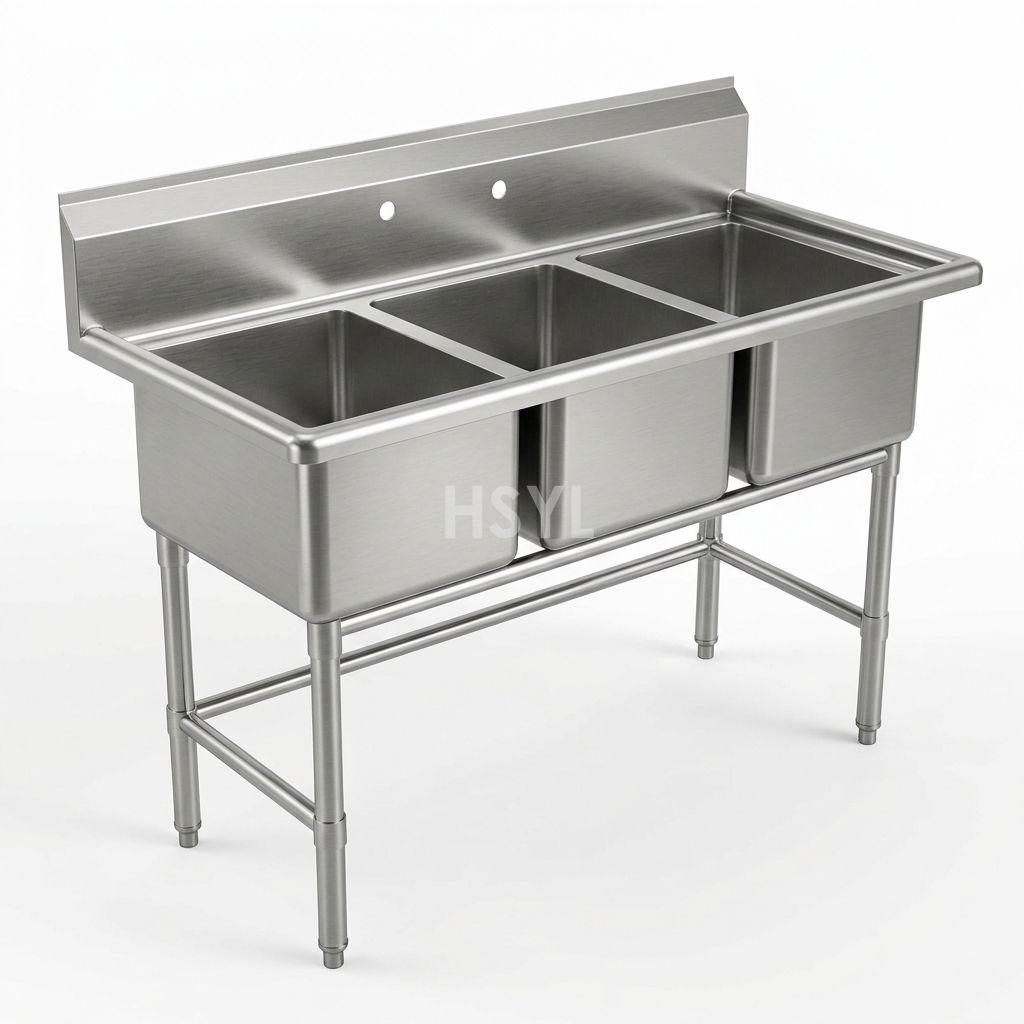
Three-Compartment Commercial Sinks
Three-Compartment Commercial Sinks for commercial kitchens, fabricated to project dimensions in AISI 304 or 316 stainless steel. Send drawings, load, dimensions...
View product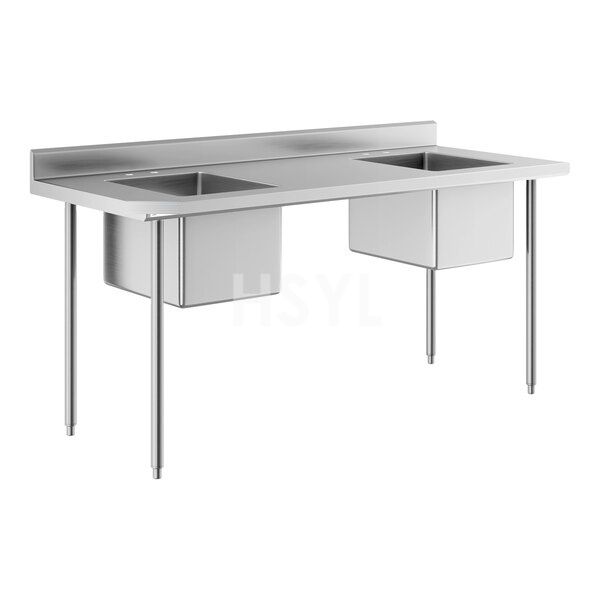
Two-Compartment Commercial Sinks
Two-Compartment Commercial Sinks for commercial kitchens, fabricated to project dimensions in AISI 304 or 316 stainless steel. Send drawings, load, dimensions a...
View product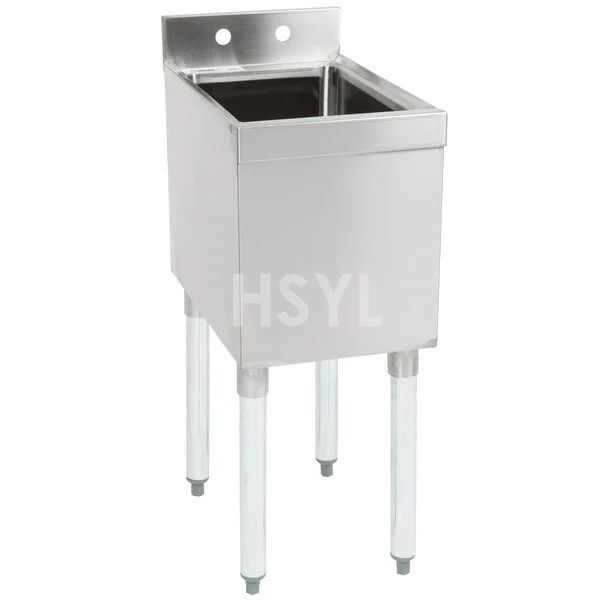
One-Compartment Commercial Sinks
One-Compartment Commercial Sinks for commercial kitchens, fabricated to project dimensions in AISI 304 or 316 stainless steel. Send drawings, load, dimensions a...
View productCommercial Kitchen Sinks
Commercial Kitchen Sinks for commercial kitchens, fabricated to project dimensions in AISI 304 or 316 stainless steel. Send drawings, load, dimensions and insta...
View product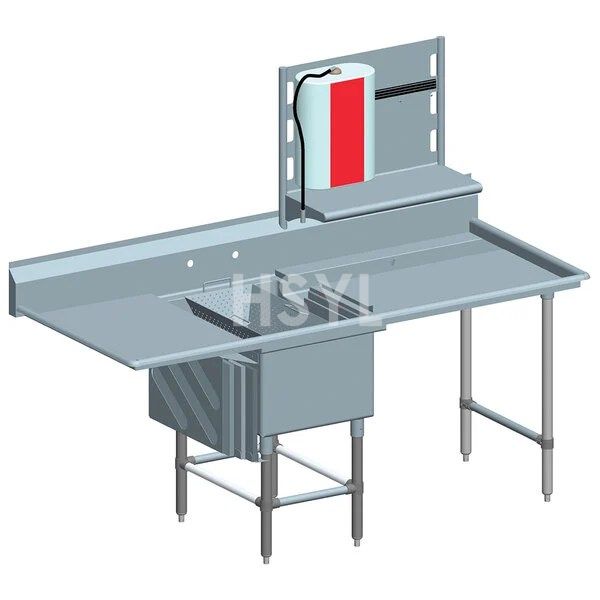
Stainless Steel Prep Table with Sink
Plan a stainless steel prep table with sink around bowl position, dry work space and plumbing access. Send your dimensions to HSYL for a quotation.
View productCommercial Stainless Steel Prep Sink
Plan a commercial prep sink for ingredient washing. Review bowl space, drainboards and plumbing details, then send your kitchen layout to HSYL for a quotation.
View productEngineering-Led Commercial Kitchen Manufacturing
HSYL Kitchen Systems designs and produces heavy-duty commercial kitchen equipment for central kitchens, hotels, canteens, hospitals and high-capacity restaurants. Our goal is to provide precise equipment matching, documented quality gates and verified delivery for global foodservice operations.
- Food-grade SUS304 & SUS316 stainless steel construction
- Custom engineering layout & CAD drawing support
- Multi-stage factory quality control & FAT testing
- Factory-direct supply chain with spare parts backup
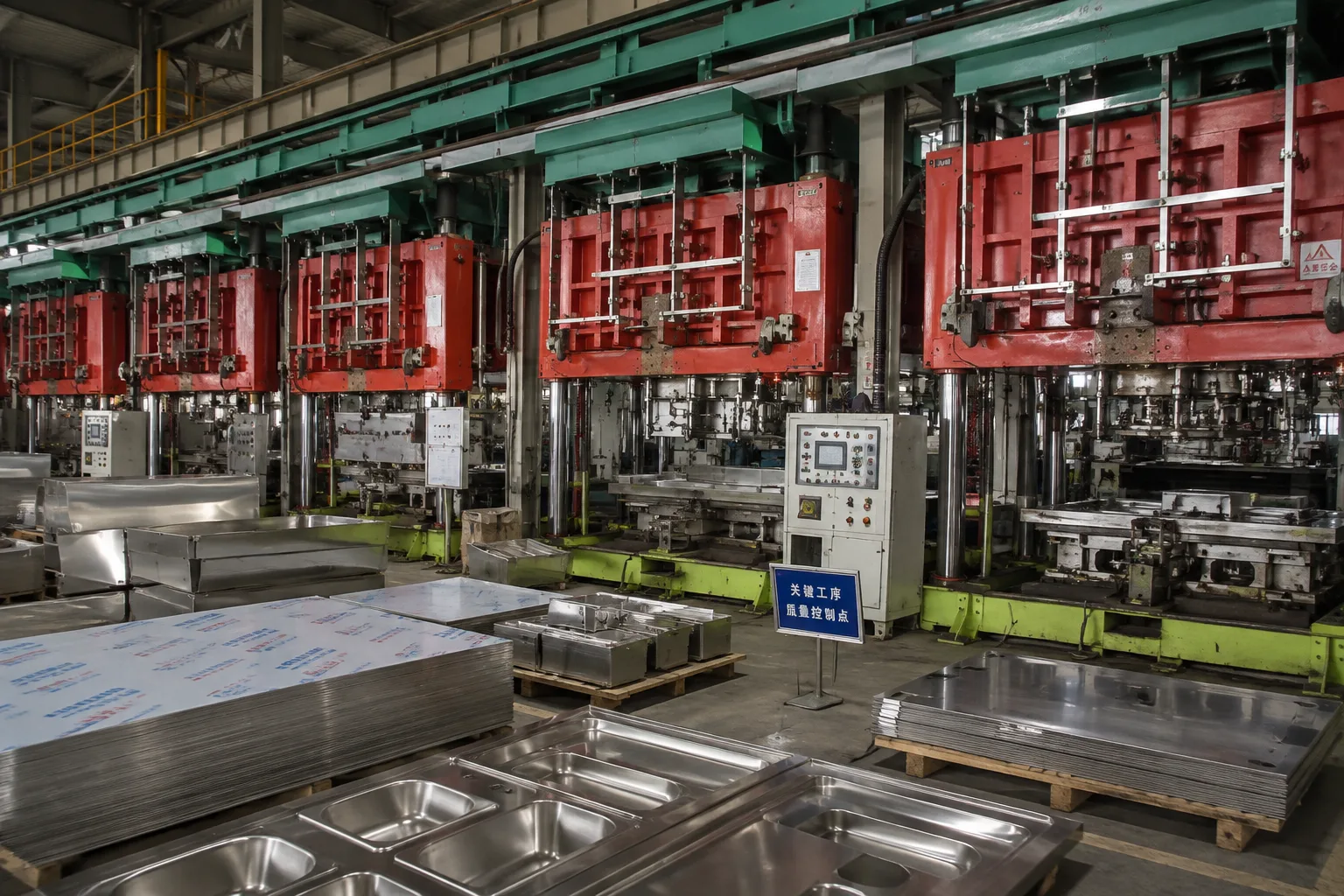
Advanced OEM Processing Equipment & Lines
Equipped with world-class automated sheet metal processing, precision bending centers, thermal foaming lines, and vacuum test rigs to support high-volume commercial kitchen OEM/ODM manufacturing.
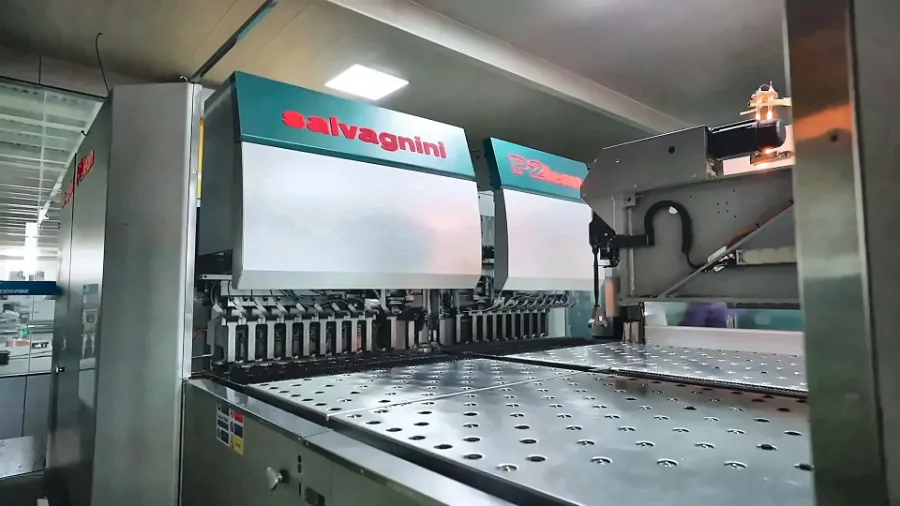
Italian Salvagnini Panel Bending Center
Automated sheet metal bending system for seamless cabinet fabrication and tight structural tolerances.
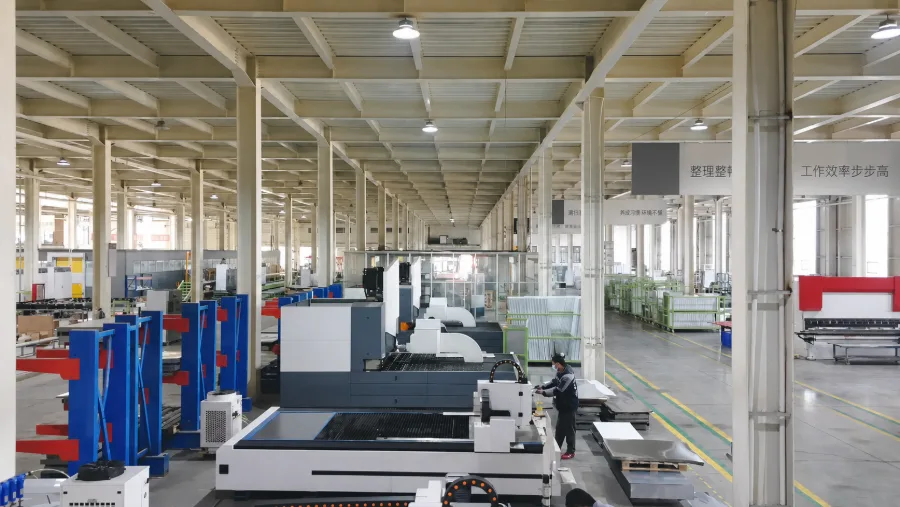
Automated Bending & Laser Cutting Line
Integrated flexible processing line combining fiber laser cutting and multi-axis CNC bending.
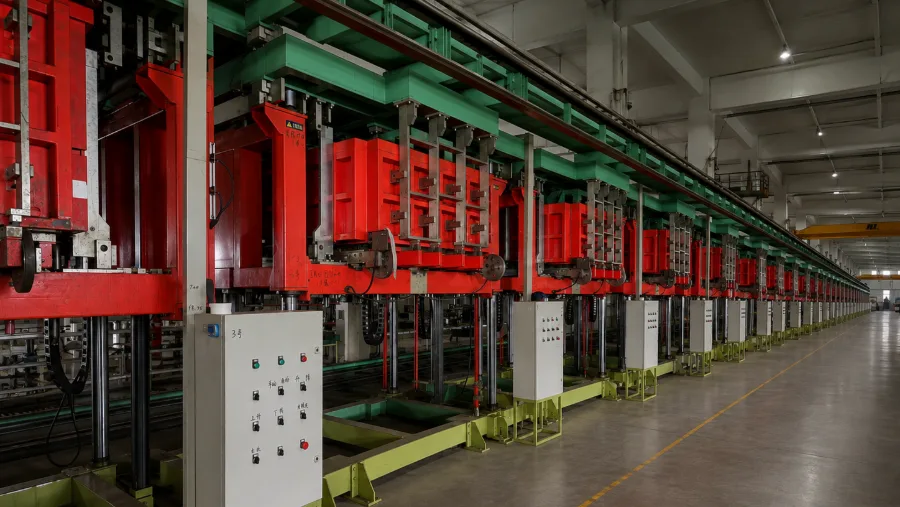
Constant-Temperature Foaming Line
Continuous polyurethane thermal insulation foaming line ensuring uniform core density.
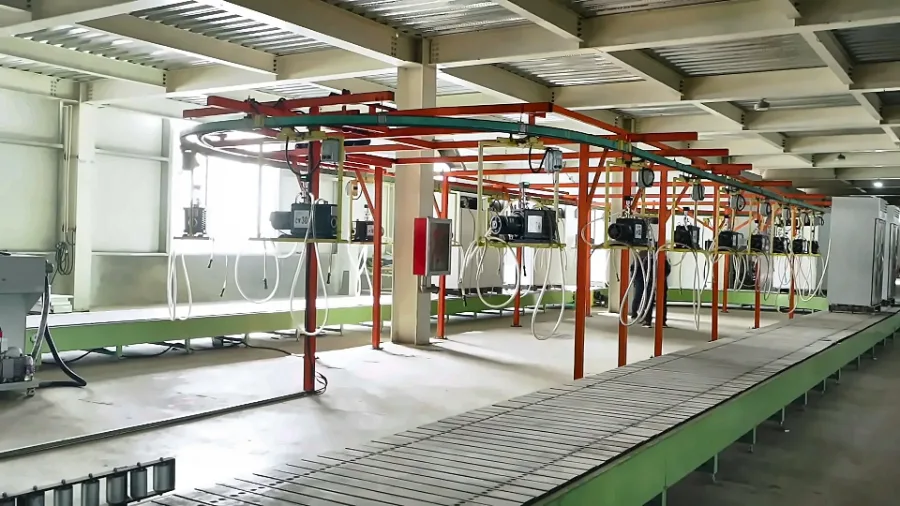
Vacuum Extraction & Testing Line
High-vacuum circuit evacuation and automated leak detection for commercial cooling systems.
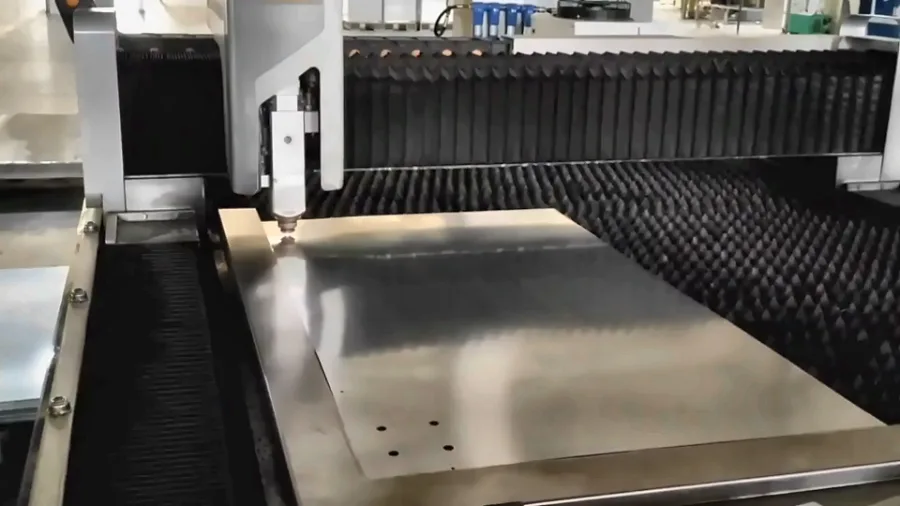
Laser Cutting & CNC Punching Station
High-speed fiber laser cutting and precision CNC punching for intricate component fabrication.
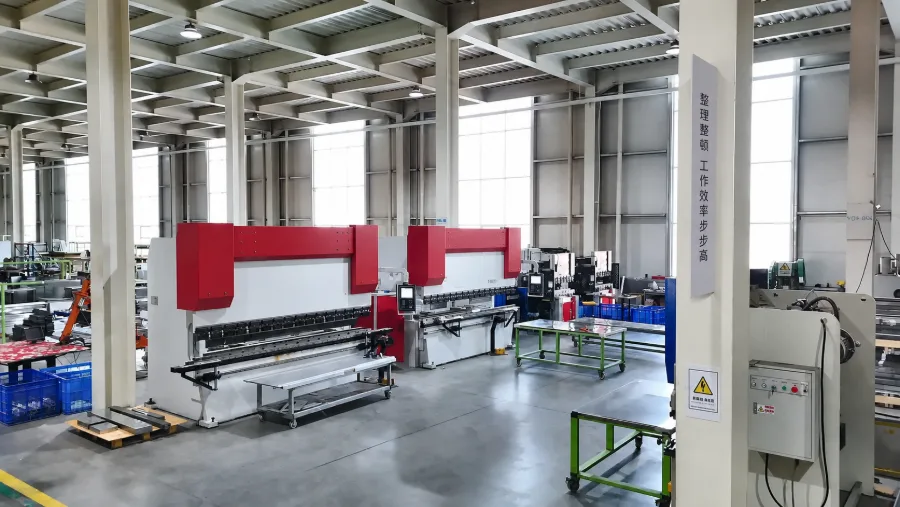
Canadian Heavy-Duty CNC Press Brake
High-tonnage precision press brake for large-format stainless steel sheet forming.
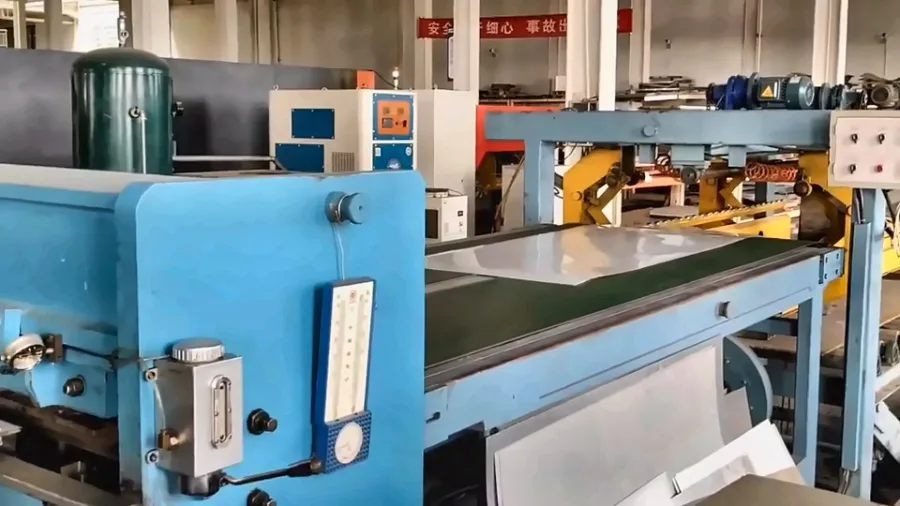
Material Shearing & Cutting Line
Automated heavy-gauge stainless steel shearing and precision raw material sizing.
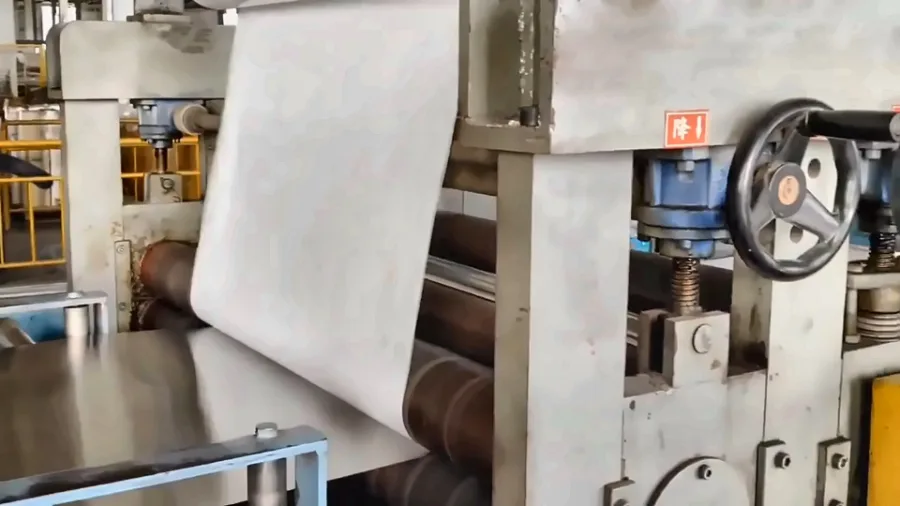
Material Film Laminating Line
Automated surface protection film application to preserve satin and mirror metal finishes.
Explore Popular Kitchen Equipment
Browse equipment that visitors frequently explore, then review the exact model and specifications for your project.
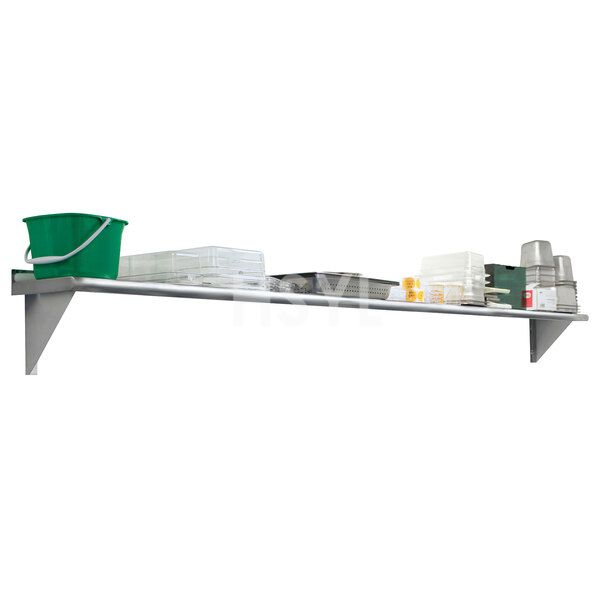
Stainless Steel Wall Shelves
Stainless Steel Wall Shelves for commercial kitchens, fabricated to project dimensions in ...
View product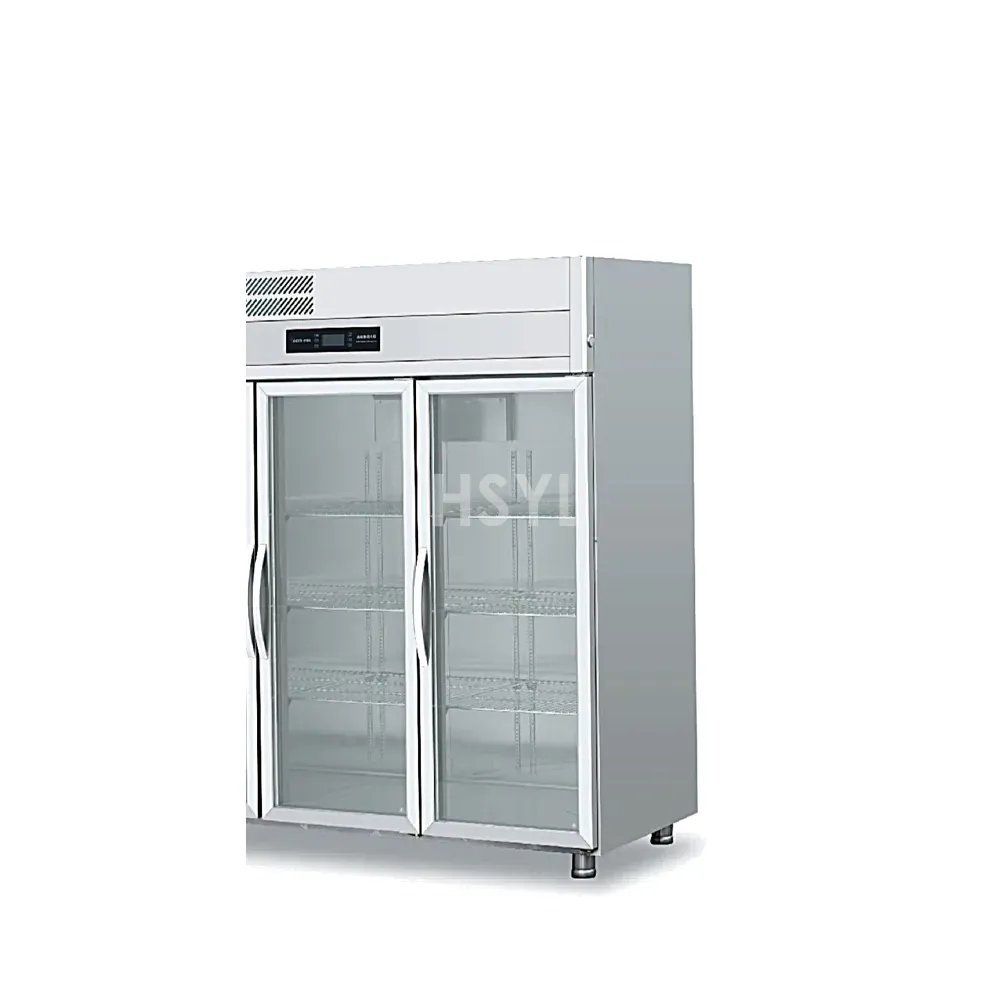
E Series Display Refrigerator Range
Compare E Series display cabinets by door layout, footprint and storage duty. Confirm the ...
View product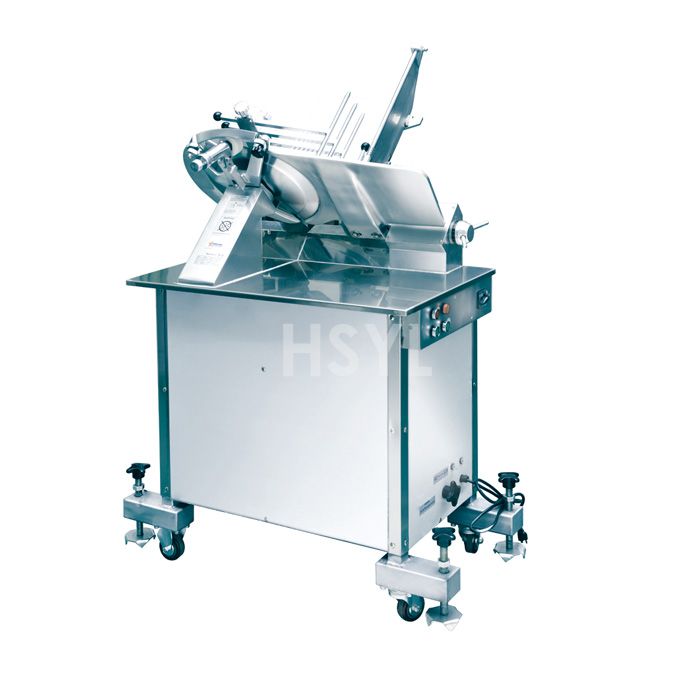
Commercial Meat Slicer-FP-HB-350400
Compare HB-350/400 meat slicers around meat size, slice thickness and production needs. Re...
View product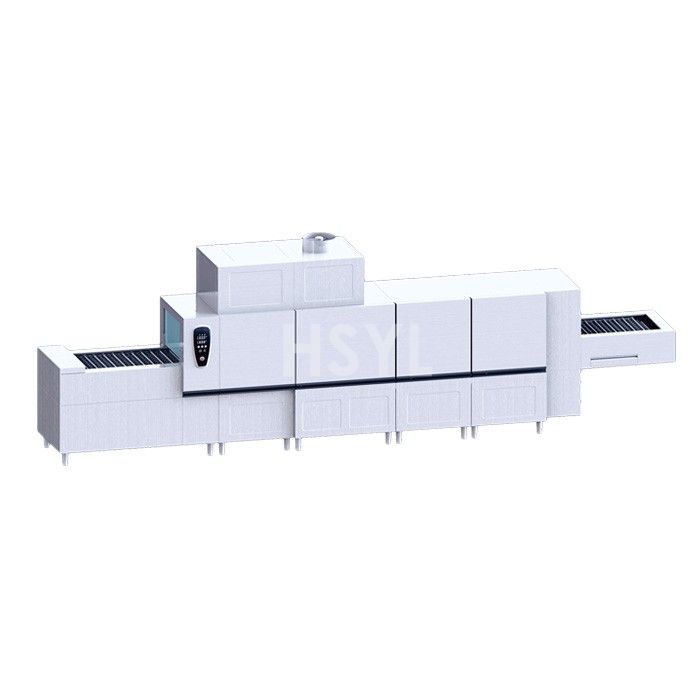
HDW8000L Steam-Heated Commercial Dishwasher
Quick Summary: The HDW8000L Steam-Heated Commercial Dishwasher (Model: CK-HDW8000L) is a h...
View product Two-Compartment Commercial Sinks
Two-Compartment Commercial Sinks for commercial kitchens, fabricated to project dimensions...
View product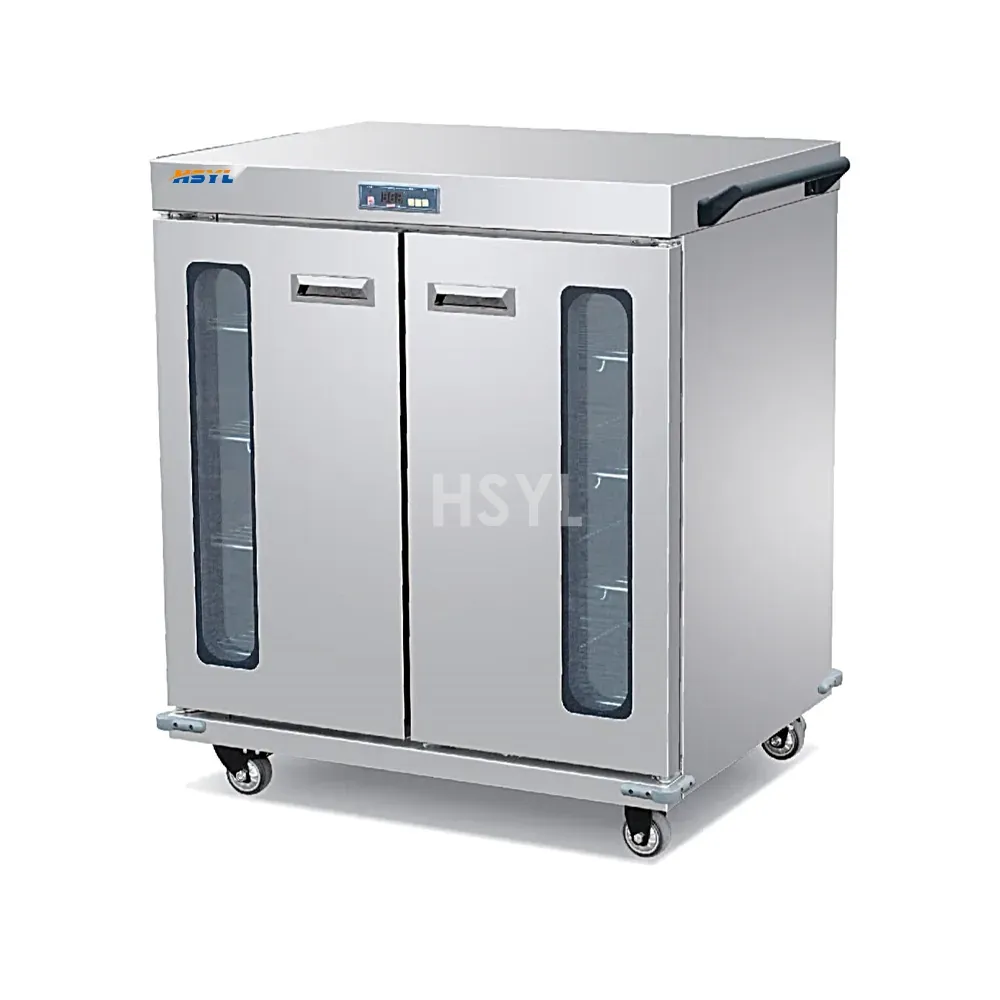
E234-BCW02-11 Horizontal Banquet Cart
Quick Summary: The E234-BCW02-11 Horizontal Banquet Cart-B (Model: SL-E234-BCW02-11) is a ...
View product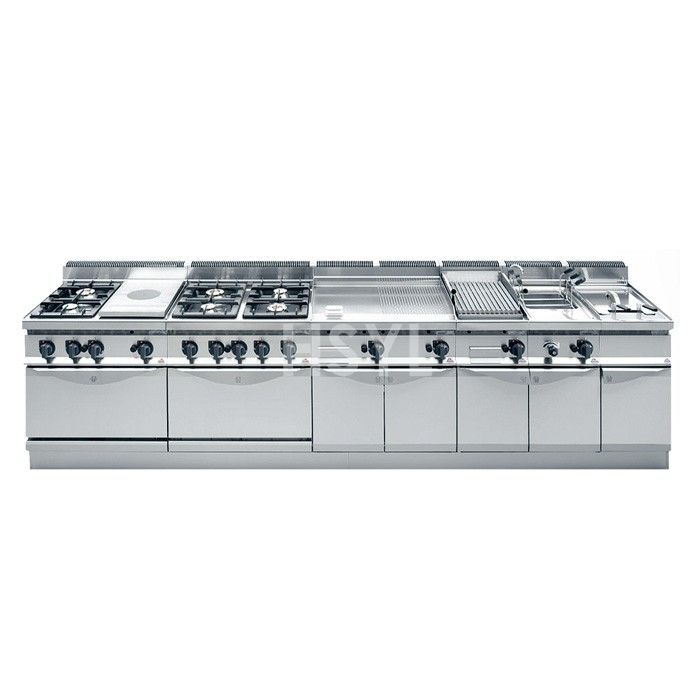
700-Series Combined Western Kitchen Stove
Quick Summary: The 700-Series Combined Western Kitchen Stove (Model: CK-BERTO) is a heavy-...
View product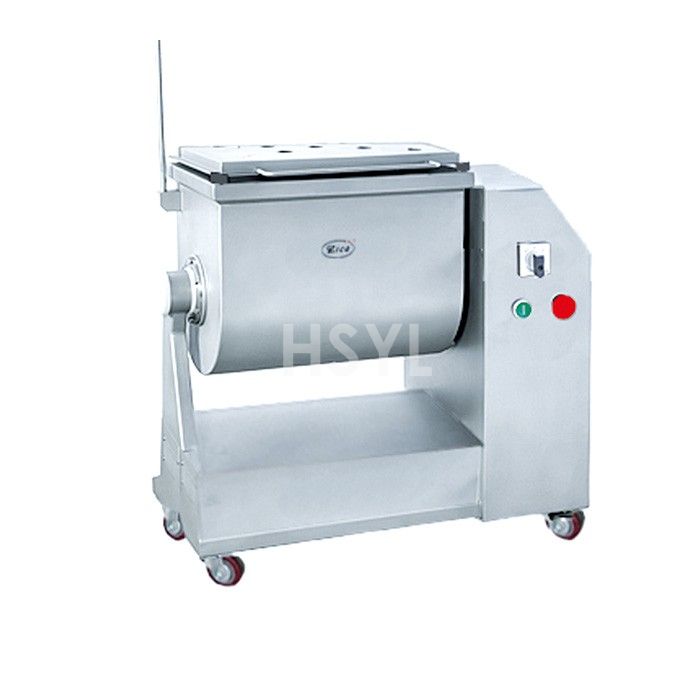
Commercial Meat Mixers
Commercial meat mixers for central kitchens, restaurant prep and meat-processing workstati...
View product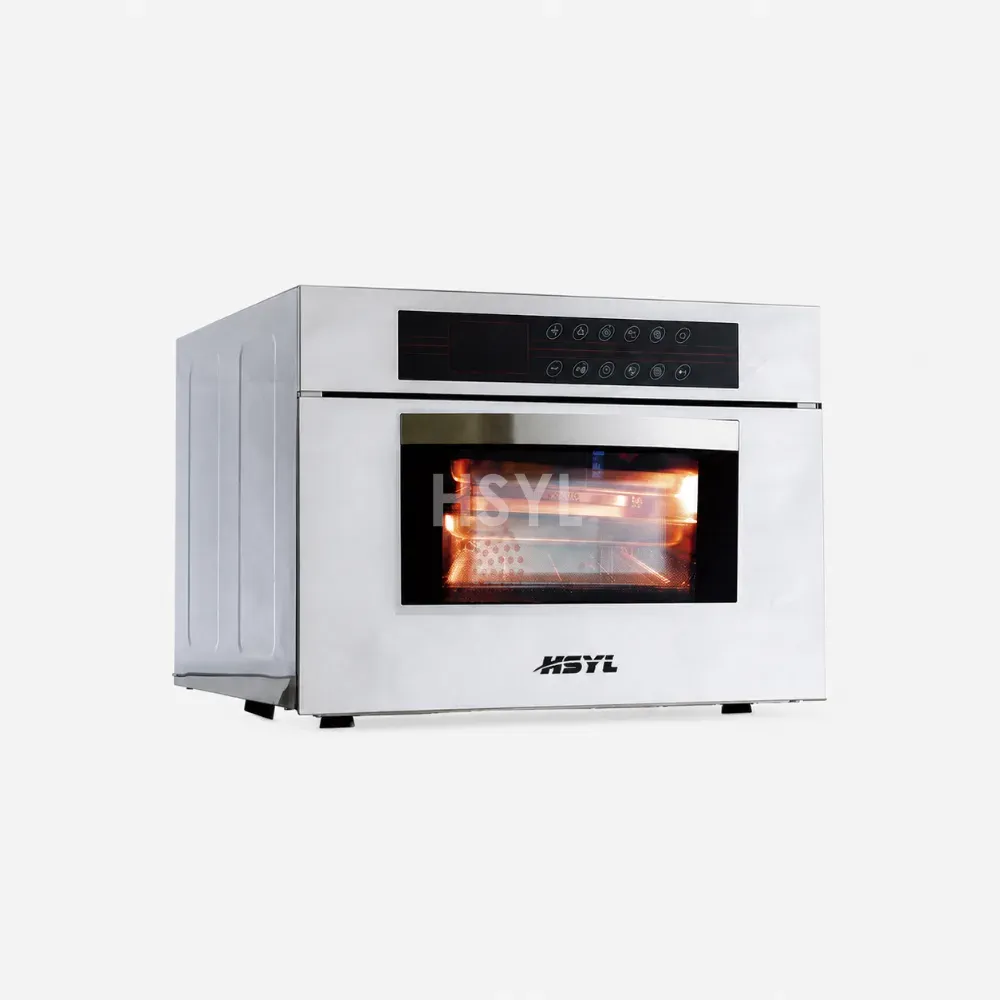
Commercial Ovens for Professional Kitchens
Commercial electric and convection oven solutions for professional kitchens. Review HSYL c...
View product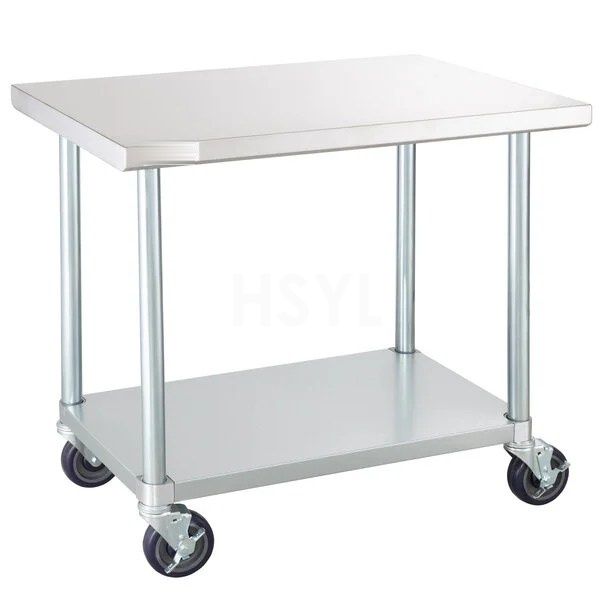
Stainless Steel Kitchen Trolleys
Stainless Steel Kitchen Trolleys for commercial kitchens, fabricated to project dimensions...
View product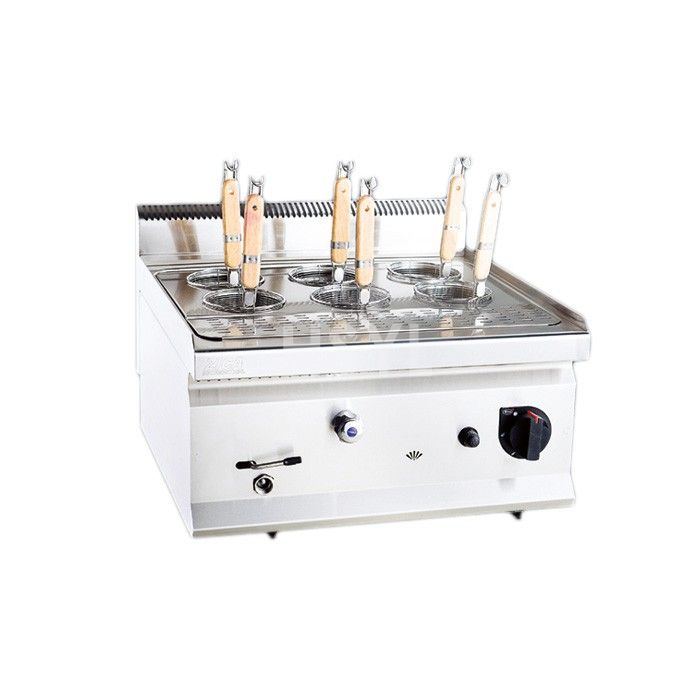
HP Countertop Gas Pasta Cooker Range
Compare HP6035G and HP6060G countertop gas pasta cookers. Review footprint and gas require...
View product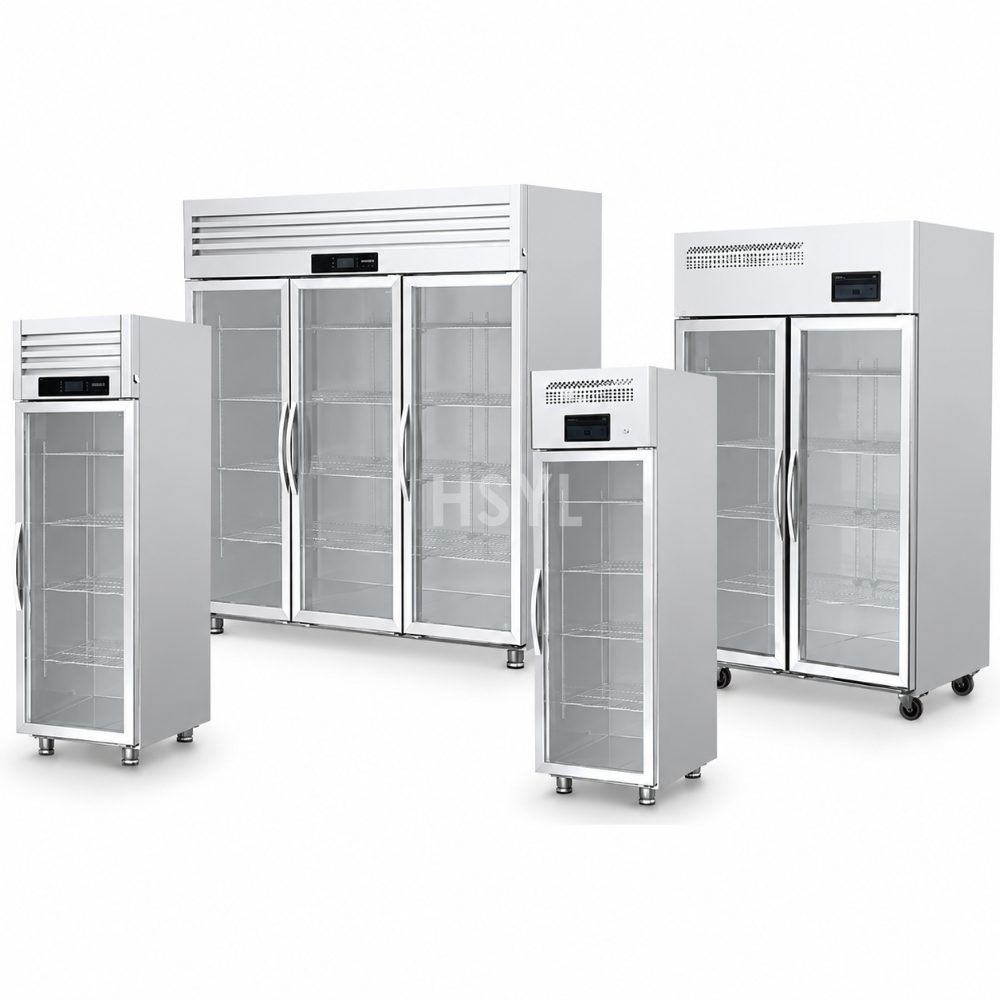
Q and S Series Direct-Cooling Display Cabinet Range
Compare Q and S Series display cabinets for your products and store layout. Confirm temper...
View product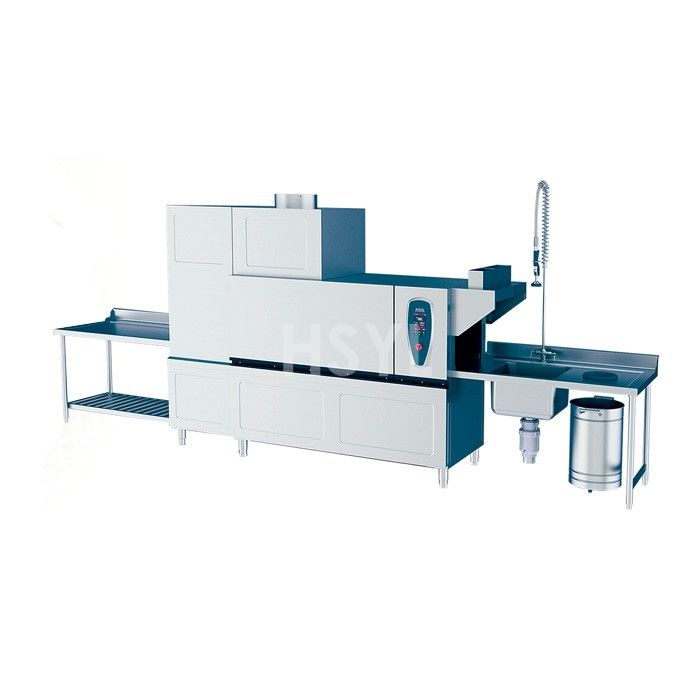
HDW260-EL-R Electric-Heated Commercial Dishwasher
Compare HDW260-EL-R Electric-Heated Commercial Dishwasher capacity, heating, dimensions, u...
View product Three-Compartment Commercial Sinks
Three-Compartment Commercial Sinks for commercial kitchens, fabricated to project dimensio...
View product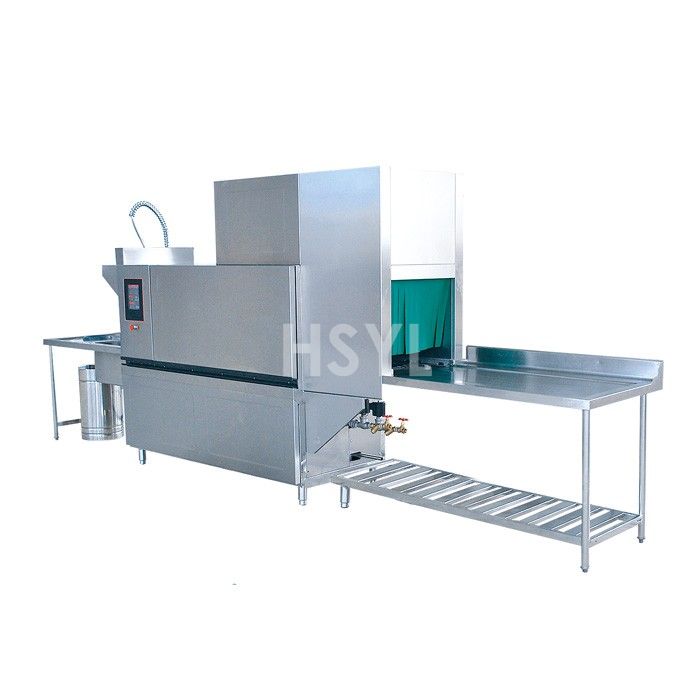
HDW260-SL-R Steam-Heated Commercial Dishwasher
Compare HDW260-SL-R Steam-Heated Commercial Dishwasher capacity, heating, dimensions, util...
View product Stainless Steel Wall Shelf
Plan stainless steel kitchen wall shelves for utensils, containers and clean storage. Spec...
View product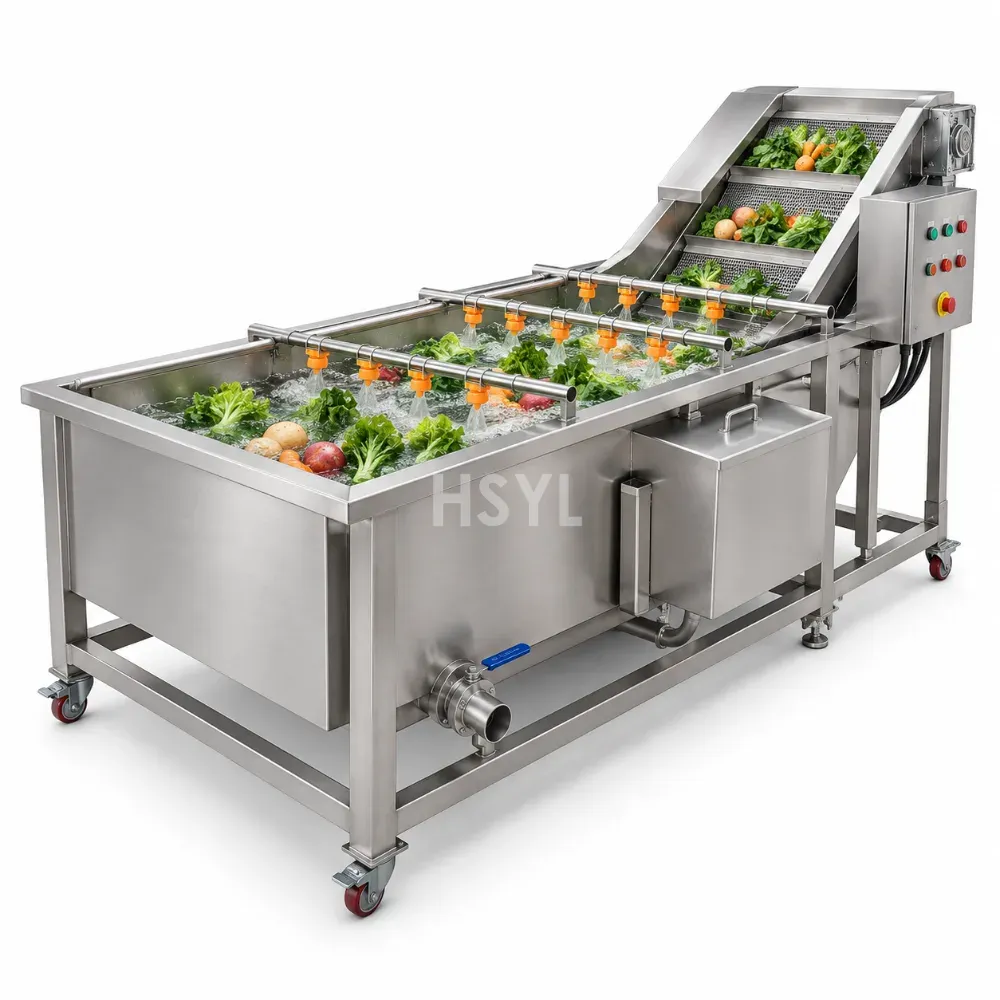
Commercial Vegetable Washers
Commercial Vegetable Washers for central kitchens, food processing plants, canteens and re...
View product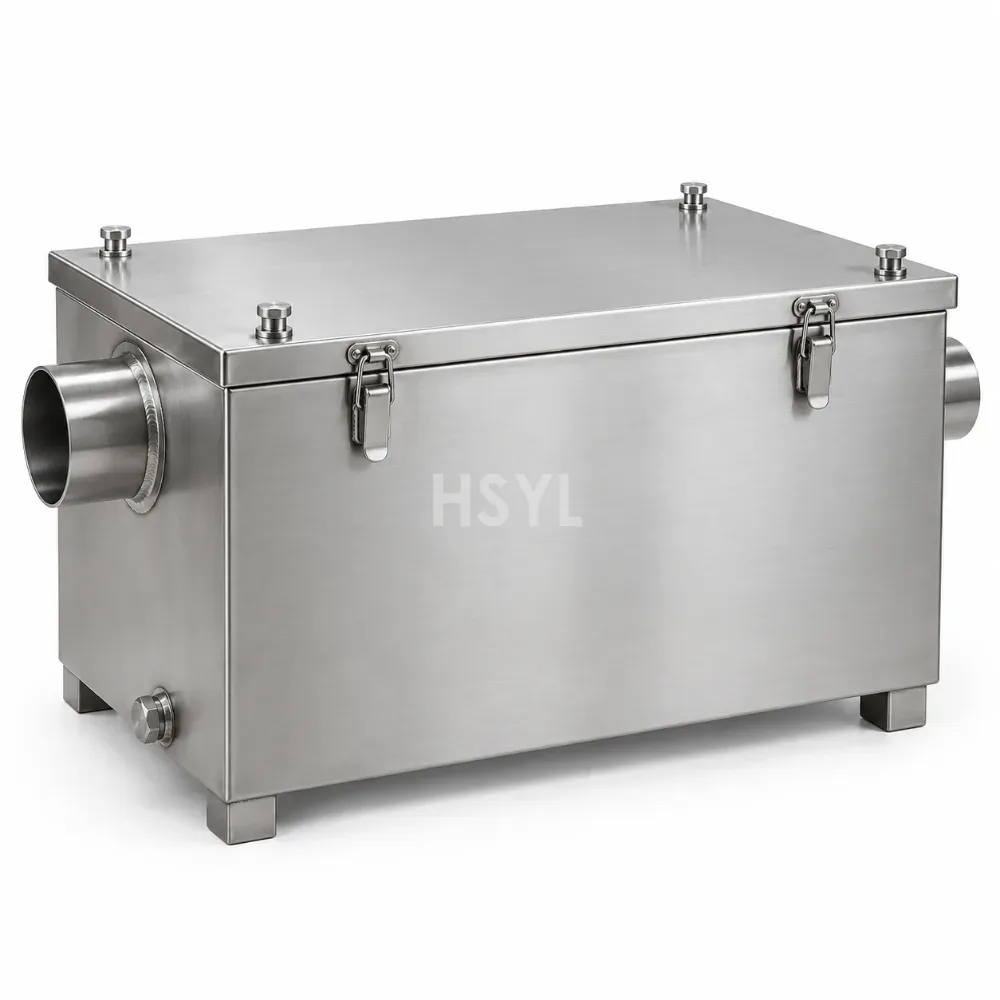
Commercial Grease Traps
Commercial Grease Traps for commercial kitchens, fabricated to project dimensions in AISI ...
View productPlan the Equipment Around Your Kitchen.
Share your menu, peak service demand, available space and site utilities. Tell us which equipment you are considering so we can review the requirements with you.