Commercial Grating Machine: Food, Tooling and Batch Acceptance
Compare commercial grating machine tooling, food condition, accepted texture, cleaning and net batch output before confirming a configuration with a supplier.
A commercial grater machine should be selected for a defined food and finished format. Grating hard cheese into fine particles, shredding a softer cheese into strips and cutting vegetables are different preparation tasks. A machine called a vegetable cutter does not automatically support cheese grating, and a powered cheese grater does not automatically accept every food. Start with the material, its preparation condition and the output needed by the next recipe or packing step.
For buyers comparing commercial equipment, the useful questions are food compatibility, tooling, accepted output, feeding, cleaning and operator work. Motor power or a catalogue throughput figure cannot answer those questions by itself. This guide explains how to structure a grating enquiry and representative trial. It does not identify an available HSYL grater model or transfer a competitor's machine specification to another product.
Define what the finished grate must do
Describe the use of the grated food before selecting a disc or drum. A topping, filling, sauce ingredient and retail-packed product can need different textures. State whether you need particles, flakes, short shreds, longer strips or another defined result. Include the acceptable appearance and consistency, and how the material must behave during the next step. A nominal tool size alone may not capture that requirement.
Retain a reference sample or clear measured description of acceptable output. Include limits for unwanted fines, clumps, oversized pieces or another condition relevant to the product. Agree how the sample will be assessed during a trial. Different recipes can accept different distributions, so avoid the unsupported claim that the most uniform or finest grate is always the best commercial result.
Identify whether preparation is immediately before cooking or followed by holding, transport or packing. If output tends to clump or change during the actual interval, inspect it at the point when it is used. A fresh discharge photograph may not answer the workflow's requirement. Keep the storage and handling method within the site's established food process and use the same method when comparing candidates.
Describe the incoming food accurately
List the actual food varieties, supplier formats and incoming condition. For cheese, record the product type, block size and relevant temperature condition used during preparation. The same brand or food name can vary between batches. Provide representative material to the supplier instead of asking for a universal guarantee for hard, soft, chilled and frozen products under one setting.
State the preprocessing steps and constraints. The offered machine may require a particular feed size, preparation or loading method. Confirm those requirements in the instructions for the proposed configuration. Cutting every block into smaller pieces can create significant labour even if the powered grating step is fast. Include that work when comparing the complete process.
Do not use temperature adjustments as an improvised way to force an unsuitable food through a machine. Ask the supplier to establish the permissible material conditions and trial method. If the intended workflow cannot provide those conditions consistently, the configuration may be unsuitable. The purchasing decision should reflect the conditions the kitchen can actually maintain, not an exceptional demonstration.
| Food and job | Inputs to specify | Evidence from the proposed configuration | Release question |
|---|---|---|---|
| Fine cheese topping | Actual cheese, feed format and accepted particle description | Representative trial with identified grating tool | Does the finished result work in the recipe? |
| Shredded filling | Required strip format and later holding or handling | Output inspection at discharge and at the intended use point | Is the accepted texture maintained through the process? |
| Mixed food schedule | Food list, compatible tools and required separation | Manufacturer food limits and controlled changeover trial | Can the workflow complete every assigned task? |
| Large block preparation | Incoming dimensions, preprocessing and feeding method | Instructions and observed operator preparation | Is upstream labour included in the comparison? |
| Retail or downstream packing | Collection container, discharge and output acceptance | Representative transfer to the next process | Can accepted material be collected without a new bottleneck? |
Each approved combination should identify the machine and tool, not simply the brand. Mark a food-tool combination as unresolved when its compatibility is undocumented. A supplier's demonstration with another cheese or vegetable is supporting context, not a substitute for the specified trial.
Separate grating, shredding and multi-purpose cutting
Commercial catalogues can use several names for overlapping equipment. A dedicated hard-cheese grater may use a grating drum, while another machine produces several formats using specified discs. Hand-held graters and crank tools offer a different process from powered production equipment. Compare the actual mechanism and compatible tooling, rather than assuming that every product in a grater category performs the same task.
A multi-purpose preparation machine can be relevant when several supported outputs are needed. Its value depends on the compatible food and tool schedule and the changeover work. Ask which tools are included, which are optional and how each is identified. An optional accessory visible on another model should not be treated as part of the quoted configuration.
For every shortlisted offer, obtain the current instructions and tooling list. Confirm how a tool is installed, inspected and removed by the trained operator. Include replacement availability and the supplier's maintenance guidance. A grater with the right nominal output can still be difficult to operate in a busy kitchen if the necessary tools cannot be identified or managed reliably.
Measure accepted output through a representative batch
Agree the incoming batch mass, food condition, tool and output acceptance before the demonstration. Record preparation, feeding, collection and any interruption. Weigh accepted material under a defined method and identify rejected output or residual material separately. A claimed kilograms-per-hour figure is not comparable when one test counts all discharge and another counts only acceptable finished product.
Observe repeated batches rather than one short burst. Note whether the operator waits for preparation, clears the collection container or stops for any prescribed task. Keep operations within the manufacturer's instructions. If the demonstration changes the feed method or food condition to maintain output, record that change and decide whether the kitchen's intended process can reproduce it.
Test the downstream interface. The collection vessel must fit the discharge arrangement and the operator must be able to replace it using the approved method. Check whether accepted material can move to cooking, holding or packing at the required pace. An industrial grater with impressive machine output can be excessive for a kitchen if collection, refrigeration or recipe handling remains the constraint.
Compare batch scale with the station's actual workload
Use the real preparation schedule. Daily total demand and the time available before service answer different questions from continuous factory production. A restaurant may need several smaller batches with cleaning between foods, while a production site may need a sustained run into a downstream line. Specify the schedule so the supplier can propose the appropriate equipment scale.
Count operator attendance separately from elapsed batch time. A person may have to prepare food, feed the machine, change containers and clean tooling even when the powered step is short. Identify which tasks can overlap and which cannot under the instructions and staffing arrangement. Do not assume a labour saving from automation without comparing the complete accepted process.
Plan the response when a tool is unavailable or a machine needs maintenance. The alternative may involve another approved machine, a manual process or a change to production planning. Confirm the operational consequence before purchase. A reserve tool or second machine is a decision tied to the work, not an automatic percentage allowance on every order.
Record incoming food mass I, accepted finished mass A, full elapsed batch time T in minutes and allocated operator time L. Calculate accepted yield as A ÷ I and task output as 60 × A ÷ T. These describe the measured batch only; they are not an HSYL rating or a guaranteed continuous production rate.
| Cost or time item | Record | Keep out of the comparison |
|---|---|---|
| Preprocessing | Block preparation and movement before feeding | The assumption that this labour disappears with a powered machine |
| Machine process | Feed, tool, material condition and operating interruptions | Unmatched supplier figures from other foods |
| Collection and transfer | Container changes and movement to the next approved step | Uncounted discharge waiting |
| Output loss | Rejected or residual material under a documented method | Counting unusable material as accepted output |
| Changeover and cleaning | Actual prescribed work between the assigned foods | Assuming every tool is dishwasher compatible |
| Tool maintenance | Supplier schedule and confirmed replacement costs | Unverified tool-life or sharpening claims |
For cost comparison, divide the agreed food loss, labour, utilities, consumables and maintenance allocation by accepted mass. Use the same food and acceptance method for every offer. Keep capital and installation costs in a separate quotation comparison. Missing values should remain unresolved rather than being filled with an invented savings estimate.
Inspect feeding and operator access
The machine's operating method needs to match trained staff and the assigned task. Obtain the instructions for guards, feeding tools, controls and safe access. Do not infer that a safety device is present from a competitor's photograph or a general reference to commercial construction. Ask the supplier to identify the actual supplied arrangements and required operator training.
Consider how the operator handles food before and after the powered step. A heavy block, a high feed opening or a low collection vessel can affect handling. Arrange the station using the actual items, the machine drawing and the site's assessment. Do not introduce an improvised platform, attachment or feed tool as an unreviewed workaround for unsuitable equipment.
Keep cleaning and maintenance access separate from normal operation. Confirm the prescribed isolation and disassembly process for the exact equipment and tools. The purchasing brief should identify who will perform those tasks and where removed components will be handled. Avoid generic instructions to clear a blockage or reach into a machine; the actual manufacturer's procedure governs the work.
Include cleaning, separation and tooling storage
Show the proposed equipment and instructions to the cleaning supervisor. Identify removable food-contact parts, surfaces that remain in place and the approved cleaning method. Ask which components tolerate the site's process. A stainless housing or removable disc does not establish that the whole machine is suitable for immersion, pressure washing or a dishwasher.
Where different foods share a machine, review the separation and changeover requirements. Cheese, nuts or other ingredients can create different food and allergen handling obligations within the site's process. Equipment selection should make the approved procedure practical. A quick tool change is not evidence that the complete food-contact path has been cleaned appropriately.
Provide designated storage and identification for tools and removable parts. Keep damaged tools out of operation and follow the supplier's inspection and replacement guidance. Confirm the exact part reference for later ordering. Two accessories that look similar can produce different outputs or be incompatible with the proposed machine.
Confirm installation and destination documents
Review the exact electrical supply, connections and installation requirements with the responsible installer. Include the operating and maintenance envelope, not only the machine's overall footprint. For line or factory use, review upstream feeding and downstream discharge interfaces explicitly. A mobile base or several voltage options on another manufacturer's page do not establish the supplied HSYL configuration.
For US projects, ask the purchaser and relevant reviewer which product and sanitation evidence is needed for the exact powered preparation equipment. NSF identifies powered food preparation equipment in its food-equipment portfolio. Request applicable documents matching the proposed machine rather than treating a general food-contact statement as a listing. This guide does not establish certification of an available HSYL grater.
For EU destinations, obtain the applicable conformity documents and operating instructions for the actual equipment. Official EU guidance ties CE marking to the product rules and manufacturer responsibilities that apply. It is not proof of a cheese output, food compatibility or claimed batch rate. For other destinations, define required documentation and utilities separately with the buyer.
Request confirmation before choosing a supplier configuration
Send the food and output schedule, representative samples, trial acceptance, batch timing and site information with the enquiry. Ask HSYL whether a configuration supporting those requirements can be supplied and, if so, request the current model, compatible tools and documents. The existing vegetable-cutter reference does not confirm cheese grating capability and is not used as a grater product recommendation here.
Compare only offers that identify the actual machine and included tooling. At receiving and commissioning, check the model, accessories and connection arrangement against the accepted order. Repeat the agreed representative trial and retain the approved tool-food combinations with the operator instructions. A later food or output change requires another compatibility review.
Engineering-Led Commercial Kitchen Manufacturing
HSYL Kitchen Systems designs and produces heavy-duty commercial kitchen equipment for central kitchens, hotels, canteens, hospitals and high-capacity restaurants. Our goal is to provide precise equipment matching, documented quality gates and verified delivery for global foodservice operations.
- Food-grade SUS304 & SUS316 stainless steel construction
- Custom engineering layout & CAD drawing support
- Multi-stage factory quality control & FAT testing
- Factory-direct supply chain with spare parts backup
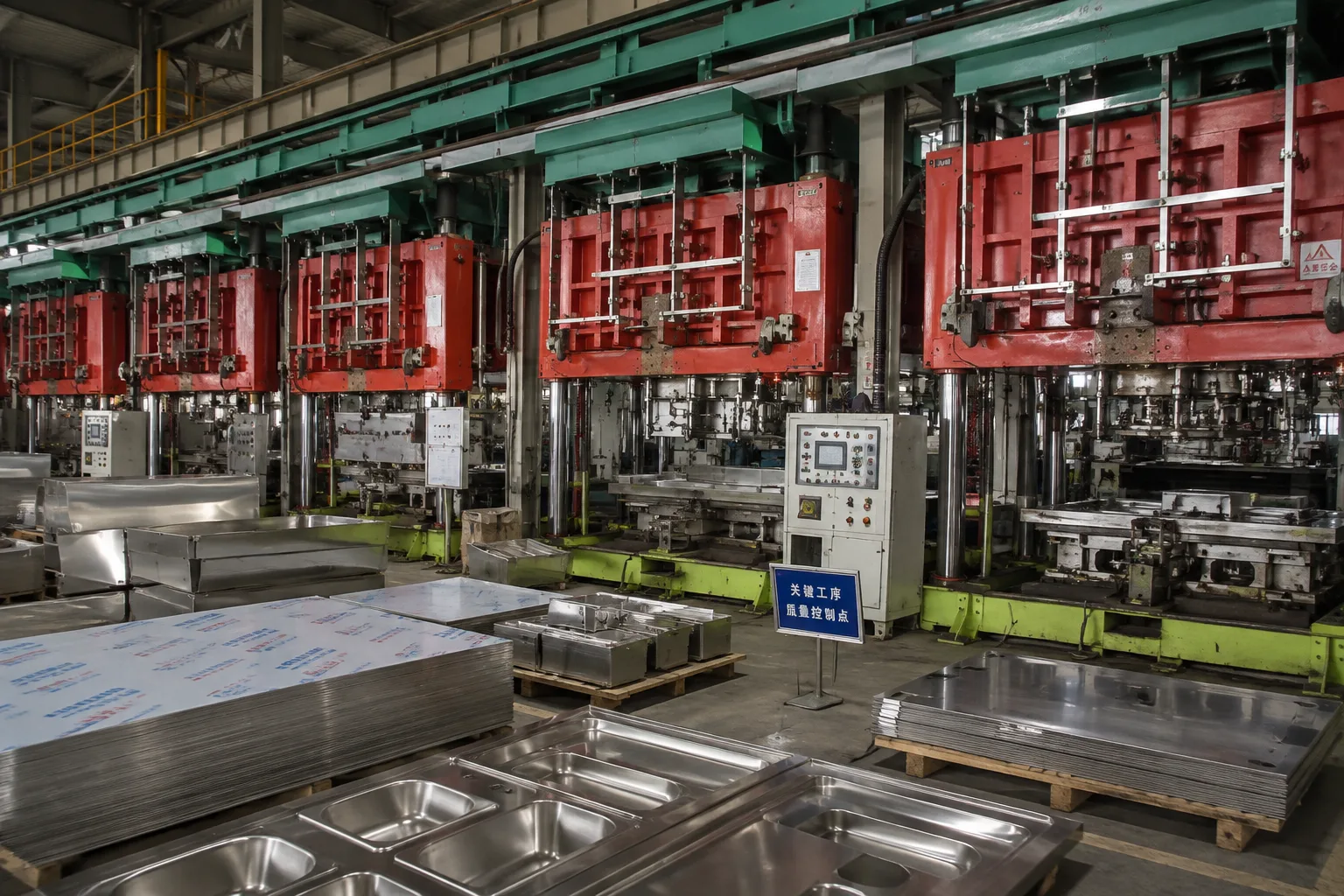
Advanced OEM Processing Equipment & Lines
Equipped with world-class automated sheet metal processing, precision bending centers, thermal foaming lines, and vacuum test rigs to support high-volume commercial kitchen OEM/ODM manufacturing.
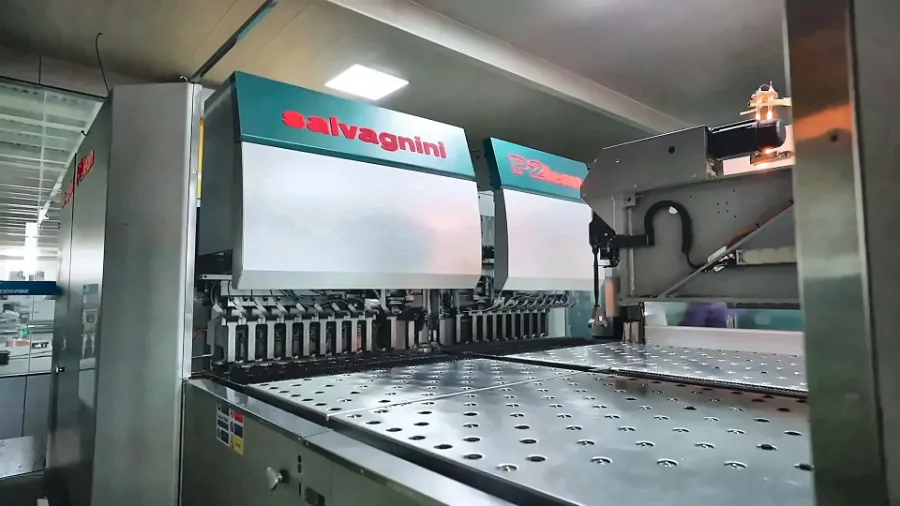
Italian Salvagnini Panel Bending Center
Automated sheet metal bending system for seamless cabinet fabrication and tight structural tolerances.
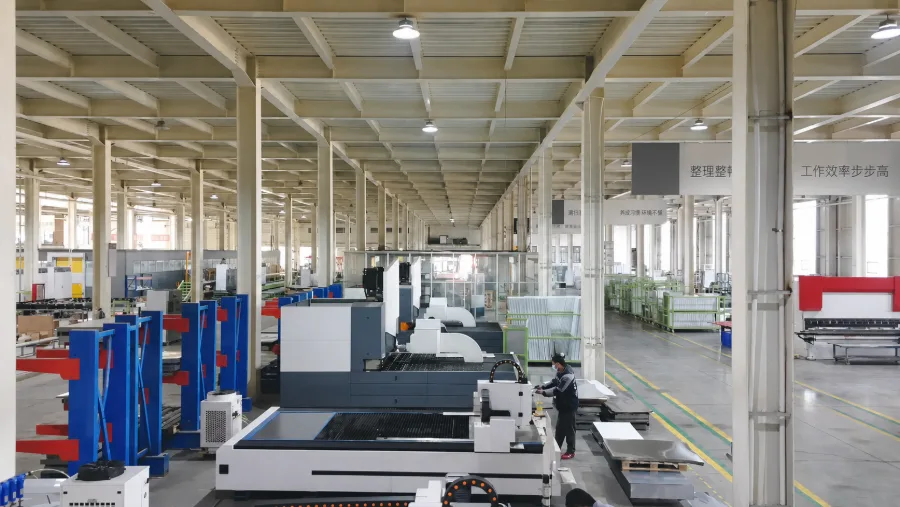
Automated Bending & Laser Cutting Line
Integrated flexible processing line combining fiber laser cutting and multi-axis CNC bending.
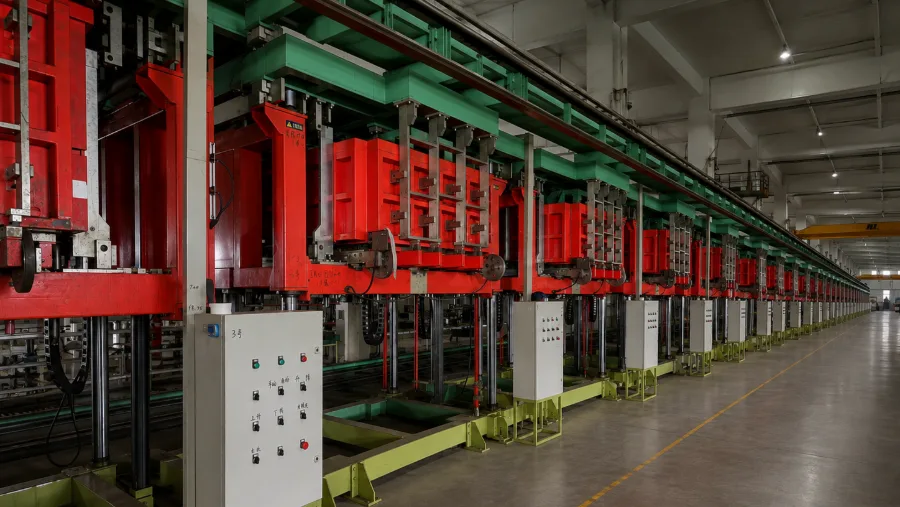
Constant-Temperature Foaming Line
Continuous polyurethane thermal insulation foaming line ensuring uniform core density.
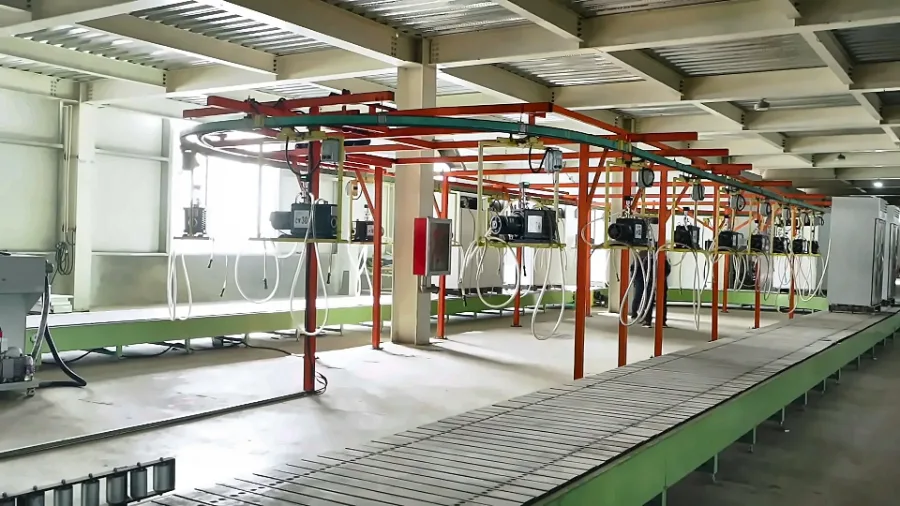
Vacuum Extraction & Testing Line
High-vacuum circuit evacuation and automated leak detection for commercial cooling systems.
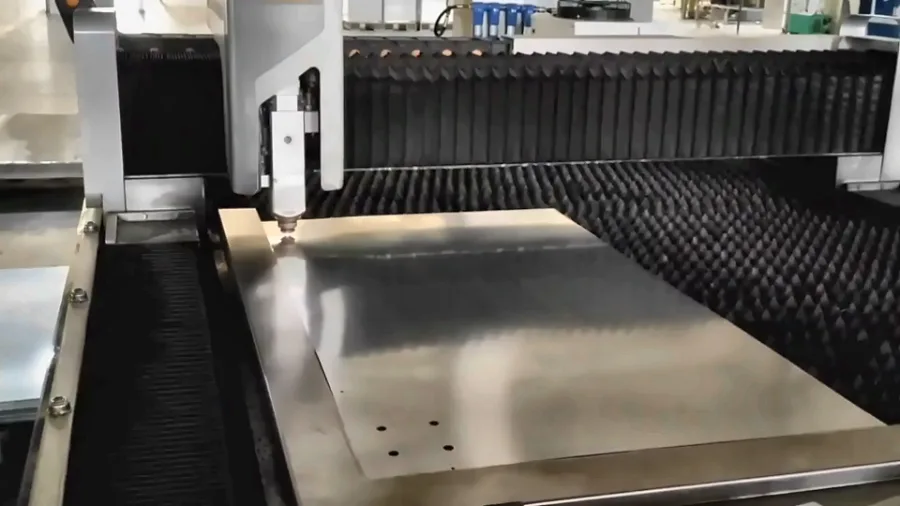
Laser Cutting & CNC Punching Station
High-speed fiber laser cutting and precision CNC punching for intricate component fabrication.
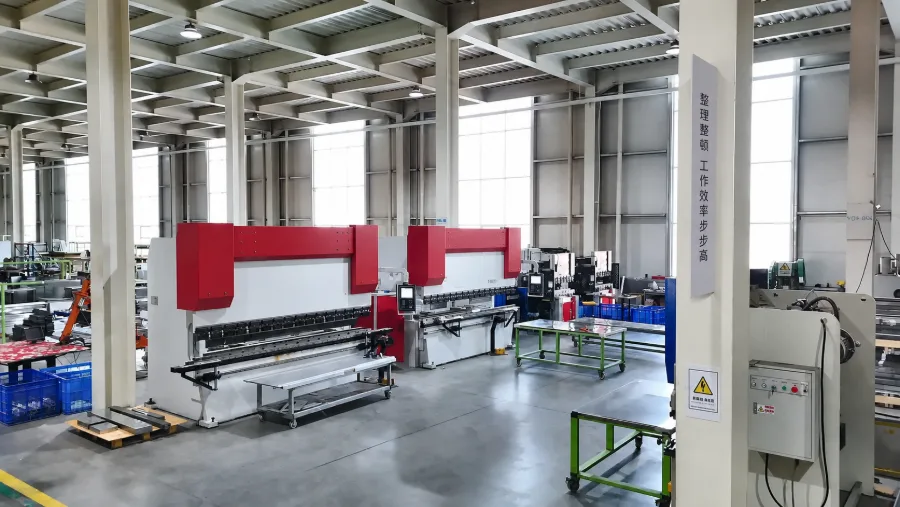
Canadian Heavy-Duty CNC Press Brake
High-tonnage precision press brake for large-format stainless steel sheet forming.
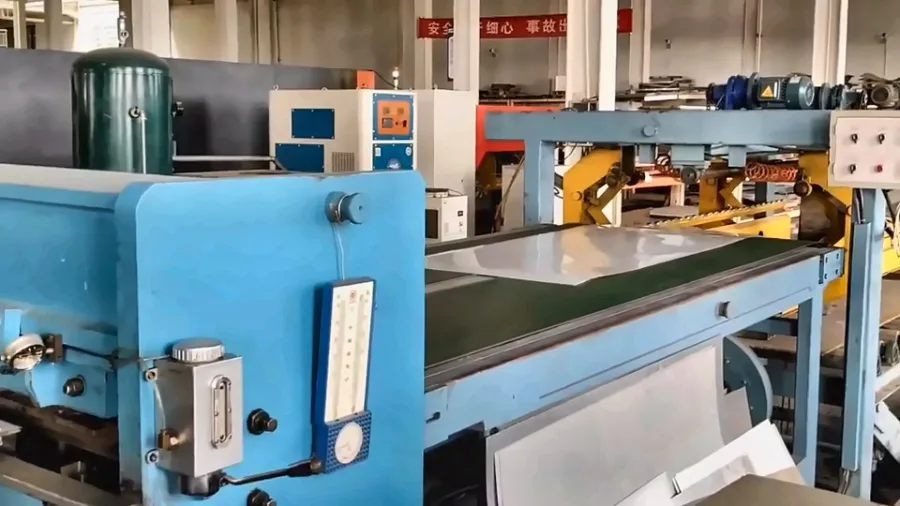
Material Shearing & Cutting Line
Automated heavy-gauge stainless steel shearing and precision raw material sizing.
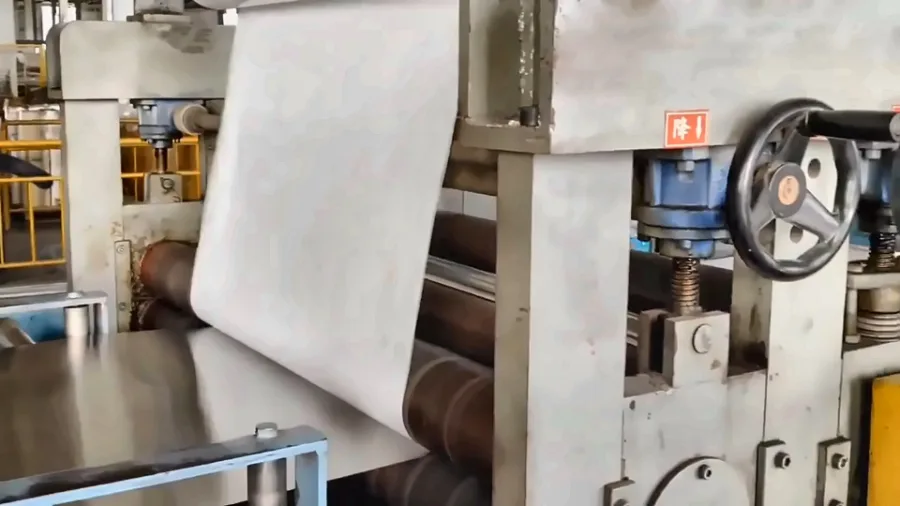
Material Film Laminating Line
Automated surface protection film application to preserve satin and mirror metal finishes.
Explore Popular Kitchen Equipment
Browse equipment that visitors frequently explore, then review the exact model and specifications for your project.
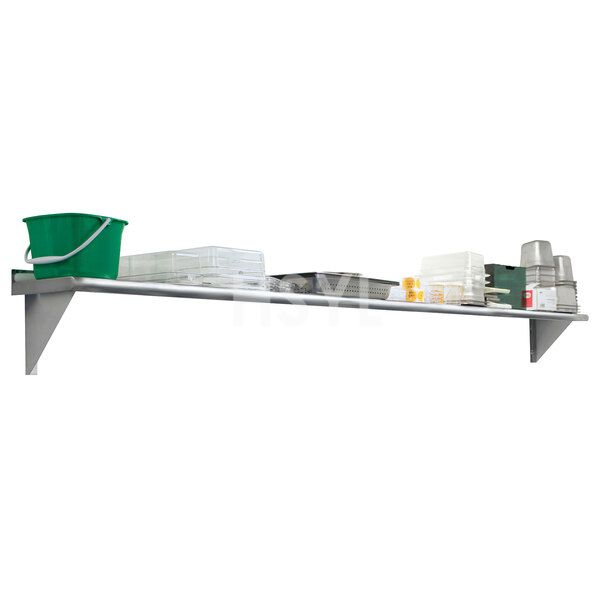
Stainless Steel Wall Shelves
Stainless Steel Wall Shelves for commercial kitchens, fabricated to project dimensions in ...
View product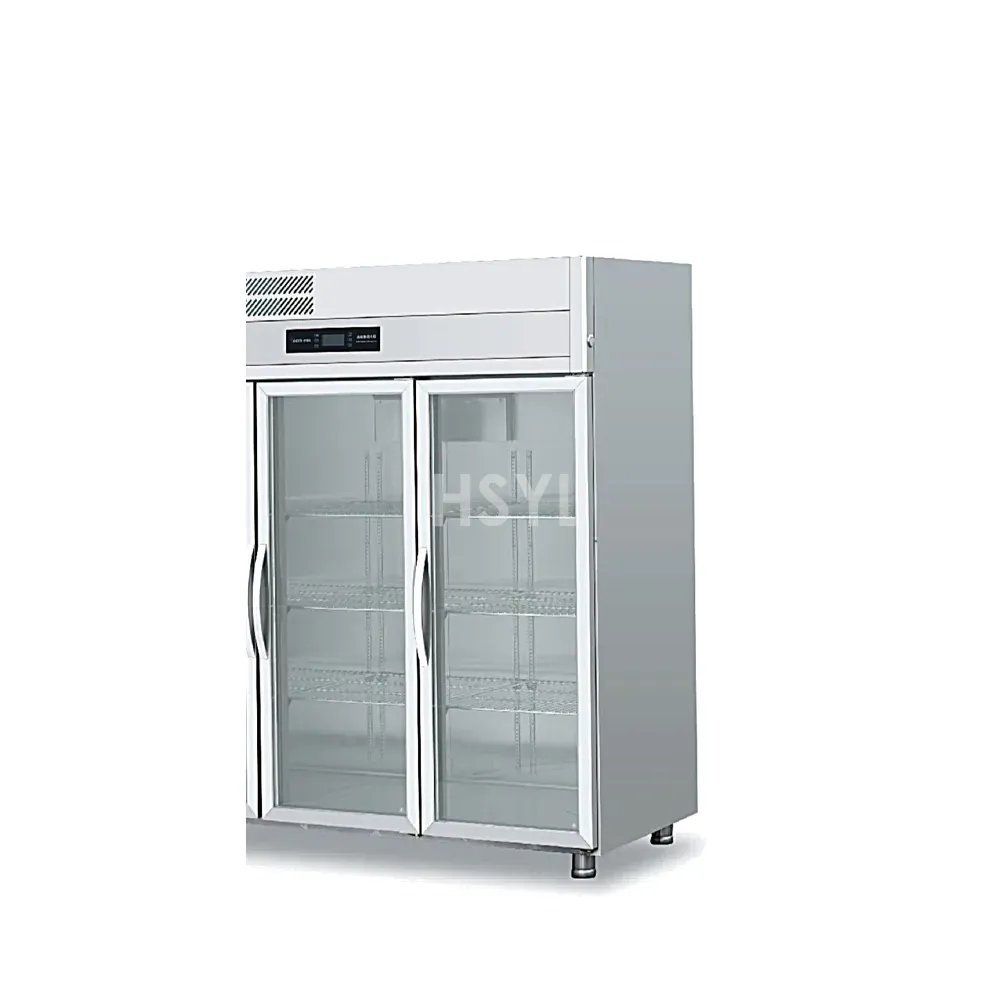
E Series Display Refrigerator Range
Compare E Series display cabinets by door layout, footprint and storage duty. Confirm the ...
View product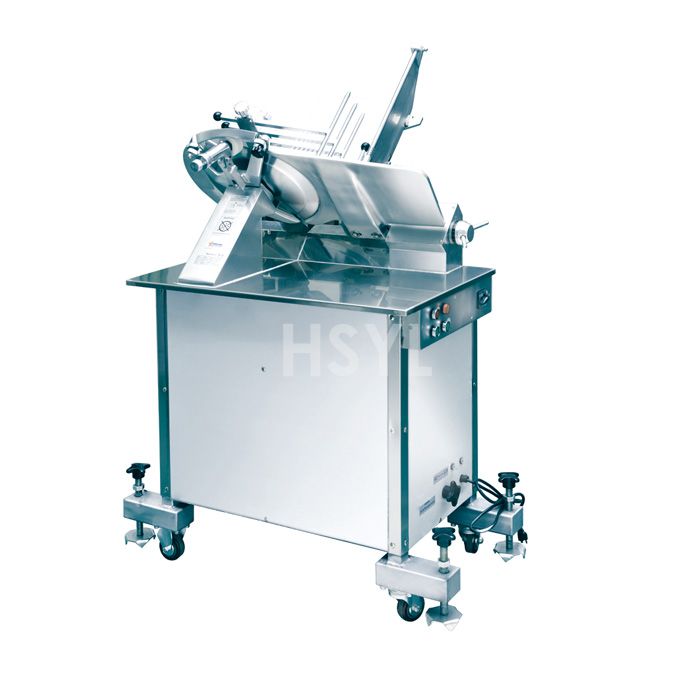
Commercial Meat Slicer-FP-HB-350400
Compare HB-350/400 meat slicers around meat size, slice thickness and production needs. Re...
View product
HDW8000L Steam-Heated Commercial Dishwasher
Quick Summary: The HDW8000L Steam-Heated Commercial Dishwasher (Model: CK-HDW8000L) is a h...
View product
Two-Compartment Commercial Sinks
Two-Compartment Commercial Sinks for commercial kitchens, fabricated to project dimensions...
View product
E234-BCW02-11 Horizontal Banquet Cart
Quick Summary: The E234-BCW02-11 Horizontal Banquet Cart-B (Model: SL-E234-BCW02-11) is a ...
View product
700-Series Combined Western Kitchen Stove
Quick Summary: The 700-Series Combined Western Kitchen Stove (Model: CK-BERTO) is a heavy-...
View product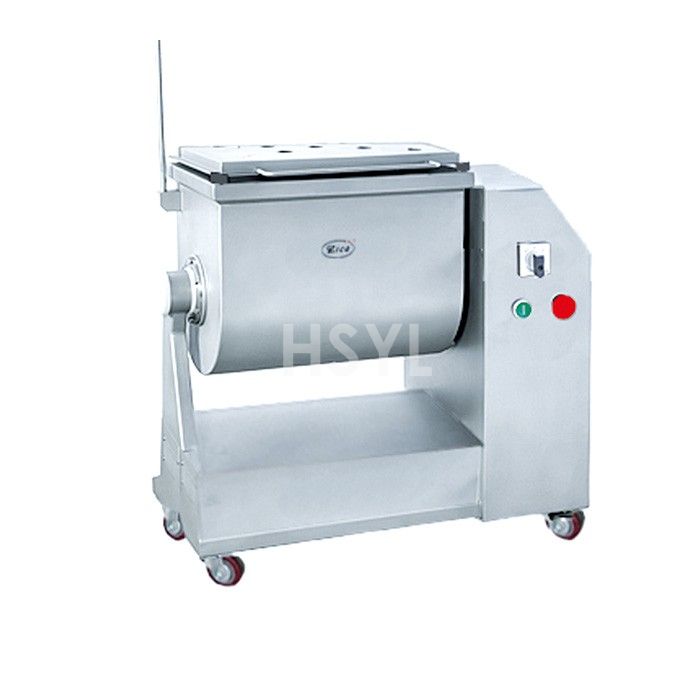
Commercial Meat Mixers
Commercial meat mixers for central kitchens, restaurant prep and meat-processing workstati...
View product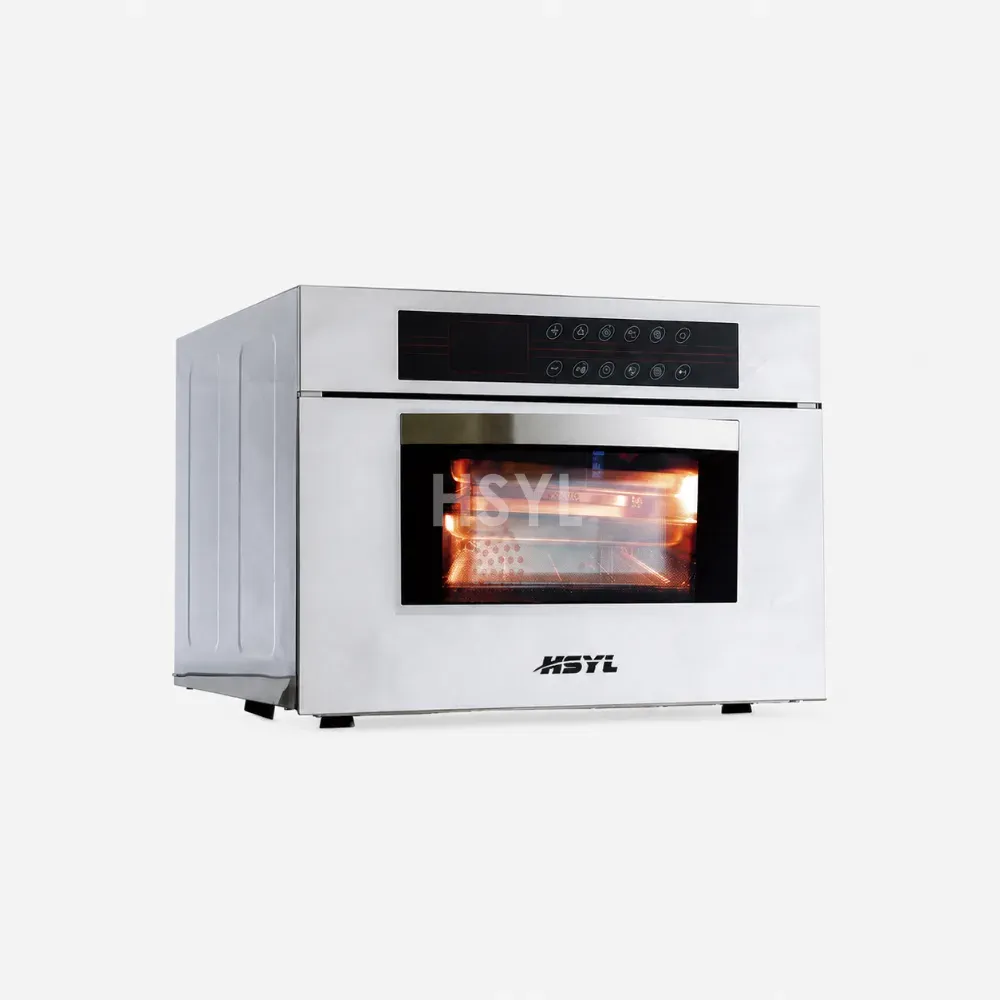
Commercial Ovens for Professional Kitchens
Commercial electric and convection oven solutions for professional kitchens. Review HSYL c...
View product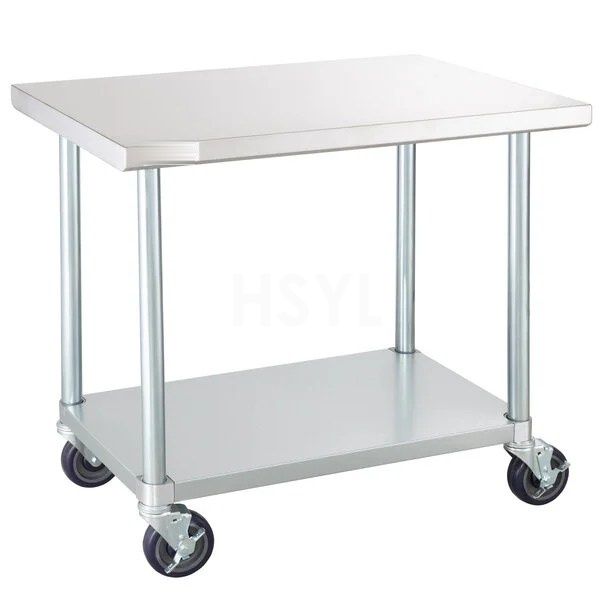
Stainless Steel Kitchen Trolleys
Stainless Steel Kitchen Trolleys for commercial kitchens, fabricated to project dimensions...
View product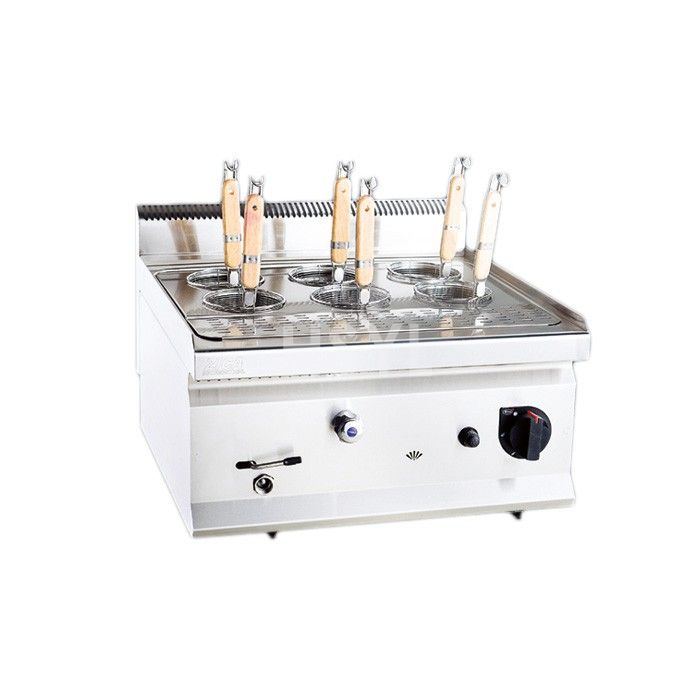
HP Countertop Gas Pasta Cooker Range
Compare HP6035G and HP6060G countertop gas pasta cookers. Review footprint and gas require...
View product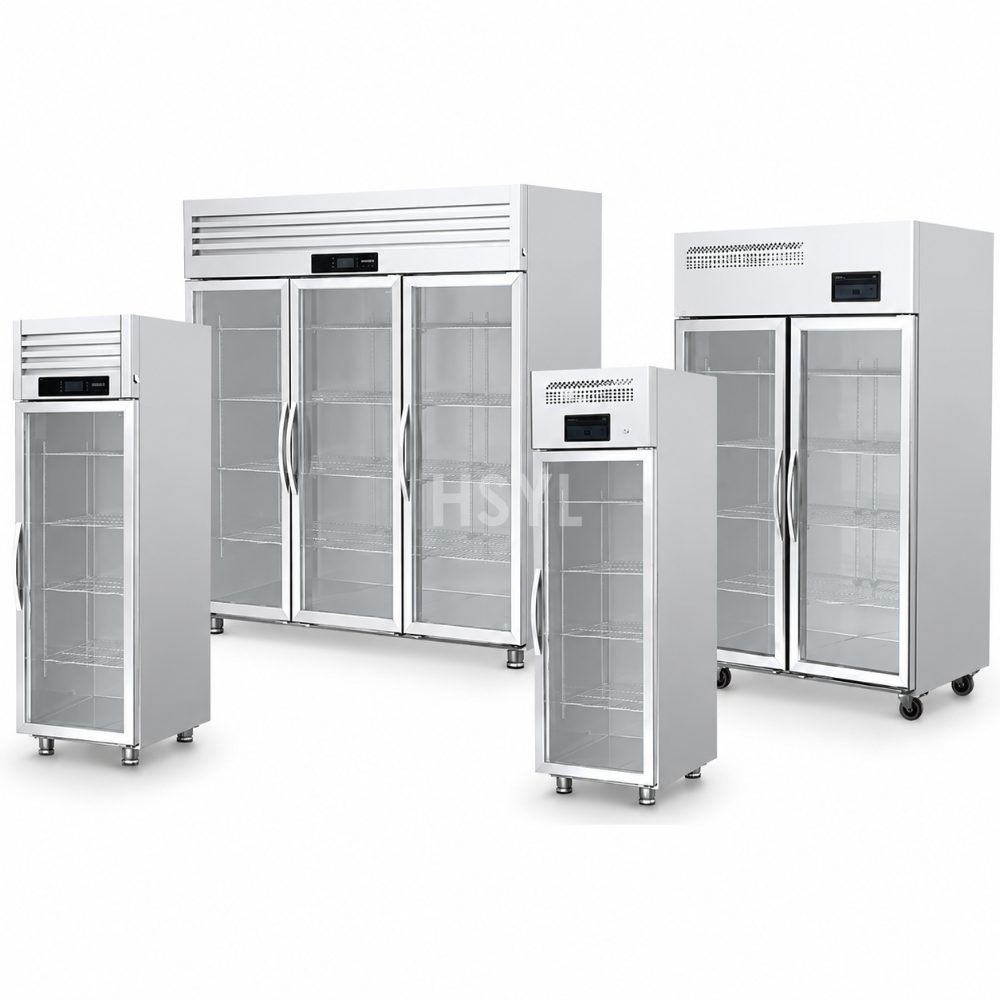
Q and S Series Direct-Cooling Display Cabinet Range
Compare Q and S Series display cabinets for your products and store layout. Confirm temper...
View product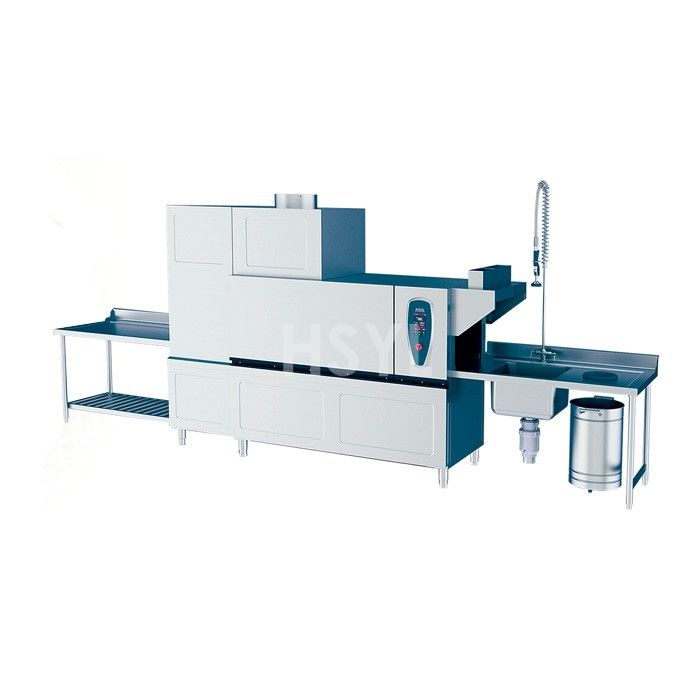
HDW260-EL-R Electric-Heated Commercial Dishwasher
Compare HDW260-EL-R Electric-Heated Commercial Dishwasher capacity, heating, dimensions, u...
View product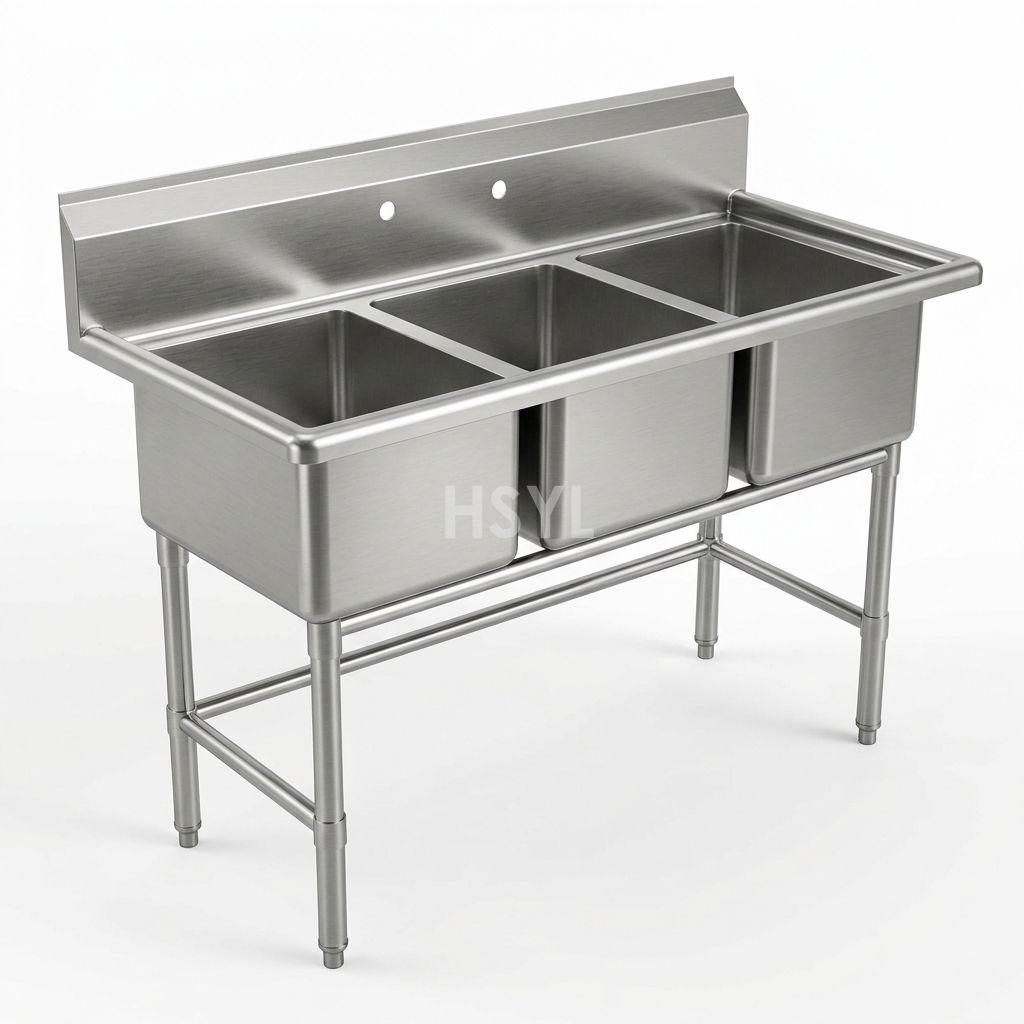
Three-Compartment Commercial Sinks
Three-Compartment Commercial Sinks for commercial kitchens, fabricated to project dimensio...
View product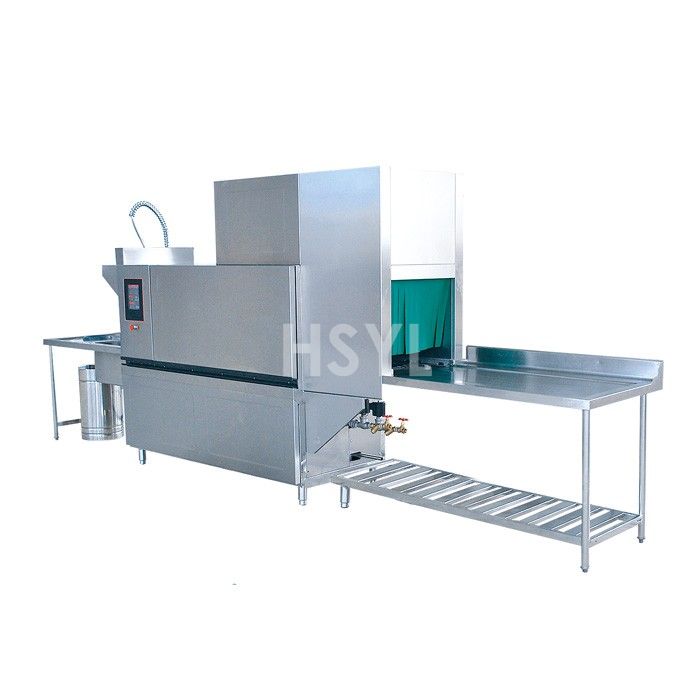
HDW260-SL-R Steam-Heated Commercial Dishwasher
Compare HDW260-SL-R Steam-Heated Commercial Dishwasher capacity, heating, dimensions, util...
View product Stainless Steel Wall Shelf
Plan stainless steel kitchen wall shelves for utensils, containers and clean storage. Spec...
View product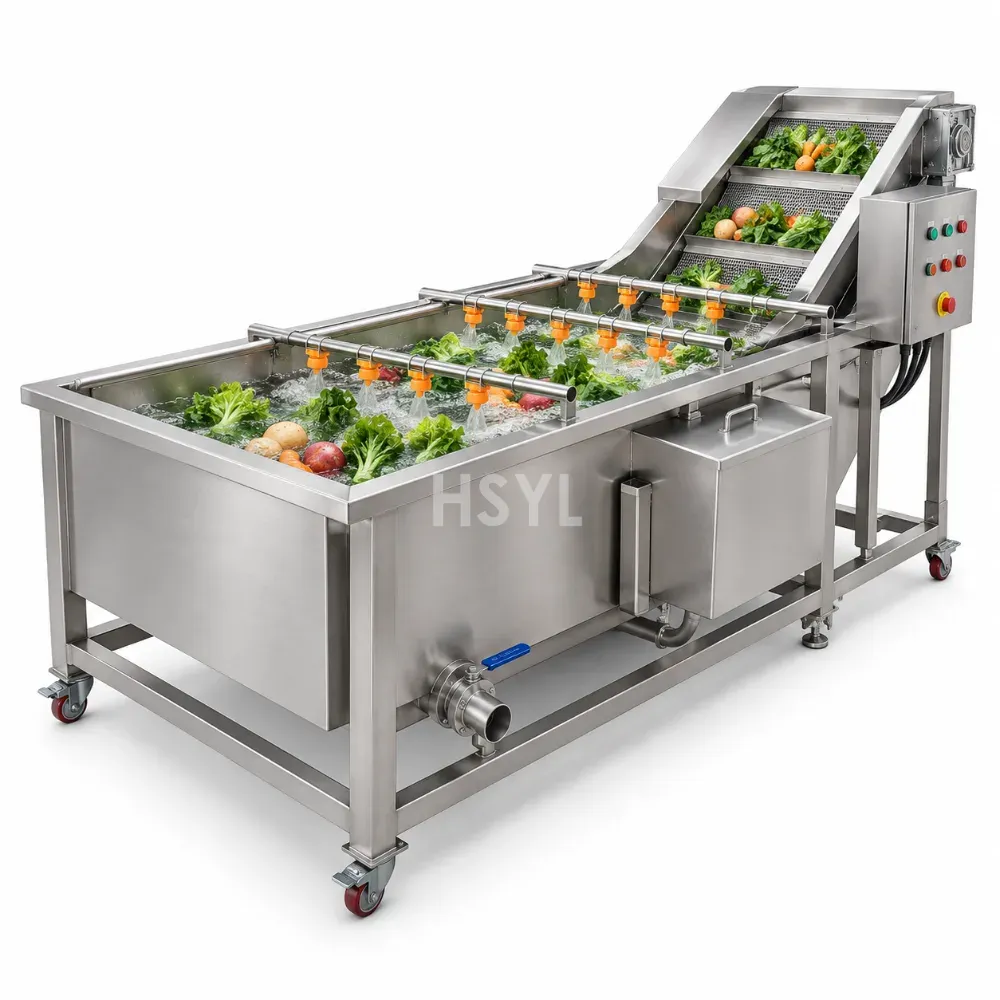
Commercial Vegetable Washers
Commercial Vegetable Washers for central kitchens, food processing plants, canteens and re...
View product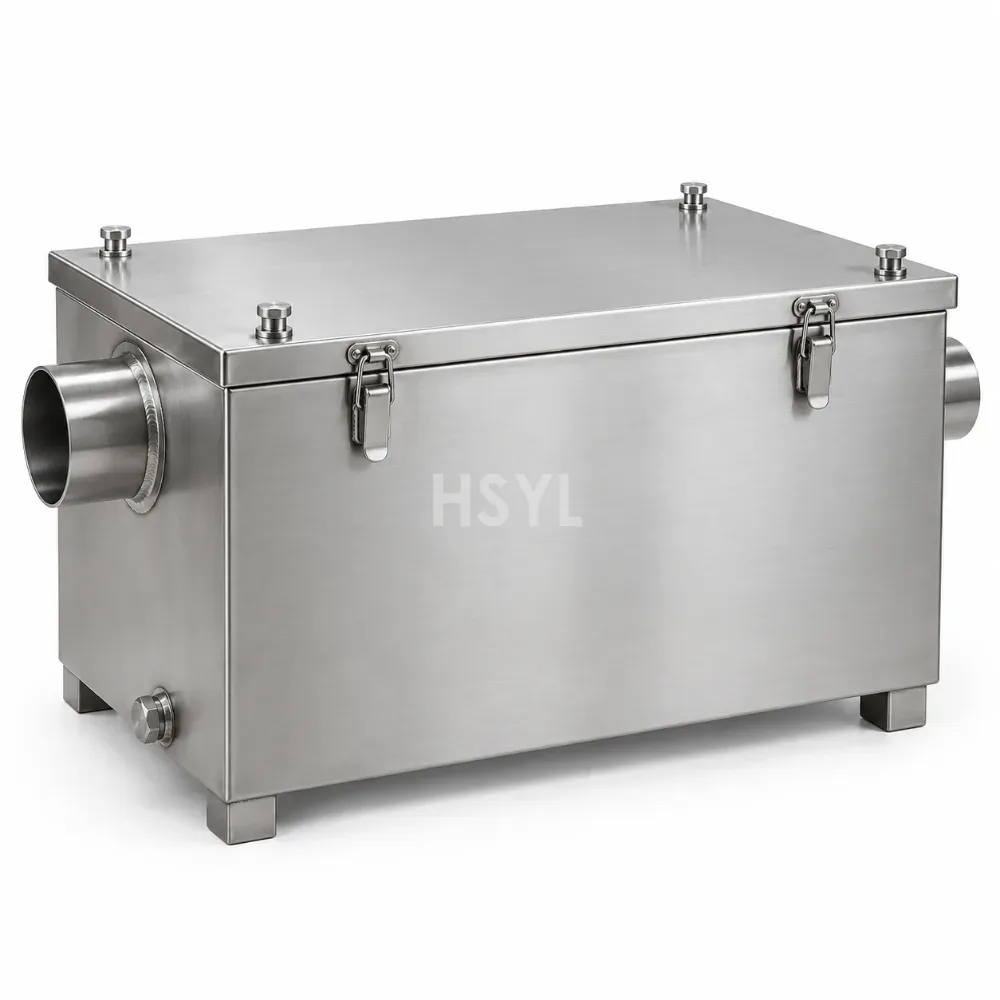
Commercial Grease Traps
Commercial Grease Traps for commercial kitchens, fabricated to project dimensions in AISI ...
View productFrequently Asked Questions
Can one commercial grating machine process every cheese?
Do not assume this. Confirm the intended cheese, temperature, preparation and exact tooling, then assess an agreed sample for texture, smearing and accepted yield.
Is a vegetable cutter automatically a cheese grater?
No. A general cutter listing does not establish cheese compatibility, approved grating tooling or safe handling. Request the exact equipment and tool documentation.
How should I compare advertised throughput?
Measure accepted output and the entire batch window, including preparation, feed, discharge, changeovers, inspection and cleaning. Keep raw feed and accepted mass separate.
Plan the Equipment Around Your Kitchen.
Share your menu, peak service demand, available space and site utilities. Tell us which equipment you are considering so we can review the requirements with you.