Business Kitchen Equipment: Opening-Day Readiness Guide
Plan business kitchen equipment around the menu, service workload and premises. Build connected station, purchase-dependency and handover records before opening.
Plan business kitchen equipment around the menu, peak service and the premises that will support it. Build a station list before ordering appliances. Confirm preparation, cooking, storage, washing and dispatch as a connected process, then release purchases against drawings, utilities and destination requirements for the exact proposed versions.
Clarify whether food production means commercial kitchen batches or a continuous factory process. A factory-line enquiry needs separately defined products, processing stages, hygiene design, interfaces and representative engineering evidence; kitchen catalog wording does not establish that capability. A manufacturer list on a service agent's page does not prove that the agent sells every listed machine. Evaluate automated or modern features through the actual menu, staff training, maintenance and accepted service result rather than assuming a labour saving from the feature name.
For a mobile kitchen, obtain the actual vehicle and installed-equipment design. Confirm power or generator arrangements, transport and receiving conditions, utility interfaces and the local installation review with the responsible parties. Fixed-site suitability does not automatically carry into a moving vehicle or temporary event location. Keep the supplier's offered support, shipment and commissioning scope in writing for that project; a catalog photograph cannot settle these duties.
For a wholesale offer, record the quoted unit, case quantity and included accessories alongside the equipment configuration. Identify which party supplies layout, fabrication, hood design and installation; equipment supply alone does not include those services. Compare packaging, freight, import charges and commissioning on the same order sheet before treating a lower unit price as a lower project cost.
Define what the kitchen will deliver on opening day
A business kitchen may support table service, takeaway, delivery, institutional meals or a combination. The equipment list must reflect the work actually performed. A delivery operation can remove some front-of-house tasks while adding packaging, dispatch and order-consolidation work. A restaurant offering cold prepared dishes has a different cooking requirement from one roasting, frying and baking through the same service period.
The relevant independent competitor sites in the recorded Google result include a broad commercial catalog, a dark-kitchen equipment guide and supplier-evaluation content. Together they indicate planning and procurement intent: buyers need a practical equipment scope and a supplier capable of delivering it. They do not establish a single standard kitchen package or a universal equipment budget.
Write the planned menu, food starting conditions, production schedule and busiest ordering period. Identify which products are prepared on site, bought ready for service or finished after an order arrives. Record the intended handling and food-safety process. Make opening-day requirements explicit before considering future menu ambitions; otherwise the business can spend on an appliance that has no defined task while leaving an essential station incomplete.
Use an opening-day service simulation to review the brief. Walk an order through receiving, storage, preparation, cooking where required, final assembly and dispatch. Follow the used containers, tools and waste back through the cleaning route. The exercise should expose missing work surfaces, wash access, staging and holding arrangements before a supplier starts allocating models to the floor plan.
Clarify what a cooker quotation is intended to supply: rice cooking, microwave reheating, steam processing, a range with an oven base, or event boiling require different equipment and acceptance trials. Specify the menu, incoming food condition and batch schedule before accepting the product family. Compare a bare appliance with a vehicle or event package on a common scope, including supports, service connections, transport, commissioning and the documents for the intended location.
Buy a connected set of stations
| Station | Equipment scope to define | Interface that can be missed |
|---|---|---|
| Receiving and storage | Accepted delivery quantities, product-specific storage and handling aids | Access route, container identification and reserve stock movement |
| Ingredient preparation | Work surfaces, approved tools and any powered preparation machine | Input condition, output containers and cleaning access |
| Cooking and finishing | Menu-specific heat processes and cookware | Utilities, extraction, pan transfer and finished-food staging |
| Service or dispatch | Assembly surfaces, supported holding and order organisation | Queueing, packaging supply and access for the next operator |
| Warewashing and cleaning | Handwashing, utensil handling and approved cleaning process | Dirty-to-clean movement, drying, storage and building services |
Assign supporting smallwares to the station that uses them. Record the working quantity, reserve quantity, washing route and replenishment responsibility for utensils, containers and service items. Equipment delivery does not close these tasks: the opening simulation should confirm that clean items reach the station again before its next required use.
The table describes a planning scope rather than a mandatory appliance list. Ask the premises designer and local authority to determine applicable requirements. Do not assume that a single sink fulfils every washing task or that one refrigerator can serve incompatible product flows. The useful equipment list assigns each task to an approved process and a responsible person.
At each handoff, check container compatibility and the landing space needed. A food processor can discharge into a vessel that does not fit the next station. A cooker can produce hot pans with nowhere to place them safely. A washing system can clean tools that then have no drying or storage area. These interface problems can limit service even when every purchased appliance operates as specified.
| Work item | Input and next step | Equipment/space owner | Readiness evidence |
|---|---|---|---|
| Menu preparation task | Ingredient form, container and required finished condition | Chef and preparation-station buyer | Observed work with the proposed tools |
| Cooking task | Loaded cookware, recipe and finished-food destination | Chef and qualified installer | Approved model, utility review and process demonstration |
| Order assembly | Finished portions, packaging and service deadline | Service or dispatch lead | Simulated order movement through the planned layout |
| Cleaning/reset | Used utensils, removable parts and next production task | Cleaning lead and premises designer | Approved procedure with access and storage provided |
This original planning tool contains no measured output or promised opening date.
For table service or a buffet, extend the station schedule through holding, display, portioning and the staff handoff to the customer. Identify the approved food controls, compatible serving containers, replenishment route and separate return of used wares. A kitchen equipment package does not automatically include these service items or their operating procedure. A countertop appliance also needs confirmed support, access for loading and cleaning, and the exact electrical or gas version; if it is moved between venues, review transport and receiving conditions separately. In a small restaurant, measure open doors, service access and the staff working envelope rather than fitting cabinet widths into a drawing without the work around them.
Plan a Chinese menu as connected cooking tasks
A Chinese commercial kitchen equipment enquiry needs two separate descriptions: the cuisine being produced and the country supplying the equipment. A supplier located in China does not establish that its catalogue suits a wok, rice or steaming menu. Build the enquiry around the actual dishes, ingredient condition, service windows and approved processes. Then compare the proposed equipment package against those tasks and the destination installation.
For stir-frying, specify the actual wok shape, diameter, loaded food mass and handling method. Ask the manufacturer to approve the pan support and heating arrangement for that cookware. A round-bottom wok and a flat-bottom pan do not create interchangeable contact conditions on every induction or gas station. Test the intended menu with the real operator: loading, tossing or stirring, sauce addition, removal and cleaning. Record accepted portions over the complete service period rather than treating burner input as finished food output. Keep ingredient replenishment within the planned chilled-handling process; a faster burner cannot correct an inadequate preparation route.
For steaming, confirm the complete loaded arrangement of trays, baskets or stackable vessels. Record the largest item, spacing, condensation handling and the time needed to remove a full load without blocking adjacent work. Assess water quality, supply, drainage and access for the specified cleaning procedure. A multi-tier vessel and an enclosed steam cabinet require their own trials and interface documents. Neither a chamber setting nor the number of tiers proves that every item meets the kitchen's approved cooking process.
Separate rice cooking from subsequent holding. Quote the actual rice preparation method, batch size, containers and service replenishment pattern. A warmer does not become a rice cooker because it has a heating control. Check the approved cooking endpoint, transfer procedure and representative food during holding under the site's food safety plan. Long-simmer broth and stockpot tasks also need a separate vessel and support assessment; the equipment offered for rapid wok work may not be the best arrangement for that duty.
Run a combined menu trial with wok, steaming, rice and broth duties operating together where that reflects service. The contractor should verify simultaneous fuel and electrical demand, water use, drainage, grease capture and extraction, using the selected model documents. Allocate uncooked ingredients, ready food, utensils and landing areas explicitly. Ask how one station can be isolated for service while the remaining menu is operated safely; do not assume the whole package remains available during a shared utility fault.
The quotation should identify the actual manufacturer for each item, country-specific fuel configuration, voltage, phase and frequency, required installation approvals, packed dimensions and service access. Obtain model-specific declarations and any applicable CE or US listing evidence for the offered configuration. Compare installed cost and measured energy per accepted menu output, plus cleaning, replenishment and maintenance labour. Cuisine labels and generic claims of authentic flavour or percentage efficiency do not replace that evidence.
Design for the busiest work, not average daily sales
Estimate production by the service windows that create congestion. Record which tasks occur simultaneously and which can be completed earlier under the approved food process. Two businesses with similar daily sales can need different equipment when one receives a concentrated lunch rush and the other has steady orders throughout the day. Seating capacity alone cannot determine burner count, oven size or preparation output.
Measure or demonstrate the complete station cycle. Include ingredient staging, loading, processing, unloading, recovery and necessary cleaning or changeover. Count only finished output meeting the kitchen's accepted result. A rated cycle speed or an empty-cavity temperature does not establish the usable output of the buyer's menu. If demand is forecast rather than observed, record the forecast assumptions and evaluate alternative demand scenarios.
Review shared equipment carefully. A single oven can handle different recipes at different times, but it cannot necessarily meet incompatible simultaneous cooking schedules. A preparation table shared by raw work and finished assembly requires a process that addresses the transition. Identify these dependencies in the workmap, then decide whether separation, changed scheduling or another appliance is the appropriate response.
Where several menu brands share a delivery kitchen, list their demands separately before combining the schedule. Shared packaging, ingredient stores and cleaning resources can create conflicts that do not appear in an individual brand's equipment list. Identify who owns the shared reserve stock and who authorises changes to the station layout. A new brand or dish should trigger a review of the affected work, rather than an assumption that existing equipment automatically provides spare capacity.
Choose additional capacity only after identifying the limiting station. A faster cooking line may simply move the queue into packing or washing. Keep the proposed staffing and operator positions in the demonstration so the output depends on a process the business can actually support. Do not buy a machine on a production claim that assumes more operators or a different input product than the planned operation.
Sequence purchases around confirmed premises conditions
Some equipment choices depend on decisions outside the supplier's catalog. Connection capacity, extraction layout, drainage and the delivery route can affect whether an appliance is suitable. Record those dependencies before issuing final purchase orders. A quotation can be prepared while the premises work progresses, but the supplied configuration should not be released on assumptions that the installer has not accepted.
| Purchase decision | Confirm before release | Action if unresolved |
|---|---|---|
| Electrical equipment version | Site voltage, frequency, phase and available connection capacity | Obtain installer review and a supported model version |
| Gas cooking equipment | Exact fuel, supply and approved installation/extraction arrangement | Hold the configuration until qualified technical review |
| Water-connected equipment | Water conditions, manufacturer limits and drainage plan | Assess treatment and building-service work |
| Large delivered units | Package size, access route, unloading and positioning responsibility | Resolve handling or access before dispatch |
| Custom fabricated items | Signed dimensions, interfaces, finish and revision | Approve drawings and the changed scope before manufacture |
Use this map to assign release decisions. It does not authorise an installation or establish regulatory approval.
Maintain a coordinated equipment schedule with item identities and drawings. If a cabinet, sink or preparation table is changed, check the neighbouring space and service route. An apparently small dimension change can affect doors, operator access or a drain connection. Give the supplier and installer the same accepted revision, and retain superseded drawings so a later substitution does not quietly reintroduce an obsolete layout.
Request quotations that answer the station brief
Send suppliers a task schedule rather than a collection of product photographs. For each proposed item, ask for the model code, revision, supported use, exact utility version, dimensions, supplied accessories and installation documents. The response should identify which requirements are met directly, which need a trial and which fall outside the offer. A broad catalog does not prove that a supplier can deliver every requested configuration.
Identify new, refurbished and used condition for each quoted item. Request dated stock confirmation, the supplied configuration and any inspection or refurbishment record relevant to the offer. State which defects, accessories and service responsibilities are included; a used listing and a new equipment quotation need the same required station outcome but different condition evidence.
Require separate lines for equipment, optional accessories, freight, export packaging, local handling, installation and commissioning when offered. State the delivery destination and service boundary. A price to an export port and a price into the final kitchen are different offers. Compare the same scope before judging one supplier cheaper; preserve quoted stock status and dispatch information as dated supplier statements rather than indefinite promises.
For OEM or ODM requests, describe the change through drawings and the approved revision. Clarify whether dimensions, control functions, branding, utilities or accessories are changing. Ask how those changes affect documents, replacement parts and the acceptance method. Obtain the actual development and delivery terms from the supplier. Do not infer minimum order quantity, sample lead time or container quantities from another product.
Build the document pack for the destination
For a United States project, review the exact sanitation and safety evidence expected by the approving authorities. NSF's food-equipment standards portfolio distinguishes fabricated food equipment, cooking, commercial refrigeration, powered food preparation and warewashing. Match each item to its relevant category and verify any claimed product listing against the supplied identity. A kitchen-wide statement cannot replace item-specific evidence.
For an European Union destination, request applicable conformity documents and instructions for the ordered versions, with manufacturer and importer responsibilities clarified using the EU CE marking guidance. CE marking is not a declaration of kitchen throughput or the acceptance of the completed premises. Review the installation and food-business requirements separately.
For a United Kingdom gas project, consult HSE's catering gas-safety guidance with the installer. Other destinations require their own electrical, gas, premises and import review. Give the supplier the country early enough to identify a supported version and appropriate documents. Do not assume that a competitor's certification or an overseas variant settles local requirements.
Confirm what the supplier location represents
A supplier page naming your city can describe a delivery service area rather than a local showroom or warehouse. Ask for the actual dispatch location, any visitable address and the arrangements for inspecting the proposed equipment. Keep fulfilment, installation and local service responsibilities separate in the quotation. For used or refurbished equipment, request the individual item identity, actual condition, available service history and supplied documents; a dealer-wide restoration statement is not an inspection record for every unit.
Compare capital scope with the cost of operating the kitchen
Build the opening investment from configured equipment, building-service work, accessories, freight, import charges, positioning and commissioning. Keep optional future-menu capacity visible as a separate decision. This helps the buyer preserve resources for the stations necessary to open, without disguising omissions as a lower complete-kitchen price. Record the agreed scope so another offer can be compared on the same basis.
Estimate annual electricity from representative measured kWh per operating day and planned operating days. Include other utilities in compatible units where applicable. Add cleaning labour, consumables, scheduled maintenance, replacement tooling and repair assumptions. Keep each estimate attached to its source or planning basis. Maximum electrical input, a catalog cabinet volume or a promised production rate does not establish the operation's annual energy bill.
Request the component and replacement-parts schedule for each major appliance. Relevant identities may include compressors, controllers, fans, motors, pumps, heating assemblies and door seals. Examples such as Embraco or Carel are useful only when the proposed model's supplier confirms them; they are not fitted-component claims for HSYL. Ask for actual part references and approved substitutions, together with local diagnosis and repair responsibilities.
Model continuity at the stations that matter most. Record what happens if an oven, storage unit or warewasher becomes unavailable, which alternative process is approved and what additional handling is required. Separate possible product loss, extra labour and displaced production. A spare appliance can have value when it addresses a real constraint, but a universal return on investment should not be inferred from hypothetical downtime.
Complete a working handover before regular service
Reconcile delivered identities, accessories, condition and documents against the accepted schedule. Use the supplier and carrier's procedure for recording damage or missing items. Keep the packing list and actual package dimensions and weights for shipment planning. A 20GP or 40HQ loading count requires the confirmed export package and loading plan; cabinet sizes alone cannot establish it.
After approved installation, commission each appliance and run the connected service simulation again. Verify normal starting, stopping, cleaning and fault-reporting procedures with the staff who will operate the station. Store manuals, accepted drawings, service contacts and purchase records where the responsible team can find them. Record any unresolved snag and the person assigned to close it.
Send HSYL the opening-day menu, workmap, site dimensions, utilities and destination country. Request proposed configurations and an itemised scope tied to the identified work. The completed purchase should produce a usable set of stations with clear operating and service boundaries, so the business can evaluate actual readiness rather than equating a delivered appliance list with a functioning kitchen.
Engineering-Led Commercial Kitchen Manufacturing
HSYL Kitchen Systems designs and produces heavy-duty commercial kitchen equipment for central kitchens, hotels, canteens, hospitals and high-capacity restaurants. Our goal is to provide precise equipment matching, documented quality gates and verified delivery for global foodservice operations.
- Food-grade SUS304 & SUS316 stainless steel construction
- Custom engineering layout & CAD drawing support
- Multi-stage factory quality control & FAT testing
- Factory-direct supply chain with spare parts backup
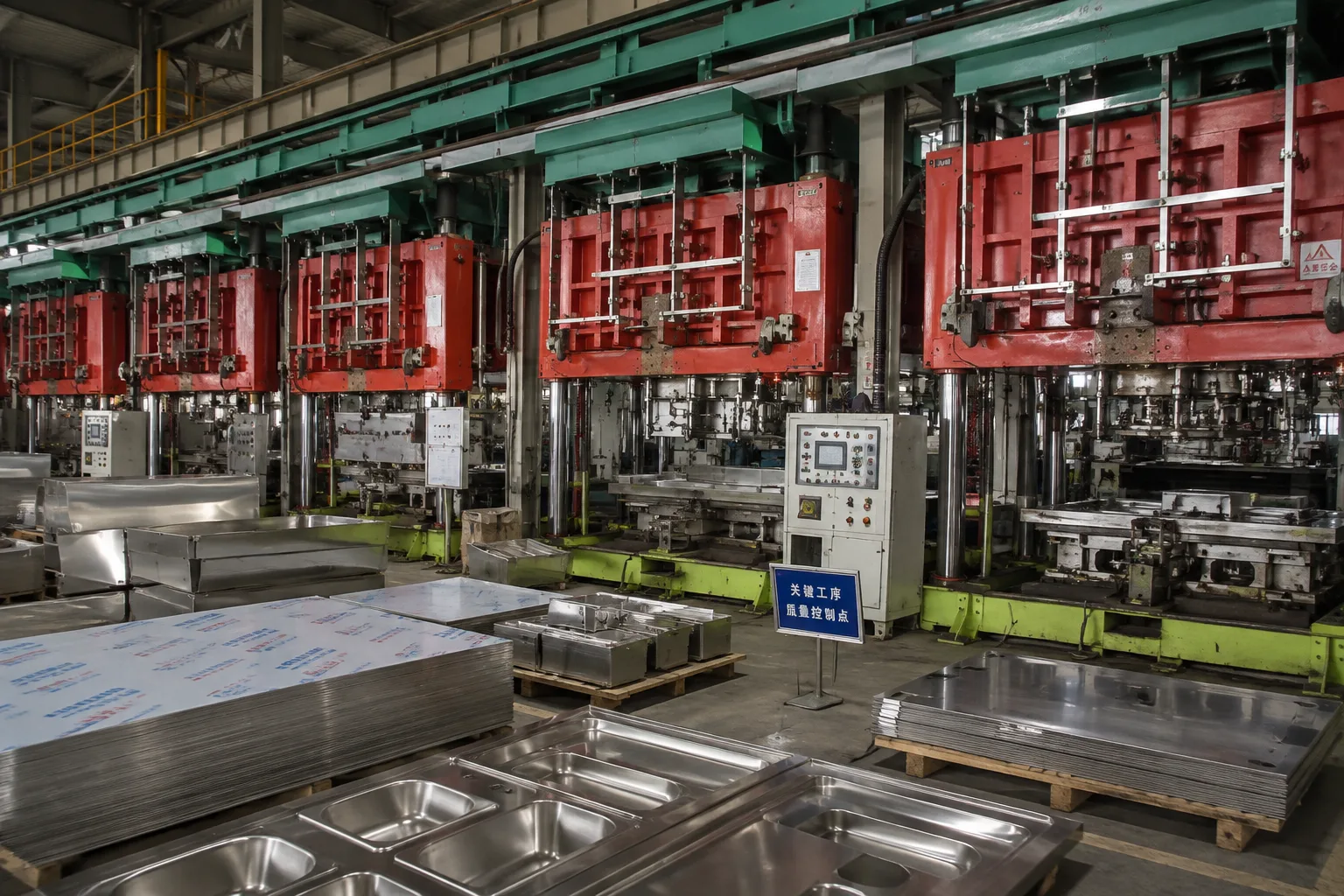
Advanced OEM Processing Equipment & Lines
Equipped with world-class automated sheet metal processing, precision bending centers, thermal foaming lines, and vacuum test rigs to support high-volume commercial kitchen OEM/ODM manufacturing.
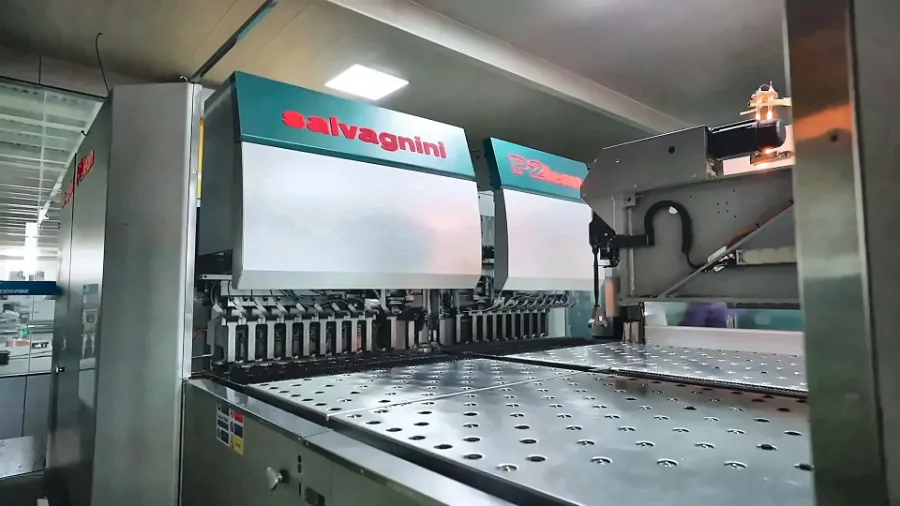
Italian Salvagnini Panel Bending Center
Automated sheet metal bending system for seamless cabinet fabrication and tight structural tolerances.
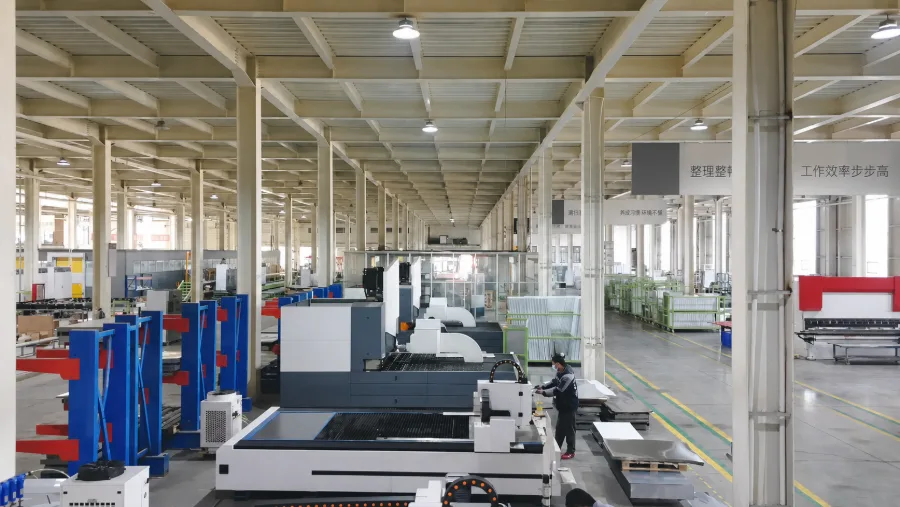
Automated Bending & Laser Cutting Line
Integrated flexible processing line combining fiber laser cutting and multi-axis CNC bending.
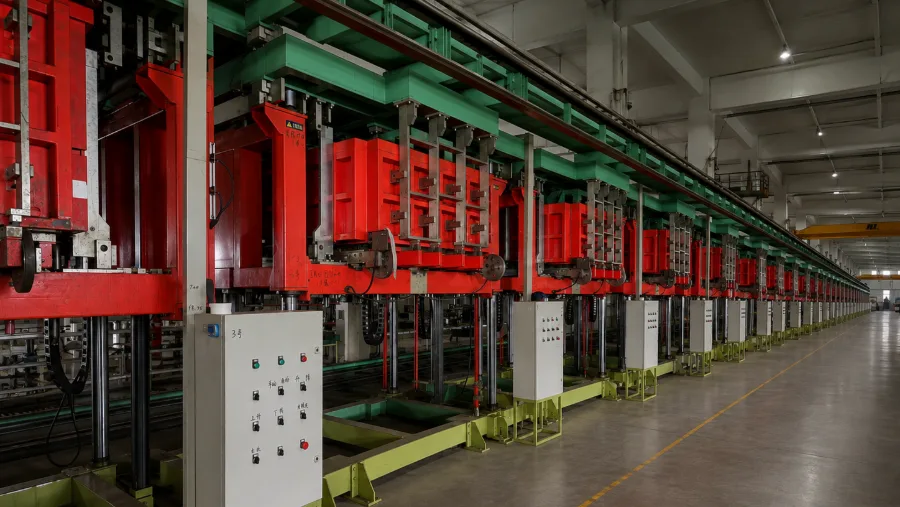
Constant-Temperature Foaming Line
Continuous polyurethane thermal insulation foaming line ensuring uniform core density.
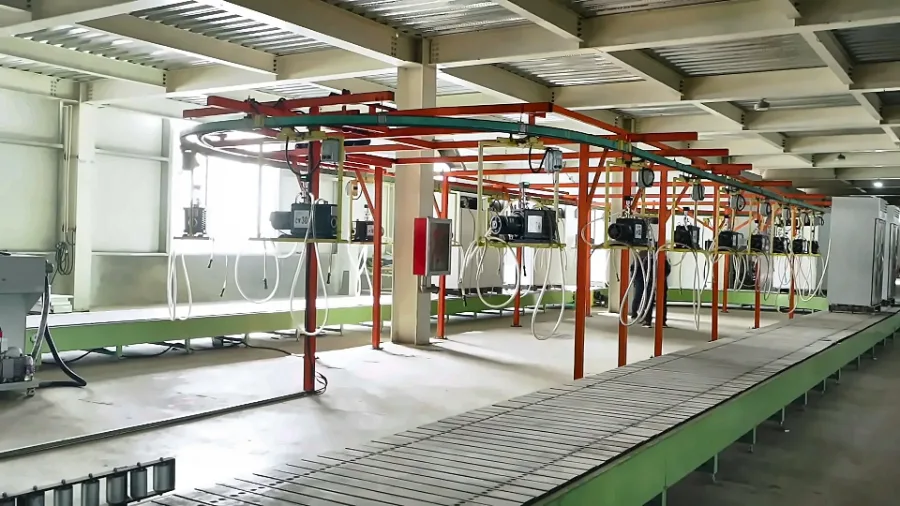
Vacuum Extraction & Testing Line
High-vacuum circuit evacuation and automated leak detection for commercial cooling systems.
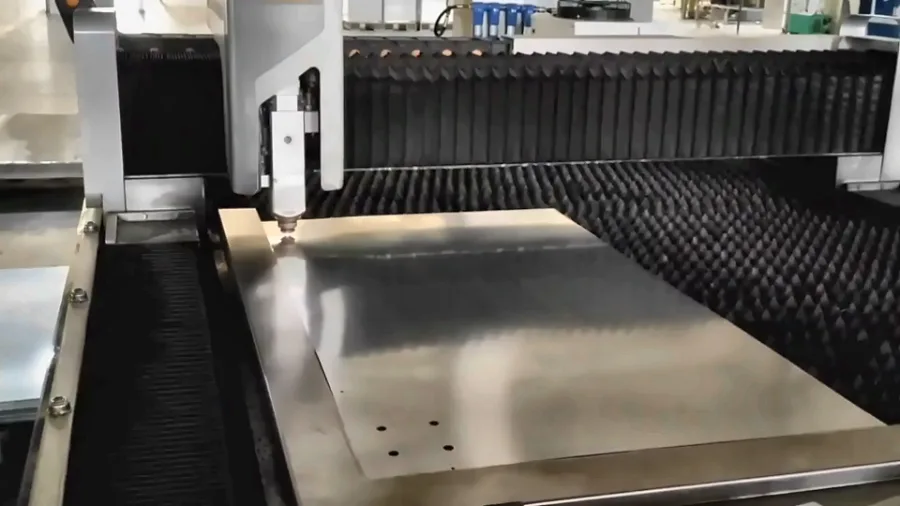
Laser Cutting & CNC Punching Station
High-speed fiber laser cutting and precision CNC punching for intricate component fabrication.
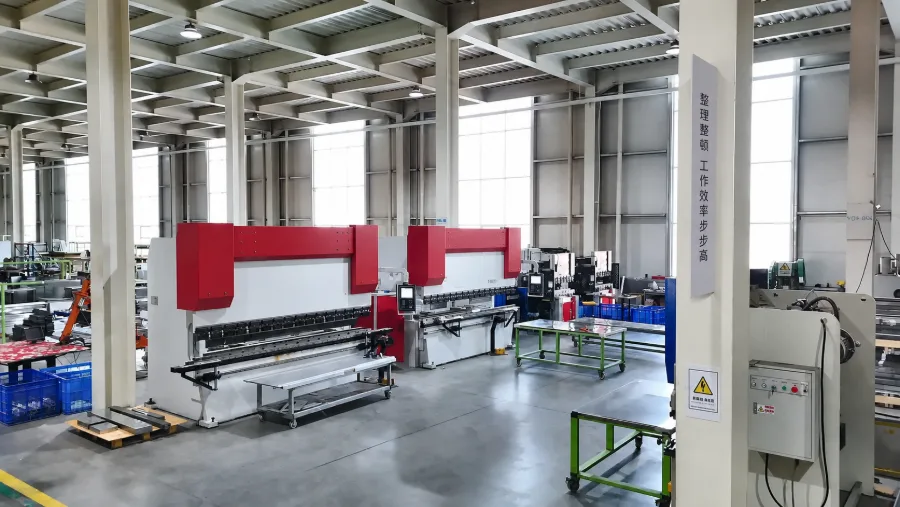
Canadian Heavy-Duty CNC Press Brake
High-tonnage precision press brake for large-format stainless steel sheet forming.
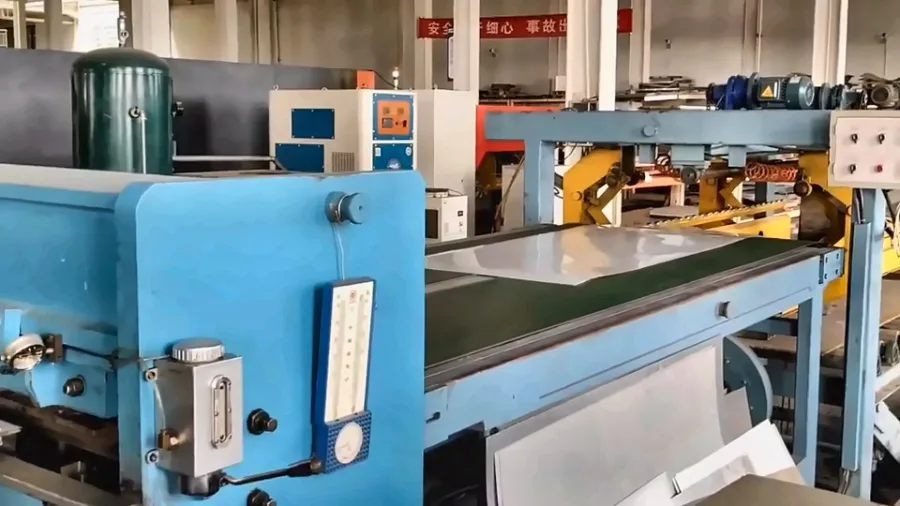
Material Shearing & Cutting Line
Automated heavy-gauge stainless steel shearing and precision raw material sizing.
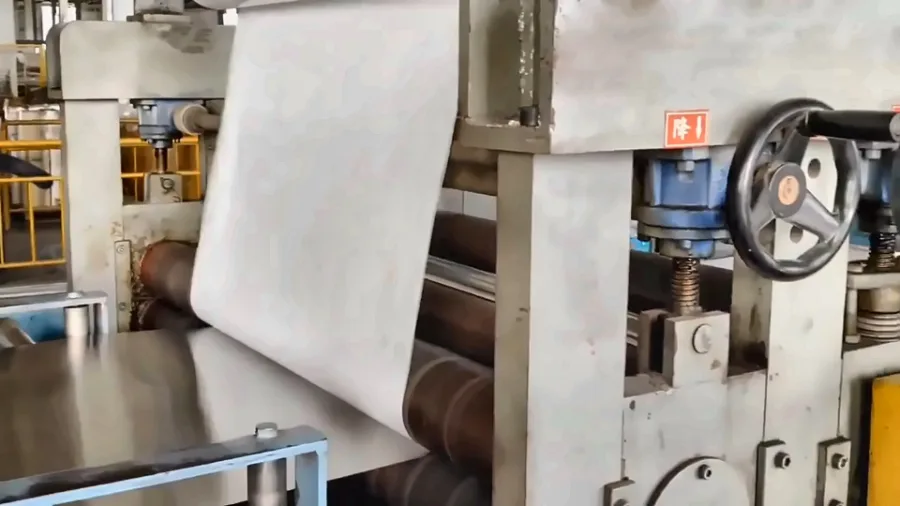
Material Film Laminating Line
Automated surface protection film application to preserve satin and mirror metal finishes.
Explore Popular Kitchen Equipment
Browse equipment that visitors frequently explore, then review the exact model and specifications for your project.
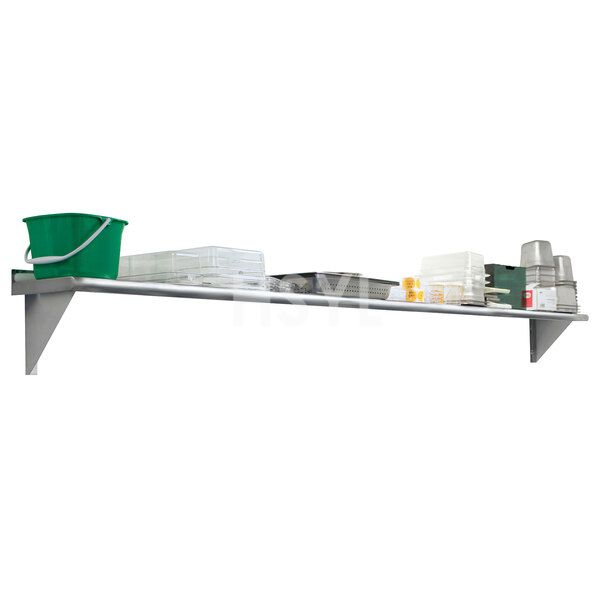
Stainless Steel Wall Shelves
Stainless Steel Wall Shelves for commercial kitchens, fabricated to project dimensions in ...
View product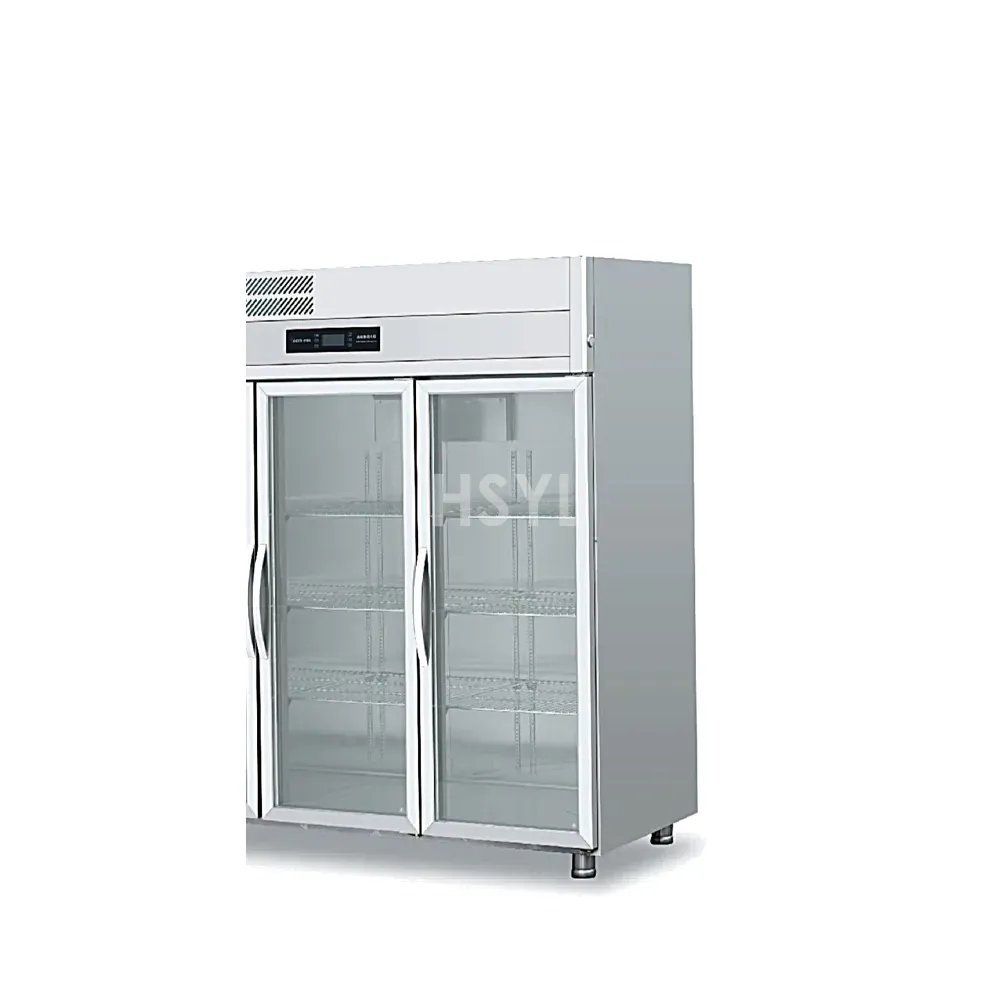
E Series Display Refrigerator Range
Compare E Series display cabinets by door layout, footprint and storage duty. Confirm the ...
View product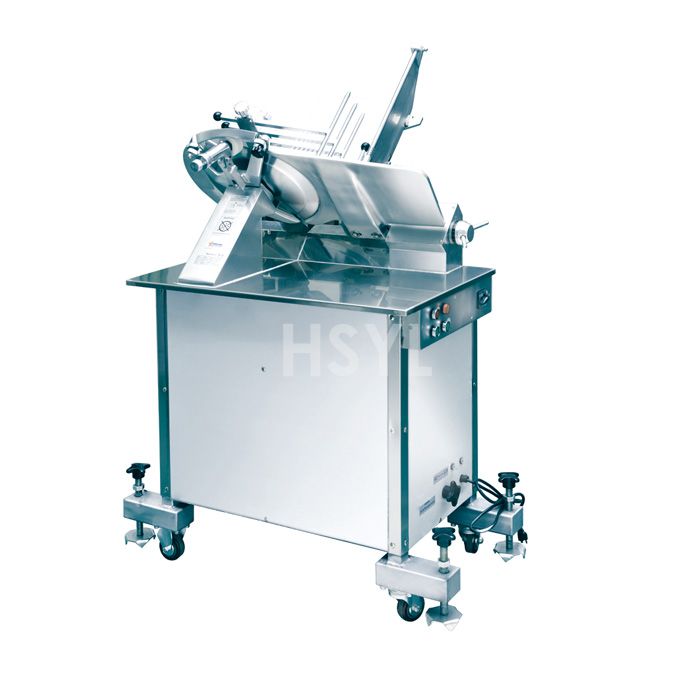
Commercial Meat Slicer-FP-HB-350400
Compare HB-350/400 meat slicers around meat size, slice thickness and production needs. Re...
View product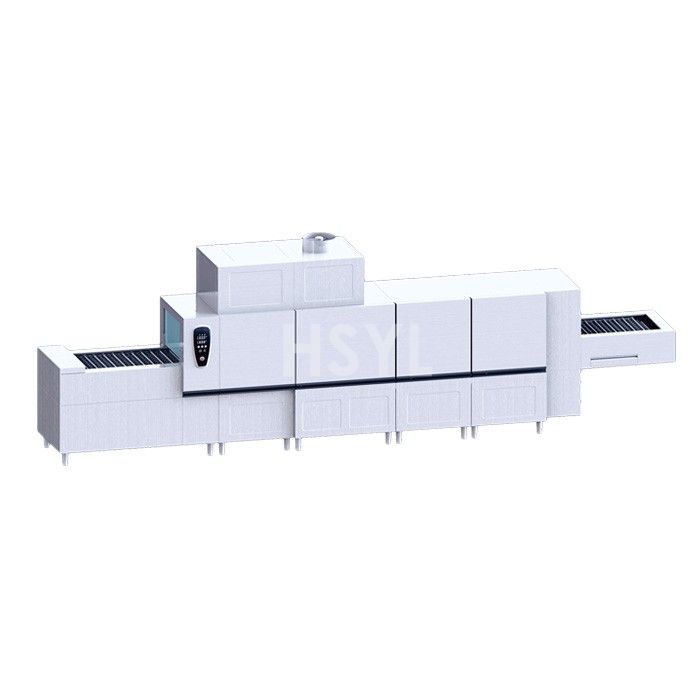
HDW8000L Steam-Heated Commercial Dishwasher
Quick Summary: The HDW8000L Steam-Heated Commercial Dishwasher (Model: CK-HDW8000L) is a h...
View product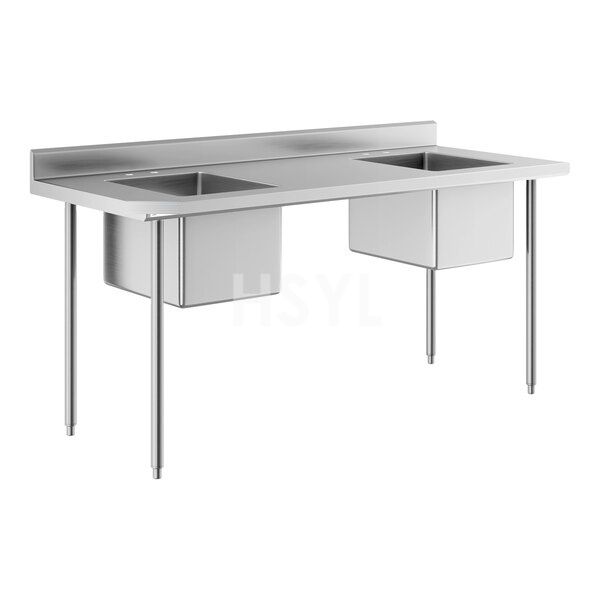
Two-Compartment Commercial Sinks
Two-Compartment Commercial Sinks for commercial kitchens, fabricated to project dimensions...
View product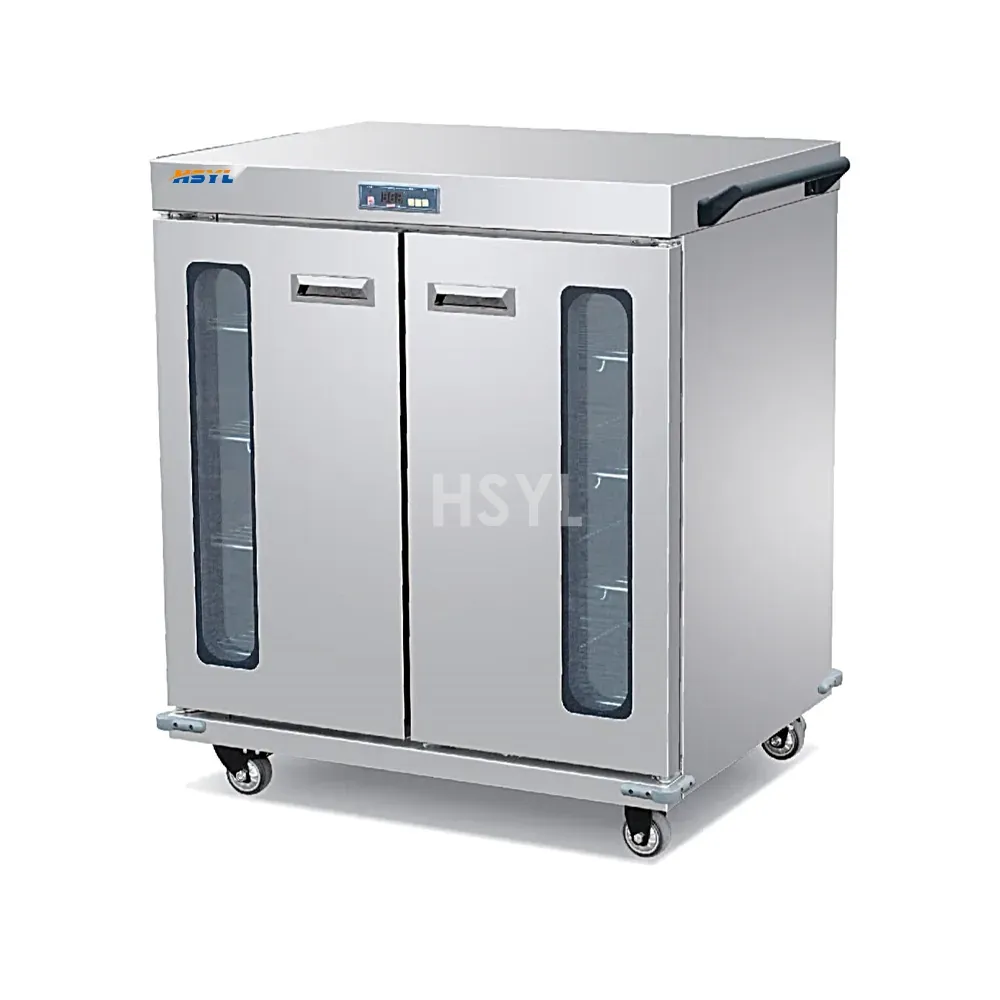
E234-BCW02-11 Horizontal Banquet Cart
Quick Summary: The E234-BCW02-11 Horizontal Banquet Cart-B (Model: SL-E234-BCW02-11) is a ...
View product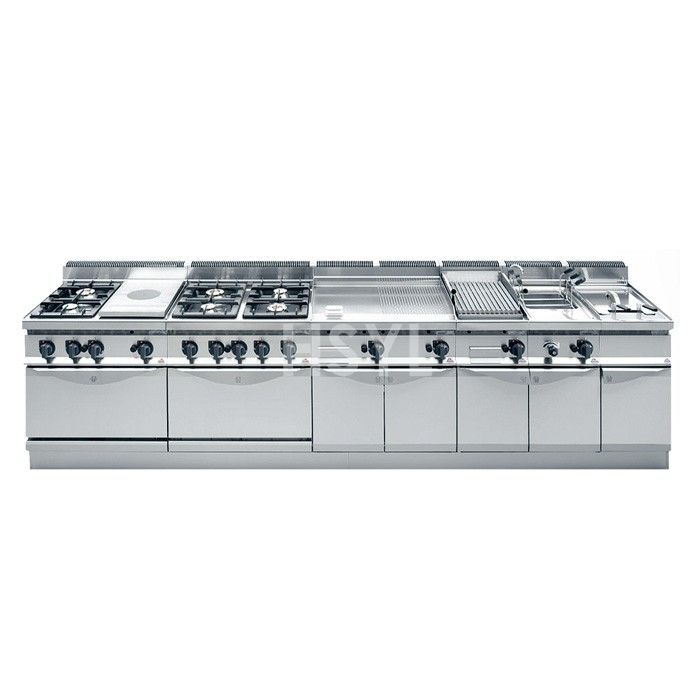
700-Series Combined Western Kitchen Stove
Quick Summary: The 700-Series Combined Western Kitchen Stove (Model: CK-BERTO) is a heavy-...
View product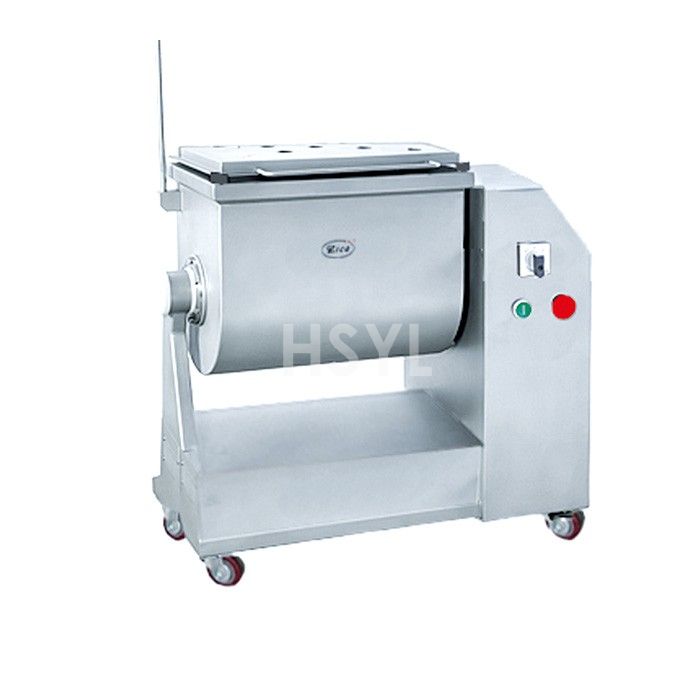
Commercial Meat Mixers
Commercial meat mixers for central kitchens, restaurant prep and meat-processing workstati...
View product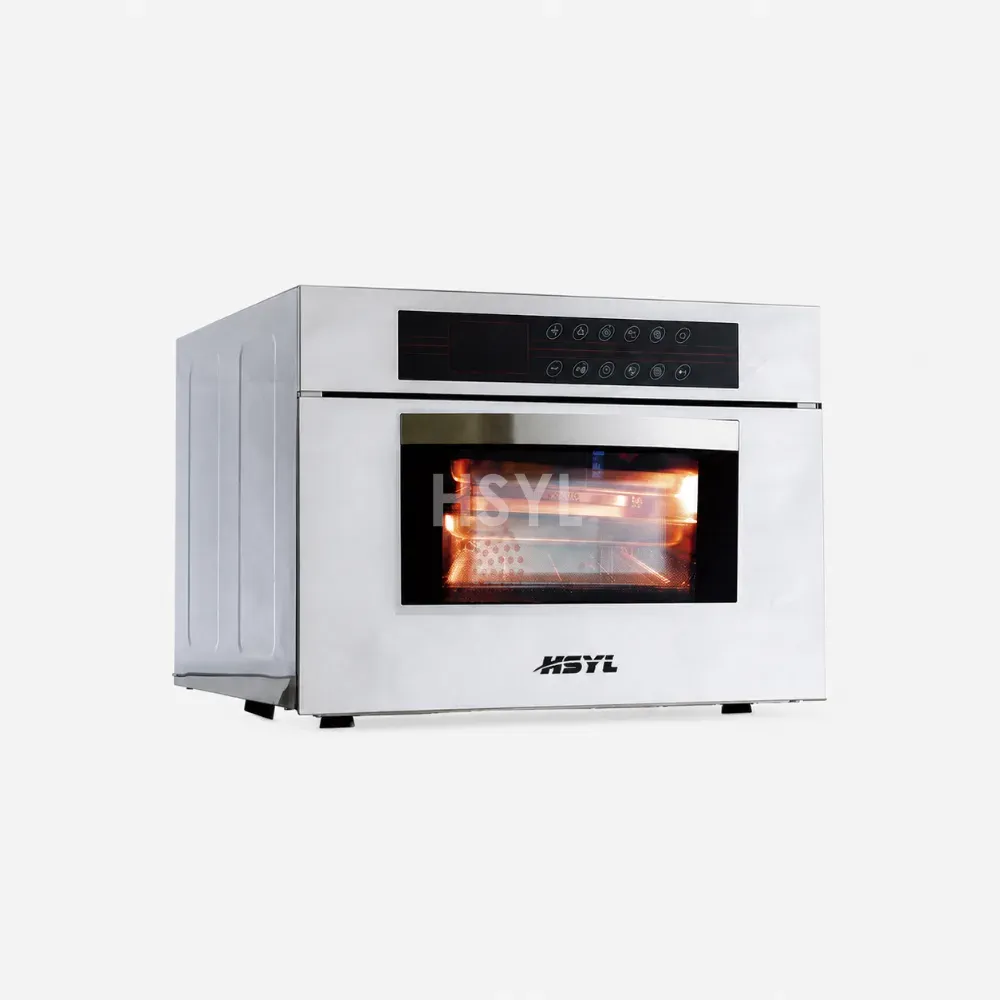
Commercial Ovens for Professional Kitchens
Commercial electric and convection oven solutions for professional kitchens. Review HSYL c...
View product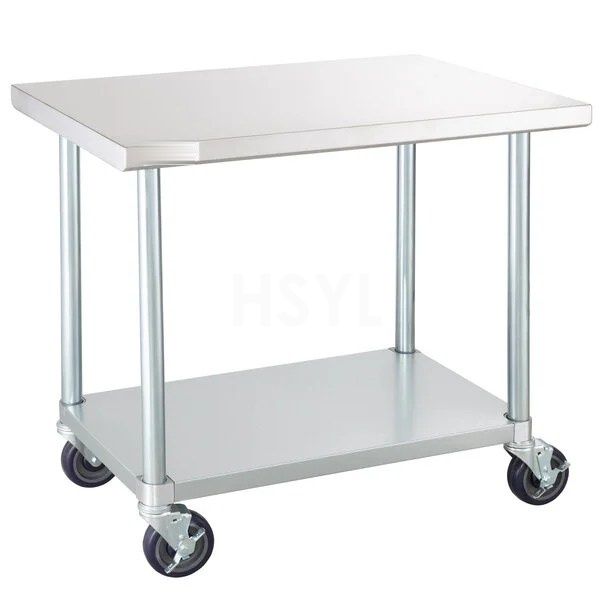
Stainless Steel Kitchen Trolleys
Stainless Steel Kitchen Trolleys for commercial kitchens, fabricated to project dimensions...
View product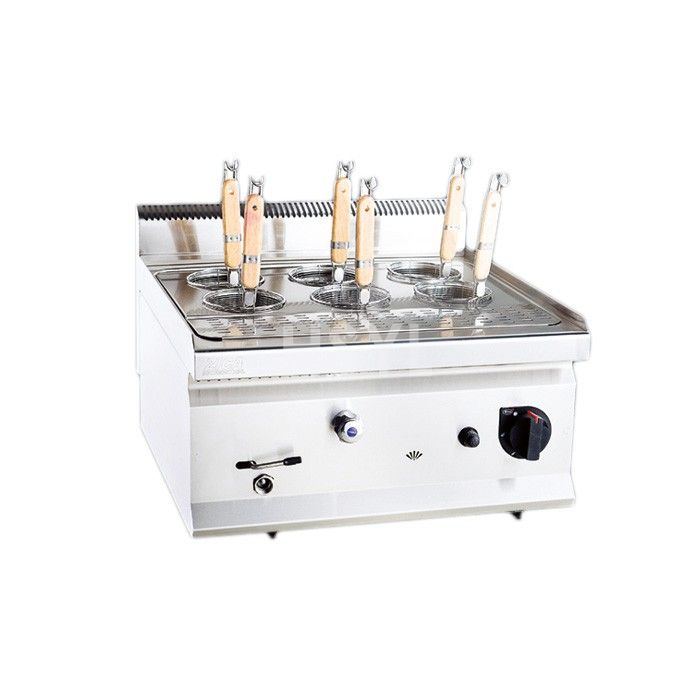
HP Countertop Gas Pasta Cooker Range
Compare HP6035G and HP6060G countertop gas pasta cookers. Review footprint and gas require...
View product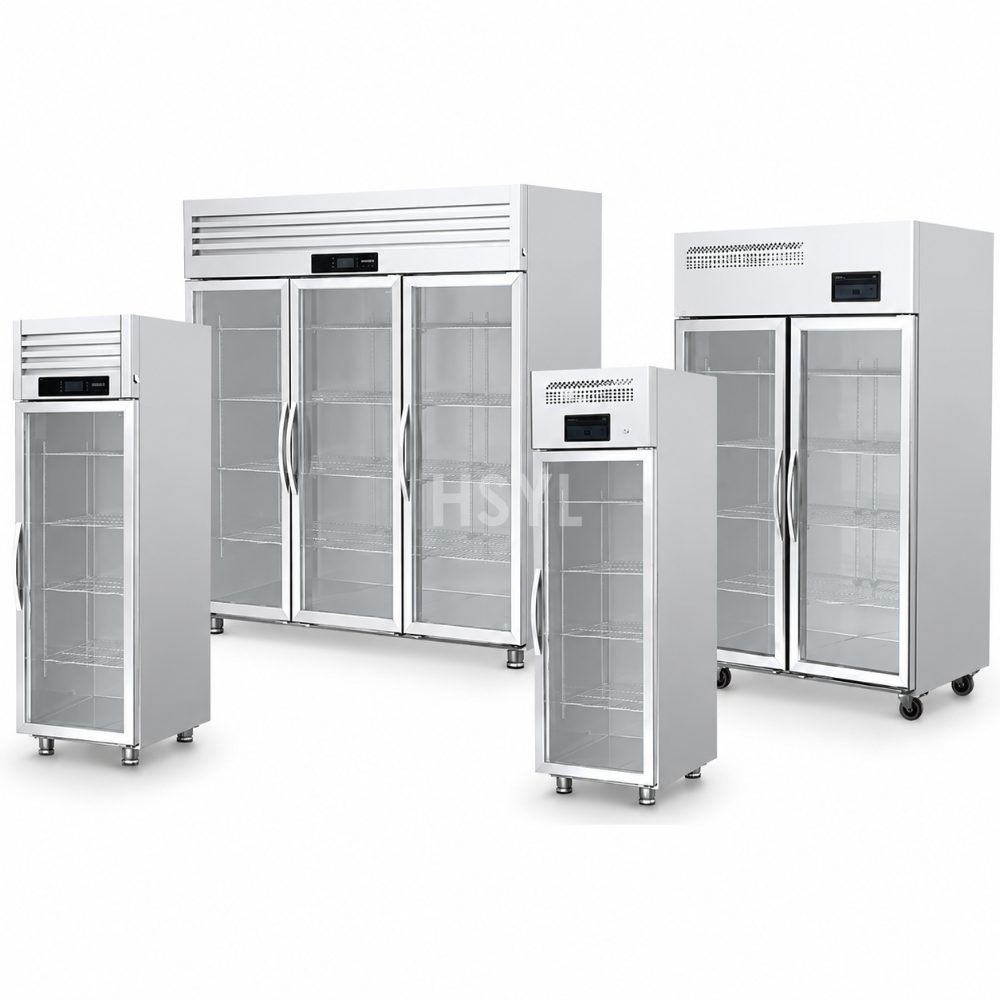
Q and S Series Direct-Cooling Display Cabinet Range
Compare Q and S Series display cabinets for your products and store layout. Confirm temper...
View product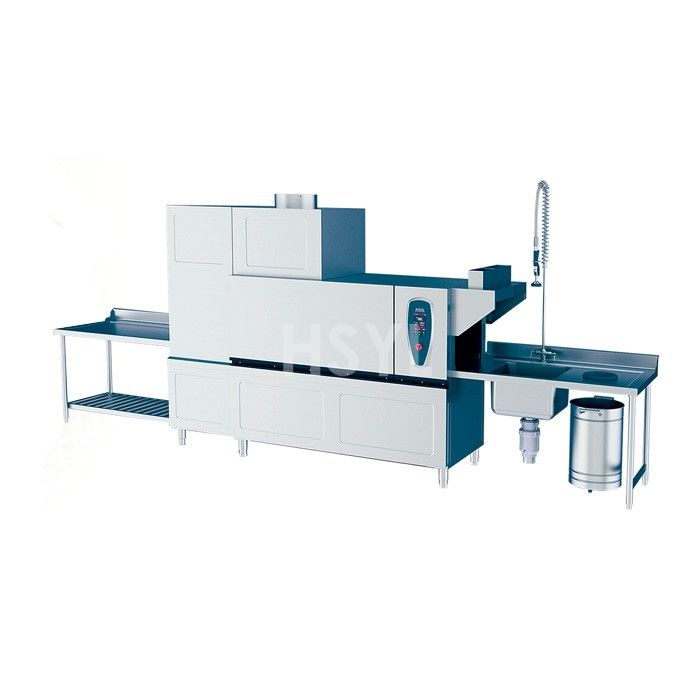
HDW260-EL-R Electric-Heated Commercial Dishwasher
Compare HDW260-EL-R Electric-Heated Commercial Dishwasher capacity, heating, dimensions, u...
View product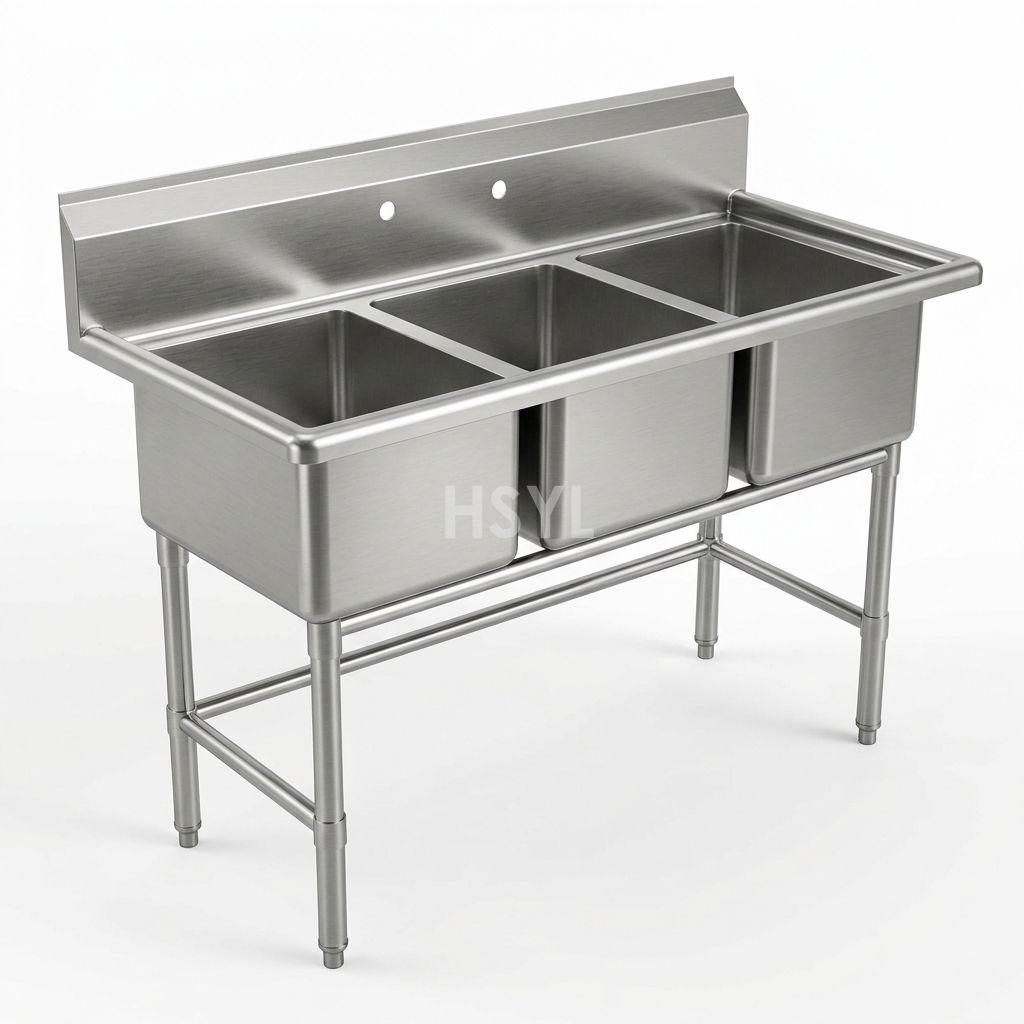
Three-Compartment Commercial Sinks
Three-Compartment Commercial Sinks for commercial kitchens, fabricated to project dimensio...
View product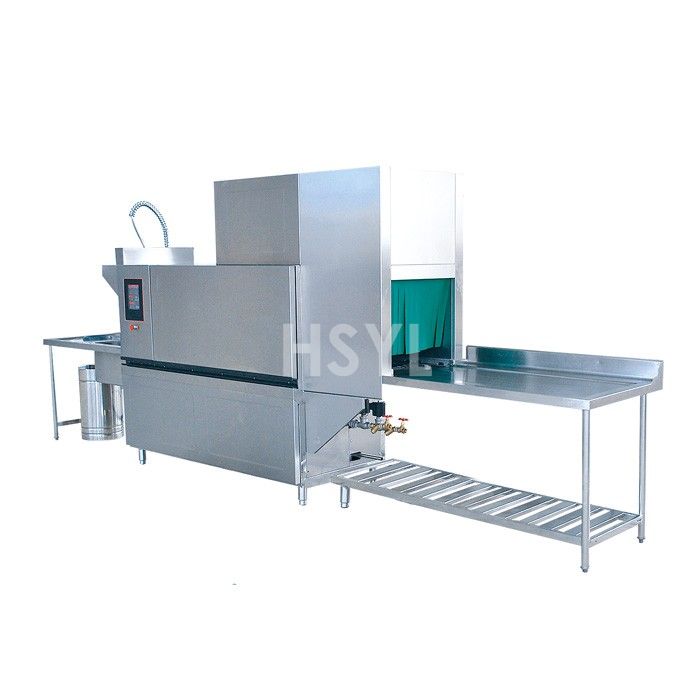
HDW260-SL-R Steam-Heated Commercial Dishwasher
Compare HDW260-SL-R Steam-Heated Commercial Dishwasher capacity, heating, dimensions, util...
View product Stainless Steel Wall Shelf
Plan stainless steel kitchen wall shelves for utensils, containers and clean storage. Spec...
View product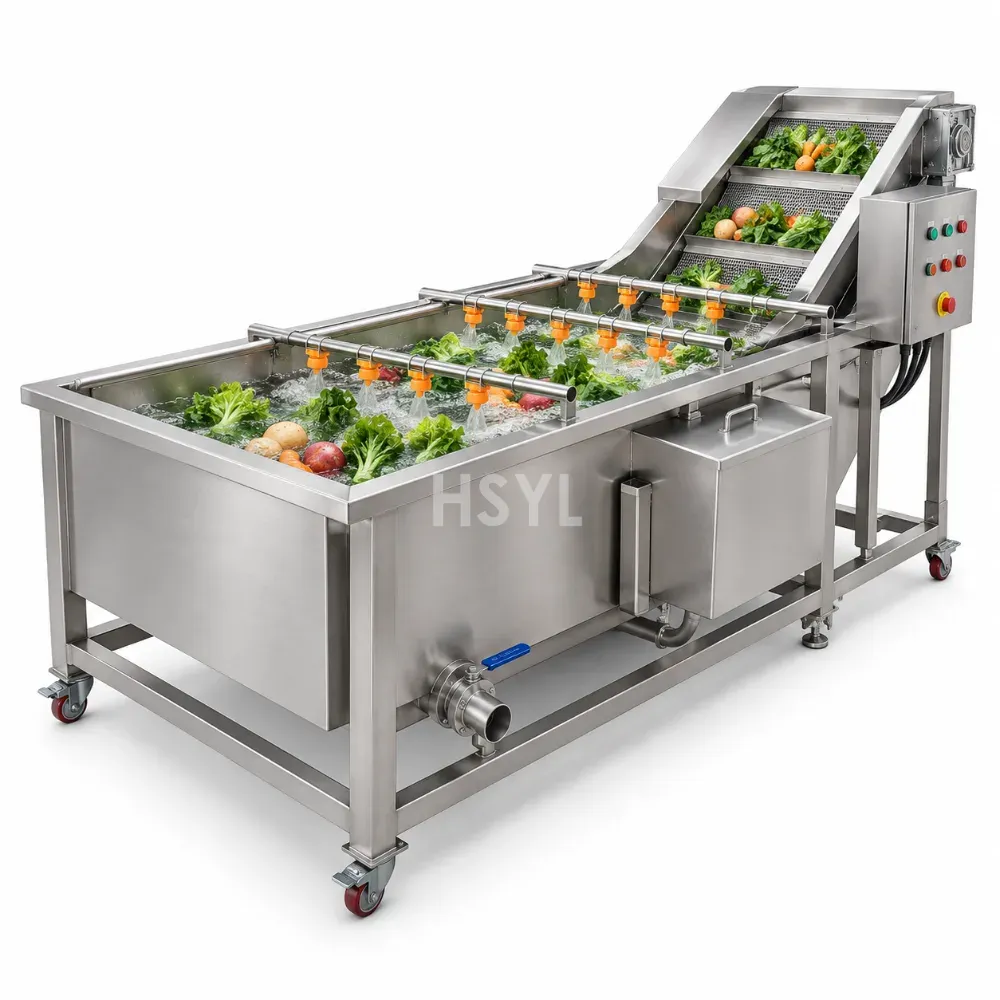
Commercial Vegetable Washers
Commercial Vegetable Washers for central kitchens, food processing plants, canteens and re...
View product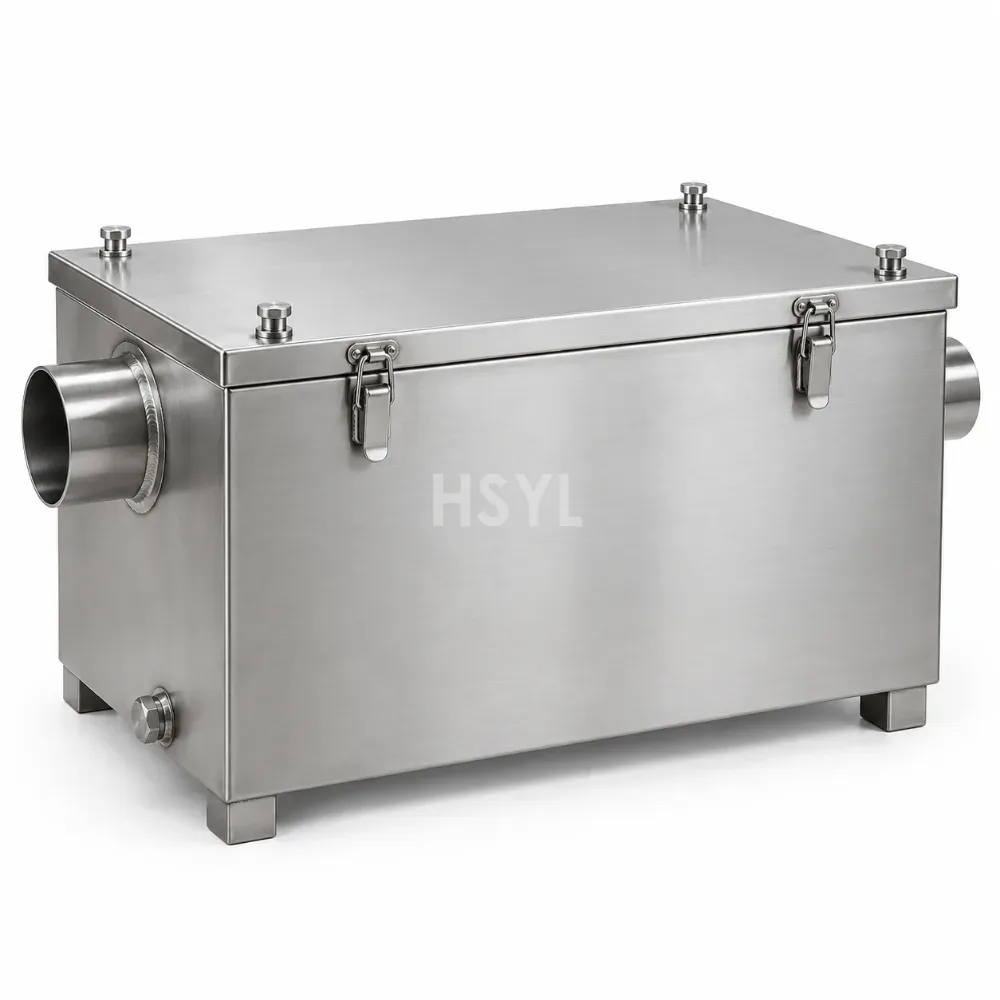
Commercial Grease Traps
Commercial Grease Traps for commercial kitchens, fabricated to project dimensions in AISI ...
View productFrequently Asked Questions
How should a new business build its kitchen equipment list?
Follow the opening-day menu through receiving, storage, preparation, cooking, assembly and cleaning. Assign each task to a defined station, then check the handoffs, utilities and operating space before selecting exact appliance versions.
Is an equipment delivery enough to declare a kitchen ready?
Readiness also requires approved installation, commissioning, staff instruction and a connected service simulation. Reconcile delivered identities and documents with the accepted station schedule and close outstanding snags.
Should future menu equipment be included in the opening budget?
Identify future-menu capacity separately from the stations necessary to operate the accepted opening-day menu. Check shared utilities and layout before committing to additional equipment, and retain the basis for each purchase.
Plan the Equipment Around Your Kitchen.
Share your menu, peak service demand, available space and site utilities. Tell us which equipment you are considering so we can review the requirements with you.