Cheap Commercial Dishwasher Guide
A cheap commercial dishwasher can cost more in maintenance and energy than it saves upfront. Judge low-price models on performance, compliance and service.
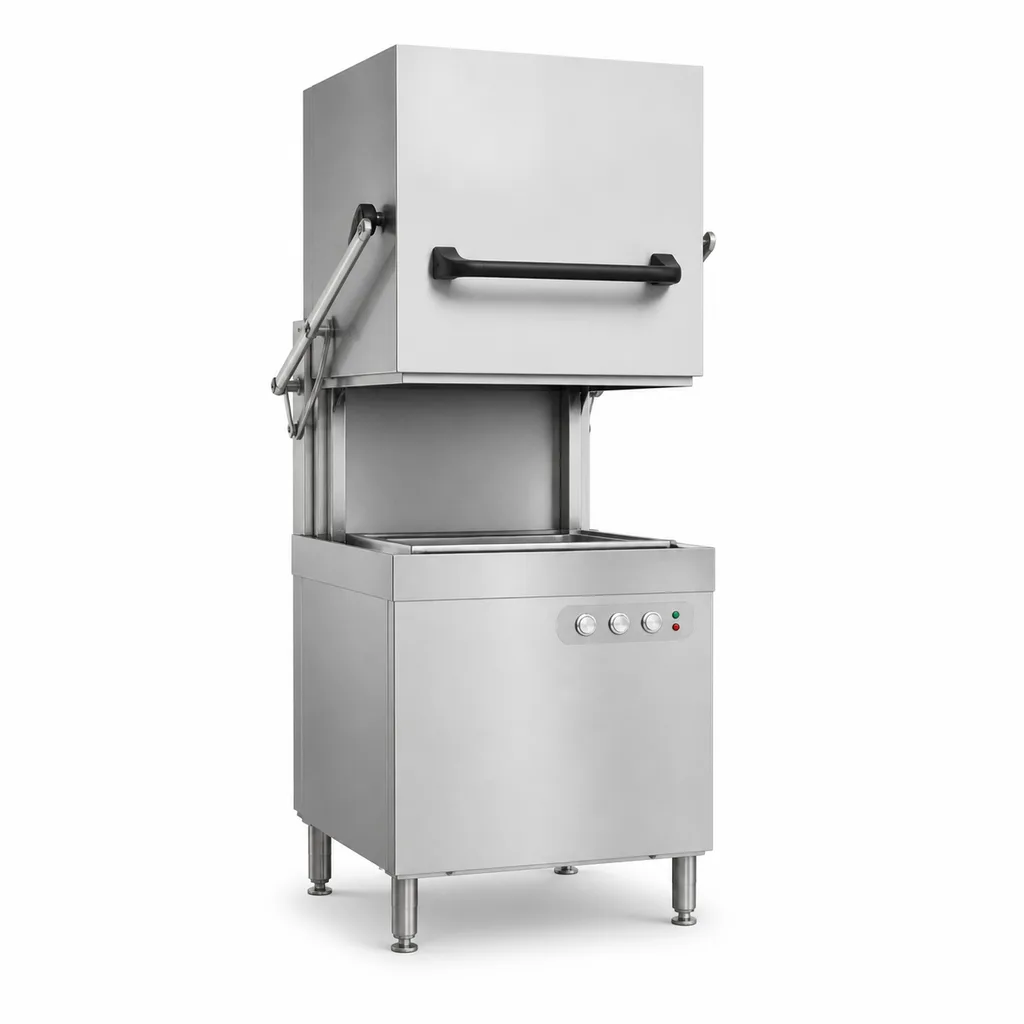
When a cheap commercial dishwasher makes sense
Low-price dishwashers fill a real need for small restaurants, pop-ups, and temporary venues that need basic sanitation without premium features. These machines usually lack heat recovery, quiet pumps, and automated chemical dosing, but they meet NSF/ANSI 3-A or equivalent standards when installed correctly. The risk is not the price itself—it is the hidden cost of poor energy efficiency, short warranty periods, and limited service support. A cheap dishwasher that fails during peak service costs more in lost covers and manual dishwashing labor than a mid-tier machine with a service contract.
Price bands and what you give up
Entry-level undercounter dishwashers run $1,200 to $2,500. Mid-tier units with heat recovery and quieter motors run $3,000 to $6,000. Premium machines with automated chemical dosing and data logging run $7,000 and up. The price gap reflects heating element quality, pump durability, and insulation. Cheap models often use cheaper heating elements that scale faster in hard water and need replacement every two to three years. Cheap pumps are louder and have shorter bearing life.
Energy and water consumption
Cheap dishwashers typically use 1.5 to 2.5 gallons per rack and 2 kWh to 4 kWh per rack. Mid-tier models with heat recovery drop those numbers by 20% to 35%. Over a five-year window, water and energy savings from a mid-tier machine can exceed the purchase price difference. Ask vendors for NSF energy-use data or request a sample utility bill calculation before buying.
Service, warranty, and compliance
Cheap dishwashers often come with one-year warranties and no service-network support. If the heating element fails after 18 months, you may wait six weeks for an overseas replacement. Mid-tier brands stock parts regionally and offer same-day or next-day service in metro areas. Compliance is not negotiable: verify that the machine carries the correct NSF or CE marking for your market, and confirm that the final-rinse temperature meets local health-code requirements. A cheap machine that fails health inspection is the most expensive dishwasher you can buy.
| Feature | Entry-level | Mid-tier |
|---|---|---|
| Price range | $1,200 – $2,500 | $3,000 – $6,000 |
| Heat recovery | No | Yes |
| Warranty | 1 year parts | 2–3 years parts and labor |
| Service network | Limited | Regional coverage |
| Energy use per rack | 2–4 kWh | 1.2–2.5 kWh |
Key takeaway: Buy the cheapest dishwasher that meets your compliance requirements and has local service support. Upgrading to heat recovery and a longer warranty usually pays back within three years through energy and downtime savings.
Installation and water-softening requirements
All commercial dishwashers need a floor drain, a water line, and a power connection. Cheap models often lack built-in water softening, so hard-water regions need an external softener or a weekly acid descaler. Installation errors—undersized drain hoses, wrong water pressure, or missing air gaps—cause more failures than manufacturing defects. Hire a plumber who understands commercial kitchen drainage, not a residential handyman.
Noise levels and ergonomic checks
Cheap dishwashers often generate 70 to 80 dB during operation, which is noticeable in open-plan kitchens and basement prep rooms. Ergonomic issues include doors that open against walls, controls at awkward heights, and heavy crumb trays that are difficult to lift. A $200 noise-dampening pad or a machine with an insulated tank can improve working conditions without changing the purchase price significantly. Ask for dB(A) ratings and request a floor-plan review before finalizing the specification.
Energy efficiency and utility incentives
Some utilities and government agencies offer rebates for installing energy-efficient commercial dishwashers. In the U.S., ENERGY STAR-certified models can qualify for $200 to $500 rebates through local utility programs. In Europe, the Ecodesign Directive sets minimum efficiency standards that exclude the cheapest non-compliant models. Ask your vendor whether the machine qualifies for any incentive program before buying; the rebate can narrow the price gap between entry-level and mid-tier models. Also request NSF energy-use data or a sample utility calculation so you can compare actual water and electricity consumption, not just sticker price.
Browse the full commercial dishwashing equipment range. For hygiene and compliance guidance, see our hygiene and HACCP guidance.
Frequently Asked Questions
Is a cheap commercial dishwasher worth the risk?
A cheap dishwasher can work for small venues if it meets compliance requirements and has local service support. The risk is not the price—it is the hidden cost of downtime, energy inefficiency, and short warranty coverage.
How much does a cheap commercial dishwasher cost installed?
Entry-level undercounter dishwashers cost $1,200 to $2,500 installed. Add ventilation, plumbing, and electrical work if needed. Always request a fully installed quote.
Do I need a water softener with a cheap dishwasher?
Yes. Cheap models often lack built-in softening. In hard-water regions, an external softener or weekly acid descaler is essential to protect the heating element and spray arms.
What warranty should I expect?
Entry-level dishwashers usually carry one-year parts warranties. Mid-tier models offer two to three years parts and labor. Extended warranties are worth considering if the service network is strong.
How do I avoid health-code failures?
Verify NSF or CE marking for your market, confirm final-rinse temperature, and keep daily cleaning logs. A cheap dishwasher that fails inspection costs more than a compliant mid-tier machine.
Plan the Equipment Around Your Kitchen.
Share your menu, peak service demand, available space and site utilities. Tell us which equipment you are considering so we can review the requirements with you.