Commercial Juicer for Sale: Recipe and Condition Buying Guide
Compare extraction methods, recipe yield, complete station labor, new or refurbished condition, parts, cleaning, and offer scope before buying a commercial juicer.
A commercial juicer for sale should be evaluated against the juice recipes, preparation routine, and condition of the machine being offered. The buying task includes choosing an extraction method, proving acceptable beverage yield, and checking everything needed to operate and clean the station. A low advertised price does not establish a complete installation, available replacement parts, or acceptable results with your actual fruit and vegetables.
For juice bars, hotels, restaurants, and catering operations, separate citrus service from mixed produce extraction. Also separate a new machine from a used or refurbished offer. Each can be suitable for a particular task, but their evidence requirements differ. This guide compares the purchase options and provides two original planning tools for recipe trials and condition-adjusted cost.
Match the extractor to the recipe
Begin with the drinks that will actually be sold. Record ingredient condition, peeling and trimming steps, target texture, portion volume, and whether juice is made to order or prepared in a batch. The word juicer covers equipment with different feed arrangements and extraction mechanisms. A machine that performs well with peeled citrus is not automatically appropriate for fibrous greens, hard vegetables, or sugarcane.
Distinguish juice extraction from blending. A blender generally produces a different beverage structure because the ingredients remain in the drink unless another separation step is added. If the recipe depends on filtered juice, specify that finished result. Do not choose by a photograph of a beverage or use a blender demonstration as proof of extractor yield.
Fruit preparation belongs in the process measurement. Weigh purchased ingredients, prepared feed, rejected material, and accepted beverage separately. A machine-only demonstration can hide a substantial peeling, cutting, feeding, or filtering task. Describe which preparation operations are included when comparing proposed machines or quoting labor for a juice station.
| Equipment route | Suitable buying question | Process boundary to check | Demonstration requirement |
|---|---|---|---|
| Manual or powered citrus reamer | Is the menu focused on citrus made at the station? | Cutting, reaming, pulp control, and operator handling | Test fruit sizes and beverage texture with the actual service routine |
| Automatic whole-fruit citrus machine | Does repeated citrus service justify automated feeding? | Permitted fruit size, peel handling, waste removal, and cleaning | Run representative fruit and inspect the complete waste and cleaning cycle |
| Centrifugal produce extractor | Can the proposed machine process the required mixed produce? | Preparation, feed limits, screen handling, and pulp collection | Measure accepted beverage from the named recipe under repeated loading |
| Auger or slow-extraction machine | Is the intended menu compatible with its feed and extraction method? | Ingredient restrictions, preparation, reverse or clearing procedure, and cleaning | Test the complete recipe rather than a single easy ingredient |
| Grinding and pressing system | Is batch production part of the operating plan? | Grinding, loading, pressing, filtration, containers, and sanitation | Include the whole system and all transfers in the production trial |
| Specialized extractor | Does the menu include materials needing a dedicated machine? | Allowed ingredients, guarded feed system, and product handling | Require manufacturer documentation and a representative ingredient trial |
Choose the route before comparing advertised outputs. Figures for citrus pieces, feed mass, pressed juice, and finished drink portions describe different things. Even two machines described as cold press may involve different preparation and pressing steps. A comparison needs a shared ingredient recipe, accepted beverage definition, and full time boundary.
Define acceptable beverage yield
The useful yield is accepted beverage produced from a clearly identified input. Record the starting mass and condition of the ingredient. If one test uses purchased fruit and another uses already peeled fruit, their percentages cannot be compared directly. Keep the preparation yield separate so that procurement, kitchen preparation, and extraction decisions remain visible.
Set beverage acceptance criteria before the trial. Agree the permissible pulp content, visible defects, flavor evaluation method, and any recipe-specific filtering step. Record the required serving container and portion volume. Foam, retained pulp, and rejected liquid should not be silently included as saleable juice if they do not meet the intended drink specification.
Repeat the recipe with normal ingredient variation. Ripeness, size, storage condition, and supplier differences can alter preparation and extraction. Include the difficult ingredients in the menu instead of demonstrating only those that are easy to feed. Record the exact machine configuration and accessories so that a successful trial can be linked to the offered unit.
| Record | What the buyer measures | Why it affects the purchase |
|---|---|---|
| Purchased input | Ingredient identity, mass, condition, and supplier batch | Establishes the procurement boundary |
| Prepared feed | Mass after peeling, trimming, cutting, or other required preparation | Separates preparation losses from extraction losses |
| Accepted beverage | Volume or mass meeting the agreed recipe specification | Provides the saleable output denominator |
| Rejected and retained material | Pulp, peel, rejected beverage, and material left in the machine | Explains where the input went |
| Complete cycle | Preparation, extraction, transfer, waste removal, and required changeover | Prevents a machine-only timing result from describing the whole station |
Planning calculations: preparation yield equals prepared feed divided by purchased input. Extraction yield equals accepted beverage mass divided by prepared feed mass when both are measured in matching units. Keep volume-based beverage results separately identified.
Measure service speed as well as yield. Include an order sequence that represents the drinks customers request together. A high batch yield may be unsuitable for a made-to-order queue if assembly, feeding, or cleaning creates delays. Conversely, a fast individual drink demonstration may not establish suitability for a morning batch production routine.
Check the complete station and operator routine
Mark the counter space needed for ingredients, cutting, the machine, beverage collection, waste, and clean parts. Include access for removing feed and extraction components. A compact footprint in a product listing may refer only to the assembled appliance; the operating station can require more area during preparation and cleaning.
Evaluate how pulp and peel leave the station. Record the receptacle arrangement, emptying procedure, and interruption needed to remove waste. A larger receptacle is useful only if it fits safely in the layout and can be handled by the team. Keep waste movement away from clean beverage containers and the finished service route.
Review the feeding instructions and guarding. The intended ingredient preparation must fit the approved feed arrangement. A larger opening is not permission for an operator to reach into moving components or feed prohibited material. Require the correct pusher and other operating accessories. Demonstrate stopping, disassembly, and reassembly using the supplied instructions.
Electrical suitability requires the exact version. Confirm voltage, frequency, phase, rated requirements, connection arrangement, and applicable protection with the supplier and installer. A global brand can offer different regional models. The version demonstrated or listed on another market's website does not establish suitability for the machine being ordered.
Separate juice service from a factory process
Distinguish countertop extraction for drinks made to order from a separately scheduled batch press. Compare ingredient preparation, accepted beverage yield, pulp handling and the complete recipe changeover for the actual process. The word industrial does not establish continuous factory production, unattended feeding or a verified output rate. A request involving bottle filling, shelf-life assessment, storage or a processing line needs a separately defined process and evidence for each stage. Do not assign those duties to a juice-bar machine because its catalog label sounds large. Keep the receiving container, transfer method and responsibility for the next operation on the enquiry.
New, used, or refurbished: compare the offered condition
A new machine quotation should identify the model revision, included accessories, commercial-use scope, installation needs, and documentation supplied. Verify any warranty terms in writing, including who handles service at the destination. Do not transfer a warranty or delivery statement from another seller's page to an HSYL quotation.
For used equipment, request identification-plate photographs, service history where available, and a list of missing or replaced parts. Inspect feed components, extraction surfaces, seals, screens, fasteners, guards, and electrical parts using a competent service procedure. Cosmetic appearance alone does not establish food-contact condition or mechanical suitability.
Refurbished is a description that needs a defined scope. Ask which components were inspected, repaired, replaced, and functionally tested. Obtain the test record and the identity of the responsible service provider. A statement that a machine is restored to like-new condition does not explain whether its extraction parts, safety systems, or cleaning interfaces were renewed.
Confirm the availability of the parts that wear or are removed frequently. Record their exact identifiers, compatible revisions, replacement cost, and supply conditions. An inexpensive used offer can become impractical if a specific screen, seal, cutter, or guarded feed component cannot be obtained. A generic claim that parts are available is weaker than an identified supply route.
Cleaning, recipe changeover, and food controls
Obtain the cleaning procedure before purchase. Identify the parts that require removal, permitted detergents, prohibited methods, and the checks required before restarting. Time a complete routine with the staff who will perform it. Do not equate a rinse demonstration with a validated sanitation process or assume that a detachable part is dishwasher safe.
Test changes between recipes that have different ingredient or allergen profiles. Include draining, disassembly where required, cleaning, reassembly, and any preparation of clean containers. Record retained material and hard-to-inspect areas. Purchase suitability depends on whether the operating team can follow the required procedure within the planned service schedule.
The juicer is only one element of food control. Ingredient receiving, washing where appropriate, hygienic preparation, time and temperature management, packaging, and distribution need their own procedures. The FDA juice HACCP resource describes a United States regulatory program; determine its applicability to the actual business with qualified local guidance. Owning commercial equipment does not itself establish compliance with a food production program.
Requirements differ between on-site retail service, packaged juice production, and distribution to other businesses. For EU, UK, or other markets, confirm the local food business obligations and equipment conformity route independently. Keep appliance documentation separate from any process validation required for the drink operation. Avoid a universal statement that a particular juicer makes all juice legally saleable.
Calculate condition-adjusted purchase cost
Compare offers using the same recipes and station workload. Include the machine, required accessories, preparation equipment, containers, freight, installation, and any initial service work. Identify taxes and import responsibilities in the quotation. An online price without this scope is an offer component, not the total cost of a working juice station.
Use measured labor and accepted output in the operating comparison. Count preparation, feed handling, collection, waste removal, cleaning, and changeover. Keep measured electrical consumption distinct from rated power. The economical option is evaluated against the chosen service period and accepted drink specification; it cannot be established from a universal energy or yield percentage.
| Comparison item | New offer record | Used or refurbished offer record | Decision evidence |
|---|---|---|---|
| Delivered configuration | Model revision, feed parts, extraction parts, and accessories | Actual serial identity and complete supplied parts | Matches the equipment demonstrated |
| Initial expenditure | Equipment, freight, installation, and commissioning | Purchase plus documented repairs and replacement parts | Itemized cost for a usable station |
| Operating routine | Measured complete recipe and cleaning cycle | Same recipe and cleaning cycle on the offered condition | Accepted beverage and operator time under matching conditions |
| Service exposure | Written support scope and identified replacement parts | Inspection findings, parts compatibility, and written support scope | Named responsibilities and actual parts supply route |
| Acceptance | Agreed test and delivery document list | Condition inspection plus the agreed beverage test | Unresolved defects listed before order approval |
Planning denominator: evaluated operating-period cost divided by accepted drink portions. State the portion volume, recipe mix, period, and included costs. Keep refurbishment expenditure visible rather than hiding it inside an assumed resale value.
Send a quotation request that can be answered
Send HSYL the destination, menu recipes, ingredient preparation, intended made-to-order or batch routine, required portion format, and available electrical service. Include the station layout and the cleaning schedule. Ask the supplier to identify a documented machine configuration and explain any ingredients or operating conditions excluded from its intended use.
Request the model-specific operating instructions, food-contact documentation appropriate to the destination, included accessories, parts list, service arrangement, and itemized offer. Agree a representative recipe trial and the accepted beverage measurement. Confirm availability and delivery conditions in the written offer rather than treating a search result or catalog entry as proof of current stock.
This article does not assign an HSYL juicer a yield, processing rate, certification, or continuous-duty capability. Those claims require the exact model documents and a trial under the stated recipe conditions. Approve the final unit when its extraction route, offered condition, complete station cost, and service evidence match the purchasing task.
Related Kitchen Products
Selected from the catalogue against the keywords of this page, then reviewed with your duty cycle, utilities and site conditions before quotation.
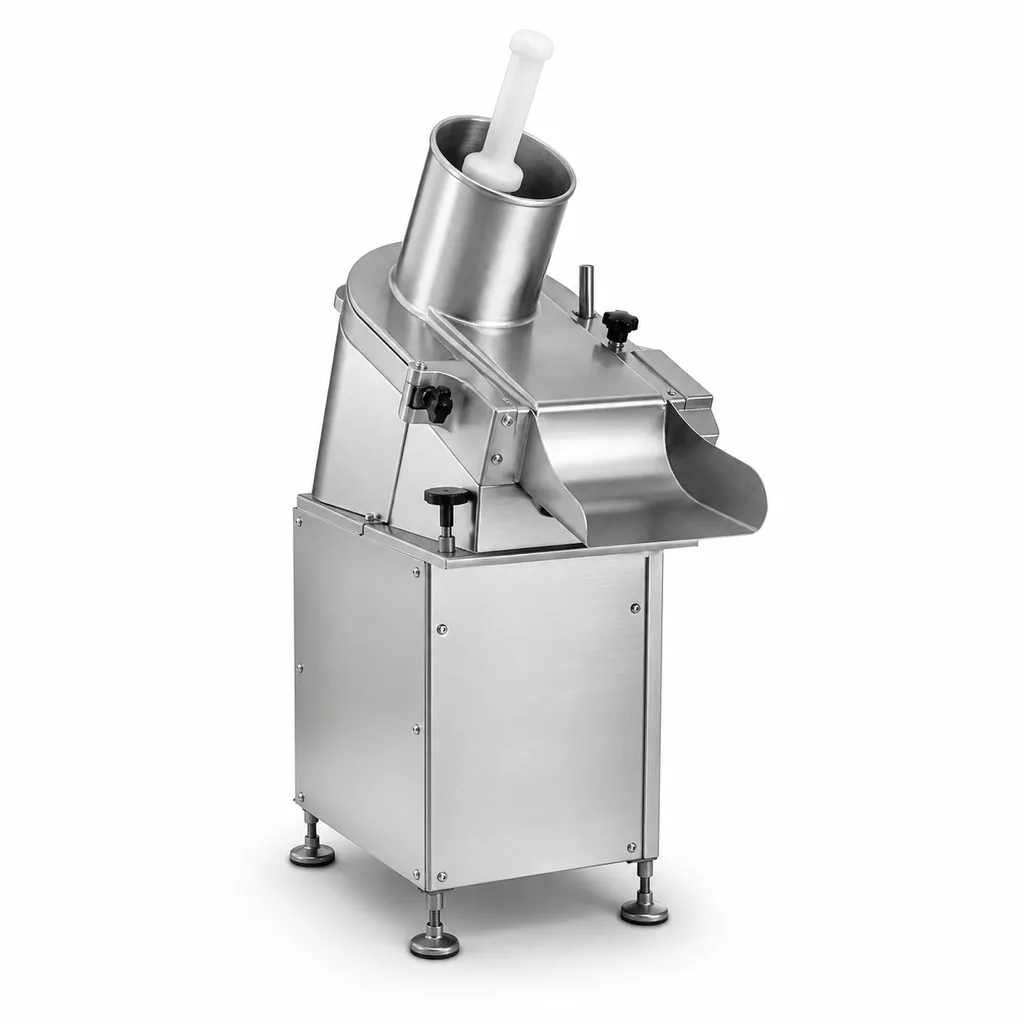
Engineering-Led Commercial Kitchen Manufacturing
HSYL Kitchen Systems designs and produces heavy-duty commercial kitchen equipment for central kitchens, hotels, canteens, hospitals and high-capacity restaurants. Our goal is to provide precise equipment matching, documented quality gates and verified delivery for global foodservice operations.
- Food-grade SUS304 & SUS316 stainless steel construction
- Custom engineering layout & CAD drawing support
- Multi-stage factory quality control & FAT testing
- Factory-direct supply chain with spare parts backup
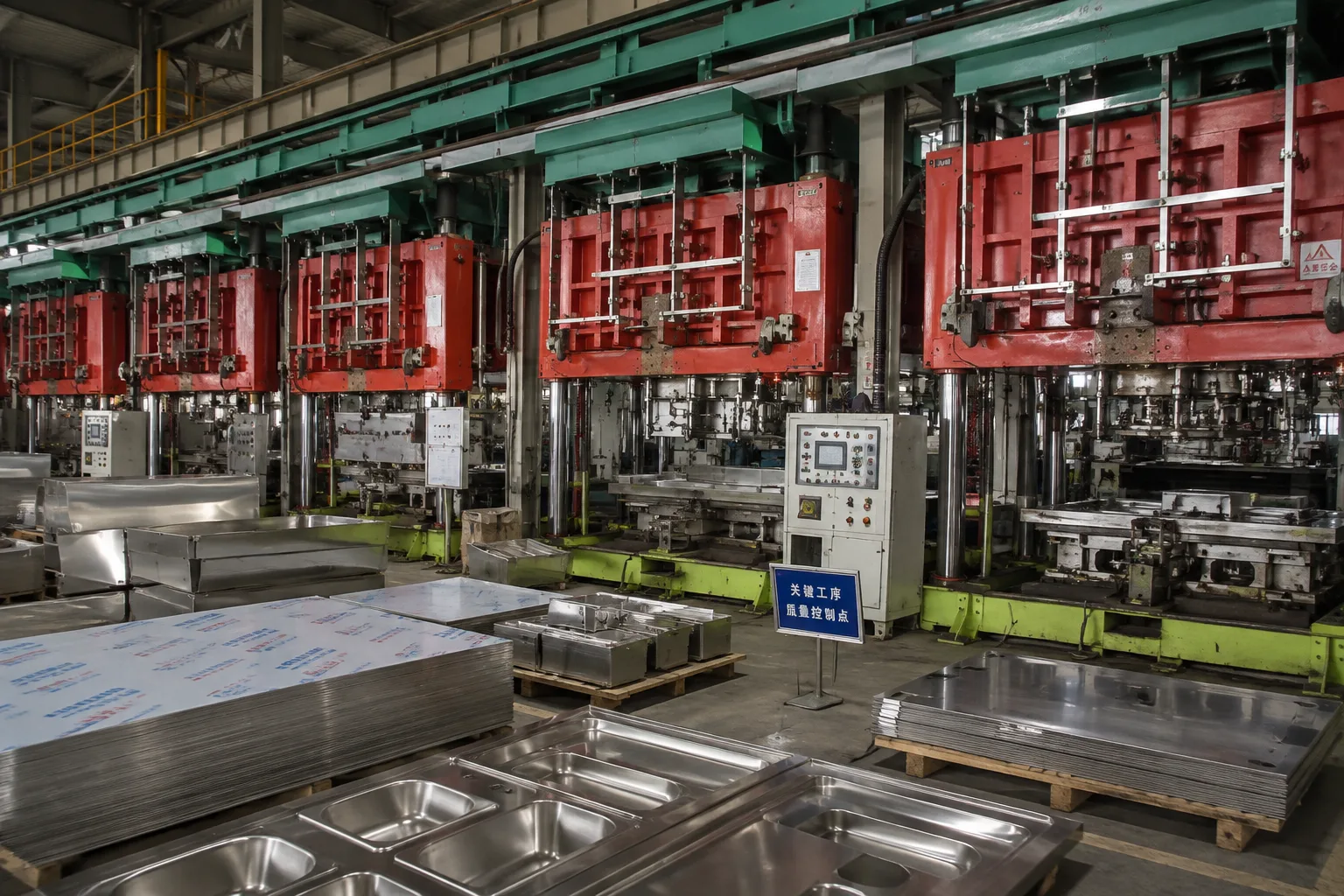
Advanced OEM Processing Equipment & Lines
Equipped with world-class automated sheet metal processing, precision bending centers, thermal foaming lines, and vacuum test rigs to support high-volume commercial kitchen OEM/ODM manufacturing.
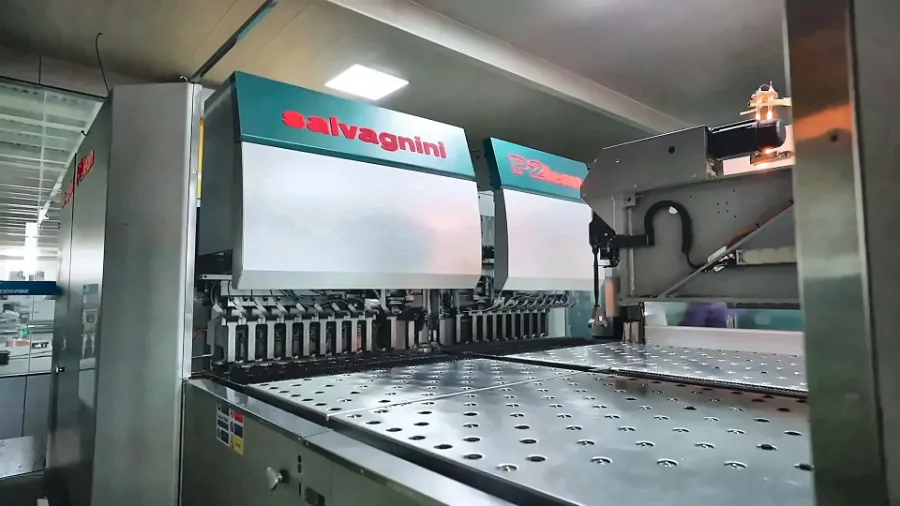
Italian Salvagnini Panel Bending Center
Automated sheet metal bending system for seamless cabinet fabrication and tight structural tolerances.
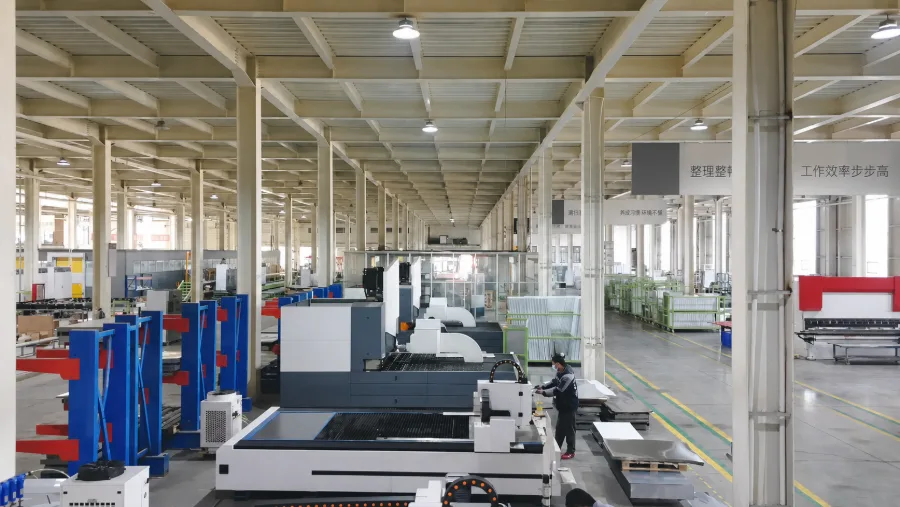
Automated Bending & Laser Cutting Line
Integrated flexible processing line combining fiber laser cutting and multi-axis CNC bending.
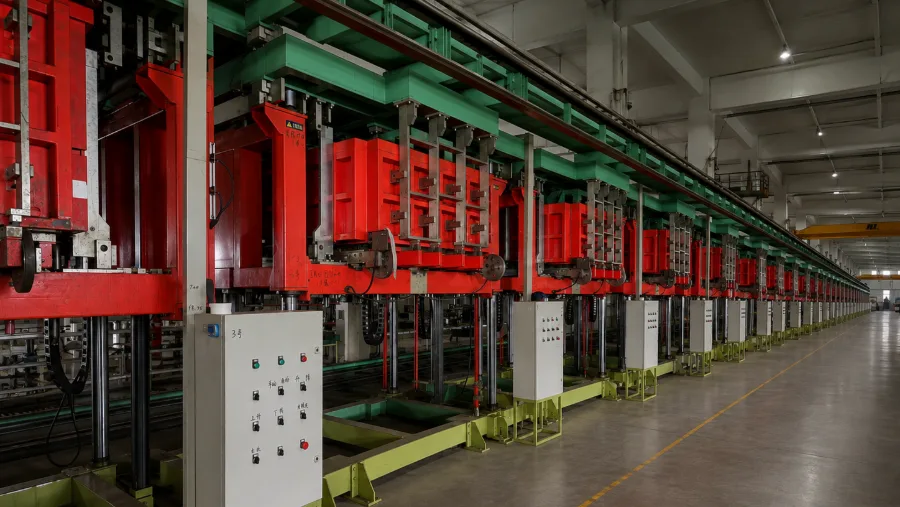
Constant-Temperature Foaming Line
Continuous polyurethane thermal insulation foaming line ensuring uniform core density.
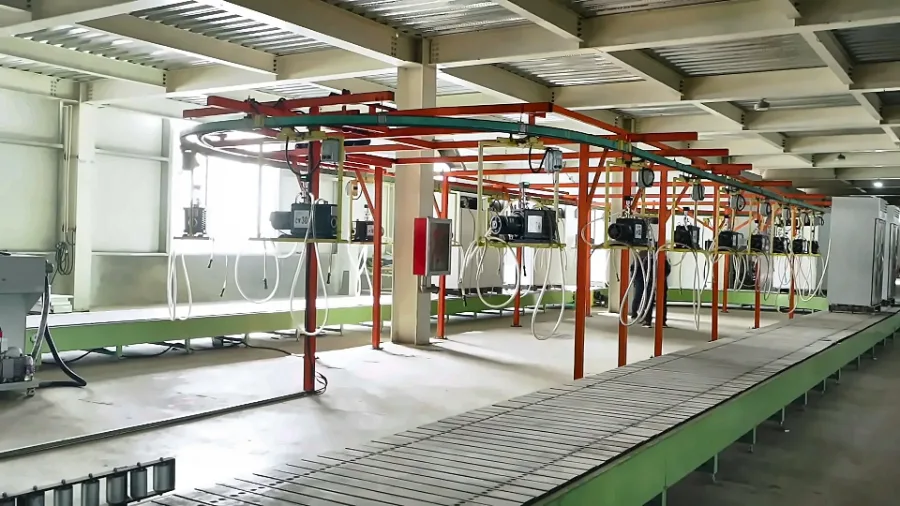
Vacuum Extraction & Testing Line
High-vacuum circuit evacuation and automated leak detection for commercial cooling systems.
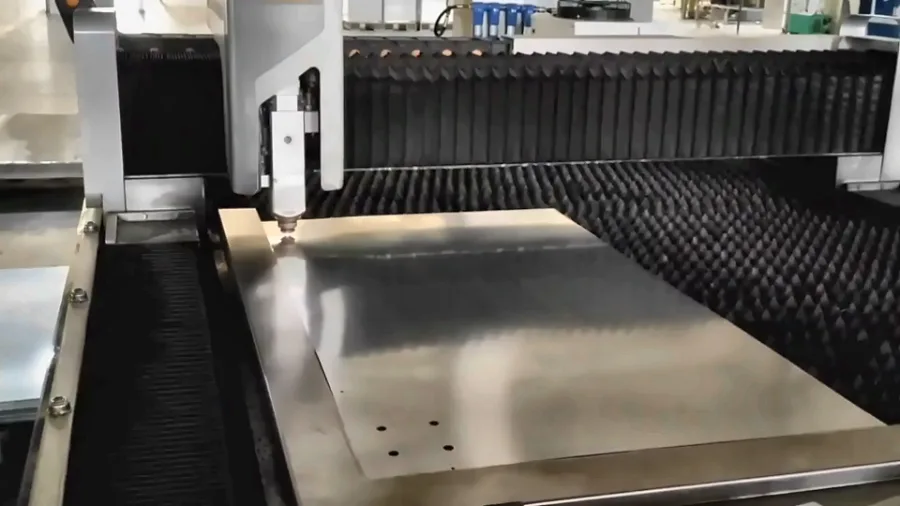
Laser Cutting & CNC Punching Station
High-speed fiber laser cutting and precision CNC punching for intricate component fabrication.
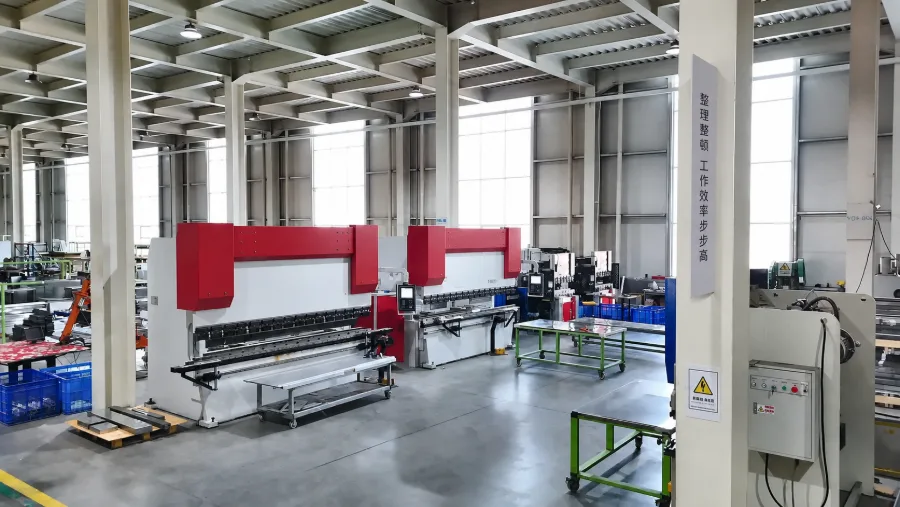
Canadian Heavy-Duty CNC Press Brake
High-tonnage precision press brake for large-format stainless steel sheet forming.
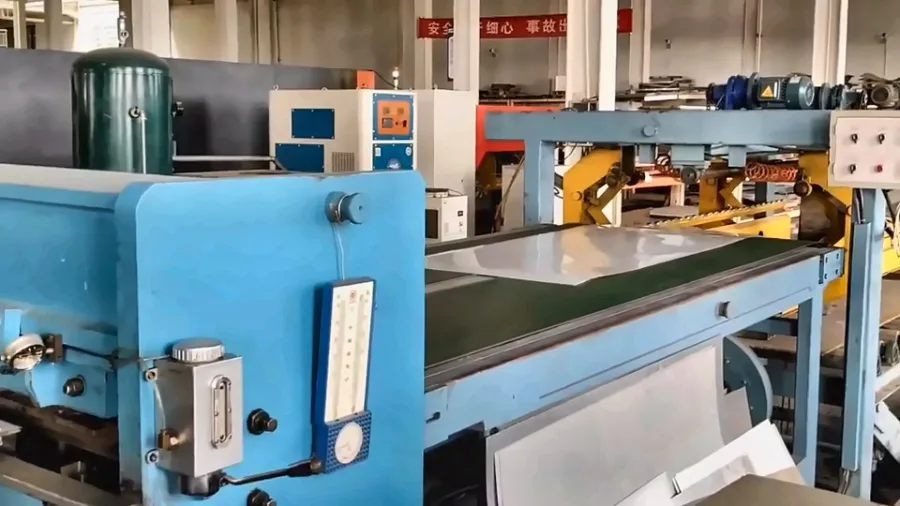
Material Shearing & Cutting Line
Automated heavy-gauge stainless steel shearing and precision raw material sizing.
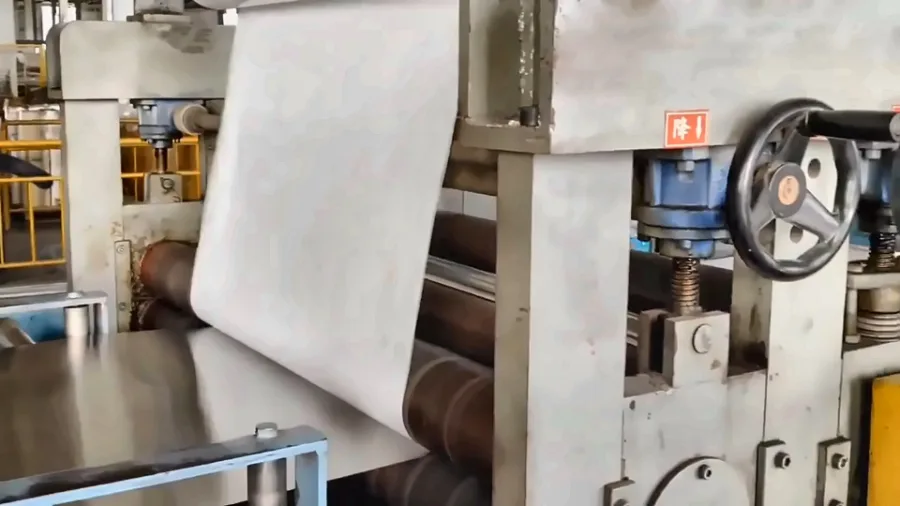
Material Film Laminating Line
Automated surface protection film application to preserve satin and mirror metal finishes.
Explore Popular Kitchen Equipment
Browse equipment that visitors frequently explore, then review the exact model and specifications for your project.
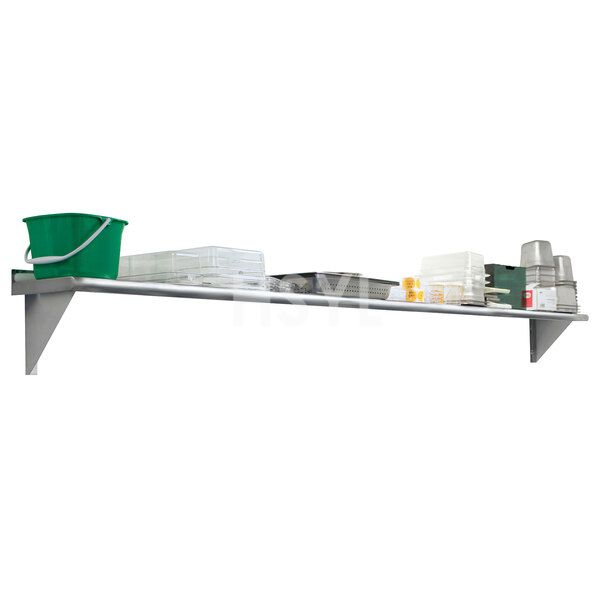
Stainless Steel Wall Shelves
Stainless Steel Wall Shelves for commercial kitchens, fabricated to project dimensions in ...
View product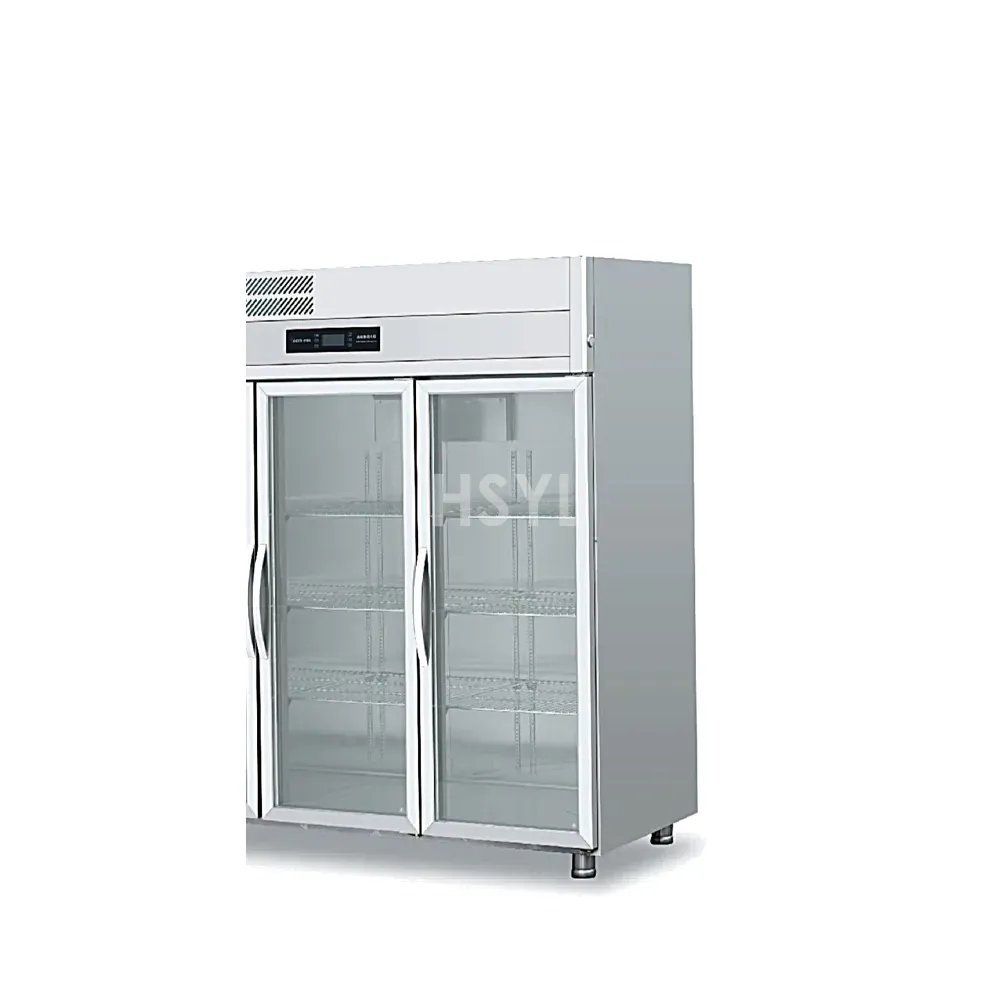
E Series Display Refrigerator Range
Compare E Series display cabinets by door layout, footprint and storage duty. Confirm the ...
View product
Commercial Meat Slicer-FP-HB-350400
Compare HB-350/400 meat slicers around meat size, slice thickness and production needs. Re...
View product
HDW8000L Steam-Heated Commercial Dishwasher
Quick Summary: The HDW8000L Steam-Heated Commercial Dishwasher (Model: CK-HDW8000L) is a h...
View product
Two-Compartment Commercial Sinks
Two-Compartment Commercial Sinks for commercial kitchens, fabricated to project dimensions...
View product
E234-BCW02-11 Horizontal Banquet Cart
Quick Summary: The E234-BCW02-11 Horizontal Banquet Cart-B (Model: SL-E234-BCW02-11) is a ...
View product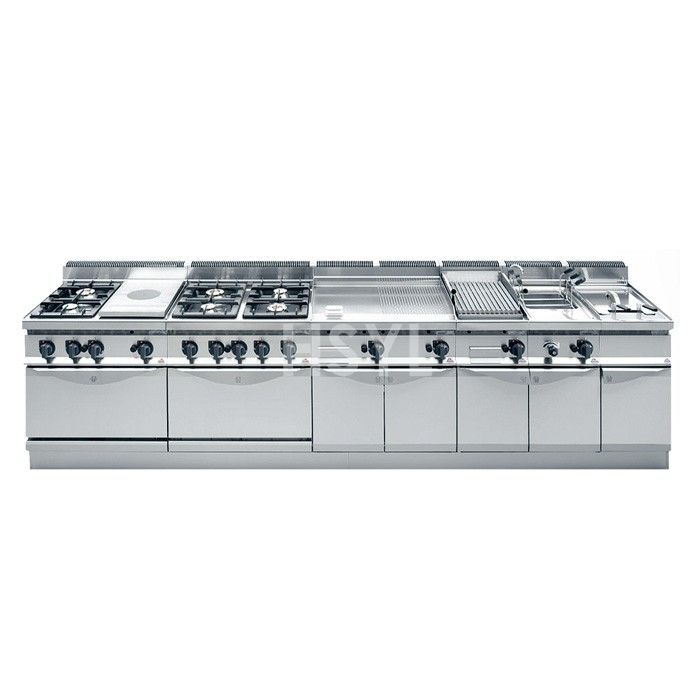
700-Series Combined Western Kitchen Stove
Quick Summary: The 700-Series Combined Western Kitchen Stove (Model: CK-BERTO) is a heavy-...
View product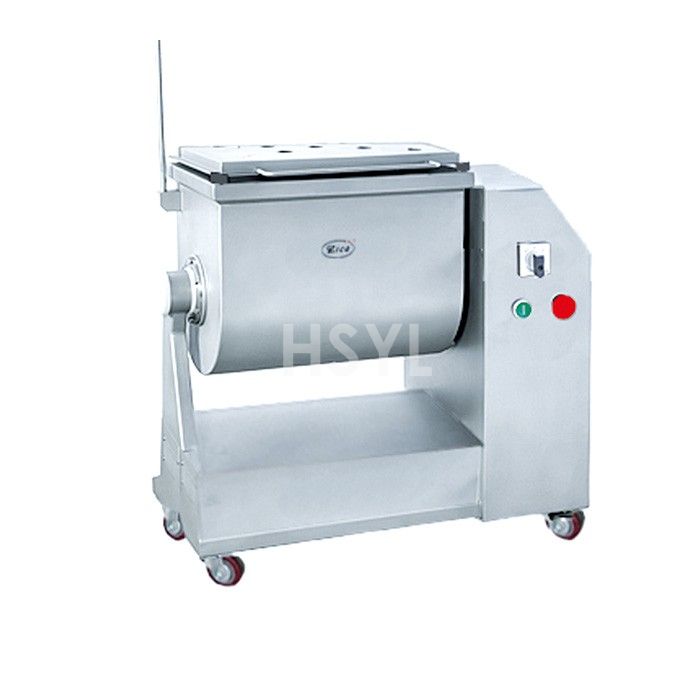
Commercial Meat Mixers
Commercial meat mixers for central kitchens, restaurant prep and meat-processing workstati...
View product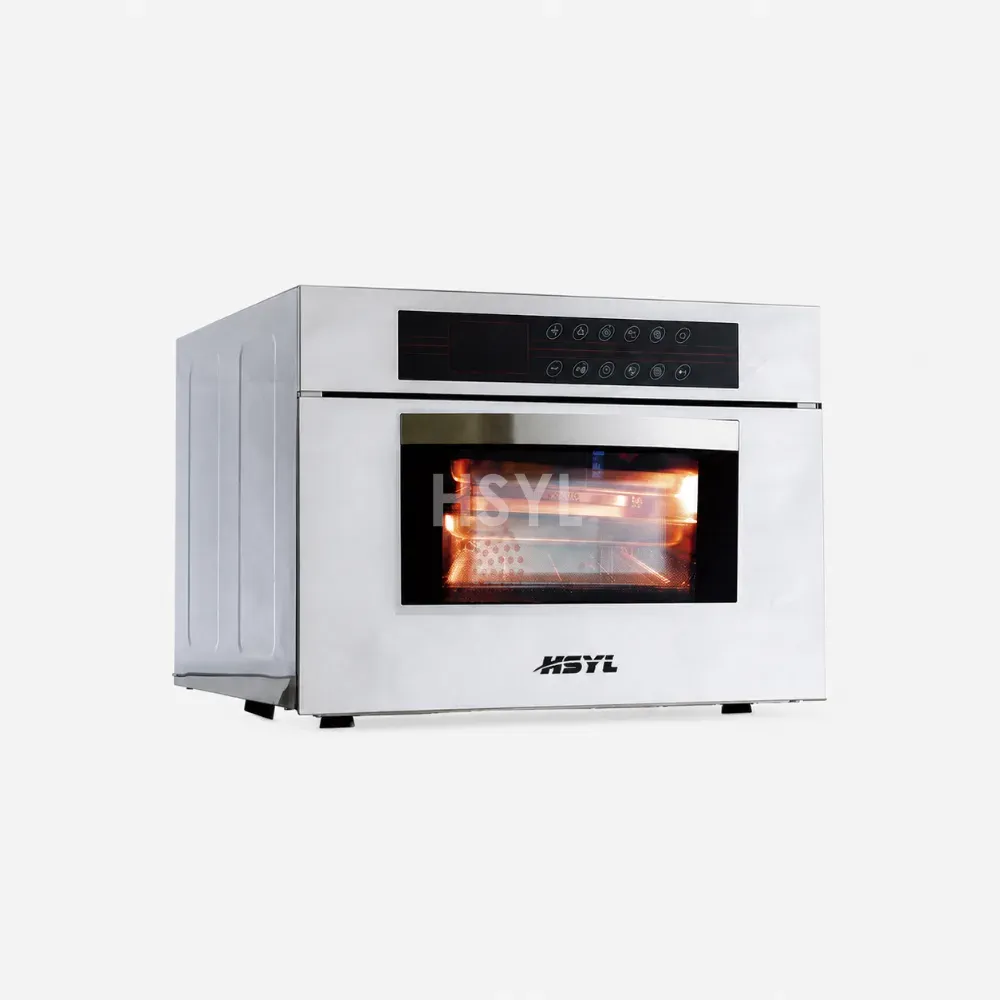
Commercial Ovens for Professional Kitchens
Commercial electric and convection oven solutions for professional kitchens. Review HSYL c...
View product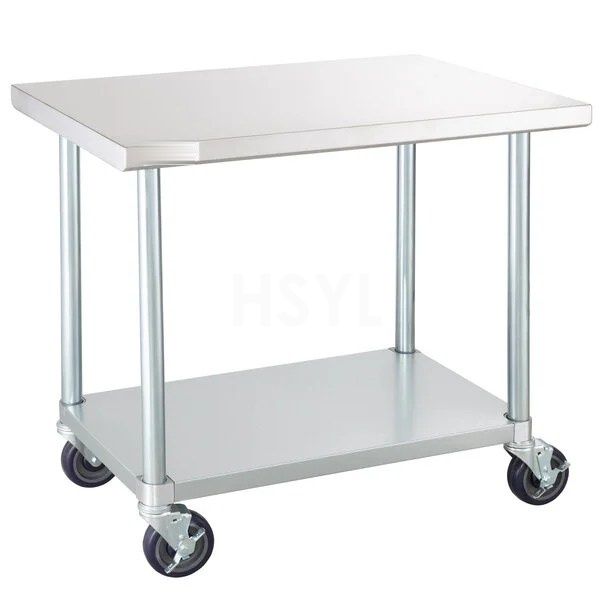
Stainless Steel Kitchen Trolleys
Stainless Steel Kitchen Trolleys for commercial kitchens, fabricated to project dimensions...
View product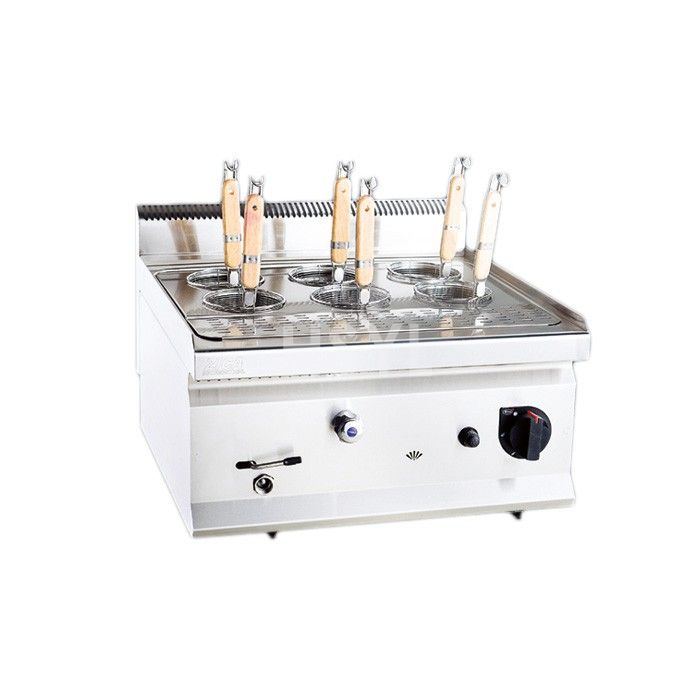
HP Countertop Gas Pasta Cooker Range
Compare HP6035G and HP6060G countertop gas pasta cookers. Review footprint and gas require...
View product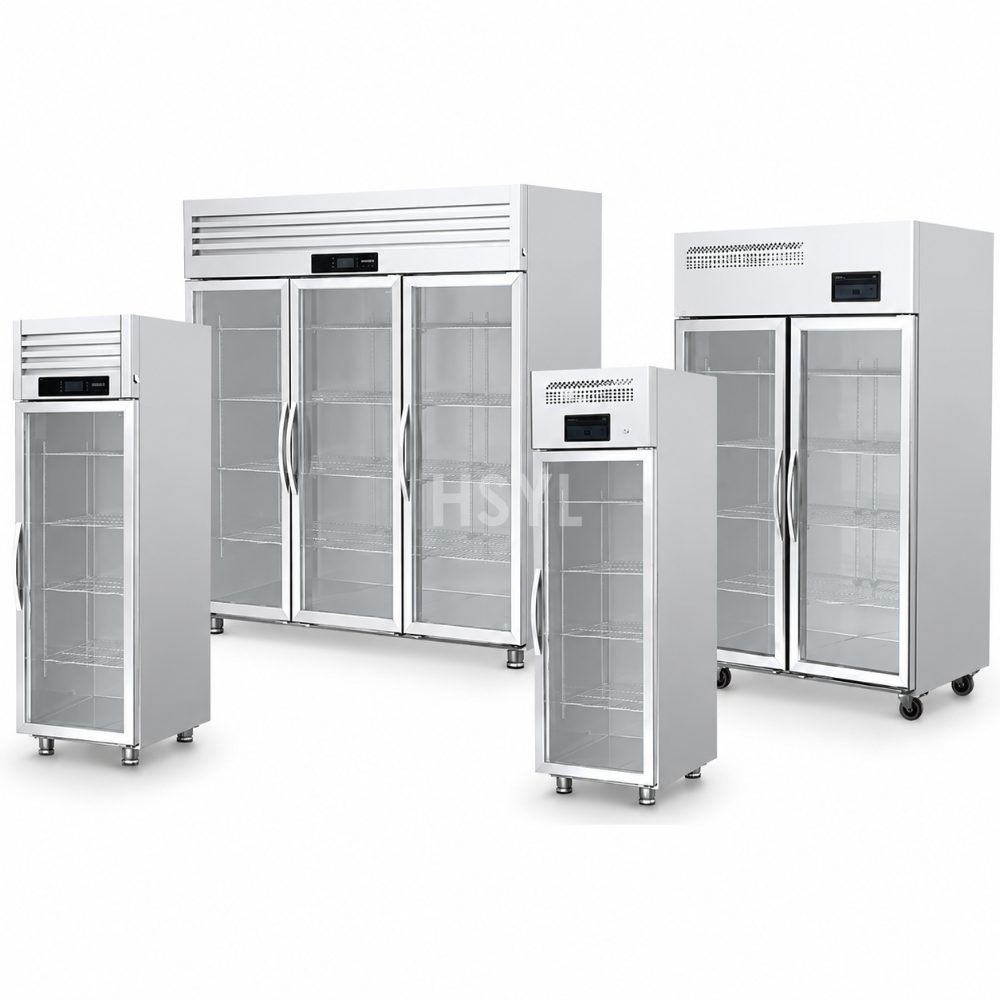
Q and S Series Direct-Cooling Display Cabinet Range
Compare Q and S Series display cabinets for your products and store layout. Confirm temper...
View product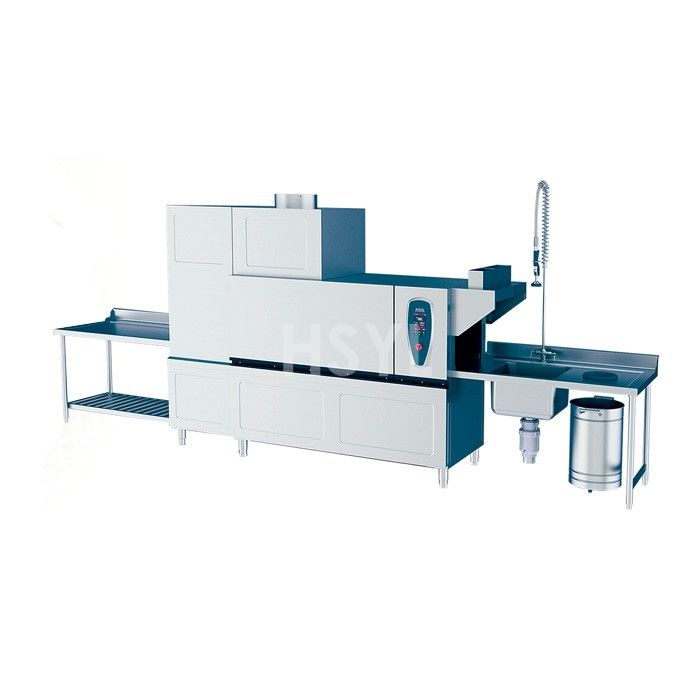
HDW260-EL-R Electric-Heated Commercial Dishwasher
Compare HDW260-EL-R Electric-Heated Commercial Dishwasher capacity, heating, dimensions, u...
View product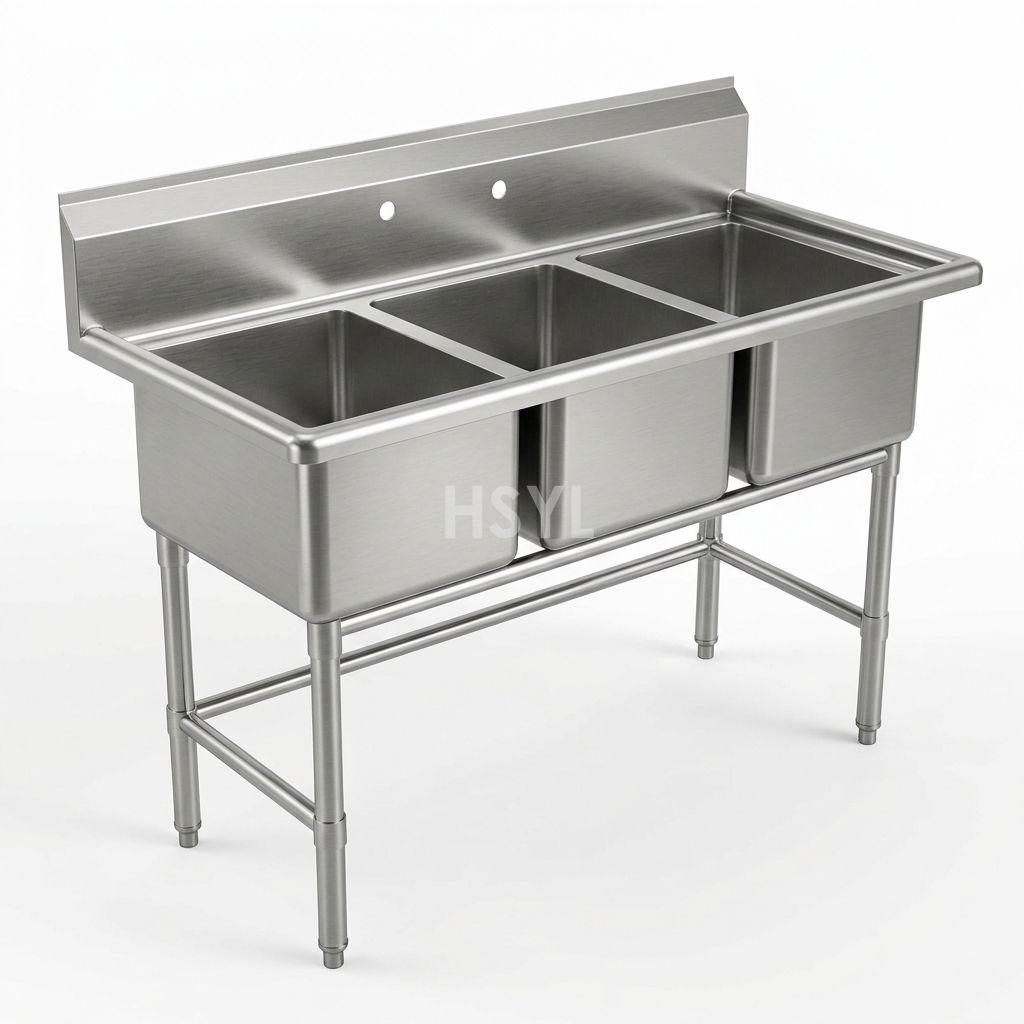
Three-Compartment Commercial Sinks
Three-Compartment Commercial Sinks for commercial kitchens, fabricated to project dimensio...
View product
HDW260-SL-R Steam-Heated Commercial Dishwasher
Compare HDW260-SL-R Steam-Heated Commercial Dishwasher capacity, heating, dimensions, util...
View product Stainless Steel Wall Shelf
Plan stainless steel kitchen wall shelves for utensils, containers and clean storage. Spec...
View product
Commercial Vegetable Washers
Commercial Vegetable Washers for central kitchens, food processing plants, canteens and re...
View product
Commercial Grease Traps
Commercial Grease Traps for commercial kitchens, fabricated to project dimensions in AISI ...
View productFrequently Asked Questions
Which extraction method should a commercial juice operation choose?
Choose from the actual recipes, ingredient preparation, accepted beverage result, and made-to-order or batch workflow. Test the full station with representative ingredients.
How should yield be compared between commercial juicers?
Separate purchased input, prepared feed, accepted beverage, retained material, and complete cycle time. Compare matching units and recipe conditions.
What should be checked on a refurbished commercial juicer?
Request machine identity, inspection and repair scope, replaced parts, functional test evidence, food-contact condition, safety components, compatible replacement parts, and written service terms.
Plan the Equipment Around Your Kitchen.
Share your menu, peak service demand, available space and site utilities. Tell us which equipment you are considering so we can review the requirements with you.