Commercial Deep Fryer and Grill Combo Procurement Guide
Compare approved integrated fryer and grill units with separate stations using complete-meal trials, utilities, oil costs, site approval and service scope.
A commercial deep fryer and grill combo should be bought as a complete cooking arrangement. Compare an approved integrated unit with separately installed appliances using the same menu, service window and site. The fryer and grill must meet their own loaded duties while finished meals reach the pass together.
Define what is being combined
A combo enquiry can mean an integrated fryer and smooth griddle on one frame, two independent appliances beside each other, or a wider cooking line that includes a grate charbroiler. These are different arrangements. Ask the supplier to identify the actual cooking surfaces, frypot, support and connection scope. A catalogue listing of both equipment families does not establish a tested integrated assembly.
Confirm whether the grill requirement is a continuous plate or open grates. A smooth surface suits a different contact and food-handling process from a charbroiler. Specify portion shape, cooking method and expected finished result rather than using the word grill as a universal specification. Match the fryer to the actual food, coating, starting condition, basket and oil process at the same time.
Some combined carts are explicitly intended for outdoor catering. That can be relevant to an event business, but it does not make the product suitable for an indoor restaurant, food truck enclosure or tent. Keep the offered location designation visible in the comparison and obtain the required destination and site review. A certified hose or regulator is not evidence that the whole appliance has the required commercial approval.
| Arrangement | Reason to assess it | Evidence needed | Cost boundary |
|---|---|---|---|
| Manufacturer-approved integrated unit | Shared frame and defined working position | Complete assembly, location approval and simultaneous loaded trial | Combined service, support and replacement scope |
| Separate countertop appliances | Independent cooking selection and replacement | Approved supports, both connections and operator route | Two usable stations with complete installation |
| Independent floor fryer and griddle or charbroiler | Different menu loads or service needs | Frypot duty, cooking surface, extraction and layout | Full line footprint and maintenance access |
| Outdoor combined cart | Specified approved event cooking arrangement | Manufacturer location, fuel and transport instructions | Event setup, connections, cleanup and storage |
Use complete meals as the demand unit
A burger and fries menu depends on two processes finishing in a useful sequence. Counting fryer batches and griddle portions independently can hide a queue at the pass. Define the actual order mix, arrival pattern and required food condition at service. Include the handling and assembly work between the equipment and the customer-facing service route.
Map which component starts first and why. The menu may require a short wait, an approved holding step or different loading sequences. Those choices belong to the kitchen's food and quality process. Do not assume that cooked food can wait indefinitely because the other appliance is busy. Record the actual time and condition at the agreed service point.
A larger fryer does not automatically solve a griddle bottleneck, and a wider griddle does not correct basket congestion. The comparison should show the limiting process during the representative window. If staff can operate only one duty safely at a time, that staffing constraint belongs in the trial. A compact shared frame can reduce walking while still creating a turning, unloading or assembly conflict.
Specify the actual fryer duty
Record the food coating, moisture and crumb behaviour in the trial brief. The supplier should approve the selected frypot and basket arrangement for those foods. Nominal oil capacity describes a fill requirement; it does not prove an accepted food output. Basket quantity also does not show that every basket can carry the intended load simultaneously without impairing the process.
Observe successive loads rather than only the first load after warm-up. Record the food outcome, waiting time, recovery and the operator's actual loading decisions. Oil condition and permitted filtration or cleaning tasks should be included according to the manufacturer and the kitchen's food plan. Do not apply another brand's cleaning interval or assume that a general statement about gas or electric recovery proves performance for the offered model.
A split pot, separate tank or additional basket is a physical arrangement, not a guarantee of allergen control. Specify the required food segregation, oil use, utensils, draining and service route with the responsible food safety team. Identify which tasks need independent equipment and which can share an approved process. The quotation should reflect that plan rather than imply separation from the product name alone.
Assess the grill while the fryer is operating
Use the real cooking surface and representative portions. Confirm handling space, turning clearance and the route for removing finished food. If the griddle is divided into operating zones, document the actual control arrangement and the food assigned to each zone. A control setting is not a measurement of every food item or proof of uniform temperature across the loaded plate.
Test the intended simultaneous demand. Fuel supply, auxiliary electricity, heat exposure and operator access can differ from isolated appliance demonstrations. Ask the manufacturer and contractor to review the full installed configuration during the trial. The combined arrangement should be checked with grease collection and baskets in their operating positions, rather than photographed empty with every drawer closed.
Keep the fryer drain and oil-handling route away from incompatible grill scraping, food replenishment and finished-food landing activities. Confirm that the operator can use the controls without reaching across hot oil or obstructing another worker. A drawing with only two appliance rectangles does not demonstrate that the station can be operated and cleaned as proposed.
Compare integrated and separate service boundaries
An integrated product should have a complete model identity and assembly documentation. Ask which fuel, controls, frame parts and protective systems are shared, and which are independent. The answer affects commissioning, isolation, repair and replacement. A supplier should not promise that one cooking section may remain in use during a fault unless the manufacturer's instructions and competent assessment support that operation.
Separate appliances allow different fryer and grill selections, but they still need approved stands, supports and connections. They should not be joined, stacked or placed on another appliance because their footprints happen to align. Obtain manufacturer approval for any proposed assembly and keep flue, cooling, service and cleaning access clear.
Assess what the kitchen can actually do during a failure of one section. If the menu requires both components, losing the fryer can prevent complete orders even while the grill runs normally. Conversely, an alternative approved menu may preserve some service. Document that commercial scenario without assuming a failure frequency or promising uninterrupted operation.
Review the installed fuel and utility package
Quote the exact fuel and destination-country version. Natural gas and LPG are not interchangeable purchasing labels. Any conversion must be supported for the exact model and carried out through the manufacturer's approved route by qualified personnel. A conversion option on another appliance or an included regulator alone is insufficient evidence for the whole combo.
Ask for required supply conditions and all supporting electrical inputs. Gas equipment can still need power for controls or other functions. Electrical versions require their own voltage, frequency, phase and connection scope. The contractor should assess simultaneous demand from both sections and the surrounding cooking line, using actual documents rather than adding catalogue ratings as a complete design calculation.
For event and mobile use, obtain the approved operating location, support, fuel connection, restraints and setup instructions. Wheels establish a feature, not permission to move equipment during cooking or with hot oil present. Transport, cooling, emptying and relocation should follow the actual manufacturer procedure and responsible site's risk assessment. Include that work in the service schedule.
Price the same usable arrangement
Start with delivered equipment and every item required for operation: supports, baskets, cooking accessories, connection components, restraints where required, grease or oil collection, installation work and commissioning. Include the contractor's extraction and fire scope for the exact arrangement. Compare installed stations rather than an integrated carton price against two bare appliance prices.
Measure electrical consumption during a representative service period. Annual electrical use in kWh per annum is the measured period use multiplied by the planned annual number of comparable periods. Record gas consumption in its stated units and multiply by actual local rates. Include auxiliary electrical demand for gas equipment. Burner input and tank capacity do not establish an annual energy bill.
Keep fryer oil costs visible: actual fill, permitted top-up, replacement and collection arrangements under the approved process. Include cleaning labour, consumables, parts and planned maintenance scope. If evaluating cost per complete meal, divide the relevant trial costs by accepted complete meals in that same window. Separate rejected portions and output from other equipment so the comparison cannot improve by changing its denominator.
| Evaluation line | Integrated offer | Separate offer comparison |
|---|---|---|
| Delivered working station | Complete assembly and included accessories | Both appliances, approved supports and accessories |
| Site work | Actual fuel, power, extraction and commissioning scope | Actual combined connections and operating layout |
| Service-period consumption | Measured fuel, auxiliary kWh and oil costs | Same menu, accepted meals and operating window |
| Cleaning and maintenance | Shared access, tasks, parts and production pause | Separate tasks and their real staffing demand |
| Fault and replacement | Document which sections and menu tasks are affected | Document isolation, replacement and alternative menu |
Populate the record from quotations and observations. It contains no assumed savings, oil life, reliability rate or payback period.
Require transparent parts and maintenance documents
Request the offered model's actual control, heating, ignition and protective-device identification. The supplier should identify the cooking plate or grate, frypot and replaceable wear parts separately. Do not assign a component brand from a competing appliance or infer that a stainless exterior establishes the material of every food-contact or heated component.
Ask for access drawings and the tasks assigned to operators versus qualified service personnel. The UK's HSE fryer cleaning guidance covers emptying, filtering, cleaning and training; the equipment's actual method and destination requirements must be applied to the operation. A removable tank or drain valve does not establish that the complete cleaning procedure is safe or practical in the proposed space.
Check the actual replacement route for baskets, controls, heating parts, grease trays and other required items. Obtain prices and support arrangements for the delivery country. Record any unavailable part or specialist service dependency in the cost review. Do not invent service intervals, response times or equipment lifetime to make a preferred arrangement appear cheaper.
Resolve approval for each destination and configuration
For US projects, verify the local mechanical, fire, gas, electrical and foodservice requirements with the responsible authority and project professionals. Any required NSF or recognised safety listing must match the offered model and fuel/configuration scope. A mark claimed for a hose, control or one separate appliance does not automatically approve the integrated cooking station.
For EU procurement, obtain the applicable manufacturer declaration and model identity, including CE scope where required for the offered gas or electrical configuration. Local installation and food premises requirements still apply. For UK operations, use appropriate HSE catering ventilation and gas advice with qualified installation personnel. Other countries need their own import, fuel, electrical and fire requirements set out in the purchasing package.
Food acceptance should follow the kitchen's approved process and locally adopted rules. The FDA Food Code is a model used by US food-control jurisdictions; it is not proof that every jurisdiction has adopted an identical version. Oil or plate settings and surface appearance do not replace representative food checks.
Complete the shipment and quotation brief
Obtain net and packed dimensions, packed mass, handling requirements and the included items list. For an integrated cart, confirm what is assembled and what needs documented setup after delivery. For two appliances, record both packages and their stands. Plan 20GP or 40HQ loading from actual packing sizes and restrictions; combined cooking width cannot establish container quantity.
OEM or ODM changes to the frame, fryer, cooking surface, fuel or controls need their own drawings, model identity and approval review. Changes that affect the process should be included in a new loaded trial. Send HSYL the destination, fixed or event location, desired arrangement, menu sequence, trial acceptance criteria and complete connection scope. Request a documented offer before naming an integrated model or publishing its specifications.
This guide compares procurement arrangements. It does not establish an HSYL integrated fryer/grill product, approved outdoor or indoor configuration, tank capacity, cooking rate, component brand, oil savings or certification. Those claims require the actual offered model's evidence and the specified site and menu assessment.
Engineering-Led Commercial Kitchen Manufacturing
HSYL Kitchen Systems designs and produces heavy-duty commercial kitchen equipment for central kitchens, hotels, canteens, hospitals and high-capacity restaurants. Our goal is to provide precise equipment matching, documented quality gates and verified delivery for global foodservice operations.
- Food-grade SUS304 & SUS316 stainless steel construction
- Custom engineering layout & CAD drawing support
- Multi-stage factory quality control & FAT testing
- Factory-direct supply chain with spare parts backup
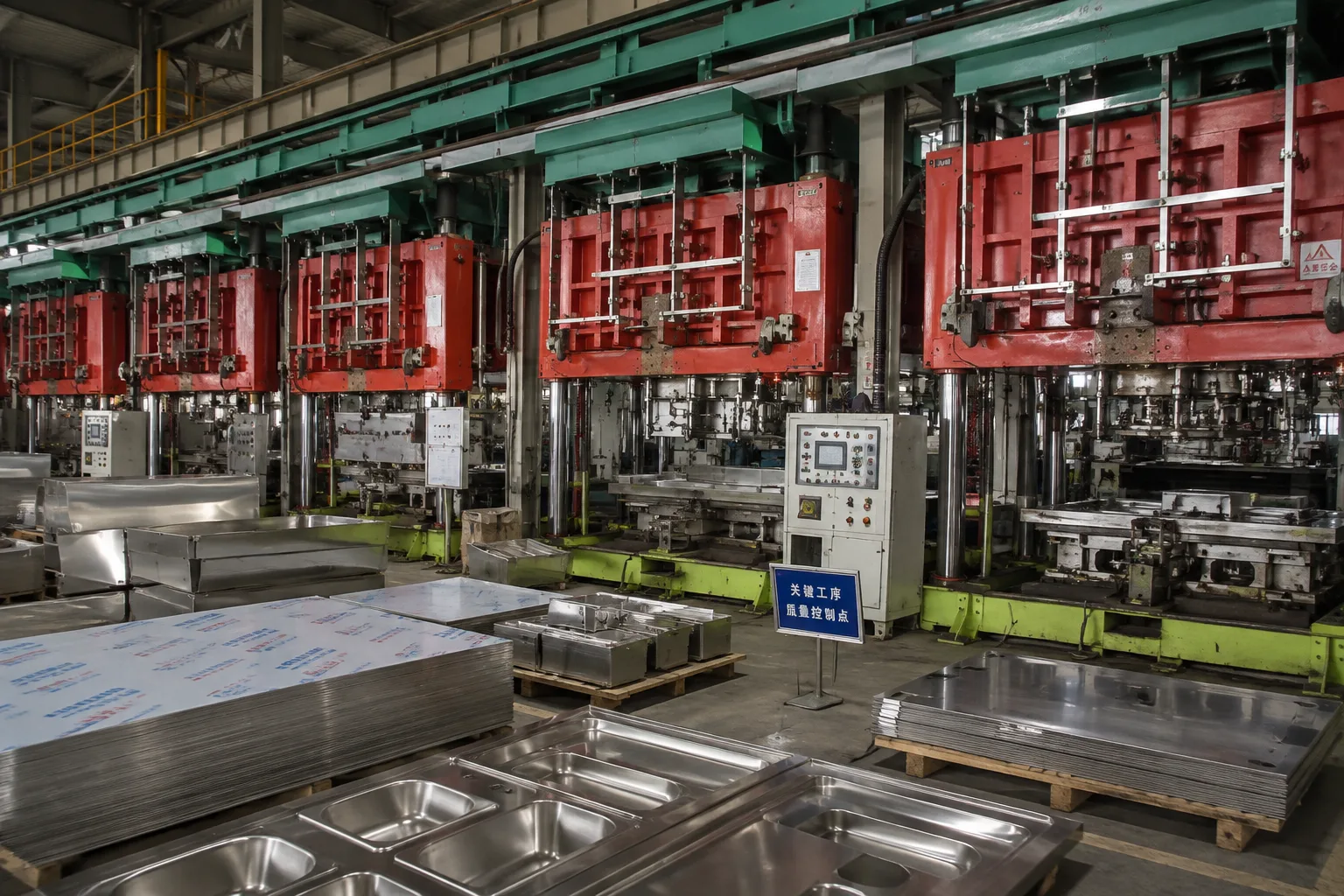
Advanced OEM Processing Equipment & Lines
Equipped with world-class automated sheet metal processing, precision bending centers, thermal foaming lines, and vacuum test rigs to support high-volume commercial kitchen OEM/ODM manufacturing.
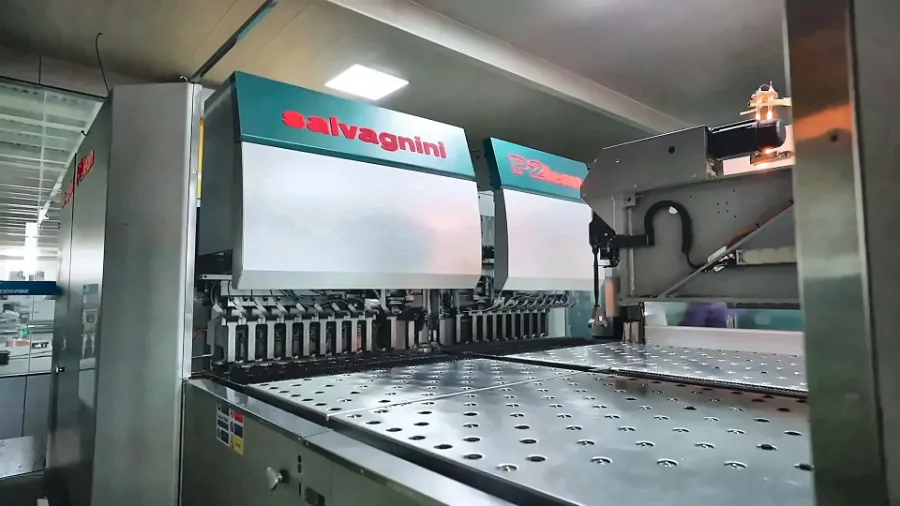
Italian Salvagnini Panel Bending Center
Automated sheet metal bending system for seamless cabinet fabrication and tight structural tolerances.
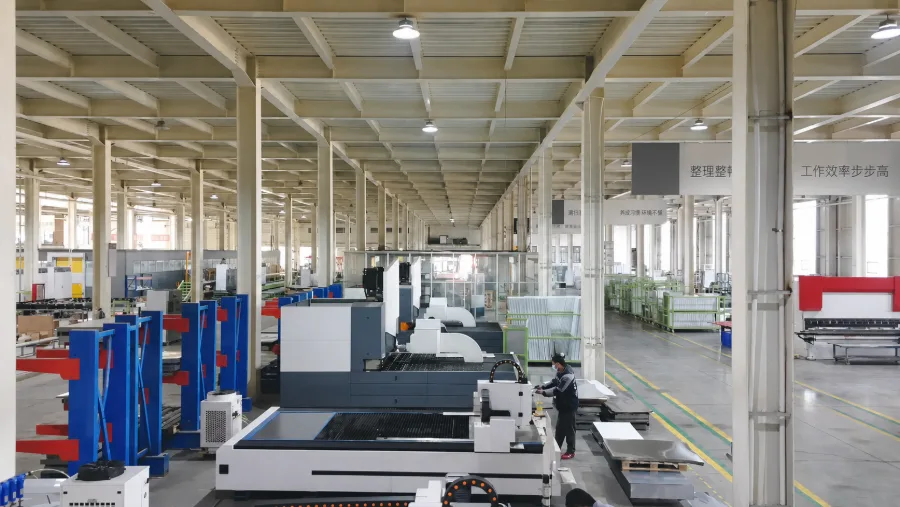
Automated Bending & Laser Cutting Line
Integrated flexible processing line combining fiber laser cutting and multi-axis CNC bending.
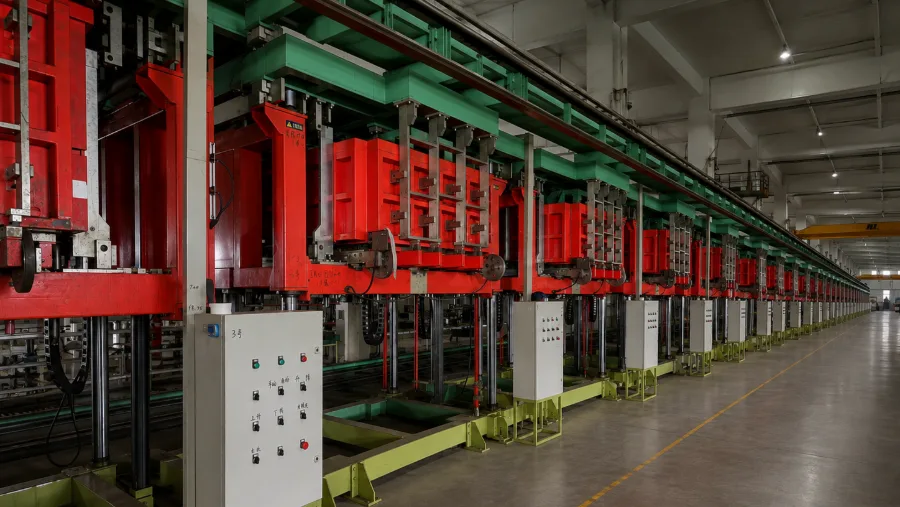
Constant-Temperature Foaming Line
Continuous polyurethane thermal insulation foaming line ensuring uniform core density.
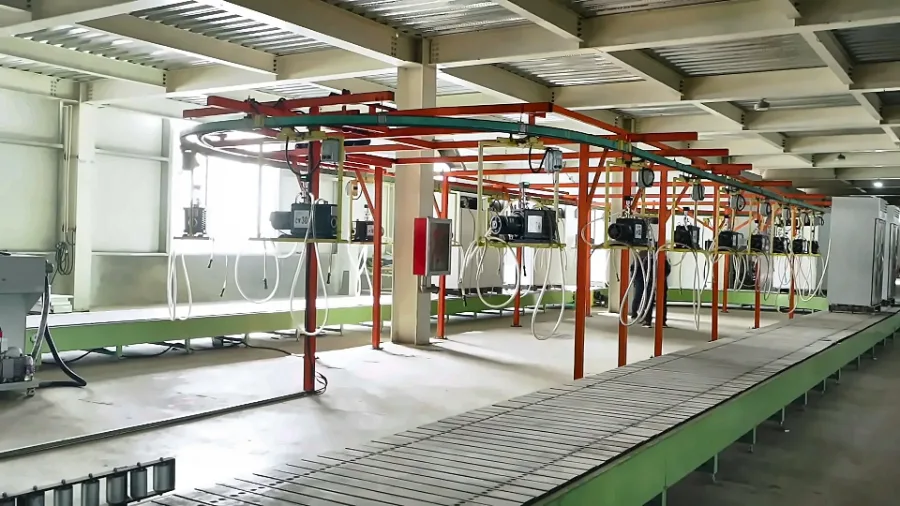
Vacuum Extraction & Testing Line
High-vacuum circuit evacuation and automated leak detection for commercial cooling systems.
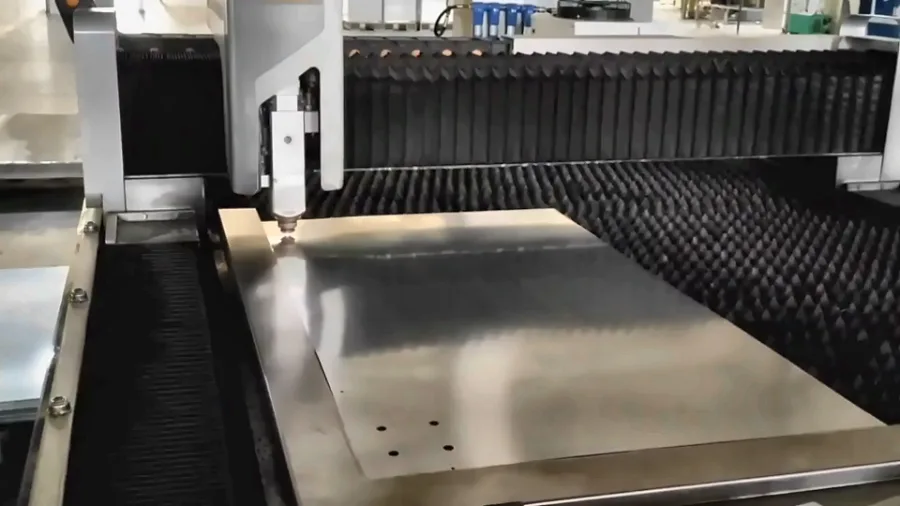
Laser Cutting & CNC Punching Station
High-speed fiber laser cutting and precision CNC punching for intricate component fabrication.
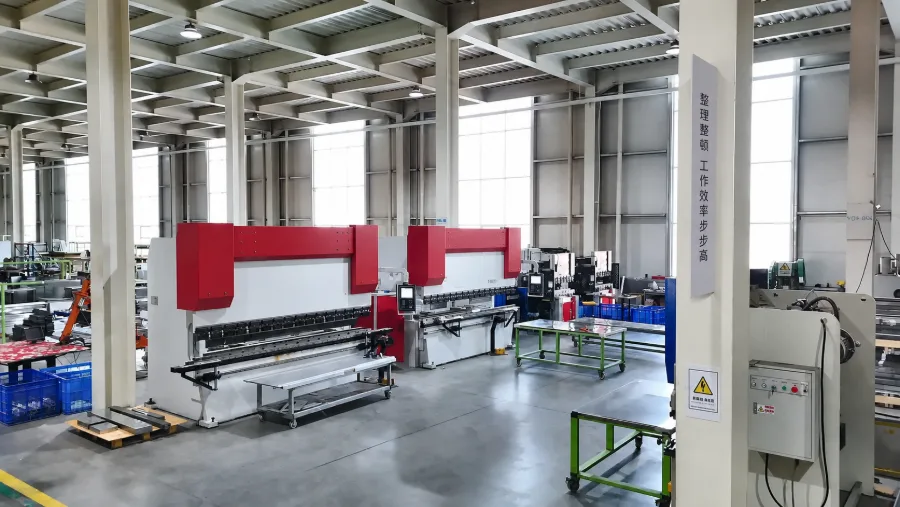
Canadian Heavy-Duty CNC Press Brake
High-tonnage precision press brake for large-format stainless steel sheet forming.
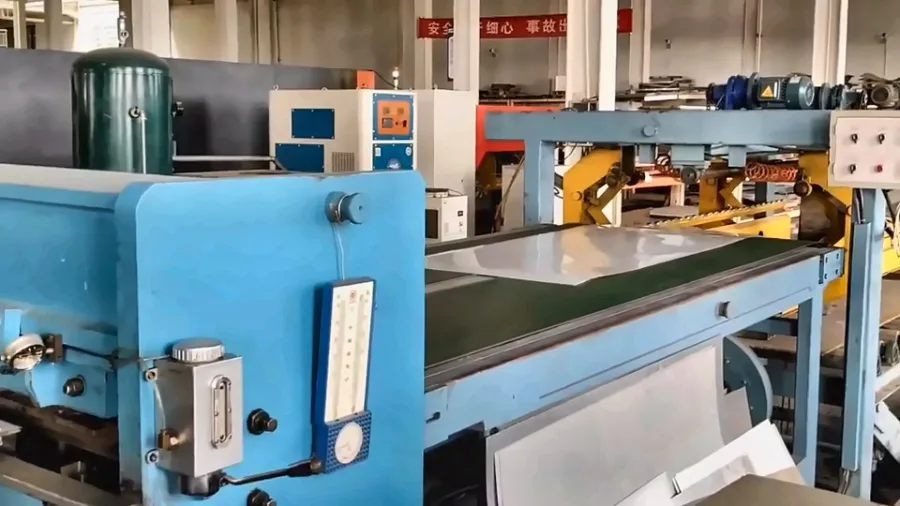
Material Shearing & Cutting Line
Automated heavy-gauge stainless steel shearing and precision raw material sizing.
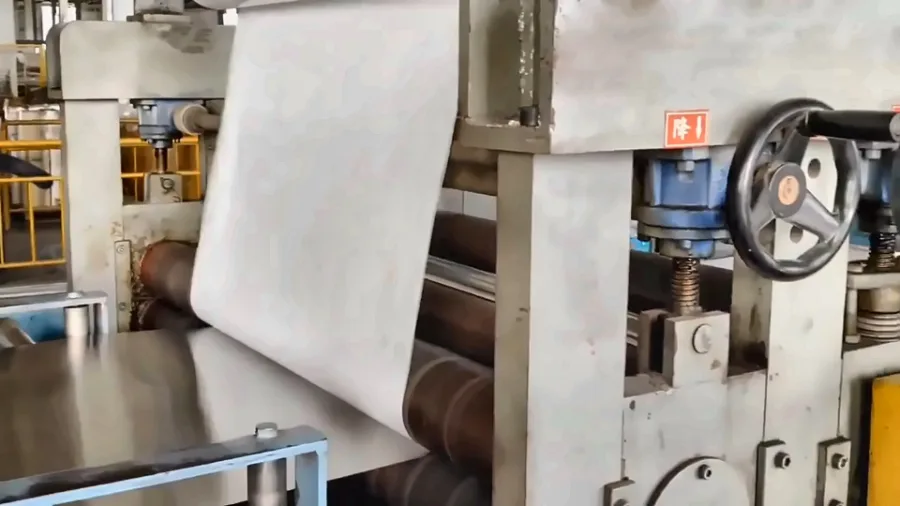
Material Film Laminating Line
Automated surface protection film application to preserve satin and mirror metal finishes.
Explore Popular Kitchen Equipment
Browse equipment that visitors frequently explore, then review the exact model and specifications for your project.
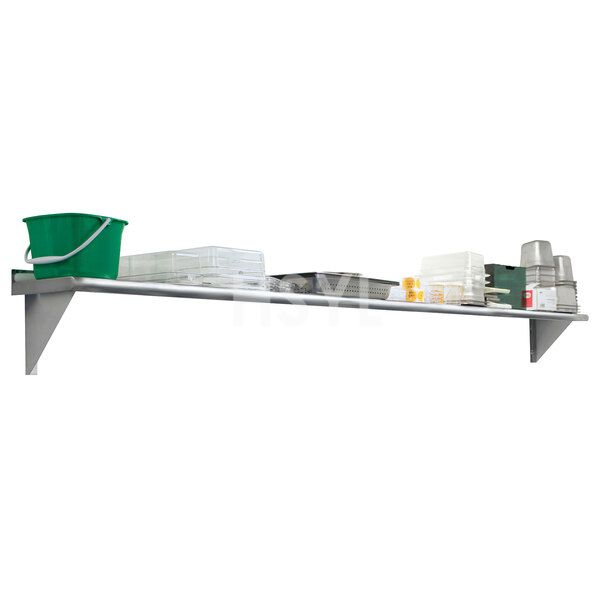
Stainless Steel Wall Shelves
Stainless Steel Wall Shelves for commercial kitchens, fabricated to project dimensions in ...
View product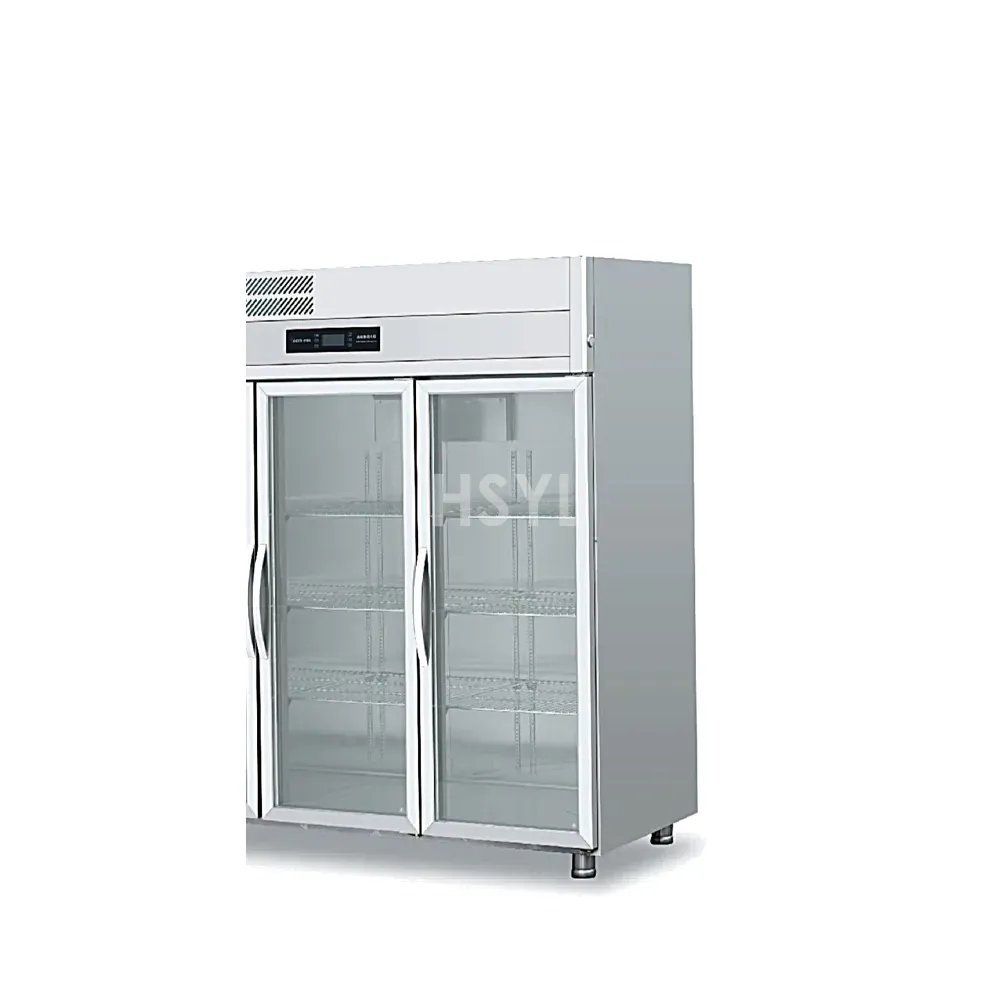
E Series Display Refrigerator Range
Compare E Series display cabinets by door layout, footprint and storage duty. Confirm the ...
View product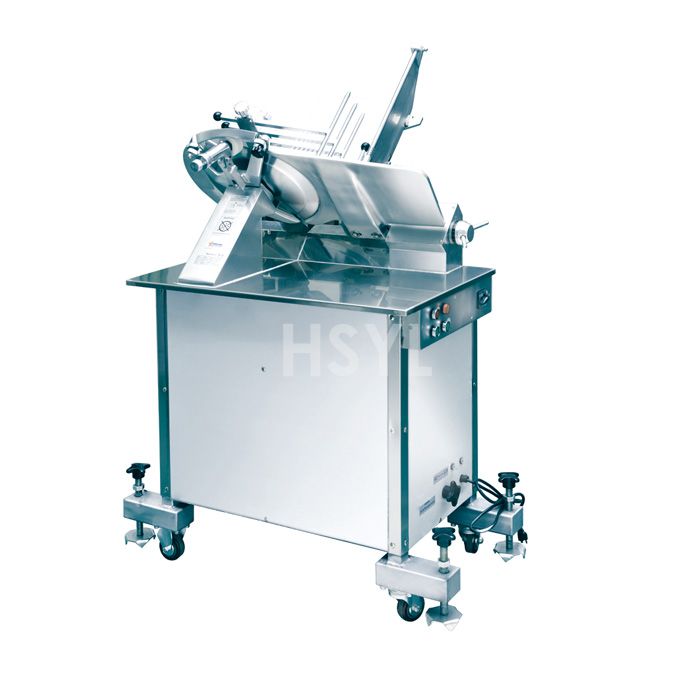
Commercial Meat Slicer-FP-HB-350400
Compare HB-350/400 meat slicers around meat size, slice thickness and production needs. Re...
View product
HDW8000L Steam-Heated Commercial Dishwasher
Quick Summary: The HDW8000L Steam-Heated Commercial Dishwasher (Model: CK-HDW8000L) is a h...
View product
Two-Compartment Commercial Sinks
Two-Compartment Commercial Sinks for commercial kitchens, fabricated to project dimensions...
View product
E234-BCW02-11 Horizontal Banquet Cart
Quick Summary: The E234-BCW02-11 Horizontal Banquet Cart-B (Model: SL-E234-BCW02-11) is a ...
View product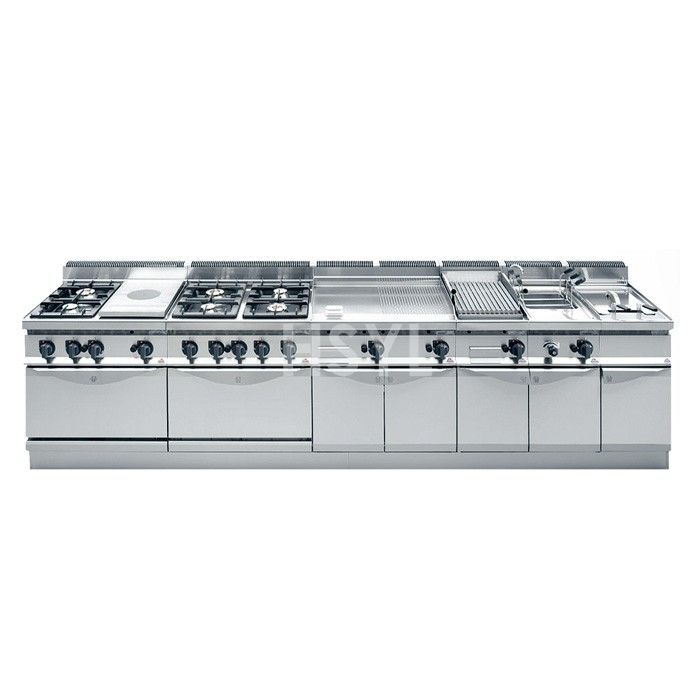
700-Series Combined Western Kitchen Stove
Quick Summary: The 700-Series Combined Western Kitchen Stove (Model: CK-BERTO) is a heavy-...
View product
Commercial Meat Mixers
Commercial meat mixers for central kitchens, restaurant prep and meat-processing workstati...
View product
Commercial Ovens for Professional Kitchens
Commercial electric and convection oven solutions for professional kitchens. Review HSYL c...
View product
Stainless Steel Kitchen Trolleys
Stainless Steel Kitchen Trolleys for commercial kitchens, fabricated to project dimensions...
View product
HP Countertop Gas Pasta Cooker Range
Compare HP6035G and HP6060G countertop gas pasta cookers. Review footprint and gas require...
View product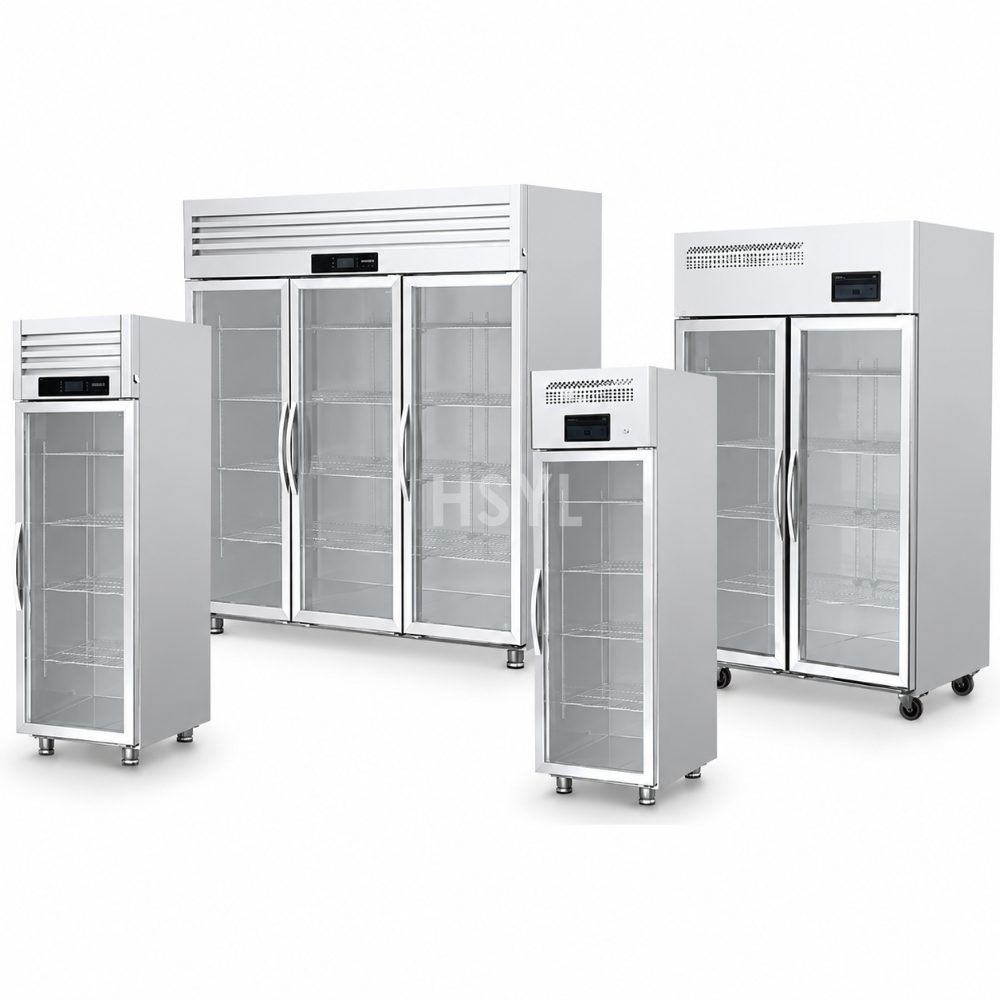
Q and S Series Direct-Cooling Display Cabinet Range
Compare Q and S Series display cabinets for your products and store layout. Confirm temper...
View product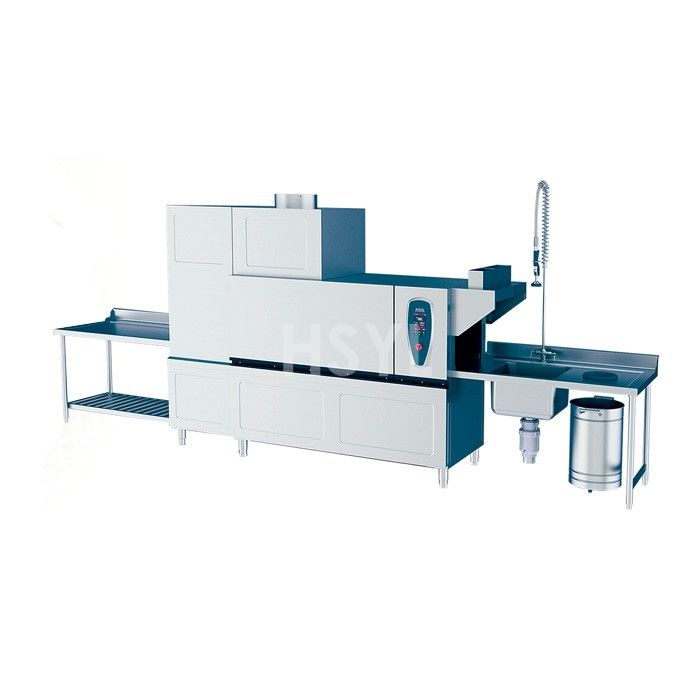
HDW260-EL-R Electric-Heated Commercial Dishwasher
Compare HDW260-EL-R Electric-Heated Commercial Dishwasher capacity, heating, dimensions, u...
View product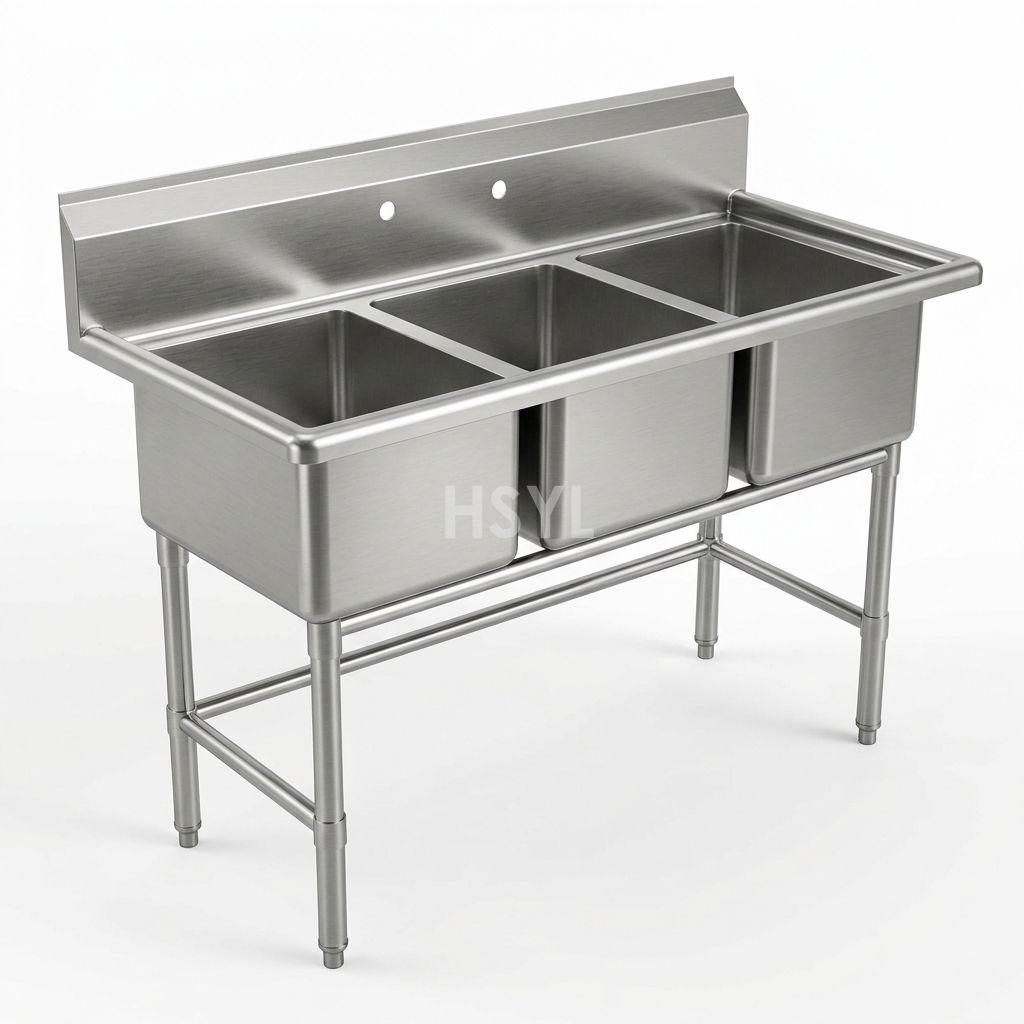
Three-Compartment Commercial Sinks
Three-Compartment Commercial Sinks for commercial kitchens, fabricated to project dimensio...
View product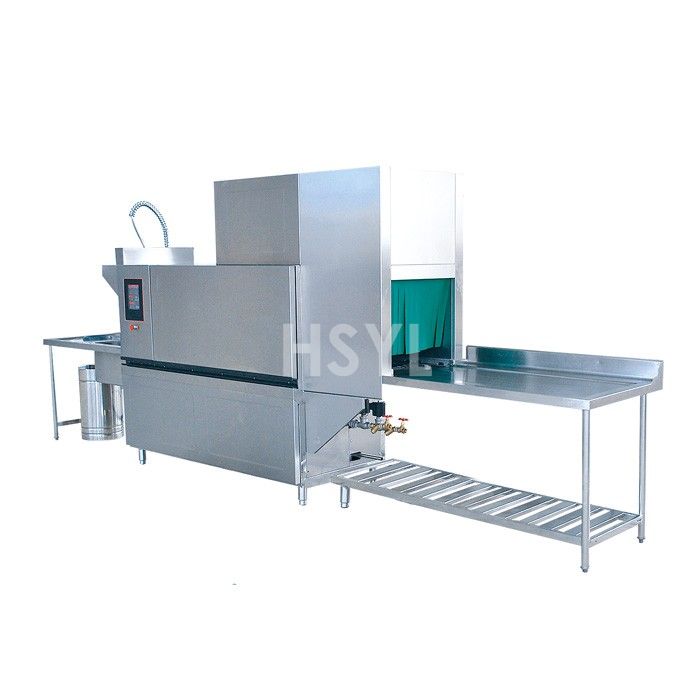
HDW260-SL-R Steam-Heated Commercial Dishwasher
Compare HDW260-SL-R Steam-Heated Commercial Dishwasher capacity, heating, dimensions, util...
View product Stainless Steel Wall Shelf
Plan stainless steel kitchen wall shelves for utensils, containers and clean storage. Spec...
View product
Commercial Vegetable Washers
Commercial Vegetable Washers for central kitchens, food processing plants, canteens and re...
View product
Commercial Grease Traps
Commercial Grease Traps for commercial kitchens, fabricated to project dimensions in AISI ...
View productFrequently Asked Questions
Is a fryer and grill combo always one appliance?
The term can mean an integrated manufacturer-approved unit or separately installed appliances. The quote should identify the actual arrangement, supporting surfaces, connections and installation scope.
Can an outdoor fryer and griddle cart be installed indoors?
An outdoor designation does not establish approval for an indoor kitchen, food-truck enclosure or tent. Verify the exact model, location restrictions and destination requirements with the responsible installer and authority.
Does fryer oil capacity establish complete meal output?
No. Oil capacity describes a fill requirement. Assess actual fryer loads and grill loads together, counting accepted complete meals over the same service window.
Does a certified hose approve the complete combo?
A mark on a hose, regulator or individual component does not establish approval of the whole cooking appliance. Verify the exact assembled model, configuration and required destination listing scope.
Plan the Equipment Around Your Kitchen.
Share your menu, peak service demand, available space and site utilities. Tell us which equipment you are considering so we can review the requirements with you.