Commercial Gas Stove with Griddle: Mixed-Station Buying Guide
Compare burner and griddle allocation, gas versions, installation, cleaning, and complete-order cost before buying a combined commercial cooking station.
A commercial gas stove with griddle combines two different production tasks: heating cookware over open burners and cooking food directly on a flat plate. Buy it by the simultaneous menu load, the position of each cooking zone, and the installation conditions for the exact gas version. A wide combined top can still become a bottleneck if the plate is too small for breakfast orders or the open burners cannot accommodate the pans used during dinner service.
For a restaurant, hotel breakfast kitchen, or catering production line, the useful question is which dishes must leave the station together. Start with those dishes and the cook's movements. Then compare an integrated range against a separate stove and griddle. This guide provides a station allocation matrix and two original planning tools; they organize a purchase decision and do not state measured performance for an HSYL model.
Specify the mixed station before counting burners
Record the busiest service interval rather than the total daily covers. For each menu item, identify whether it occupies an open burner, a flat plate, an oven, or another station. Note the cookware diameter, the portion footprint on the plate, and the point when the food must be transferred. A sauce that sits on a burner throughout service has a different effect from a pan that is used briefly for each ticket.
Breakfast illustrates the problem. Eggs, pancakes, and sandwiches may compete for plate space while sauces, beans, and water occupy burners. Increasing burner count will not necessarily relieve the plate queue. During dinner, the balance may reverse: several pans need active attention while the plate is used for finishing. Test both services before selecting the ratio between burners and griddle width.
Also distinguish a smooth griddle from a charbroiler. A flat plate holds small foods and supports scraping into a grease collection system. A grate above burners produces a different cooking result and cleaning task. Product names sometimes use grill and griddle interchangeably. Obtain a top view, a section drawing, and the manufacturer's written description of the cooking surface instead of relying on the name alone.
Integrated range or separate appliances
| Configuration | Procurement reason | Potential constraint | Required comparison |
|---|---|---|---|
| Open burners and griddle in one top | One cook works across pan cooking and direct plate cooking | Fixed division between the two zones | Run the busiest simultaneous pan and plate workload |
| Separate stove and countertop griddle | Independent sizing or replacement of each function | Stand, connection, and cleaning gaps require planning | Compare installed footprint including supports and service access |
| Range with a griddle and oven below | Baking or finishing is part of the same station | The oven door and hot trays affect the cook's working route | Verify the oven is included in the ordered configuration |
| Griddle above a storage base | Direct plate cooking dominates and an oven is unnecessary | Storage may be affected by heat and grease exposure | Confirm approved base use and access for cleaning |
| Specialized cooking line with separate zones | Menu or staffing requires several cooks and distinct duties | More connections and coordination between stations | Measure handoffs, queue time, and ventilation design as a complete line |
A combined unit may reduce gaps between appliances, but that is not proof of a smaller complete installation. The approved clearances, gas access, rear service space, and hood arrangement determine the installed envelope. Compare the same scope for both options. Do not compare the width of a bare combined range with a separate line that includes all its clearances.
Consider failure boundaries as well. If a shared assembly requires the whole station to stop for a repair, the operating consequence can differ from losing one independent griddle. Ask which controls and components can be serviced separately and what work requires shutdown. Separate equipment does not automatically guarantee uninterrupted service; the utility and ventilation arrangement may still connect its operation.
Allocate the cooking zones with real cookware
Prepare a top-view layout showing the largest pans, their handles, and where plated food leaves the station. Place the griddle on the side that suits the actual handoff route. A left-side plate is not inherently better than a right-side plate. The correct position depends on the preparation counter, pass, dominant movement of the cook, and location of grease handling.
Use actual cookware in the trial. Adjacent pans may fit nominal burner centers while their handles clash or prevent safe access to control knobs. A large stockpot can also alter the working space around other burners. Identify cookware approved for the appliance and obtain limits from its instructions. Burner input and the count of burner heads alone do not answer these interface questions.
Divide the griddle into working zones on paper: receiving raw food, cooking, finishing, and moving finished portions. These are workflow zones, not a claim that any plate supports independent temperature control. If independent heat zones are needed, require written confirmation of the control arrangement and demonstrate the separation with the foods used in service.
| Menu task | Occupied resource | Measured occupation | Concurrent conflict to test | Acceptance record |
|---|---|---|---|---|
| Continuous sauce holding | Named burner and actual saucepan | Record the full service occupation | Handle access beside active pans | Document cooking condition and safe handling |
| Ticket-based pan cooking | Burner, cookware, and cook attention | Record load, cook, and transfer time | Several orders arriving together | Count finished portions meeting the agreed result |
| Plate cooking | Usable griddle area for actual food | Record food footprint and complete cycle | Raw, cooking, and finished portions sharing the plate | Check output and cross-contact procedure |
| Oven task, if included | Confirmed oven and actual tray | Record loading and unloading | Open door and cook's movement above | Verify the tray route during simultaneous top use |
Planning rule: an order is complete only when all its required station tasks are ready. Compare the slowest necessary handoff, not the sum of independent burner and plate demonstrations.
Verify the gas version and site services
Natural gas and LPG versions must be treated as different ordered configurations. Obtain the exact fuel identification, required supply conditions, connection details, and instructions for the delivered unit. Do not assume that a generic gas listing proves LPG compatibility or that a conversion kit is included. Any permitted conversion must follow the manufacturer's instructions and local professional requirements.
Ask the installer to review all appliances that may operate together on the supply. The equipment label is an input to that review, not a complete gas installation design. Include any oven or additional cooking section that belongs to the ordered combination. The installer also needs access to isolation points and the appliance's approved service arrangement.
A gas-fired range can contain electrical ignition, controls, or an oven fan. Confirm whether an electrical connection is required and obtain its voltage, frequency, phase, and protection requirements from the exact documentation. A nearby socket or a plug adapter does not establish electrical suitability. Keep the gas and electrical versions visible on the quotation and final identification plate.
Review ventilation with the local designer using the appliance configuration, cooking processes, grease production, and building conditions. The hood, exhaust, replacement air, and any required fire protection form a coordinated installation. A statement that a stove is commercial does not establish approval for every hood or permit its use in a room without ventilation review.
Make cleaning part of the station trial
A combined station has several waste paths: crumbs below open burners, grease from the plate, spills around cookware, and possible oven residues. Obtain the cleaning instructions before ordering. Inspect which trays can be removed, the route used to carry waste, and whether cleaning access requires moving the appliance or disconnecting a service.
Grease collection needs practical handling space. Demonstrate removal with the station in its planned location and record how the operator avoids hot surfaces and spills. Do not infer safe working capacity from the apparent size of a drawer or tray. The instructions and actual operating procedure must determine when and how it is emptied.
Separate removable parts, food-contact surfaces, and gas components in the cleaning plan. An appliance that accepts one cleaning method on its plate may prohibit that method around controls or burners. Agree the cleaning materials and tools with the manufacturer. For recipes involving allergens, test the changeover procedure rather than treating a scraped surface as proof of effective control.
After cleaning and reassembly, inspect ignition and normal operation using the manufacturer's procedure. Record any loose parts, difficult access, or repeat adjustments. The purchase assessment should include the person who will clean the unit, because a demonstration by a technician may conceal handling steps that the daily team cannot comfortably repeat.
Compare cost per completed mixed-menu service
Use a common duty schedule for the integrated and separate alternatives. Include startup, quiet periods, peak service, idle holding, and cleaning shutdown. Measure consumption using an appropriate method arranged by qualified personnel. Nameplate input describes the appliance's rated input; it is not a measured daily fuel bill or a finished-meal cost.
Keep operator time in the comparison. Count time actively cooking, transferring pans, managing the plate, collecting grease, and cleaning. An arrangement that has more cooking area may still require additional travel or a second operator. Conversely, forcing one cook to cover too many simultaneous tasks can create rejected food even when the appliance itself has sufficient heat.
| Cost group | Integrated range record | Separate equipment record | Comparison boundary |
|---|---|---|---|
| Equipment and accessories | Identify every included cooking zone and base | Identify stove, griddle, support, and accessories | Same menu functions and usable working arrangement |
| Installation | Quoted services, clearances, and ventilation work | Quoted services and layout work for both appliances | Delivered and commissioned station at the same site |
| Utilities and operator time | Measured complete service schedule | Measured same service schedule | Same recipes, portion specification, and order pattern |
| Cleaning and maintenance | Recorded access, parts, cleaning time, and service scope | Recorded equivalent activities for both units | Include shared utilities and planned shutdown work |
| Accepted output | Count complete orders meeting the agreed result | Count complete orders meeting the agreed result | Exclude burnt, delayed, incomplete, and rejected portions |
Comparison formula: evaluated period cost divided by accepted complete orders. Report the evaluated period and every included cost. This is a planning calculation, not a forecast of restaurant profit.
Arrange a useful acceptance demonstration
Agree the food, cookware, order sequence, starting condition, and personnel before the demonstration. Use the proposed burner and plate allocation concurrently. Record the timing of completed orders, the cooking result, and the observed handling problems. Testing the stove first and the plate afterwards leaves the interaction between the two functions unexamined.
Repeat the difficult part of service after the initial run. Check whether the working routine changes as the grease collection system is used and the cook has to reload pans or ingredients. Record startup and recovery separately from the steady cooking period. Neither a single finished portion nor a short video establishes sustained service capability.
Document acceptance criteria that the buyer can check: the required finished food result, acceptable order timing under the agreed load, accessible controls, manageable waste removal, and complete installation records. Any product performance commitment must state these test conditions. An unqualified assertion of fast cooking is not an acceptance criterion.
Prepare country-specific approval and quotation records
For a United States project, confirm the applicable gas, electrical, food-contact, ventilation, and local authority requirements with the installer and project reviewer. For an EU or UK project, request the relevant conformity documentation for the exact equipment version and intended market. For other countries, identify the local approval route, fuel arrangement, and importer responsibilities before purchase.
These are separate market checks. An approval, label, or certificate for one version does not prove that another gas configuration or combined assembly is covered. Compare the legal manufacturer, model identification, document scope, and physical label. HSYL certification, fuel compatibility, dimensions, and output must be established from its own model documents; competitor listings cannot supply that evidence.
Send HSYL the destination country, proposed mixed menu, simultaneous pan requirements, plate tasks, site services, and preferred handoff side. Ask for a written configuration proposal, top view, installation instructions, itemized quotation, and an agreed trial. If a combined HSYL model has not been documented, compare separately identified appliances rather than describing them as one integrated product.
The final order should identify what is supplied beneath the cooking top. An oven, cupboard, open base, and refrigerated base are different arrangements. Record included accessories, excluded installation work, service responsibilities, and the documents required at delivery. Approve changes to the cooking-zone arrangement before manufacture or dispatch so that the purchased station still matches the tested workflow.
Related Kitchen Products
Selected from the catalogue against the keywords of this page, then reviewed with your duty cycle, utilities and site conditions before quotation.
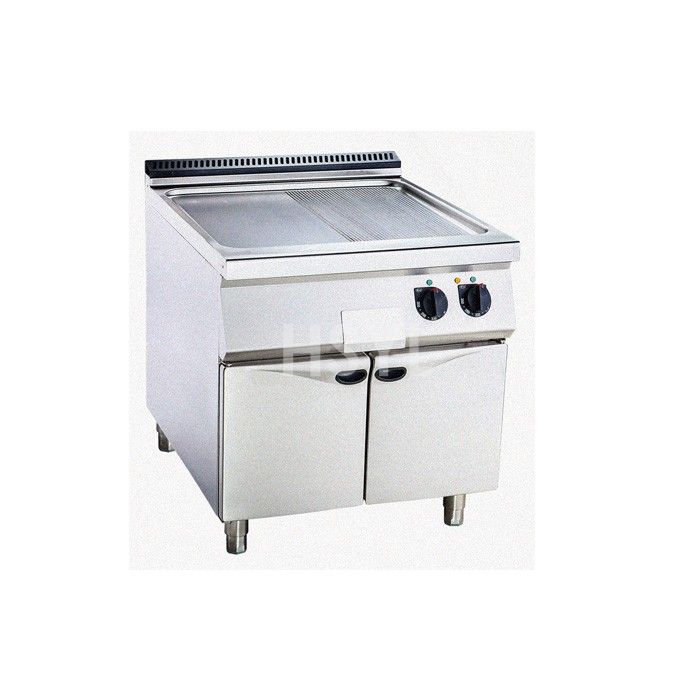
Commercial Griddle Models
Compare HG commercial gas and electric griddles by model, footprint and cooking-line requirements. Request the electrical or gas specification for your selectio...
View product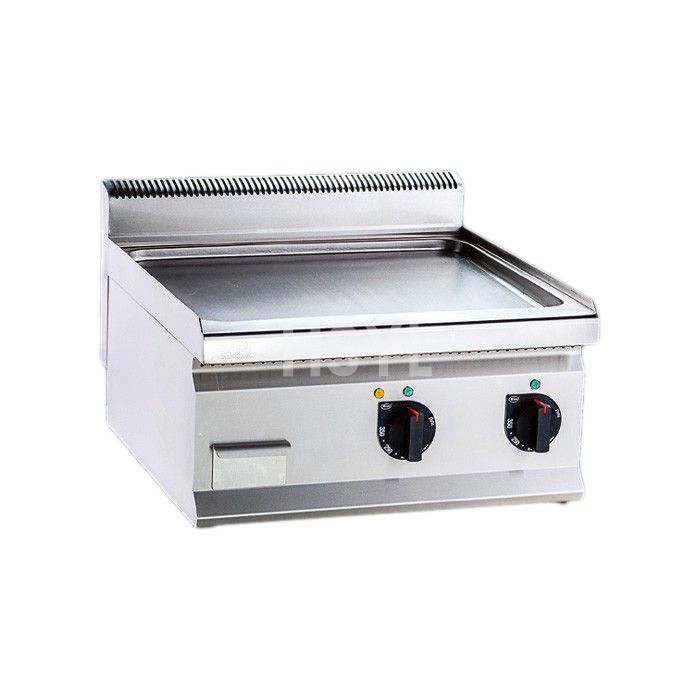
HG Countertop Electric Griddle Range
Compare HG6035E and HG6060E countertop electric griddles, listed at 4.2 kW and 8.4 kW. Confirm dimensions, electrical connections and cooking needs with HSYL.
View productEngineering-Led Commercial Kitchen Manufacturing
HSYL Kitchen Systems designs and produces heavy-duty commercial kitchen equipment for central kitchens, hotels, canteens, hospitals and high-capacity restaurants. Our goal is to provide precise equipment matching, documented quality gates and verified delivery for global foodservice operations.
- Food-grade SUS304 & SUS316 stainless steel construction
- Custom engineering layout & CAD drawing support
- Multi-stage factory quality control & FAT testing
- Factory-direct supply chain with spare parts backup
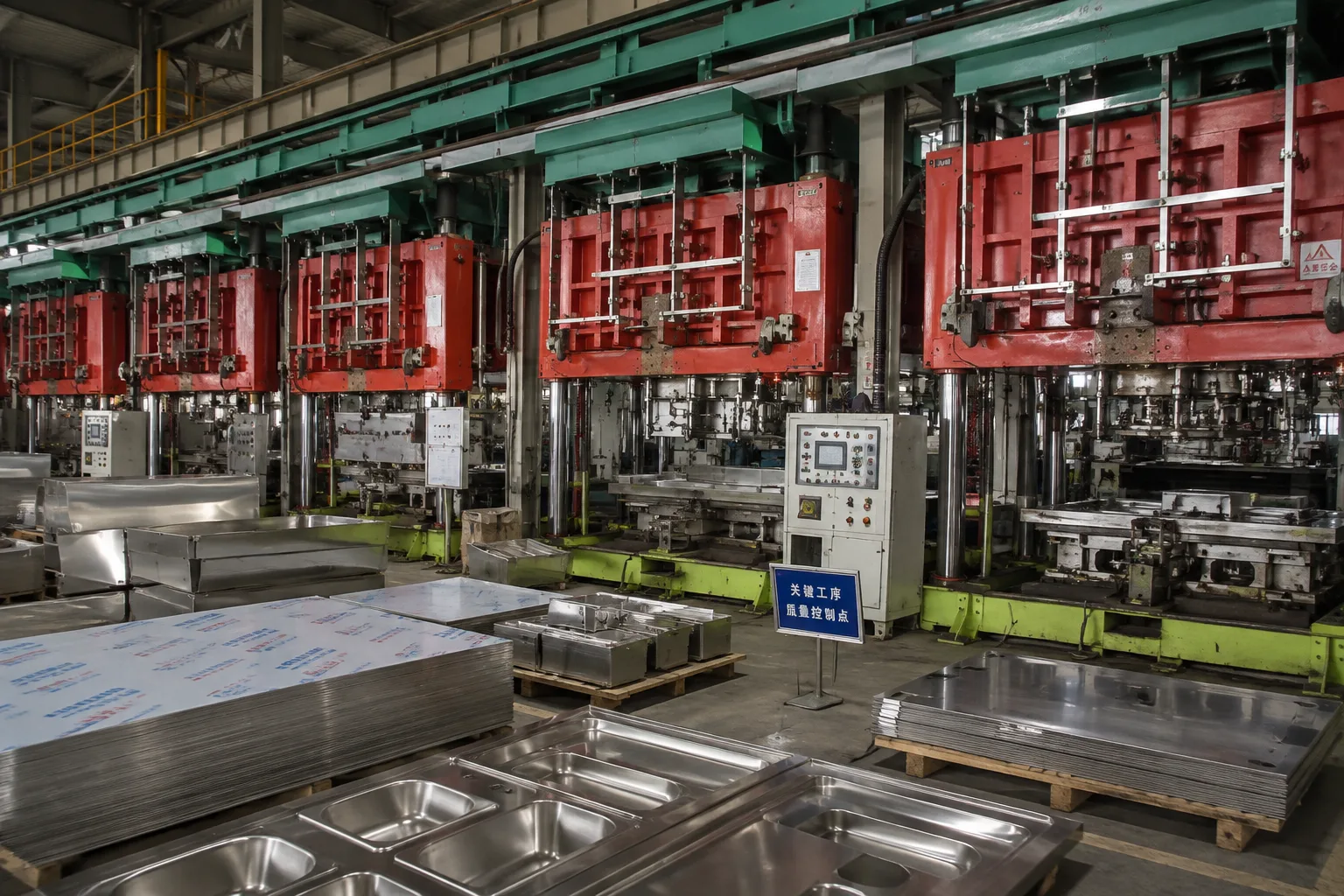
Advanced OEM Processing Equipment & Lines
Equipped with world-class automated sheet metal processing, precision bending centers, thermal foaming lines, and vacuum test rigs to support high-volume commercial kitchen OEM/ODM manufacturing.
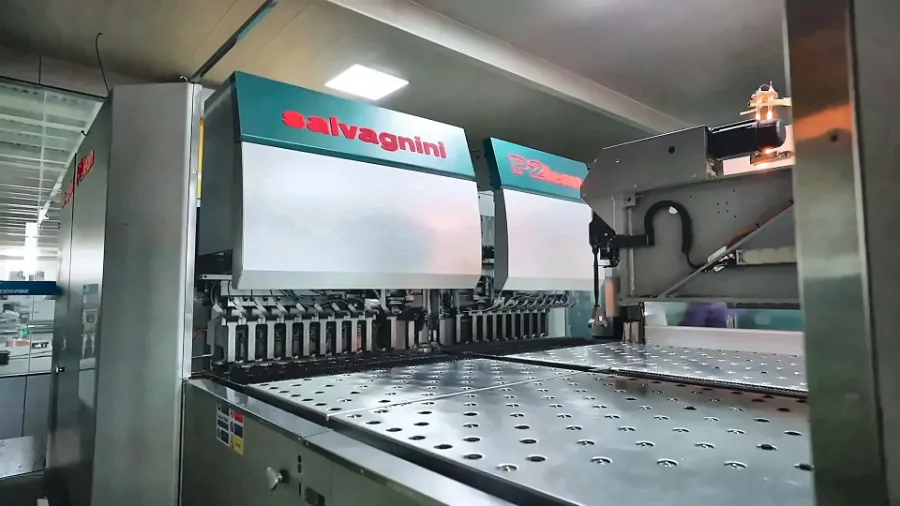
Italian Salvagnini Panel Bending Center
Automated sheet metal bending system for seamless cabinet fabrication and tight structural tolerances.
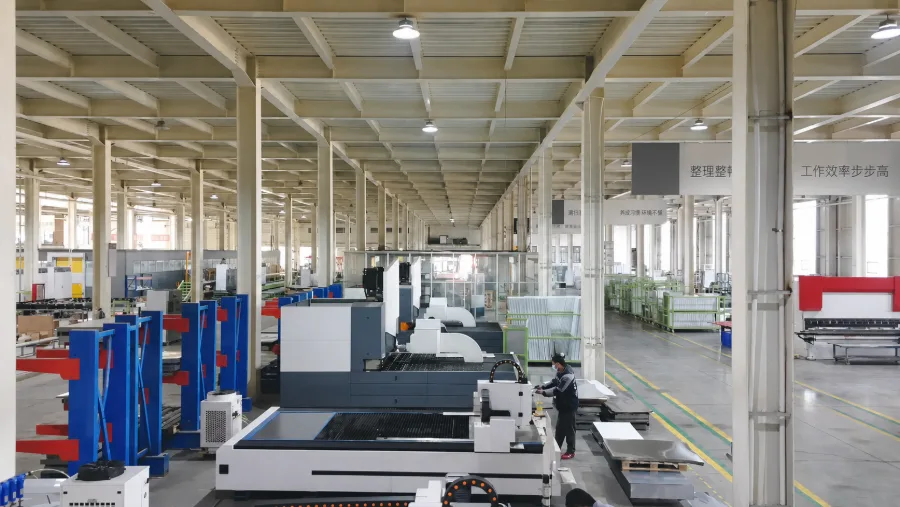
Automated Bending & Laser Cutting Line
Integrated flexible processing line combining fiber laser cutting and multi-axis CNC bending.
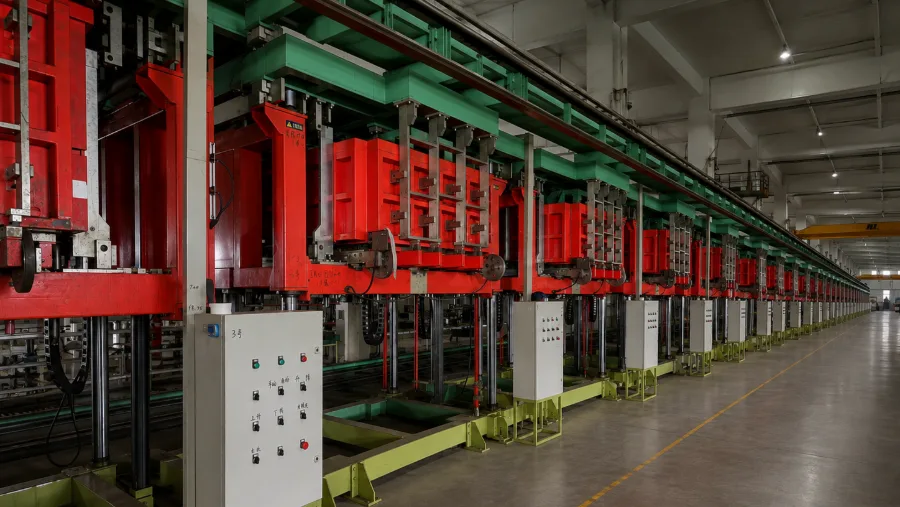
Constant-Temperature Foaming Line
Continuous polyurethane thermal insulation foaming line ensuring uniform core density.
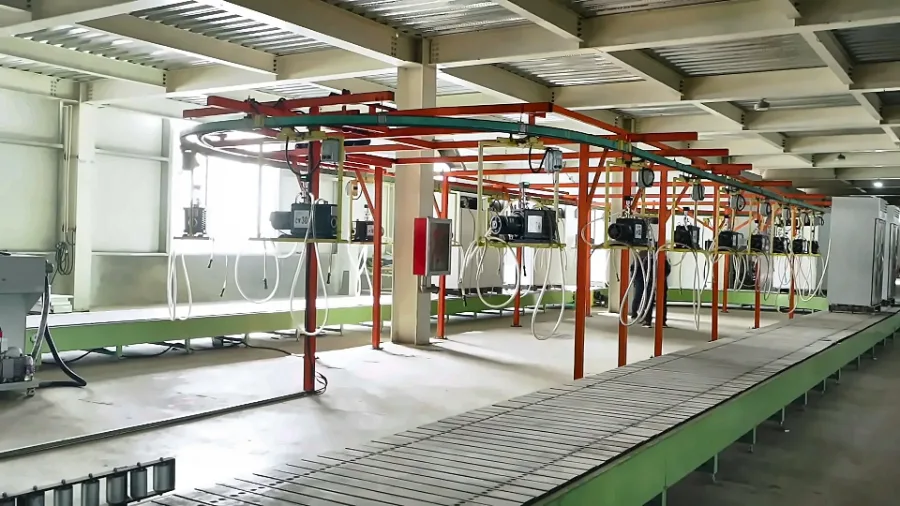
Vacuum Extraction & Testing Line
High-vacuum circuit evacuation and automated leak detection for commercial cooling systems.
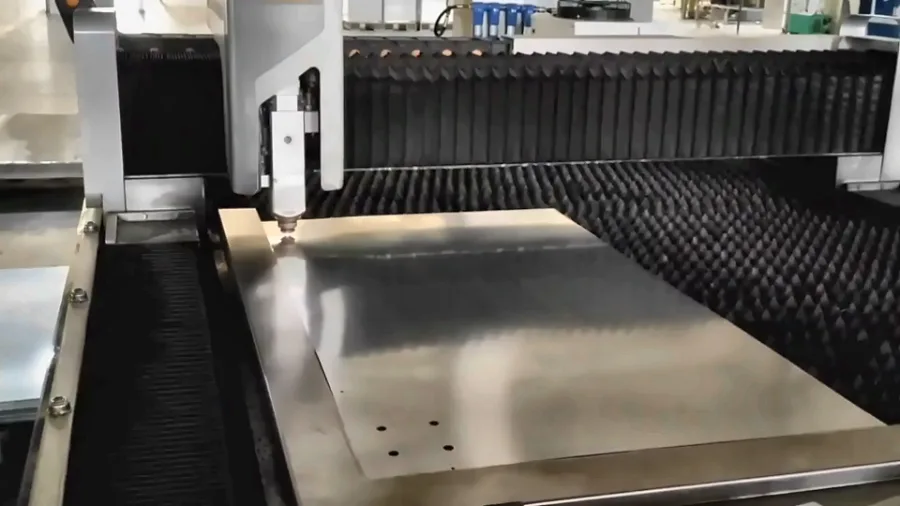
Laser Cutting & CNC Punching Station
High-speed fiber laser cutting and precision CNC punching for intricate component fabrication.
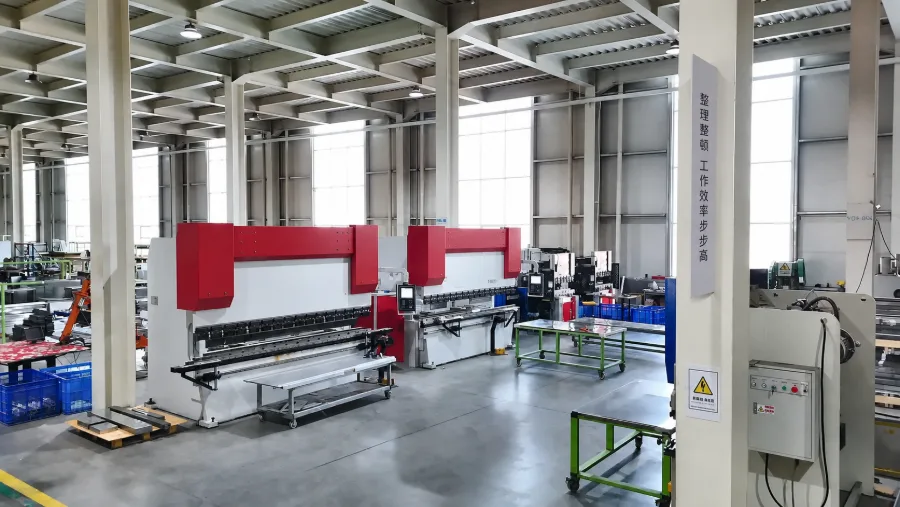
Canadian Heavy-Duty CNC Press Brake
High-tonnage precision press brake for large-format stainless steel sheet forming.
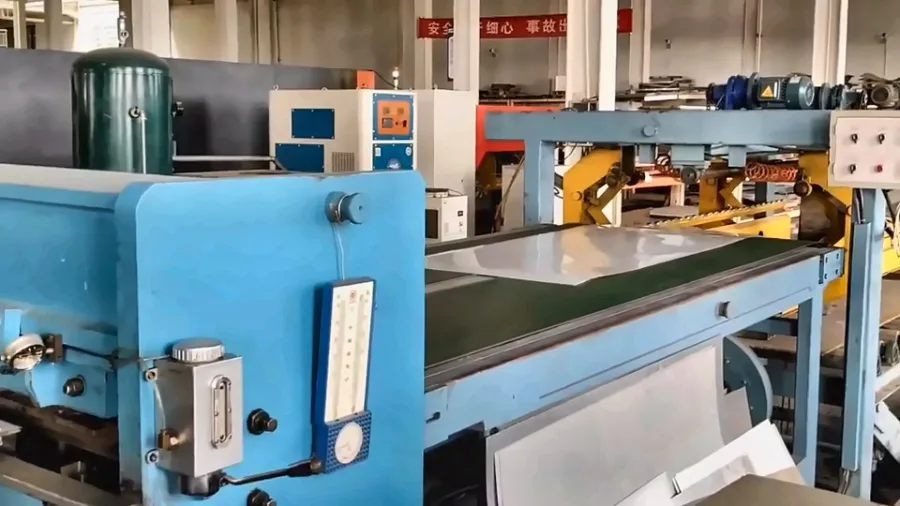
Material Shearing & Cutting Line
Automated heavy-gauge stainless steel shearing and precision raw material sizing.
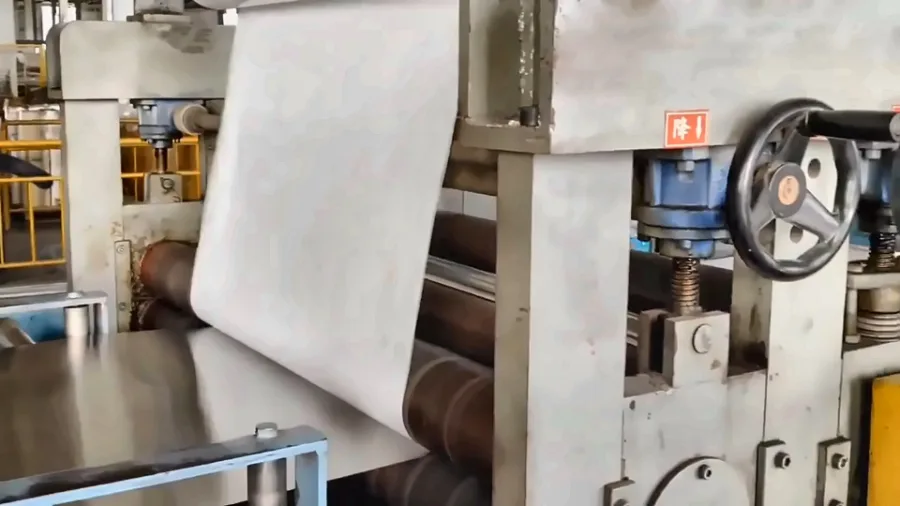
Material Film Laminating Line
Automated surface protection film application to preserve satin and mirror metal finishes.
Explore Popular Kitchen Equipment
Browse equipment that visitors frequently explore, then review the exact model and specifications for your project.
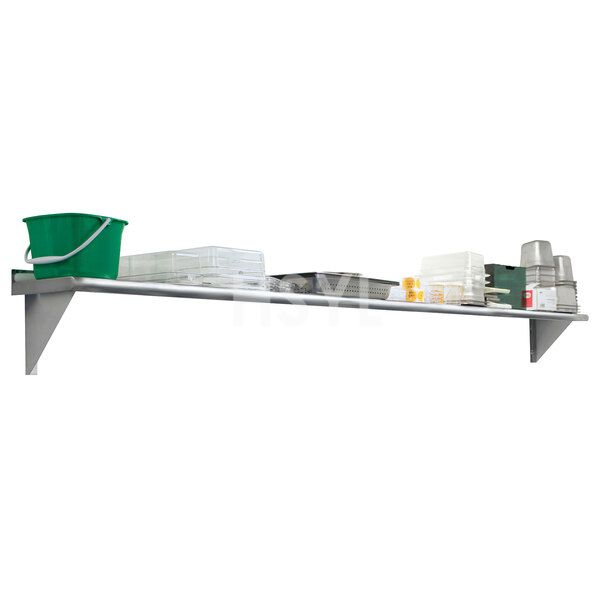
Stainless Steel Wall Shelves
Stainless Steel Wall Shelves for commercial kitchens, fabricated to project dimensions in ...
View product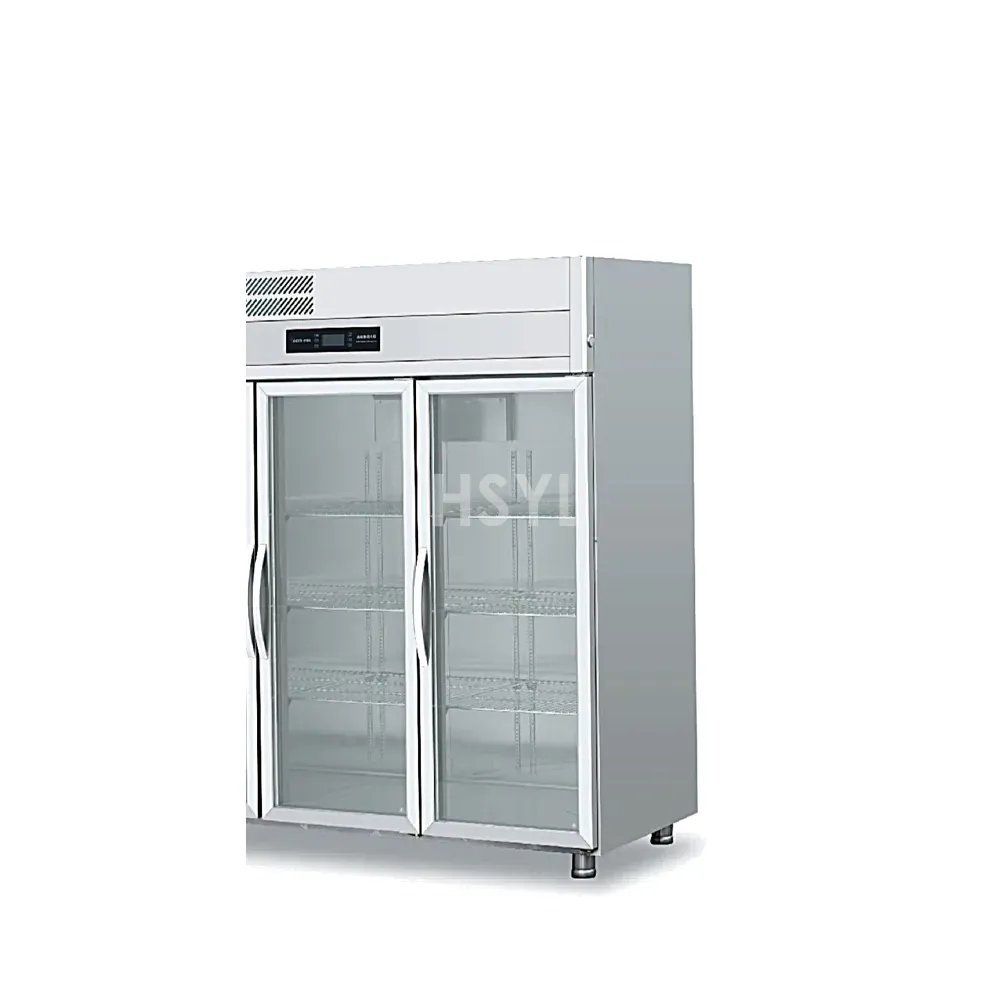
E Series Display Refrigerator Range
Compare E Series display cabinets by door layout, footprint and storage duty. Confirm the ...
View product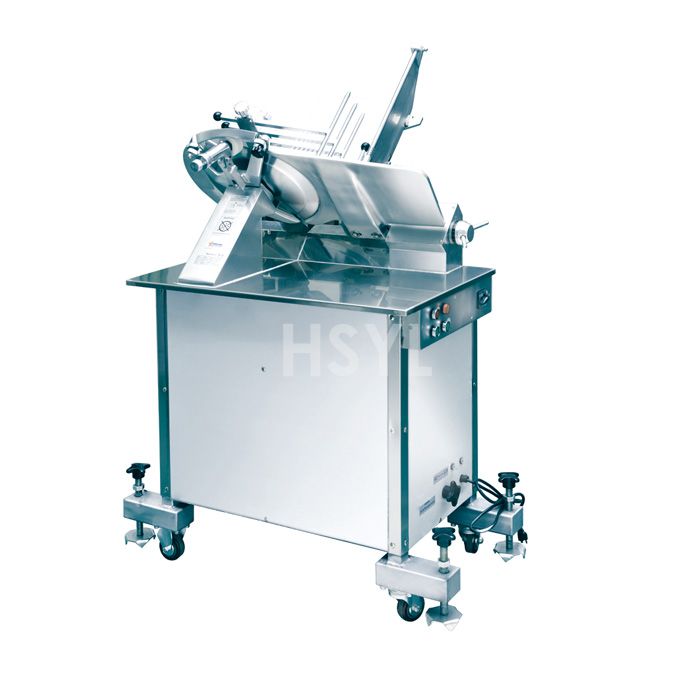
Commercial Meat Slicer-FP-HB-350400
Compare HB-350/400 meat slicers around meat size, slice thickness and production needs. Re...
View product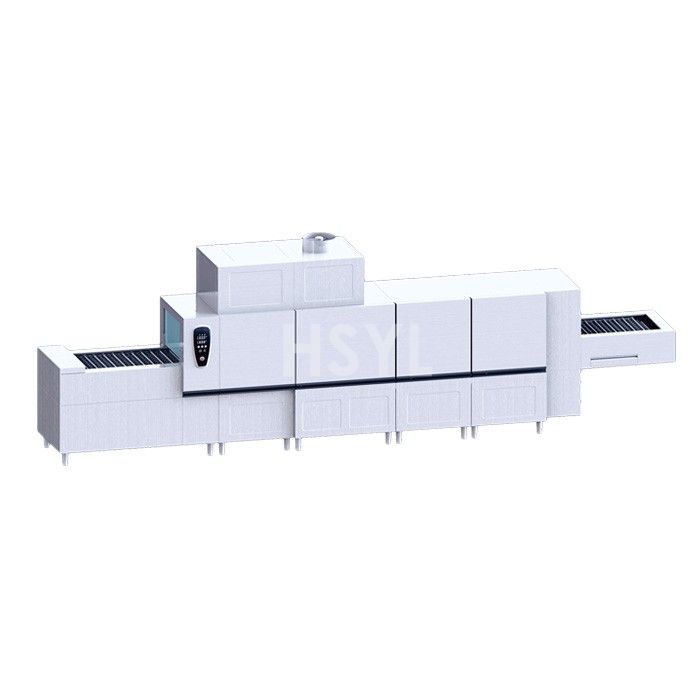
HDW8000L Steam-Heated Commercial Dishwasher
Quick Summary: The HDW8000L Steam-Heated Commercial Dishwasher (Model: CK-HDW8000L) is a h...
View product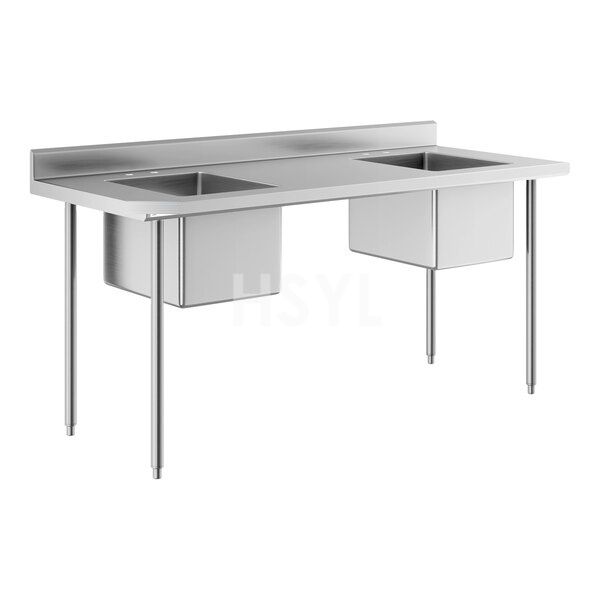
Two-Compartment Commercial Sinks
Two-Compartment Commercial Sinks for commercial kitchens, fabricated to project dimensions...
View product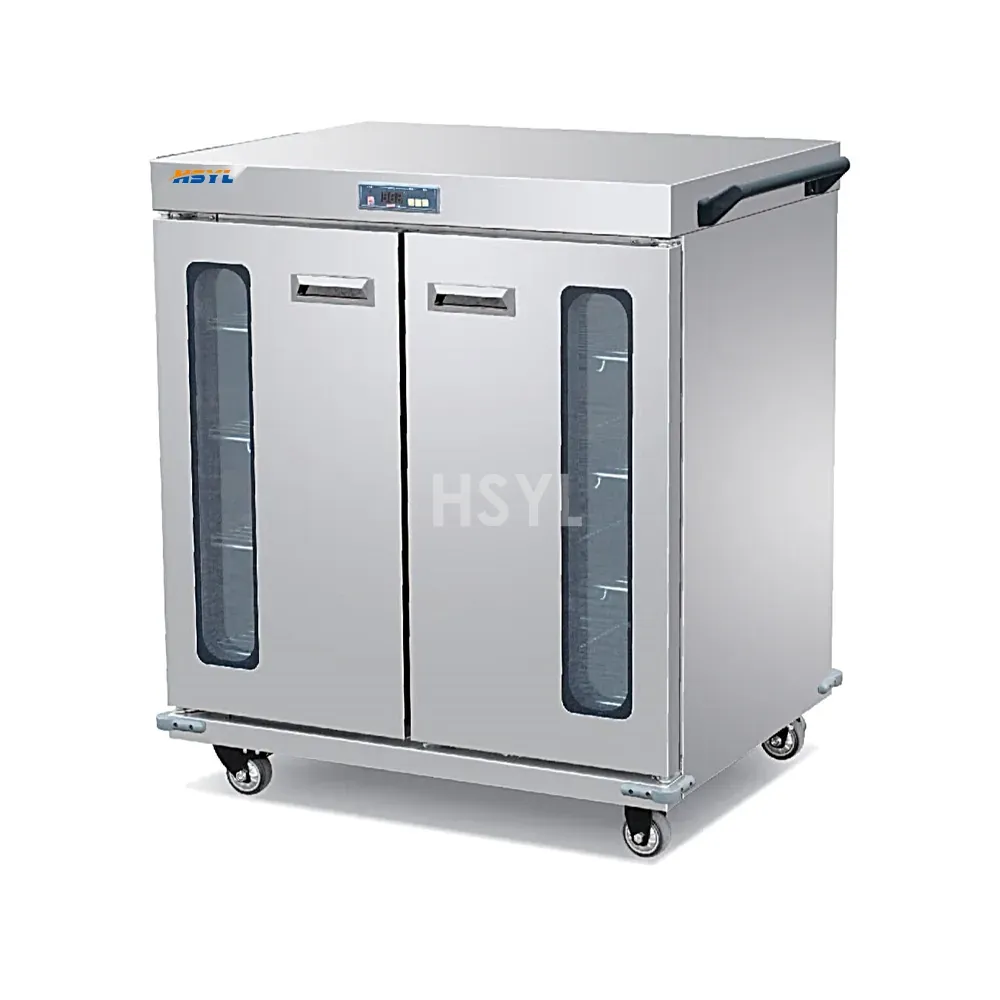
E234-BCW02-11 Horizontal Banquet Cart
Quick Summary: The E234-BCW02-11 Horizontal Banquet Cart-B (Model: SL-E234-BCW02-11) is a ...
View product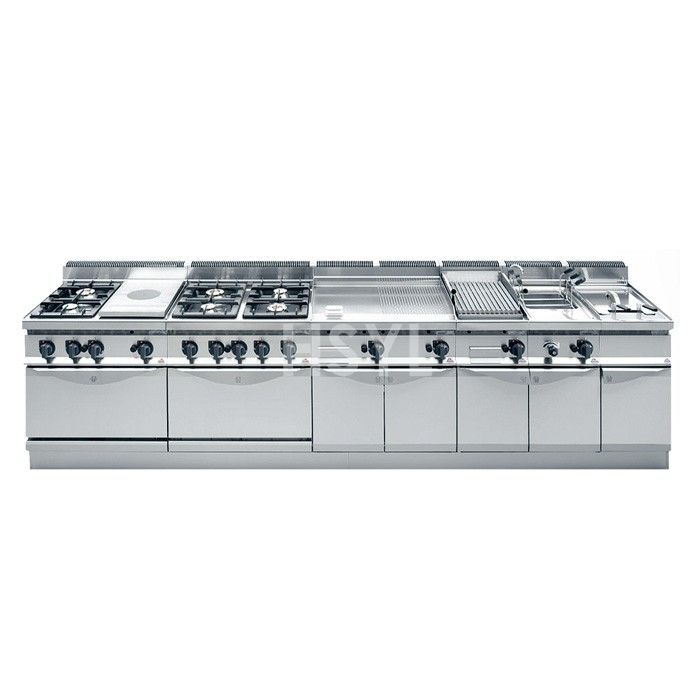
700-Series Combined Western Kitchen Stove
Quick Summary: The 700-Series Combined Western Kitchen Stove (Model: CK-BERTO) is a heavy-...
View product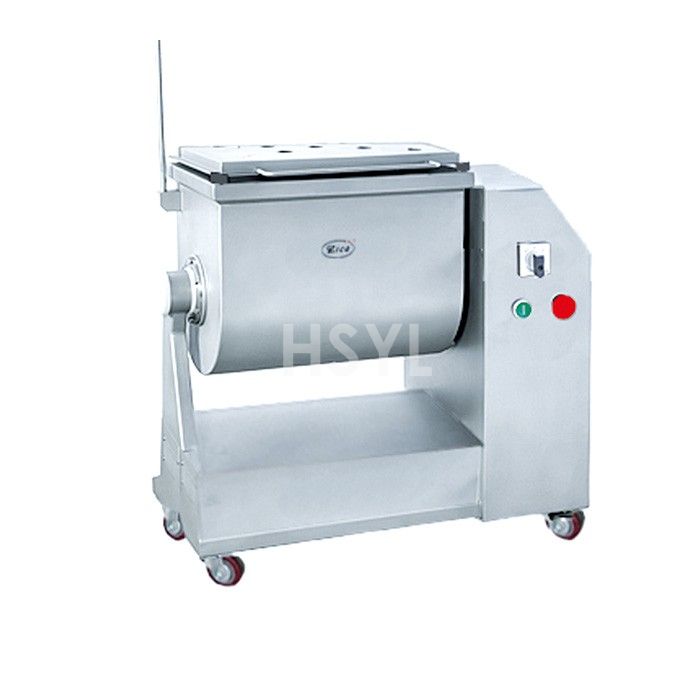
Commercial Meat Mixers
Commercial meat mixers for central kitchens, restaurant prep and meat-processing workstati...
View product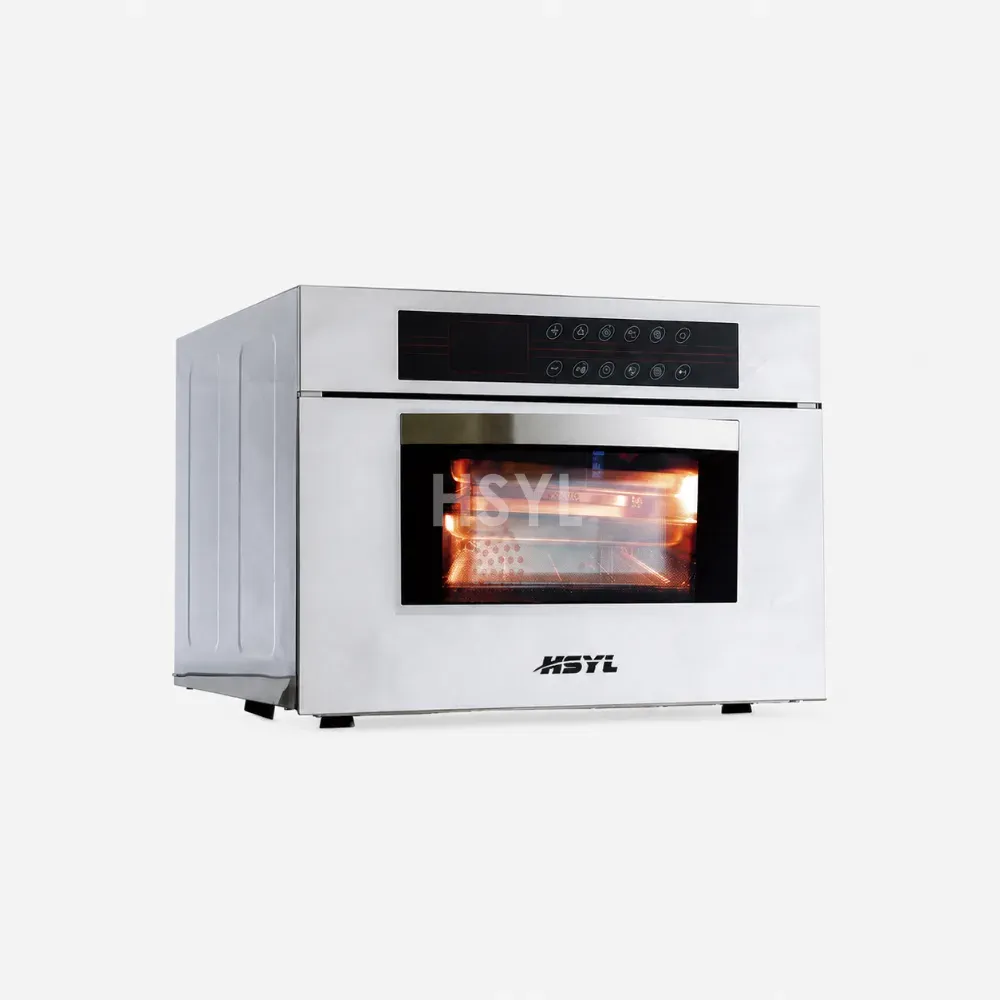
Commercial Ovens for Professional Kitchens
Commercial electric and convection oven solutions for professional kitchens. Review HSYL c...
View product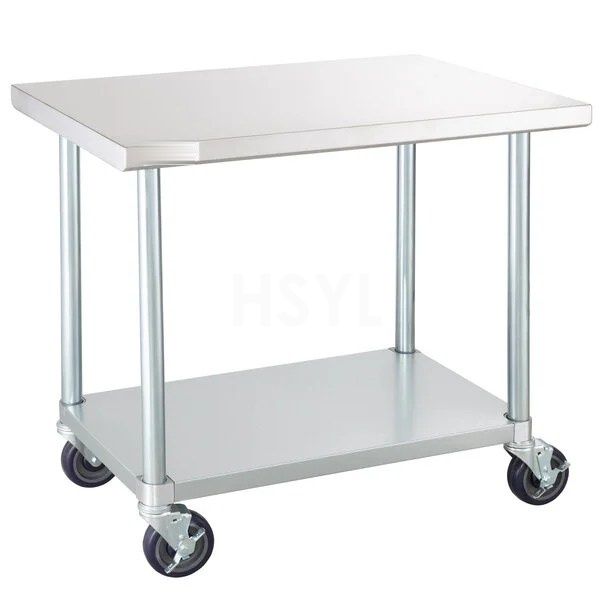
Stainless Steel Kitchen Trolleys
Stainless Steel Kitchen Trolleys for commercial kitchens, fabricated to project dimensions...
View product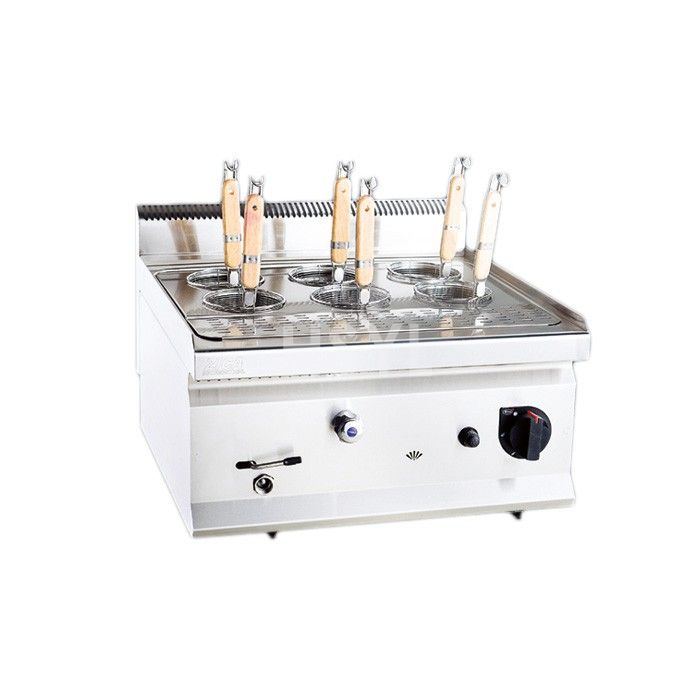
HP Countertop Gas Pasta Cooker Range
Compare HP6035G and HP6060G countertop gas pasta cookers. Review footprint and gas require...
View product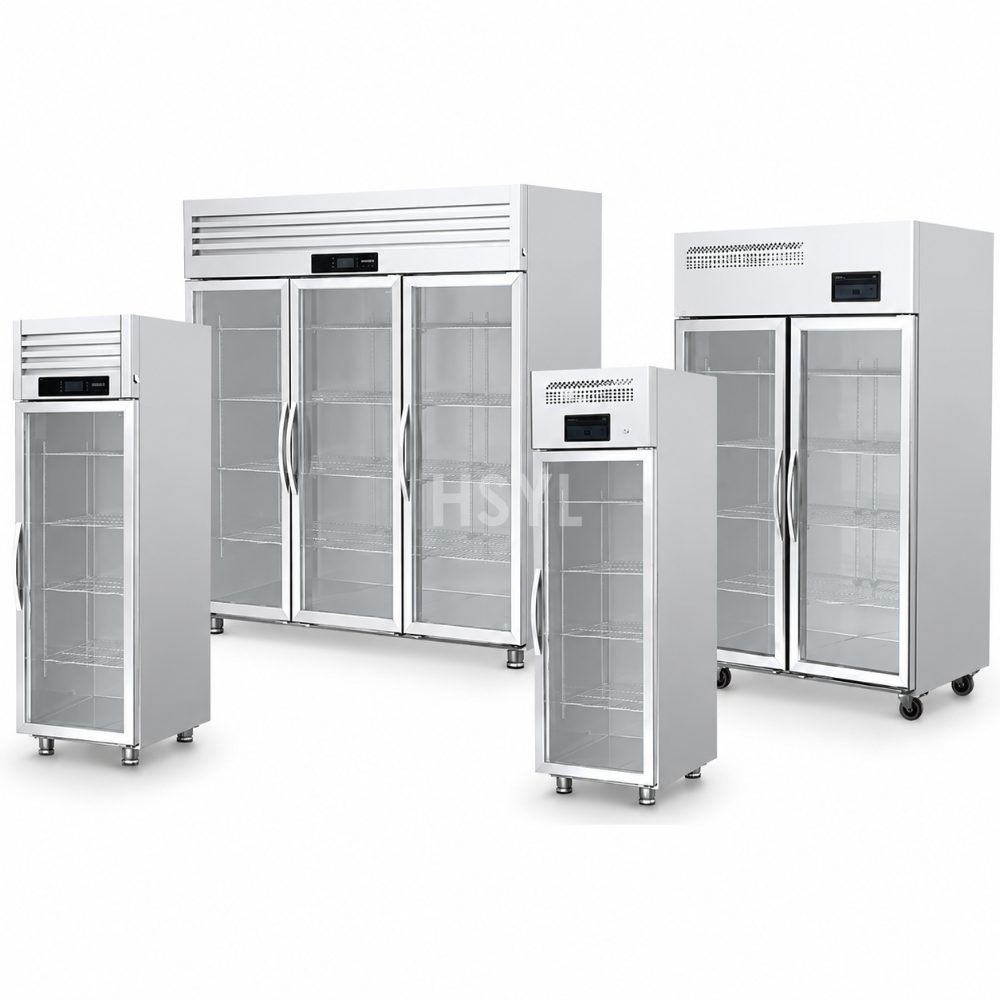
Q and S Series Direct-Cooling Display Cabinet Range
Compare Q and S Series display cabinets for your products and store layout. Confirm temper...
View product
HDW260-EL-R Electric-Heated Commercial Dishwasher
Compare HDW260-EL-R Electric-Heated Commercial Dishwasher capacity, heating, dimensions, u...
View product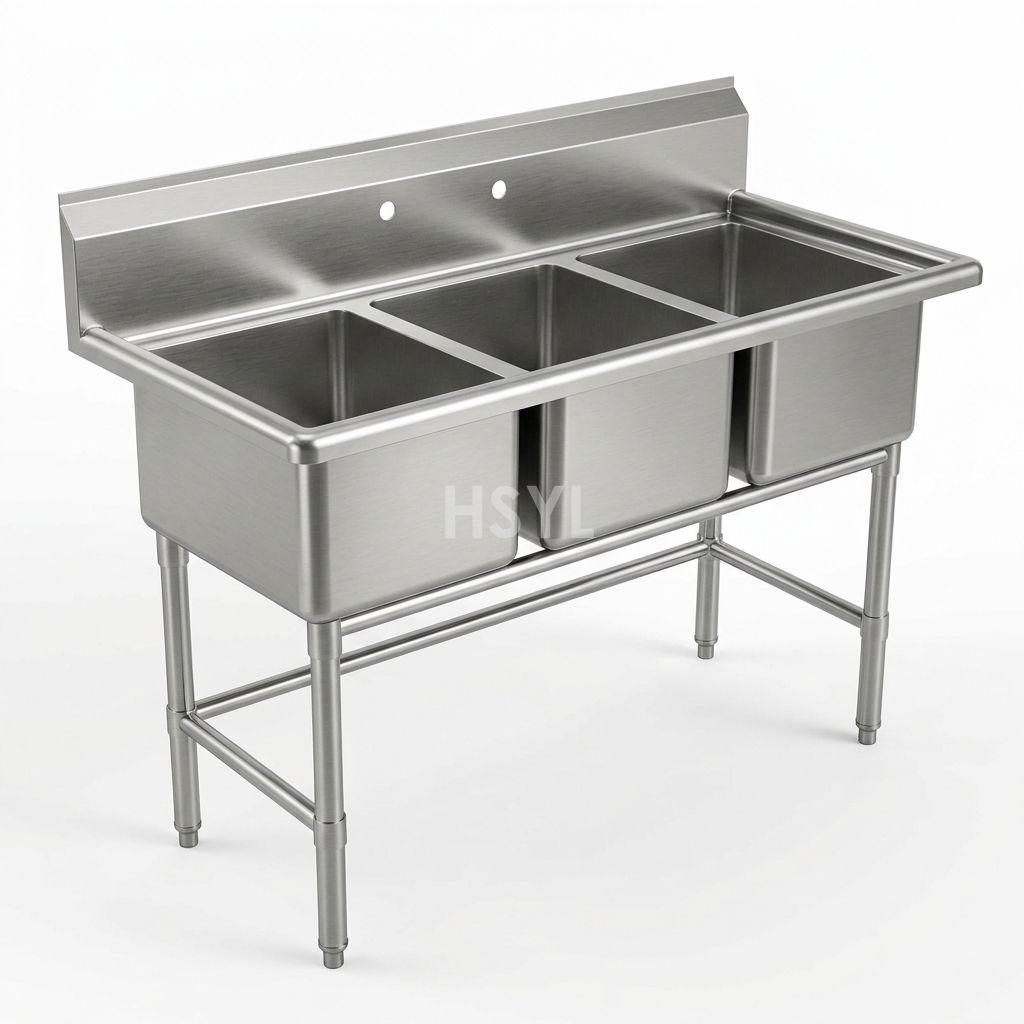
Three-Compartment Commercial Sinks
Three-Compartment Commercial Sinks for commercial kitchens, fabricated to project dimensio...
View product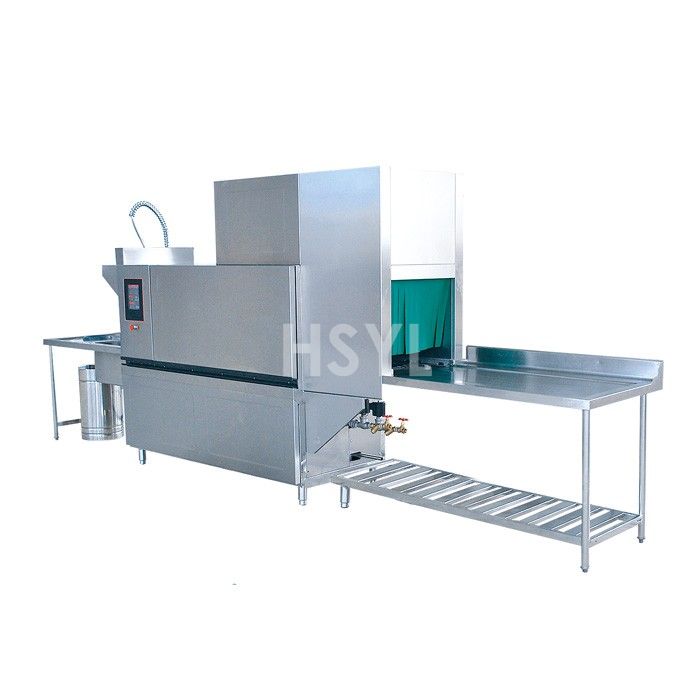
HDW260-SL-R Steam-Heated Commercial Dishwasher
Compare HDW260-SL-R Steam-Heated Commercial Dishwasher capacity, heating, dimensions, util...
View product Stainless Steel Wall Shelf
Plan stainless steel kitchen wall shelves for utensils, containers and clean storage. Spec...
View product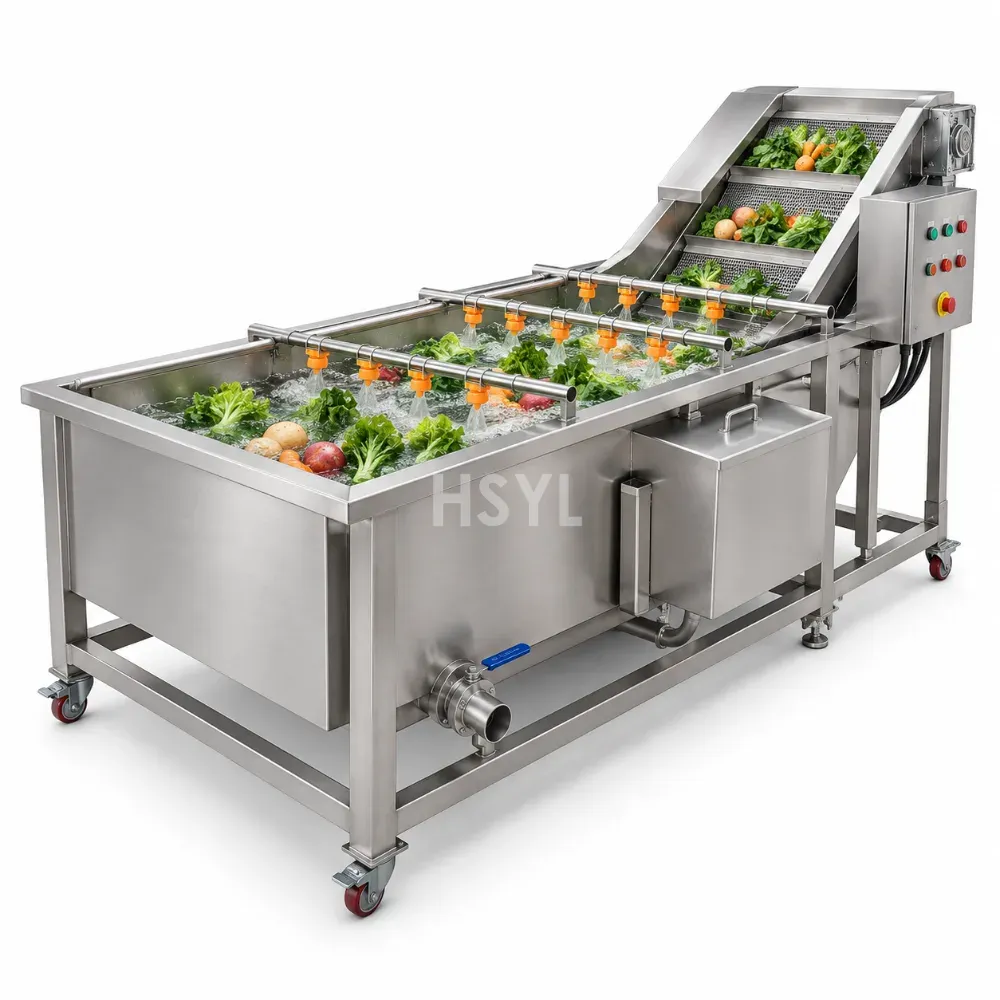
Commercial Vegetable Washers
Commercial Vegetable Washers for central kitchens, food processing plants, canteens and re...
View product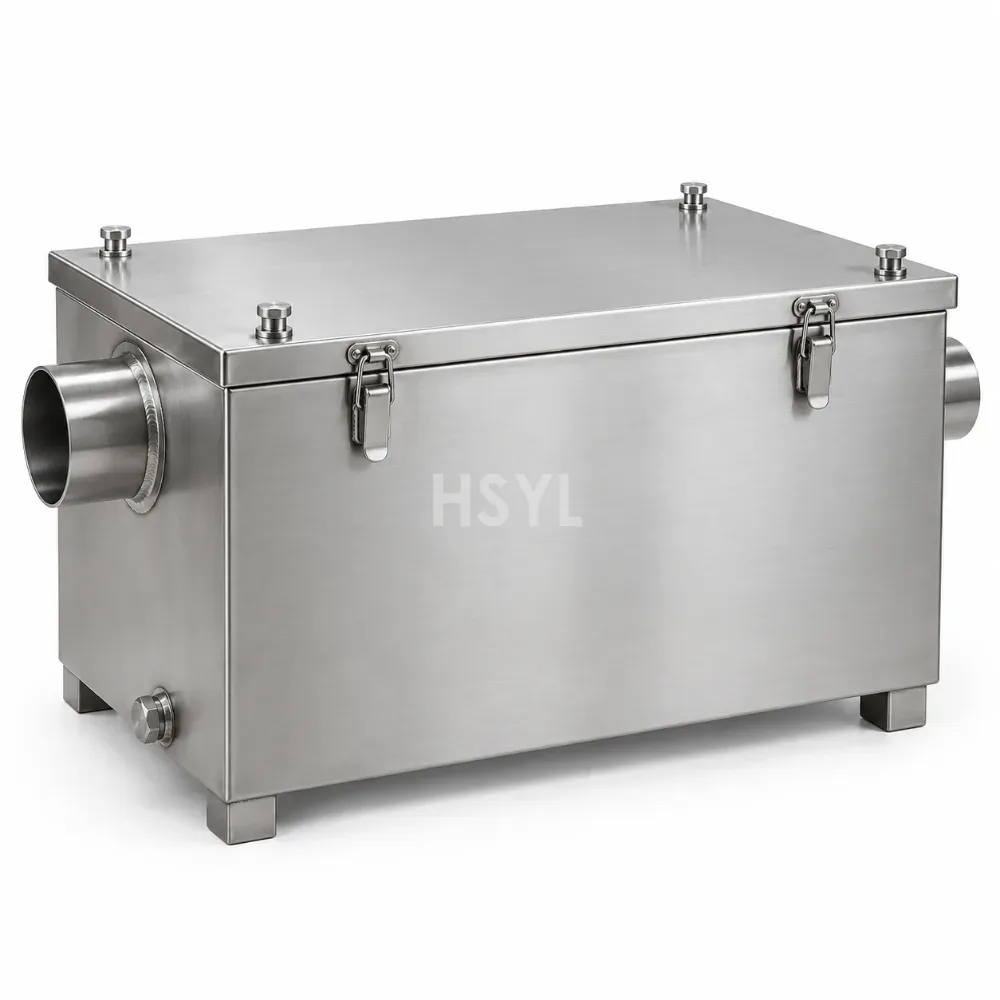
Commercial Grease Traps
Commercial Grease Traps for commercial kitchens, fabricated to project dimensions in AISI ...
View productFrequently Asked Questions
How should the burner and griddle proportions be chosen?
Use the busiest simultaneous menu load with actual cookware and portion footprints. Test both services if the restaurant's pan and plate tasks change during the day.
Does a gas range with griddle always include an oven?
No. Identify the ordered base and oven configuration in the drawing and quotation. A cupboard, open base, oven, and separate appliances are different arrangements.
Can the same range be ordered for natural gas or LPG?
Obtain written fuel identification and installation requirements for the exact version. Do not assume conversion is permitted or that a kit is included.
Plan the Equipment Around Your Kitchen.
Share your menu, peak service demand, available space and site utilities. Tell us which equipment you are considering so we can review the requirements with you.