Advanced Commercial Food Equipment: Buy Proven Capabilities
Assess advanced commercial food equipment by the production problem it solves. Compare feature evidence, complete-cycle labour, interfaces and service costs.
Advanced commercial food equipment should earn its place by solving a measured production problem. Define the required food result, operator work and station interfaces before comparing automation features. Require evidence for the exact configuration. A touchscreen, additional program or recognisable component brand does not establish usable throughput or a financial return.
Translate “advanced” into a production requirement
The word advanced describes no single equipment class. It can refer to programmable cooking, automated lifting, controlled portioning, continuous feeding, data capture or a simpler way to clean and reset a station. The relevant first three independent competitor sites in the recorded Google result show food-preparation categories, supported vendor lines and available machinery. Their content supports equipment selection and supplier capability checks, rather than one universally superior technology.
Begin with a specific constraint. Record whether the operation loses time in ingredient preparation, machine loading, cooking, product transfer, sanitation or changeovers. Measure the completed food that meets the kitchen's requirement, and record the work rejected or sent for another process. A machine can be fast while the station remains slow because the operator spends most of the shift staging ingredients or clearing the output.
Write the requested improvement as an observable outcome. Examples include reducing a repeated handling step, maintaining a defined portion result or changing recipes with fewer adjustments. Keep the required food characteristics and safety process explicit. Avoid an enquiry that asks only for the newest model. A supplier can respond more usefully to a defined task, representative product and installation boundary.
| Observed constraint | Feature to investigate | Evidence that would make it useful |
|---|---|---|
| Repeated manual loading or lifting | Supported loading aids or automatic handling | Complete-cycle trial including staging and unloading |
| Inconsistent approved recipe execution | Validated programs and protected settings | Repeat results across the intended operators and food conditions |
| Long product changeovers | Accessible tooling and documented setup | Observed changeover including cleaning and verification |
| Unclear production records | Supported logging or data export | Actual recorded fields, access method and retention agreement |
| High cleaning workload | Removable parts or approved cleaning system | Demonstrated sanitation access and full ready-to-run reset |
These are investigation routes, not claims that a particular HSYL model provides the feature. Request a confirmed functional description, model revision and accessory list for every proposed solution. If the task changes during the enquiry, revise the acceptance criteria before comparing the next offers.
Separate feature descriptions from evidence of an outcome
A quotation can state that a machine includes a controller or motor without showing how that feature affects the buyer's work. Ask the supplier to explain what the feature controls, which inputs it needs and what the operator must still do. For an automatic process, establish where ingredients enter, where acceptable product exits, how rejects are handled and which tasks remain manual.
Keep a claim register beside the quotation. Each important claim should have an evidence source, a configuration boundary and an acceptance method. A component datasheet may establish the identity of a part but cannot establish the output of an assembled machine. A product video can show a task, but it may omit setup, feed preparation or cleaning. A test record is useful when its product conditions match the requested application.
| Quoted claim | Evidence requested | Configuration boundary | Buyer check |
|---|---|---|---|
| Automated handling | Recorded complete-cycle demonstration | Product size, feed arrangement and supplied handling accessories | Observe the operator's remaining tasks |
| Programmable processing | Supported settings and documented recipe procedure | Controller version and available process modes | Repeat the agreed recipe and changeover |
| Reduced consumption | Measured consumption and operating conditions | Same food, load and cycle boundary | Compare energy per accepted output |
| Easy cleaning | Approved cleaning procedure and observed access | Actual tooling, guards and wetted/contact parts | Time the complete cleaning and reset |
This is a purchasing register, not a test result or endorsement of a model.
Require a written response to unsupported claims before release. The response can narrow the claim to what is demonstrated, identify an additional trial or remove the feature from the requirement. Do not convert a missing measurement into a confident number. Buyers can still make a decision with a clear uncertainty boundary, provided the unresolved issue is recorded and handled in the purchase terms.
Run the trial with the food and handling that matter
Select representative products, including the variation that makes the task difficult. Record ingredient condition, starting temperature where relevant, size distribution, recipe and the condition of any prepared feed. Standardise what can reasonably be controlled, and keep the normal variation the business expects. A successful run with a uniform demonstration sample may tell little about the production mix.
Use the exact tooling and accessories offered. Record guards, feed guides, baskets, pans, cutting attachments and discharge arrangements where applicable. Confirm the manufacturer permits the intended product and method. A process that depends on an accessory absent from the quotation is a different purchase. Capture the settings and operator actions needed to reproduce the accepted result.
Observe several consecutive cycles or an agreed continuous run. Include stops, replenishment, product removal and necessary adjustments. Measure finished output that meets the agreed criteria, recording rejects separately. Check whether staff can maintain the process without unsafe reaching, improvised bypasses or lifting beyond the approved handling method. Keep the food-safety checks and machine-operation checks distinct.
Finish with a changeover and cleaning observation. Some machinery performs a focused task quickly but becomes inefficient when the menu changes often. Document disassembly, cleaning access, tool storage, reassembly and readiness checks using the approved procedure. The useful trial ends when the station can begin its next valid task, not when the first product leaves the machine.
Evaluate staff time across the whole station
Automation can shift labour rather than remove it. A faster processor may require more ingredient staging, while a programmable cooker may reduce adjustments but still need careful loading and unloading. Record the people involved and their active work. Separate unattended elapsed time from time when an operator must remain available, and compare the proposed arrangement with the current process on the same basis.
Active labour per accepted batch = total active operator minutes within the defined production boundary ÷ accepted batches completed.
| Time category | Include in the observation | Keep separate |
|---|---|---|
| Preparation | Staging, trimming or portioning required by the machine | Tasks unchanged outside the purchase boundary |
| Processing | Loading, controls, monitoring that requires attention and unloading | Unattended elapsed time |
| Correction | Rework, rejects and repeated settings | Unrelated production interruptions |
| Reset | Approved changeover, cleaning and ready-to-run checks | Building cleaning outside the station |
Compare like products and quantities. The calculation identifies workload; it does not promise a staff reduction or payroll saving.
Check where any recovered time can actually be used. A few minutes scattered across a shift may help the operator manage other tasks without changing staffing. A sustained reduction at the limiting station may affect scheduling more materially. Write the operational response explicitly instead of assuming every saved minute produces a cash saving. Include training and the time needed to learn the approved process.
Review the interfaces before choosing the technology
Map the path from raw or prepared input to accepted output. Check container formats, working heights, access directions and the next process. A discharge that works in a showroom may be awkward beside the buyer's packing bench. Ask for drawings showing the machine, accessories and required operating and service envelope. Exterior width alone does not describe the space needed to use it.
Identify electrical voltage, frequency, phase and connection capacity at the site. Gas, water, drainage, compressed air or ventilation requirements must be confirmed when applicable to the proposed machine. Have qualified installers evaluate these interfaces using the exact model's documents. Do not let a general technology description replace the utility schedule; even visually similar revisions may require different connections.
For a controller, ask how programs are entered, protected, backed up and restored. If connectivity or data export is offered, obtain the supported interfaces, account responsibilities and any ongoing fees. Determine what still works when the network is unavailable. Do not assume a touchscreen implies production logging, remote diagnostics or integration with another system. Each required function belongs in the written scope and acceptance method.
Request component transparency without mistaking it for performance
The service pack should identify replaceable parts and the installed revision. Relevant parts can include motors, drives, heating assemblies, pumps, controllers, sensors, seals, belts and tooling, depending on the equipment. Ask the supplier to distinguish purchased components from custom assemblies and to provide ordering references. Confirm whether a component substitution changes the documentation or approved operating procedure.
For refrigeration equipment, compressor and controller identities such as Embraco, Secop, Copeland, Dixell or Carel can be recorded if confirmed for the proposed version. These are examples of information a buyer may request, not HSYL fitted-component claims. For cooking or food-preparation machinery, request the corresponding actual motor, heating and control details. A familiar brand cannot prove the reliability of the completed system.
Agree the service route for the destination. Record which provider diagnoses faults, who supplies parts, whether remote assistance is available and what work must be done locally. Ask for the warranty territory, exclusions, labour responsibility and the procedure for approving repair. Keep optional maintenance contracts separate from the machine price. Training needs to cover normal operation, fault response and approved cleaning, rather than only a sales demonstration.
Model ownership cost and failure consequences together
Build the initial cost from the configured machine, accessories, freight, import charges, local handling, utility work and commissioning. Include tooling or containers needed to make the demonstration result reproducible. For OEM or ODM changes, identify drawing approval, sample acceptance and any affected service parts in the agreed scope. A general customisation claim is insufficient to establish a supplied feature.
Estimate ongoing costs from measured operation. Annual electricity can be modelled as representative kWh per operating day multiplied by planned operating days. Add any other measured utilities in compatible units, cleaning labour, consumables, scheduled maintenance and tooling replacement. Record the assumptions behind each estimate. Maximum input, cycle speed and a component efficiency statement should not be presented as annual machine consumption.
Examine a downtime scenario using the kitchen's actual alternatives. Some tasks can revert to a manual process, while another machine may have no practical backup. Record the unavailable work, additional handling, alternative equipment and potential product loss separately. Avoid equating displaced sales with lost profit. Use the scenario to decide which spares, support arrangements or backup capacity have value for the operation.
Release the purchase on an evidence pack for the exact version
For a United States project, verify any claimed sanitation or safety listing against the ordered identity and local approval requirements. NSF's food-equipment portfolio distinguishes cooking, refrigeration and powered food-preparation standards, including NSF/ANSI 4, 7 and 8. Select the applicable scope; no single standard number establishes every machine's approval.
For an European Union destination, request the applicable declaration, identification and instructions for the supplied version, using the EU CE marking guidance to clarify compliance responsibilities. The United Kingdom and other markets require their own review with the importer, installer and relevant approving authority. A competitor certificate or generic factory document cannot establish conformity of a different ordered machine.
Reconcile the quotation, trial record, drawings, document pack and packing list before dispatch. Obtain actual package dimensions and weights for the shipment plan; do not infer container loading from a product photograph. At receipt, record identity, accessories and condition before approved installation. Commission the exact supplied version and retain the acceptance record with its service information.
Where a sample is prepared before final production, identify how it differs from the production machine. Record temporary tooling, software version, feed arrangements and any operator assistance used in the trial. Require the supplier to explain which conditions will carry into the delivered configuration and which will change. A sample approval should attach to an agreed build record, so the buyer can check that the delivered machine reproduces the accepted task with the supplied accessories.
Send HSYL the production problem, representative product, current cycle observations, site interfaces and destination country. Request a proposal that links each feature to evidence and a defined acceptance check. Advanced equipment is a useful investment when its confirmed capabilities fit the complete working process and the purchase record makes that fit reviewable.
Related Kitchen Products
Selected from the catalogue against the keywords of this page, then reviewed with your duty cycle, utilities and site conditions before quotation.
Commercial Juicer Machine
Explore Commercial juicer machine specifications and applications. Commercial Juicer with 304 stainless steel filter construction, 0.5-1.5KW power, suitable for...
View product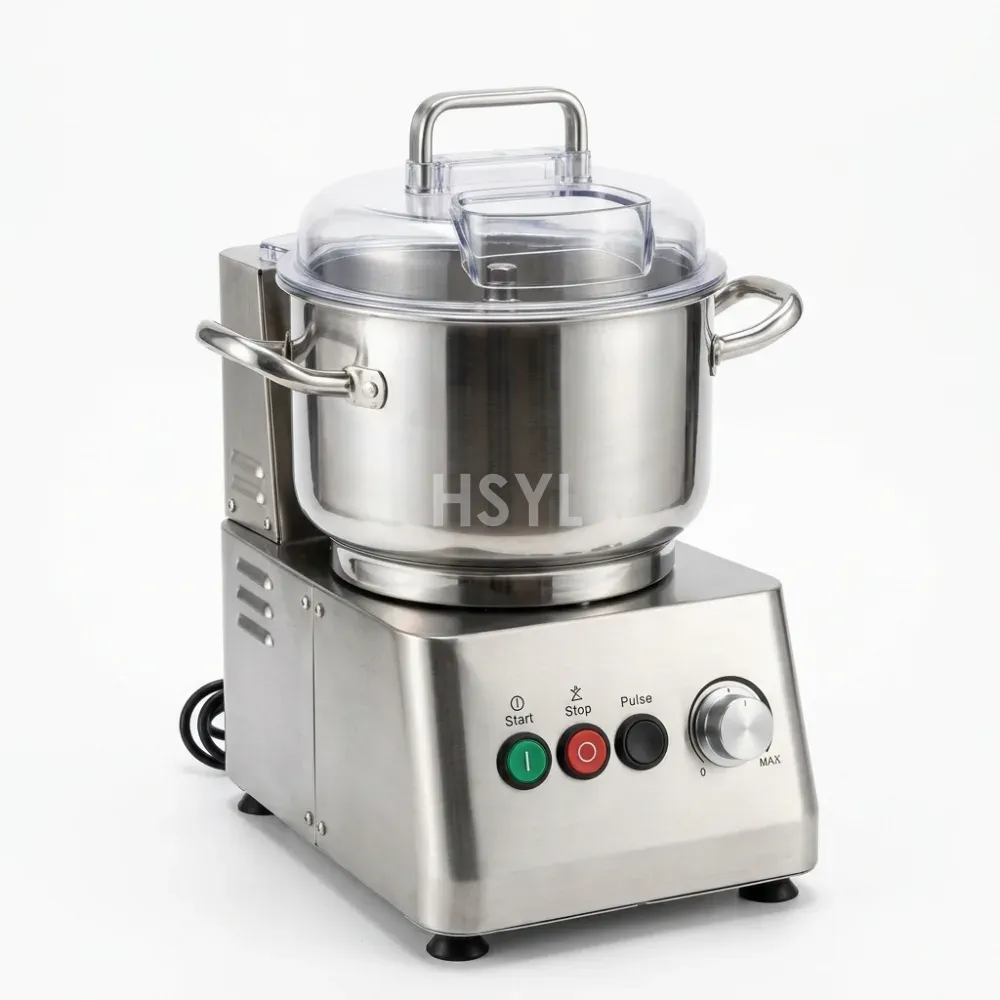
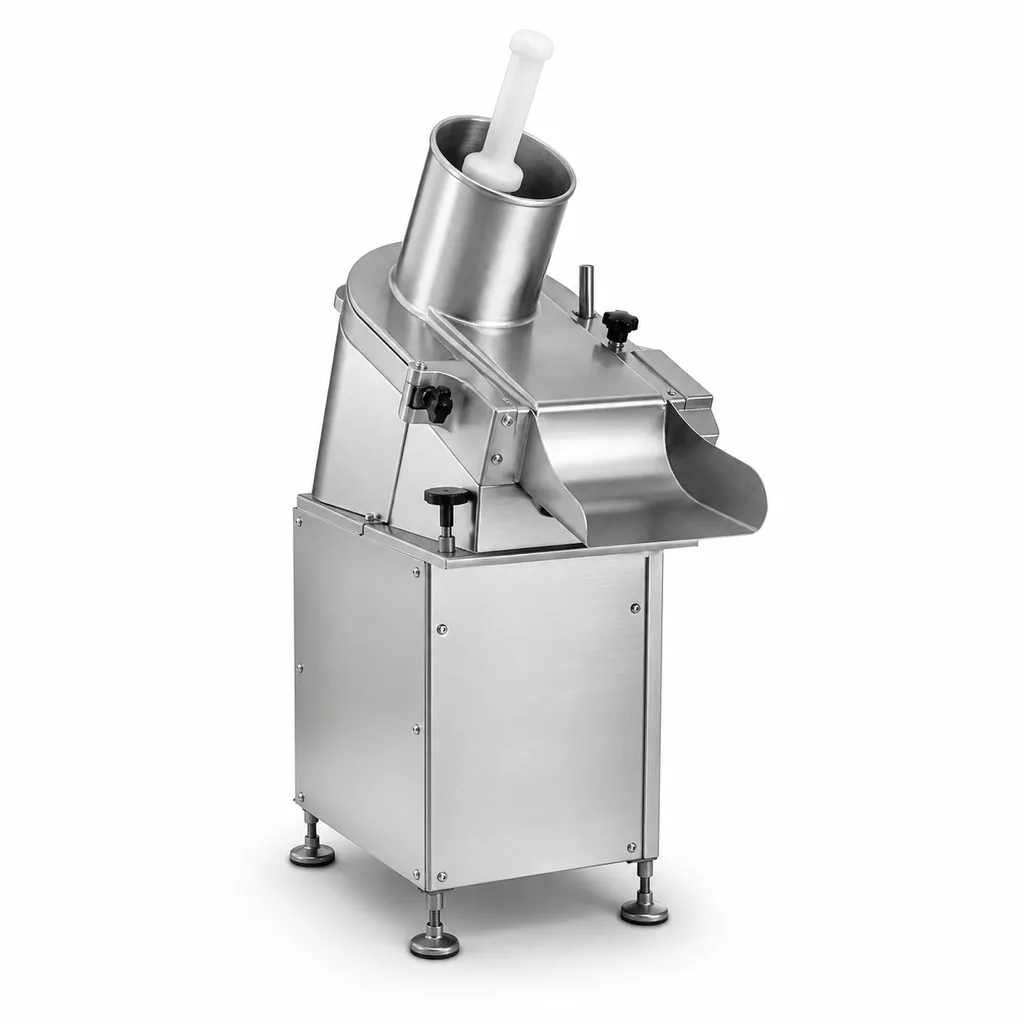
Commercial Food Processors
Commercial Food Processors for central kitchens, restaurants, hotels and catering operations. Specify bowl cutters, continuous-feed prep machines and combo proc...
View product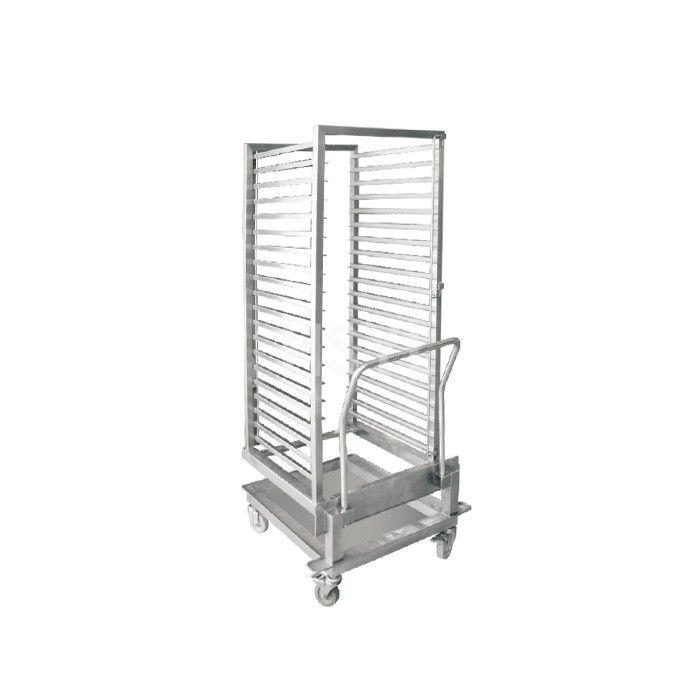
Commercial Steamers & Steamer Cabinets
Commercial steamer cabinets and steam cooking equipment for canteens, hotels, restaurants and central kitchens. Plan capacity, tray format, steam source, draina...
View product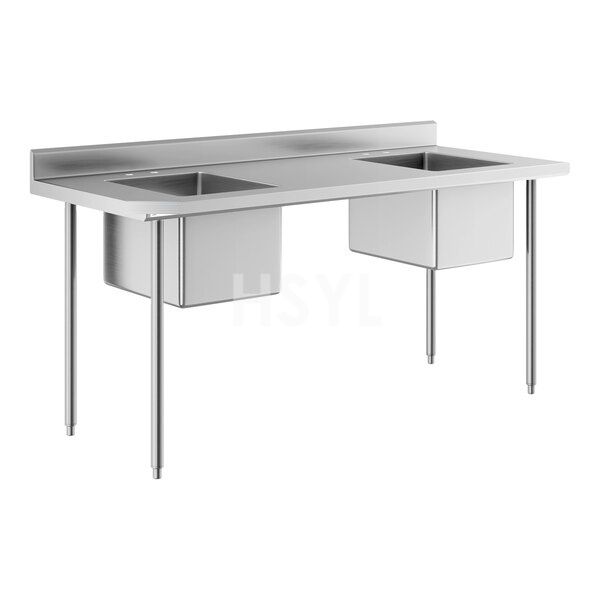
Commercial Stainless Steel Prep Sink
Plan a commercial prep sink for ingredient washing. Review bowl space, drainboards and plumbing details, then send your kitchen layout to HSYL for a quotation.
View product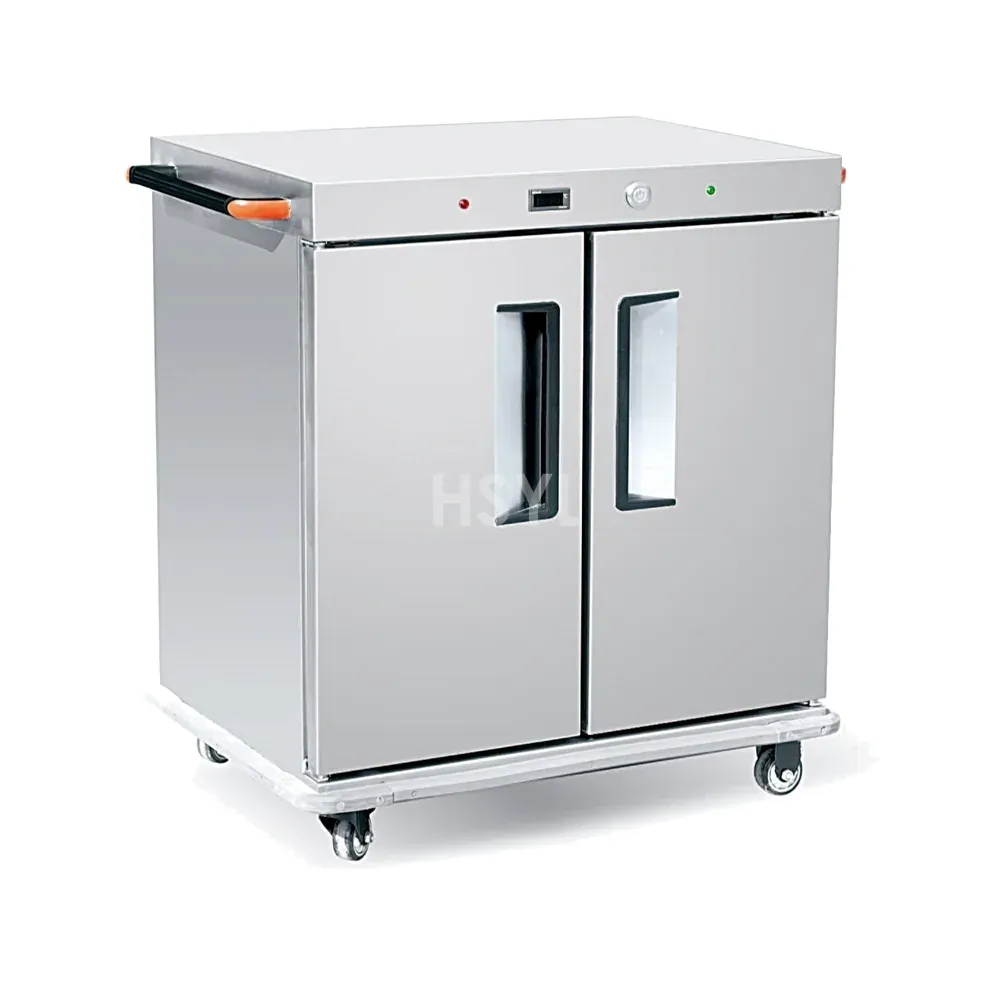
E300-BCW01-11 Horizontal Banquet Cart-A
Quick Summary: The E300-BCW01-11 Horizontal Banquet Cart-A (Model: SL-E300-BCW01-11) is a heavy-duty commercial system engineered for high-throughput production...
View product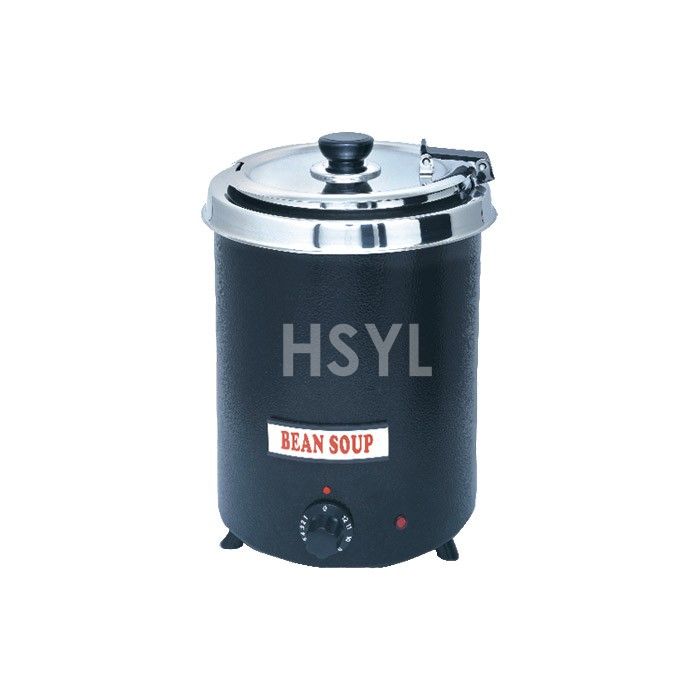
Commercial Soup Kettle SB-5700
Review Commercial Soup Kettle SB-5700 dimensions, utilities and commercial kitchen applications. Request an HSYL technical proposal.
View productEngineering-Led Commercial Kitchen Manufacturing
HSYL Kitchen Systems designs and produces heavy-duty commercial kitchen equipment for central kitchens, hotels, canteens, hospitals and high-capacity restaurants. Our goal is to provide precise equipment matching, documented quality gates and verified delivery for global foodservice operations.
- Food-grade SUS304 & SUS316 stainless steel construction
- Custom engineering layout & CAD drawing support
- Multi-stage factory quality control & FAT testing
- Factory-direct supply chain with spare parts backup
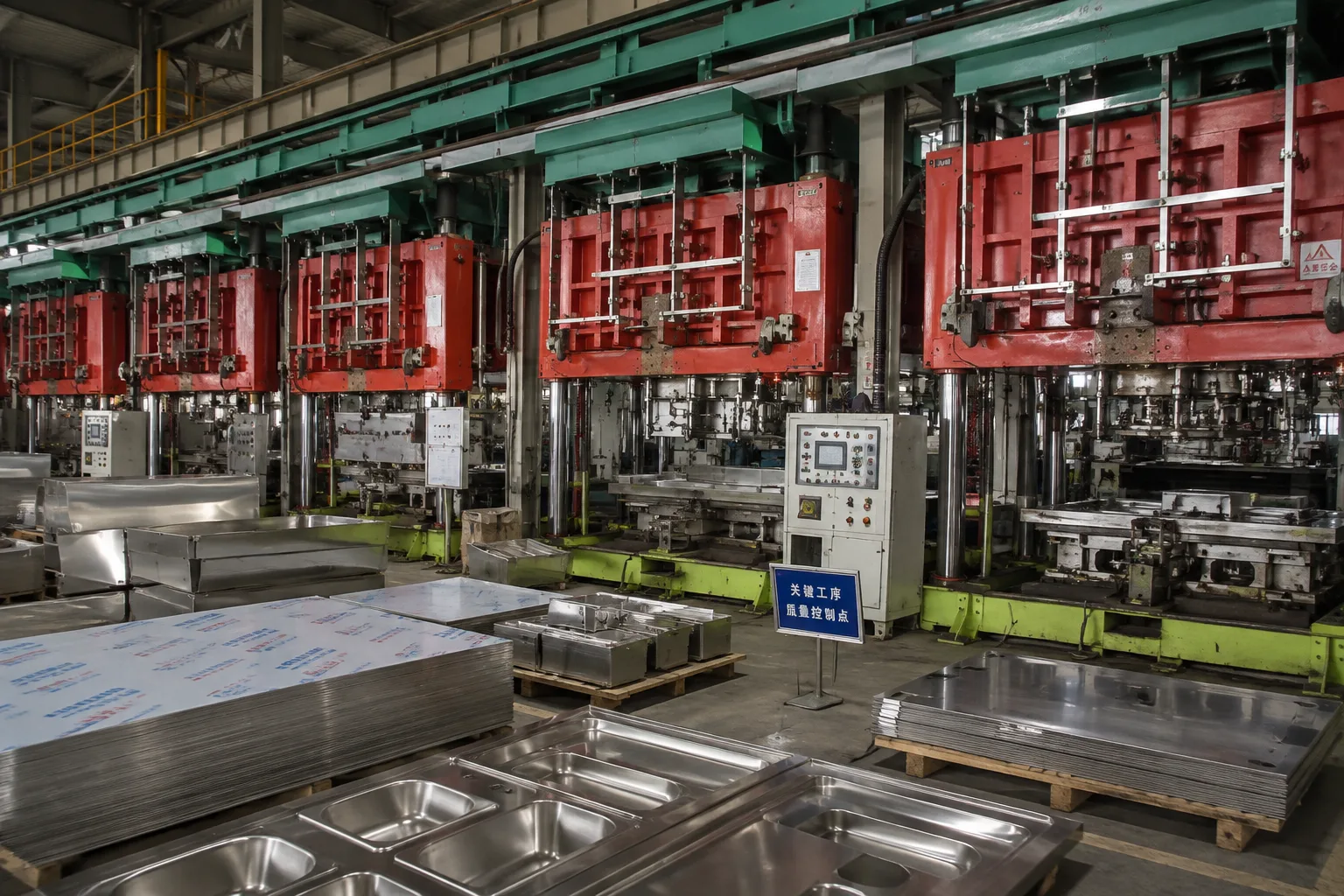
Advanced OEM Processing Equipment & Lines
Equipped with world-class automated sheet metal processing, precision bending centers, thermal foaming lines, and vacuum test rigs to support high-volume commercial kitchen OEM/ODM manufacturing.
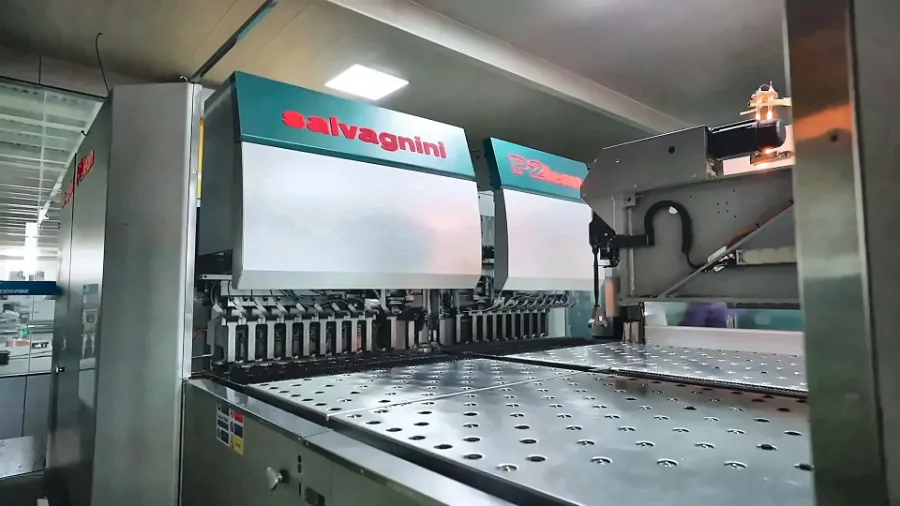
Italian Salvagnini Panel Bending Center
Automated sheet metal bending system for seamless cabinet fabrication and tight structural tolerances.
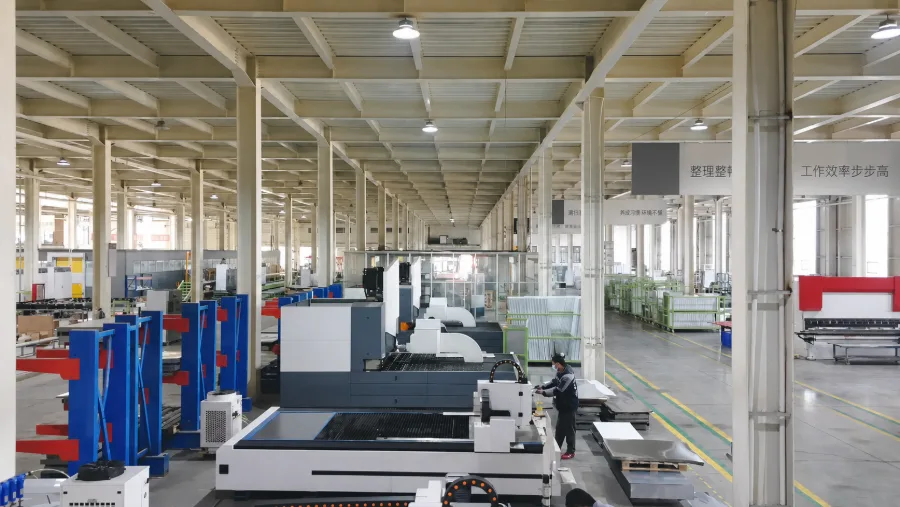
Automated Bending & Laser Cutting Line
Integrated flexible processing line combining fiber laser cutting and multi-axis CNC bending.
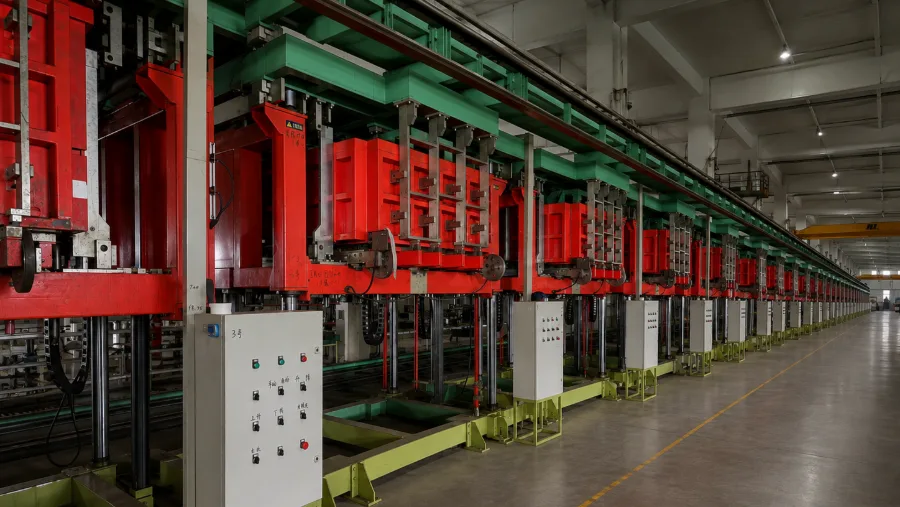
Constant-Temperature Foaming Line
Continuous polyurethane thermal insulation foaming line ensuring uniform core density.
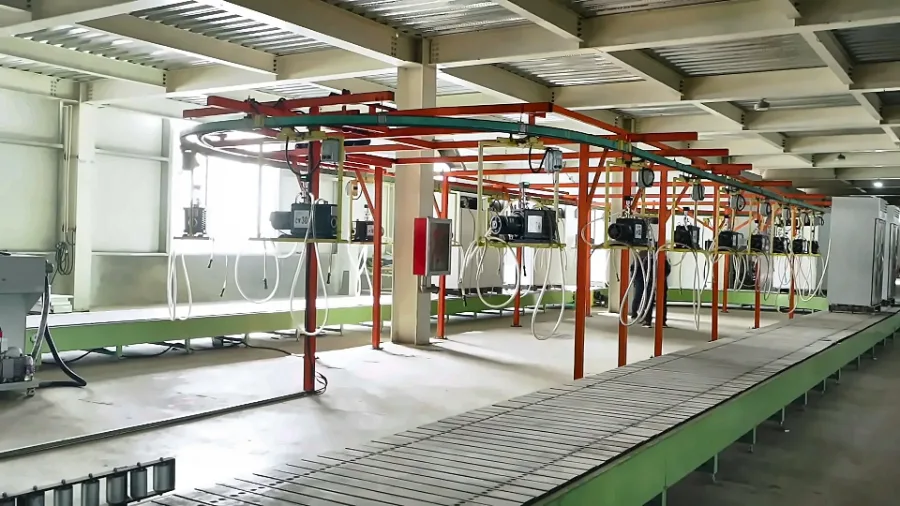
Vacuum Extraction & Testing Line
High-vacuum circuit evacuation and automated leak detection for commercial cooling systems.
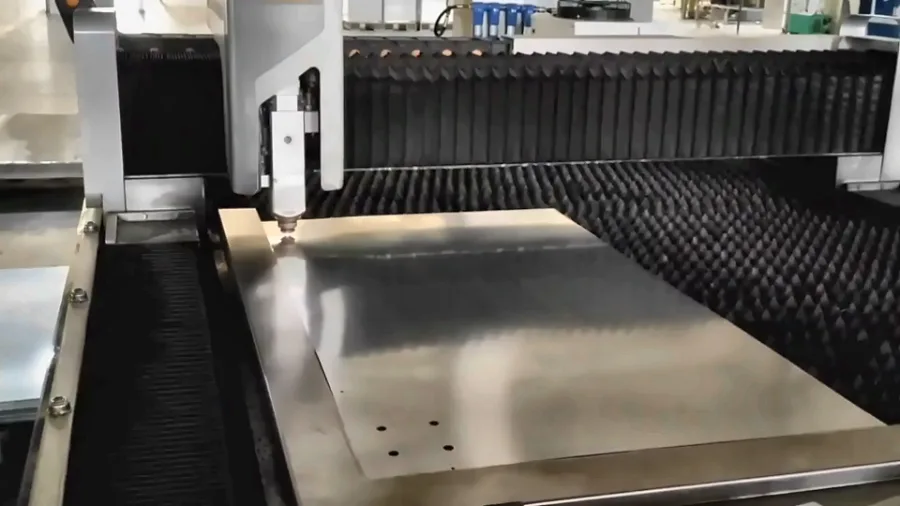
Laser Cutting & CNC Punching Station
High-speed fiber laser cutting and precision CNC punching for intricate component fabrication.
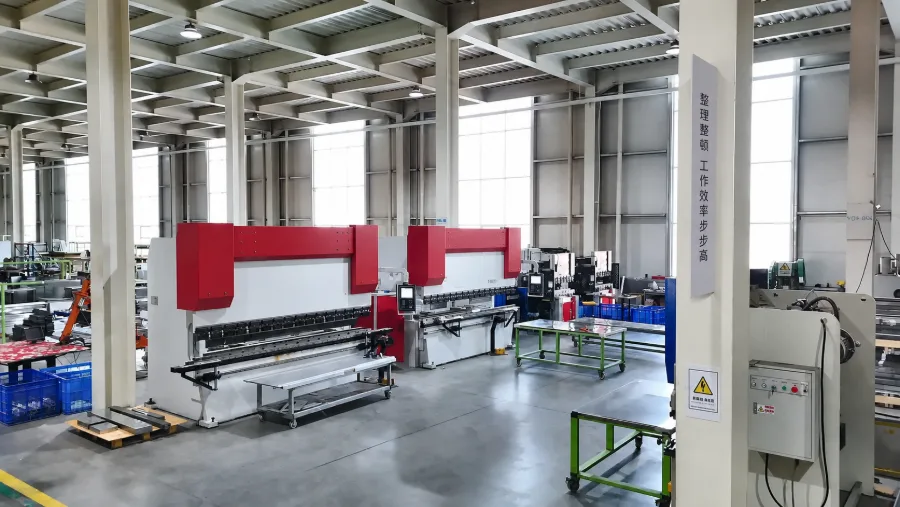
Canadian Heavy-Duty CNC Press Brake
High-tonnage precision press brake for large-format stainless steel sheet forming.
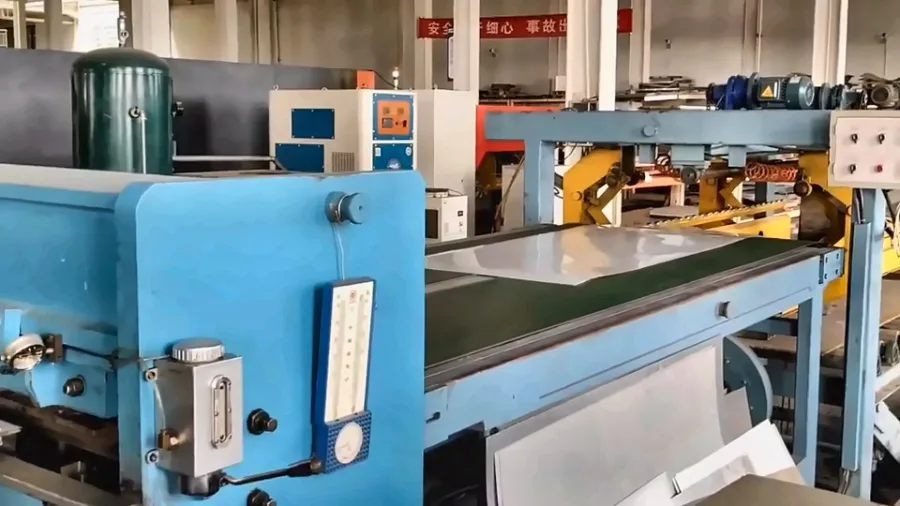
Material Shearing & Cutting Line
Automated heavy-gauge stainless steel shearing and precision raw material sizing.
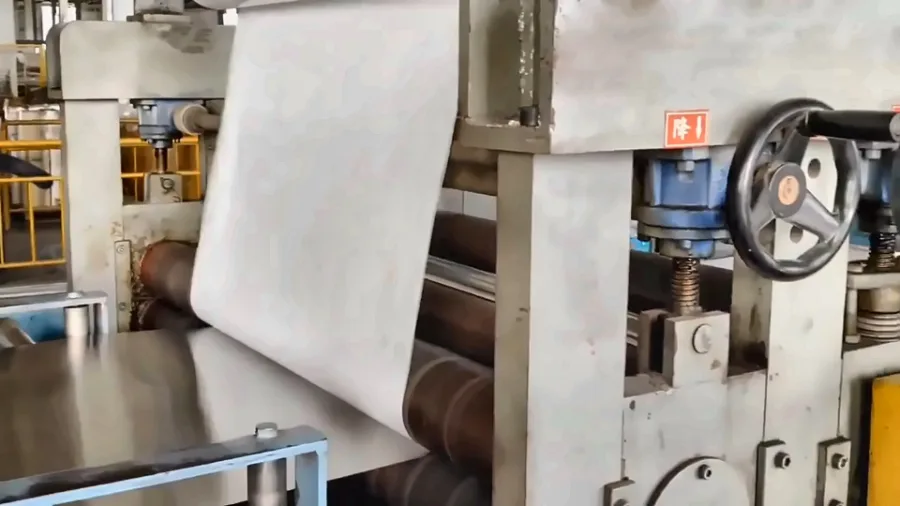
Material Film Laminating Line
Automated surface protection film application to preserve satin and mirror metal finishes.
Explore Popular Kitchen Equipment
Browse equipment that visitors frequently explore, then review the exact model and specifications for your project.
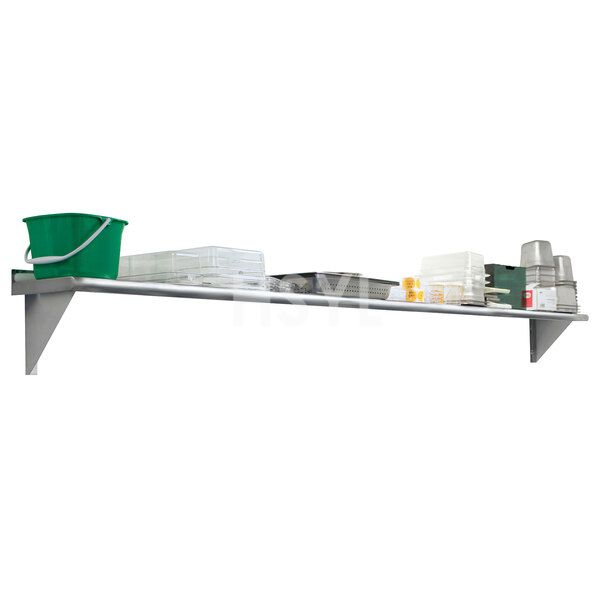
Stainless Steel Wall Shelves
Stainless Steel Wall Shelves for commercial kitchens, fabricated to project dimensions in ...
View product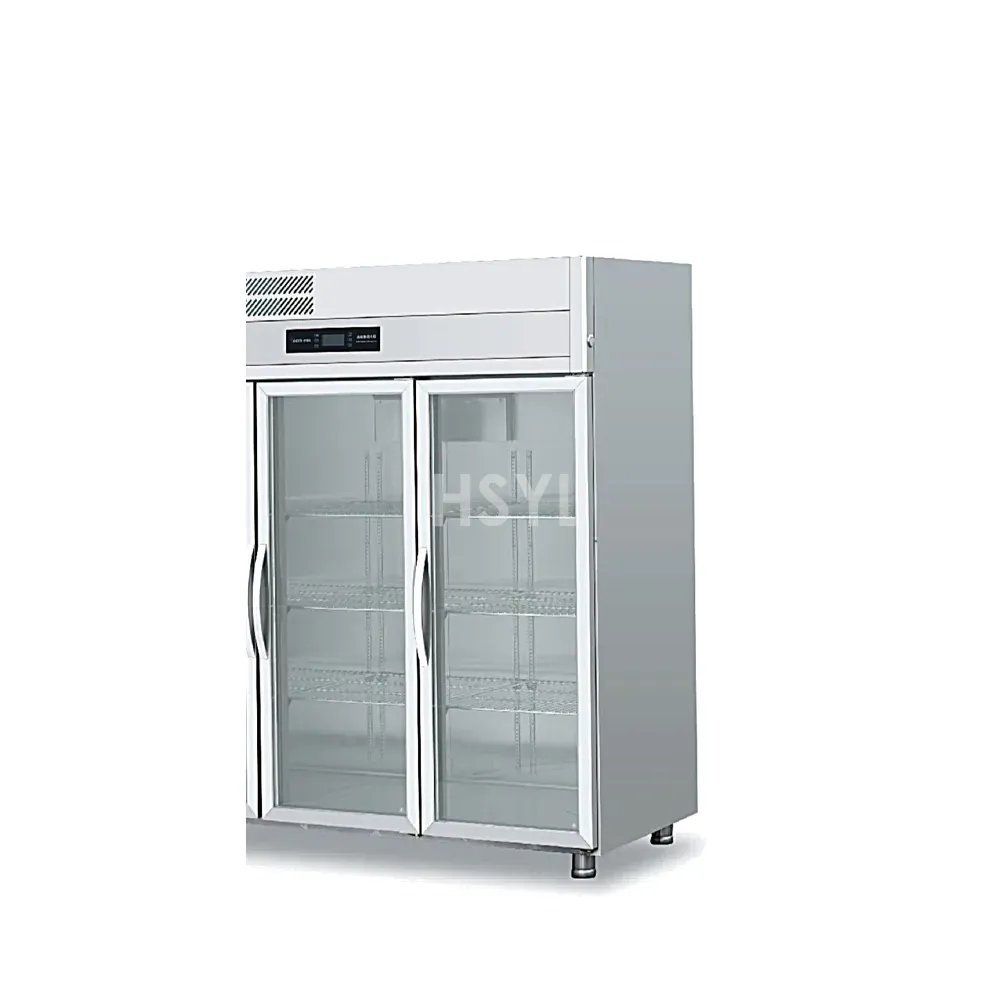
E Series Display Refrigerator Range
Compare E Series display cabinets by door layout, footprint and storage duty. Confirm the ...
View product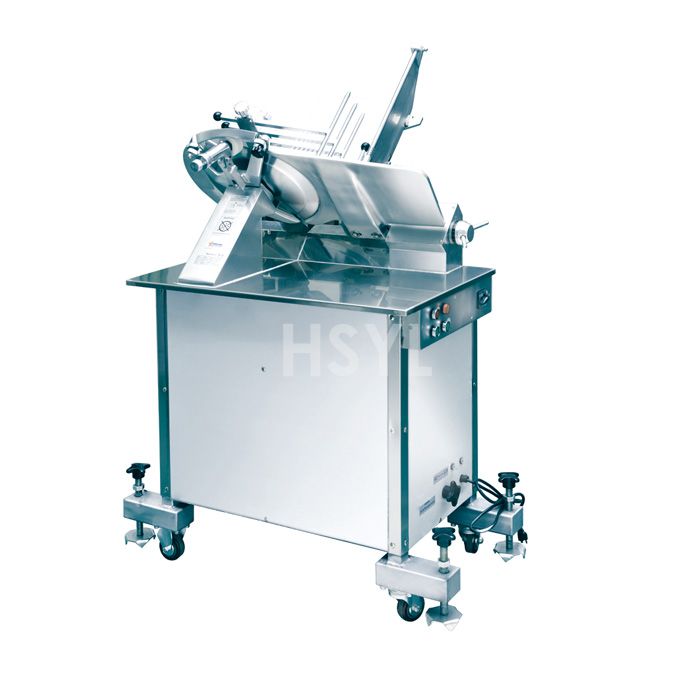
Commercial Meat Slicer-FP-HB-350400
Compare HB-350/400 meat slicers around meat size, slice thickness and production needs. Re...
View product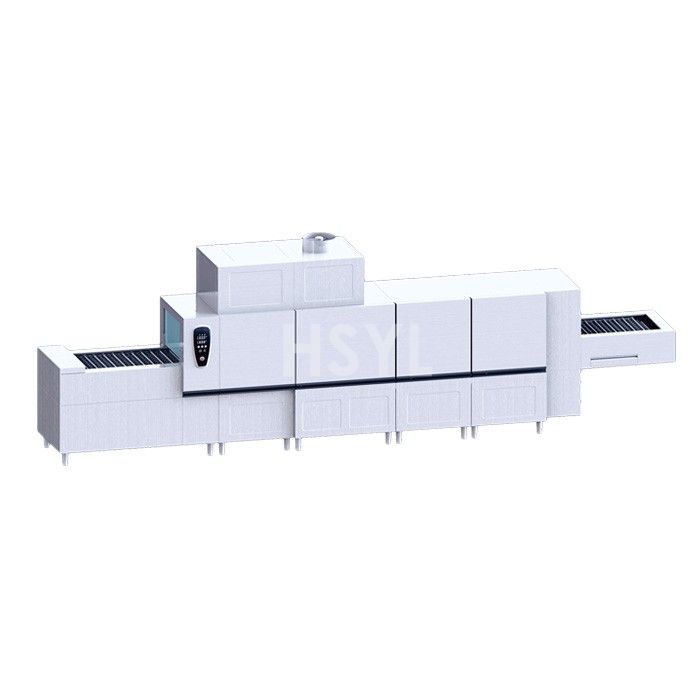
HDW8000L Steam-Heated Commercial Dishwasher
Quick Summary: The HDW8000L Steam-Heated Commercial Dishwasher (Model: CK-HDW8000L) is a h...
View product Two-Compartment Commercial Sinks
Two-Compartment Commercial Sinks for commercial kitchens, fabricated to project dimensions...
View product
E234-BCW02-11 Horizontal Banquet Cart
Quick Summary: The E234-BCW02-11 Horizontal Banquet Cart-B (Model: SL-E234-BCW02-11) is a ...
View product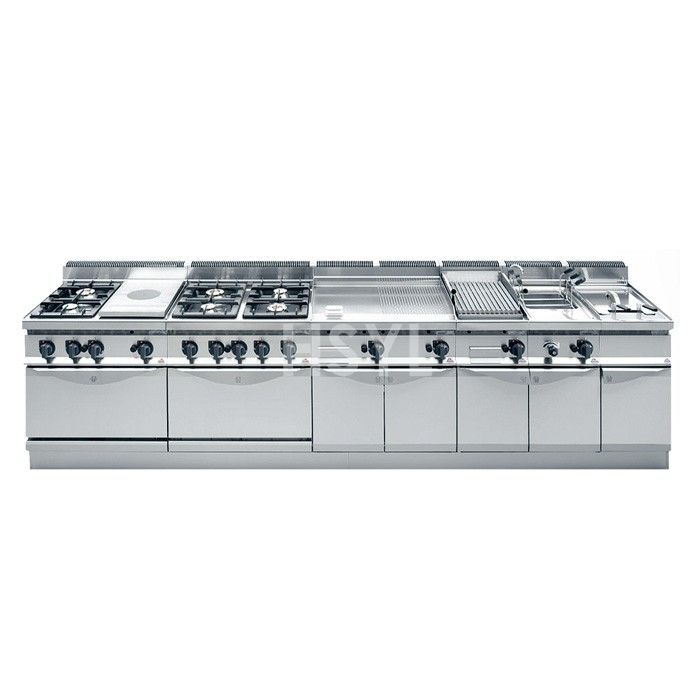
700-Series Combined Western Kitchen Stove
Quick Summary: The 700-Series Combined Western Kitchen Stove (Model: CK-BERTO) is a heavy-...
View product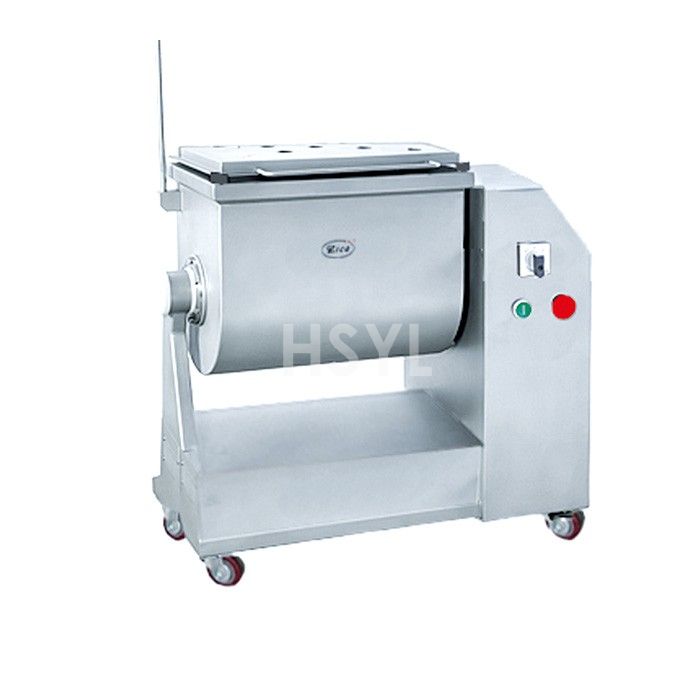
Commercial Meat Mixers
Commercial meat mixers for central kitchens, restaurant prep and meat-processing workstati...
View product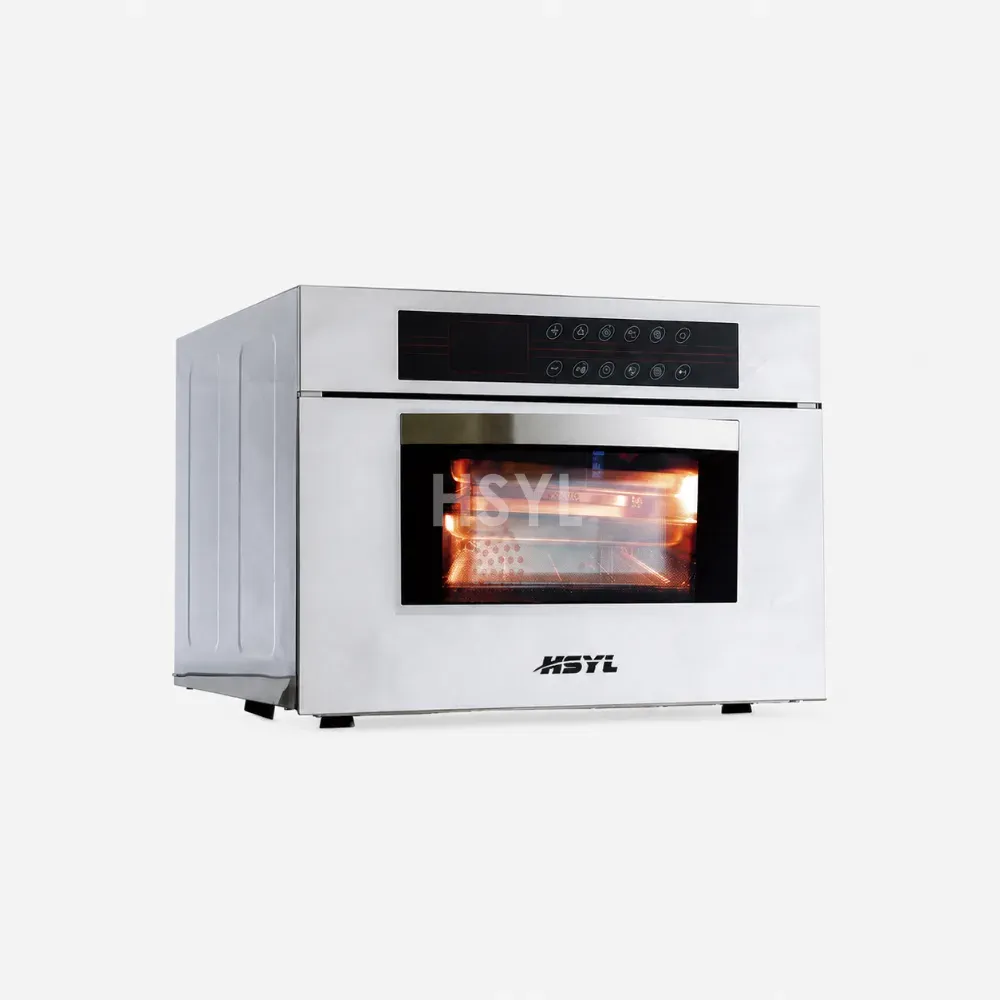
Commercial Ovens for Professional Kitchens
Commercial electric and convection oven solutions for professional kitchens. Review HSYL c...
View product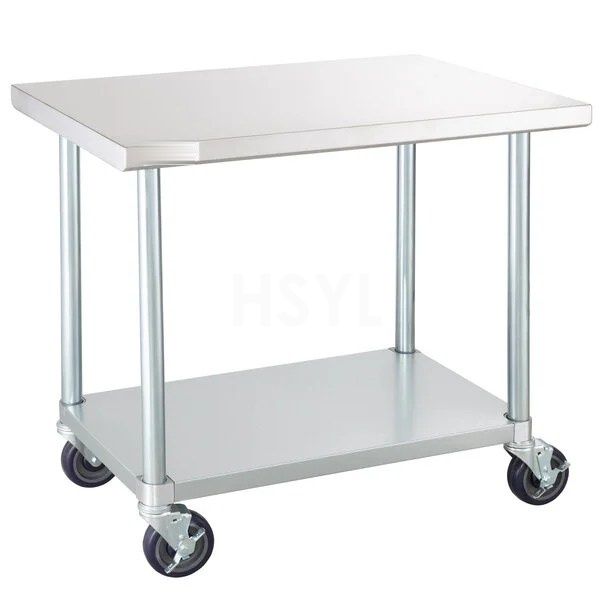
Stainless Steel Kitchen Trolleys
Stainless Steel Kitchen Trolleys for commercial kitchens, fabricated to project dimensions...
View product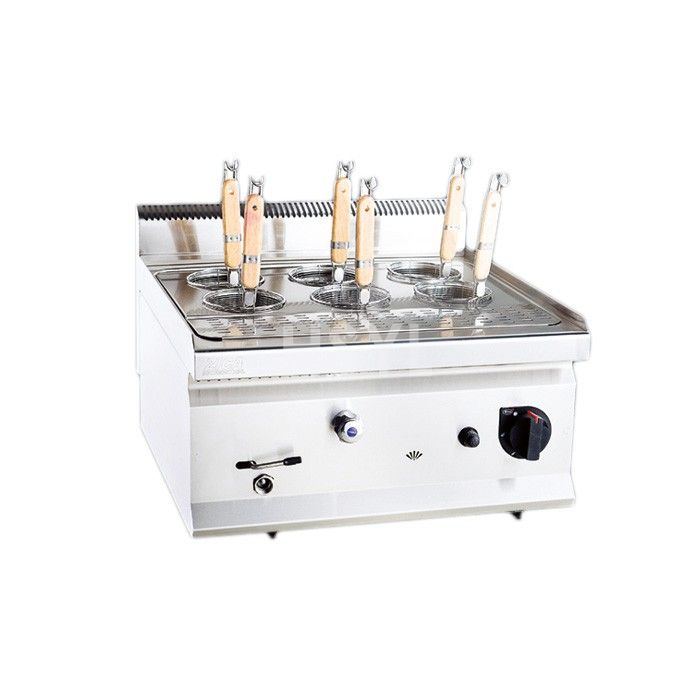
HP Countertop Gas Pasta Cooker Range
Compare HP6035G and HP6060G countertop gas pasta cookers. Review footprint and gas require...
View product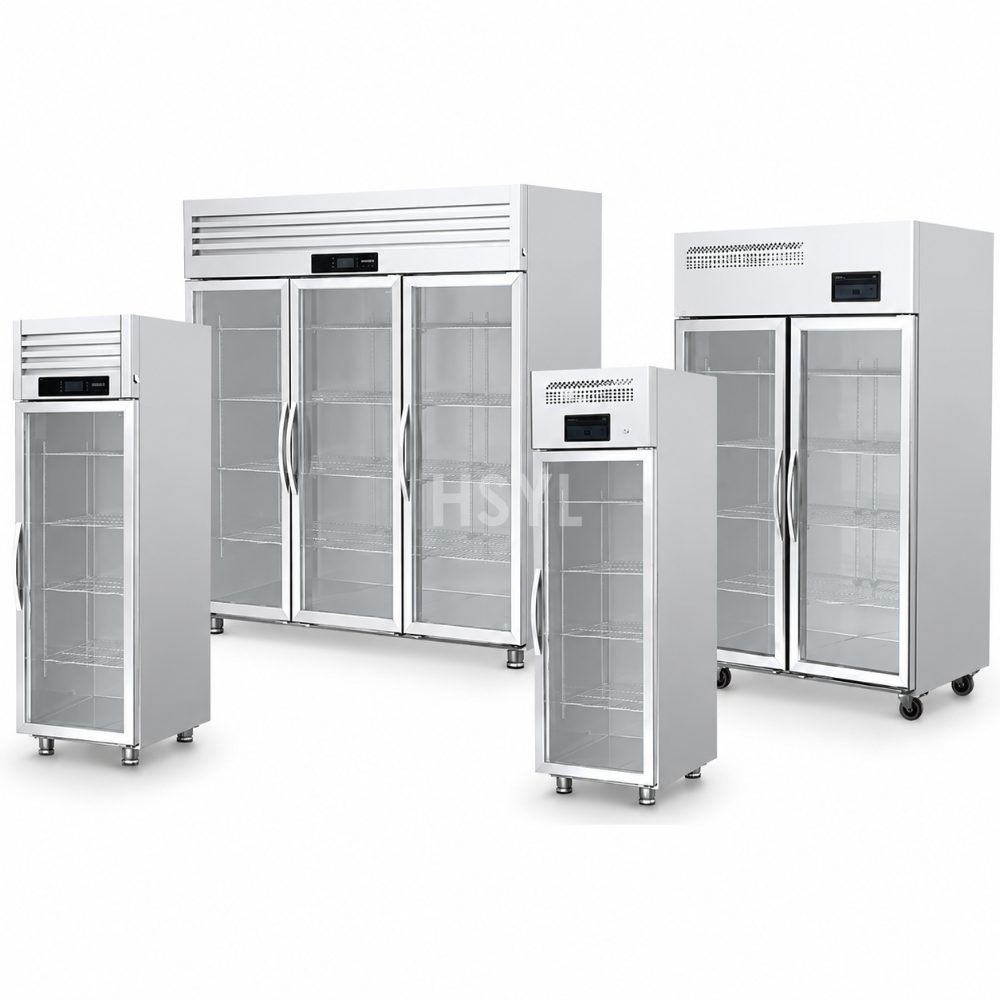
Q and S Series Direct-Cooling Display Cabinet Range
Compare Q and S Series display cabinets for your products and store layout. Confirm temper...
View product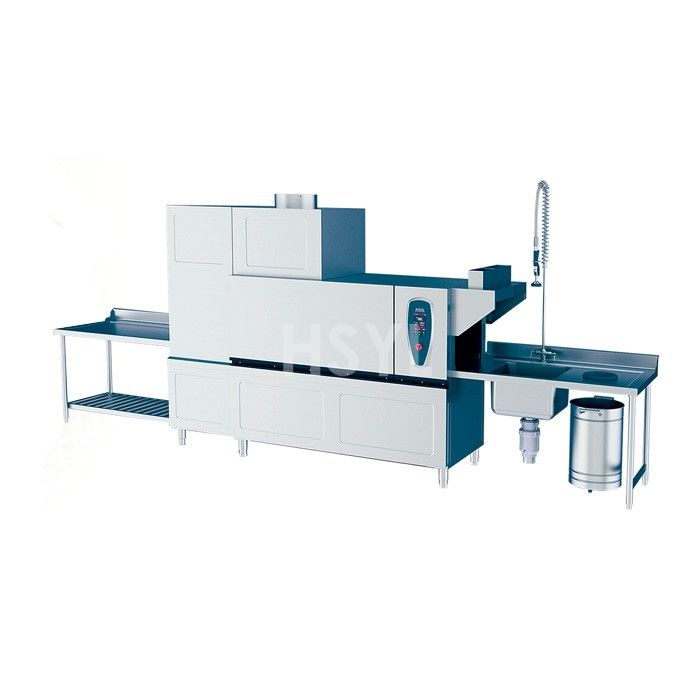
HDW260-EL-R Electric-Heated Commercial Dishwasher
Compare HDW260-EL-R Electric-Heated Commercial Dishwasher capacity, heating, dimensions, u...
View product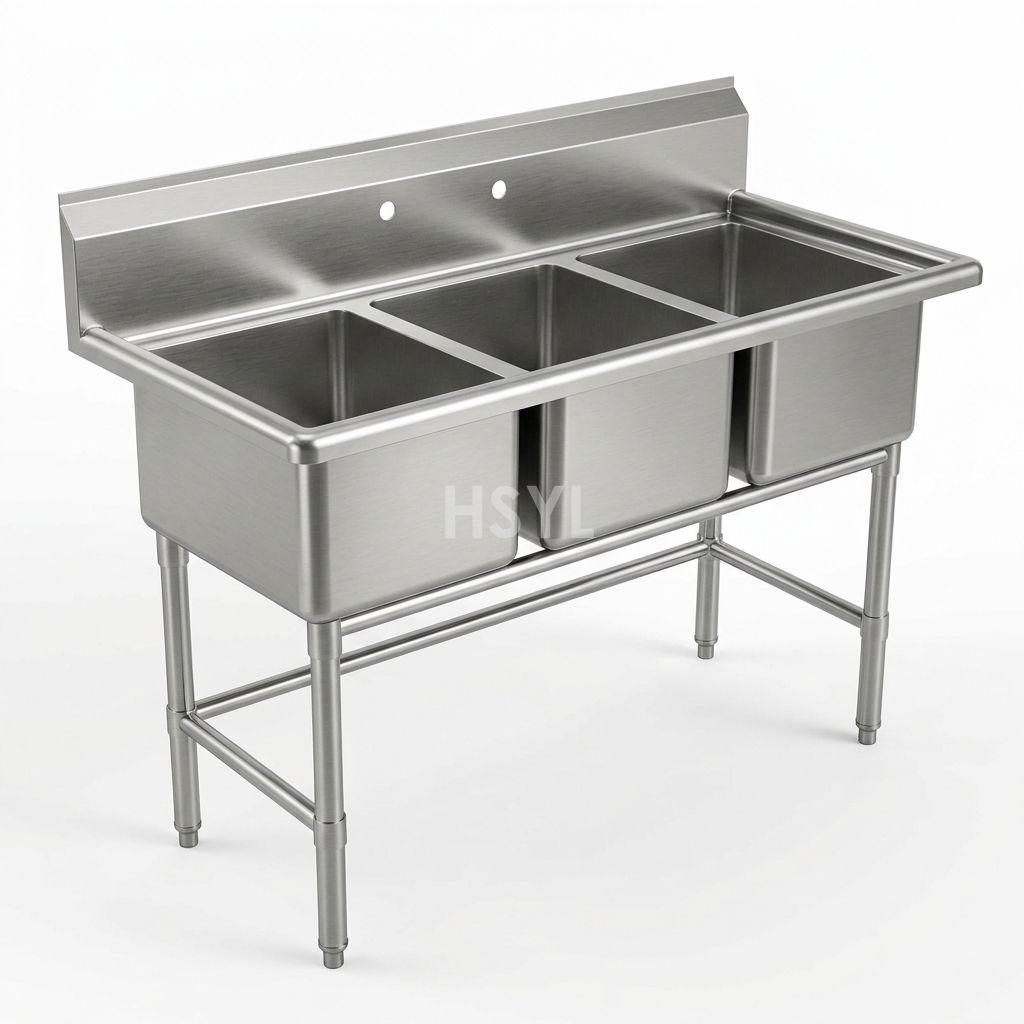
Three-Compartment Commercial Sinks
Three-Compartment Commercial Sinks for commercial kitchens, fabricated to project dimensio...
View product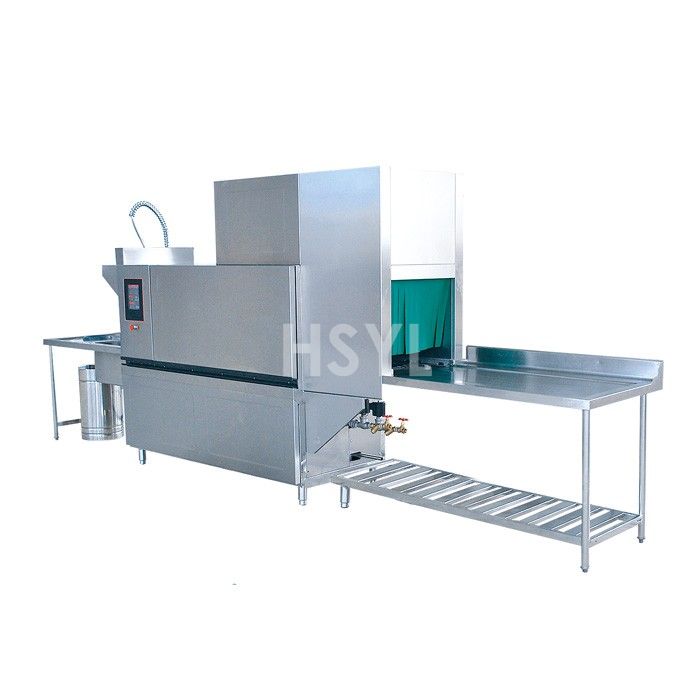
HDW260-SL-R Steam-Heated Commercial Dishwasher
Compare HDW260-SL-R Steam-Heated Commercial Dishwasher capacity, heating, dimensions, util...
View product Stainless Steel Wall Shelf
Plan stainless steel kitchen wall shelves for utensils, containers and clean storage. Spec...
View product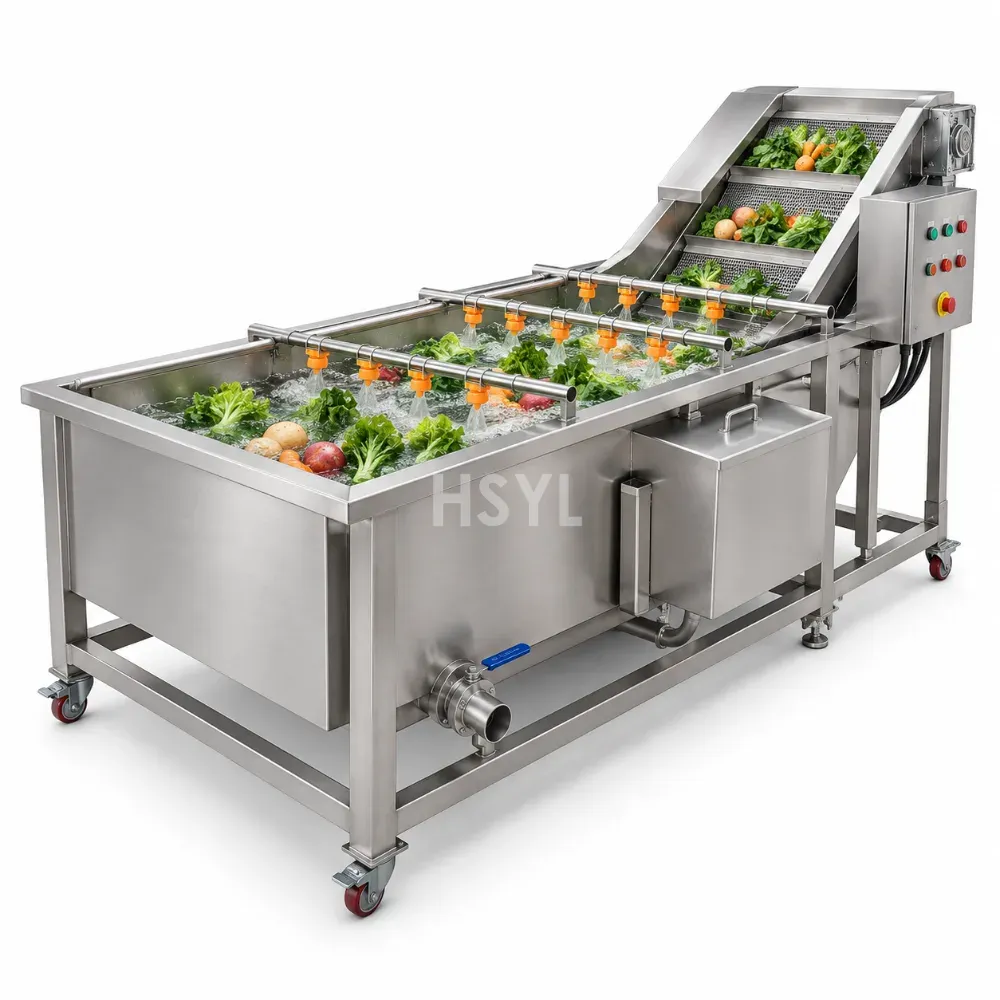
Commercial Vegetable Washers
Commercial Vegetable Washers for central kitchens, food processing plants, canteens and re...
View product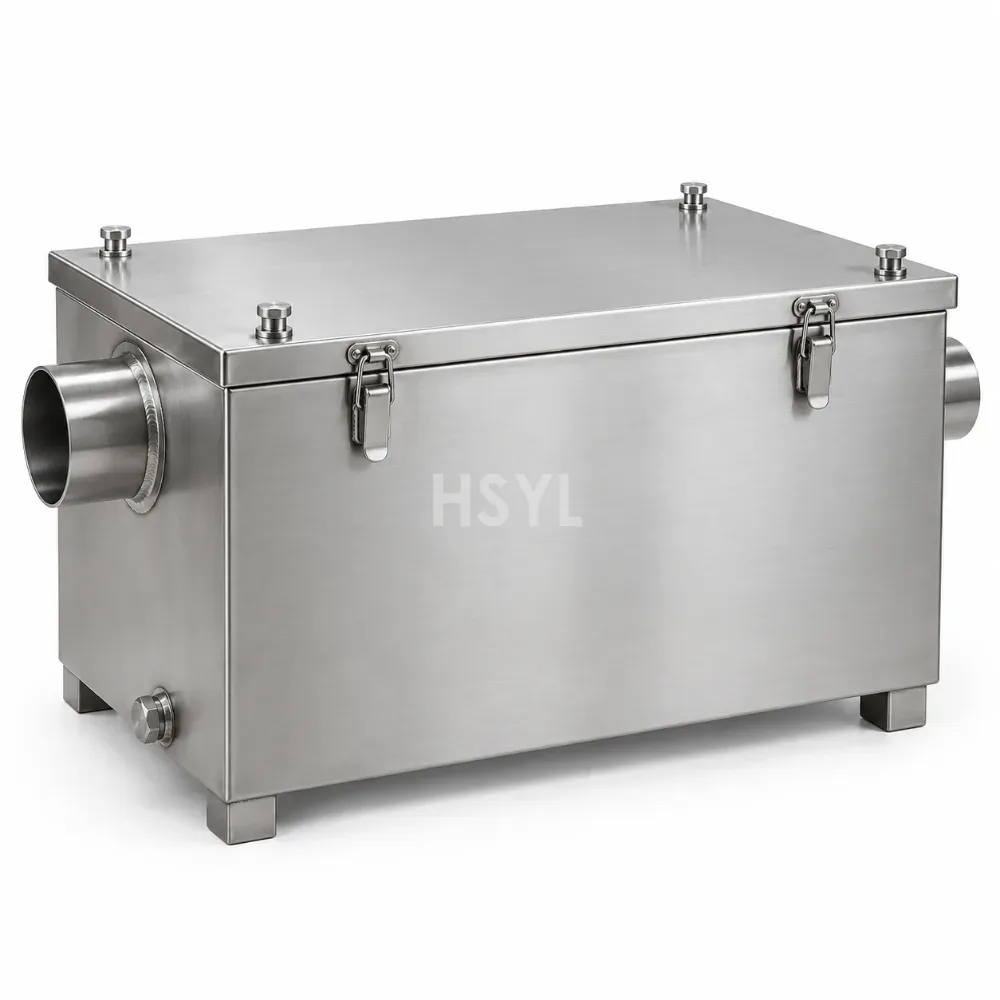
Commercial Grease Traps
Commercial Grease Traps for commercial kitchens, fabricated to project dimensions in AISI ...
View productFrequently Asked Questions
What makes commercial food equipment advanced?
The useful feature is one that solves a defined production constraint with evidence for the exact supplied configuration. Programming, automatic handling and data capture require separate functional and acceptance checks.
How do I evaluate an automation saving?
Observe active operator time across preparation, loading, processing, unloading, correction and reset for the same accepted output. Separate recovered time from a guaranteed staffing or payroll reduction.
Does a recognised component brand prove machine performance?
A confirmed component identity helps with service and replacement references. It does not establish the complete machine's accepted output, compatibility or reliability under the buyer's operating conditions.
Plan the Equipment Around Your Kitchen.
Share your menu, peak service demand, available space and site utilities. Tell us which equipment you are considering so we can review the requirements with you.