Commercial Catering Oven: Plan Batches Before Service
Choose a commercial catering oven around menu profiles and service deadlines. Check loaded pan fit, repeat batches, installation and complete ownership costs.
Select a commercial catering oven from the menu and the service timetable it must support. Confirm loaded pan fit, the required cooking modes and successive-batch results. Keep cooking separate from approved holding and transport. A nominal tray count cannot establish how much acceptable food will be ready when service begins.
For a used or refurbished proposal, obtain the actual unit identity, condition and inspection or refurbishment record, included accessories and written support terms. Keep those conditions separate from a new model's family description. If a roll-in banquet configuration is proposed, confirm the compatible trolley, its inclusion and the loaded delivery route as well as the chamber. A roll-in photograph does not establish that a trolley, receiving assistance or installation is included. Reconcile these items in the complete offer and acceptance plan.
Work backwards from the food service deadline
Catering production can combine advance preparation with several dishes that must be ready together. An oven may bake early items, roast the main course and finish another product close to service. The purchase question is not simply how much food the cabinet holds. It is whether the proposed cooking capacity can meet the entire timetable while leaving room for recovery, handling and the approved transition into holding or dispatch.
The relevant independent competitor sites selected from the Google snapshot present a commercial countertop product, a convection-oven selection guide and commercial oven alternatives. Their content combines product buying with decisions about size, fuel, cooking performance and maintenance. That supports a selection guide tied to real catering work. It does not establish that every countertop appliance is portable or that every oven supplies steam cooking.
List the menu, preparation starting condition and final food requirements. Record which foods share a cooking profile and which need an independent setting. Identify the deadline for each batch to leave the oven, then account for plating, packing or movement to the service location. Base the timetable on the kitchen's approved food process; the oven is one part of that process, not a substitute for it.
Distinguish a fixed production kitchen from on-site finishing. A unit used in the production kitchen can remain installed, while an appliance proposed for repeated movement needs the manufacturer's approval for the actual handling and operating arrangement. Do not assume a small cabinet permits mobile use. Confirm the destination utilities, supporting surface, operating environment and installation requirements wherever the equipment will run.
Choose the cooking method before the number of racks
| Menu requirement | Oven type to investigate | Selection boundary |
|---|---|---|
| Repeated tray roasting or dry baking | Commercial convection oven | Airflow, loaded spacing, product result and recovery |
| Dry heat and supported steam cooking | Commercial combi oven | Confirmed modes, water system and representative menu test |
| Baking needing a heated surface | Commercial deck oven | Deck area, product height, heat control and successive-load recovery |
| Continuously fed standardised products | Commercial conveyor oven | Spacing, exposure profile and unloading capacity |
| Small supplementary batches | Commercial countertop configuration | Approved duty, pan format, connections and support arrangement |
The matrix identifies questions to investigate rather than a universal recommendation. A convection oven may include a moisture feature without offering the steam control needed for a different cooking process. A combi can support more than one mode but still cannot necessarily process incompatible dishes at the same time. Obtain the actual operating description and assess the schedule against the exact offered configuration.
Use the real cookware to define capacity. Include pan dimensions, handles, lids, product height and filled weight. Record how the pan enters the cavity and which supports are supplied. A listed rack count can provide less usable capacity when tall products require extra spacing. Ask the manufacturer to identify the permitted loading arrangement rather than crowding trays to make the purchase appear more productive.
Identify the conflicts in the batch timetable
Place each cooking job on a simple timetable from preparation to service. Mark the batches that can share a setting and the changes that need time to recover or reset. A kitchen can miss a deadline even when its total daily oven capacity is sufficient, because the final dishes compete for the same cavity. Use the conflict to evaluate another cavity, a changed preparation sequence or a different cooking method.
| Batch | Record | Conflict check |
|---|---|---|
| Early bakery or preparation work | Loaded pans, profile and planned finish window | Does the next task need a different mode or setting? |
| Main production batch | Accepted output, repeat cycles and last oven-exit deadline | Is recovery and unloading included? |
| Late finishing work | Required result and available time before service | Does it compete with another dish for the cavity? |
| Reset for another event | Approved cleaning, changeover and ready-to-run checks | Can staff complete the reset within the planned window? |
Enter the business's real menu and times. This original worksheet is not a model output rating or a food holding schedule.
Check the handoff after each batch. A holding cabinet, transport container or plating area must accept the cookware and the product condition through the approved process. Food waiting for a free landing surface can keep the oven occupied. Conversely, another stage may receive finished batches faster than staff can organise them. Test the entire handoff rather than assuming the oven's timer controls the service deadline.
For more than one event or service location, assign batch identity and destination. A shared production oven can serve different jobs, but the plan must preserve traceability and prevent one event's late change from displacing another's committed work. Record who approves changes to quantities or menu profiles after the equipment configuration and trial have been accepted.
Demonstrate the last batch as carefully as the first
Agree a representative test with the supplier. Record the ingredient starting condition, portions, pan material, loading arrangement, preheat procedure and the actual supported settings. Choose products that reveal the purchase risk, including a dense food or a delicate bake where appropriate. Decide acceptance criteria with the chef and the food-safety process. The controller display alone cannot establish the condition of the food.
Run successive loads using the planned staffing and handling. Record acceptable finished portions, rejects, additional handling and the elapsed time between ready batches. If tray movement or another cooking step is necessary, include it in the observation. Keep recovery within the measurement boundary so a single successful first batch is not presented as sustained catering output.
Available production minutes = the agreed final oven-exit deadline minus the actual ready-to-run start time.
Compare this window with the observed sequence of loading, cooking, unloading and recovery. Count only completed batches meeting the buyer's accepted food result. For several recipes, use the demonstrated sequence instead of dividing by one convenient average cook time.
| Measurement | Include | Do not infer |
|---|---|---|
| Ready-to-run start | Approved preheat and prepared feed/pans | Immediate output from a cold, unprepared station |
| Batch interval | Loading, cooking, unloading and required recovery | Sustained output from timer duration alone |
| Accepted batch quantity | Food meeting the agreed result | Saleable capacity from nominal cavity volume |
| Profile transition | Mode changes and required reset | Simultaneous incompatible processes in one cavity |
This is an original planning method. It contains no measured HSYL trial result or promised catering capacity.
Retain the test record with the model revision, racks, pans and accessories used. If the delivered configuration changes, decide which checks need repetition. Where an advance demonstration is unavailable, record the supplier evidence accepted before order release and the commissioning checks required at the site. Keep an unresolved production question visible rather than filling the quotation with an invented portions-per-hour figure.
Confirm the complete installed station
Measure the oven, support, door movement and landing area together. Include the manufacturer's operating and service clearances. An oven that fits into a gap can still obstruct the operator or prevent a technician from reaching the required components. Check the delivery route with actual package dimensions and handling requirements, including doors, steps, lifts and the final positioning method.
For an electrical model, identify voltage, frequency, phase and available connection capacity. Have a qualified installer compare the proposed nameplate and connection drawing with the actual supply. Do not treat a regional plug difference as the only compatibility issue. If more than one oven will run together, review the combined demand and connection arrangement rather than considering each appliance in isolation.
For a gas model, specify the exact fuel and inlet requirements, regulator and any electrical auxiliary needs. Review the ventilation and installation arrangement with qualified personnel. A natural gas version is not automatically a propane version, and permitted conversion requires manufacturer-approved procedures. For a water-connected oven, obtain the stated water-quality limits, treatment requirements and drainage plan.
Manufacturer-approved stacking must be assessed as a complete assembly. Confirm the supported combination, supplied hardware, working reach, loaded weight, clearances and connection routes. Two cavities can improve scheduling flexibility, but the buyer must still be able to load them safely and clear their finished output. Stacking a pair of unspecified loose appliances is not a purchasing solution.
Evaluate the controls and the reset workload
Choose controls that support the accepted menu. A small number of repeated profiles may suit a simple interface, while programmable settings can help trained teams reproduce a validated process. Ask which settings can be adjusted, protected and restored, and whether the quoted version has the required fan or moisture controls. The appearance of a touchscreen does not establish those functions.
Observe cleaning access with the supplied racks, supports and accessories. Follow the exact manual for approved chemicals, removable parts and any cleaning program. A water connection or a self-cleaning description should not be assumed to eliminate manual work. Record the staff time needed to return the station to a ready condition between events or menu changes.
Train the operating team on loading, unloading, approved programs, safe door opening, shutdown and fault reporting. Keep food checks within the operation's documented process. Confirm where manuals and recipe records will be stored, and how new staff will learn the accepted method. A demonstration delivered to the buyer alone is insufficient when another team will run daily production.
Compare ownership costs for the actual event workload
Separate the configured oven price from racks, stands, treatment equipment, freight, import charges, local handling, utility work and commissioning. Record the delivery point and unloading responsibility. An offer delivered to a warehouse is different from one covering the final installed station. Include the containers and staging equipment needed for the accepted production handoff rather than omitting them from a cheaper comparison.
Estimate electricity using representative measured kWh for the defined production schedule and planned operating days or events. For gas or water, use compatible measured units and the same operating boundary. Include preheat, idle periods and cleaning where relevant. Nameplate input cannot establish annual consumption, and an energy claim from a competitor model should not be used for an HSYL calculation.
Add cleaning labour, treatment consumables, scheduled maintenance and replacement parts over a common planning period. Request the actual controller, fan motor, heating or burner assembly, seals and any steam-system parts for the proposed revision. Component brands and part references belong in the service pack when confirmed; a generic branded-component statement cannot establish the assembled oven's reliability.
Examine the cost of a missed production window using stated assumptions. Record alternative cooking capacity, additional labour, changed dispatch and food loss where applicable. Do not equate every displaced sale with lost profit. A second cavity or backup unit may help continuity, but its value depends on the specific schedule and operating alternatives. The cost model should make those assumptions visible.
Check destination documents before the order leaves the supplier
For a United States project, confirm the exact sanitation and safety documentation expected by the local approving authorities. NSF's food-equipment portfolio identifies NSF/ANSI 4 as a commercial cooking-equipment scope. Verify any claimed listing for the actual model and version; this guide does not claim HSYL certification or acceptance of an installation.
For an European Union destination, request the applicable conformity documentation and instructions for the ordered version, with responsibilities clarified through the EU CE marking guidance. For a United Kingdom gas installation, review the HSE catering guidance with the installer. Other destinations need their own review of product, utilities, premises and import requirements.
Approve the model identity, revision, accessories and quotation boundaries together. Obtain confirmed export package dimensions and weights for delivery and container planning; nominal cabinet size does not establish 20GP or 40HQ loading quantities. OEM or ODM changes should have an approved drawing and an acceptance record showing how the change affects the production task.
Send HSYL the menu, service deadlines, loaded cookware, observed batch requirements, site utilities and destination country. Request a supported configuration and a representative process demonstration. At receipt and commissioning, reconcile the delivered identity and repeat the agreed checks. The practical purchase outcome is an oven station that fits the catering timetable, with confirmed responsibilities for its installation and daily care.
Related Kitchen Products
Selected from the catalogue against the keywords of this page, then reviewed with your duty cycle, utilities and site conditions before quotation.
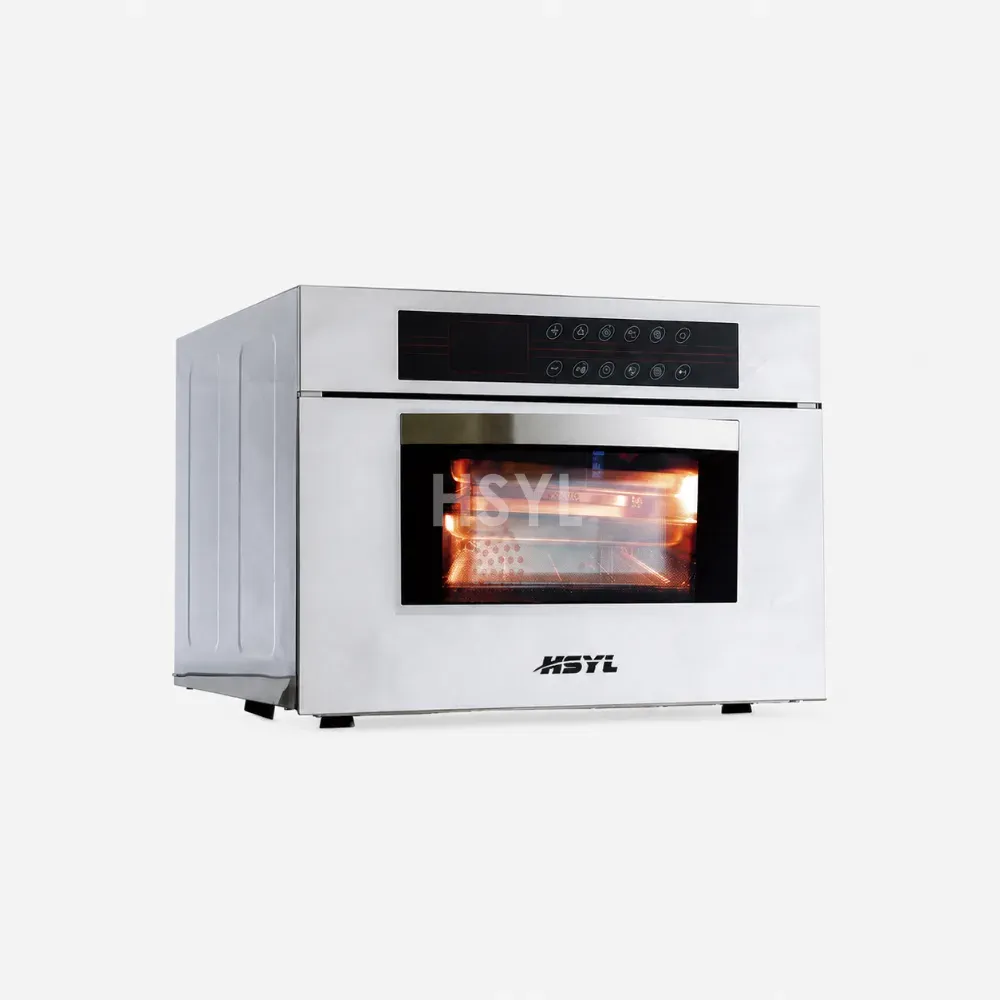
Commercial Ovens for Professional Kitchens
Commercial electric and convection oven solutions for professional kitchens. Review HSYL countertop oven configuration, utilities, installation requirements and...
View product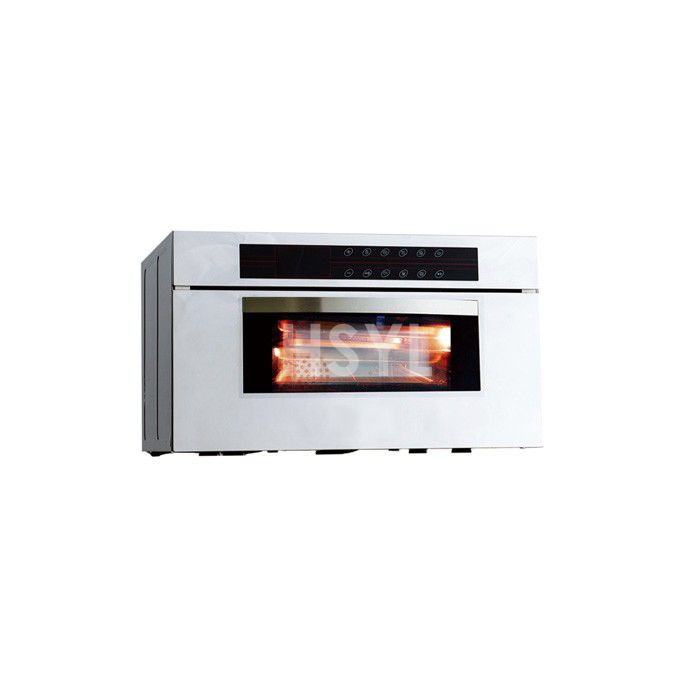
Commercial Combi Ovens
Commercial combi ovens for restaurants, hotels, canteens and central kitchens. Compare compact and high-capacity HSYL combi oven models, cooking modes, utilitie...
View product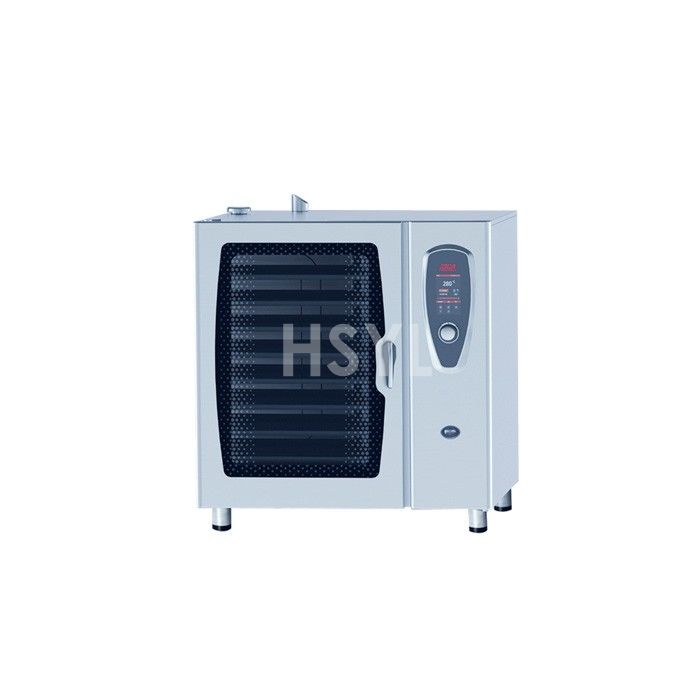
HCO10.2E Commercial Combi Oven
Review HCO10.2E commercial combi oven requirements. Request the current CK-HCO10-2E specification, cooking controls, utilities and quotation.
View productCommercial Combi Oven-CK-HCO-2A
Review CK-HCO-2A combi oven requirements for your menu and batch size. Request cooking modes, chamber dimensions, electrical details and a quotation.
View product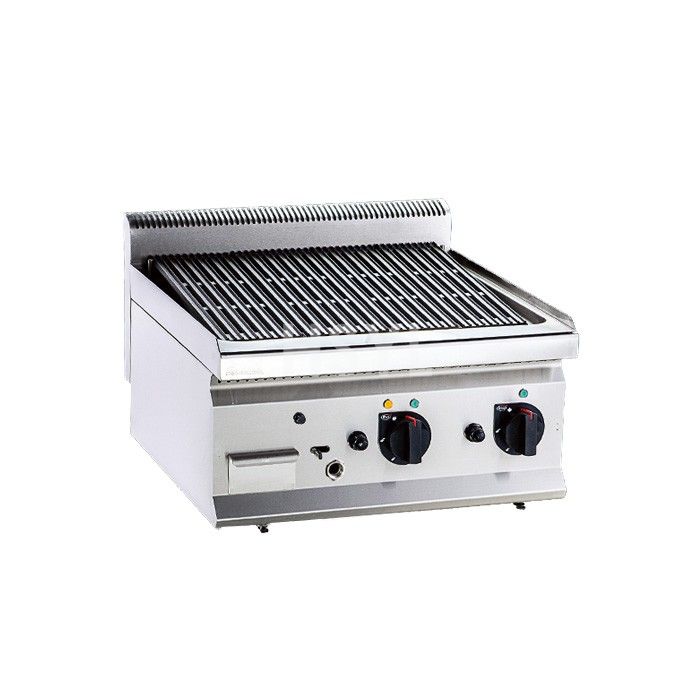
600 Series Countertop Electric BBQ Grill
Review the HC6060E 600 Series countertop electric BBQ grill for your cookline. Confirm cooking area, electrical supply and installation dimensions with HSYL.
View product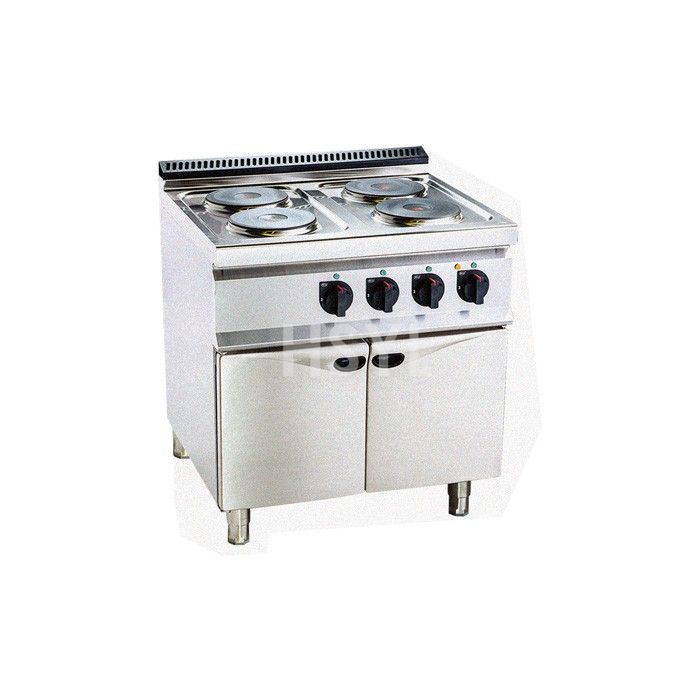
Commercial Range with Oven
Explore CK-BZGL-03 commercial kitchen equipment with technical specifications, application guidance and related models. Request a configuration quote from HSYL.
View productEngineering-Led Commercial Kitchen Manufacturing
HSYL Kitchen Systems designs and produces heavy-duty commercial kitchen equipment for central kitchens, hotels, canteens, hospitals and high-capacity restaurants. Our goal is to provide precise equipment matching, documented quality gates and verified delivery for global foodservice operations.
- Food-grade SUS304 & SUS316 stainless steel construction
- Custom engineering layout & CAD drawing support
- Multi-stage factory quality control & FAT testing
- Factory-direct supply chain with spare parts backup
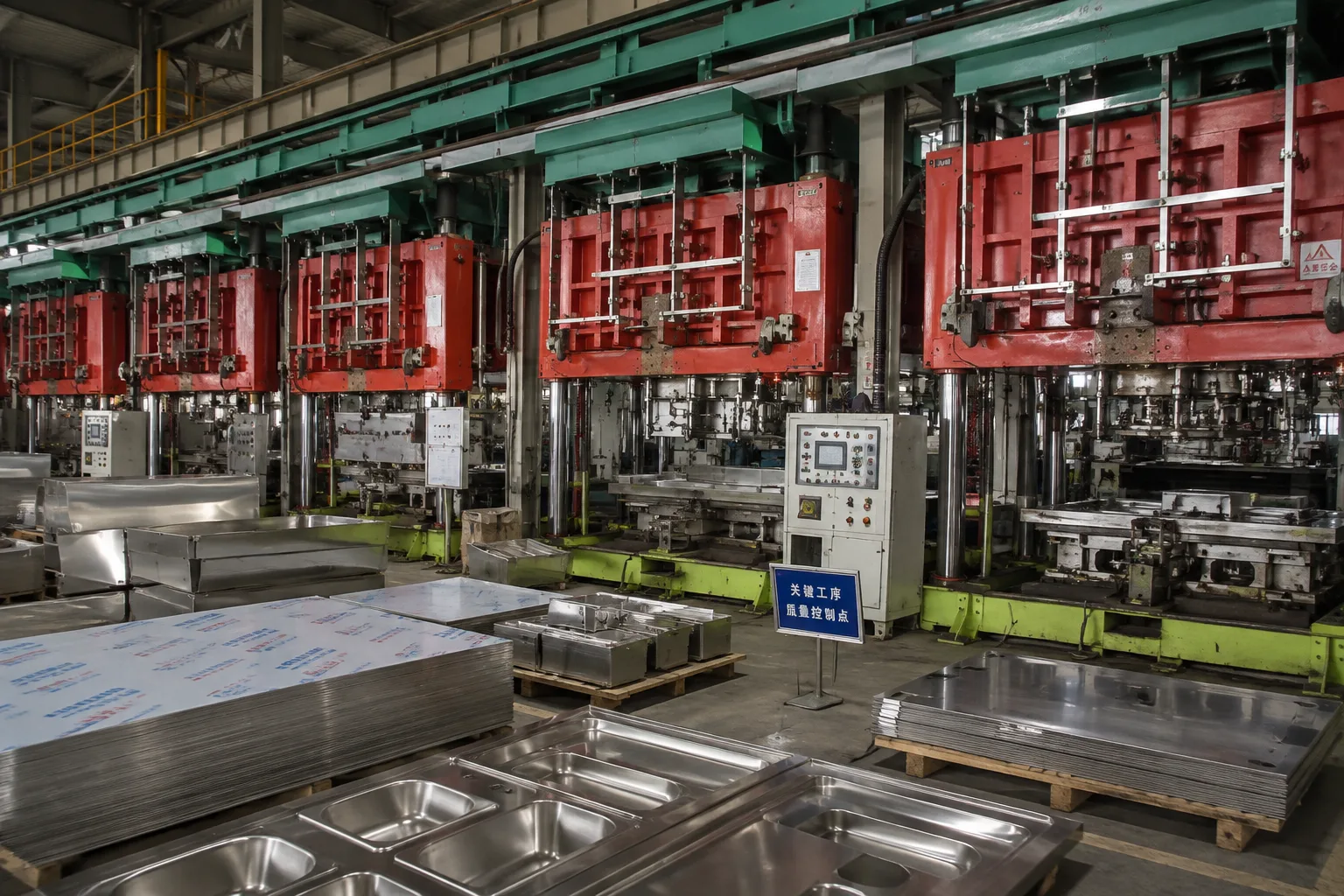
Advanced OEM Processing Equipment & Lines
Equipped with world-class automated sheet metal processing, precision bending centers, thermal foaming lines, and vacuum test rigs to support high-volume commercial kitchen OEM/ODM manufacturing.
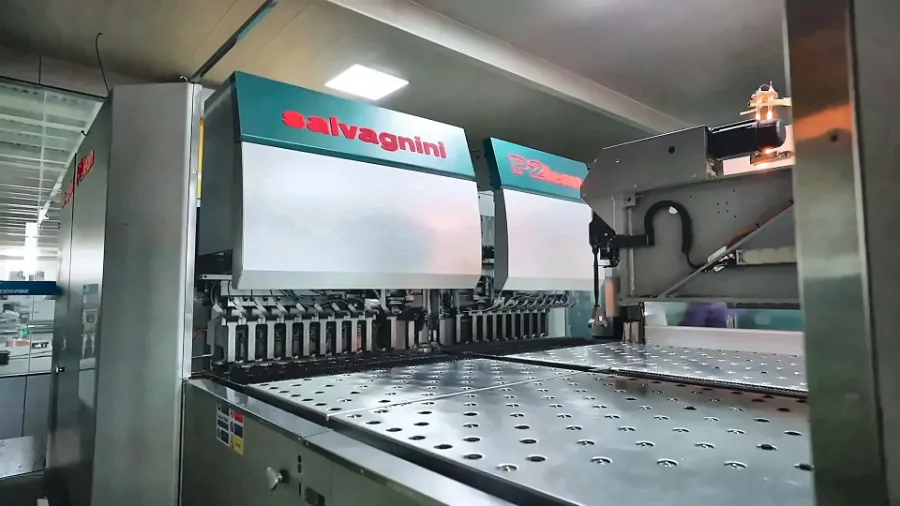
Italian Salvagnini Panel Bending Center
Automated sheet metal bending system for seamless cabinet fabrication and tight structural tolerances.
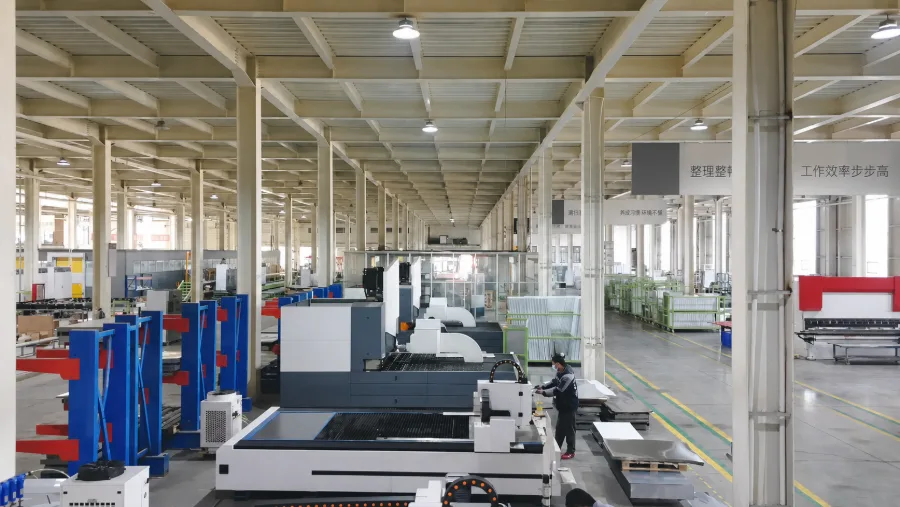
Automated Bending & Laser Cutting Line
Integrated flexible processing line combining fiber laser cutting and multi-axis CNC bending.
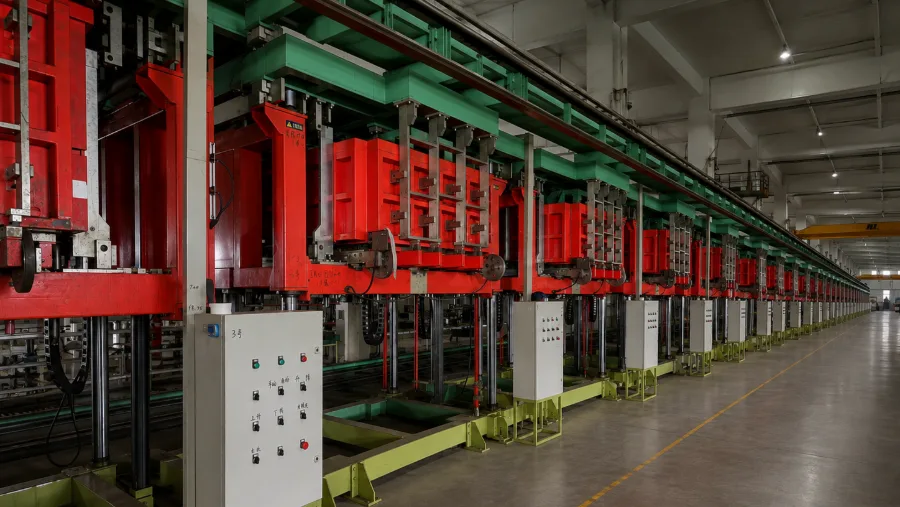
Constant-Temperature Foaming Line
Continuous polyurethane thermal insulation foaming line ensuring uniform core density.
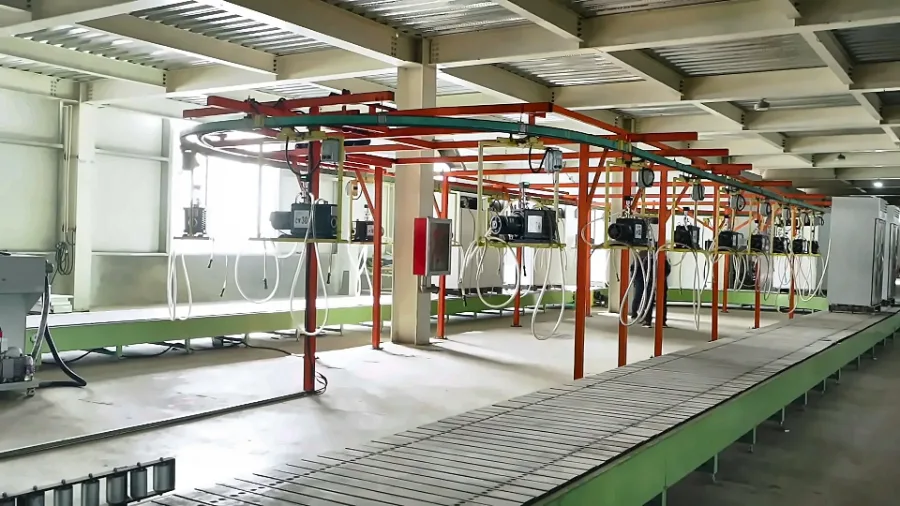
Vacuum Extraction & Testing Line
High-vacuum circuit evacuation and automated leak detection for commercial cooling systems.
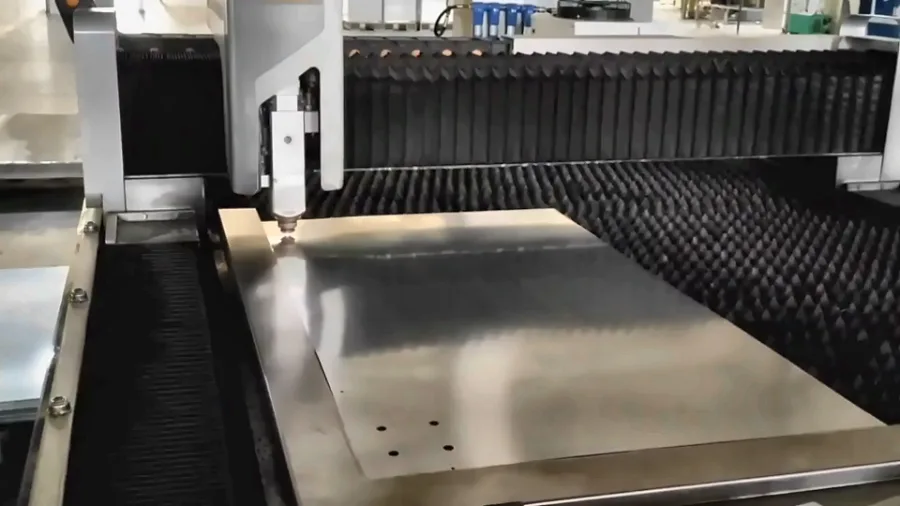
Laser Cutting & CNC Punching Station
High-speed fiber laser cutting and precision CNC punching for intricate component fabrication.
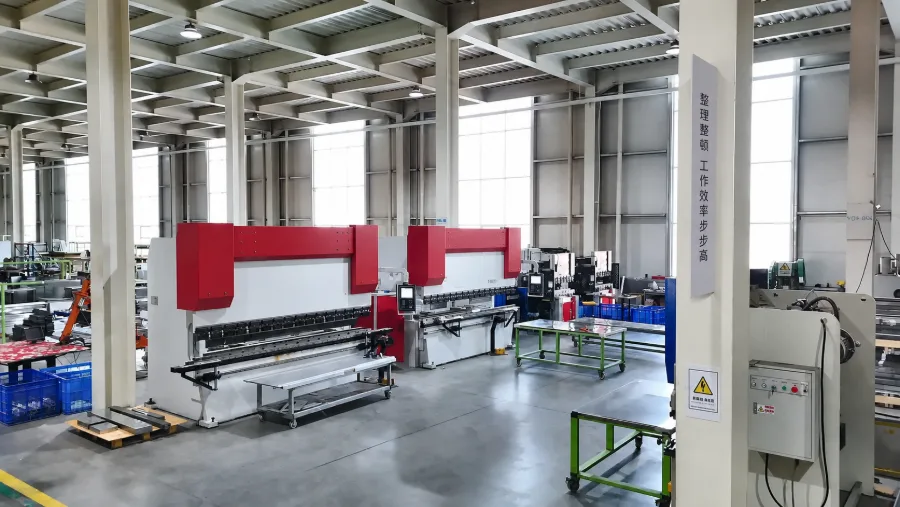
Canadian Heavy-Duty CNC Press Brake
High-tonnage precision press brake for large-format stainless steel sheet forming.
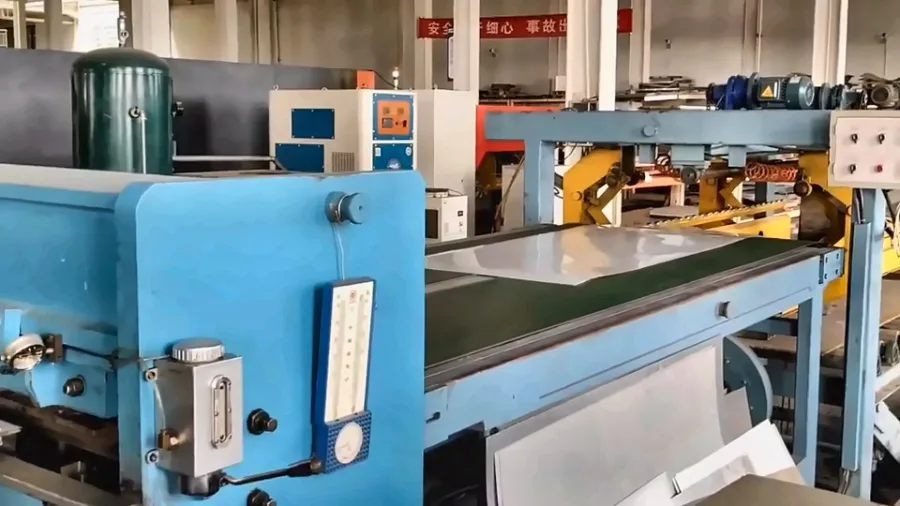
Material Shearing & Cutting Line
Automated heavy-gauge stainless steel shearing and precision raw material sizing.
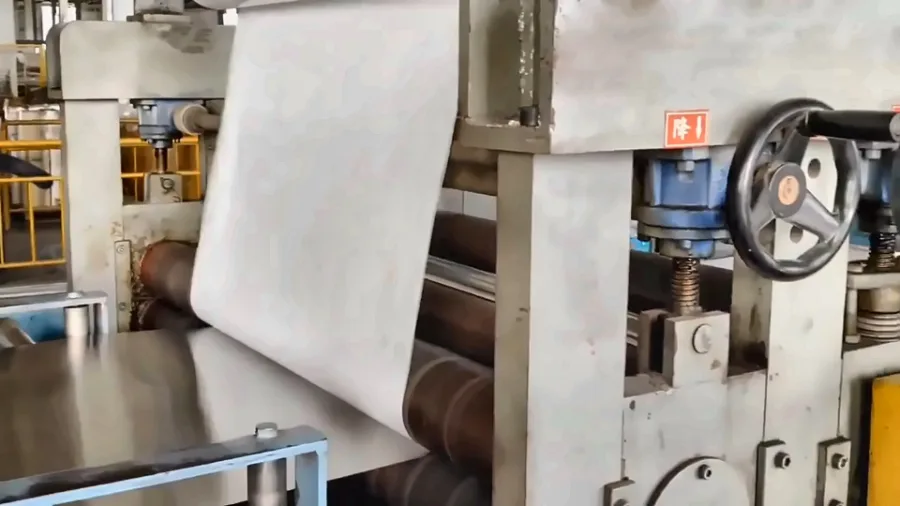
Material Film Laminating Line
Automated surface protection film application to preserve satin and mirror metal finishes.
Explore Popular Kitchen Equipment
Browse equipment that visitors frequently explore, then review the exact model and specifications for your project.
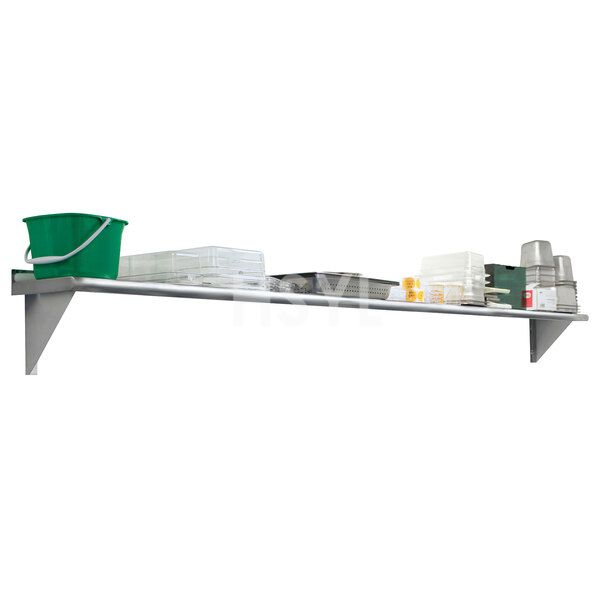
Stainless Steel Wall Shelves
Stainless Steel Wall Shelves for commercial kitchens, fabricated to project dimensions in ...
View product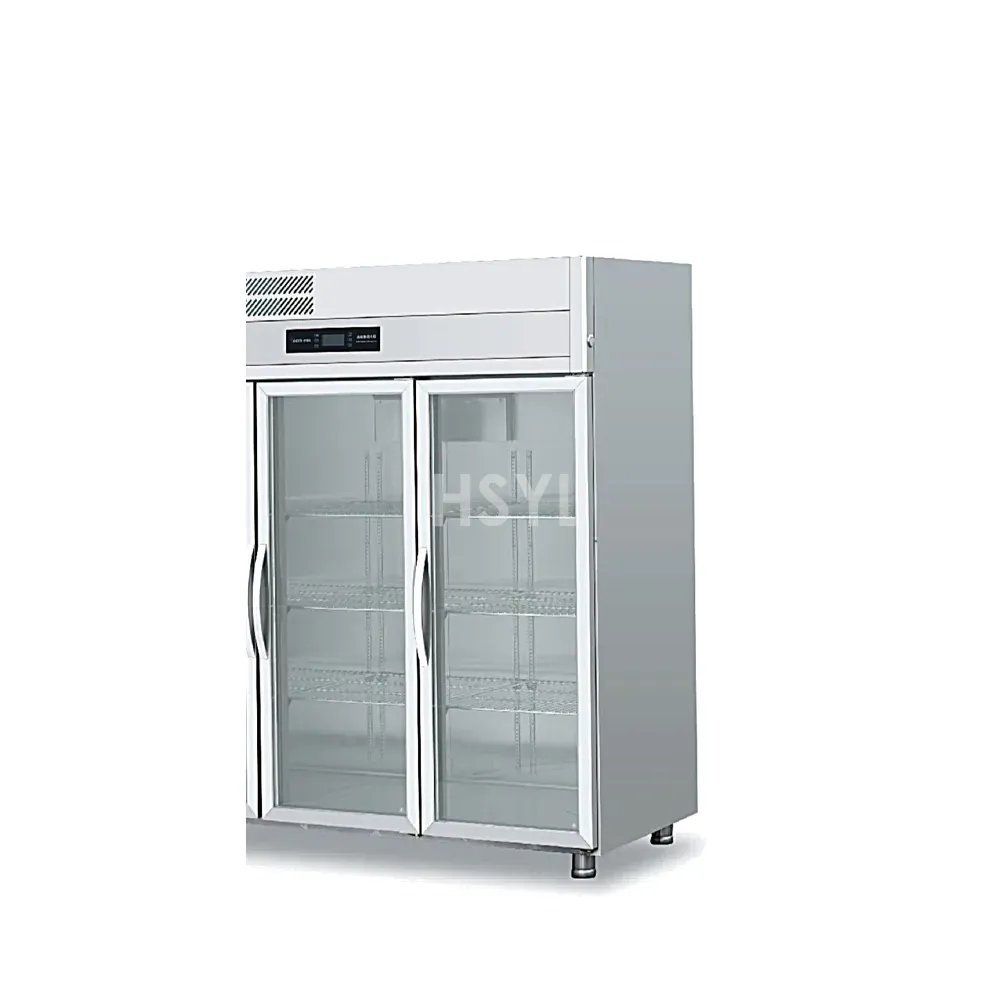
E Series Display Refrigerator Range
Compare E Series display cabinets by door layout, footprint and storage duty. Confirm the ...
View product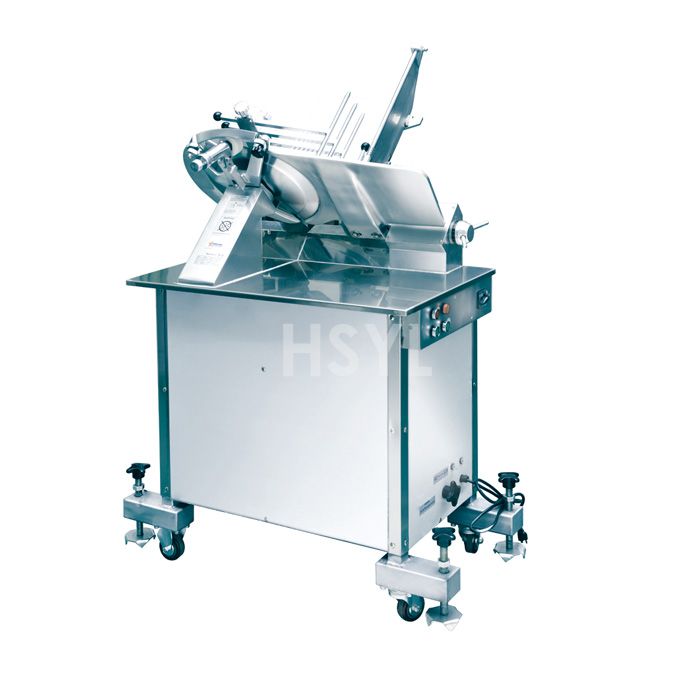
Commercial Meat Slicer-FP-HB-350400
Compare HB-350/400 meat slicers around meat size, slice thickness and production needs. Re...
View product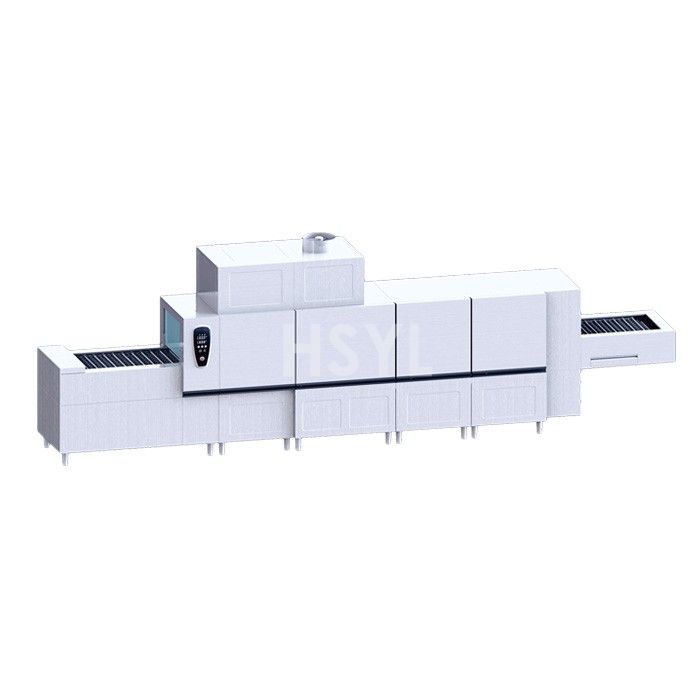
HDW8000L Steam-Heated Commercial Dishwasher
Quick Summary: The HDW8000L Steam-Heated Commercial Dishwasher (Model: CK-HDW8000L) is a h...
View product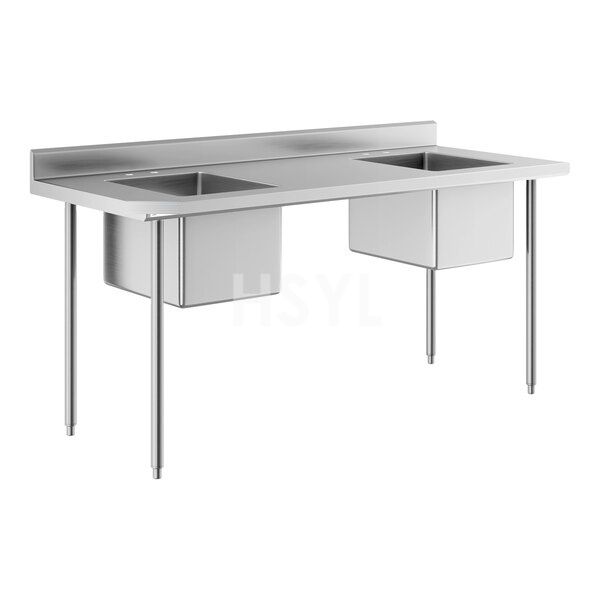
Two-Compartment Commercial Sinks
Two-Compartment Commercial Sinks for commercial kitchens, fabricated to project dimensions...
View product
E234-BCW02-11 Horizontal Banquet Cart
Quick Summary: The E234-BCW02-11 Horizontal Banquet Cart-B (Model: SL-E234-BCW02-11) is a ...
View product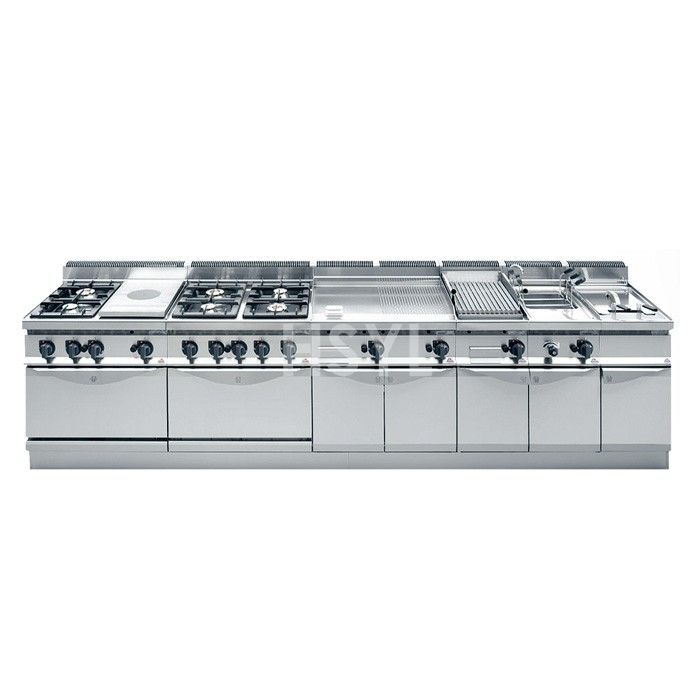
700-Series Combined Western Kitchen Stove
Quick Summary: The 700-Series Combined Western Kitchen Stove (Model: CK-BERTO) is a heavy-...
View product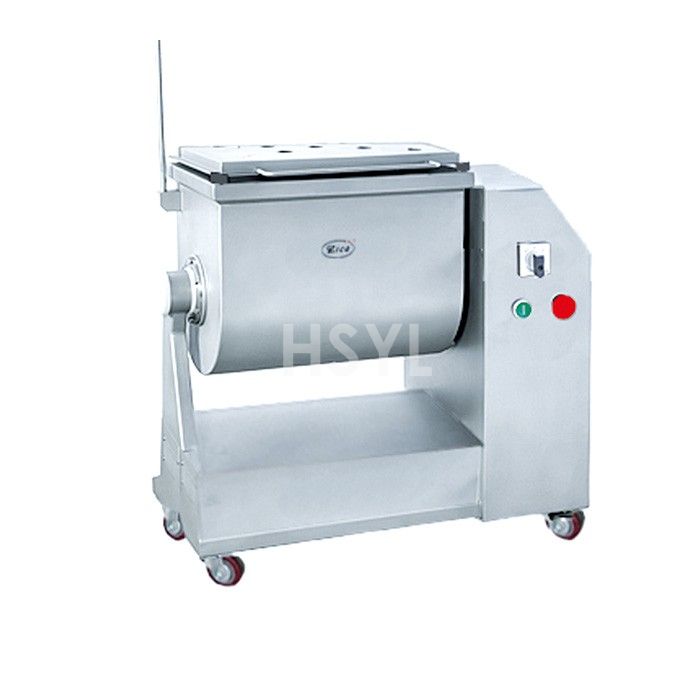
Commercial Meat Mixers
Commercial meat mixers for central kitchens, restaurant prep and meat-processing workstati...
View product Commercial Ovens for Professional Kitchens
Commercial electric and convection oven solutions for professional kitchens. Review HSYL c...
View product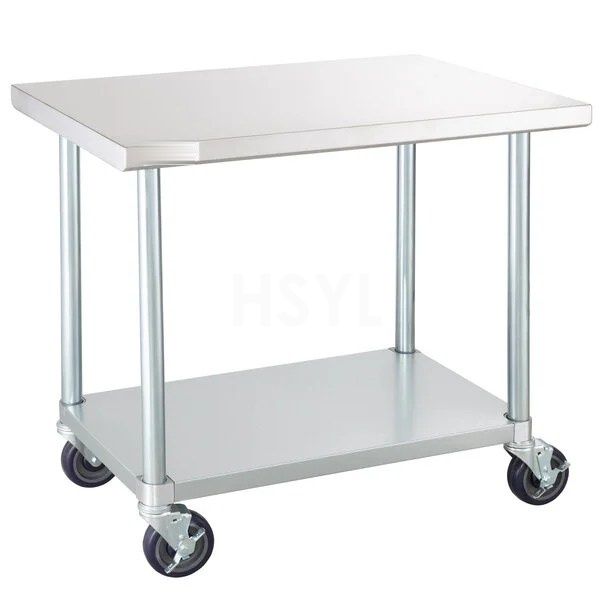
Stainless Steel Kitchen Trolleys
Stainless Steel Kitchen Trolleys for commercial kitchens, fabricated to project dimensions...
View product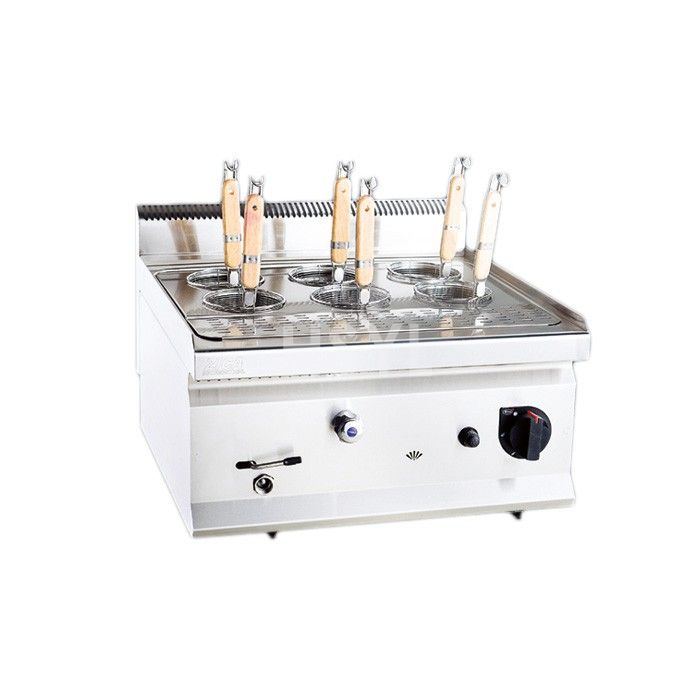
HP Countertop Gas Pasta Cooker Range
Compare HP6035G and HP6060G countertop gas pasta cookers. Review footprint and gas require...
View product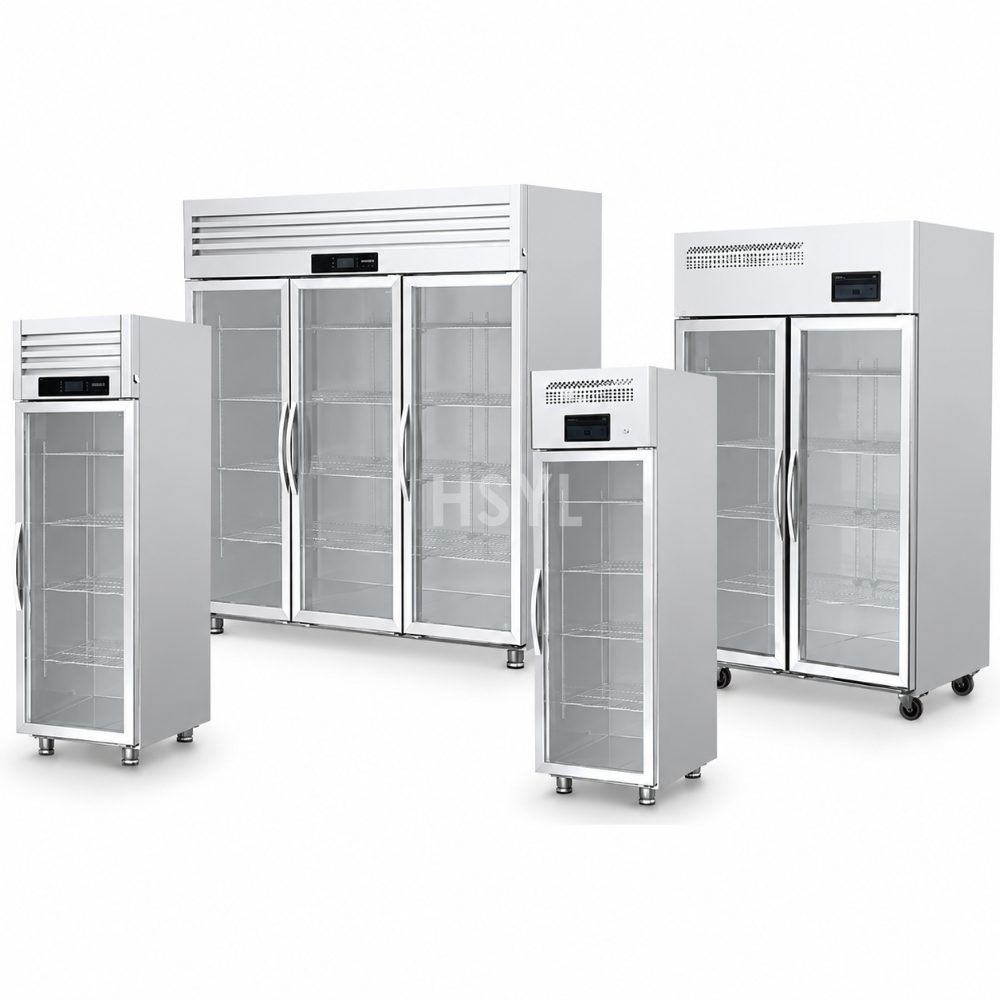
Q and S Series Direct-Cooling Display Cabinet Range
Compare Q and S Series display cabinets for your products and store layout. Confirm temper...
View product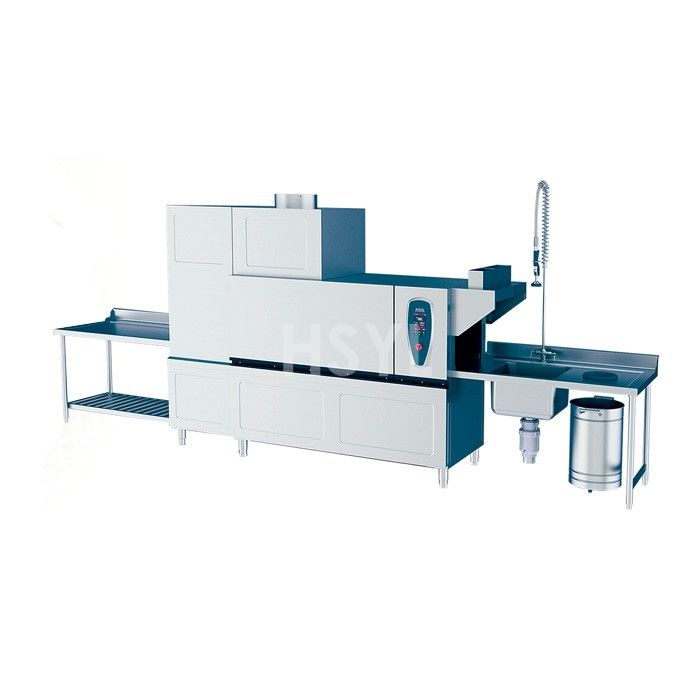
HDW260-EL-R Electric-Heated Commercial Dishwasher
Compare HDW260-EL-R Electric-Heated Commercial Dishwasher capacity, heating, dimensions, u...
View product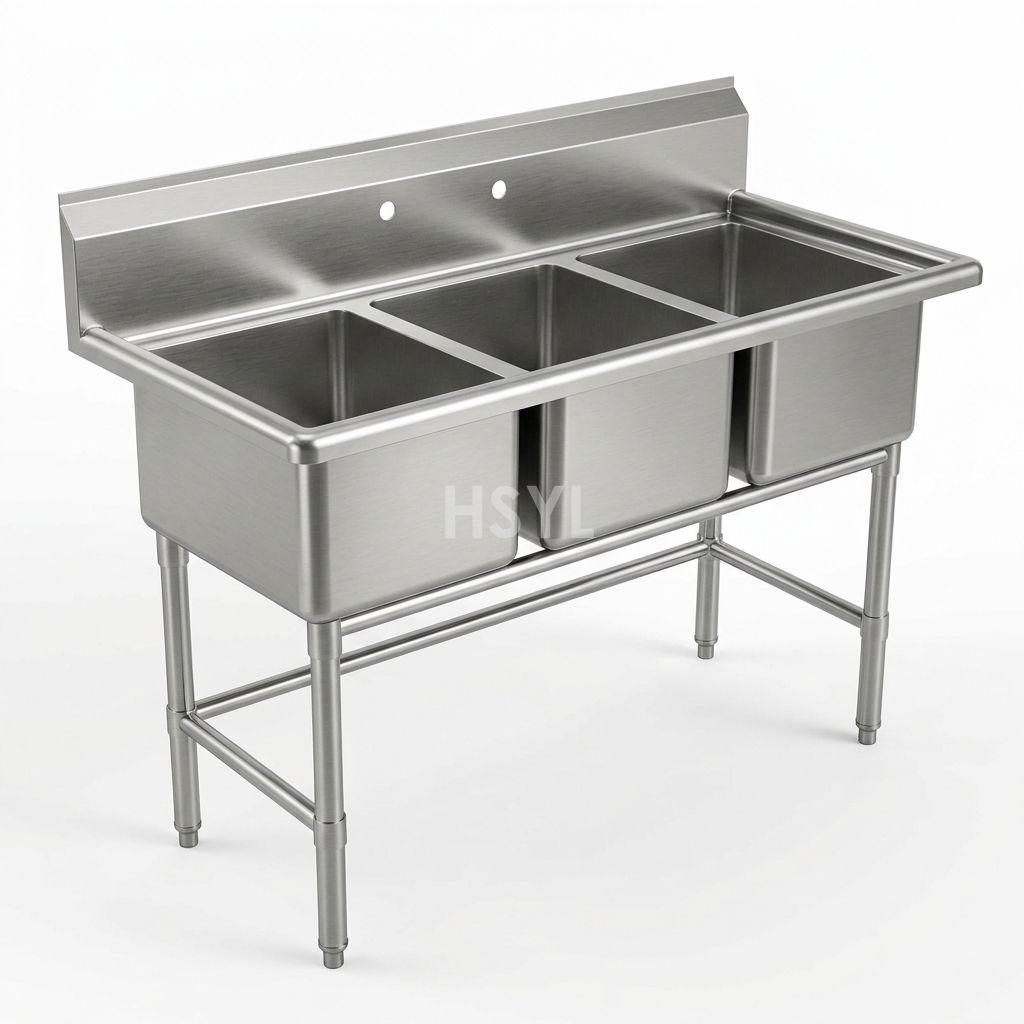
Three-Compartment Commercial Sinks
Three-Compartment Commercial Sinks for commercial kitchens, fabricated to project dimensio...
View product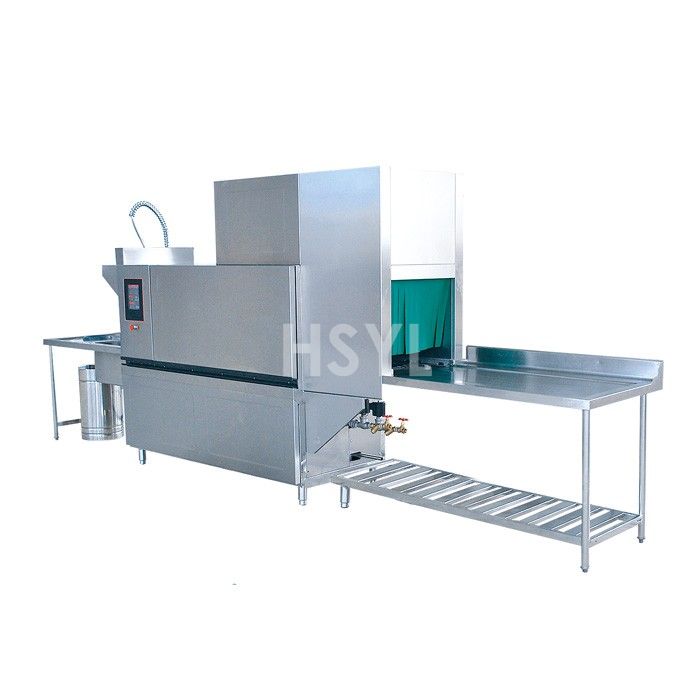
HDW260-SL-R Steam-Heated Commercial Dishwasher
Compare HDW260-SL-R Steam-Heated Commercial Dishwasher capacity, heating, dimensions, util...
View product Stainless Steel Wall Shelf
Plan stainless steel kitchen wall shelves for utensils, containers and clean storage. Spec...
View product
Commercial Vegetable Washers
Commercial Vegetable Washers for central kitchens, food processing plants, canteens and re...
View product
Commercial Grease Traps
Commercial Grease Traps for commercial kitchens, fabricated to project dimensions in AISI ...
View productFrequently Asked Questions
How should I size a commercial catering oven?
Use the menu timetable, actual loaded cookware and demonstrated consecutive-batch results. Include loading, unloading, recovery and profile changes, then compare acceptable batches completed before the final oven-exit deadline.
Does moisture injection make a convection oven a combi oven?
Confirm the exact supported modes and process limits in the manufacturer documentation. A moisture feature alone does not establish the steam control needed for a different cooking task.
Can a countertop catering oven be moved between sites?
Ask the manufacturer to approve the intended handling and operating arrangement. Small cabinet dimensions do not establish mobile use; verify support, utilities, ventilation and installation requirements at every operating location.
Plan the Equipment Around Your Kitchen.
Share your menu, peak service demand, available space and site utilities. Tell us which equipment you are considering so we can review the requirements with you.