Commercial Combi Oven for Sale: Recipe and Installation Fit
Compare commercial combi ovens by loaded recipe trials, pan fit, fuel version, water treatment, cleaning and a complete installed quotation.
A commercial combi oven for sale should be compared as a complete cooking station: the correct fuel and electrical version, usable pan arrangement, water treatment, cleaning system, installation scope and a trial of the intended menu. A low advertised equipment price cannot establish whether the oven can produce your accepted portions during service. Start with the recipes and dispatch times, then ask for a configuration-specific quotation and demonstration.
Combi cooking combines circulating dry heat with steam, either separately or together. That capability creates useful choices for roasting, baking, steaming and controlled reheating, but it does not make every recipe suitable for one shared cycle. The purchasing question is which loads the kitchen can reliably schedule in the selected chamber, including preparation, loading, unloading, changeover and cleaning. The answers belong in the order documents, rather than in an assumed list of features.
Define the recipes that earn the oven its place
Build a short list of the menu jobs the oven must perform on the busiest planned service. Include products with different demands: a browned roast, a delicate steamed item, a baked product and a reheated prepared dish if those processes are part of the operation. Record starting condition, portion thickness, pan type, fill depth, intended finish and the kitchen’s approved food safety procedure. The same product name can describe very different loads.
A chef’s successful demonstration with one shallow tray is useful development work, but it does not prove a fully loaded service schedule. Ask for trials with the actual containers, spacing and product quantities proposed for purchase. Assess the quality at different chamber positions. Include the result after transfer to the pass or holding equipment, because a finished dish that changes before service may not meet the operation’s acceptance criteria.
Identify jobs that should stay on other equipment. A combi may free a range during roasting while a griddle remains necessary for a particular surface finish. It may steam a planned batch without replacing the kitchen’s entire steaming capacity. Compare the proposed division of work using actual recipes and occupied time. Avoid an order justified solely by a claim that one oven replaces several named appliances.
A selection matrix based on cooking duty
| Required duty | What to demonstrate | Configuration question | Purchase decision |
|---|---|---|---|
| Dry roasting or baking | Accepted colour, texture and finish across the proposed load | Pan spacing, fan settings and loading pattern | Approve the demonstrated recipe and load arrangement |
| Steam cooking | Accepted finish at representative chamber positions | Steam generation, water quality and condensate handling | Confirm the installation can support the tested process |
| Combined moisture and dry heat | Required surface finish and internal condition together | Actual humidity controls and recipe steps for the offered version | Compare finished portions rather than programme count |
| Reheating prepared dishes | Approved food safety process and acceptable service quality | Starting condition, pan fill and monitoring method | Approve a defined process rather than generic reheating language |
| Mixed service schedule | Finished orders at the required dispatch times | Compatible cycles, load access and changeover time | Keep incompatible jobs separate in the production plan |
The matrix establishes questions for a supplier trial. It contains no output, energy saving or cooking-time promise for an HSYL model. A proposed process must be checked against the current manual and the exact offered configuration. If the quotation changes the steam system, chamber size or control version after a demonstration, confirm whether the original results still support the revised offer.
Pan count is only the beginning of usable capacity
Compare the pan format your operation already uses with the rails, supports and chamber of the offered oven. Request the current dimensional drawing and accessory schedule. A nominal tray count does not tell you how many deep pans fit with the necessary circulation or whether handles and lids interfere with loading. Bakery trays and foodservice pans also require explicit compatibility; a similar overall size is not a confirmed fit.
Set the loading arrangement before testing output. Note empty rail positions, product height, fill depth and any restrictions on stacking. Staff need a practical route for bringing loaded trays to the oven and removing hot items. Include the trolley, stand or landing table in the station layout, with the door open and operators performing the actual movement. A compact cabinet may still require considerable working and service space.
Where two chambers or stacked units are proposed, ask for the approved arrangement and installation documents for that combination. Shared water, drainage, electrical supply and ventilation need coordinated responsibility. Two cooking chambers do not automatically provide two independent production stations if the operator, loading trolley or clean-down procedure is shared. Put these resources into the service schedule as well as the equipment list.
| Entry for the trial | Buyer records | Evidence retained |
|---|---|---|
| Product and starting condition | Recipe, portion geometry, starting temperature and preparation method | Kitchen-approved recipe and actual starting measurements |
| Load arrangement | Pan type, fill depth, occupied rails, spacing and chamber positions | Loading photographs and configuration revision |
| Complete occupation | Preheat, loading, cooking, unloading and required reset time | Observed timeline rather than programme duration alone |
| Accepted finished output | Portions passing the approved quality and food safety checks | Results by position, rejects and required rework |
| Next scheduled job | Changeover, compatible recipe and available operator | Demonstrated sequence through a representative service window |
Planning calculation: accepted portions per occupied minute = accepted portions from the trial divided by the complete observed occupation time. Use measured inputs from the proposed configuration. This is a buyer planning calculation, not a rated output or a substitute for the approved food safety process.
Compare repeat trials rather than keeping only the best run. Explain material differences in preparation, loading or operator practice. If the quoted oven cannot meet a critical dispatch window, examine an altered production schedule, different load arrangement or separate equipment assignment. Reducing the declared load without changing the purchasing plan would leave the original capacity question unresolved.
Choose the fuel version with the site team
An electric oven order needs the offered voltage, frequency, phase, connected load and connection arrangement confirmed in writing. Have the receiving site’s qualified electrical team assess the installation and concurrent kitchen demand. A plug shown in a marketing image does not prove compatibility with the destination. Include isolation, cable routing, protective arrangements and responsibility for the final connection in the installation scope.
A gas combi order needs the specified fuel, permitted supply conditions and appropriate installation documents. Natural gas and LPG versions must not be treated as interchangeable without the manufacturer’s approved arrangements. Gas heating may still require electrical power for controls, fans and other functions. Request both utility schedules. Compare the actual local installation and measured operating costs, rather than assuming one fuel is always cheaper or faster.
Keep the utility version connected to the exact model revision. A quotation should identify any factory options or approved conversion arrangements, not simply a general family name. Confirm access to the parts and qualified service required at the destination. These procurement checks apply to global purchasing; they do not establish that every advertised version is available, documented or accepted in every market.
Water and cleaning are part of the purchase
Ask for the offered steam-generation arrangement and its water requirements. A boilerless system still has a water interface and a cleaning procedure. A boiler system adds its own maintenance and treatment requirements. Provide the supplier with the site’s current water analysis and require a treatment recommendation tied to the offered equipment documentation. A filter price without the required treatment performance and replacement schedule is incomplete.
Coordinate water connection, drainage, condensate handling and access for treatment equipment with the installer. Record who supplies each component and who approves its position. The cabinet drawing alone cannot establish whether the site has a compatible drain or enough access to maintain the treatment system. The intended position should allow routine servicing without dismantling an unrelated kitchen station.
Compare the cleaning procedure using the actual menu soil. Ask which approved chemicals and consumables are required, how they are replenished and what staff must do before or after an automatic programme. Automatic cleaning does not eliminate manual inspection or make every component safe to clean in the same way. Demonstrate the proposed routine with the correct manual and allow its full occupation in the daily schedule.
Heavy grease loads, spills and repeated mixed recipes can affect cleaning frequency and programme choice. Record the operation’s routine rather than borrowing a supplier’s generic cleaning interval. Include chemical storage, protective handling, drainage and disposal responsibilities in the site plan. A cheaper appliance can become an expensive station when required treatment, consumables and additional staff time are omitted from the comparison.
| Cost or interface | Quoted inclusion to confirm | Evidence and owner |
|---|---|---|
| Oven and accessories | Exact version, stand, supports, pans, trolley and required fittings | Supplier’s configuration and accessory schedule |
| Electrical and fuel work | Connections, isolation and site alterations | Qualified installer’s coordinated scope |
| Water and drainage | Treatment, installation, replacement consumables and drain work | Current water analysis, equipment requirements and installer sign-off |
| Ventilation and room interfaces | Approved system arrangement and any associated alterations | Site designer’s review for the proposed cooking duties |
| Operation and maintenance | Measured utilities, cleaning labour, approved chemicals and planned service | Trial records and written destination support terms |
Compare offers over the same buyer-selected period: equipment and installed scope plus recorded utilities, consumables, cleaning and planned maintenance. Keep unpriced items visible. The register is an original procurement tool, not a forecast of savings, payback or lifecycle performance.
Specify a gas combi oven beyond the fuel label
A natural-gas combi oven may still need electricity for controls, fans and other systems, together with the model's specified water and drainage interfaces. Ask for the exact country, fuel and electrical version; do not infer a mains-free installation from gas heating. Boiler and boilerless descriptions do not establish that the oven can operate its steam process without the manufacturer's required water supply or cleaning arrangements.
Compare the offered gas version with the site's approved fuel supply, pressure and installation documentation. An NG and an LPG offer are separate configurations unless the manufacturer supplies an approved conversion route for that exact model and country. A reseller's electric multi-cook or ventless product description does not establish ventless permission for the gas combi standing beside it in a catalogue.
For a used oven, obtain the actual serial identity, original installation manual, present fuel configuration, service and modification record, control version and supplied accessories. Inspect the steam and cleaning functions with representative loaded food, using the specified chemicals and water conditions. Price missing racks, stands, drain components and commissioning separately. The final comparison remains the complete installed cooking process and accepted food output; catalogue age, a familiar brand or a gas burner rating does not replace evidence of the offered unit's condition and suitability.
Installation acceptance follows the destination
Obtain the current equipment documentation and ask the receiving professionals to review the intended installation. In the United States or Canada, confirm the locally required electrical, sanitation, gas and ventilation evidence for the exact version and application. In European markets, obtain the applicable conformity documentation and installation requirements for the supplied version. Other destinations require their own receiving review. A logo or a certificate for another oven does not close that review.
A compact footprint or advertised integrated hood does not establish unrestricted installation. The planned cooking duties, heat and moisture, surrounding equipment and permitted ventilation arrangement must be reviewed together. Confirm cleaning and inspection access as well as the operating position. Keep the written approval and coordinated drawings with the purchase order so that a later layout change can be assessed against the original basis.
Commissioning should include the actual utilities, control settings, representative recipe loading and the staff cleaning routine. Give the operation the matching manual, accessory list and agreed service contacts. Retain the configuration revision used for training and acceptance. If a supplied unit differs from the approved offer, resolve the difference before treating a successful demonstration on another machine as evidence for it.
Turn a sale listing into a releasable order
Send HSYL the menu trial schedule, required pan format, peak dispatch window, destination and available utilities. Request the current model-specific specification, installation drawing, included accessories and a complete quotation. Identify which documents or trials remain open. The product family information can support an initial discussion, but the final model’s capabilities must be established from its current evidence.
For new, used or refurbished offers, identify the actual unit condition and seller’s responsibility. A used oven needs its own configuration identity, inspection record and available documentation; a catalogue description of a current family is not a condition report. Confirm what delivery, installation, training and support are included in the written offer. Release the order when the selected configuration, finished food results and installation scope answer the kitchen’s defined requirements.
Keep recipe changes connected to the approved configuration
After acceptance, retain a simple change record for recipes that materially alter the load. A deeper pan, a thicker portion, a different starting condition or a new mixed menu can change the original trial basis. Ask the kitchen to verify the revised process using its approved acceptance checks. A saved programme name is not evidence that the changed food behaves like the demonstrated recipe.
Use the same discipline when equipment is moved to another station. A changed water source, supply version, ventilation arrangement or surrounding heat exposure requires review against the exact installation documents. Record the issue, the responsible reviewer and the evidence needed to close it. The useful result is a maintained cooking process and installation record that staff can follow, rather than a disconnected collection of catalogue screenshots.
Related Kitchen Products
Selected from the catalogue against the keywords of this page, then reviewed with your duty cycle, utilities and site conditions before quotation.
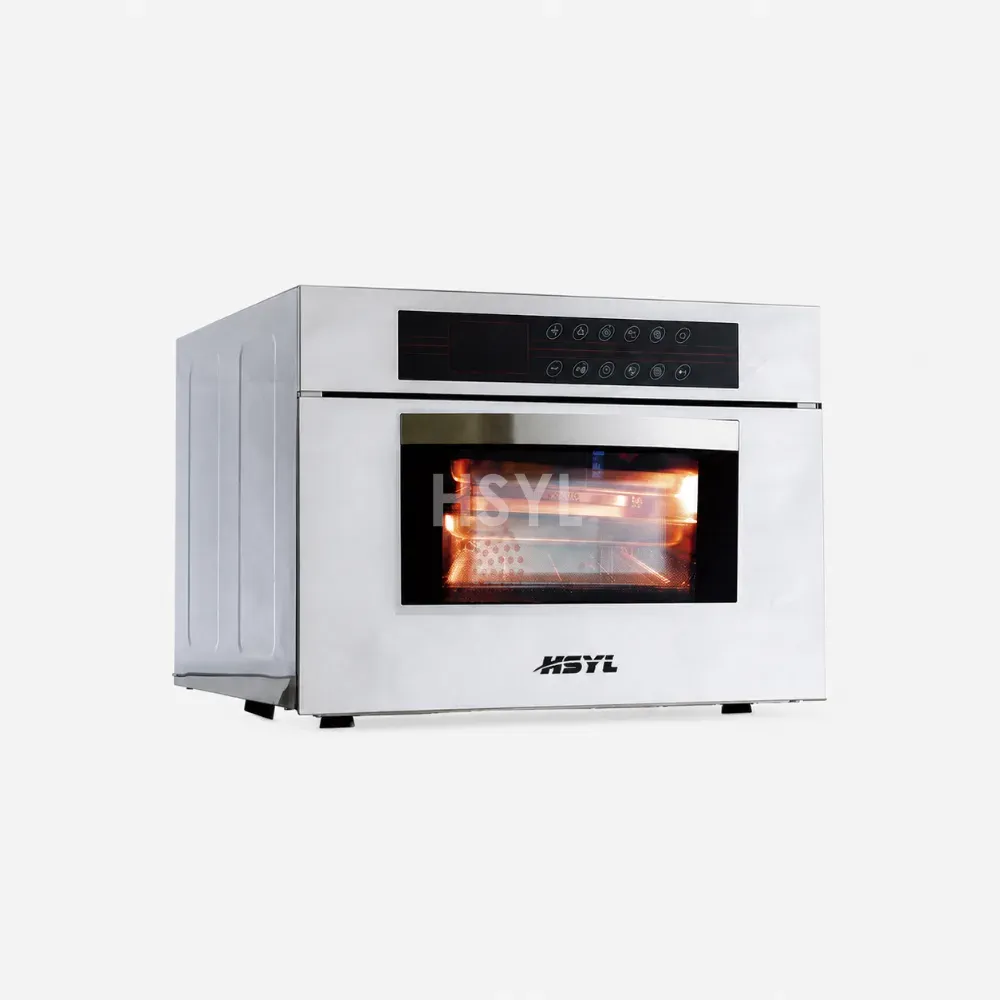
Commercial Ovens for Professional Kitchens
Commercial electric and convection oven solutions for professional kitchens. Review HSYL countertop oven configuration, utilities, installation requirements and...
View product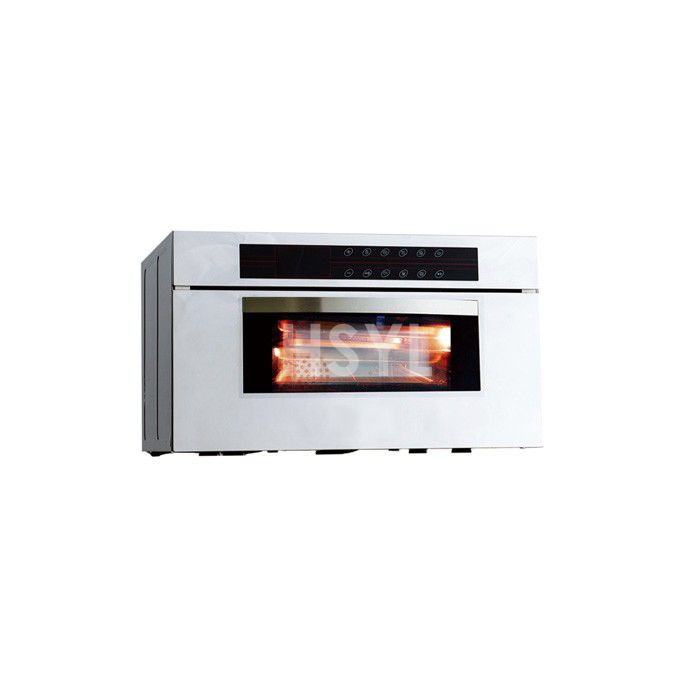
Commercial Combi Ovens
Commercial combi ovens for restaurants, hotels, canteens and central kitchens. Compare compact and high-capacity HSYL combi oven models, cooking modes, utilitie...
View product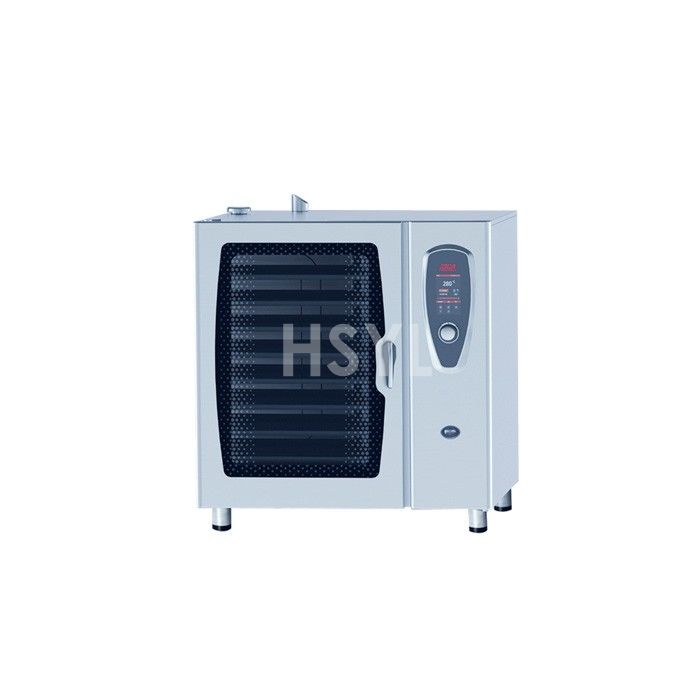
HCO10.2E Commercial Combi Oven
Review HCO10.2E commercial combi oven requirements. Request the current CK-HCO10-2E specification, cooking controls, utilities and quotation.
View productCommercial Combi Oven-CK-HCO-2A
Review CK-HCO-2A combi oven requirements for your menu and batch size. Request cooking modes, chamber dimensions, electrical details and a quotation.
View product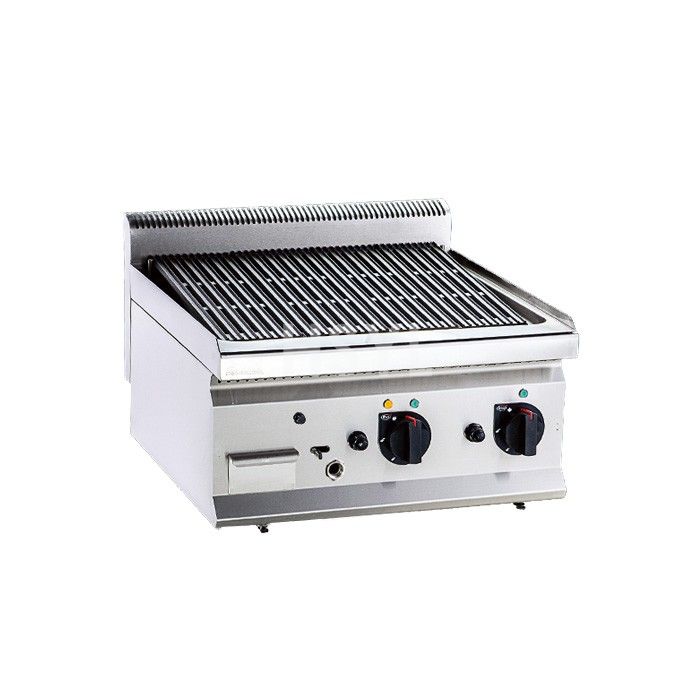
600 Series Countertop Electric BBQ Grill
Review the HC6060E 600 Series countertop electric BBQ grill for your cookline. Confirm cooking area, electrical supply and installation dimensions with HSYL.
View product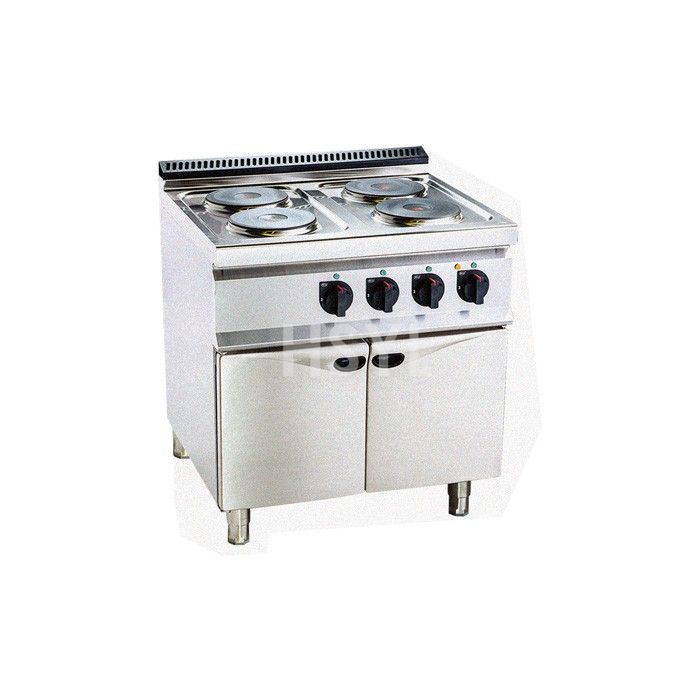
Commercial Range with Oven
Explore CK-BZGL-03 commercial kitchen equipment with technical specifications, application guidance and related models. Request a configuration quote from HSYL.
View productEngineering-Led Commercial Kitchen Manufacturing
HSYL Kitchen Systems designs and produces heavy-duty commercial kitchen equipment for central kitchens, hotels, canteens, hospitals and high-capacity restaurants. Our goal is to provide precise equipment matching, documented quality gates and verified delivery for global foodservice operations.
- Food-grade SUS304 & SUS316 stainless steel construction
- Custom engineering layout & CAD drawing support
- Multi-stage factory quality control & FAT testing
- Factory-direct supply chain with spare parts backup
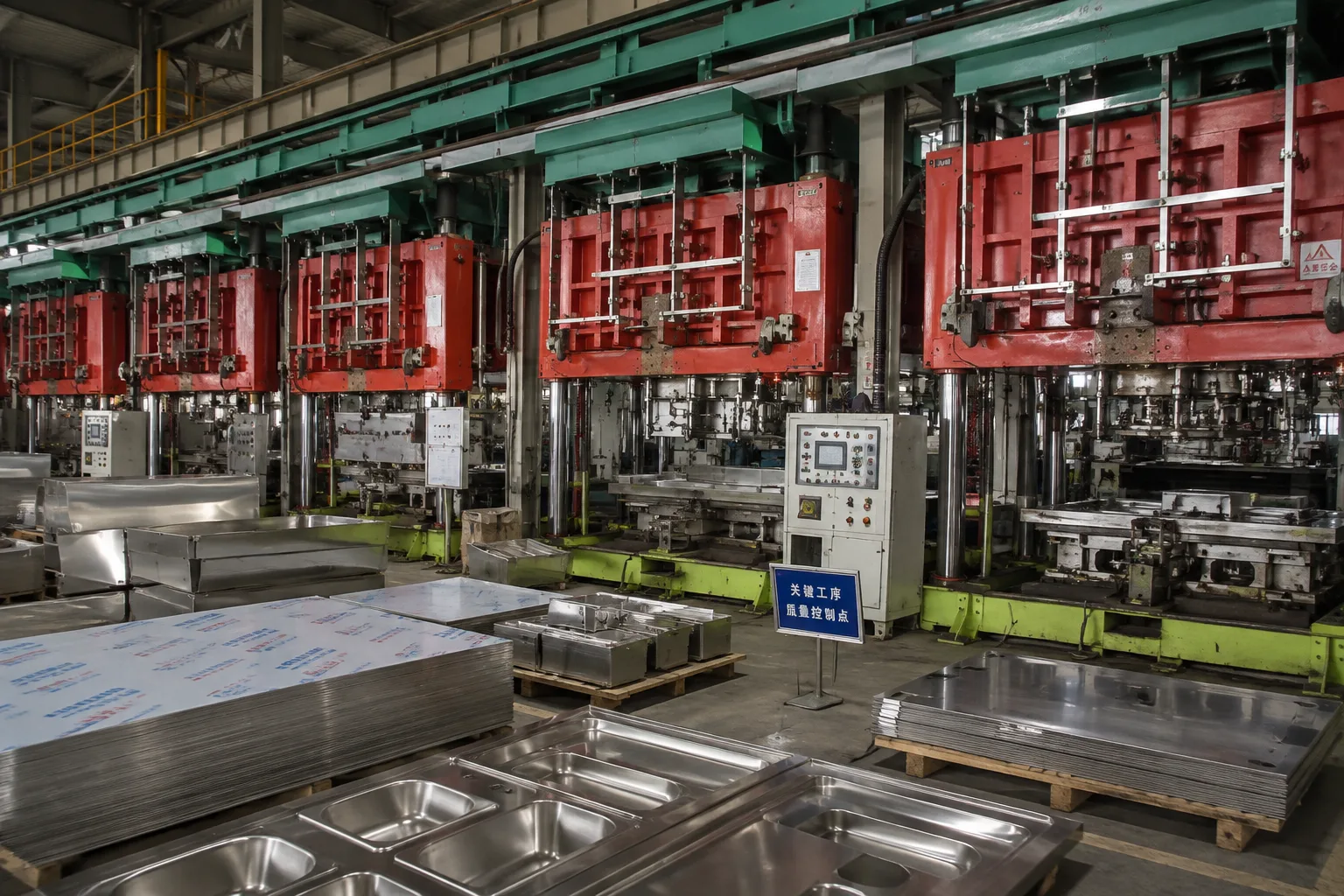
Advanced OEM Processing Equipment & Lines
Equipped with world-class automated sheet metal processing, precision bending centers, thermal foaming lines, and vacuum test rigs to support high-volume commercial kitchen OEM/ODM manufacturing.
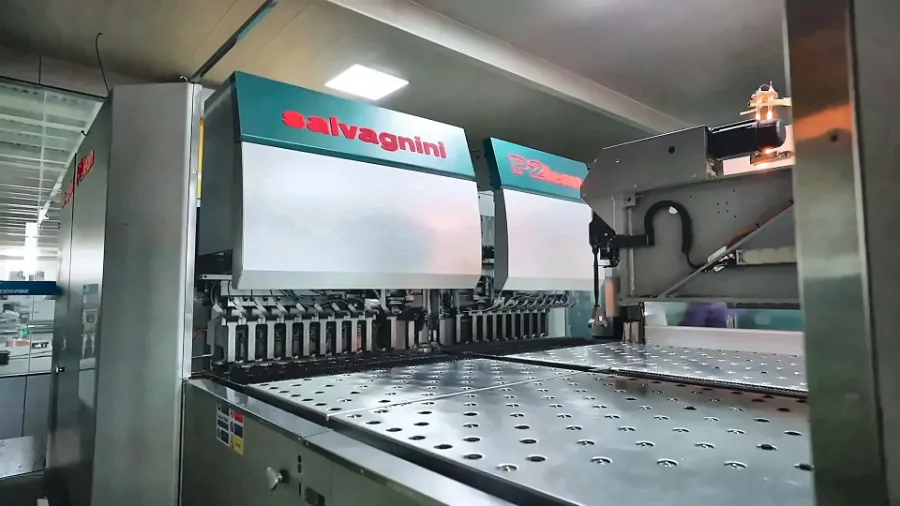
Italian Salvagnini Panel Bending Center
Automated sheet metal bending system for seamless cabinet fabrication and tight structural tolerances.
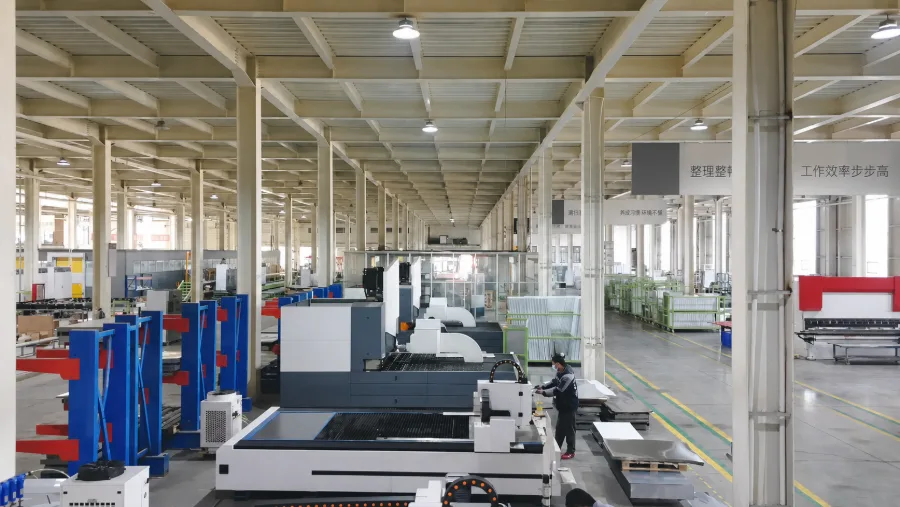
Automated Bending & Laser Cutting Line
Integrated flexible processing line combining fiber laser cutting and multi-axis CNC bending.
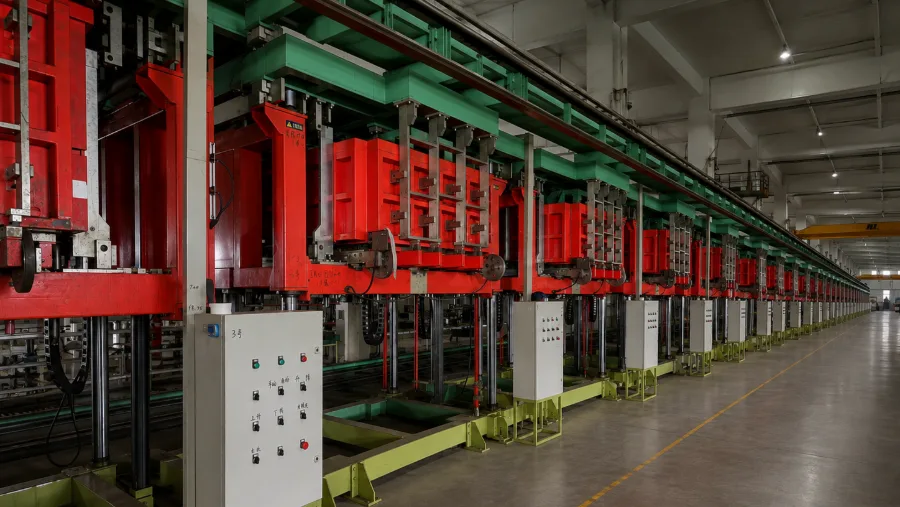
Constant-Temperature Foaming Line
Continuous polyurethane thermal insulation foaming line ensuring uniform core density.
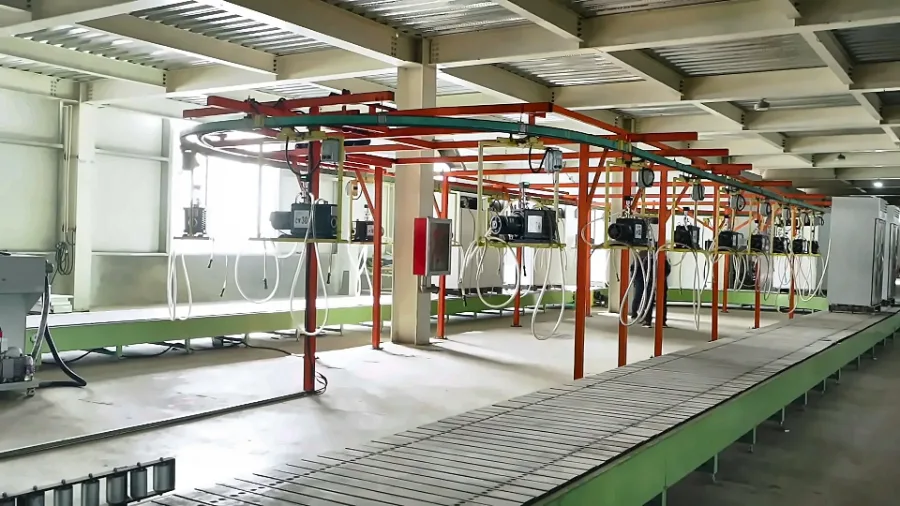
Vacuum Extraction & Testing Line
High-vacuum circuit evacuation and automated leak detection for commercial cooling systems.
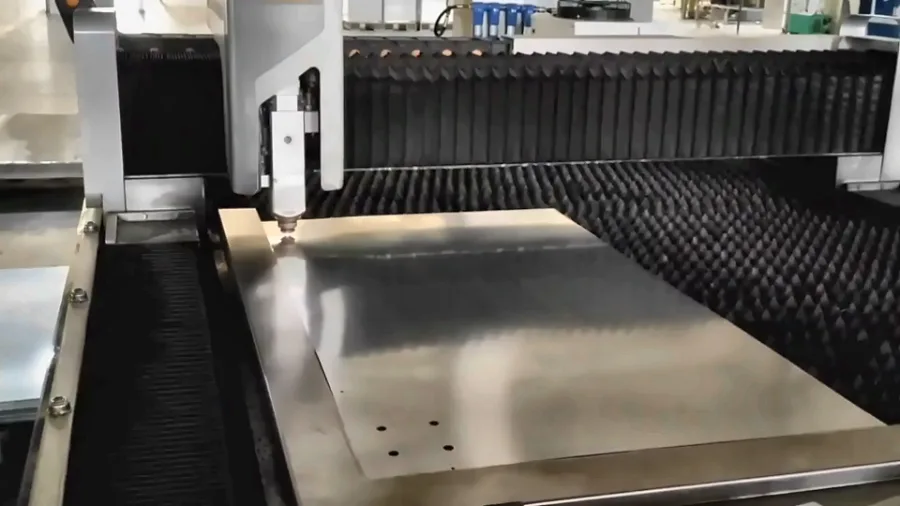
Laser Cutting & CNC Punching Station
High-speed fiber laser cutting and precision CNC punching for intricate component fabrication.
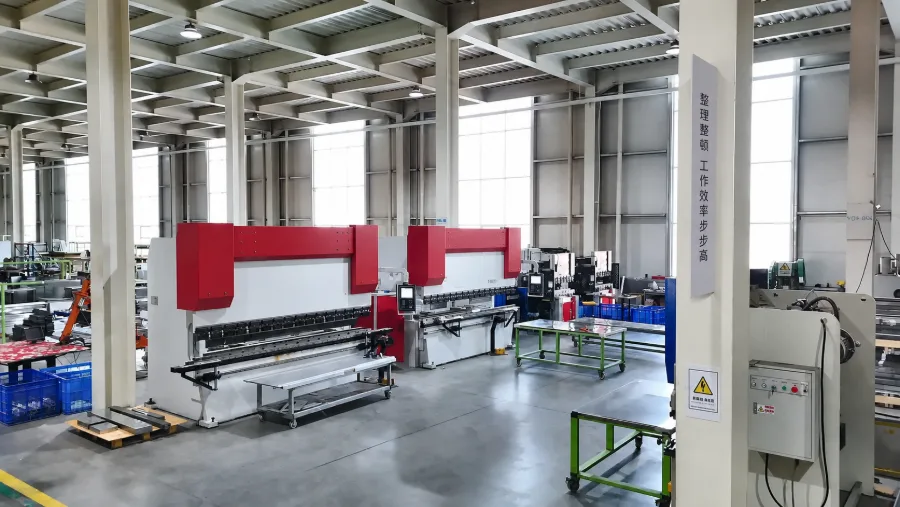
Canadian Heavy-Duty CNC Press Brake
High-tonnage precision press brake for large-format stainless steel sheet forming.
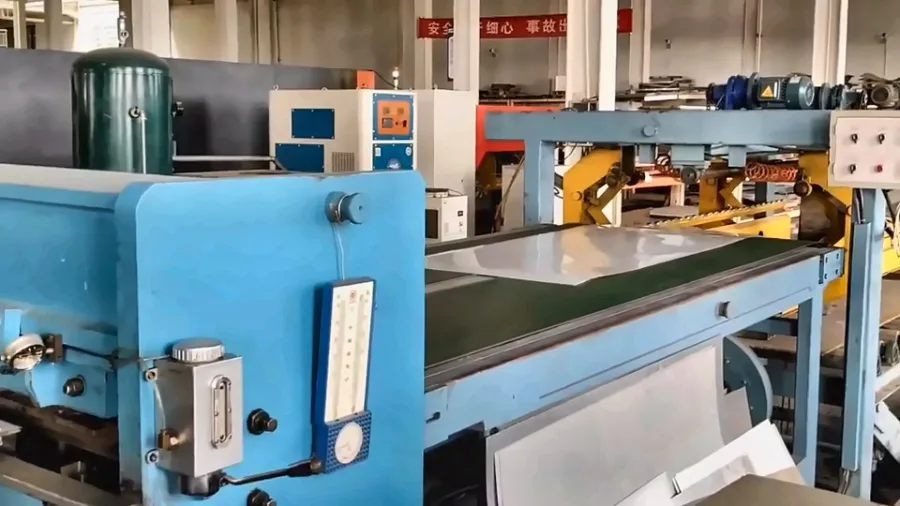
Material Shearing & Cutting Line
Automated heavy-gauge stainless steel shearing and precision raw material sizing.
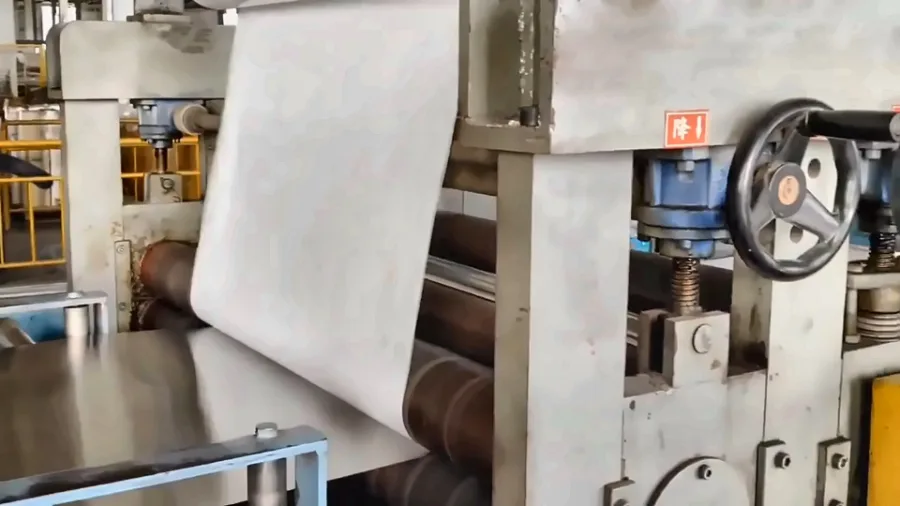
Material Film Laminating Line
Automated surface protection film application to preserve satin and mirror metal finishes.
Explore Popular Kitchen Equipment
Browse equipment that visitors frequently explore, then review the exact model and specifications for your project.
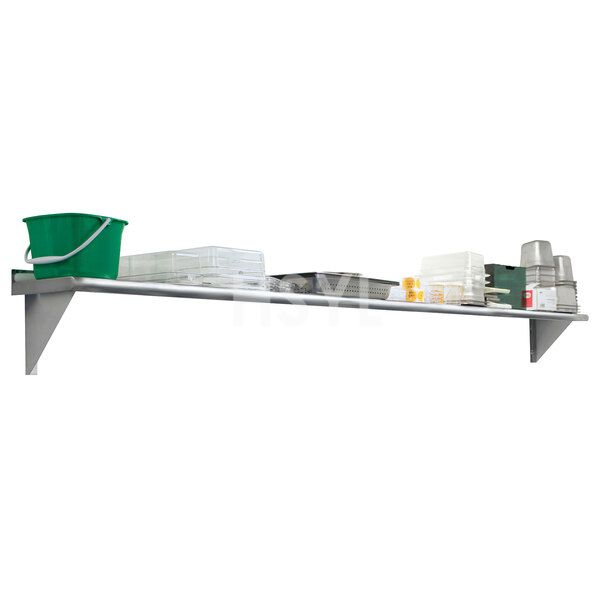
Stainless Steel Wall Shelves
Stainless Steel Wall Shelves for commercial kitchens, fabricated to project dimensions in ...
View product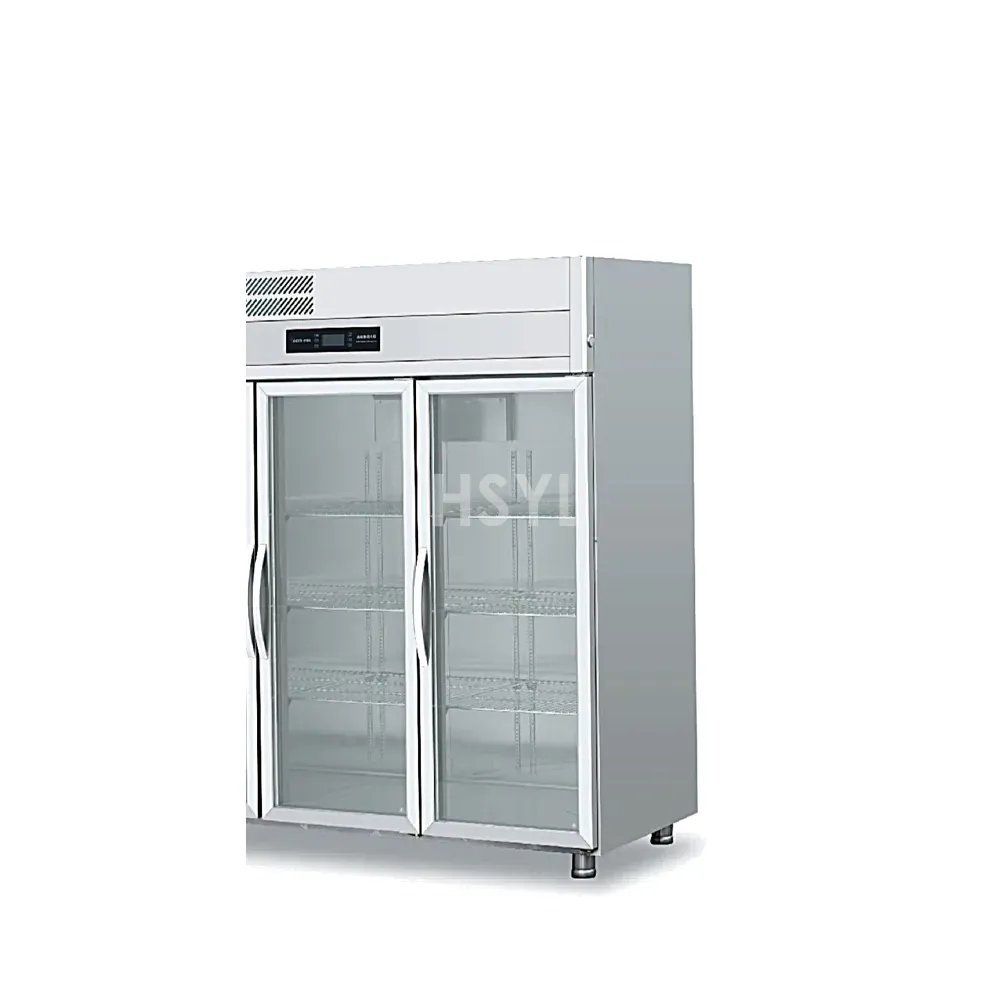
E Series Display Refrigerator Range
Compare E Series display cabinets by door layout, footprint and storage duty. Confirm the ...
View product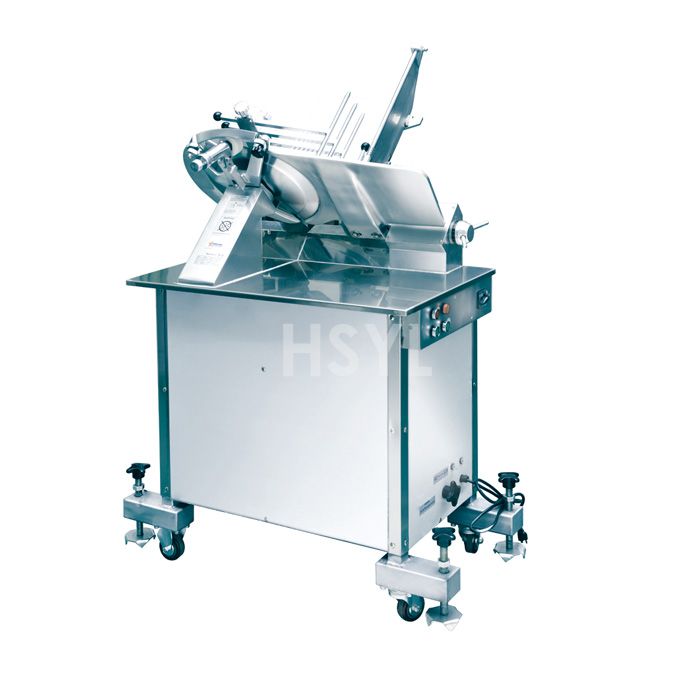
Commercial Meat Slicer-FP-HB-350400
Compare HB-350/400 meat slicers around meat size, slice thickness and production needs. Re...
View product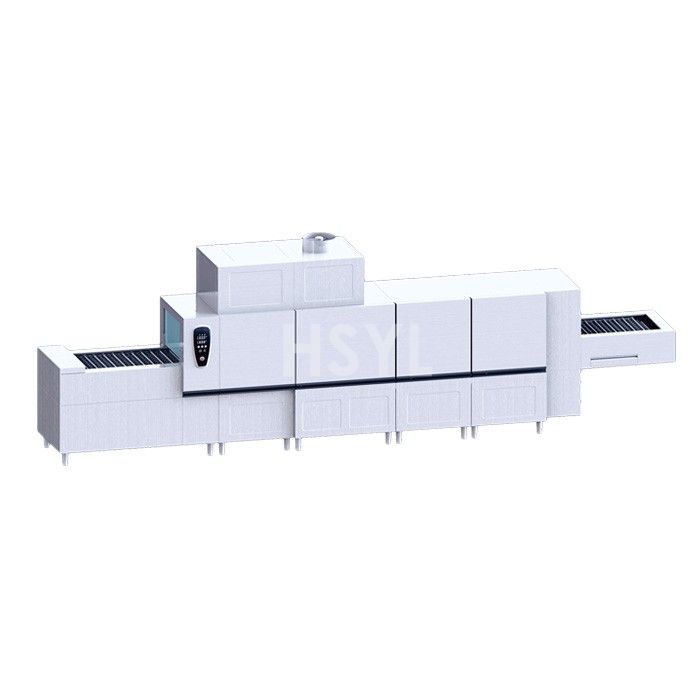
HDW8000L Steam-Heated Commercial Dishwasher
Quick Summary: The HDW8000L Steam-Heated Commercial Dishwasher (Model: CK-HDW8000L) is a h...
View product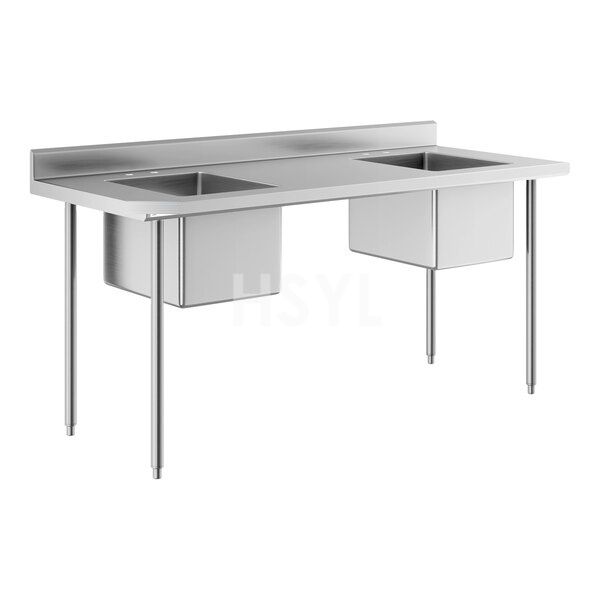
Two-Compartment Commercial Sinks
Two-Compartment Commercial Sinks for commercial kitchens, fabricated to project dimensions...
View product
E234-BCW02-11 Horizontal Banquet Cart
Quick Summary: The E234-BCW02-11 Horizontal Banquet Cart-B (Model: SL-E234-BCW02-11) is a ...
View product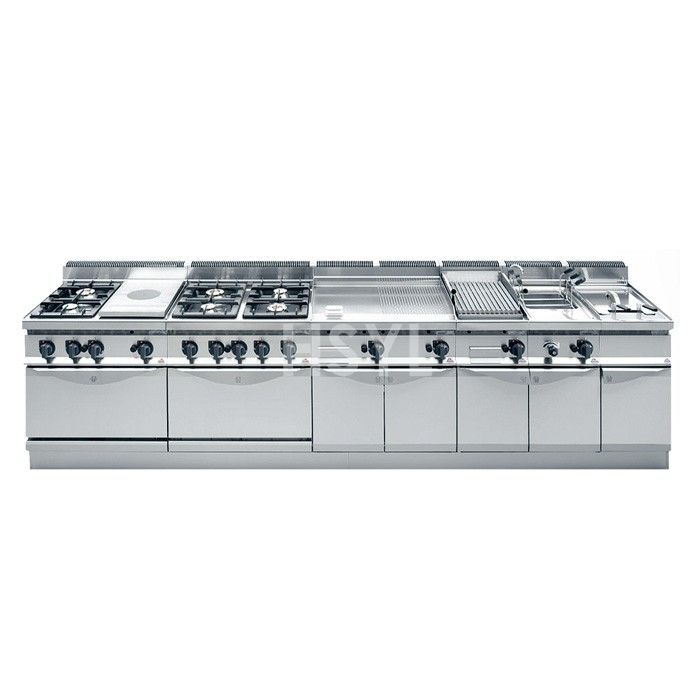
700-Series Combined Western Kitchen Stove
Quick Summary: The 700-Series Combined Western Kitchen Stove (Model: CK-BERTO) is a heavy-...
View product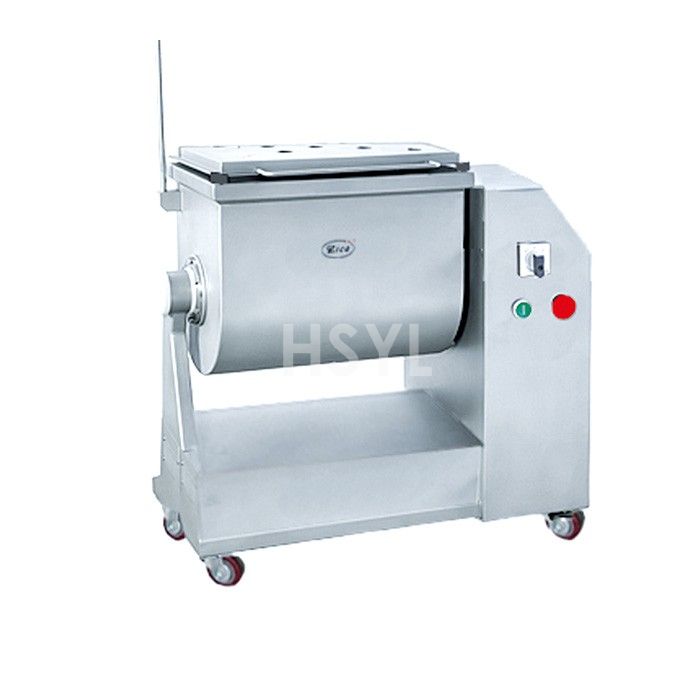
Commercial Meat Mixers
Commercial meat mixers for central kitchens, restaurant prep and meat-processing workstati...
View product Commercial Ovens for Professional Kitchens
Commercial electric and convection oven solutions for professional kitchens. Review HSYL c...
View product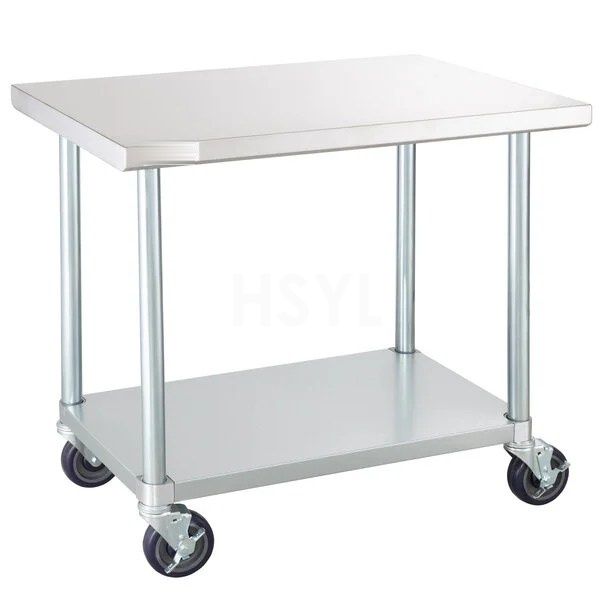
Stainless Steel Kitchen Trolleys
Stainless Steel Kitchen Trolleys for commercial kitchens, fabricated to project dimensions...
View product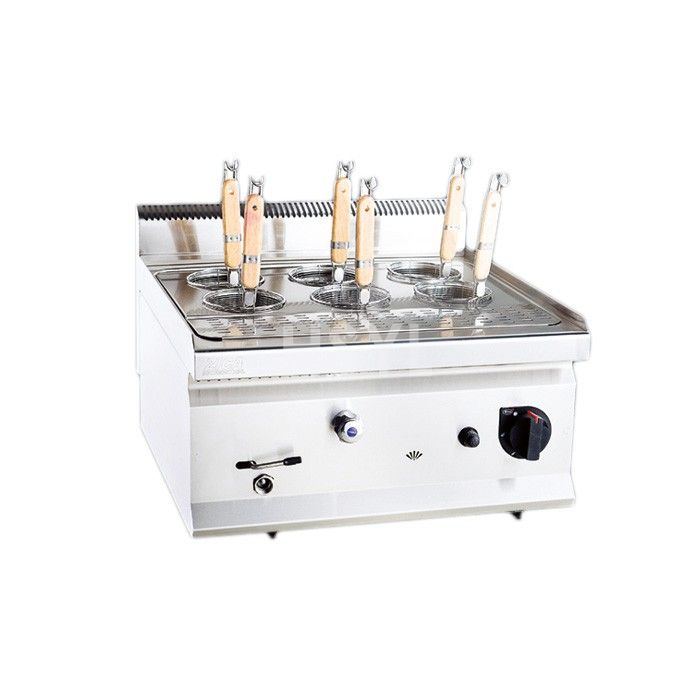
HP Countertop Gas Pasta Cooker Range
Compare HP6035G and HP6060G countertop gas pasta cookers. Review footprint and gas require...
View product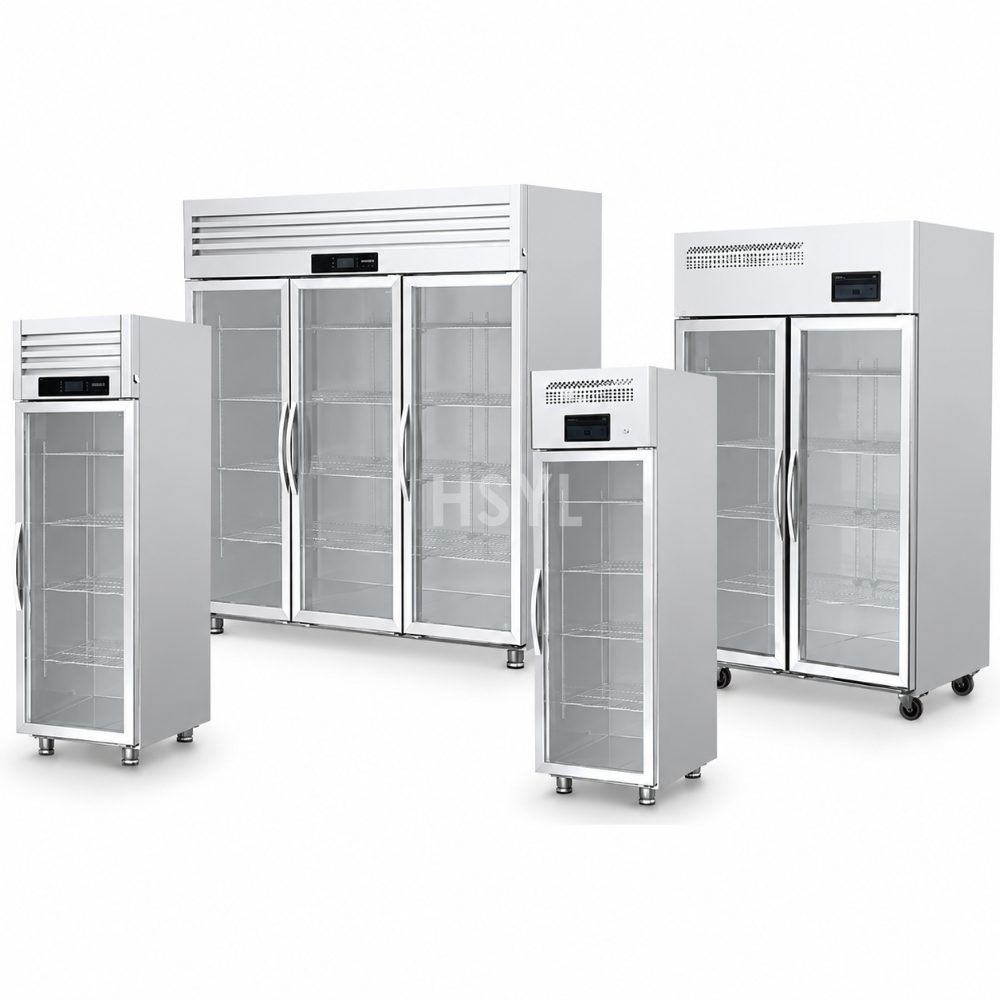
Q and S Series Direct-Cooling Display Cabinet Range
Compare Q and S Series display cabinets for your products and store layout. Confirm temper...
View product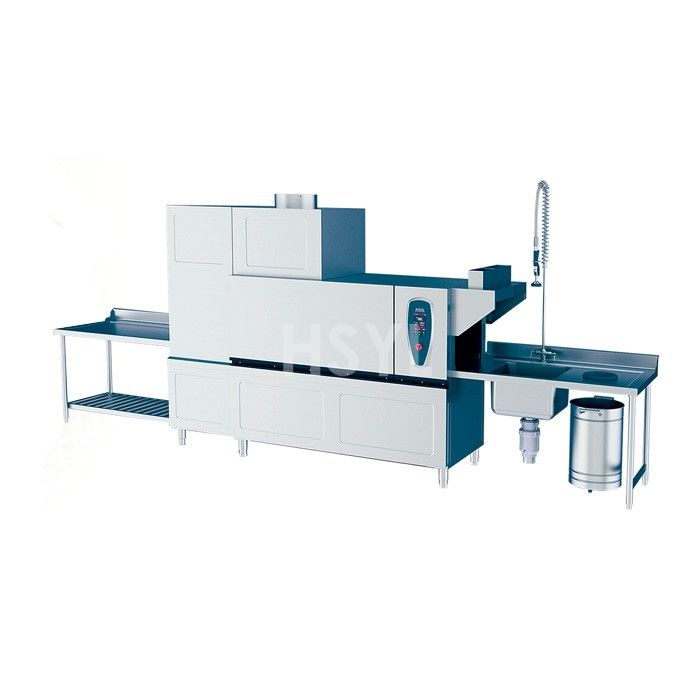
HDW260-EL-R Electric-Heated Commercial Dishwasher
Compare HDW260-EL-R Electric-Heated Commercial Dishwasher capacity, heating, dimensions, u...
View product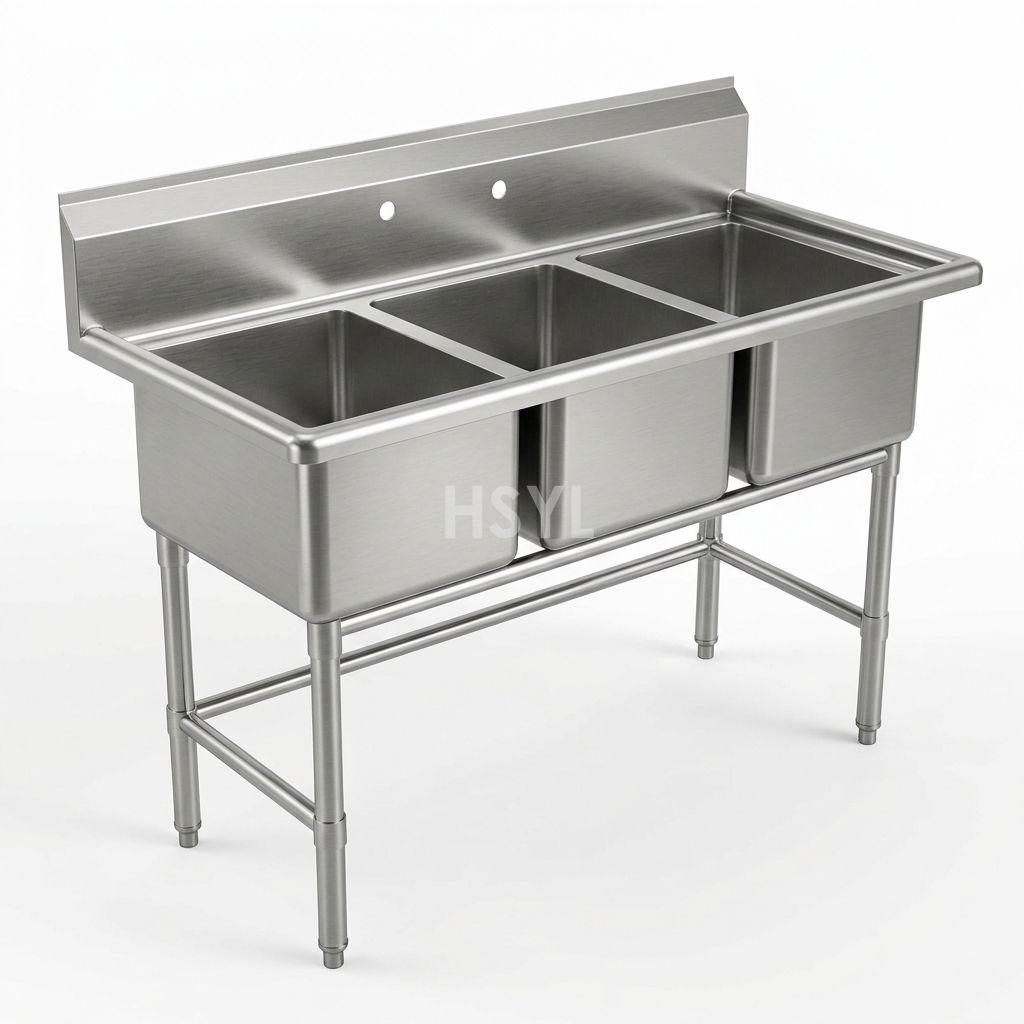
Three-Compartment Commercial Sinks
Three-Compartment Commercial Sinks for commercial kitchens, fabricated to project dimensio...
View product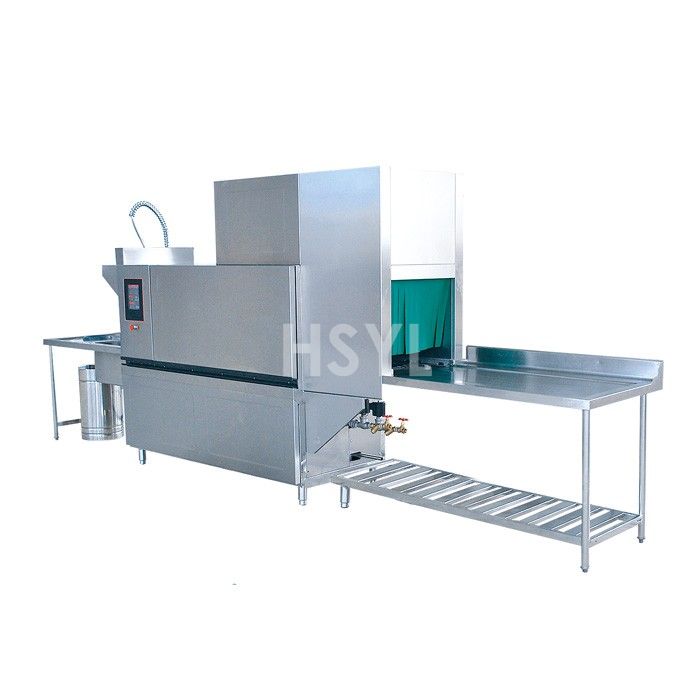
HDW260-SL-R Steam-Heated Commercial Dishwasher
Compare HDW260-SL-R Steam-Heated Commercial Dishwasher capacity, heating, dimensions, util...
View product Stainless Steel Wall Shelf
Plan stainless steel kitchen wall shelves for utensils, containers and clean storage. Spec...
View product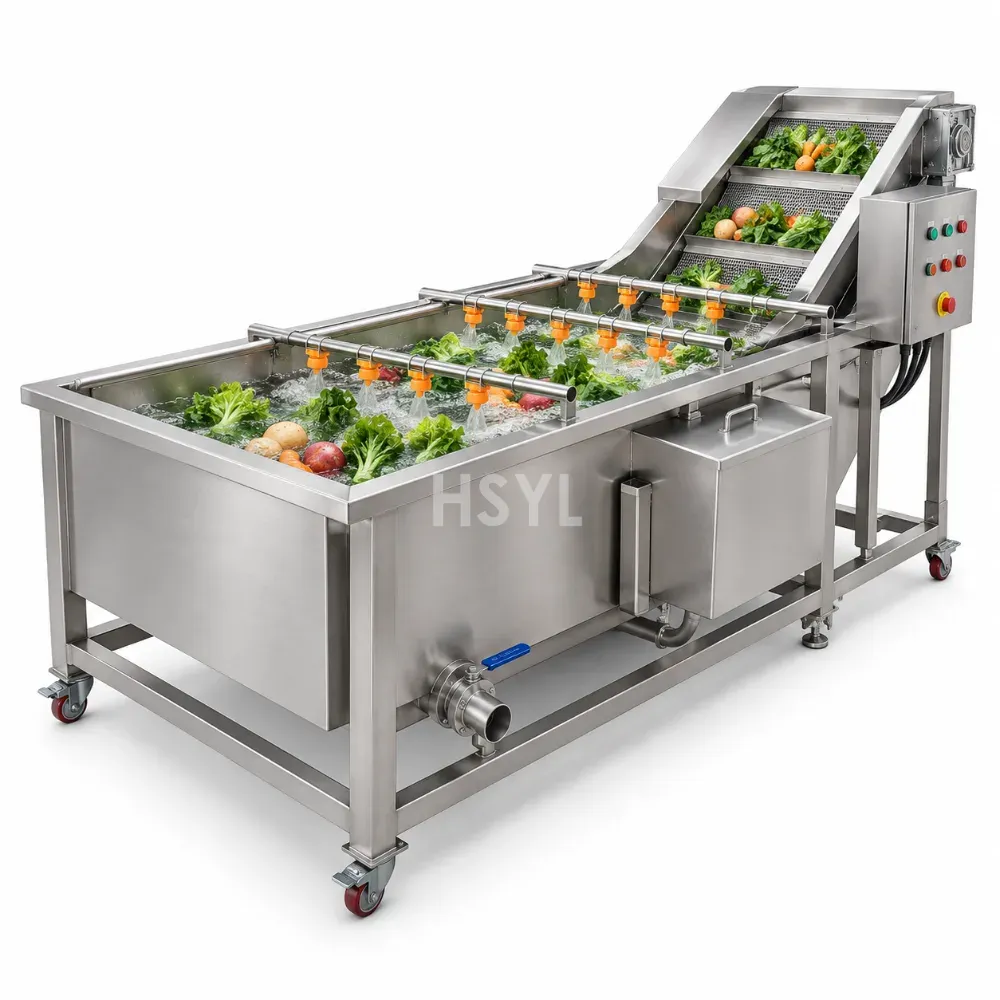
Commercial Vegetable Washers
Commercial Vegetable Washers for central kitchens, food processing plants, canteens and re...
View product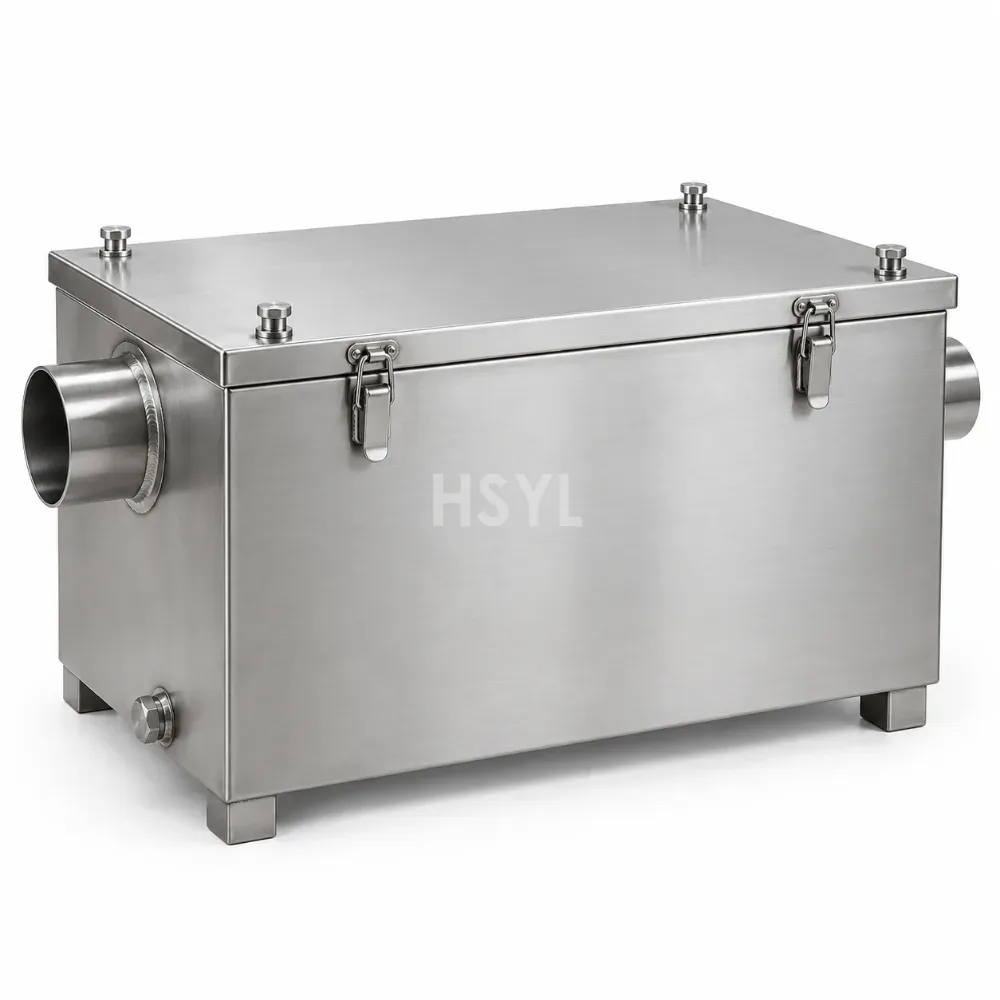
Commercial Grease Traps
Commercial Grease Traps for commercial kitchens, fabricated to project dimensions in AISI ...
View productFrequently Asked Questions
What should a combi oven quotation include?
Confirm the exact version, pan and stand arrangement, utility connections, water treatment, drainage, ventilation scope, commissioning and agreed support.
Does the tray count prove practical output?
Use representative loaded recipes and the complete occupied time, including loading, unloading, changeover and cleaning.
Can a gas combi oven operate without electricity?
Confirm the exact model's full utility schedule. Gas heating may still require electricity for controls, fans and other functions.
Plan the Equipment Around Your Kitchen.
Share your menu, peak service demand, available space and site utilities. Tell us which equipment you are considering so we can review the requirements with you.