Commercial Gas Steamer: Loaded-Duty and Utility Buying Guide
Select a commercial gas steamer by loaded food duty, fuel version, water system and drains. Plan acceptance trials, service parts and complete operating cost.
Select a commercial gas steamer from the loaded food task and the exact gas, water, drain and electrical configuration. Confirm useful tray loading through a representative cooking cycle. Gas input and nominal pan count do not prove accepted meal output, fuel compatibility or installation suitability.
Define what the kitchen needs to steam
A restaurant or canteen may steam vegetables, prepared rice, seafood or other tray-based foods, but the required result and loading arrangement differ. Record the food, initial condition, portion amount, pan type and depth, and the accepted finish. Include how the kitchen loads, opens and unloads the chamber during the service period.
Distinguish the cooking function from the fuel description. Gas identifies an energy source for the configured appliance; it does not establish that the chamber is a pressure vessel, that it connects to building steam or that it uses one particular water system. Ask the supplier to identify the actual steam-generation and cooking arrangement with its installation documents.
Commercial supplier results include steamer categories, comparative guides and gas-specific manufacturer models. They present a purchasing task involving tray capacity, fuel configuration, water connections and operating cost. A useful guide should compare those boundaries without assigning a generic category's claims to an unidentified HSYL model.
Supply the kitchen's food and utility brief when asking HSYL for a proposal. Request the exact model revision, intended steam duty and available fuel configuration. If the confirmed product does not meet the required duty, do not treat another steam appliance or an electric model as a verified gas-steamer substitute.
Compare configurations by their system dependencies
| Decision | Information to obtain | Useful comparison | Evidence boundary |
|---|---|---|---|
| Cooking chamber | Intended steam method, pan arrangement and operating instructions | Accepted result with the intended loaded food | Do not infer pressure operation from the gas label |
| Gas version | Fuel identity, inlet conditions and approved installation detail | Compatibility with the destination supply | Natural gas and LPG require their own confirmed configuration |
| Water system | Supply, quality limits, treatment and refill method | Maintenance and operating dependency | A boilerless label does not prove treatment is unnecessary |
| Drain arrangement | Discharge route and installation requirements | Site fit and safe accessible servicing | Use the exact manufacturer's documents and local design |
| Controls and electricity | Required electrical version and control components | Connection, parts and interruption response | Gas heating does not establish electrical independence |
| Service schedule | Heat-up, loading, cooking, unloading and reset sequence | Complete-cycle accepted output | Nominal pan capacity is only a configuration figure |
Use this matrix to identify which proposals are comparable. A larger unit with another water system or operating method may need a different installation and maintenance plan. Comparing purchase prices without those dependencies can understate the delivered scope and the kitchen's operating work.
Keep the terminology attached to the exact model. A guide or category can discuss several technologies at once, while the quoted appliance supports only one configuration. Record which functions, accessories and utilities are actually supplied and which are separate project requirements.
Establish useful loading with the intended pans and food
Choose the tray arrangement from the food process. Record pan dimensions, depth, solid or perforated construction where applicable, and the approved fill pattern. A rack position can be physically available but unsuitable for a particular food load. Do not convert every nominal position into portions without a loaded trial.
Plan how pans enter and leave the chamber. Check handles, lifting route, landing surface and operator access. Staff may need to open the door or exchange a pan during cooking; include that action in the trial. A closed-door demonstration can conceal recovery or handling problems that appear during normal service.
| Trial stage | Record | Acceptance question |
|---|---|---|
| Before loading | Food identity, initial condition, pan pattern and fill | Does the trial represent normal production? |
| Loaded cooking | Program, permitted openings and food observations by pan position | Does every sampled position meet the agreed result? |
| Unloading | Operator sequence, landing and food transfer | Can the accepted food be dispatched without a new bottleneck? |
| Next load | Reset, refill and recovery actions | Can the sequence repeat during the service interval? |
Agree sampling locations and acceptance criteria with the chef and food-safety team. Observe the food itself with a suitable method rather than relying entirely on the control display. Record rejected food and the actions needed to correct it. Keep trial results tied to the selected chamber, pans and operating instructions.
Include a menu change in the demonstration when the kitchen alternates foods. Record whether the chamber must be reset, cleaned or reorganized and whether the next food uses a different pan arrangement. Identify the upstream preparation and downstream holding equipment that remain occupied during the change. This makes it possible to compare one shared chamber with several independent cooking resources without treating their nominal pan totals as interchangeable.
Keep the dispatch requirement visible. A finished pan may need portioning, transfer or movement to service before the food is useful. Time those actions with the intended staff and containers. If the operator cannot remove one completed load while preparing the next, record the delay in complete-cycle output rather than assigning it to an unnamed external process. This trial boundary is especially relevant to concentrated canteen meal periods.
Repeat the complete sequence through a representative interval. Include startup, water-system actions, refills, unloading and normal cleaning interruptions. Calculate accepted food output over that interval, not just the shortest cooking step. A throughput statement should show what staff and upstream preparation supplied to achieve it.
Release the gas configuration through an approved installation schedule
Identify the destination fuel before choosing a model version. Natural gas, propane and other LPG arrangements are not interchangeable labels. Obtain the configured gas identity, pressure and connection requirements from the appliance documents. Do not approve a conversion because a burner looks similar or a seller describes the unit simply as gas.
Have the competent installation provider review appliance input, supply capacity, shutoff, connection and ventilation. Include the full cooking line, not only the steamer. A supply adequate for one isolated appliance may behave differently when several units operate together. Record the responsibilities for pressure checks, commissioning and documentation.
Keep the control power in the utility schedule. Gas steamers may still require electricity for controls or other functions. Confirm the actual voltage, frequency, phase, connector and isolation requirements; examples such as 115V/60Hz or 220–240V/50Hz are different supply versions, not universal compatibility claims.
Provide the ventilation designer with the actual appliance and menu duty. Heat, moisture and combustion products need assessment within the installed kitchen. A steamer's location under a hood does not prove suitable capture or make-up air. UK commercial gas guidance also connects safe operation with the installation and ventilation arrangements; it does not approve an unspecified appliance.
Cost water treatment and drain access from the actual system
Obtain the water requirements from the selected manufacturer's installation and maintenance information. Ask about quality limits, supply conditions, filtration or other treatment and the service tasks they create. A boilerless design can still have water-related maintenance; avoid a category-wide promise of no treatment or no descaling.
Give the site team a measured water assessment where the manufacturer requires it. Select treatment against the actual limits and duty rather than installing a generic filter and assuming compatibility. Identify replacement cartridges, monitoring, cleaning and supplier responsibilities. Keep these consumables in the cost comparison.
Have the plumbing provider approve the inlet and discharge arrangement for the destination. Record the drain route, accessible connections and any required separation or discharge handling. Heat and condensate can affect the arrangement, so an ordinary nearby drain should not be treated as an automatically suitable connection.
Check physical access during the drawing review. Water-system components, drain points and cleaning areas should remain reachable after the steamer and adjacent equipment are positioned. If servicing requires moving the appliance, document the permitted procedure and the parties responsible for safely disconnecting and restoring utilities.
Observe how staff refill, drain or reset the system according to its instructions. Include those actions in the production trial and training. An operating method that depends on an undocumented water adjustment is not ready for routine kitchen use.
Make maintenance and components transparent
Request the exact identities of service-sensitive gas controls, ignition components, sensors, thermostats, control boards, seals and relevant water components. Ask which replacements are stocked at the destination and which require import. A component brand appearing in a supplier's other product does not establish what is fitted to this steamer.
Use the manufacturer's maintenance schedule for the actual configuration and water conditions. Identify cleaning and descaling products permitted by the instructions, any inspection tasks and who performs them. Do not publish a universal service interval or guarantee that one chamber design is maintenance free.
Review cleaning with the accessories installed. Remove and replace racks or pans through the approved sequence, inspect accessible residue traps and confirm staff can reset the unit safely. Cleaning time belongs in the complete operating plan. A highly loaded production schedule that leaves no time for required cleaning is not a sustainable capacity specification.
Ask for service documents in a language the destination staff and provider can use. Record fault information, safe shutdown, part ordering and escalation contacts. An overseas warranty promise needs an actual response route, including labour scope, parts freight and responsible service arrangements.
Compare fuel, water and accepted-food cost together
Build the acquisition total from the appliance, support, pan accessories, required water treatment, utility connections, freight and commissioning. Identify which items are included in each quotation. Comparing one bare appliance with another installed package produces an unreliable purchase-price conclusion.
| Layer | Input to obtain | Comparison condition |
|---|---|---|
| Installed acquisition | Steamer, pans, support, water treatment and utility work | Same accepted configuration and destination scope |
| Operation | Measured fuel, electricity, water and consumables | Same food, loading and complete duty period |
| Maintenance | Required service, treatment replacements and parts | Use the documented schedule and destination costs |
| Interruption | Alternative steaming route and defined recovery cost | State the scenario without inventing a failure rate |
Cost per accepted batch = costs within the agreed comparison period ÷ accepted batches in that same period.
For annual electricity planning, use representative measured kWh and the stated annual duty schedule, including standby where relevant. Keep fuel measurement and units separate. Appliance gas input is not measured annual fuel consumption, just as maximum electrical input is not kWh/annum. Label estimates and retain the assumptions.
Consider what happens if the steamer, gas supply or water treatment becomes unavailable. An approved alternative appliance or production route may protect the menu, but its actual limitations need recording. Cost the selected response and the spare parts needed to support it. Do not derive a payback period from a competitor's unqualified efficiency marketing.
Confirm country documents and shipping configuration
For US procurement, ask the destination team to verify sanitation and safety evidence for the exact model, with commercial cooking equipment within the NSF/ANSI 4 scope where applicable. For EU imports, request the applicable gas-appliance and other conformity documentation for the supplied fuel version. For UK installations, confirm the local gas and site obligations separately. These checks do not imply an HSYL certificate.
Request packed dimensions, gross weight, permitted orientation and support protection. Confirm whether water treatment, pans or stands travel separately and whether site assembly is required. A 20GP or 40HQ count follows the approved packing and loading plan, not an estimate based only on chamber volume.
For OEM or ODM changes, identify any alteration to gas components, control layout, racks or water system and require review before manufacture. Keep the accepted drawing and document package tied to the supplied configuration. A general customization statement does not confirm every requested gas version.
Release the order after the loaded trial, site utility schedule and service route are accepted. At handover, match the model and fuel identification, complete the approved commissioning and demonstrate staff loading and cleaning. The purchasing result should be a repeatable steam-production route with documented dependencies and an actionable interruption plan.
Related Kitchen Products
Selected from the catalogue against the keywords of this page, then reviewed with your duty cycle, utilities and site conditions before quotation.
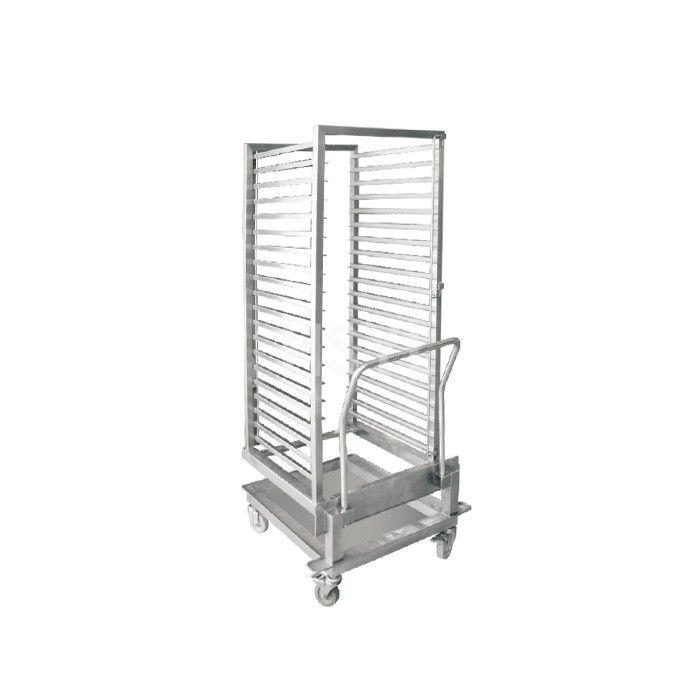
Commercial Steamers & Steamer Cabinets
Commercial steamer cabinets and steam cooking equipment for canteens, hotels, restaurants and central kitchens. Plan capacity, tray format, steam source, draina...
View product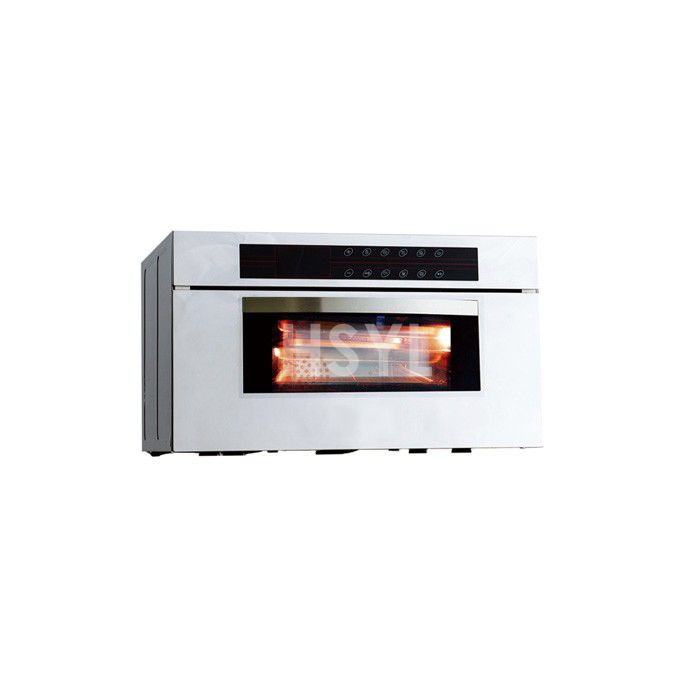
Commercial Combi Ovens
Commercial combi ovens for restaurants, hotels, canteens and central kitchens. Compare compact and high-capacity HSYL combi oven models, cooking modes, utilitie...
View product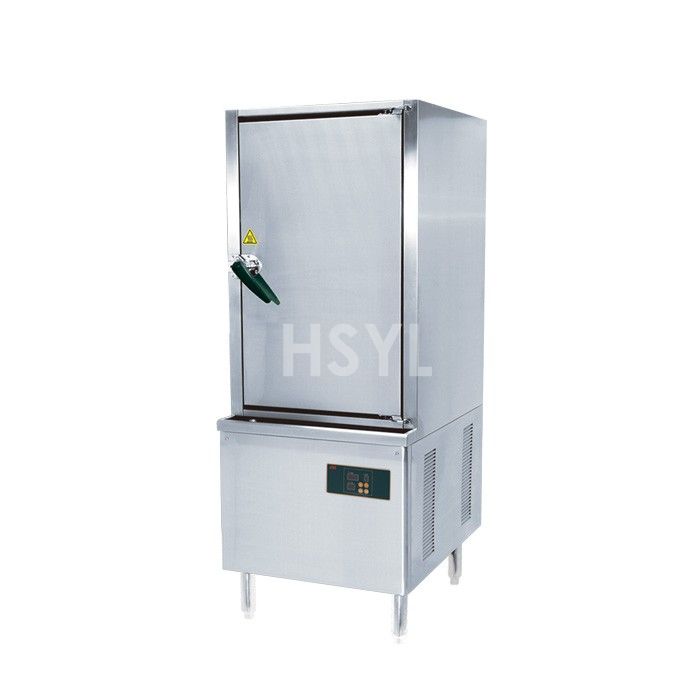
HSO Electric and Gas Steamer Cabinet Range
Compare HSO gas and electric steamer cabinet models for tray-based cooking. Specify menu, tray loading, utilities and installation requirements with HSYL.
View product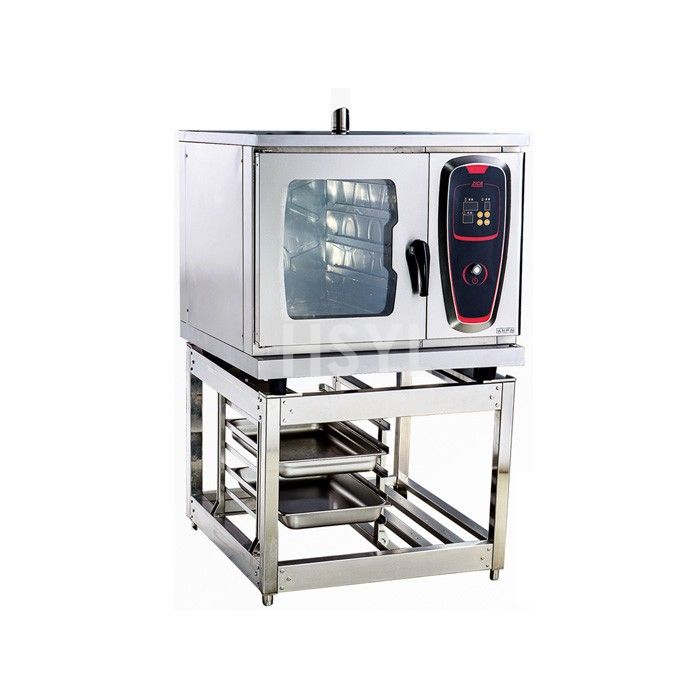
HSC Intelligent Steamer Cabinet Range
Compare HSC steamer cabinet formats for your menu and pan layout. Confirm the exact electric or gas model, controls and installation requirements with HSYL.
View product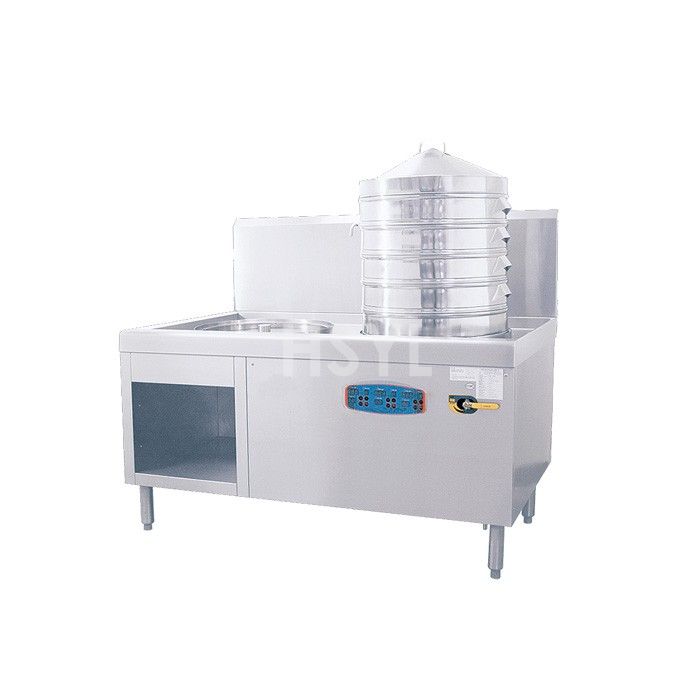
HDUS and HSUS Chinese Steamer Range
HDUS and HSUS Chinese Steamer Range: compare power and dimensions for HDUS-E, HDUS-G, HSUS-E plus 1 further configuration.
View productSteamer Cabinet Trolley
Explore CK-CZZG-01 commercial kitchen equipment with technical specifications, application guidance and related models. Request a configuration quote from HSYL.
View productEngineering-Led Commercial Kitchen Manufacturing
HSYL Kitchen Systems designs and produces heavy-duty commercial kitchen equipment for central kitchens, hotels, canteens, hospitals and high-capacity restaurants. Our goal is to provide precise equipment matching, documented quality gates and verified delivery for global foodservice operations.
- Food-grade SUS304 & SUS316 stainless steel construction
- Custom engineering layout & CAD drawing support
- Multi-stage factory quality control & FAT testing
- Factory-direct supply chain with spare parts backup
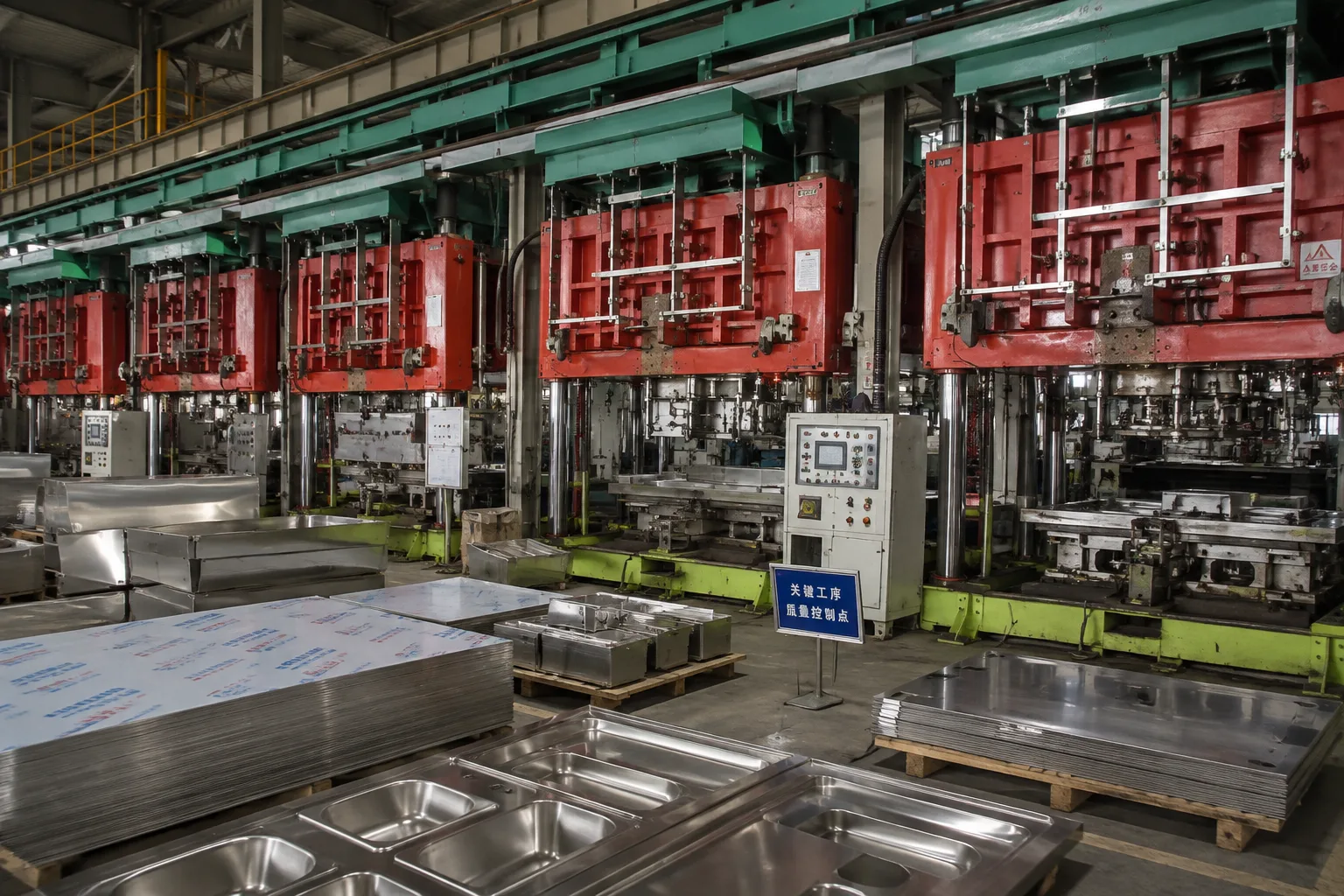
Advanced OEM Processing Equipment & Lines
Equipped with world-class automated sheet metal processing, precision bending centers, thermal foaming lines, and vacuum test rigs to support high-volume commercial kitchen OEM/ODM manufacturing.
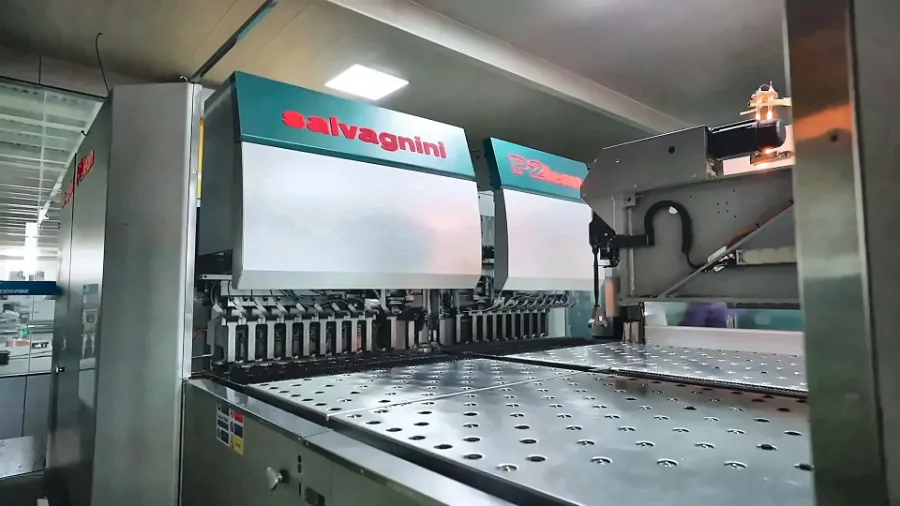
Italian Salvagnini Panel Bending Center
Automated sheet metal bending system for seamless cabinet fabrication and tight structural tolerances.
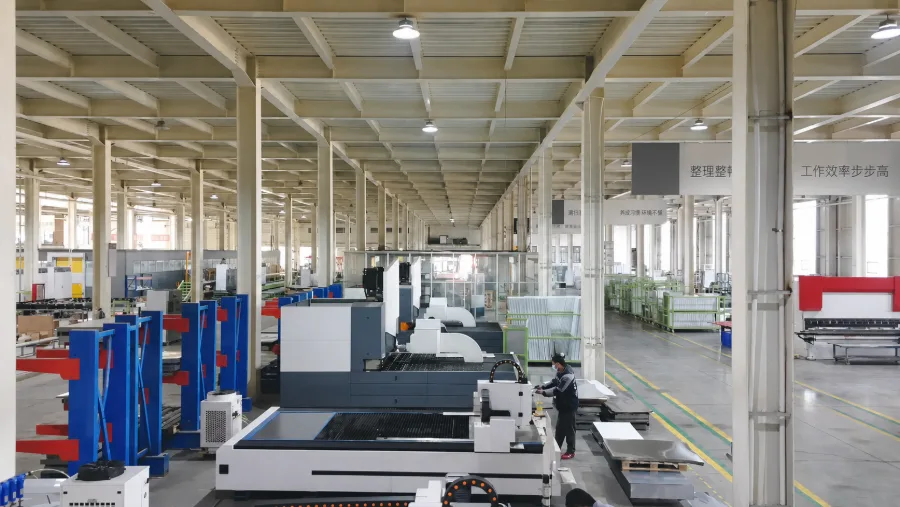
Automated Bending & Laser Cutting Line
Integrated flexible processing line combining fiber laser cutting and multi-axis CNC bending.
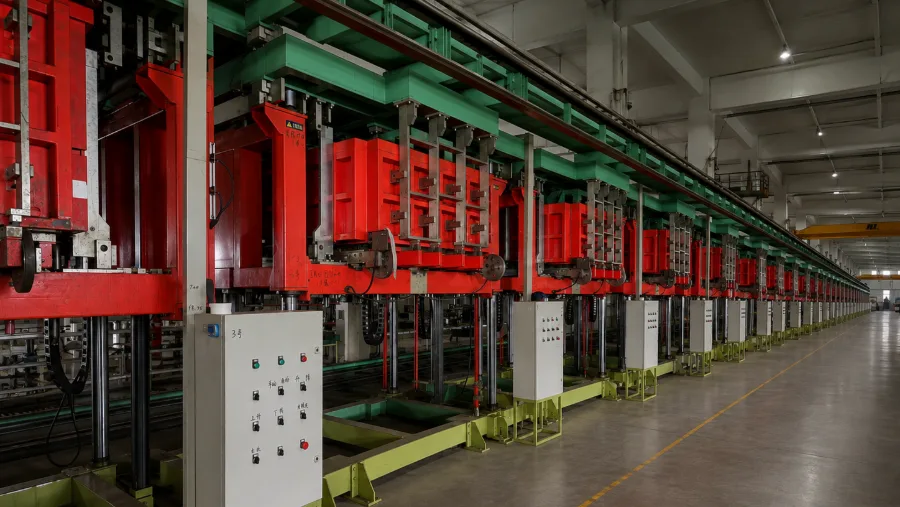
Constant-Temperature Foaming Line
Continuous polyurethane thermal insulation foaming line ensuring uniform core density.
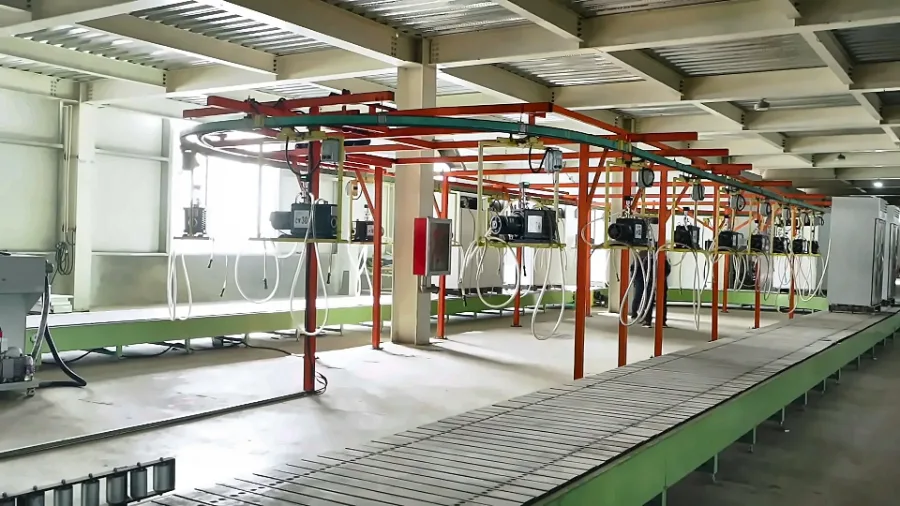
Vacuum Extraction & Testing Line
High-vacuum circuit evacuation and automated leak detection for commercial cooling systems.
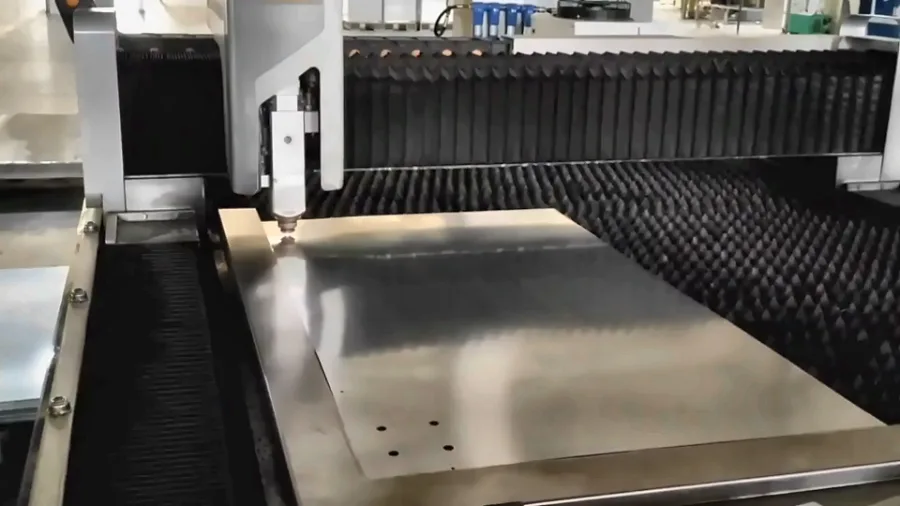
Laser Cutting & CNC Punching Station
High-speed fiber laser cutting and precision CNC punching for intricate component fabrication.
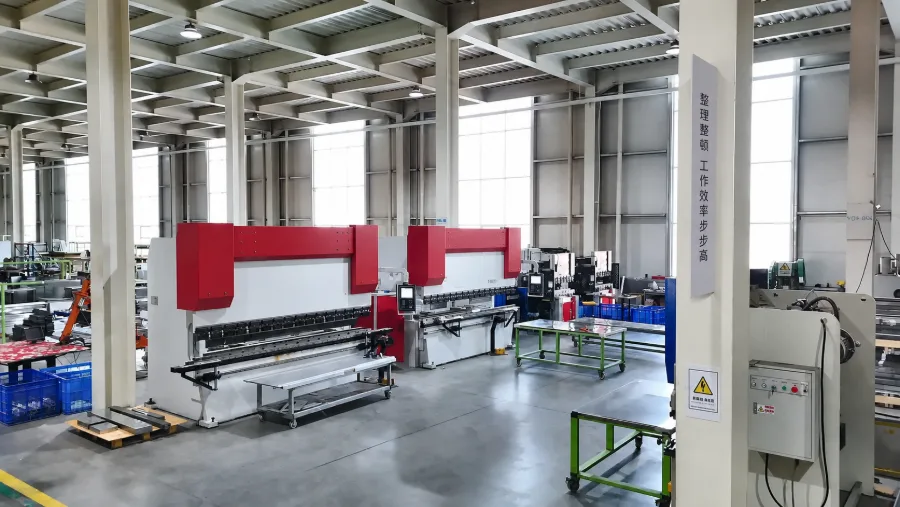
Canadian Heavy-Duty CNC Press Brake
High-tonnage precision press brake for large-format stainless steel sheet forming.
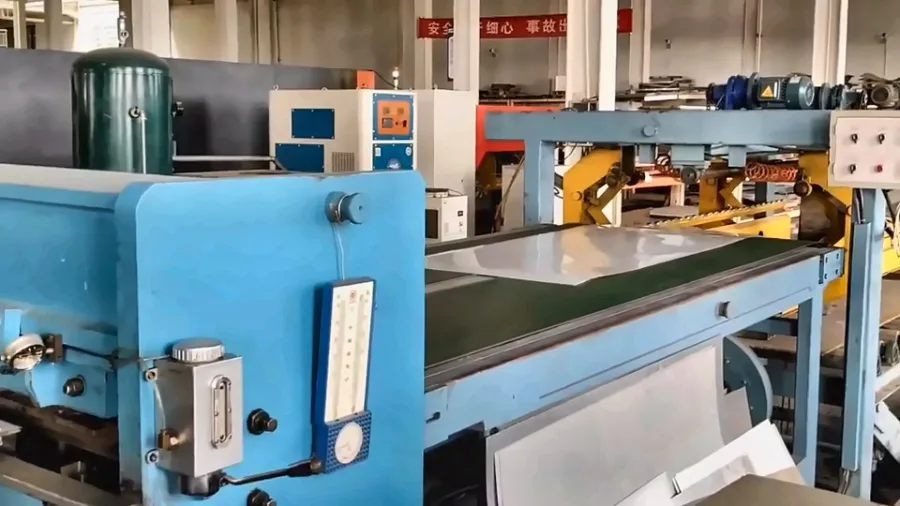
Material Shearing & Cutting Line
Automated heavy-gauge stainless steel shearing and precision raw material sizing.
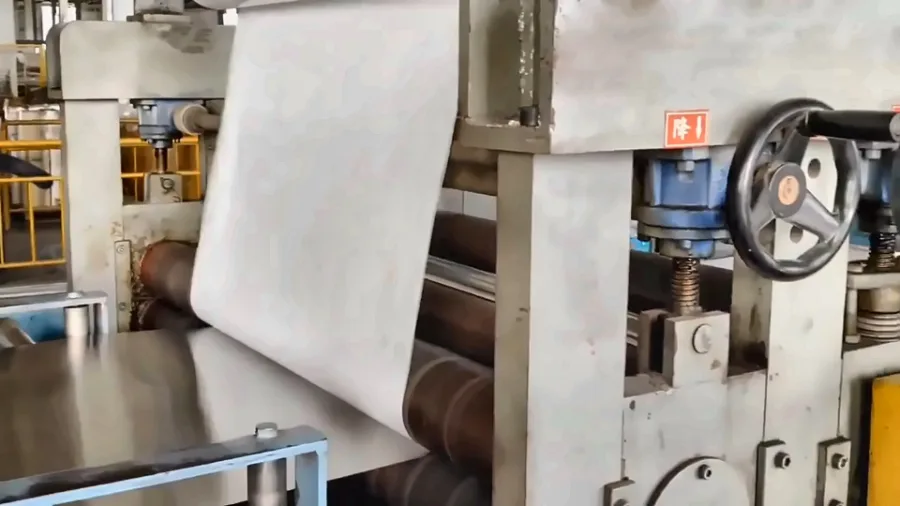
Material Film Laminating Line
Automated surface protection film application to preserve satin and mirror metal finishes.
Explore Popular Kitchen Equipment
Browse equipment that visitors frequently explore, then review the exact model and specifications for your project.
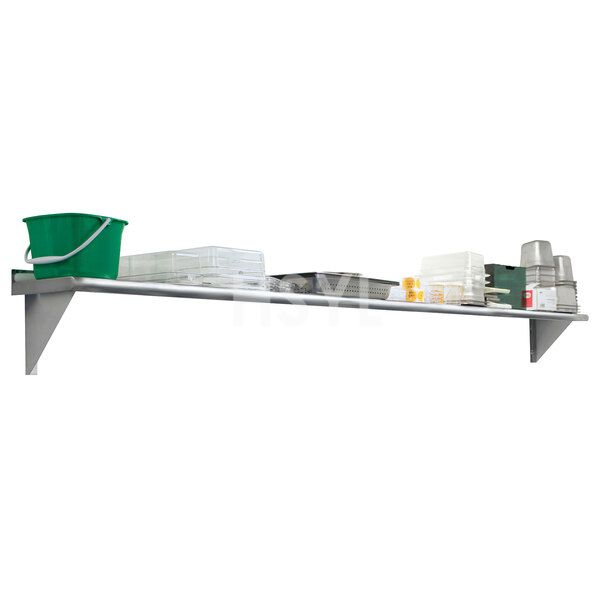
Stainless Steel Wall Shelves
Stainless Steel Wall Shelves for commercial kitchens, fabricated to project dimensions in ...
View product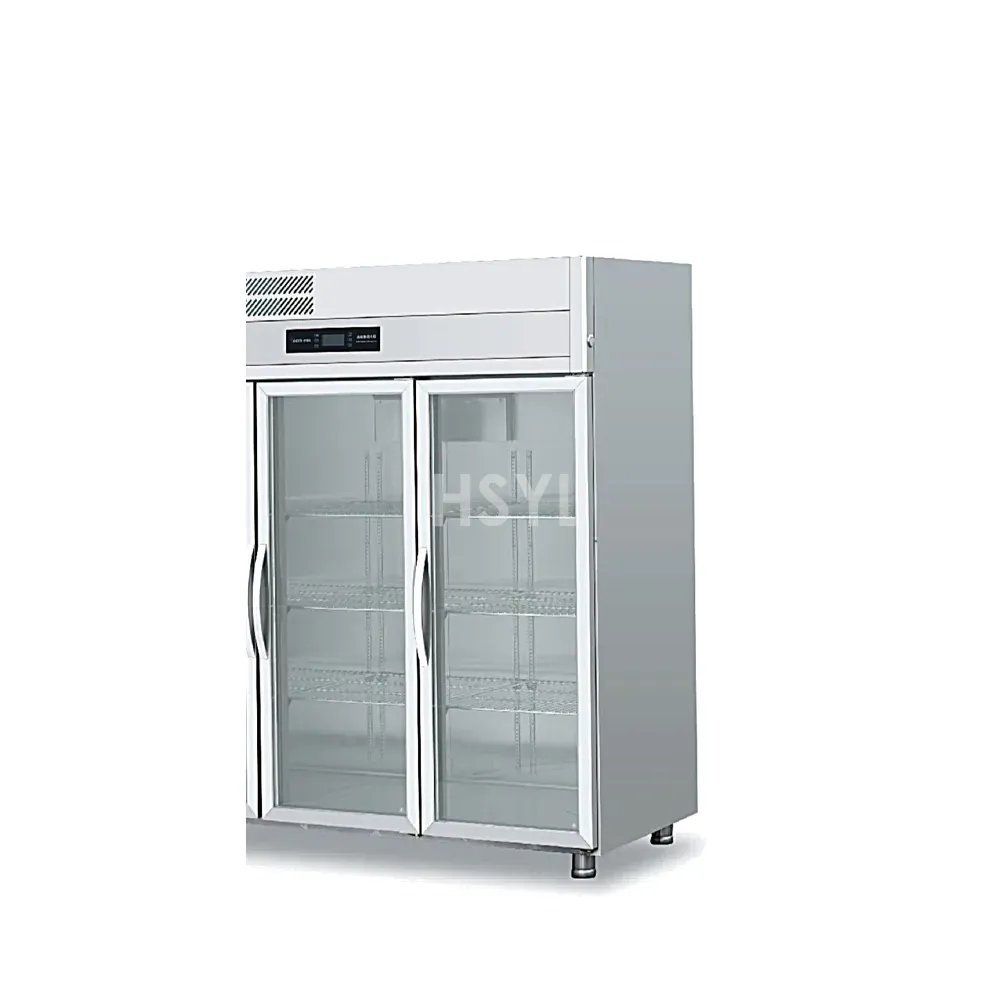
E Series Display Refrigerator Range
Compare E Series display cabinets by door layout, footprint and storage duty. Confirm the ...
View product
Commercial Meat Slicer-FP-HB-350400
Compare HB-350/400 meat slicers around meat size, slice thickness and production needs. Re...
View product
HDW8000L Steam-Heated Commercial Dishwasher
Quick Summary: The HDW8000L Steam-Heated Commercial Dishwasher (Model: CK-HDW8000L) is a h...
View product
Two-Compartment Commercial Sinks
Two-Compartment Commercial Sinks for commercial kitchens, fabricated to project dimensions...
View product
E234-BCW02-11 Horizontal Banquet Cart
Quick Summary: The E234-BCW02-11 Horizontal Banquet Cart-B (Model: SL-E234-BCW02-11) is a ...
View product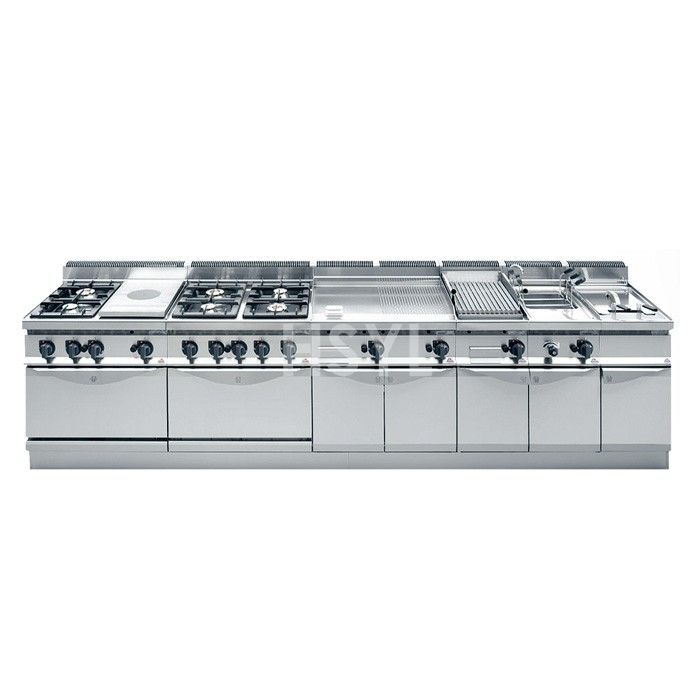
700-Series Combined Western Kitchen Stove
Quick Summary: The 700-Series Combined Western Kitchen Stove (Model: CK-BERTO) is a heavy-...
View product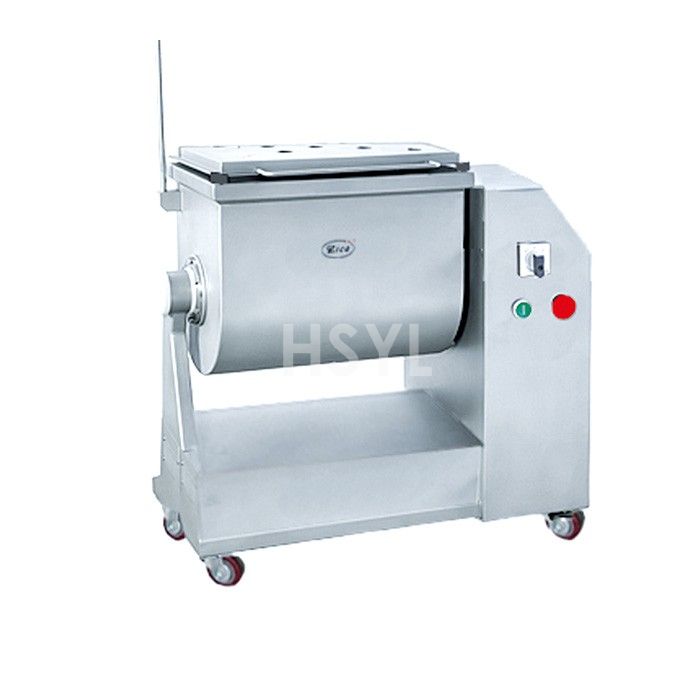
Commercial Meat Mixers
Commercial meat mixers for central kitchens, restaurant prep and meat-processing workstati...
View product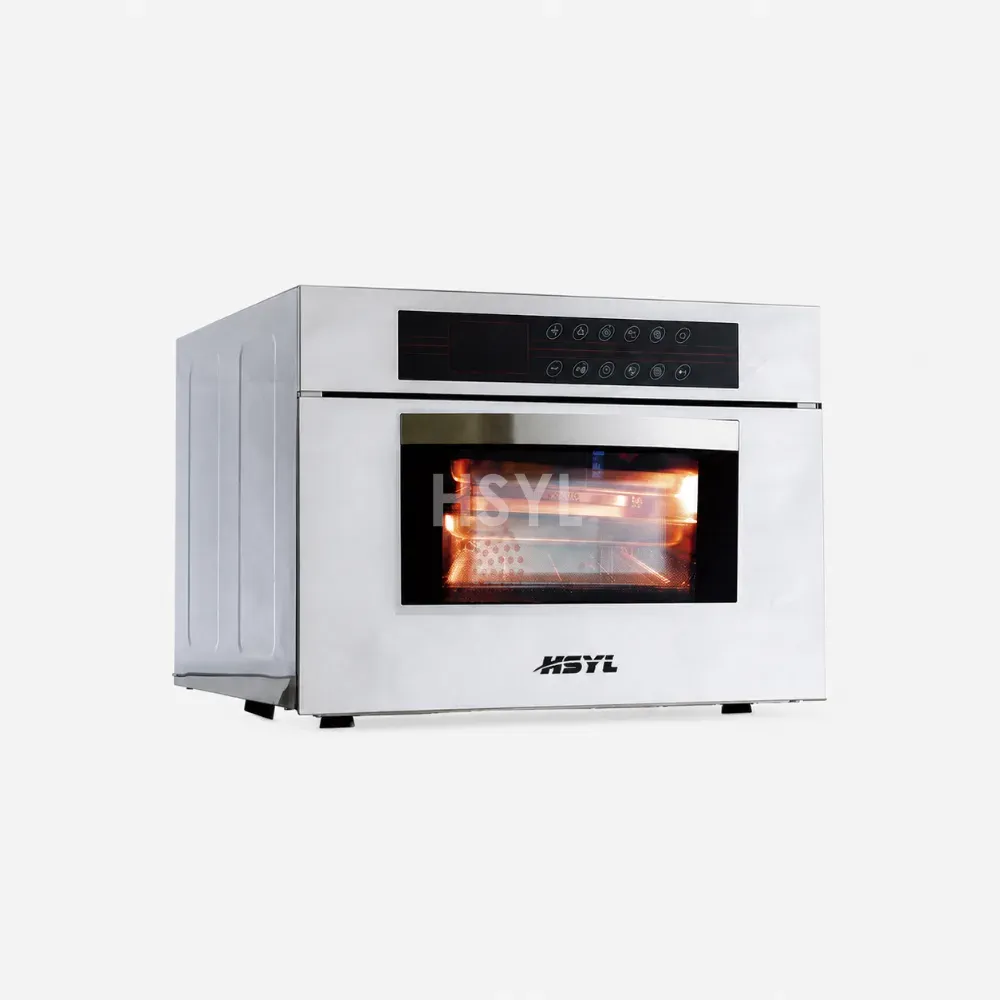
Commercial Ovens for Professional Kitchens
Commercial electric and convection oven solutions for professional kitchens. Review HSYL c...
View product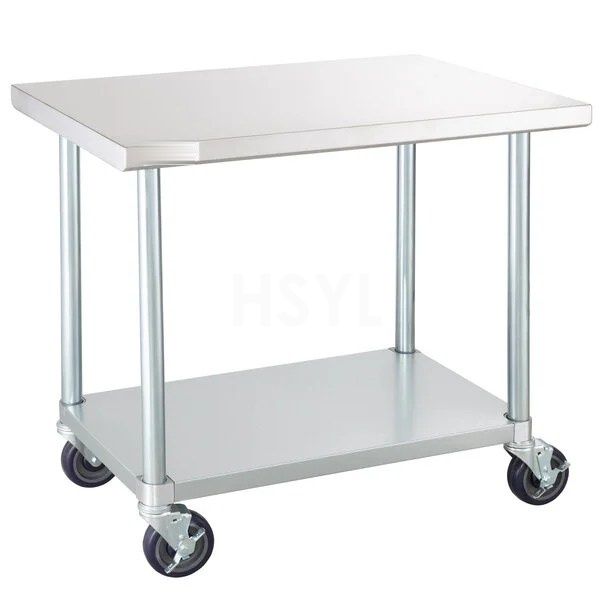
Stainless Steel Kitchen Trolleys
Stainless Steel Kitchen Trolleys for commercial kitchens, fabricated to project dimensions...
View product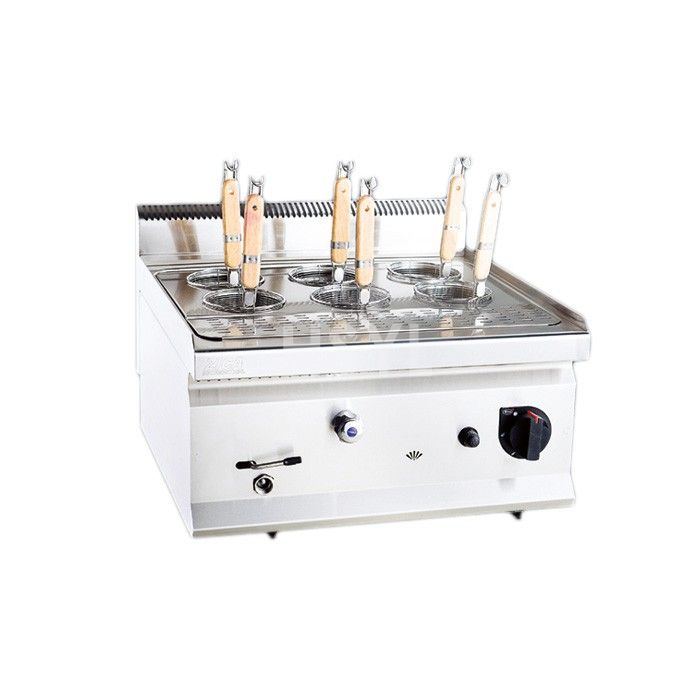
HP Countertop Gas Pasta Cooker Range
Compare HP6035G and HP6060G countertop gas pasta cookers. Review footprint and gas require...
View product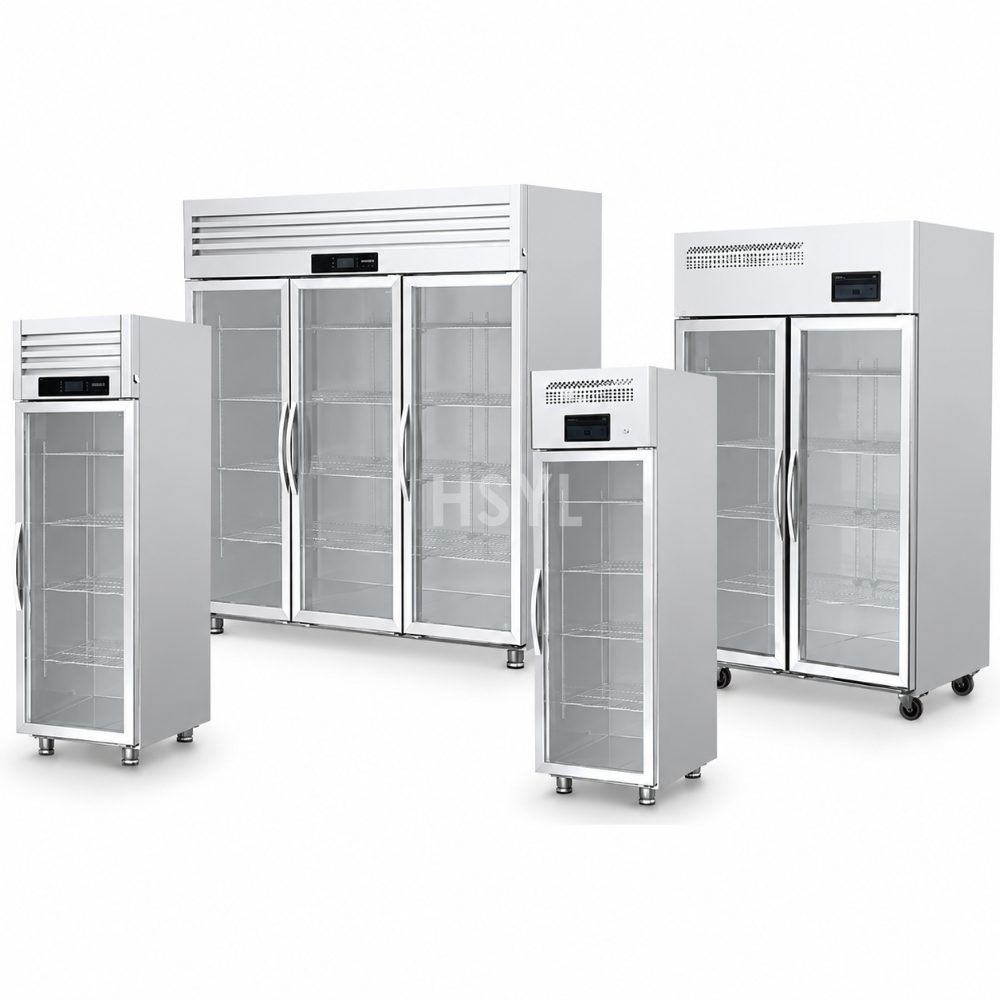
Q and S Series Direct-Cooling Display Cabinet Range
Compare Q and S Series display cabinets for your products and store layout. Confirm temper...
View product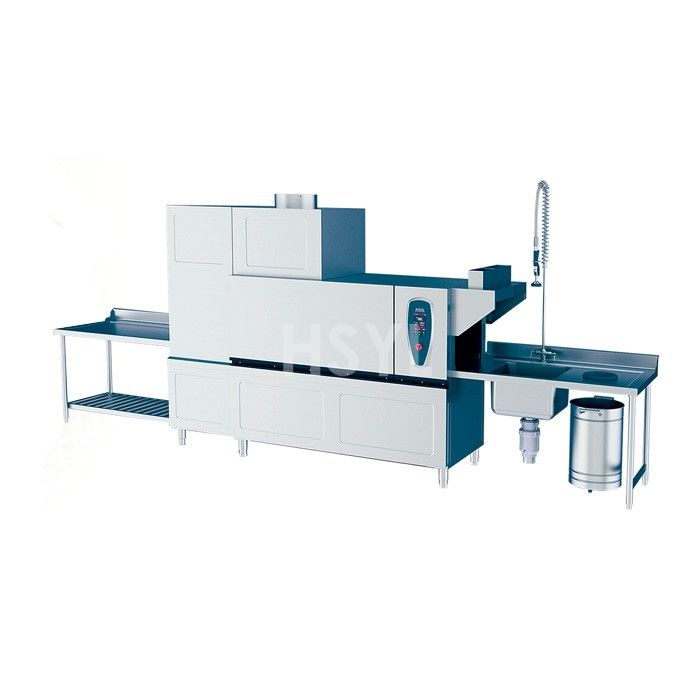
HDW260-EL-R Electric-Heated Commercial Dishwasher
Compare HDW260-EL-R Electric-Heated Commercial Dishwasher capacity, heating, dimensions, u...
View product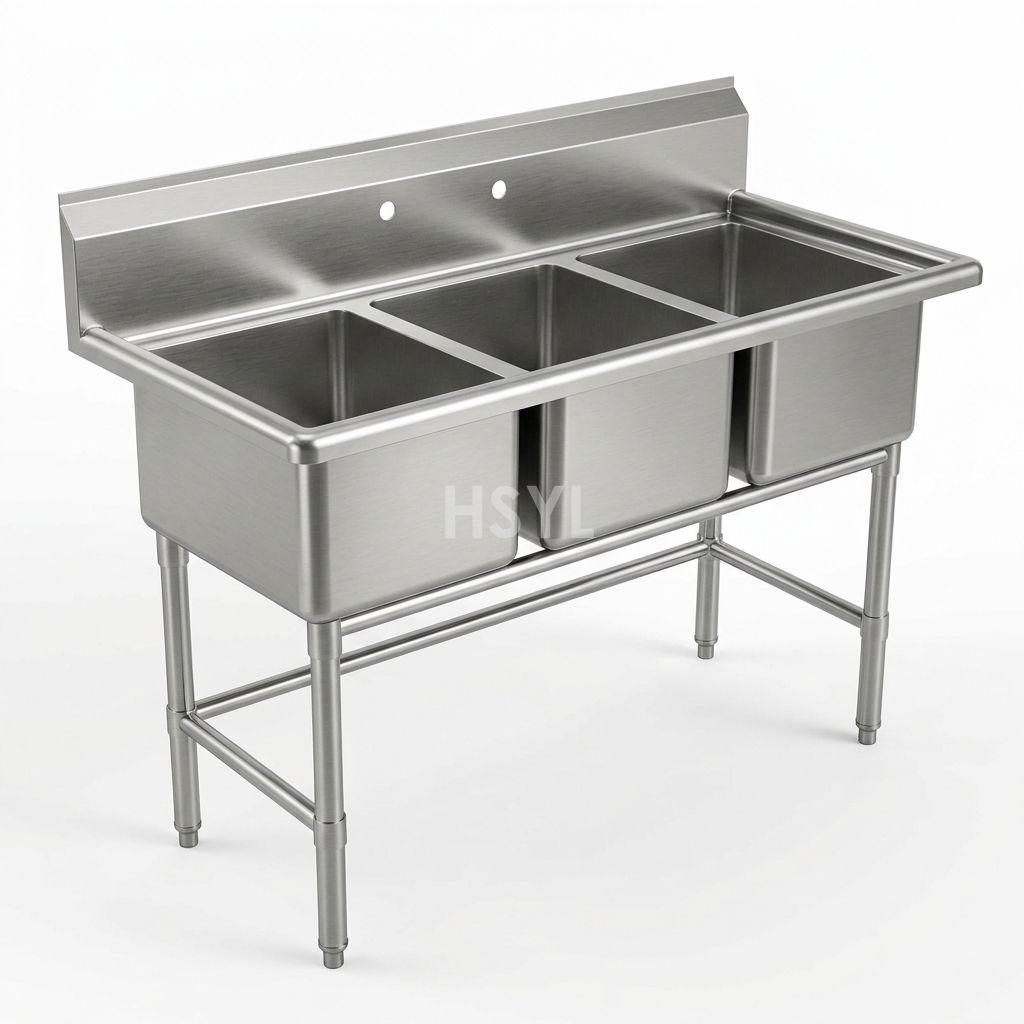
Three-Compartment Commercial Sinks
Three-Compartment Commercial Sinks for commercial kitchens, fabricated to project dimensio...
View product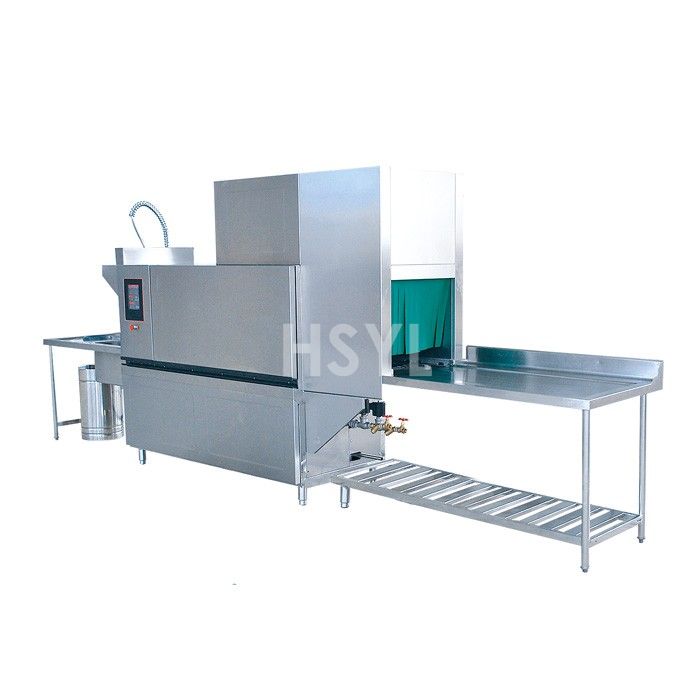
HDW260-SL-R Steam-Heated Commercial Dishwasher
Compare HDW260-SL-R Steam-Heated Commercial Dishwasher capacity, heating, dimensions, util...
View product Stainless Steel Wall Shelf
Plan stainless steel kitchen wall shelves for utensils, containers and clean storage. Spec...
View product
Commercial Vegetable Washers
Commercial Vegetable Washers for central kitchens, food processing plants, canteens and re...
View product
Commercial Grease Traps
Commercial Grease Traps for commercial kitchens, fabricated to project dimensions in AISI ...
View productFrequently Asked Questions
Does a gas steamer always work without electricity?
Confirm the exact control and component requirements. Gas identifies the configured heating fuel; it does not establish that controls or other functions need no electrical supply.
Can natural gas and LPG steamer versions be interchanged?
Approve the exact fuel configuration and any conversion only through manufacturer documentation and competent installation. A general gas label or similar burner appearance is insufficient.
Does boilerless mean no water maintenance?
Use the actual installation and maintenance instructions. Confirm water quality limits, required treatment and cleaning tasks; the label alone does not establish a maintenance-free system.
Plan the Equipment Around Your Kitchen.
Share your menu, peak service demand, available space and site utilities. Tell us which equipment you are considering so we can review the requirements with you.