Commercial Bratt Pan: Specify the Complete Cooking and Tilt Process
Compare commercial bratt pans by usable cooking area, documented working fill, full batch trials, tilt transfer, cleaning, utilities and complete installed cost.
A commercial bratt pan, also called a tilting skillet, is selected for a cooking process that uses a broad pan and controlled transfer of the finished batch. Buyers should compare the usable cooking surface, permitted working fill, access for stirring and the way food reaches its receiving container. The largest advertised vessel volume does not establish searing capacity, accepted portions per hour or a suitable pouring arrangement.
Start with the recipes and the complete batch sequence. Define which tasks require surface contact, which use added liquid, and whether the process changes from browning to simmering in the same vessel. Then request the offered version’s operating limits, installation information and a representative trial. HSYL product recommendations and precise specifications must be supported by the actual quotation and model documents.
Match the shallow pan to the cooking method
A broad shallow pan can be considered for sautéing, browning and subsequent liquid cooking when the model instructions permit those duties. The important difference from a deep kettle is the relationship between contact area and working depth. A recipe that depends on ingredients contacting the heated base has a different selection requirement from a soup that is mainly evaluated by liquid batch quantity.
Describe the desired finished result rather than assuming that every cooking method is available on every bratt pan. Record colour, texture, sauce consistency and accepted serving condition. If the process involves frying in oil, ask the manufacturer whether that duty is explicitly permitted. A multipurpose marketing description does not make a tilting skillet a substitute for a dedicated deep fryer or a pressure cooking vessel.
Check how the operator reaches the full pan. Stirring a shallow batch, scraping the base and adding ingredients should be practical with the intended tools and staff arrangement. Include the height of the working edge, lid movement and nearby appliances in the trial. A plan view that shows only the closed appliance can hide the space needed to operate it.
| Process | Priority for selection | Trial observation | Alternative to compare |
|---|---|---|---|
| Surface browning before adding liquid | Usable base area, loading pattern and control response | Accepted colour and texture across the working surface | Separate griddle or pan station followed by a kettle |
| Sauce or stew production | Permitted working fill, stirring access and residue behaviour | Consistency, scorch/reject quantity and complete unloading | Kettle or individual pans suited to the recipe |
| Several small menu batches | Changeover, cleaning access and occupied station time | Time from last accepted output to the next usable cooking condition | Smaller separate appliances with less shared scheduling |
| Bulk transfer to containers | Tilt control, pour path and receiving arrangement | Spill, retained food, recipient stability and handling effort | Approved transfer or dispensing arrangement for the chosen vessel |
| Recipe with oil immersion or pressurised duty | Explicit manufacturer permission for the process | Use only the approved trial and operating method | Dedicated fryer or pressure appliance where required |
Use this matrix to decide what must be demonstrated, then compare configurations. It does not mean a single pan is suitable for all listed processes. A supplier should identify duties that the offered model cannot perform and any accessories required for the intended recipe. This prevents a broad equipment list from becoming an unsupported promise of universal cooking ability.
Separate vessel volume from working surface
Request a dimensioned pan drawing and the manufacturer’s stated working limits. External width, base contact area, internal depth and total vessel volume describe different things. For browning, lay out the intended pieces at the spacing used by the recipe. For liquid cooking, establish the permitted fill and required mixing space. Never fill to a convenient geometric capacity unless the operating instructions allow it.
Record the product condition entering the pan. Chilled ingredients, frozen pieces, thick sauces and dry grains can create very different trials. Keep piece size, recipe proportions and starting condition consistent when comparing offers. Observe the finished result across several positions and repeated batches so that an attractive first batch does not hide a later recovery or residue problem.
Do not convert nominal volume directly into portions. Establish the accepted finished mass or portion quantity from the representative recipe, including losses and rejected output. Keep the proposed portion size visible. A different recipe or serving format changes the result, even when the appliance and nominal batch quantity remain the same.
Measure the complete cooking and transfer cycle
| Stage | Buyer records | Acceptance question |
|---|---|---|
| Preparation and initial loading | Recipe, ingredient condition, quantity and loading arrangement | Is the planned batch within the documented operating limits? |
| Surface cooking and added liquid | Accepted result across the base, stirring actions and observed time | Does the recipe achieve the agreed colour, texture and consistency? |
| Tilt and transfer | Recipient, tilt sequence, retained food and spills | Can staff transfer accepted output using the approved method? |
| Reset and cleaning | Residue, cleaning actions, utilities and elapsed station time | When is the station ready for the next specified batch? |
Planning calculation: accepted output rate equals accepted finished quantity divided by the complete occupied cycle. Include loading, cooking, unloading, changeover and cleaning as appropriate. This is an original buyer trial tool, not a measured HSYL capacity or a universal cooking programme.
Keep preheating and between batch recovery visible in the record. If a quotation gives cooking time, ask whether loading, unloading, product checks and cleaning are included. A shorter isolated heating step may have little benefit when the receiving area or staff handling becomes the limiting step. Compare the entire station under the same duty.
Also observe the workload around the pan. Someone must stage ingredients, handle containers, inspect output and clean utensils. A process that needs two people during transfer should not be costed as unattended single operator production. Record actual actions and responsibilities rather than assigning a staffing ratio from the appliance’s size.
Design the tilt and receiving arrangement together
A tilting mechanism changes the appliance’s operating envelope. Obtain information for the raised pan, moving lid, handles and controls. Place the proposed receiving vessel on the layout and check the pour path. Confirm the permitted approach and handling method using the manufacturer’s instructions and the site’s responsible personnel.
Test with the intended receiving containers, lids, dollies or carts. The recipient must be suitable for the transferred food and the handling procedure. Check what happens as the vessel becomes heavier and where it moves afterward. Include the surrounding floor, route to holding or packing and space for an operator to work without improvising around obstacles.
Compare manual and powered tilting based on the task and documented operation. Neither label proves easier handling for every batch. Ask how the mechanism is controlled, how movement is stopped and which operating restrictions apply. Review service access and the response to an interruption with the manufacturer rather than inventing a recovery method.
Separate a designed pour spout, a drain and ordinary waste drainage. They may serve different purposes and may have different permitted contents. Do not assume that a drain can handle hot food, solids or cooking oil. Obtain the relevant instructions and have the receiving and waste arrangements specified for the actual process.
Choose utilities from the offered version
Bratt pans can be offered in different energy configurations. The buyer’s decision should consider available site services, the cooking duty and the complete installed cost. Compare measured results under the same recipe and loading arrangement. Avoid a blanket conclusion that gas, conventional electric or induction is always faster, more even or cheaper.
For electrical equipment, confirm voltage, phase, frequency, required connection and the responsibilities for supply and isolation. For a gas version, confirm the exact fuel and installation documents. Powered tilt, controls or accessories may introduce additional electrical requirements, so a gas heated appliance should not be assumed to operate without electricity.
Request the model’s ventilation and clearance information for review by the responsible site professionals. An electric energy source does not establish that cooking emissions or ventilation responsibilities disappear. Confirm the actual installation plan and destination requirements for the intended cooking duty before finalising the order.
Check utility availability at the proposed location, not just at the building entrance. Site work may include routing, capacity changes, drainage or ventilation modifications. Place those costs and responsibilities in the quotation comparison. A lower appliance price can still produce a higher total project cost if the site interface is more demanding.
Review pan material, residue and cleaning access
Identify the materials used for the cooking surface, vessel, outer panels and accessories separately. The phrase stainless steel construction may refer to the exterior rather than the cooking base. Obtain the relevant material information and permitted cleaning method for the exact offered configuration. Do not assign a material grade from a photograph or another product in the same series.
During a recipe trial, inspect residue across the base and around corners, joints and the pouring area. Use the approved cleaning procedure and record how long it takes to return to the next usable condition. Thick sauce or browning residues can change the workload significantly. A clean water demonstration cannot substitute for cleaning after the intended menu.
Consider how staff access the underside, frame and nearby floor as well as food contact surfaces. The installation must allow the required cleaning and maintenance tasks. Review lids, hinges and accessories using the manufacturer’s instructions. Avoid promising tool free removal or dishwasher safe parts without model evidence.
Schedule changes between recipes carefully. The operating team should define handling for allergen changes and other separation requirements. If a shared pan cannot turn around in the available window, evaluate a different schedule or equipment allocation. A multipurpose vessel can create a shared bottleneck even when it handles each individual recipe successfully.
Compare cost per accepted batch
| Cost group | Evidence to enter | Scope check |
|---|---|---|
| Acquisition and accessories | Exact model, pan configuration, supplied recipient or handling accessories | List included and separately purchased items |
| Installation | Delivery access, utilities, ventilation and positioning quotations | Assign each interface to a named responsible party |
| Routine batch operation | Measured energy, ingredient loss, operator time and cleaning consumables | Use the same recipe, accepted output and observation period |
| Maintenance and interruption | Written service requirements and buyer contingency procedure | Distinguish documented terms from assumed appliance lifetime |
Planning calculation: compare the measured routine batch cost divided by accepted finished quantity, and report acquisition and installation separately over a buyer chosen evaluation period. The worksheet assumes no savings, service life, staffing reduction or return on investment.
Count discarded, spilled and retained product where it affects the task. Transfer losses can matter even when cooking results are acceptable. Record whether residues are usable under the agreed procedure or must be treated as loss. Keep that decision consistent between suppliers so that one trial is not credited for output another trial rejects.
Separate actual maintenance requirements from sales assumptions. Ask for the maintenance instructions, service access and written terms applicable at the destination. Record the buyer’s alternative process when the pan is unavailable. Do not promise service response times, available spare parts or warranty coverage without the relevant written offer.
Confirm approval and conduct acceptance
Review exact model conformity documents for the destination and the proposed use. A US buyer should confirm the applicable equipment listings and local installation acceptance with the responsible professionals or authority. EU and UK buyers should review the required documentation for the exact version and the relevant local installation requirements. Other markets need their own review rather than a worldwide approval statement.
At delivery, confirm identity, configuration, condition and included accessories against the purchase order. Commissioning should follow the model instructions. Operational acceptance should use the agreed recipe and include controlled transfer, reset and cleaning. Record outstanding items and the responsible person before declaring the station ready for its planned duty.
Send HSYL your recipes, batch and portion formats, cooking sequence, receiving containers, layout, utility conditions and destination. Request a recommendation with explicit duty limits and a trial proposal. A useful bratt pan quotation connects cooking surface, working fill, tilt handling and complete cycle performance to the actual operation, with precise model claims supported by documents.
Engineering-Led Commercial Kitchen Manufacturing
HSYL Kitchen Systems designs and produces heavy-duty commercial kitchen equipment for central kitchens, hotels, canteens, hospitals and high-capacity restaurants. Our goal is to provide precise equipment matching, documented quality gates and verified delivery for global foodservice operations.
- Food-grade SUS304 & SUS316 stainless steel construction
- Custom engineering layout & CAD drawing support
- Multi-stage factory quality control & FAT testing
- Factory-direct supply chain with spare parts backup
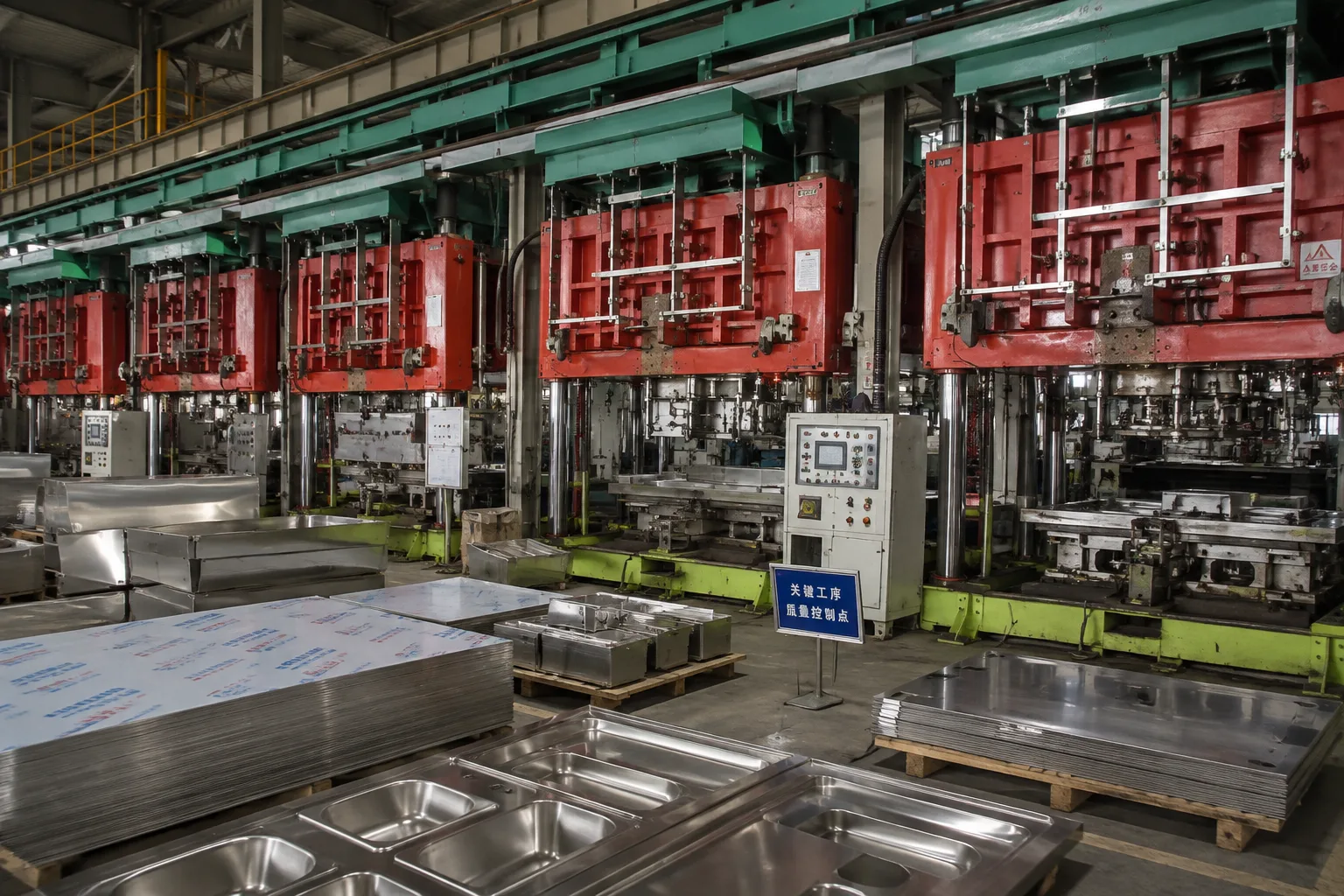
Advanced OEM Processing Equipment & Lines
Equipped with world-class automated sheet metal processing, precision bending centers, thermal foaming lines, and vacuum test rigs to support high-volume commercial kitchen OEM/ODM manufacturing.
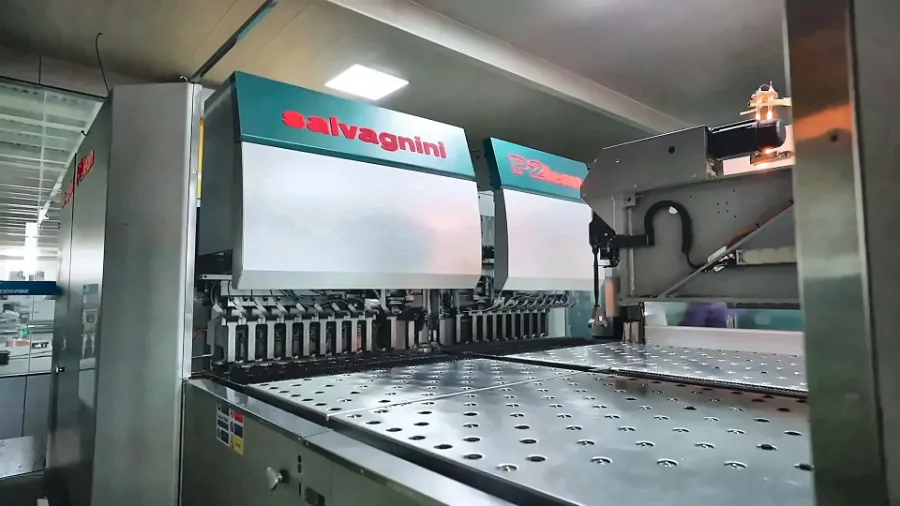
Italian Salvagnini Panel Bending Center
Automated sheet metal bending system for seamless cabinet fabrication and tight structural tolerances.

Automated Bending & Laser Cutting Line
Integrated flexible processing line combining fiber laser cutting and multi-axis CNC bending.
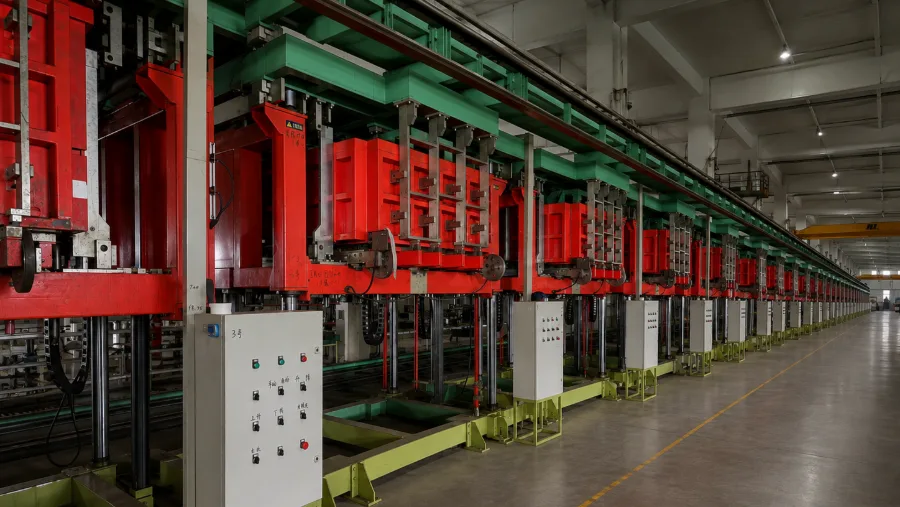
Constant-Temperature Foaming Line
Continuous polyurethane thermal insulation foaming line ensuring uniform core density.
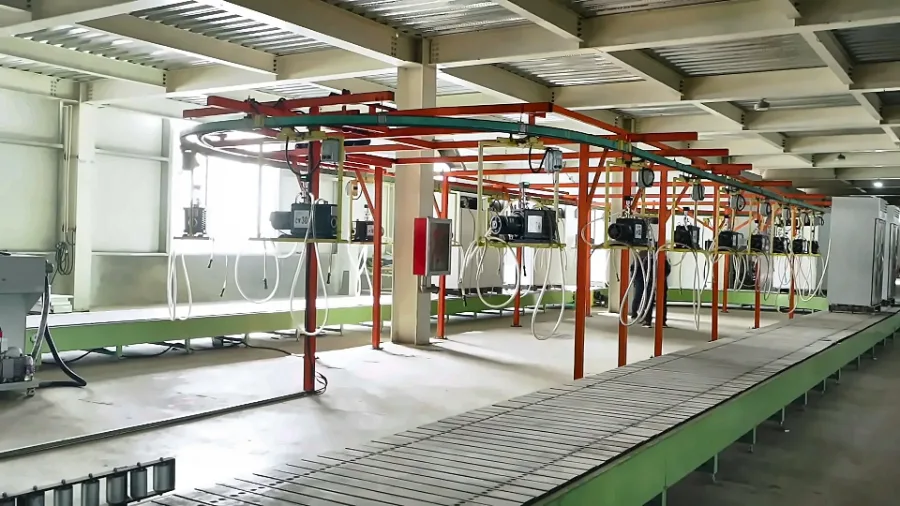
Vacuum Extraction & Testing Line
High-vacuum circuit evacuation and automated leak detection for commercial cooling systems.
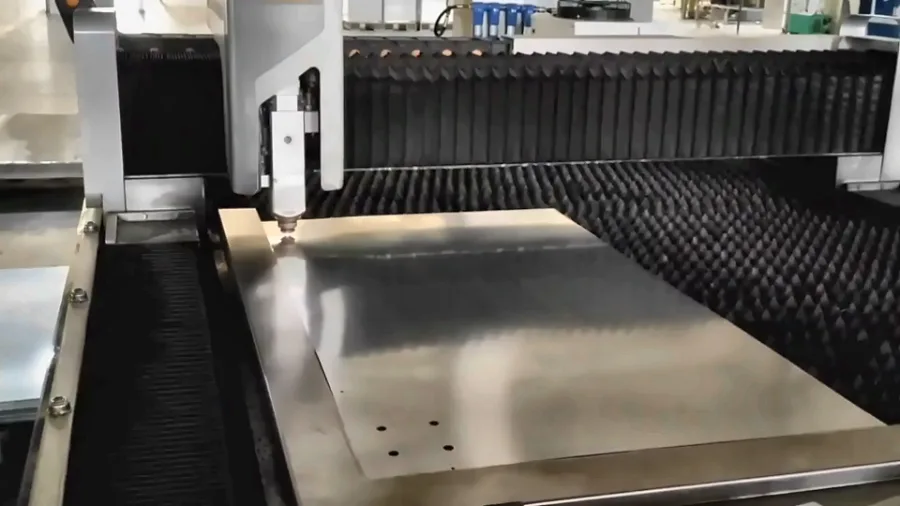
Laser Cutting & CNC Punching Station
High-speed fiber laser cutting and precision CNC punching for intricate component fabrication.
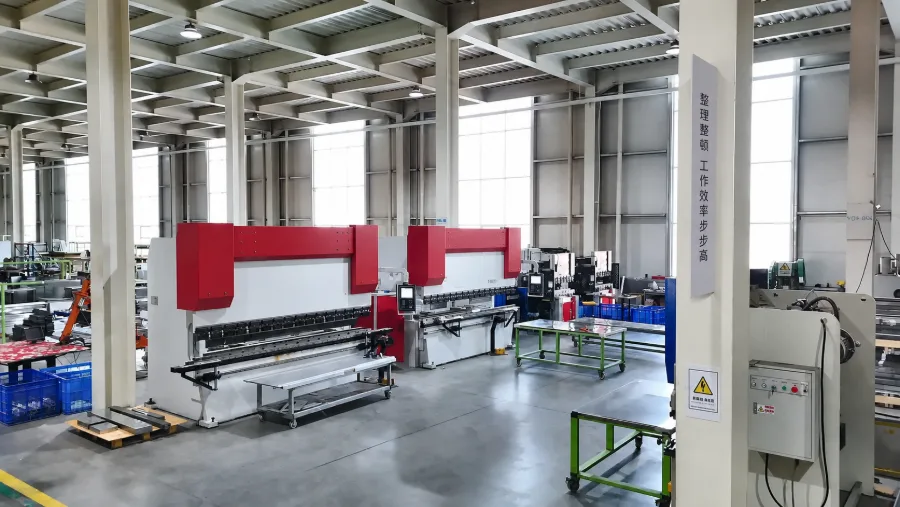
Canadian Heavy-Duty CNC Press Brake
High-tonnage precision press brake for large-format stainless steel sheet forming.
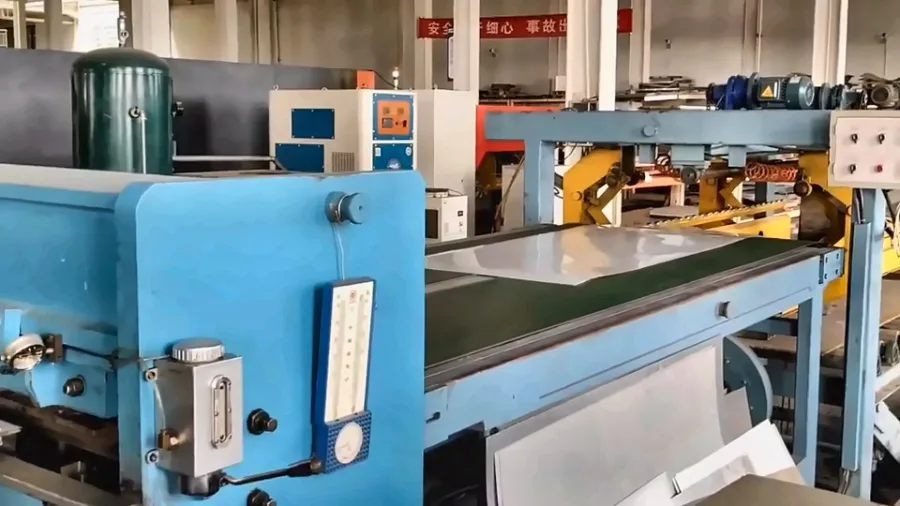
Material Shearing & Cutting Line
Automated heavy-gauge stainless steel shearing and precision raw material sizing.
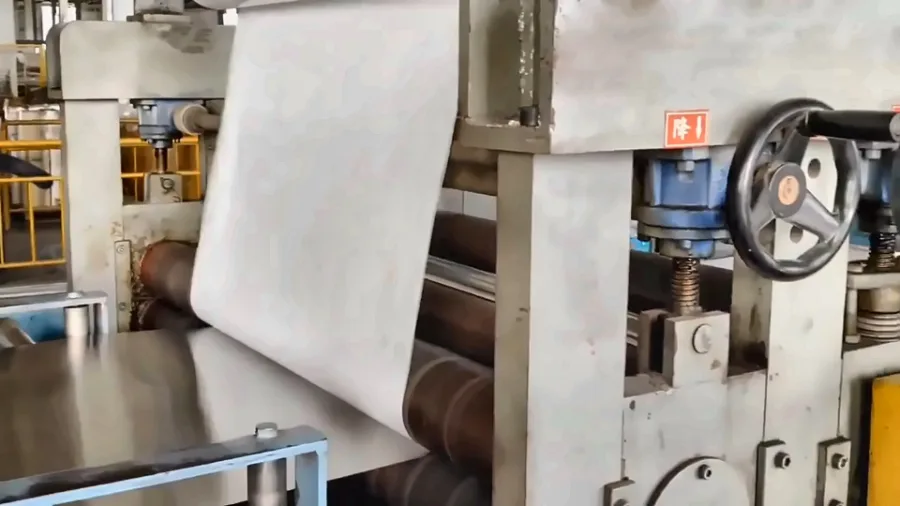
Material Film Laminating Line
Automated surface protection film application to preserve satin and mirror metal finishes.
Explore Popular Kitchen Equipment
Browse equipment that visitors frequently explore, then review the exact model and specifications for your project.
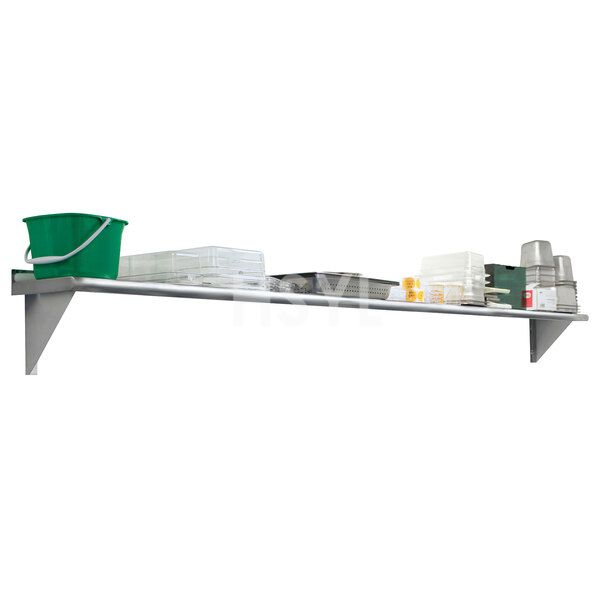
Stainless Steel Wall Shelves
Stainless Steel Wall Shelves for commercial kitchens, fabricated to project dimensions in ...
View product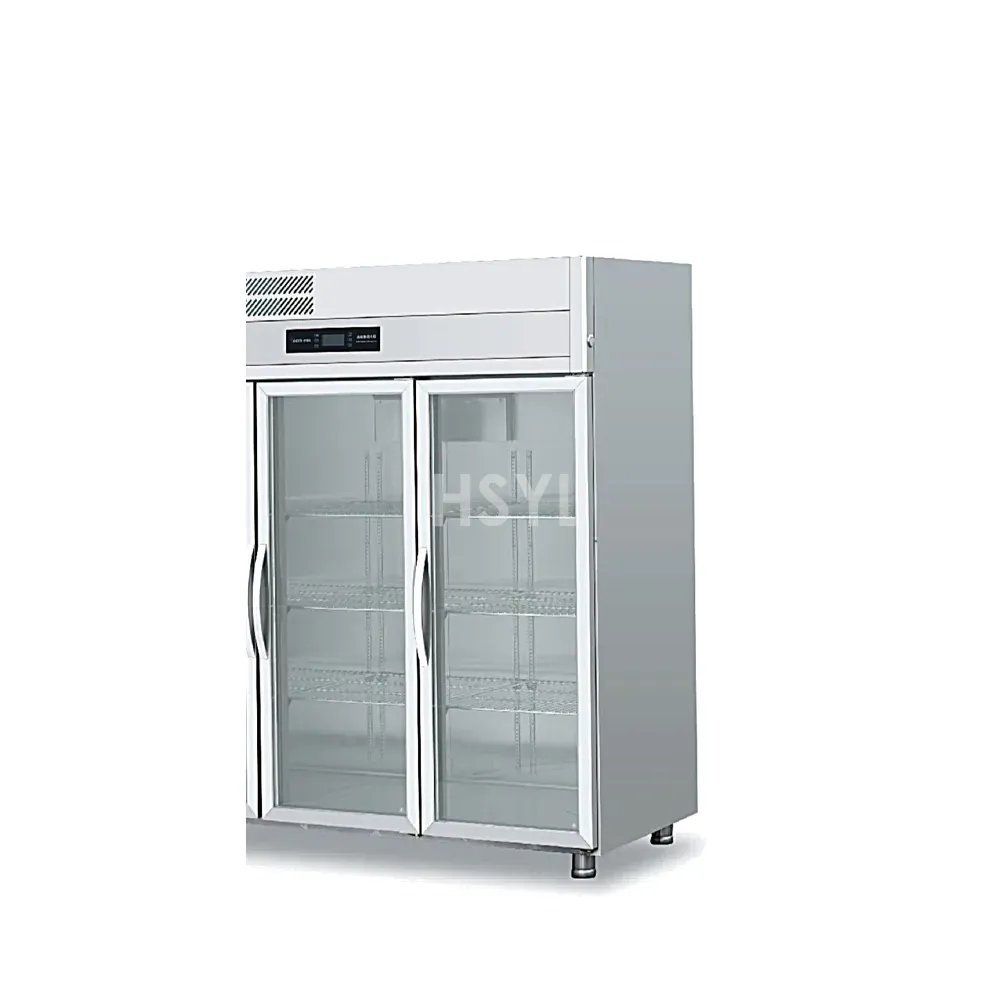
E Series Display Refrigerator Range
Compare E Series display cabinets by door layout, footprint and storage duty. Confirm the ...
View product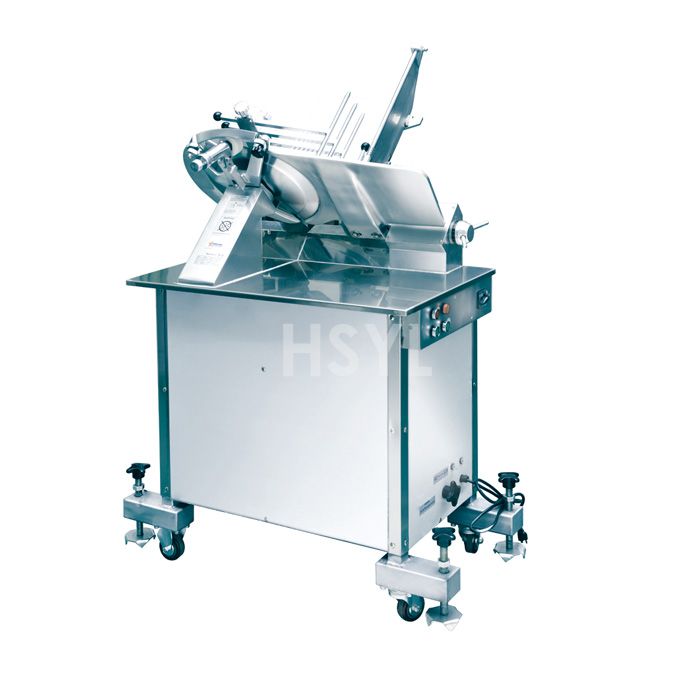
Commercial Meat Slicer-FP-HB-350400
Compare HB-350/400 meat slicers around meat size, slice thickness and production needs. Re...
View product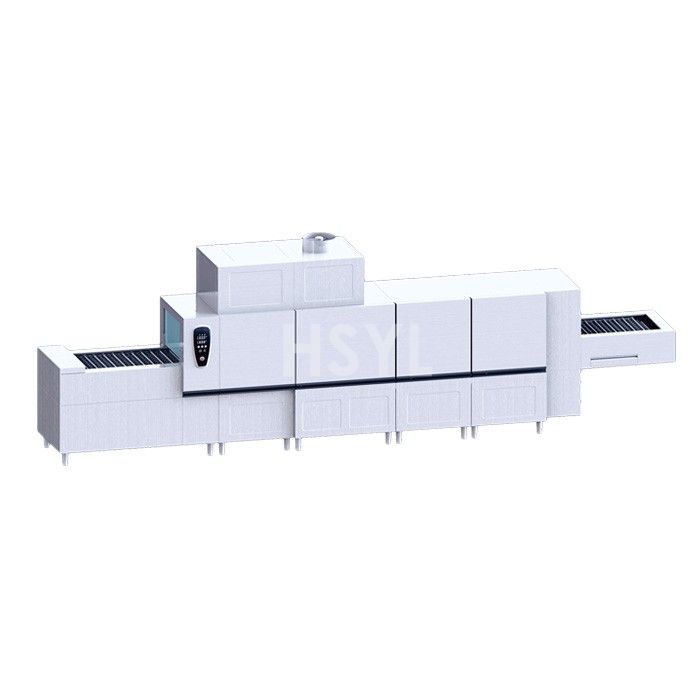
HDW8000L Steam-Heated Commercial Dishwasher
Quick Summary: The HDW8000L Steam-Heated Commercial Dishwasher (Model: CK-HDW8000L) is a h...
View product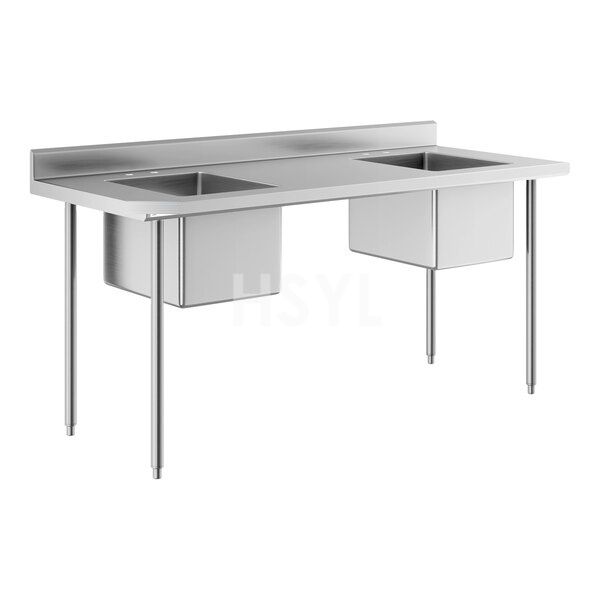
Two-Compartment Commercial Sinks
Two-Compartment Commercial Sinks for commercial kitchens, fabricated to project dimensions...
View product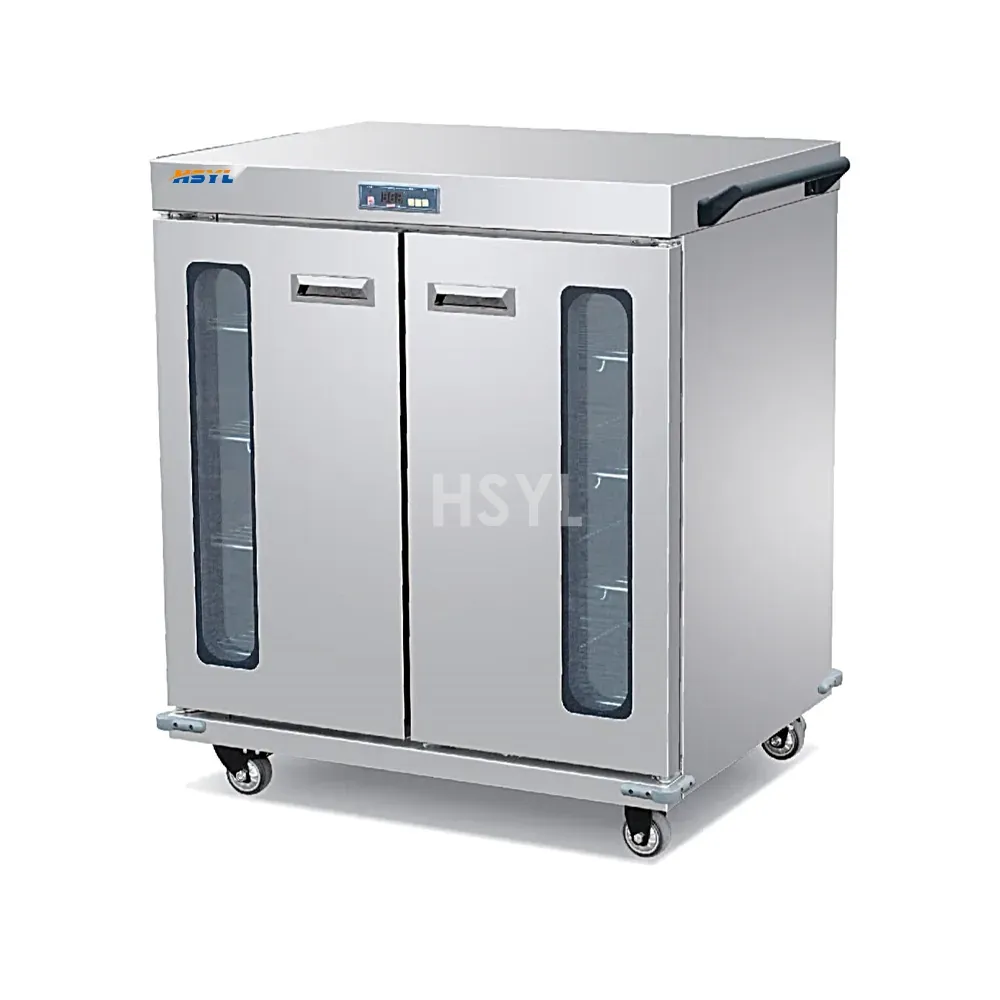
E234-BCW02-11 Horizontal Banquet Cart
Quick Summary: The E234-BCW02-11 Horizontal Banquet Cart-B (Model: SL-E234-BCW02-11) is a ...
View product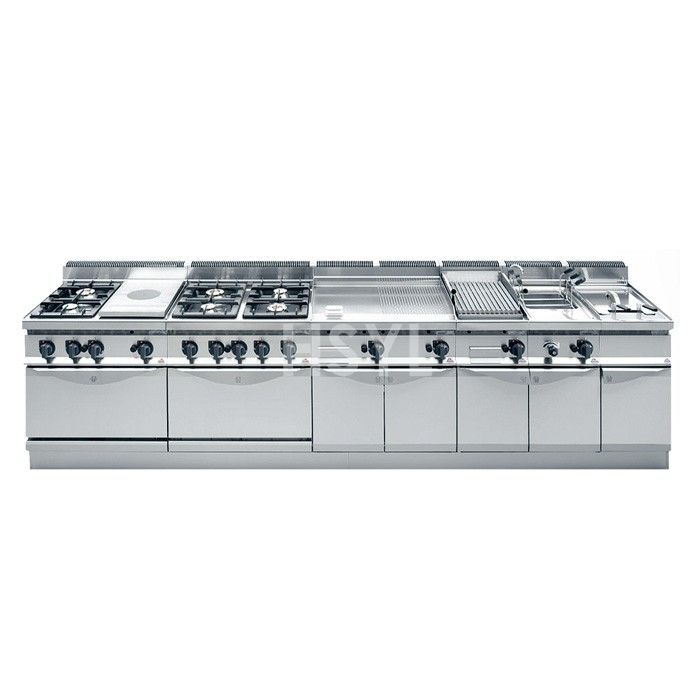
700-Series Combined Western Kitchen Stove
Quick Summary: The 700-Series Combined Western Kitchen Stove (Model: CK-BERTO) is a heavy-...
View product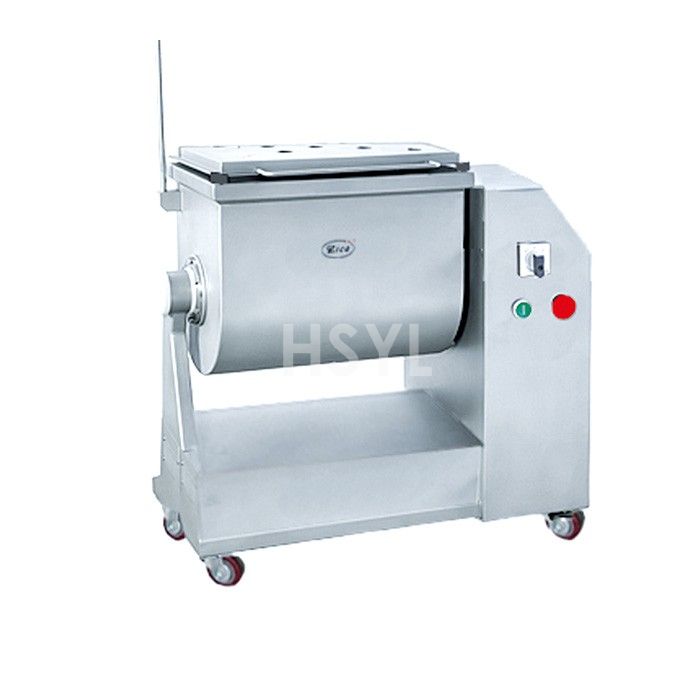
Commercial Meat Mixers
Commercial meat mixers for central kitchens, restaurant prep and meat-processing workstati...
View product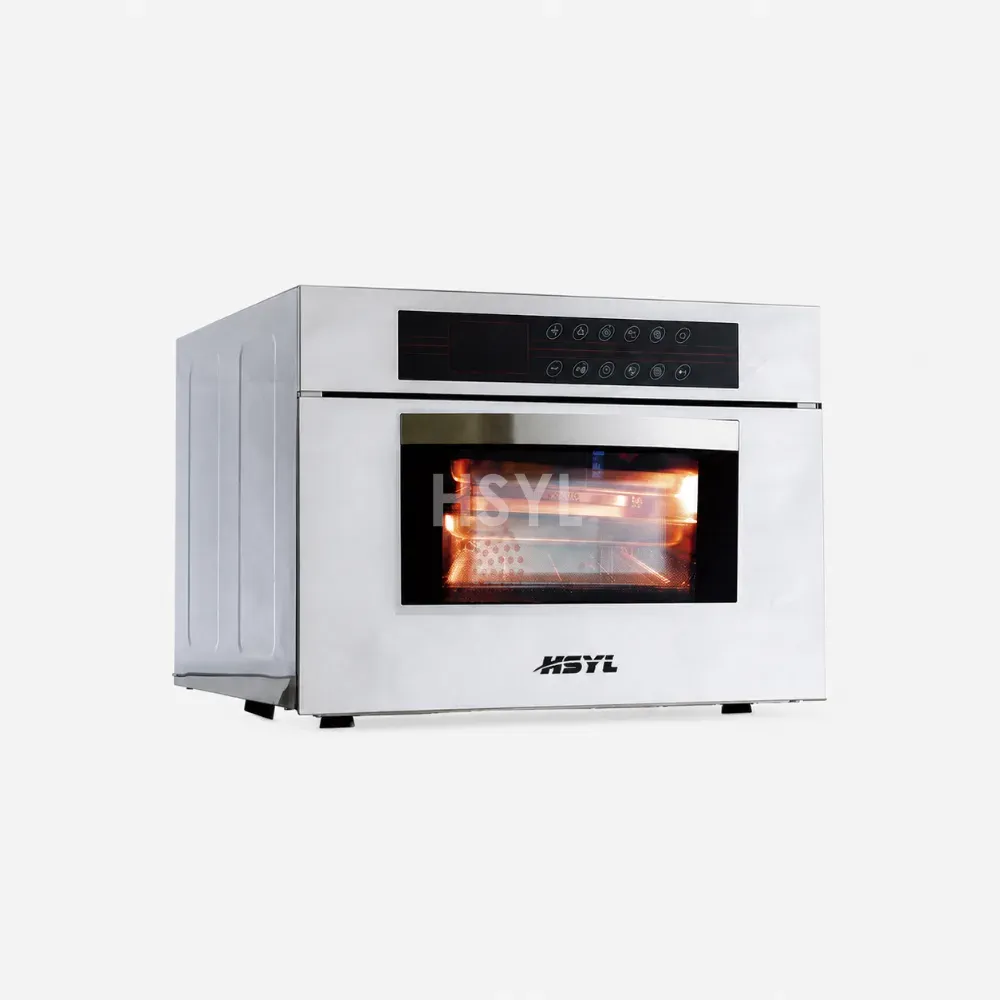
Commercial Ovens for Professional Kitchens
Commercial electric and convection oven solutions for professional kitchens. Review HSYL c...
View product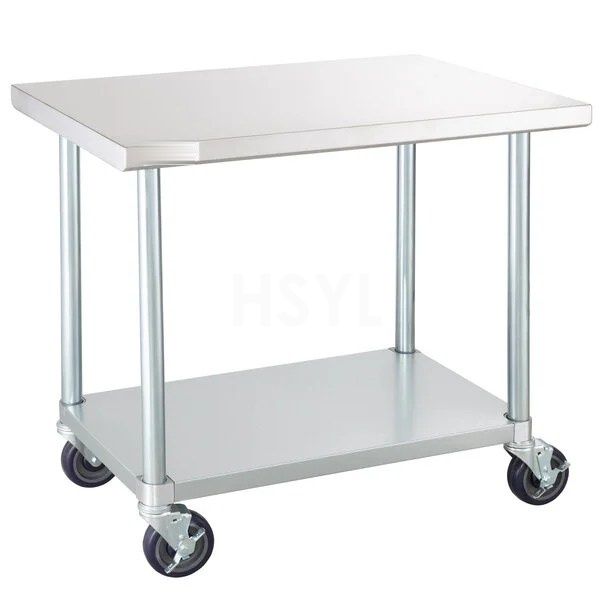
Stainless Steel Kitchen Trolleys
Stainless Steel Kitchen Trolleys for commercial kitchens, fabricated to project dimensions...
View product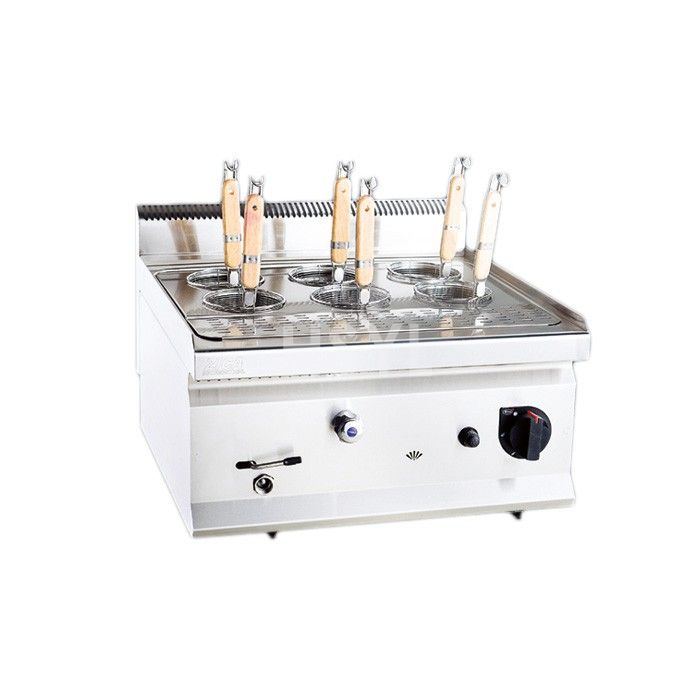
HP Countertop Gas Pasta Cooker Range
Compare HP6035G and HP6060G countertop gas pasta cookers. Review footprint and gas require...
View product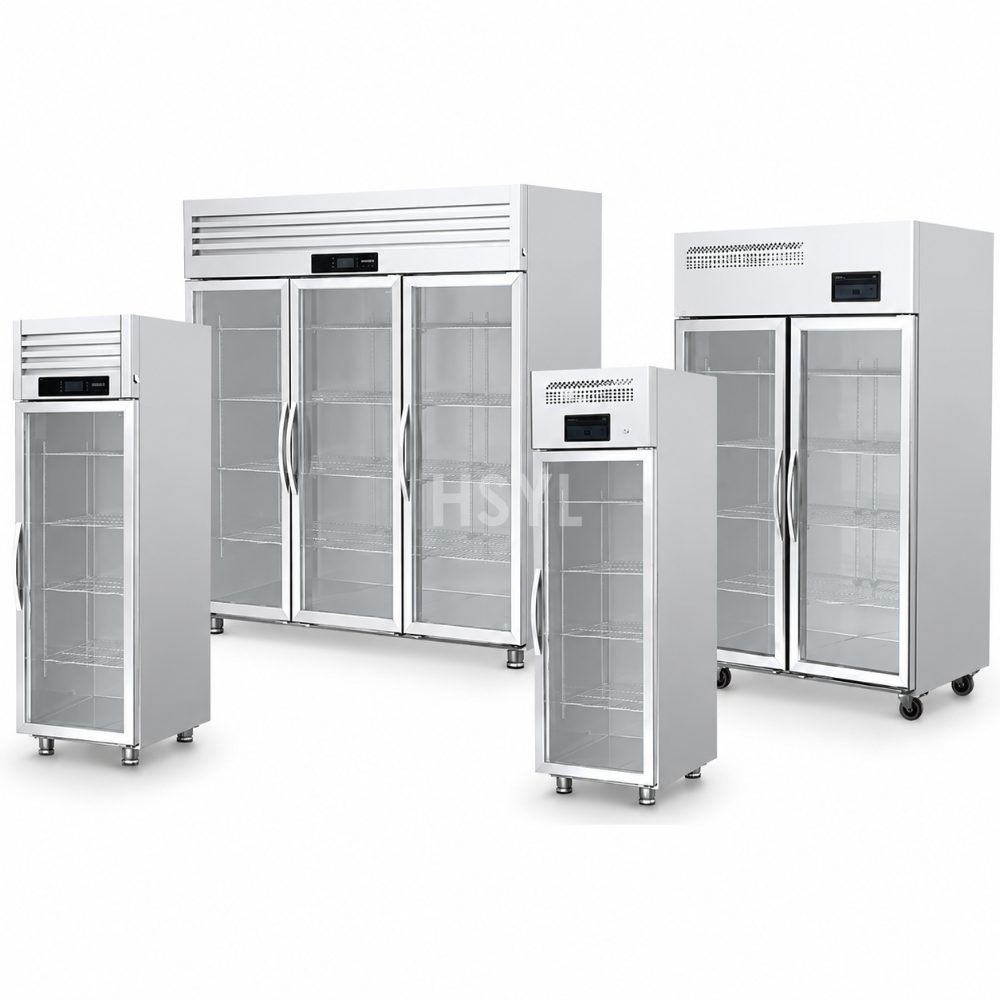
Q and S Series Direct-Cooling Display Cabinet Range
Compare Q and S Series display cabinets for your products and store layout. Confirm temper...
View product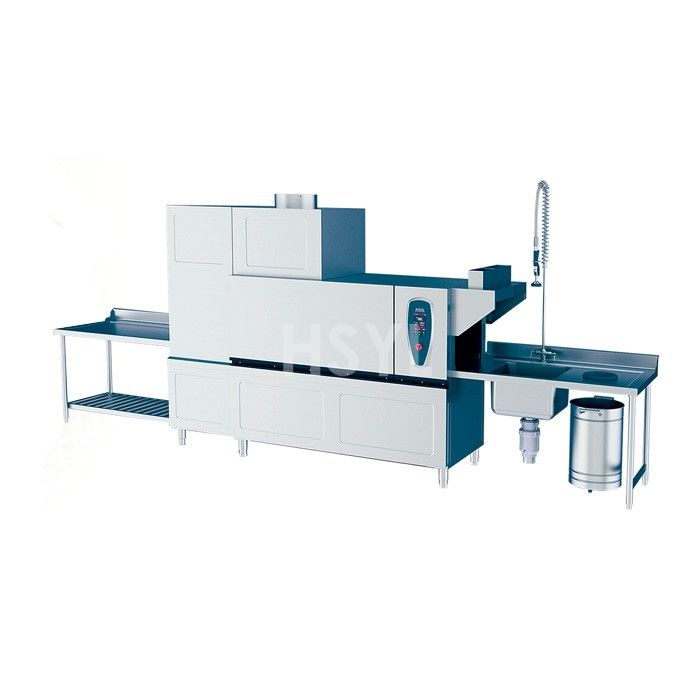
HDW260-EL-R Electric-Heated Commercial Dishwasher
Compare HDW260-EL-R Electric-Heated Commercial Dishwasher capacity, heating, dimensions, u...
View product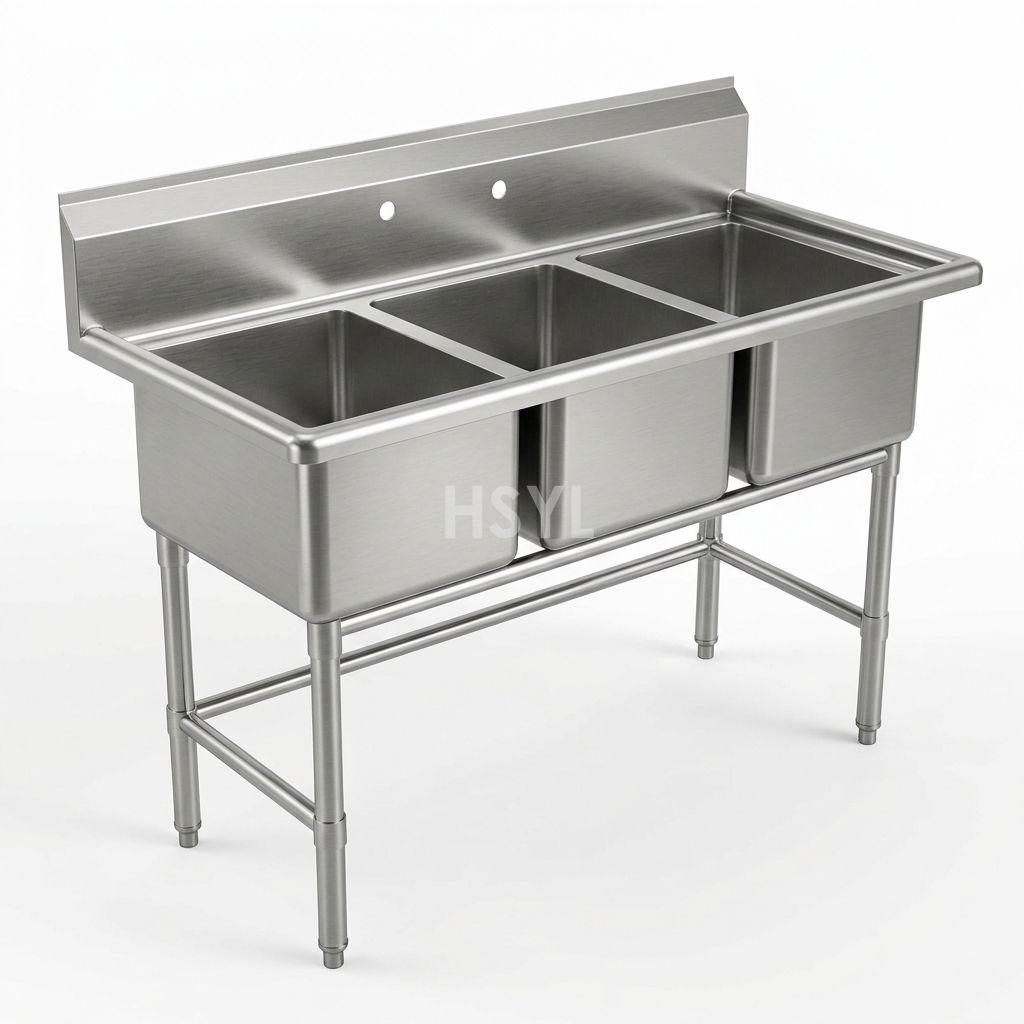
Three-Compartment Commercial Sinks
Three-Compartment Commercial Sinks for commercial kitchens, fabricated to project dimensio...
View product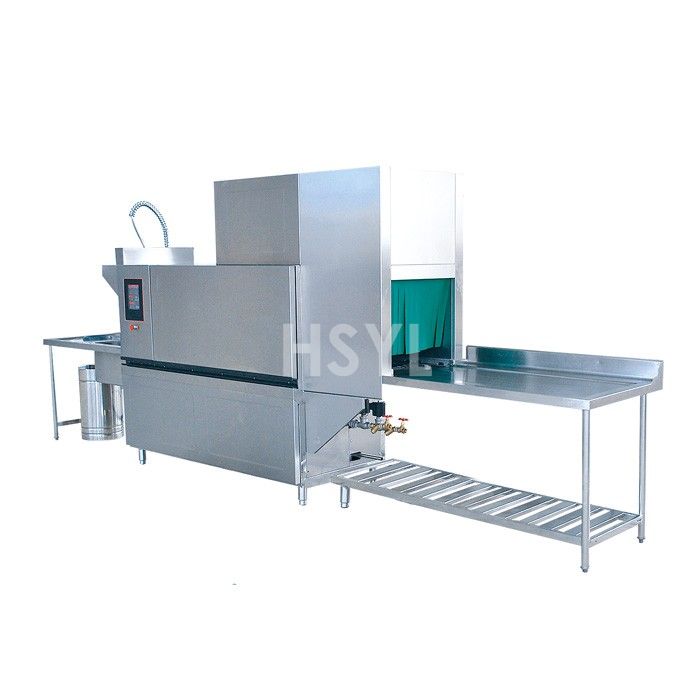
HDW260-SL-R Steam-Heated Commercial Dishwasher
Compare HDW260-SL-R Steam-Heated Commercial Dishwasher capacity, heating, dimensions, util...
View product Stainless Steel Wall Shelf
Plan stainless steel kitchen wall shelves for utensils, containers and clean storage. Spec...
View product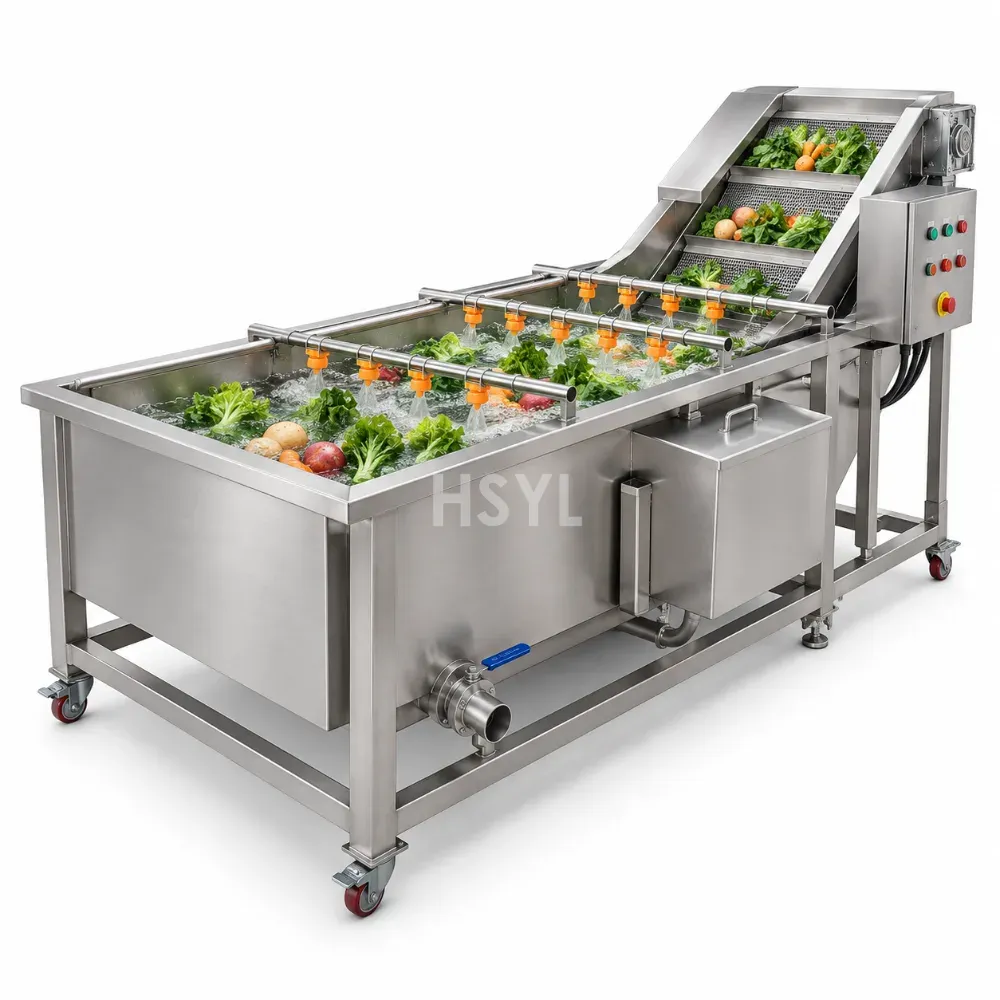
Commercial Vegetable Washers
Commercial Vegetable Washers for central kitchens, food processing plants, canteens and re...
View product
Commercial Grease Traps
Commercial Grease Traps for commercial kitchens, fabricated to project dimensions in AISI ...
View productFrequently Asked Questions
Is bratt pan vessel volume the same as cooking output?
No. Surface contact, working fill, recipe, accepted result and complete cycle determine usable output. Nominal volume is not a portion rate.
Can a bratt pan replace a deep fryer?
Only use cooking duties explicitly permitted for the offered model. Multipurpose marketing does not establish suitability for oil immersion or pressure duty.
What should a bratt pan trial include?
Use the intended recipe and ingredient condition, assess the full cooking surface, then measure accepted output, controlled transfer, changeover and approved cleaning.
Plan the Equipment Around Your Kitchen.
Share your menu, peak service demand, available space and site utilities. Tell us which equipment you are considering so we can review the requirements with you.