Commercial Fruit Slicer Machine: Cut and Yield Buying Guide
Choose a commercial fruit slicer machine by finished shape, fruit condition, accepted yield and safe handling. Compare complete trials, tooling and cost.
Select a commercial fruit slicer machine by the finished cut, actual fruit condition and acceptable yield. Compare dedicated manual cutters, powered slicers and processing lines only after a representative trial. Cutting cycles or equal nominal thickness do not by themselves prove useful commercial output.
Define the presentation before selecting the cutting mechanism
Fruit preparation covers slices, wedges, halves, peeled portions and shapes used for garnish or further processing. These are different tasks. A wedge cutter may divide fruit consistently without providing adjustable slices. A disc slicer may make slices but need a separate peeling or coring stage. A machine described as a fruit cutter should be checked against the finished shape your operation actually sells or uses.
Build a finished-product specification with photographs of acceptable and rejected examples. Identify the fruit variety, size range, ripeness, initial temperature, skin condition and any preparation before cutting. Define the permitted thickness or shape variation and what counts as broken, bruised or incomplete. Use the same specification for every supplier trial.
Commercial independent-site categories include dedicated fruit tools alongside continuous-feed processing machines. That mixture reflects a choice between specialist cuts and broader preparation capacity. A restaurant garnish station and a central-kitchen fruit-processing line may use the same keyword while needing different equipment scale and handling arrangements.
For an HSYL inquiry, supply the fruit samples and finished-product requirements. Request confirmation that the proposed cutter is intended for the food and shape. This guide does not establish a dedicated HSYL fruit-slicer model, output rate or universal compatibility. A broader food-cutting catalog is not sufficient proof of the specific duty.
Match the cutter type to the shape and handling route
| Cutting route | Suitable procurement question | Preparation dependency | Trial focus |
|---|---|---|---|
| Dedicated manual slicer | Does it make the specified slice using safe repeatable handling? | Correct fruit size, placement and permitted feed method | Accepted shape, operator effort and resetting |
| Dedicated wedge or segment cutter | Does the segment pattern match the serving requirement? | Fruit orientation and any peeling or end trimming | Complete segments and damage near skin or core |
| Powered disc or feed slicer | Which approved blade and feed arrangement produce the required cut? | Fruit preparation, hopper fit and safe feeding | Cut variation, damage and accepted output |
| Combined coring or peeling route | Which stages are performed by the supplied configuration? | Sorting and remaining manual preparation | Core removal, usable portion and waste |
| Continuous processing line | Can feeding, cutting and discharge work as a balanced route? | Upstream washing/preparation and downstream packing | Line balance, quality and complete operating cycle |
Do not substitute a general vegetable cutter without checking the fruit duty. A firm prepared product and a ripe delicate product can behave differently during feeding and discharge. Blade type, support and handling can matter as much as the cutting motion. Require the exact approved combination rather than a promise to process every fruit.
Manual equipment should remain in the shortlist when its dedicated cut fits the operation. Powered equipment can change feeding work, cleaning time and safety requirements. Compare complete accepted output under the same conditions instead of assuming that motorized motion automatically produces a better financial result.
Control incoming fruit and preparation during the trial
Use representative samples across the purchase specification's actual range. Include the smallest and largest permitted fruit, the relevant ripeness states and the initial condition used in production. Keep the sample identities visible so a good result from one batch is not assigned to another variety or handling temperature.
Record what staff must do before feeding. Washing, peeling, removing stems, halving or orienting the fruit can dominate the preparation time. If a supplier presents cutting capacity after those tasks, record that boundary. The receiving and preparation stages must be able to supply suitable product at the demonstrated rate.
Also observe discharge and collection. Thin slices can overlap, wedges can break during a drop, and prepared fruit can stick to a container or conveyor. Include the movement from the cutter to the intended tray, portion pack or preparation vessel. A perfect cut at the blade is not sufficient if the collected product fails the finished specification.
| Sample variable | Record before cutting | Observe after collection | Decision affected |
|---|---|---|---|
| Fruit identity and size | Variety and permitted incoming range | Feed fit and completed cut pattern | Approved application boundary |
| Ripeness and preparation | Condition, trimming and initial temperature | Bruising, tearing and remaining preparation | Input specification and staff work |
| Cut arrangement | Blade identity, setting and approved feed method | Shape variation and rejected pieces | Accepted tool configuration |
| Discharge | Collection route and intended container | Overlap, breakage and packing suitability | Downstream handling design |
Change one trial variable at a time where practical. If the supplier changes blade, fruit condition and operator handling together, the reason for improvement becomes unclear. Document the final accepted combination so training and replacement tools preserve it.
Measure accepted output over the complete work cycle
Agree a representative observation period including startup, feeding, cutting, collecting, routine interruptions and product changes. Count accepted finished pieces or weigh accepted prepared mass using the definition appropriate to the product. Keep reject mass, trimming waste and unprocessed input separate.
A displayed cycle count or quoted cutting speed is not the same measure as accepted fruit output. Record staff effort as well as machine time. A powered slicer may be waiting for prepared fruit or stopped while its discharge container is changed. A manual cutter may involve positioning and resetting after every item. These steps belong in the comparison.
| Measure | Calculation | Evidence boundary |
|---|---|---|
| Accepted yield | Accepted finished mass ÷ incoming fruit mass | Record trimming and cut rejects separately |
| Complete-cycle output | Accepted mass or pieces ÷ observed working time | Include normal feeding, collection and interruptions |
| Labour intensity | Total involved staff time ÷ accepted output | Include preparation and cleanup roles |
| Cost per accepted portion | Allocated equipment, food, labour and operation costs ÷ accepted portions | Use the same specification and period for alternatives |
Keep packaging acceptance separate from blade acceptance. Check whether the collected slices can be counted, weighed or placed in the intended pack without additional damage. If staff need to separate overlapping pieces manually, include that time and any resulting rejects in the output record.
Use repeated runs to understand variation. Record why any run differs: input condition, operator method, blade wear, feed changes or cleaning interruption. Do not remove an inconvenient run from the record simply to report a higher figure. An equipment purchase needs an operating range that staff can reproduce.
Confirm the output denominator before using a financial comparison. If one route reports raw incoming mass and another reports packed accepted portions, their capacity figures cannot be compared directly. The same problem applies when one trial includes peeling and the other starts with peeled fruit.
Review blade tooling, guarding and reset methods
Ask for the exact blade, grid, disc, pusher and support identities needed for the approved fruit. Record which components wear, whether tools can be serviced or replaced, and how replacements are verified. Do not assume a different thickness setting or accessory is supplied because another model in the category offers it.
Assess safe feeding and removal with the actual operators. Obtain instructions for guards, interlocks and permitted tools. Hands, improvised utensils or removed covers should not become part of a capacity demonstration. For US workplaces, machine guarding is a separate safety question addressed by OSHA's general machinery requirements; product sanitation evidence does not replace it.
Observe the safe procedure for clearing a blockage, changing a blade and cleaning the machine. Follow the manufacturer's isolation and handling instructions and the site's risk controls. A restart or reset that requires access near cutting parts should be reviewed by the responsible safety personnel rather than accepted as routine operator improvisation.
For a manual cutter, check fixture stability, handle travel, support and storage of sharp components. Confirm that the intended mounting and working position are approved. For a powered machine, check electrical controls, motor and drive access as well as the cutting zone. Safety and ergonomics apply to both routes.
Material declarations should identify the food-contact parts and their cleaning compatibility. If AISI 304 is specified, state the component it applies to and request support. Blade materials may follow a different documented requirement. A stainless cabinet photograph cannot establish every food-contact material or prove corrosion resistance under all cleaning conditions.
Include dismantling, cleaning and reassembly in the buying decision
Fruit residues can collect around supports, feed components, blades and discharge surfaces. Observe the actual access and removal sequence. Confirm which parts are removable, which tools are required and which cleaning method the instructions permit. Check the surrounding collection area as well as the cutter body.
Time a complete changeover when the operation switches fruit or cut shape. Include safe isolation, tool change, cleaning, reassembly and the first accepted output after resetting. A quick blade change alone does not represent that interval. Keep the changeover observation attached to the staff method and accessory set used.
Ask how staff verify correct reassembly. The machine should not rely on an undocumented adjustment that only the demonstrator knows. Identify settings or checks that affect cut quality and safety, and retain their instructions. Training should cover abnormal input, damaged tooling and rejection decisions.
Consider where removed parts are washed, dried and stored. A blade assembly that cannot be safely cleaned in the available wash area creates another procurement dependency. Include racks, protective storage and replacement-tool access where required. Request a maintenance schedule from the manufacturer instead of inventing a universal sharpening or replacement interval.
Compare complete cost at the intended destination
For powered equipment, confirm the exact voltage, frequency, phase and connection method. Versions for 115V/60Hz or 220–240V/50Hz are different configurations; larger machines may need their own documented supply. These are installation questions, not a claim that every HSYL cutter is available in each version.
Request the identities of service-sensitive motors, controls, sensors and drive parts. Brand names are useful only when they appear in the confirmed bill of materials. Ask about the destination service route and approved alternatives before accepting a component substitution. For manual tools, replacement blade and support availability can matter more than an electrical component list.
Include the machine, tooling, mounting, protective accessories, freight, installation and instruction in purchase cost. Add measured electricity where applicable, food waste, staff time, cleaning and scheduled service. An annual kWh estimate needs the actual duty schedule; maximum input multiplied by time is an estimate, not measured consumption.
Define the interruption response. A spare approved blade, a manual alternative or a reduced product range may preserve service while parts are obtained. Cost that specific recovery route and record its output limitations. Do not invent a failure rate, payback period or performance improvement from the supplier's broad marketing language.
Accept documents, packing and the final fruit trial together
For US procurement, discuss sanitation and electrical acceptance for the exact equipment with destination personnel; NSF/ANSI 8 covers powered food preparation equipment. For EU and UK orders, have the responsible importer and installation parties identify the machinery, electrical and food-contact documentation applicable to the supplied configuration. No standard name in this guide establishes an HSYL certificate.
Request packed dimensions, gross weight, tool protection and transport orientation. Exposed cutting tools require a safe packing and unpacking arrangement. A 20GP or 40HQ loading quantity needs the actual packed configurations and approved loading plan; theoretical cabinet volume is not an export quantity.
For OEM or ODM requests, define the change to cut geometry, feeding, guards or controls and require review before manufacture. A custom label and a modified safety-critical component are different changes. Confirm the accepted drawing, application boundary and supporting documentation rather than assuming every customization is available.
Release the order against the accepted fruit samples, tooling list, operating procedure and trial record. At handover, check the delivered model and accessories, demonstrate safe cleaning and confirm the finished cut under representative conditions. The useful outcome is repeatable acceptable fruit preparation with a practical staff and service route.
Related Kitchen Products
Selected from the catalogue against the keywords of this page, then reviewed with your duty cycle, utilities and site conditions before quotation.
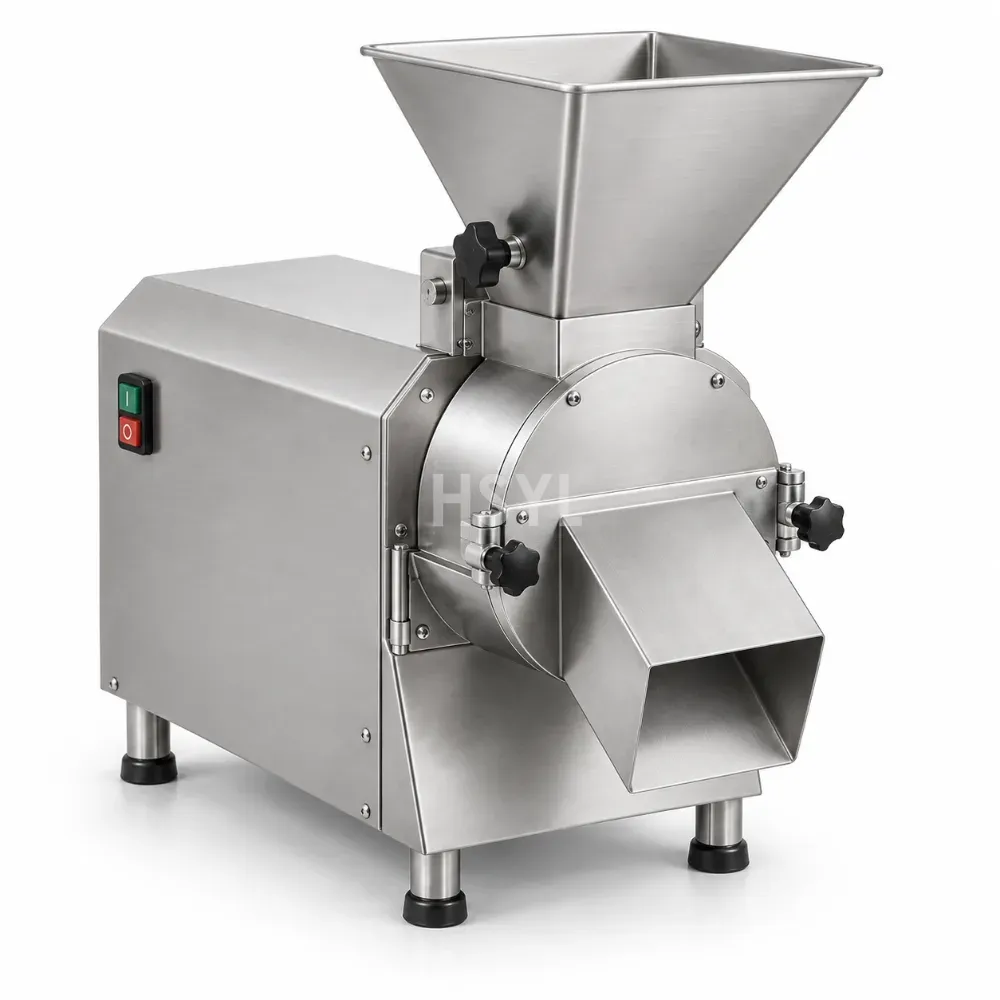
Commercial Vegetable Cutters
Commercial vegetable cutters for central kitchens, restaurants, hotels and institutional foodservice. Multipurpose slicing, dicing, shredding, 150–3,500 kg/h, A...
View product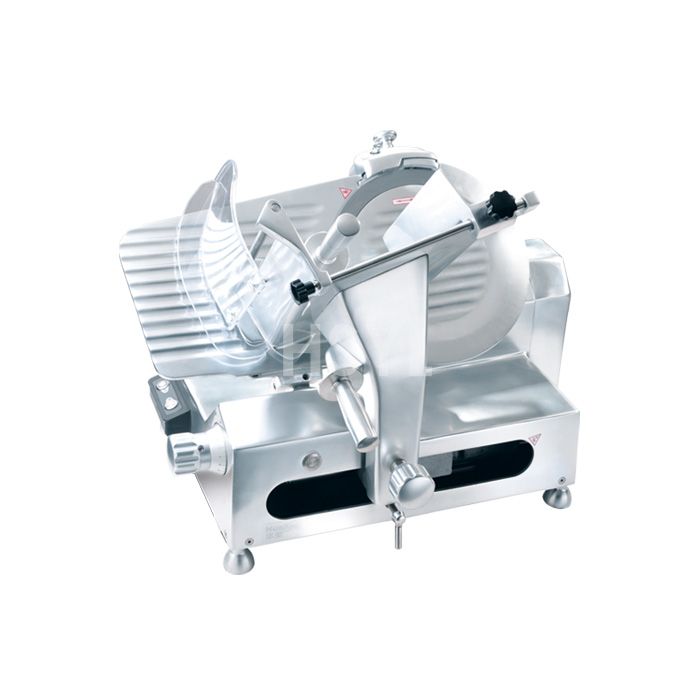
Commercial Meat Slicers
Commercial meat slicers for restaurant, hotel, central-kitchen and food-prep operations. Compare HSYL slicer models, blade size, slice thickness, duty and utili...
View product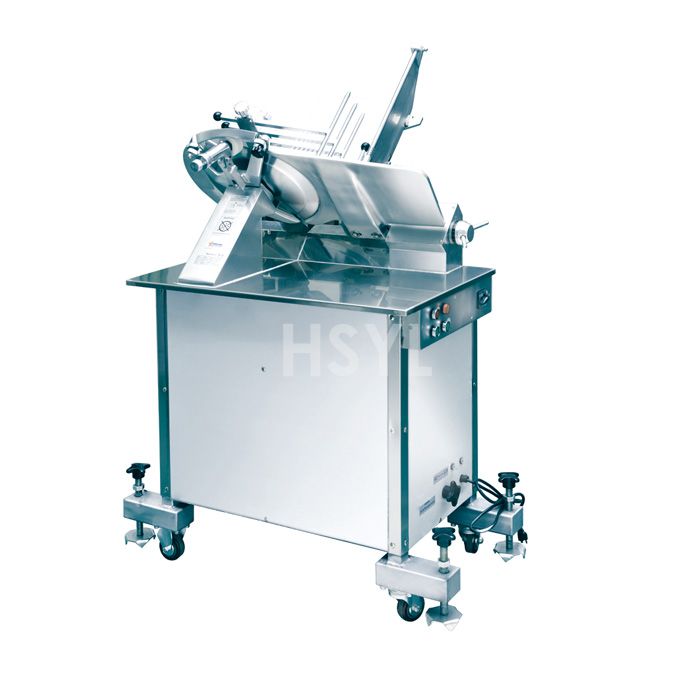
Commercial Meat Slicer-FP-HB-350400
Compare HB-350/400 meat slicers around meat size, slice thickness and production needs. Request a separate specification for each offered model from HSYL.
View product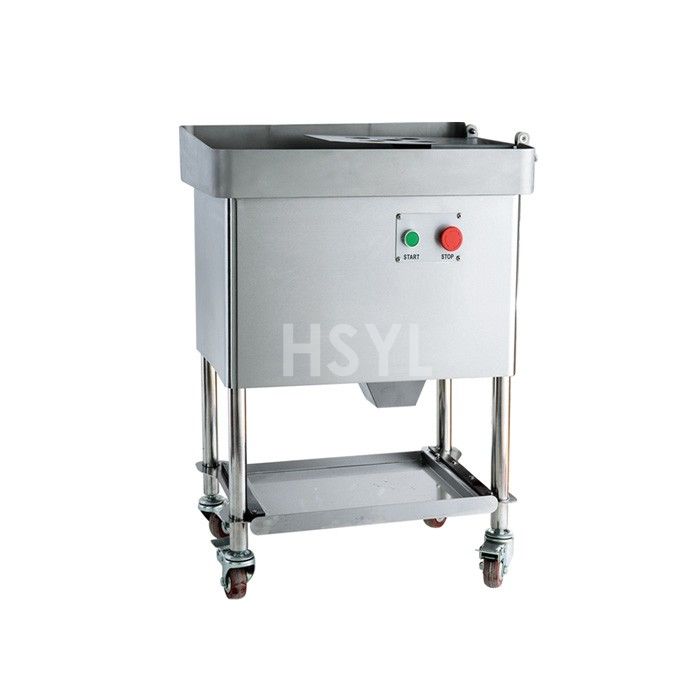
Commercial Meat Slicer-HCS500
Review the HCS500 meat slicer for your meat preparation task. Confirm the cutting setup, product condition, output requirements and electrical supply with HSYL.
View productCommercial Meat Slicer-FP-HB-320
Evaluate the HB-320 meat slicer for your product size and slice thickness. Request the offered specification, safety details and supply requirements from HSYL.
View productEngineering-Led Commercial Kitchen Manufacturing
HSYL Kitchen Systems designs and produces heavy-duty commercial kitchen equipment for central kitchens, hotels, canteens, hospitals and high-capacity restaurants. Our goal is to provide precise equipment matching, documented quality gates and verified delivery for global foodservice operations.
- Food-grade SUS304 & SUS316 stainless steel construction
- Custom engineering layout & CAD drawing support
- Multi-stage factory quality control & FAT testing
- Factory-direct supply chain with spare parts backup
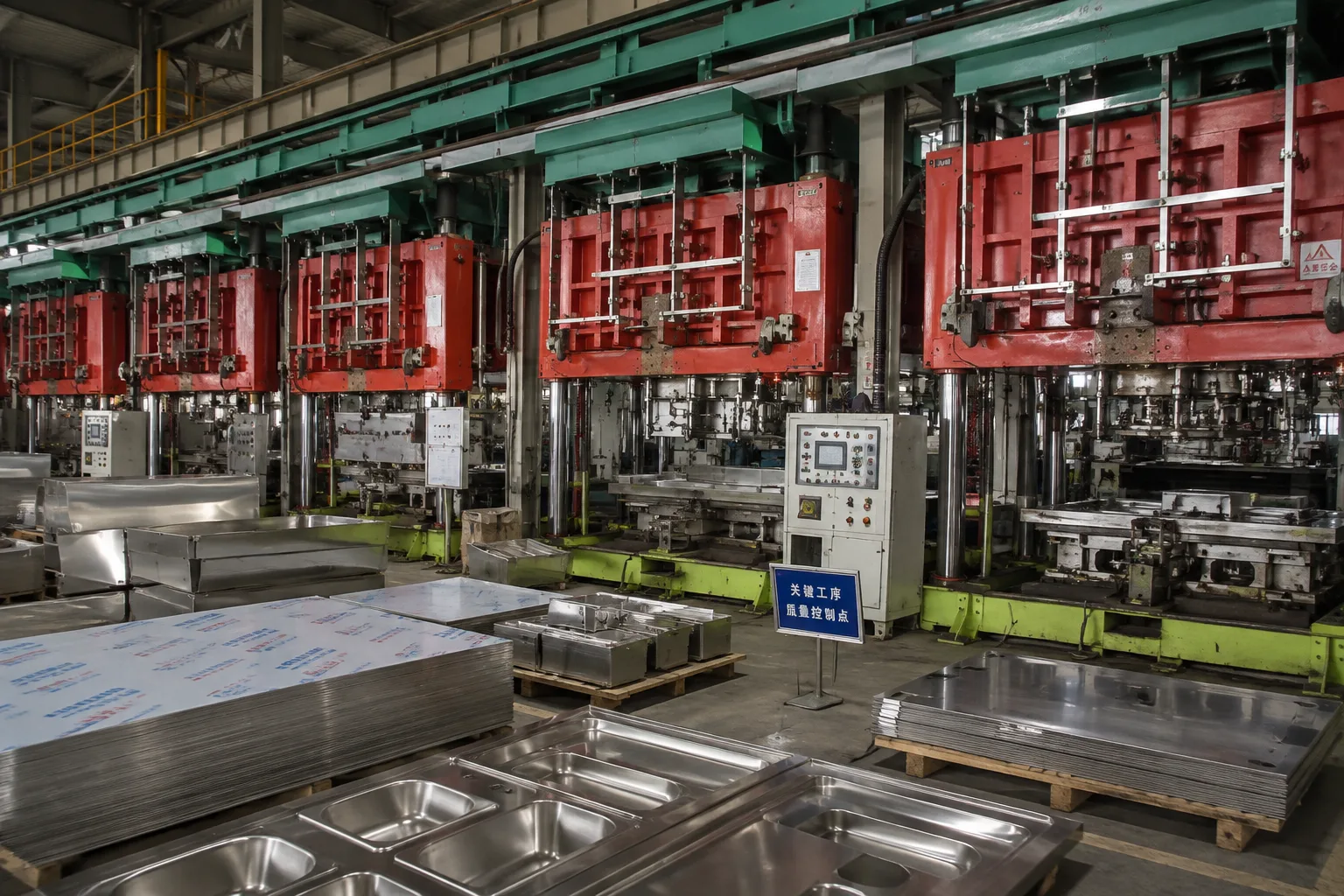
Advanced OEM Processing Equipment & Lines
Equipped with world-class automated sheet metal processing, precision bending centers, thermal foaming lines, and vacuum test rigs to support high-volume commercial kitchen OEM/ODM manufacturing.
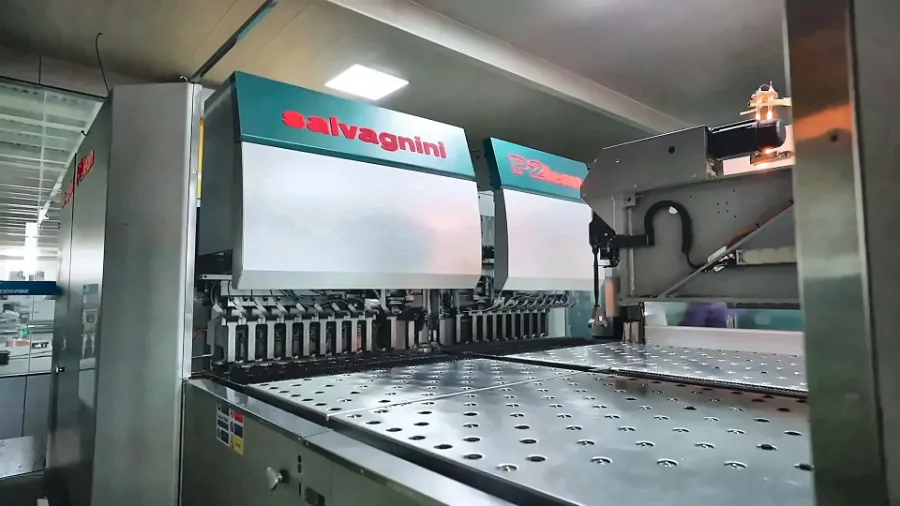
Italian Salvagnini Panel Bending Center
Automated sheet metal bending system for seamless cabinet fabrication and tight structural tolerances.
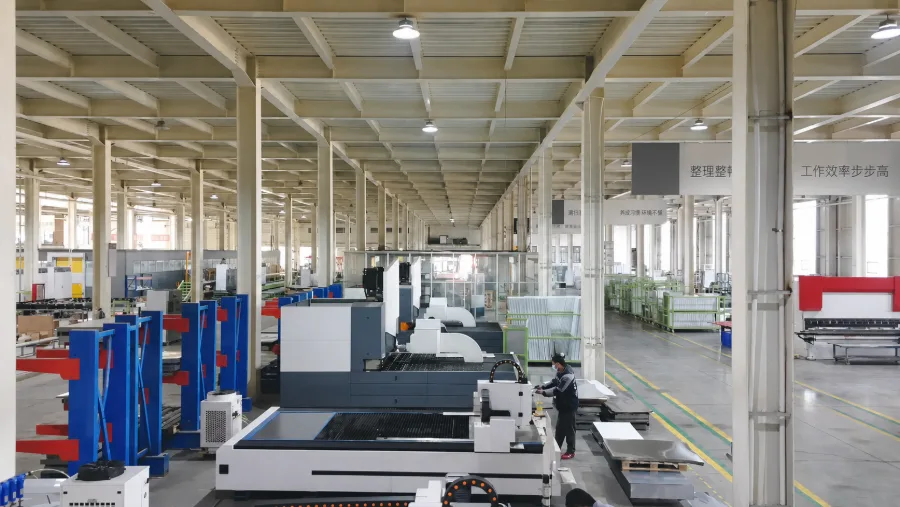
Automated Bending & Laser Cutting Line
Integrated flexible processing line combining fiber laser cutting and multi-axis CNC bending.
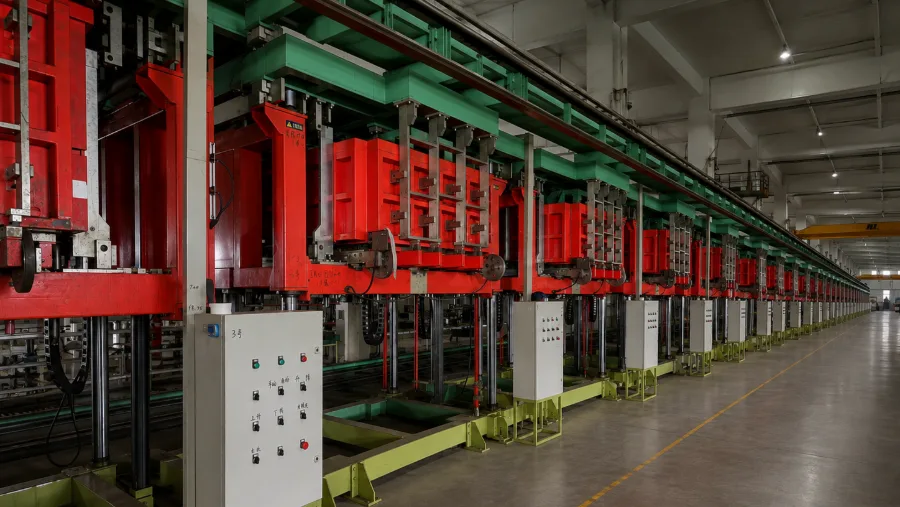
Constant-Temperature Foaming Line
Continuous polyurethane thermal insulation foaming line ensuring uniform core density.
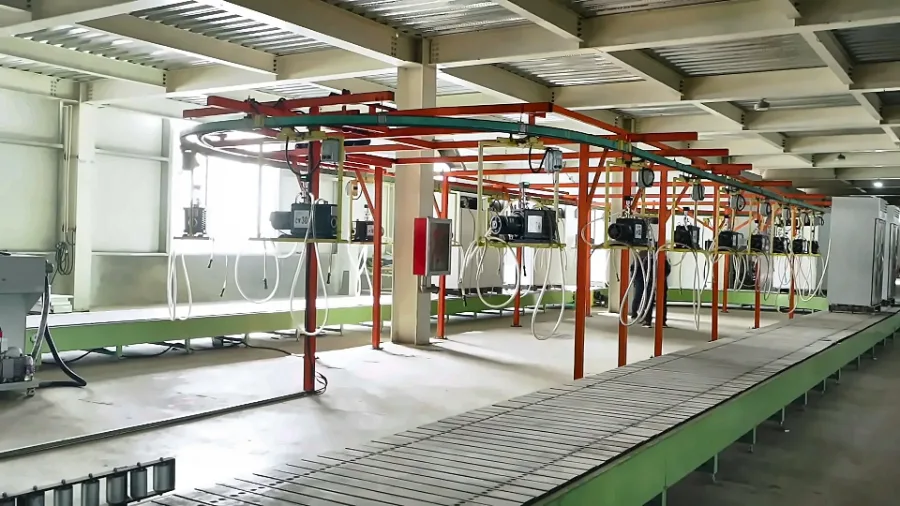
Vacuum Extraction & Testing Line
High-vacuum circuit evacuation and automated leak detection for commercial cooling systems.
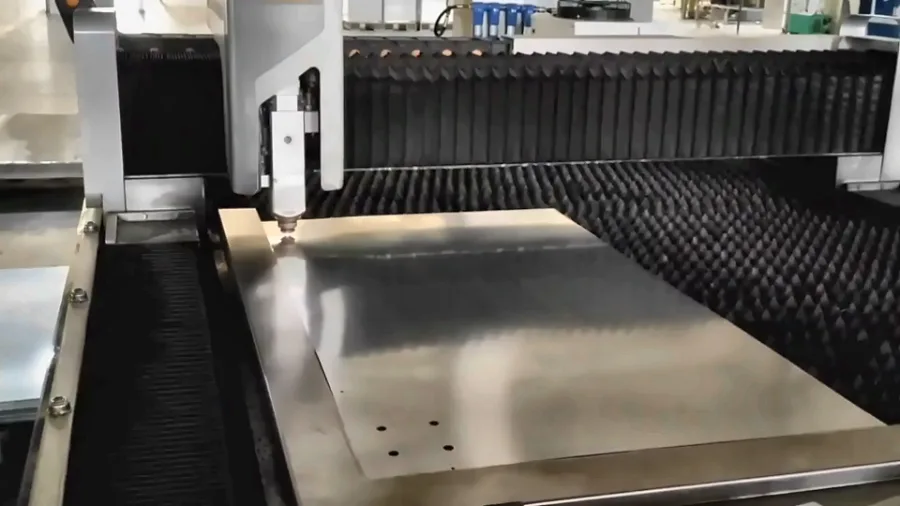
Laser Cutting & CNC Punching Station
High-speed fiber laser cutting and precision CNC punching for intricate component fabrication.
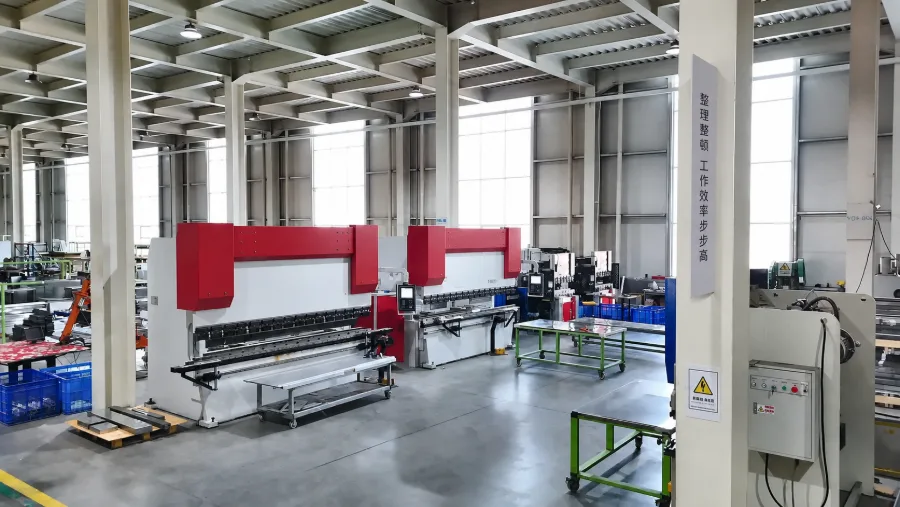
Canadian Heavy-Duty CNC Press Brake
High-tonnage precision press brake for large-format stainless steel sheet forming.

Material Shearing & Cutting Line
Automated heavy-gauge stainless steel shearing and precision raw material sizing.

Material Film Laminating Line
Automated surface protection film application to preserve satin and mirror metal finishes.
Explore Popular Kitchen Equipment
Browse equipment that visitors frequently explore, then review the exact model and specifications for your project.
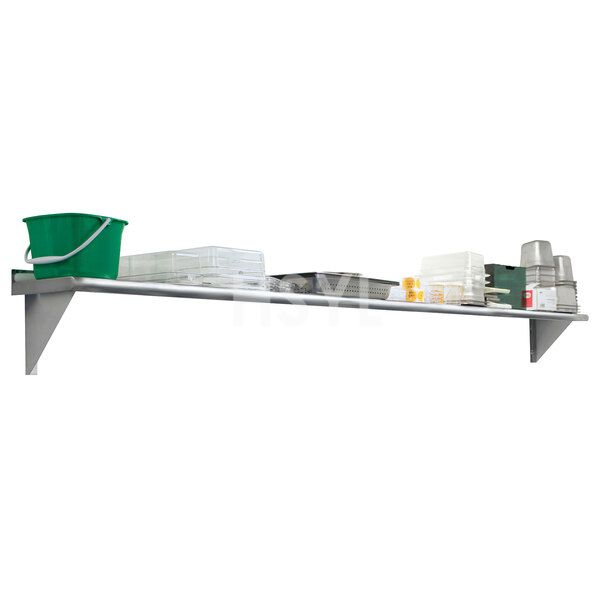
Stainless Steel Wall Shelves
Stainless Steel Wall Shelves for commercial kitchens, fabricated to project dimensions in ...
View product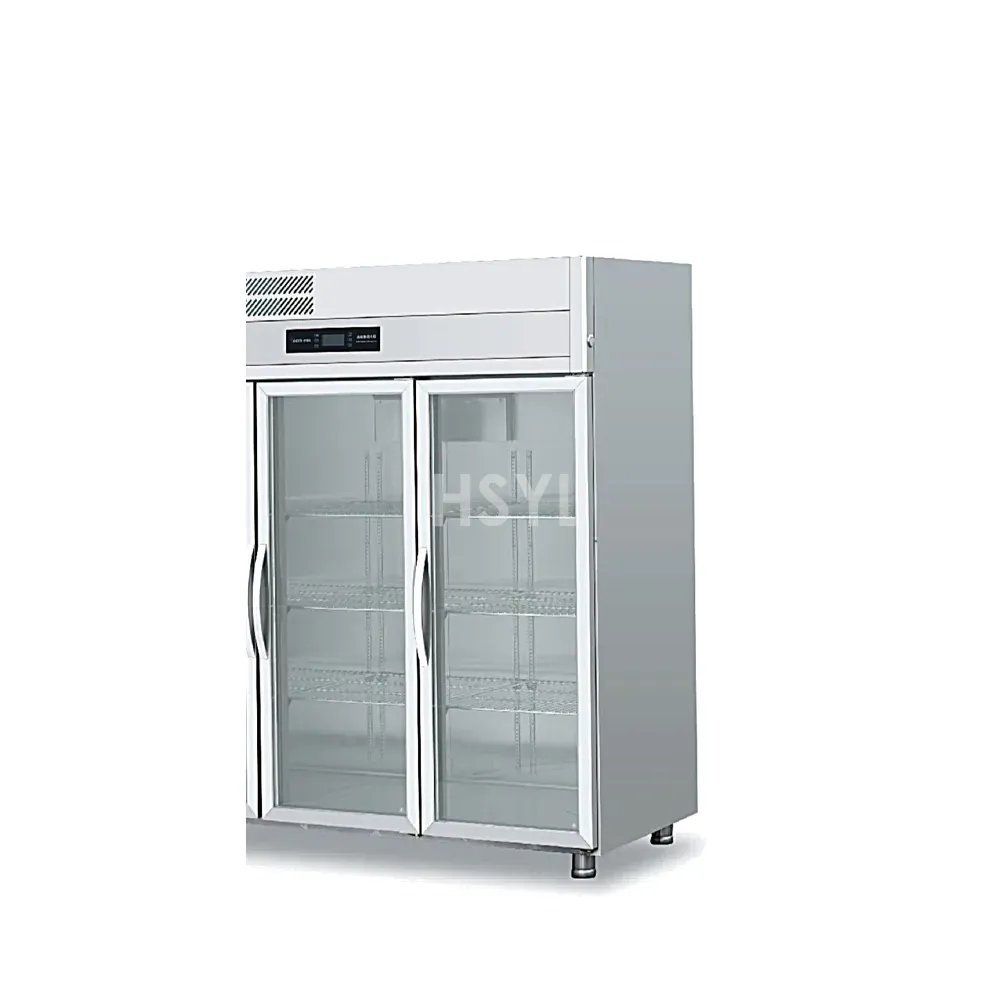
E Series Display Refrigerator Range
Compare E Series display cabinets by door layout, footprint and storage duty. Confirm the ...
View product Commercial Meat Slicer-FP-HB-350400
Compare HB-350/400 meat slicers around meat size, slice thickness and production needs. Re...
View product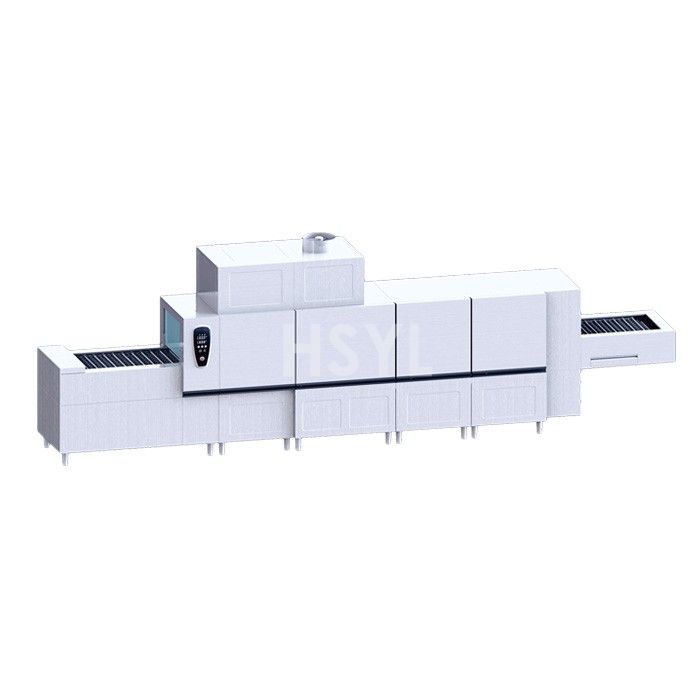
HDW8000L Steam-Heated Commercial Dishwasher
Quick Summary: The HDW8000L Steam-Heated Commercial Dishwasher (Model: CK-HDW8000L) is a h...
View product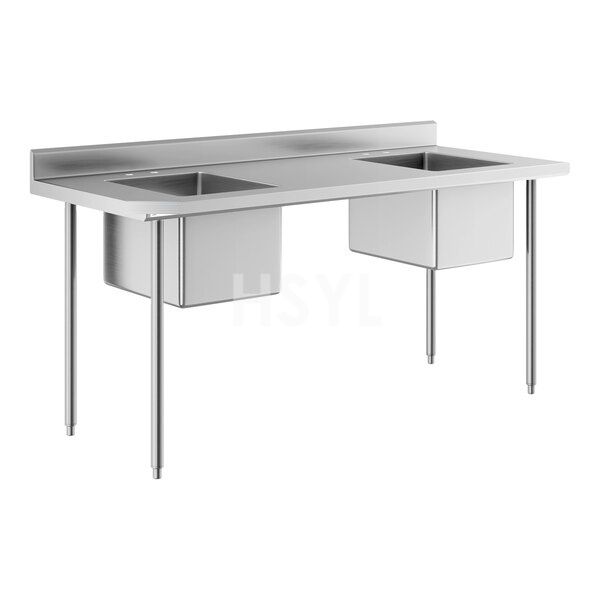
Two-Compartment Commercial Sinks
Two-Compartment Commercial Sinks for commercial kitchens, fabricated to project dimensions...
View product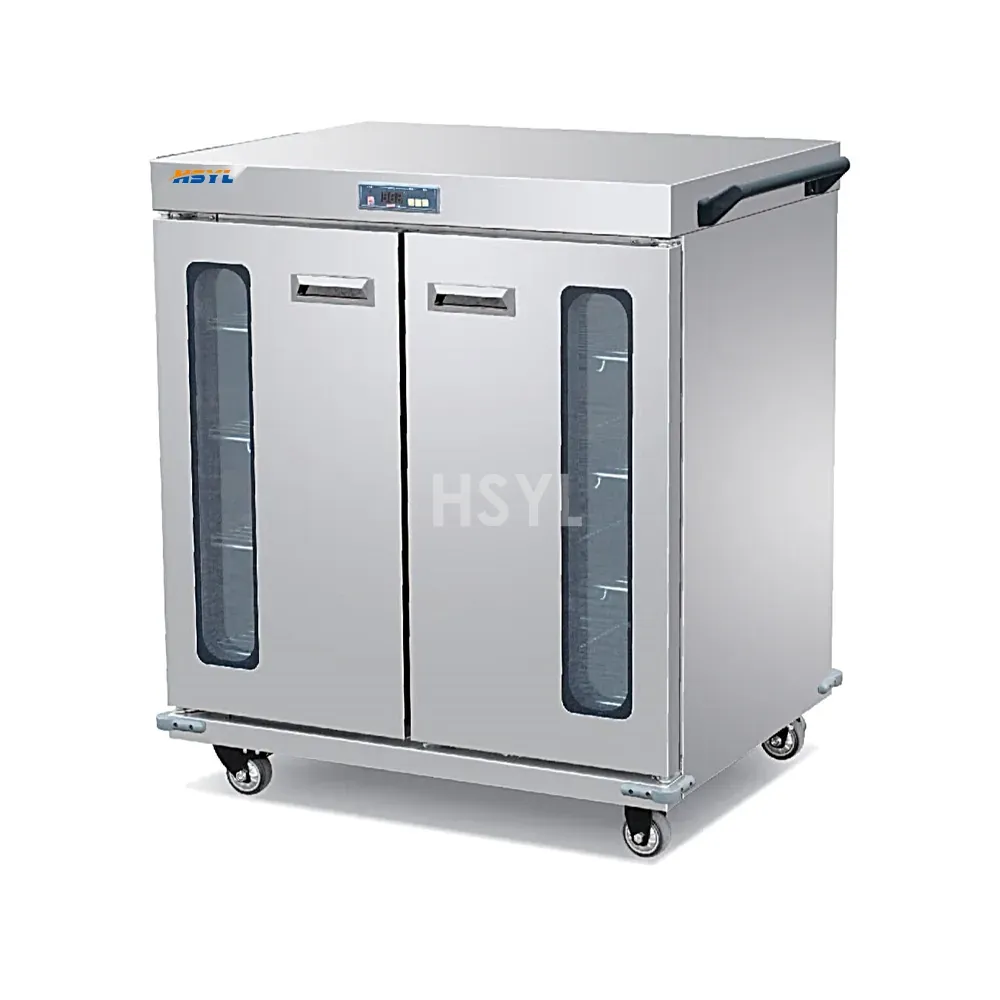
E234-BCW02-11 Horizontal Banquet Cart
Quick Summary: The E234-BCW02-11 Horizontal Banquet Cart-B (Model: SL-E234-BCW02-11) is a ...
View product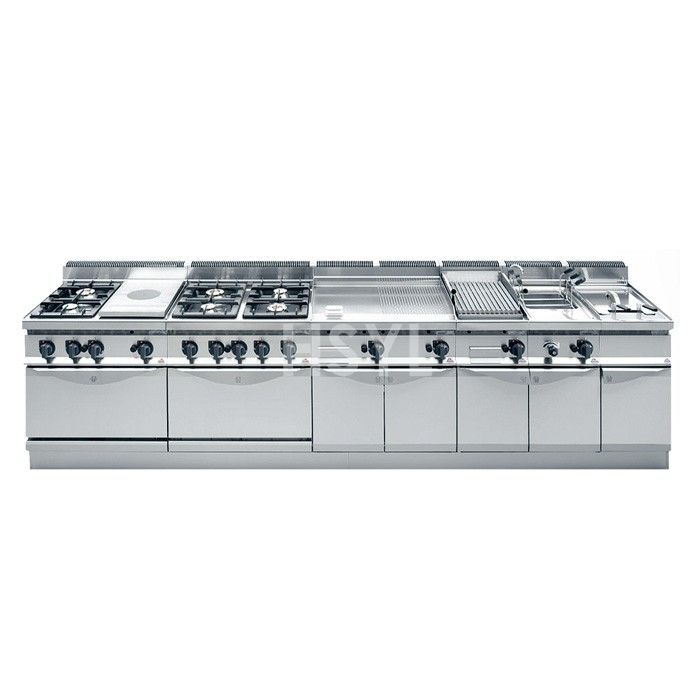
700-Series Combined Western Kitchen Stove
Quick Summary: The 700-Series Combined Western Kitchen Stove (Model: CK-BERTO) is a heavy-...
View product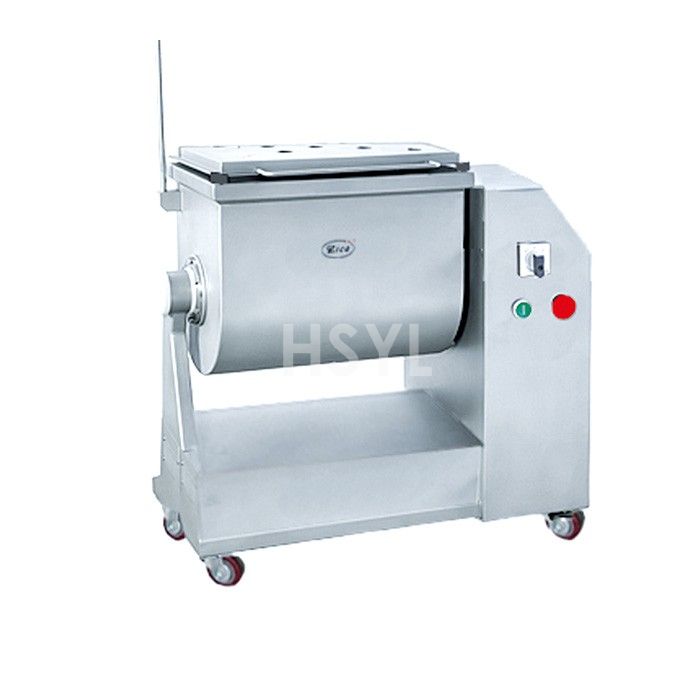
Commercial Meat Mixers
Commercial meat mixers for central kitchens, restaurant prep and meat-processing workstati...
View product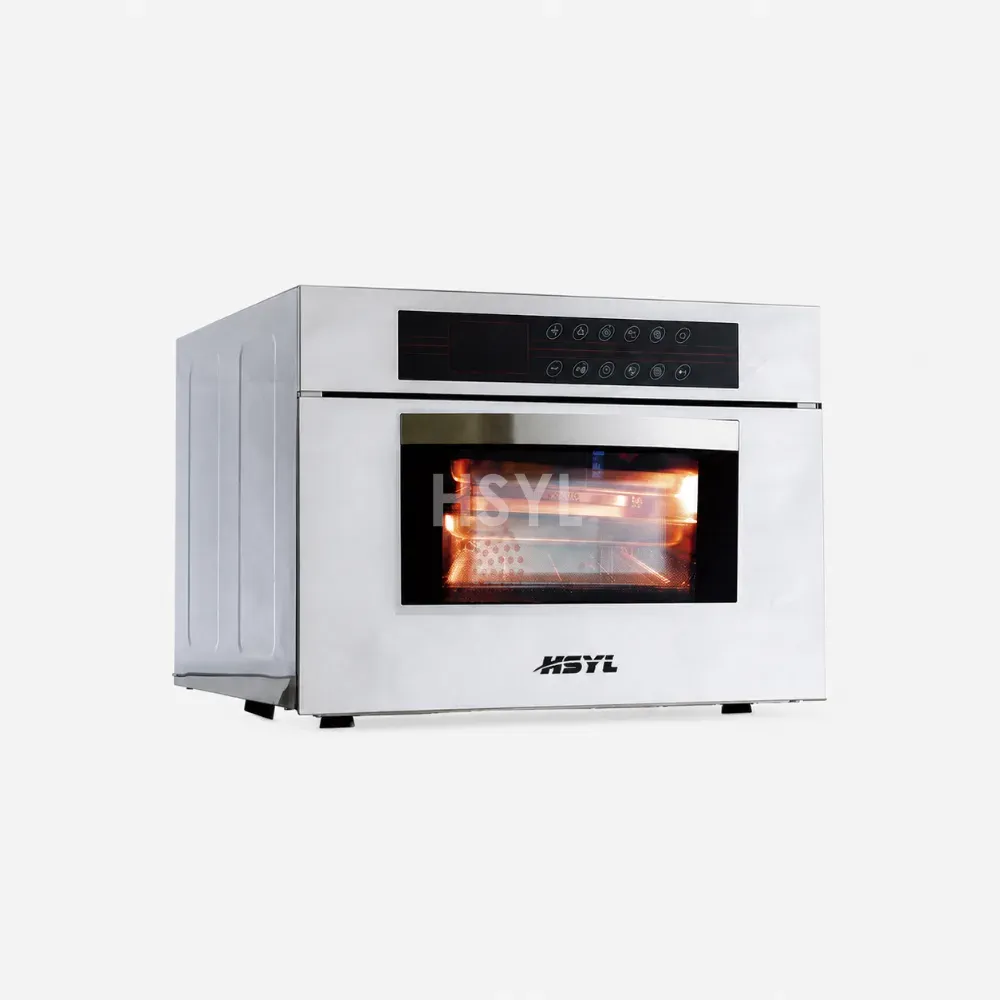
Commercial Ovens for Professional Kitchens
Commercial electric and convection oven solutions for professional kitchens. Review HSYL c...
View product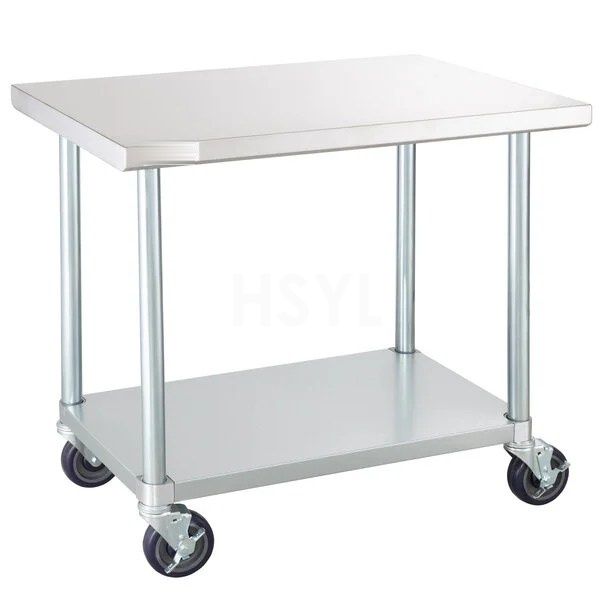
Stainless Steel Kitchen Trolleys
Stainless Steel Kitchen Trolleys for commercial kitchens, fabricated to project dimensions...
View product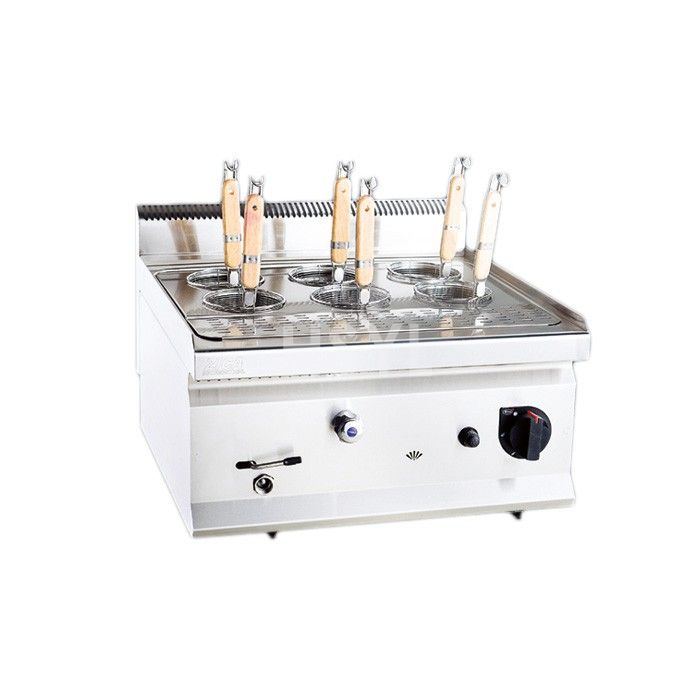
HP Countertop Gas Pasta Cooker Range
Compare HP6035G and HP6060G countertop gas pasta cookers. Review footprint and gas require...
View product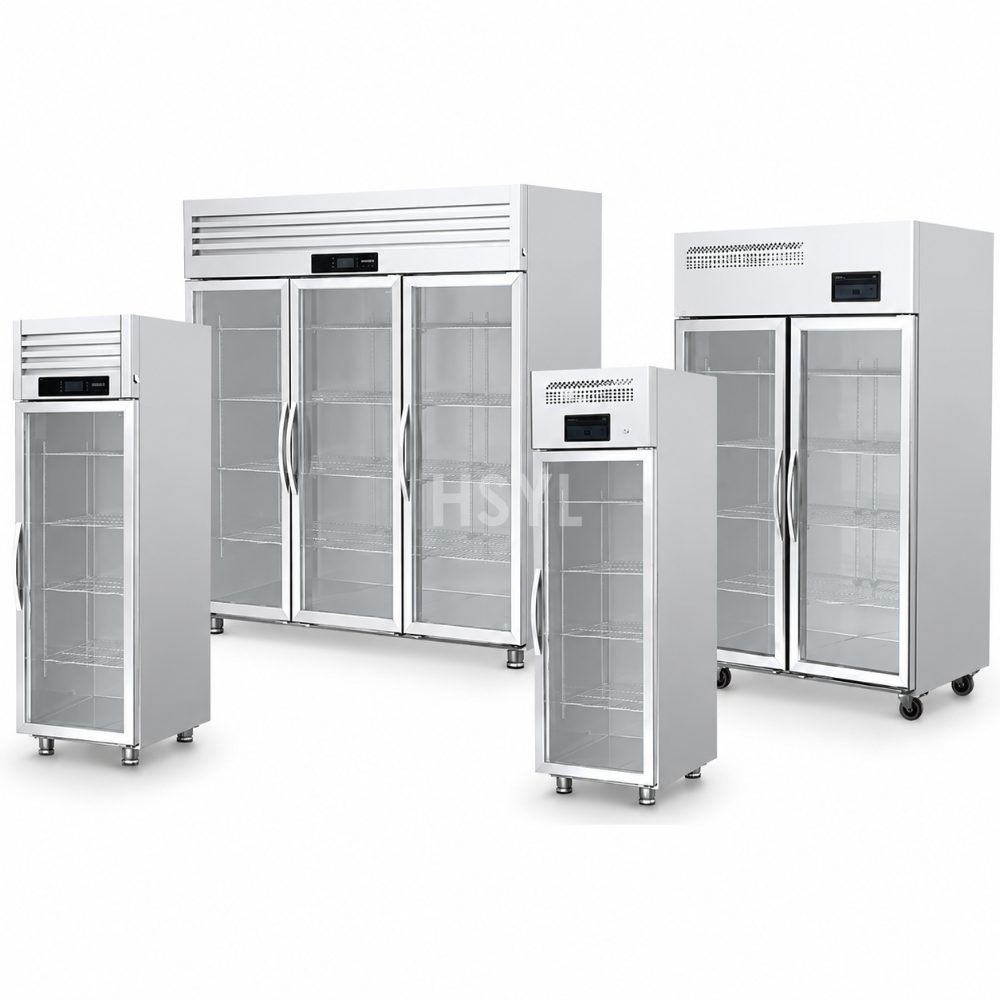
Q and S Series Direct-Cooling Display Cabinet Range
Compare Q and S Series display cabinets for your products and store layout. Confirm temper...
View product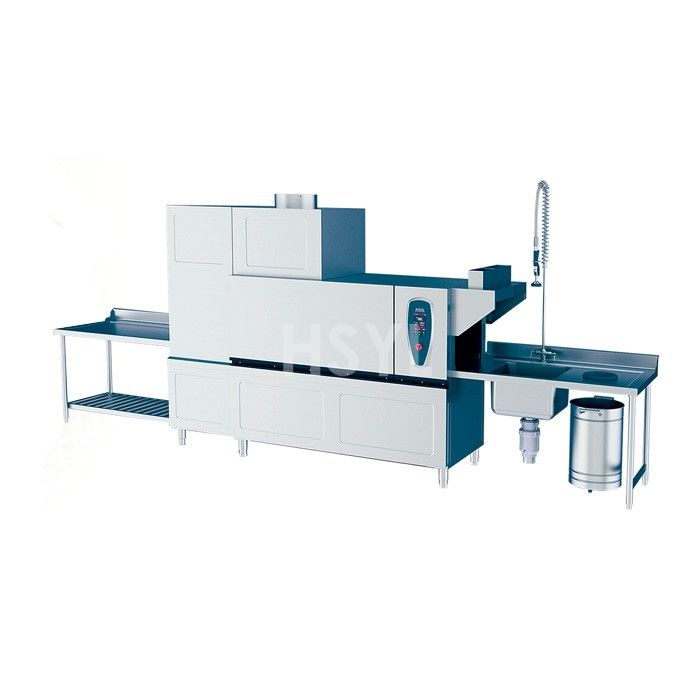
HDW260-EL-R Electric-Heated Commercial Dishwasher
Compare HDW260-EL-R Electric-Heated Commercial Dishwasher capacity, heating, dimensions, u...
View product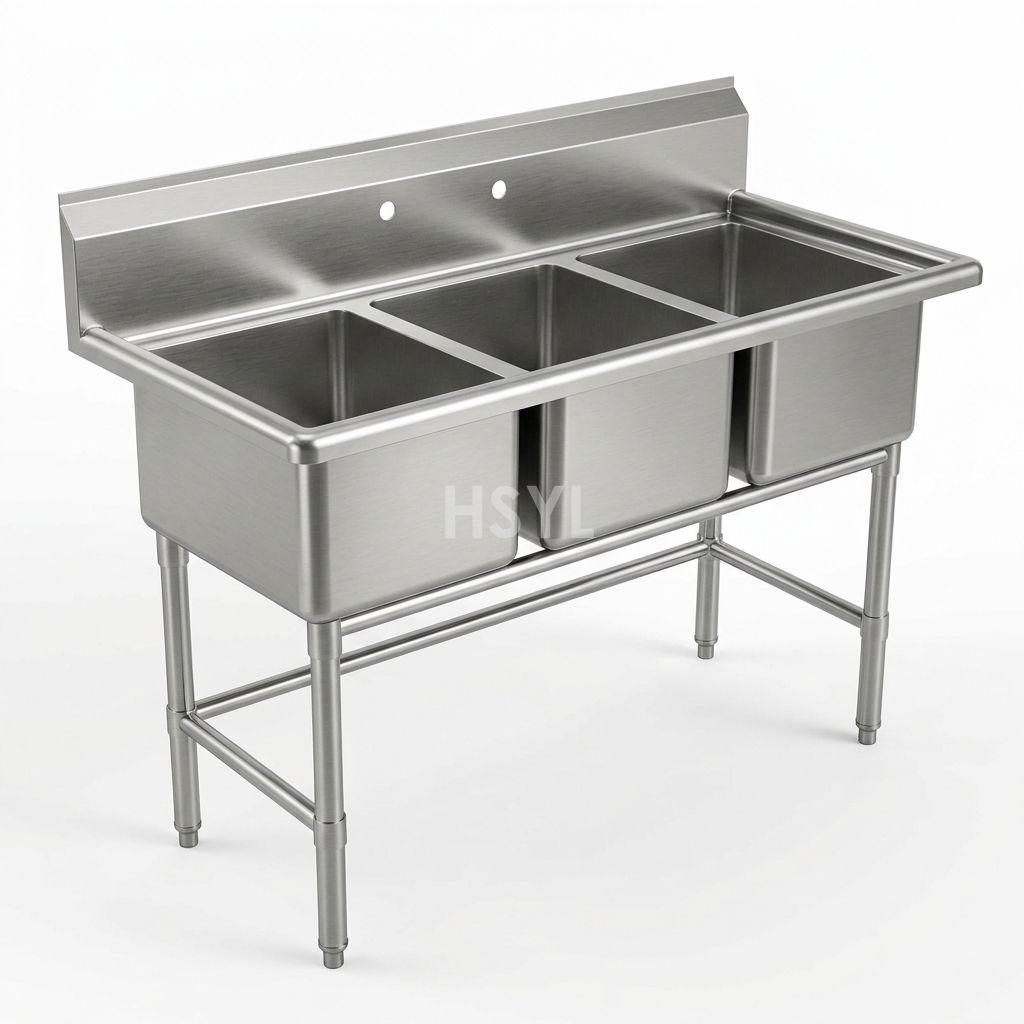
Three-Compartment Commercial Sinks
Three-Compartment Commercial Sinks for commercial kitchens, fabricated to project dimensio...
View product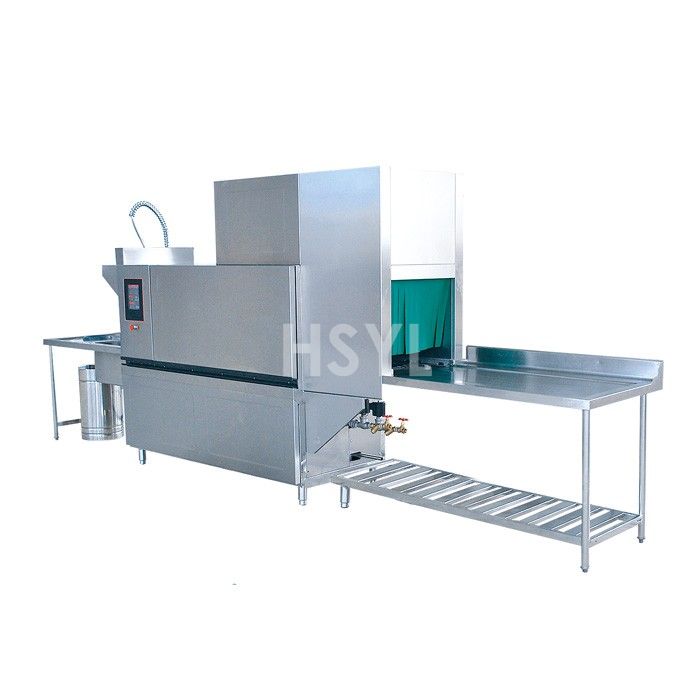
HDW260-SL-R Steam-Heated Commercial Dishwasher
Compare HDW260-SL-R Steam-Heated Commercial Dishwasher capacity, heating, dimensions, util...
View product Stainless Steel Wall Shelf
Plan stainless steel kitchen wall shelves for utensils, containers and clean storage. Spec...
View product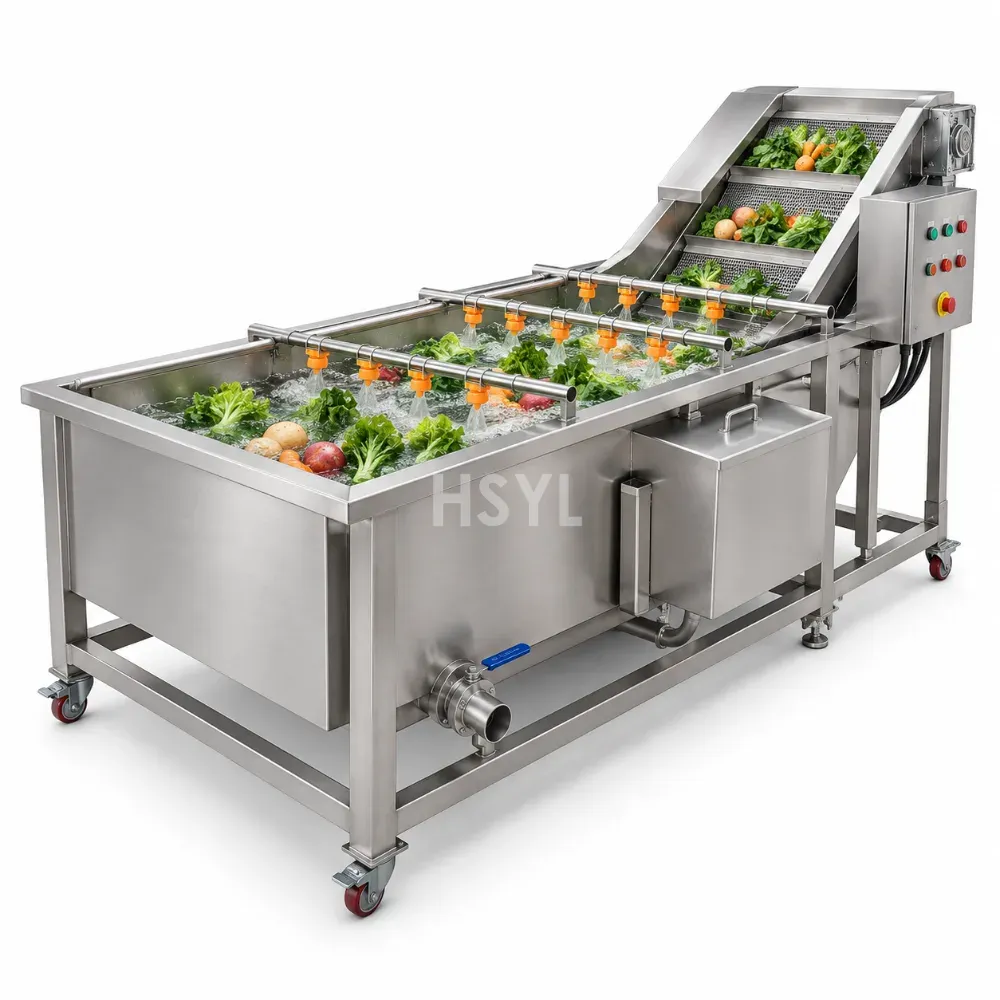
Commercial Vegetable Washers
Commercial Vegetable Washers for central kitchens, food processing plants, canteens and re...
View product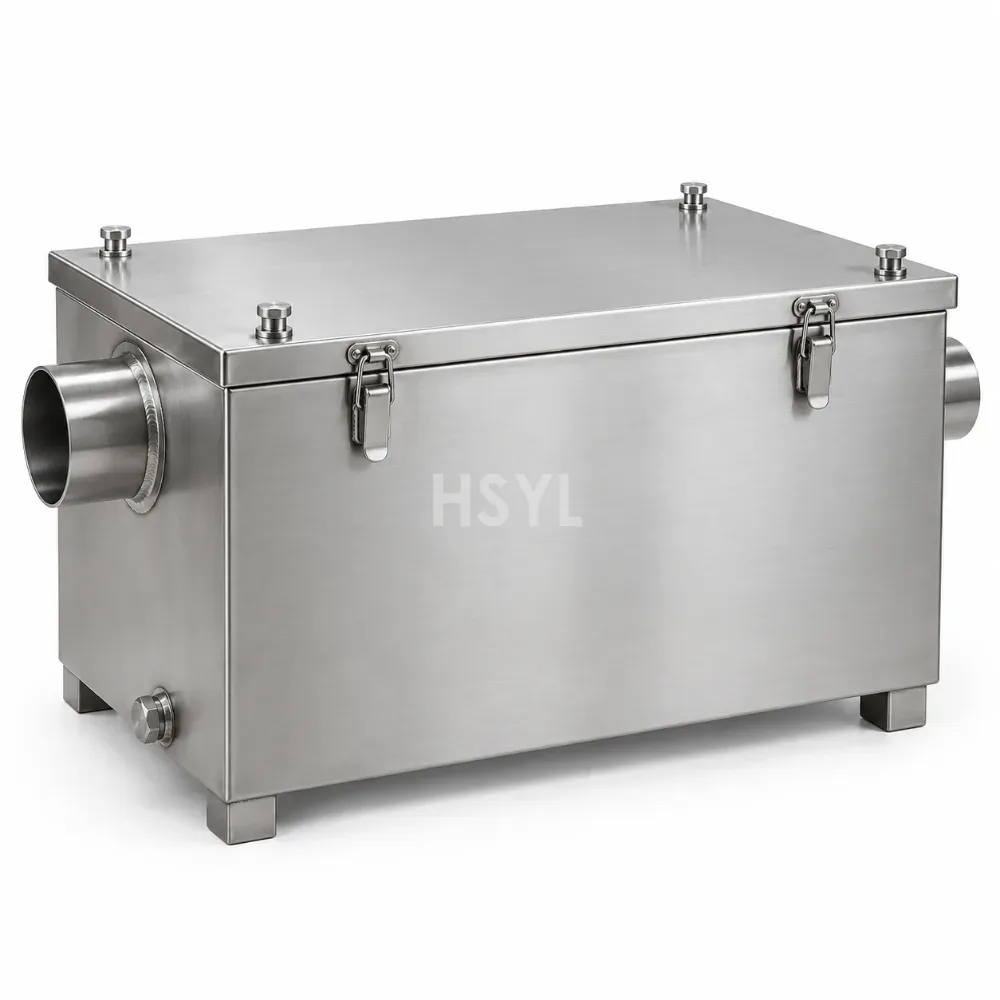
Commercial Grease Traps
Commercial Grease Traps for commercial kitchens, fabricated to project dimensions in AISI ...
View productFrequently Asked Questions
Can one commercial slicer process every fruit?
Confirm each fruit, preparation condition and finished cut through a trial of the exact tooling and feed arrangement. A broad fruit-and-vegetable category does not prove universal compatibility.
How should fruit slicer capacity be measured?
Use accepted finished mass or pieces over the complete working interval, including preparation, feeding, collection and normal interruptions. Record trimming waste and cut rejects separately.
Should a manual cutter be excluded from commercial procurement?
Compare the complete task. A dedicated manual cutter may suit the required shape; assess safe handling, operator effort, reset time and accepted output alongside powered alternatives.
Plan the Equipment Around Your Kitchen.
Share your menu, peak service demand, available space and site utilities. Tell us which equipment you are considering so we can review the requirements with you.