Commercial Meat Freezer: Storage Duty and Trial Planning
Specify a commercial meat freezer from packaged inventory, frozen holding or active freezing duties, with stock-position and loaded-trial procurement tools.
A commercial meat freezer should be specified from the product entering it and the work it must perform. Holding sealed meat that arrives frozen, freezing freshly prepared portions, and accommodating a carcass processing workflow are different duties. A cabinet described as a freezer does not, by that description alone, demonstrate that it can complete every one of those tasks within your production schedule.
Start with a written duty statement: product format, arrival condition, package dimensions, quantity, replenishment pattern and required release criteria. Then request equipment documentation and a representative loaded trial. This approach gives a supplier something measurable to answer and prevents a large advertised volume from becoming a substitute for demonstrated operational fit.
Identify which meat-freezing task you are buying
For frozen stockholding, the purchasing question is whether the proposed layout accommodates your packaged inventory and maintains the operating conditions your food safety plan requires during normal receiving and picking. Record the actual incoming product condition; do not assume that every delivery marked frozen has the same packaging, stacking pattern or handling history. Your receiving team should retain its existing acceptance procedure regardless of which cabinet is purchased.
For freezing products prepared on site, capacity is a process question. Product thickness, initial condition, package, spacing and loading pattern belong in the trial specification. The intended quantity cannot be inferred from storage litres or compressor terminology. Ask the supplier to define whether its offer is a holding freezer, equipment intended for an active freezing process, or a separate specialist system. An unanswered question here is a reason to stop model selection, not to guess a freezing time.
For carcasses, sides, large cuts or pallets, the physical handling system may dominate the purchase. A rack, rail, trolley or room layout is not interchangeable with a reach-in shelf cabinet. Chilling, aging, thawing and frozen storage also require their own operating specifications. Keep those duties separate in the enquiry so that an attractive meat-processing description does not become evidence that one unit performs every stage.
Build the stock map before comparing cabinet volume
Use packaging dimensions, not just meat weight. Two deliveries with the same total mass can occupy different shelf arrangements when one contains flat cartons and the other contains deep lidded tubs. Determine whether cartons are stored intact, opened for picking, or broken into smaller service containers. Include labels, handles and other projections that affect removal through the door opening.
List the maximum inventory you expect between deliveries and the smaller working stock needed near preparation. A purchasing decision may involve one reserve unit and another accessible picking location rather than one crowded cabinet. The purpose is to make the storage logic explicit, not to prescribe a particular configuration without a floor plan. Avoid allocating food positions into spaces that the equipment manual reserves for airflow or access.
Procurement tool: package-to-position stock map
Complete one row for each package family. The result is a count of workable stock positions, with exceptions visible before purchase. This is a layout tool, not a thermal capacity calculation.
| Input to record | Buyer entry | Evidence required before acceptance |
|---|---|---|
| Package family and stock identity | Carton, bag, tray, tub, hanging item or pallet; product and lot label | Actual sample package or dimensioned photograph |
| Largest loaded package envelope | Width, depth and height including lid, handles and label access | Measurement of the package used in the operation |
| Peak inventory by package family | Maximum units present after receipt, including existing stock | Delivery and inventory records |
| Permitted position | Proposed shelf, rack or compartment and removal route | Equipment drawing and manufacturer loading instructions |
| Usable count per position | Packages fitting without blocking specified airflow or retrieval | Physical fit check or dimensioned layout approved by supplier |
| Unallocated stock | Peak package count minus confirmed usable positions | Decision to revise delivery frequency, layout or equipment quantity |
Calculate a stock-position balance for each family: confirmed usable positions minus peak package count. Do not add positive balances across incompatible package families unless the same position actually fits both. A surplus of shallow-tray positions cannot silently cover a shortage of tall cartons. Record any proposed stacking rule separately and obtain its package, shelf and handling basis.
An illustrative layout with 30 confirmed carton positions and a peak receipt condition of 34 cartons has a deficit of four positions. Those invented numbers explain the method; they are not the capacity of an HSYL freezer. Resolve the deficit by changing a documented input. Do not solve it by assuming that required airflow spaces can hold overflow stock.
Match access to the way staff pick meat
Review a busy picking period rather than an empty-cabinet photograph. How often will staff open the unit? Do they remove one package or search through several? Can the lot label be read without moving other stock? An arrangement that fits maximum inventory may still create repeated rearranging, door openings and handling. Ask the operations team to demonstrate a representative picking sequence using the proposed shelves and containers.
Door style, opening direction and compartment layout affect that sequence. For a reach-in unit, measure the clear loading opening and the space needed to remove the largest package. For a chest arrangement, consider reach to the lowest position and the procedure for lifting heavy containers. For a room system, consider trolley travel and the receiving route. There is no universally best format independent of those tasks.
Design stock identification into the layout. Separate incoming lots according to your established procedures and leave a practical way to rotate inventory. A colour-coded drawing or numbered shelf map can be attached to the enquiry without exposing confidential recipes or customer data. The aim is to preserve traceability and access; the equipment supplier should not be asked to invent your food safety plan.
Request a loaded trial that answers the actual duty
A display temperature and a food measurement are different observations. Before any trial, agree who provides the measurement method, who is qualified to conduct it, where measurements will be taken and what your operating acceptance criteria are. Use the requirements approved for your products and destination market. This guide does not supply a universal safe temperature, freezing time or shelf-life schedule for meat.
For a stockholding enquiry, replicate your normal package arrangement, receiving load and picking activity within the equipment's stated instructions. Record the incoming product condition and ambient conditions so the result can be interpreted. For active freezing, use a separate test that includes the product's initial state and the specified release criteria. Do not relabel a stockholding test as a freezing-process validation.
Procurement tool: duty-specific trial and release record
| Stage | Record | Decision gate |
|---|---|---|
| Define duty | Frozen holding, active freezing or another expressly specified process | Supplier confirms that the proposed equipment is intended for this duty |
| Define representative load | Product, package, initial condition, quantity, spacing and position map | Test load matches the purchasing brief rather than an easier demonstration |
| Agree measurement | Instrument, measurement locations, procedure and responsible person | Method and acceptance criteria approved by the buyer's responsible team |
| Operate realistic sequence | Loading, openings, picking, operating period and any instructed restrictions | Actual sequence and deviations documented |
| Evaluate result | Measured observations, product acceptance, rejected load and repeat conditions | No claim beyond the tested product and conditions |
| Release configuration | Exact unit identity, settings, accessories and agreed operating limits | Signed record and correct documentation supplied |
Calculate accepted trial quantity per observed process window only when an active freezing trial has actually been conducted. Divide the quantity meeting the agreed release criteria by the full observed window, and retain the loading and unloading assumptions. Do not extrapolate a demonstration with one thin package into production throughput for mixed thick cuts. For a holding-only test, report holding observations instead of manufacturing a kilograms-per-hour figure.
If the trial fails, record which input differed from the brief before repeating it. A revised load arrangement may be acceptable, but it becomes a revised operating limit that staff must be able to follow. Do not average a failed load with a successful load to obscure a condition the buyer cannot control during service.
Inspect the installation envelope and service access
Compare the packed delivery envelope with the route from unloading to final position. Doorways, turns, lift limits and floor conditions belong on the drawing. Keep the installed dimensions separate from shipping dimensions. Identify whether handles, feet or other parts can be removed for delivery and who is authorised to remove and refit them. The buyer should not assume that dismantling is permitted.
At the final position, request the manufacturer's clearances, heat rejection arrangement and access points for routine maintenance. A unit squeezed into a recess may appear to fit while its service panel or condenser access becomes unusable. Include nearby cooking equipment and the actual ambient conditions in the enquiry. Ask the supplier to state the conditions under which the proposed model's performance documentation applies.
The electrical schedule should identify the exact destination configuration, including voltage, frequency, phase, rated input, connection arrangement and applicable installation instructions. Have the local installer confirm the site supply against that schedule. A commercial description, a plug photograph or another country's catalogue variant is not proof of compatibility with the kitchen receiving the shipment.
Request information on condensate, defrost arrangements and any connection or collection task that the model requires. These questions cannot be answered reliably from a generic freezer photograph. Record who installs each connection, who commissions the equipment and how the buyer will obtain the correct manual when the unit arrives.
Evaluate cleaning, condition and support without assuming promises
Ask for the cleaning instructions applicable to the exact internal surfaces, seals, shelves and drainage arrangements. Check access to areas where packaging debris or spills may accumulate. Determine what can be removed, the permitted cleaning method and how staff restore the correct layout. Do not choose chemicals from a general stainless-steel claim; the full assembly may contain other materials.
For used or refurbished offers, request a condition report tied to the individual unit. Photographs, unit identity, service history where available and a documented operating check are more useful than a broad refurbishment label. Separate the seller's stated condition from any manufacturer warranty that may or may not remain. Confirm what the offer includes and which exclusions apply in the destination country.
For any offer, ask who handles service, which parts documentation is supplied and how a fault will be reported. Distinguish a parts-only commitment from on-site labour and local technician availability. Do not assume international support, response time or replacement stock from the fact that a supplier accepts an export enquiry.
Reconcile the offer against one defined operating scenario
Give every shortlisted supplier the same package map and site conditions. Ask each to mark the proposed stock positions, describe any loading restrictions and identify excluded duties. Keep optional shelving, handling accessories, delivery and commissioning as separate priced lines. A comparison loses meaning when one quotation assumes existing site services and another includes their modification.
Record the unresolved question beside the offer it affects. For example, missing shelf dimensions prevent the carton fit decision; missing duty confirmation prevents the active-freezing decision; missing destination electrical details prevent installer acceptance. This creates specific purchasing gates instead of a general confidence score. Close each gate with a drawing, instruction, trial record or written scope confirmation from the appropriate responsible party. A low quoted price does not close an unanswered engineering question.
Prepare market-specific documents and a focused enquiry
Identify the destination country and installation type at the quotation stage. Ask the responsible local professionals which product and installation documents they need, then request those documents for the exact proposed configuration. An approval mark mentioned on an unrelated competitor model is not an approval for your order. For EU enquiries, review the applicable product rules and supporting conformity documentation; for US enquiries, identify any requested electrical and sanitation listings by model and listing scope. Other countries require their own checks.
Official EU CE-marking guidance explains the product-specific conformity framework, and NSF's food equipment standards portfolio helps identify sanitation-document terminology. Neither reference establishes that a particular HSYL unit holds an approval. Obtain and verify the relevant documents before finalising the purchase.
Send HSYL the duty statement, package stock map, site drawing, destination electrical supply and trial requirements. Ask whether a suitable configuration can be proposed, and request its current model-specific drawing and documentation. Any model choice, freezing performance, usable quantity or installation commitment should remain conditional until those records are supplied and reviewed against your actual meat handling operation.
Related Kitchen Products
Selected from the catalogue against the keywords of this page, then reviewed with your duty cycle, utilities and site conditions before quotation.
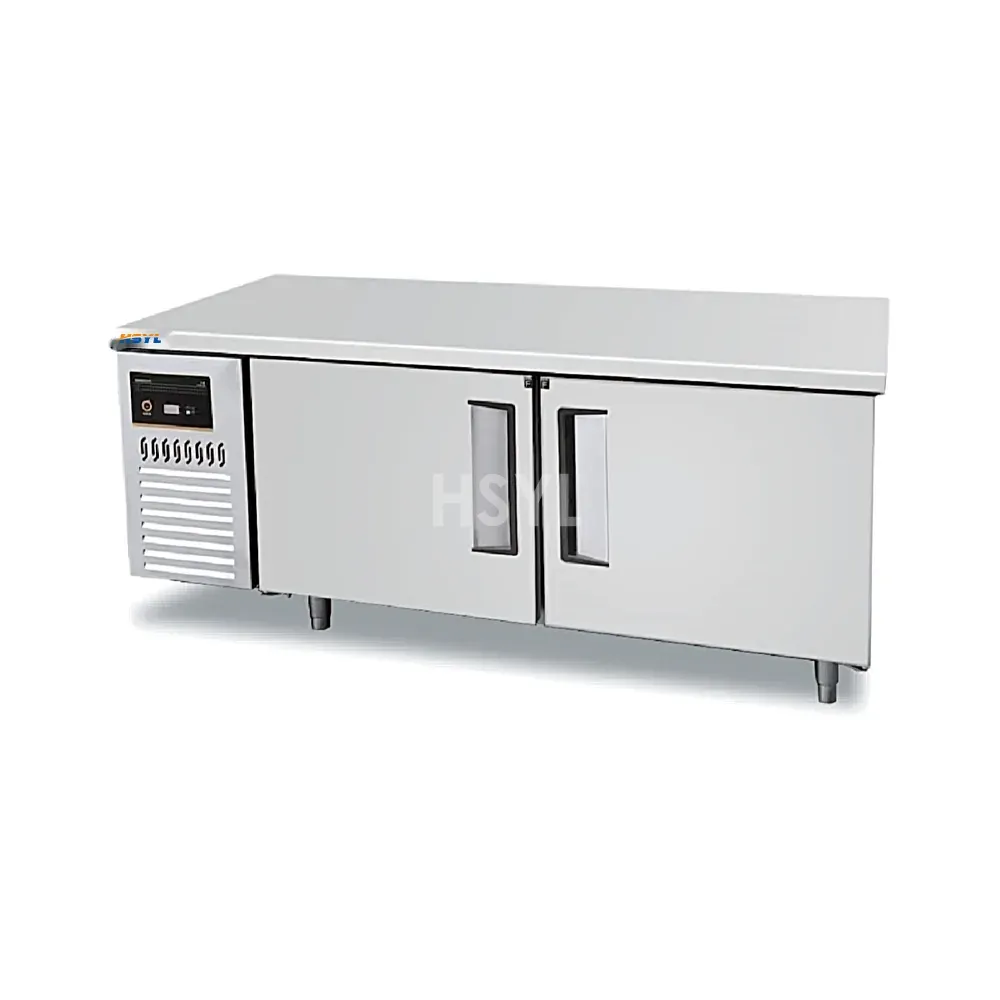
QDUF and XSDUF Direct-Cooling Workbench Freezers
Compare QDUF and XSDUF workbench freezers by footprint and storage volume. Confirm operating temperature, site conditions and the exact cabinet specification.
View product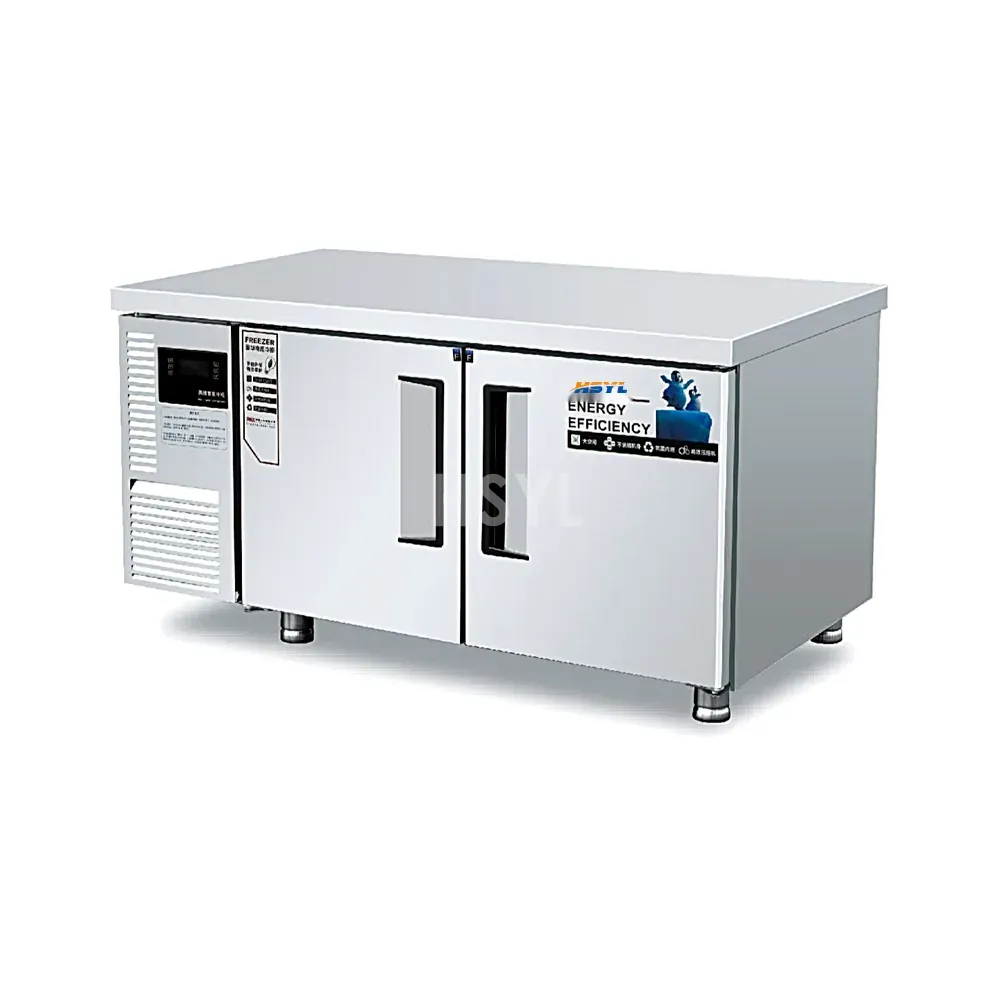
E Series Workbench Refrigerator and Freezer Range
Compare E Series workbench refrigerators and freezers by storage duty, cooling method and footprint. Request a model-specific quotation for your kitchen.
View productEngineering-Led Commercial Kitchen Manufacturing
HSYL Kitchen Systems designs and produces heavy-duty commercial kitchen equipment for central kitchens, hotels, canteens, hospitals and high-capacity restaurants. Our goal is to provide precise equipment matching, documented quality gates and verified delivery for global foodservice operations.
- Food-grade SUS304 & SUS316 stainless steel construction
- Custom engineering layout & CAD drawing support
- Multi-stage factory quality control & FAT testing
- Factory-direct supply chain with spare parts backup
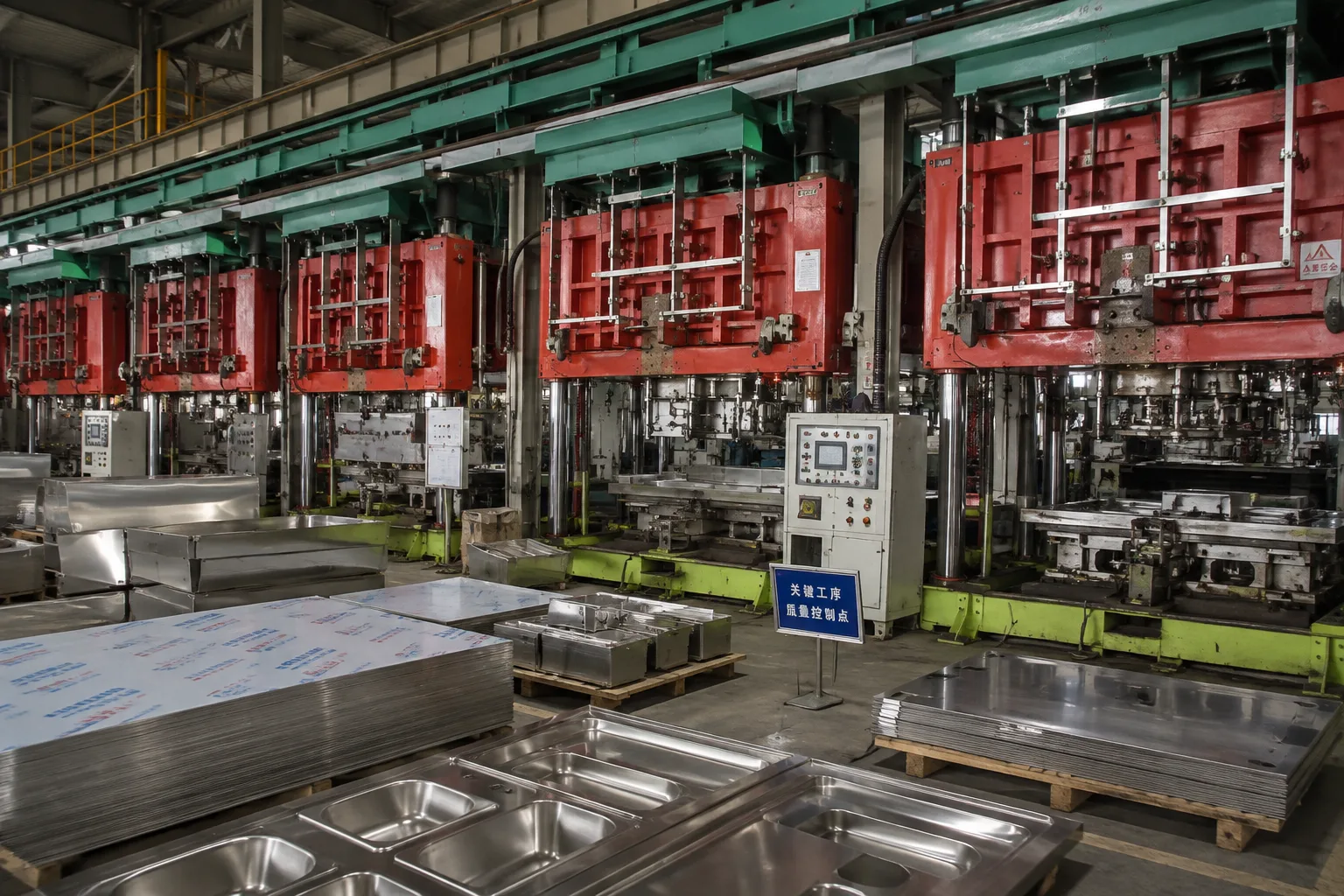
Advanced OEM Processing Equipment & Lines
Equipped with world-class automated sheet metal processing, precision bending centers, thermal foaming lines, and vacuum test rigs to support high-volume commercial kitchen OEM/ODM manufacturing.
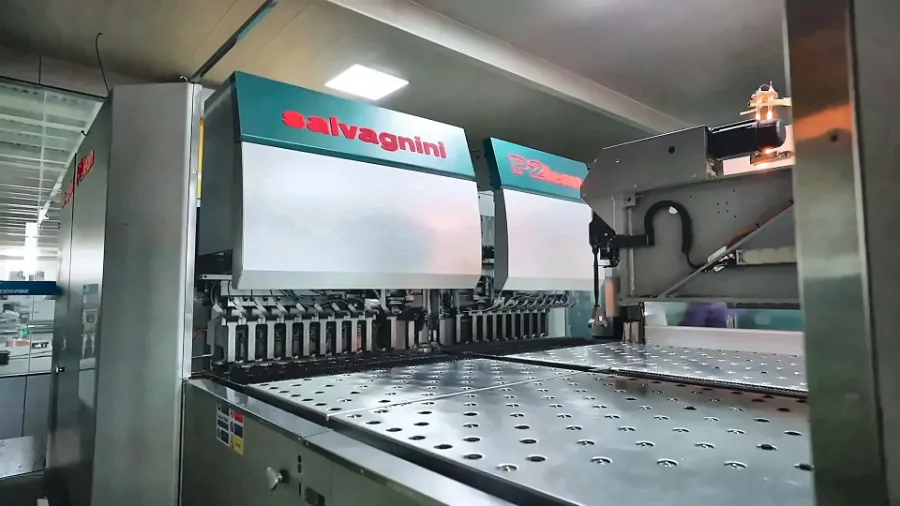
Italian Salvagnini Panel Bending Center
Automated sheet metal bending system for seamless cabinet fabrication and tight structural tolerances.
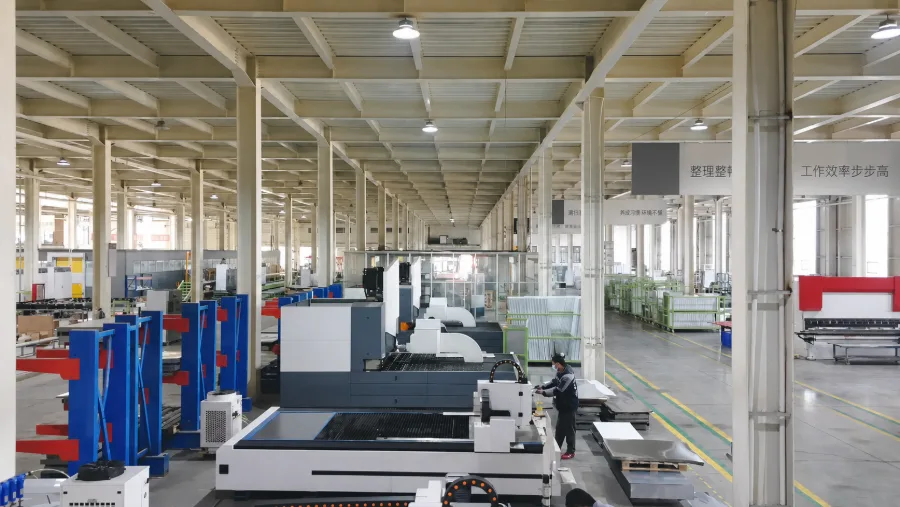
Automated Bending & Laser Cutting Line
Integrated flexible processing line combining fiber laser cutting and multi-axis CNC bending.
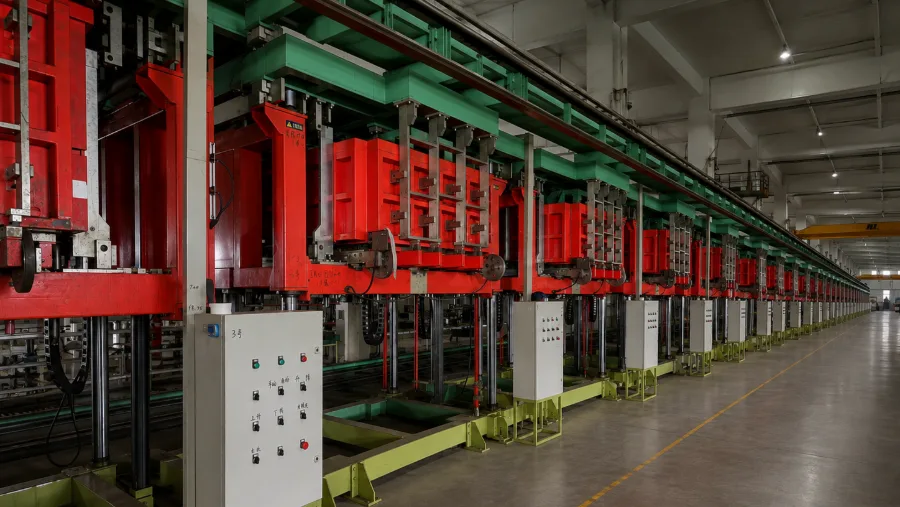
Constant-Temperature Foaming Line
Continuous polyurethane thermal insulation foaming line ensuring uniform core density.
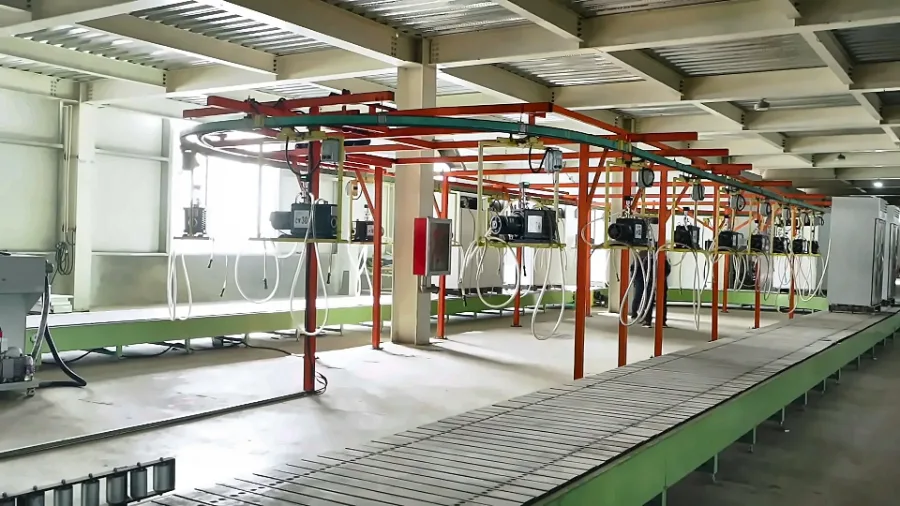
Vacuum Extraction & Testing Line
High-vacuum circuit evacuation and automated leak detection for commercial cooling systems.
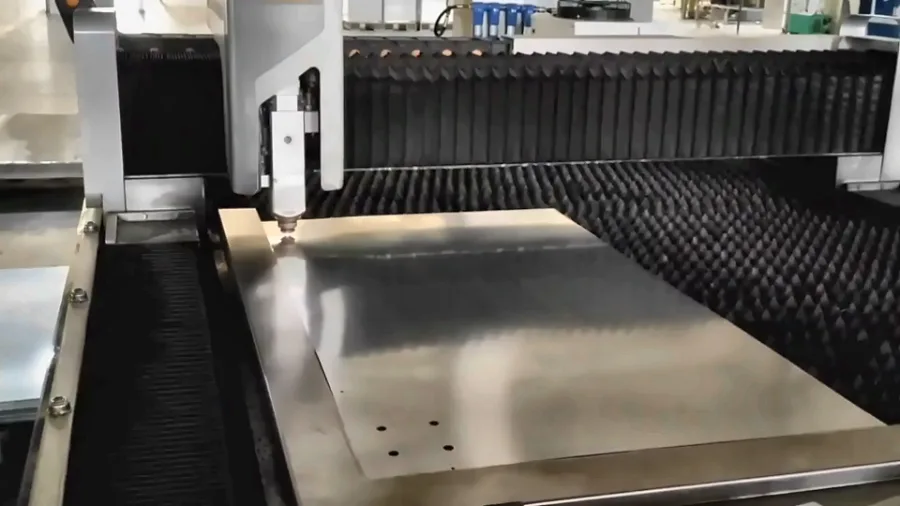
Laser Cutting & CNC Punching Station
High-speed fiber laser cutting and precision CNC punching for intricate component fabrication.
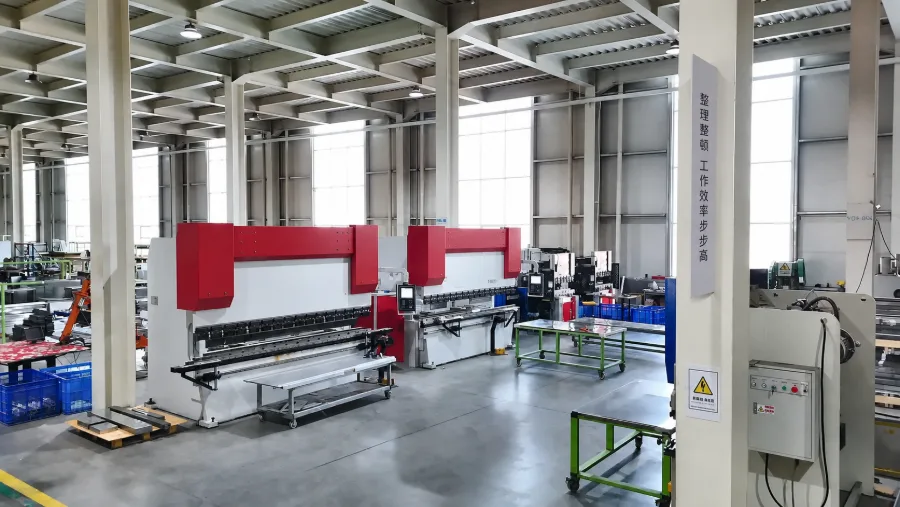
Canadian Heavy-Duty CNC Press Brake
High-tonnage precision press brake for large-format stainless steel sheet forming.
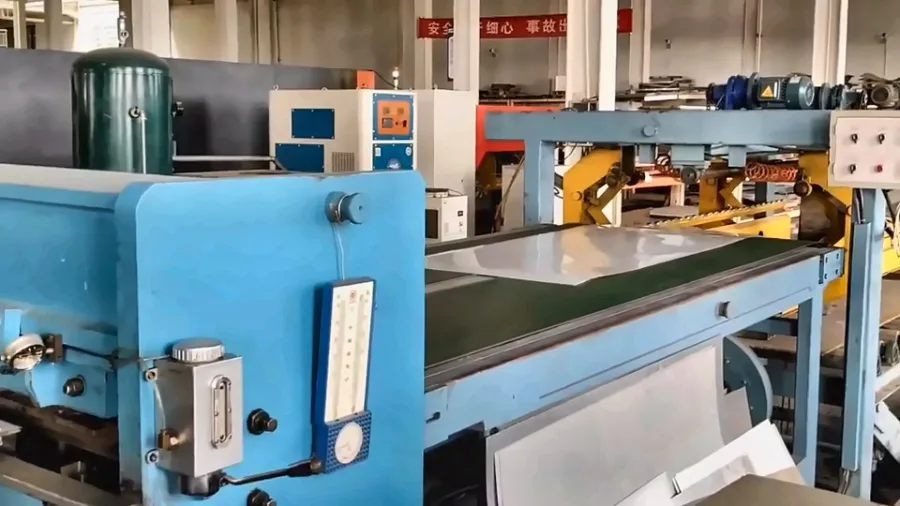
Material Shearing & Cutting Line
Automated heavy-gauge stainless steel shearing and precision raw material sizing.
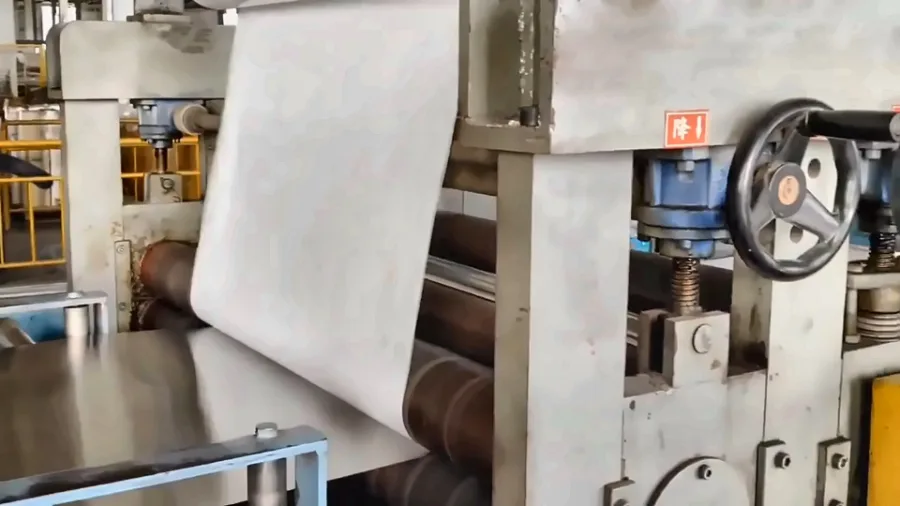
Material Film Laminating Line
Automated surface protection film application to preserve satin and mirror metal finishes.
Explore Popular Kitchen Equipment
Browse equipment that visitors frequently explore, then review the exact model and specifications for your project.
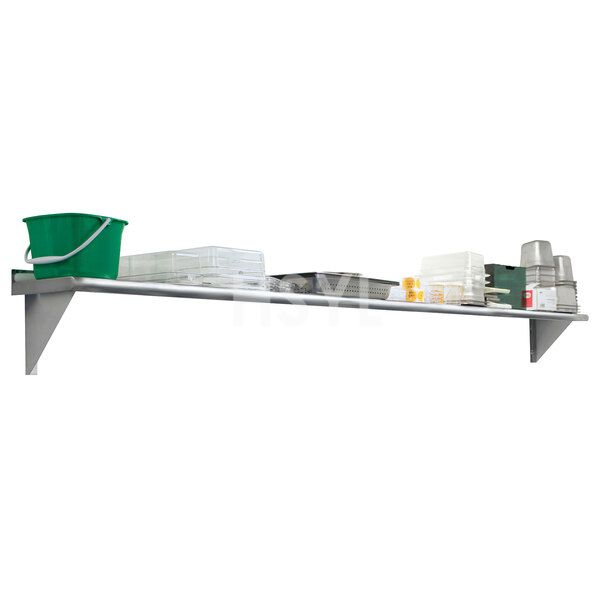
Stainless Steel Wall Shelves
Stainless Steel Wall Shelves for commercial kitchens, fabricated to project dimensions in ...
View product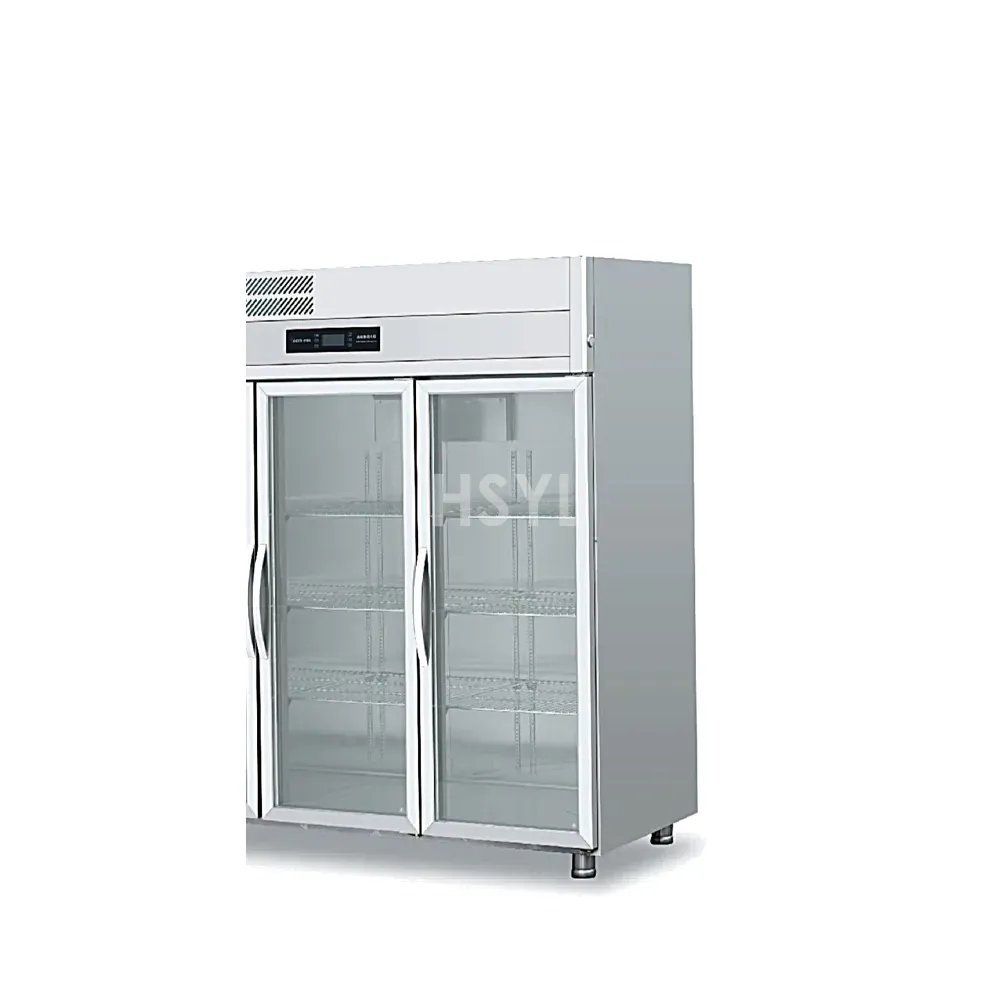
E Series Display Refrigerator Range
Compare E Series display cabinets by door layout, footprint and storage duty. Confirm the ...
View product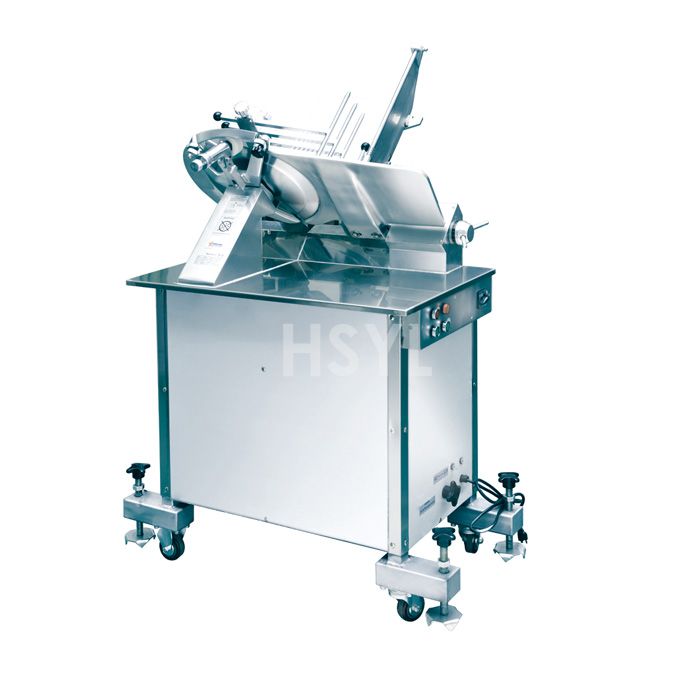
Commercial Meat Slicer-FP-HB-350400
Compare HB-350/400 meat slicers around meat size, slice thickness and production needs. Re...
View product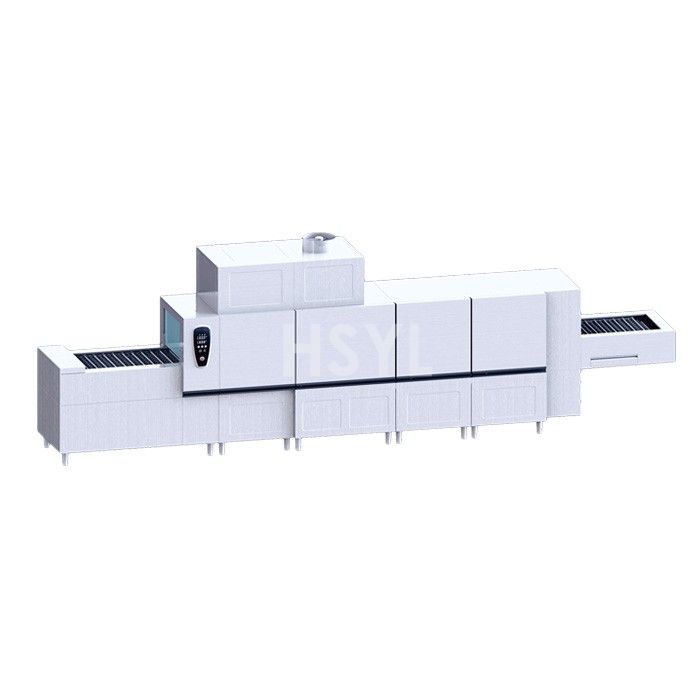
HDW8000L Steam-Heated Commercial Dishwasher
Quick Summary: The HDW8000L Steam-Heated Commercial Dishwasher (Model: CK-HDW8000L) is a h...
View product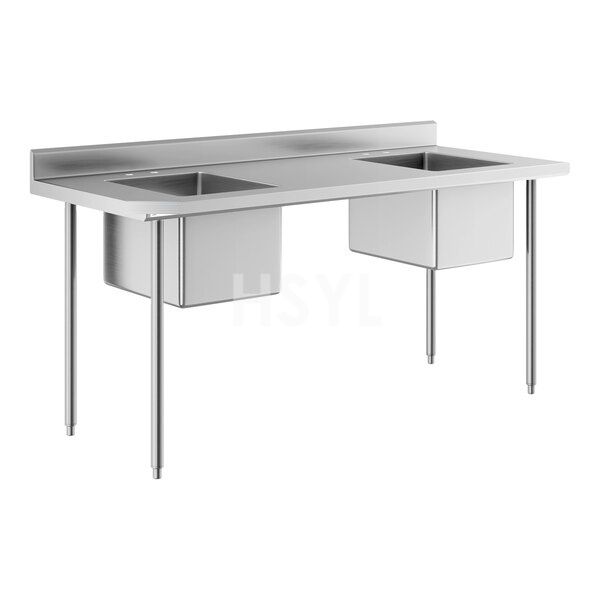
Two-Compartment Commercial Sinks
Two-Compartment Commercial Sinks for commercial kitchens, fabricated to project dimensions...
View product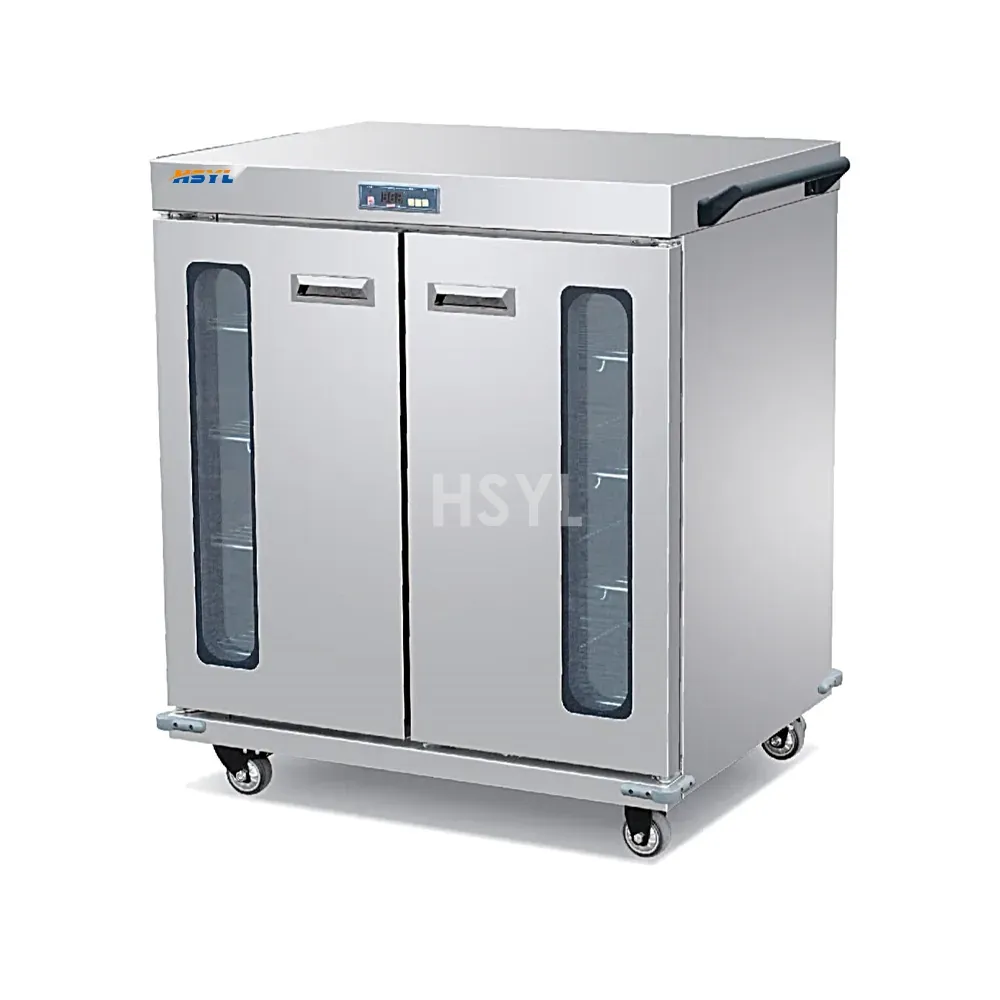
E234-BCW02-11 Horizontal Banquet Cart
Quick Summary: The E234-BCW02-11 Horizontal Banquet Cart-B (Model: SL-E234-BCW02-11) is a ...
View product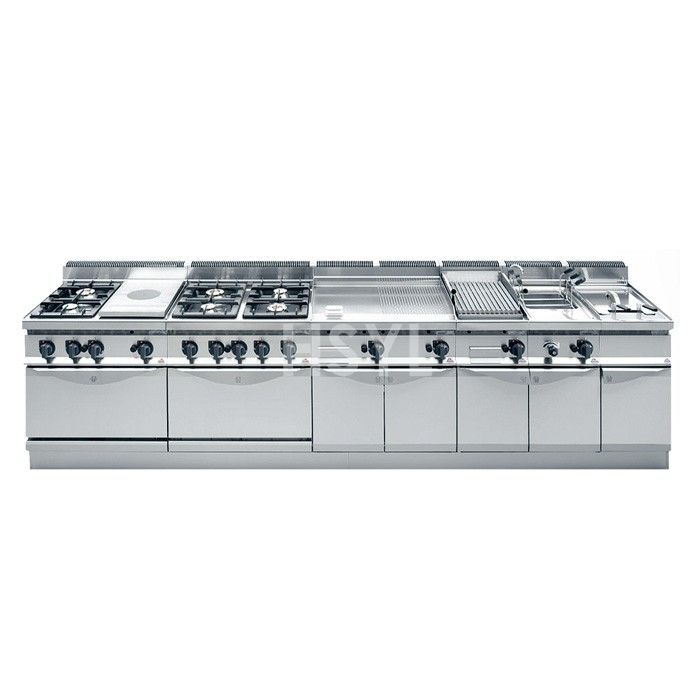
700-Series Combined Western Kitchen Stove
Quick Summary: The 700-Series Combined Western Kitchen Stove (Model: CK-BERTO) is a heavy-...
View product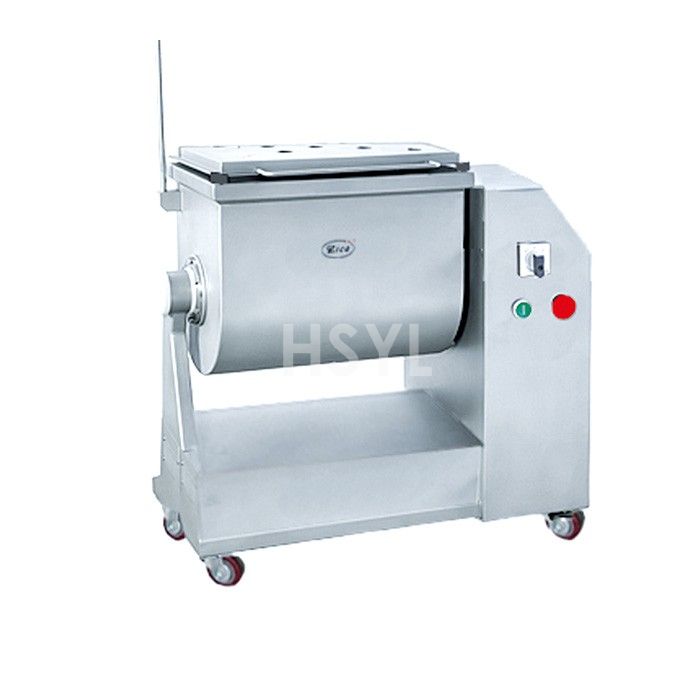
Commercial Meat Mixers
Commercial meat mixers for central kitchens, restaurant prep and meat-processing workstati...
View product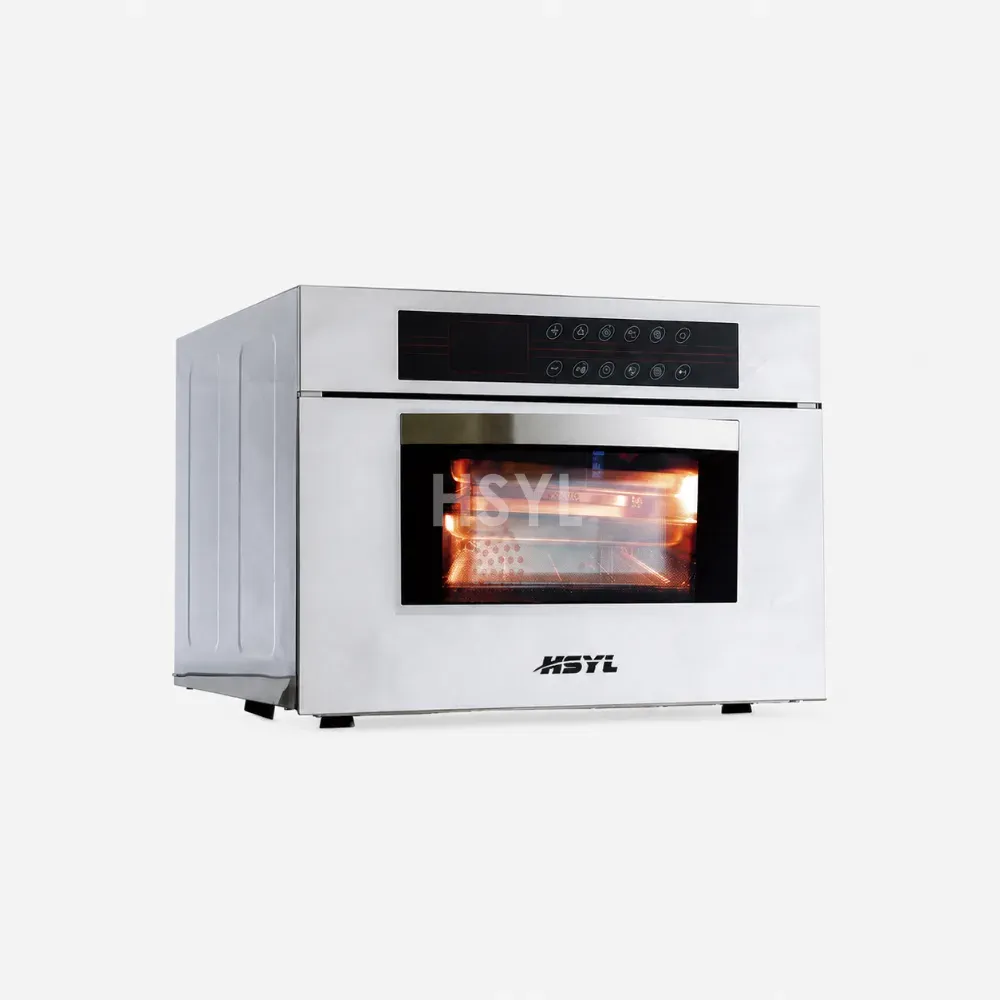
Commercial Ovens for Professional Kitchens
Commercial electric and convection oven solutions for professional kitchens. Review HSYL c...
View product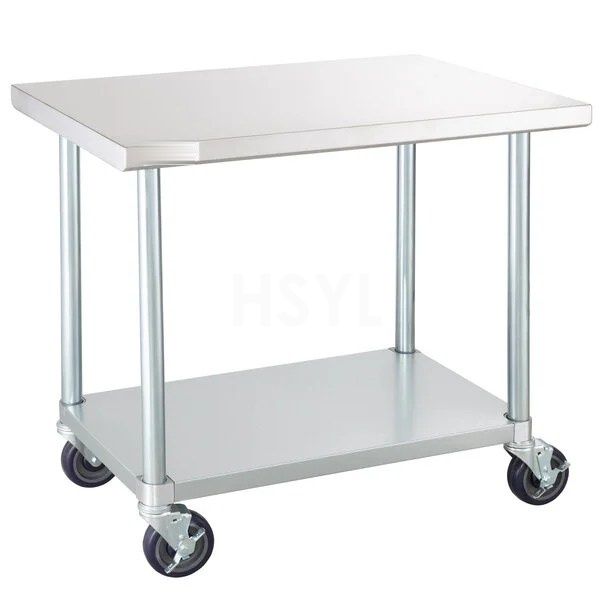
Stainless Steel Kitchen Trolleys
Stainless Steel Kitchen Trolleys for commercial kitchens, fabricated to project dimensions...
View product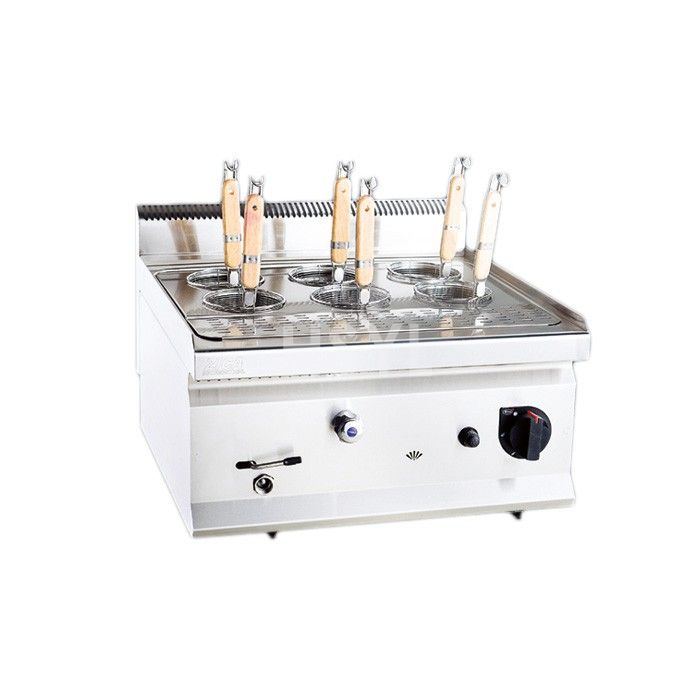
HP Countertop Gas Pasta Cooker Range
Compare HP6035G and HP6060G countertop gas pasta cookers. Review footprint and gas require...
View product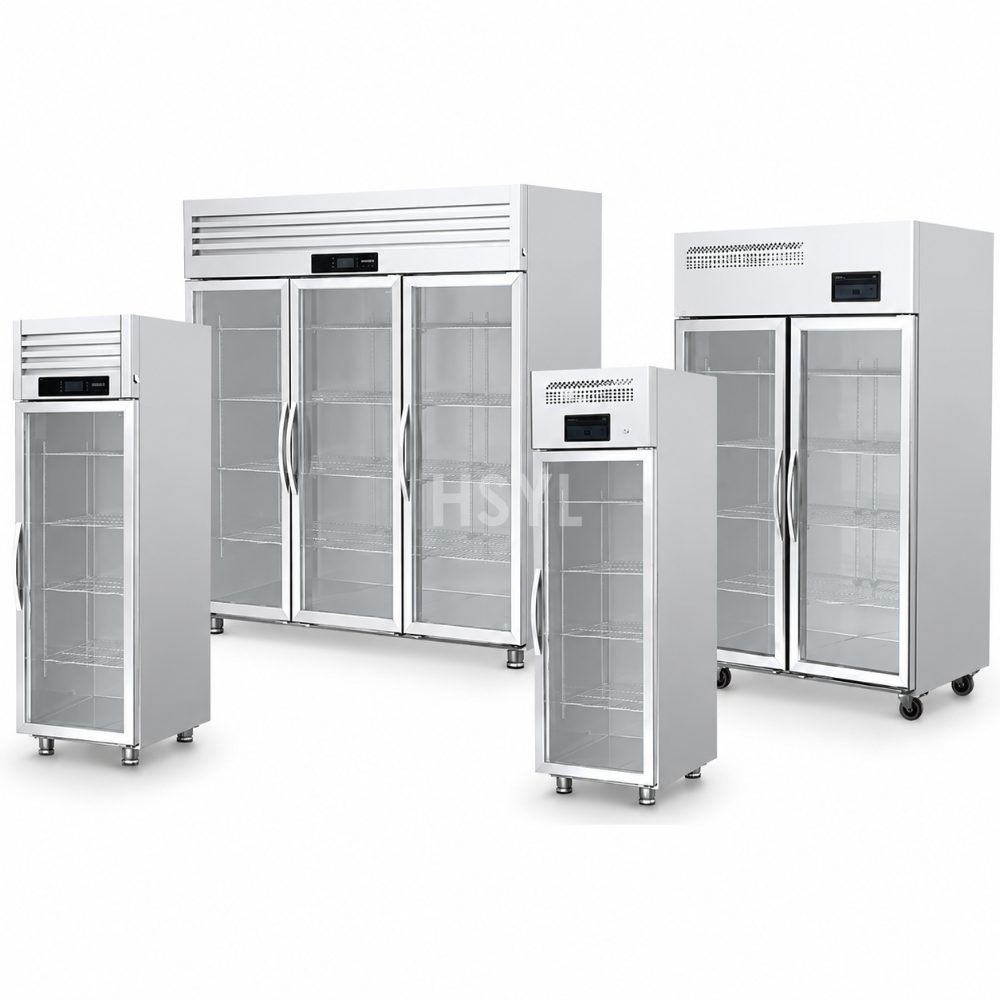
Q and S Series Direct-Cooling Display Cabinet Range
Compare Q and S Series display cabinets for your products and store layout. Confirm temper...
View product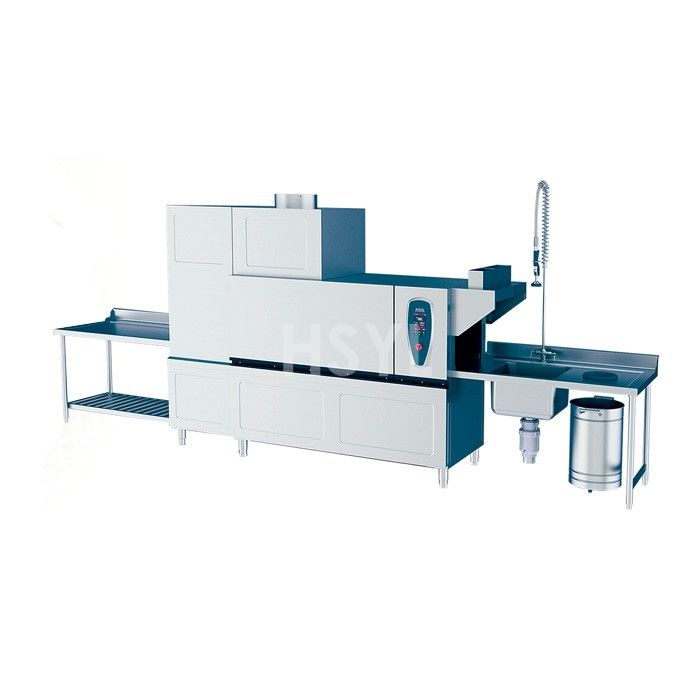
HDW260-EL-R Electric-Heated Commercial Dishwasher
Compare HDW260-EL-R Electric-Heated Commercial Dishwasher capacity, heating, dimensions, u...
View product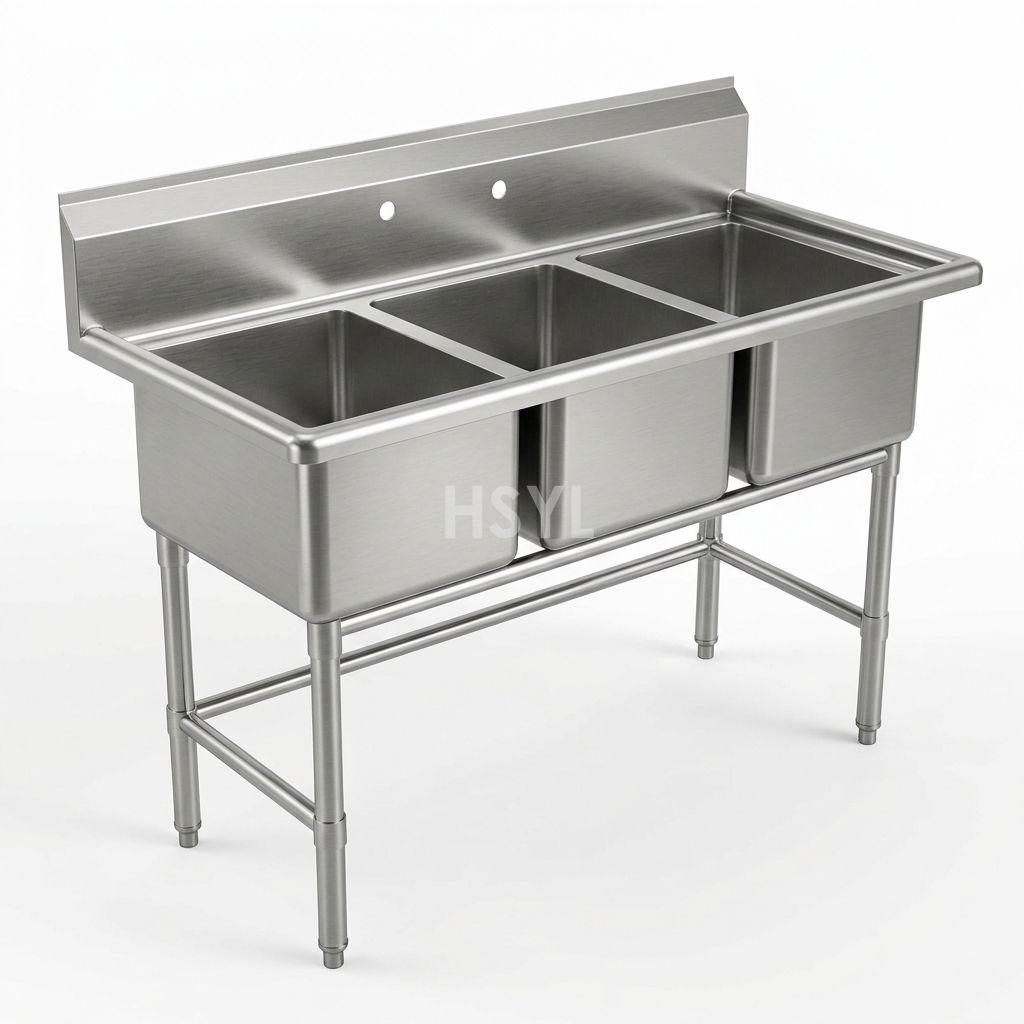
Three-Compartment Commercial Sinks
Three-Compartment Commercial Sinks for commercial kitchens, fabricated to project dimensio...
View product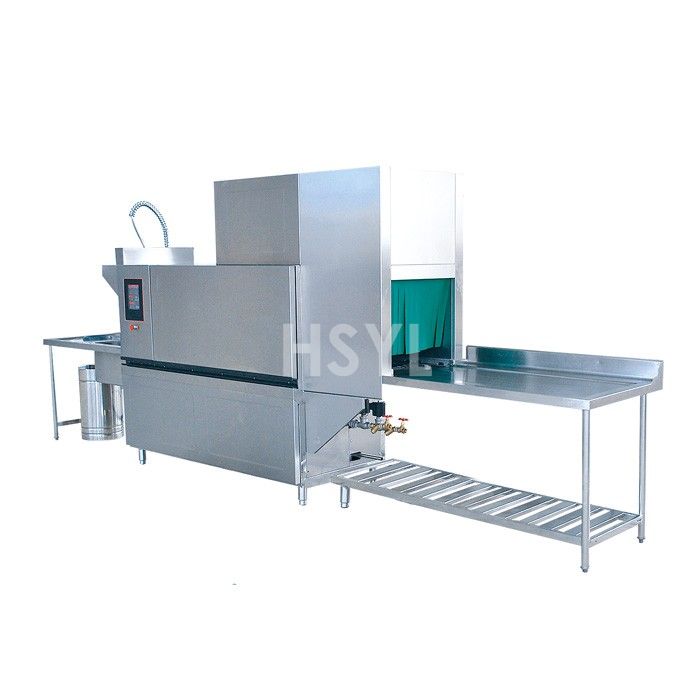
HDW260-SL-R Steam-Heated Commercial Dishwasher
Compare HDW260-SL-R Steam-Heated Commercial Dishwasher capacity, heating, dimensions, util...
View product Stainless Steel Wall Shelf
Plan stainless steel kitchen wall shelves for utensils, containers and clean storage. Spec...
View product
Commercial Vegetable Washers
Commercial Vegetable Washers for central kitchens, food processing plants, canteens and re...
View product
Commercial Grease Traps
Commercial Grease Traps for commercial kitchens, fabricated to project dimensions in AISI ...
View productFrequently Asked Questions
Can a holding freezer also freeze freshly prepared meat?
That duty must be confirmed for the exact equipment. Request a separate representative active-freezing trial with the product's initial condition, package, load and buyer-approved release criteria; storage volume alone does not establish freezing throughput.
How should I compare freezer volume for boxed meat?
Map the actual packages into confirmed usable positions with the manufacturer’s loading and airflow instructions. Compare peak package count with workable positions rather than assuming every advertised litre is usable carton space.
Plan the Equipment Around Your Kitchen.
Share your menu, peak service demand, available space and site utilities. Tell us which equipment you are considering so we can review the requirements with you.