Commercial Stainless Steel Tables with Wheels: Bases and Routes
Compare commercial stainless steel tables with wheels by base, whole-assembly loads, locks and kitchen route. Distinguish repositioning from repeated transport.
Choose a commercial stainless steel table with wheels as a complete workstation: usable top, base, caster attachments, locks and documented load conditions. Confirm that it remains stable during preparation and can travel through the actual kitchen route. A wheel rating alone is not a whole-table capacity.
Choose what movement the workstation must support
Move for cleaning
Define the empty or permitted loaded movement, parking positions and access needed around the preparation station.
Define the movement taskReposition between shifts
Check the base, shelf or storage arrangement and whole-table stability in each working position.
Compare workstation basesRepeated loaded travel
Review documented moving loads, retention, thresholds, turning and locks; a worktable is not automatically a transport trolley.
Check the travel routeStart with the reason the table needs to move
A mobile table can serve several different jobs, and the purchasing specification should name the intended one. A preparation station moved aside for floor cleaning has a different working pattern from a bench repositioned between shifts. A table repeatedly carrying containers through a kitchen creates another task. Decide whether movement is occasional, part of production, or part of every service cycle before choosing the base.
Describe what remains on the top and lower shelf during each move. Empty repositioning may be the permitted use for one configuration, while another design may support a stated loaded movement task. The purchase order should reflect the instructions for the actual assembly. Do not use a photograph showing wheels as evidence that movement with an appliance, tall stack or uneven load is acceptable.
Keep preparation and transport decisions separate. A dedicated catering trolley may offer tray retention, handling positions and shelf spacing suited to transfers. A worktable may prioritise a usable cutting or assembly surface. If the operation needs both functions, ask the supplier to confirm both rather than assuming a mobile bench automatically replaces a transport cart.
Compare the base around the work being done
| Arrangement | Useful purchasing question | Evidence to request | Limit to check |
|---|---|---|---|
| Open base with undershelf | Can staff access stored containers without interrupting the task? | Top, shelf and support drawing with separate load conditions | Floor cleaning access, container restraint and operator reach |
| Drawer base | Which tools need immediate access at the workstation? | Drawer extension, retention and base stability details | Movement restrictions and clearance with drawers open |
| Enclosed cabinet base | Does the task benefit from enclosed storage? | Door travel, ventilation if relevant and internal access drawing | Cleaning access and additional handling mass |
| Appliance support table | Does the appliance installation permit this support arrangement? | Appliance footprint, point loads and approved utility layout | Connection, restraint, heat and movement instructions |
| Dedicated transfer trolley | Is repeated transport the main job? | Shelf spacing, load retention, handles and route suitability | Suitability as a stationary preparation surface |
The table is a decision aid, not a declaration that every arrangement is available in every product line. Ask for the configuration that will actually be supplied, including optional accessories and components removed from the standard version. Two quotations can carry the same product description while specifying different bases, wheels or storage arrangements.
Specify surface size by the working task rather than simply selecting the longest top that fits against a wall. Containers, boards and tools occupy part of the available space. Include the operator position and where finished items go next. A larger top can increase movement difficulty or reach distance without increasing useful preparation capacity.
Stationary, distributed, point and moving load conditions
Separate the weight carried on the top from weight placed on an undershelf, in drawers or inside a cabinet. Record whether the load is spread over the surface or concentrated beneath appliance feet. A quoted distributed load is not automatically a point-load allowance. The supplier should state the meaning of each rating for the actual table revision.
Also separate stationary use from movement. Ask whether a documented limit applies with locks engaged on a level floor, while rolling under specified conditions, or only to a component tested separately. The frame, supports, attachment plates and load position all belong to the assembly. Multiplying one caster's number by the wheel count cannot establish an independently verified complete-table rating.
Describe tall, off-centre and changing loads. Containers may move as contents are removed; an open drawer changes the position of part of the load; staff may apply force while preparing food. These are operating conditions to discuss with the supplier and site assessor. They should not be reduced to a single weight number that ignores how the station is used.
For quotation acceptance, request the model or drawing revision associated with the load documentation. If a buyer changes dimensions, shelf positions or casters, confirm whether the original documentation still covers that arrangement. Record the permitted use in staff instructions after commissioning so an accepted preparation table does not later become an improvised heavy transport trolley.
Wheel, swivel and parking locks
Record caster diameter, wheel material, attachment method, bearing arrangement and replacement identity from the proposed drawing or component schedule. These details are procurement requests, not assumed HSYL specifications. Suitability depends on the floor, environment, cleaning practices and movement task. A generic description such as heavy duty does not identify the proposed caster assembly.
Ask which movement each lock restrains. A device may restrain wheel rotation, swivel movement or both, depending on its design. Write the required working behaviour in the specification and confirm it against the supplied component instructions. Locks should be accessible in the agreed parking position; an operator should not have to reach through a loaded shelf to secure the workstation.
Map the wheel arrangement to the route. Swivel and fixed wheels can affect turning and directional control, but a general wheel count does not establish how the loaded station will handle. Review the exact layout and conduct the supplier-approved acceptance activity on the actual floor. If additional stabilisers are proposed, include their operation and clearances in the same assessment.
Plan compatible replacement parts. Record whether replacing a wheel requires a particular plate, stem, fastener or adjustment procedure. Identify who will perform the work and how the correct replacement will be ordered. A visually similar caster may differ in height, attachment or locking behaviour, so a photograph should support the component record rather than replace it.
Complete this worksheet with site measurements. It is a planning tool, not a movement test or load certificate.
| Route stage | Record | Acceptance question |
|---|---|---|
| Working position | Locks, operator space and neighbouring equipment openings | Can the specified task be performed with the station secured? |
| Departure | Load arrangement, connections and access to handholds | Is the proposed movement permitted with this load? |
| Door or turn | Loaded envelope, handles, opening and turning space | Can the station pass without trapping staff or striking equipment? |
| Floor transition | Threshold, slope, floor finish and condition | Does the assessed task remain controlled over this transition? |
| Destination | Parking footprint, locks and unloading position | Can staff secure and unload the station as instructed? |
Measure the loaded route, not only the doorway
Measure the complete moving envelope, including handles, protruding drawers where permitted, containers and any load that extends beyond the top. A narrow table can still fail to turn in a confined passage. Include the person handling it and the room needed to change direction. Do not use a doorway width as the only route measurement.
Inspect thresholds, drains, uneven joints, floor contamination and gradients. The UK Health and Safety Executive's pushing and pulling guidance identifies route, load stability, wheels and brakes among relevant handling factors. Use a site-specific assessment for the actual job. It does not supply a universal safe load or certify a particular workstation.
Plan the route during service as well as when the kitchen is empty. Open refrigeration doors, waste collection, deliveries and staff movement can change the available space. Agree where a mobile station is parked when it is not in use. Its parking position should preserve the site's approved access arrangements and should not depend on repeatedly moving another loaded item.
Capture any unacceptable handling in the commissioning record and resolve it before the table becomes part of the routine. An obstacle may require a route change, a different configuration or an alternative transfer method. Do not compensate for a poor route by publishing a larger load rating or claiming that larger wheels solve every handling problem.
Make material and cleaning requirements specific
A stainless steel description does not identify the grade, sheet thickness, finish, joints or every material in the base. Request a material schedule for the food-contact top and for other relevant components. Tie it to the model or approved fabrication drawing. Match each construction detail to the offered HSYL assembly rather than relying on similar product photographs.
Review corners, seams, undershelf access, caster attachments and the spaces around drawers or cabinet doors. Cleaning beneath a mobile table can be useful, but the assembly still needs accessible surfaces and an agreed cleaning procedure. Ask how chemicals, rinsing practices and drying should be handled according to the supplied instructions and the site's sanitation programme.
For the United States, discuss sanitation evidence with the receiving authority or project specifier. NSF's food-equipment standards portfolio includes NSF/ANSI 2 within the scope of basic equipment structures such as tables. A reference to that standard is not proof that an ordered table is listed. If a listing is required, verify the manufacturer, exact model and applicable scope in the relevant directory.
For European, UK and other destinations, identify the requirements for the actual passive furniture and any separately fitted appliance with the responsible importer and local adviser. Request the relevant material and product documents. A certificate or declaration for an installed powered appliance does not by itself document the complete mobile station or authorise a different installation arrangement.
Attached appliances and approved movement procedures
If a mixer, slicer, cooker or other appliance is placed on the table, confirm its support and installation requirements separately. Include the appliance's operating mass, footprint, heat exposure, vibration where relevant and staff access. The worktable drawing should show the proposed arrangement rather than leaving the buyer to discover a poor fit during installation.
Electrical supply, gas connections, drainage and restraint are appliance and site matters. Record the actual voltage, frequency and phase for powered equipment where applicable; an unpowered stainless table has no operating electricity consumption of its own. Movement of a connected appliance must follow its instructions and the approved site procedure. Wheels do not turn a fixed installation into an approved mobile one.
Identify who approves the combined arrangement and who performs positioning, connection and commissioning. Supply of a table, delivery to the site and installation of an appliance can be separate scopes. Keep those responsibilities explicit in quotations so a furniture order is not treated as a complete operational installation package.
Compare the same configuration and assessment period. Use quoted costs and site records; no default savings or service intervals are assumed.
| Cost line | Input to obtain | Keep separate |
|---|---|---|
| Delivered assembly | Table, selected wheels, locks, accessories and freight | Price for a different base or stationary version |
| Site acceptance | Assembly, positioning and agreed inspection work | Appliance connection and commissioning |
| Routine ownership | Cleaning time and manufacturer-specified maintenance | Invented annual maintenance allowance presented as a fact |
| Repair exposure | Compatible parts, labour and practical replacement route | Unsupported promises of parts availability |
| Interruption exposure | Alternative work position and consequences of a failed lock or wheel | Speculative revenue savings |
Planned ownership cost = comparable delivered cost + agreed site work + maintenance and repair costs over the chosen period. Show uncertain inputs as separate quotation questions rather than hiding them in a single purchase price.
Close the order with drawings, packing and inspection
Request an approval drawing showing overall dimensions, working height, top and base arrangement, wheel locations and accessory clearances. Confirm whether the table ships assembled or needs site assembly. Include the fasteners, instructions and inspection responsibilities for any assembly work. Changes after approval should receive a new revision rather than an informal verbal substitution.
For imported orders, obtain packed dimensions, packed mass, packaging method and unloading requirements for the agreed configuration. Confirm the shipping term and what the freight quotation covers. Calculate any container plan from verified packing data and other items in the shipment; there is no defensible universal 20GP or 40HQ quantity for all mobile worktables.
Before accepting a quotation, align the scope with a receiving record: model or drawing revision, quantity, agreed construction, wheel and lock identities, included accessories and documentation. At receipt, check shipping damage and component identity before loading or operating the station. Resolve discrepancies through the supplier's agreed process and retain the acceptance record with the equipment documentation.
Send HSYL the preparation task, intended loads, movement pattern, site drawing, destination and required quantity. Request the complete table specification and an itemised quotation for that configuration. Compare commercial stainless steel tables with wheels by documented use, stable preparation and controlled handling, then close the remaining details in the written order.
Preparation stations and transport responsibilities
- Restaurant preparation tables
Compare stationary and mobile workstation duties.
- Commercial food trolleys
Use a distinct transport brief where repeated carrying is the actual task.
- Stainless-steel equipment range
Request an exact documented mobile assembly; no unconfirmed caster model is selected here.
Send the working task, stationary and moving loads, desired base, route measurements, parking arrangement and any attached appliance details. Contact HSYL with the brief.
Engineering-Led Commercial Kitchen Manufacturing
HSYL Kitchen Systems designs and produces heavy-duty commercial kitchen equipment for central kitchens, hotels, canteens, hospitals and high-capacity restaurants. Our goal is to provide precise equipment matching, documented quality gates and verified delivery for global foodservice operations.
- Food-grade SUS304 & SUS316 stainless steel construction
- Custom engineering layout & CAD drawing support
- Multi-stage factory quality control & FAT testing
- Factory-direct supply chain with spare parts backup
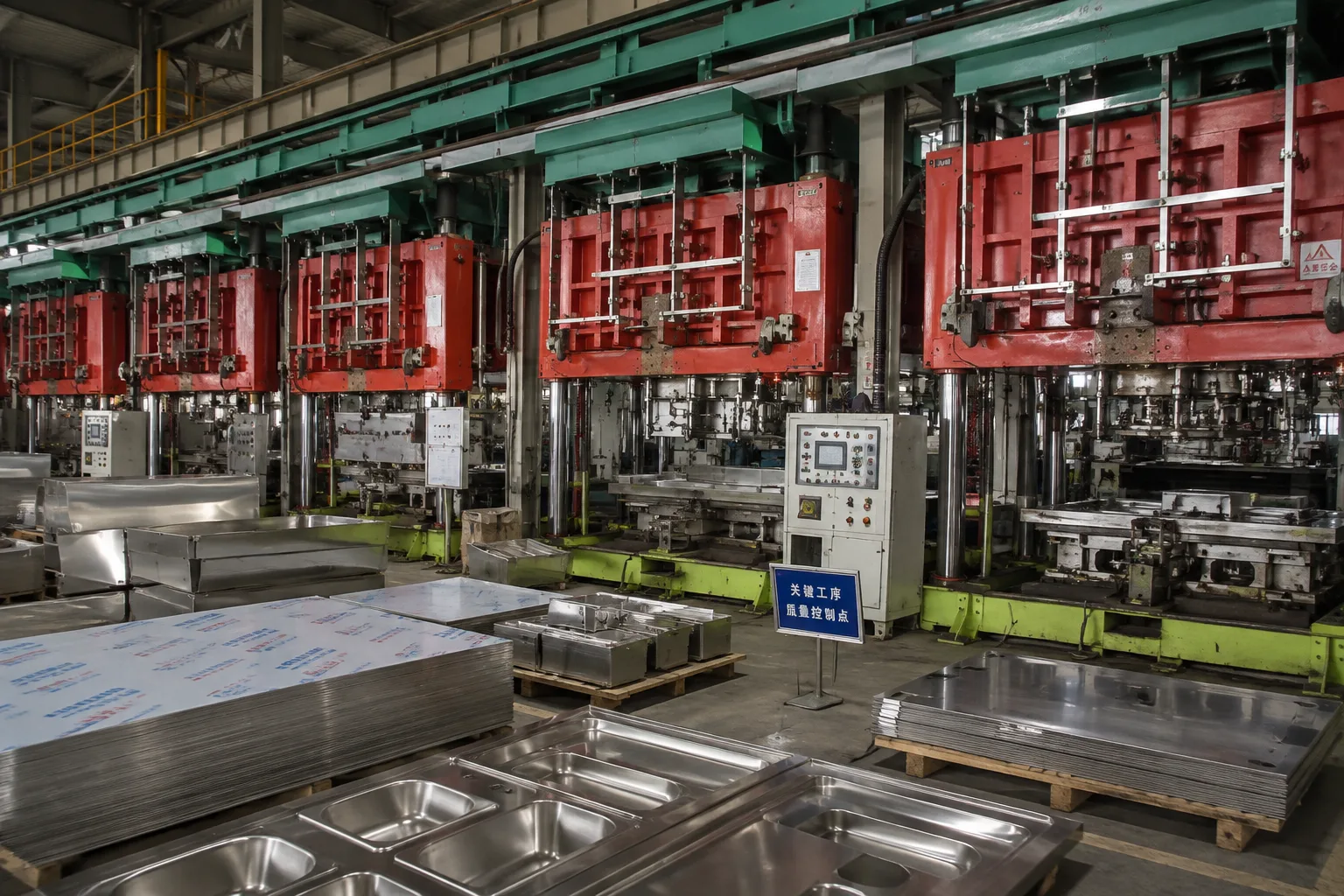
Advanced OEM Processing Equipment & Lines
Equipped with world-class automated sheet metal processing, precision bending centers, thermal foaming lines, and vacuum test rigs to support high-volume commercial kitchen OEM/ODM manufacturing.
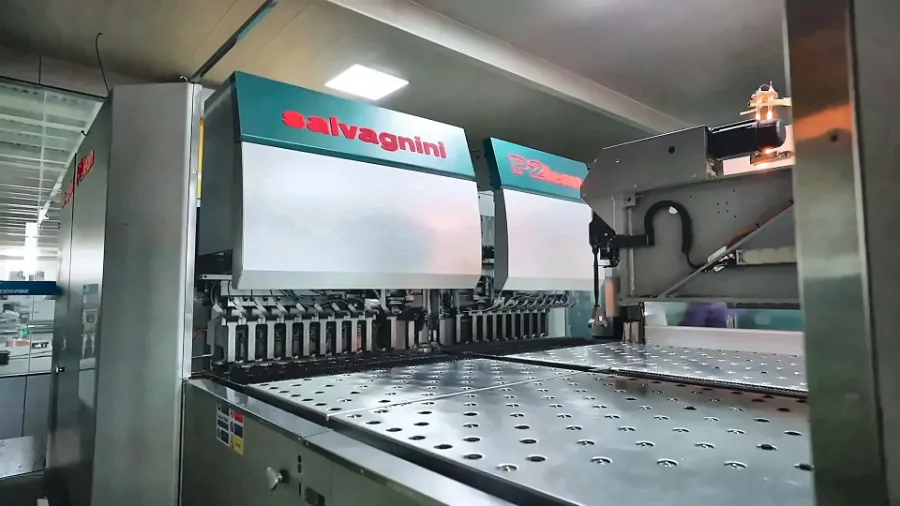
Italian Salvagnini Panel Bending Center
Automated sheet metal bending system for seamless cabinet fabrication and tight structural tolerances.
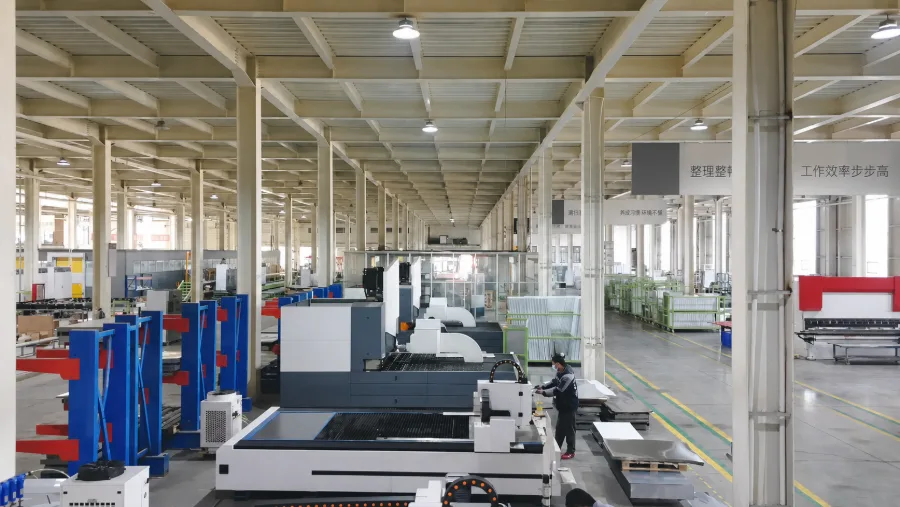
Automated Bending & Laser Cutting Line
Integrated flexible processing line combining fiber laser cutting and multi-axis CNC bending.
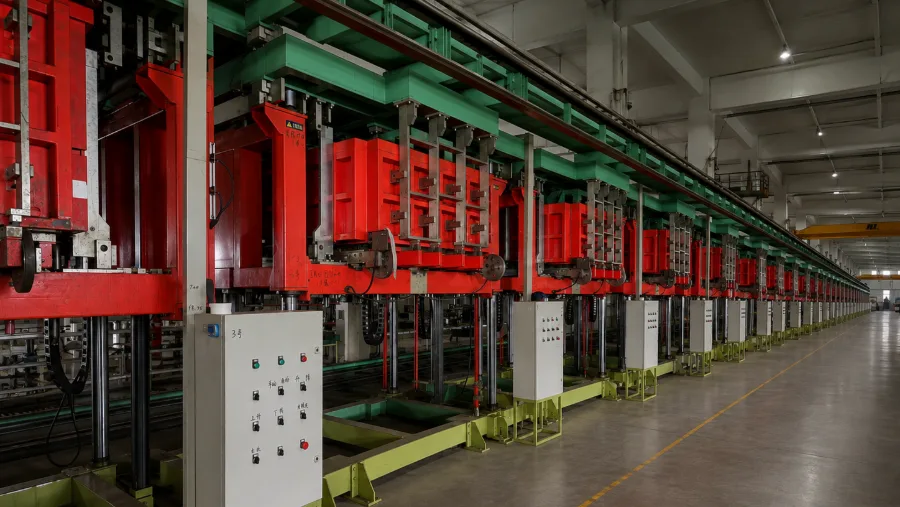
Constant-Temperature Foaming Line
Continuous polyurethane thermal insulation foaming line ensuring uniform core density.
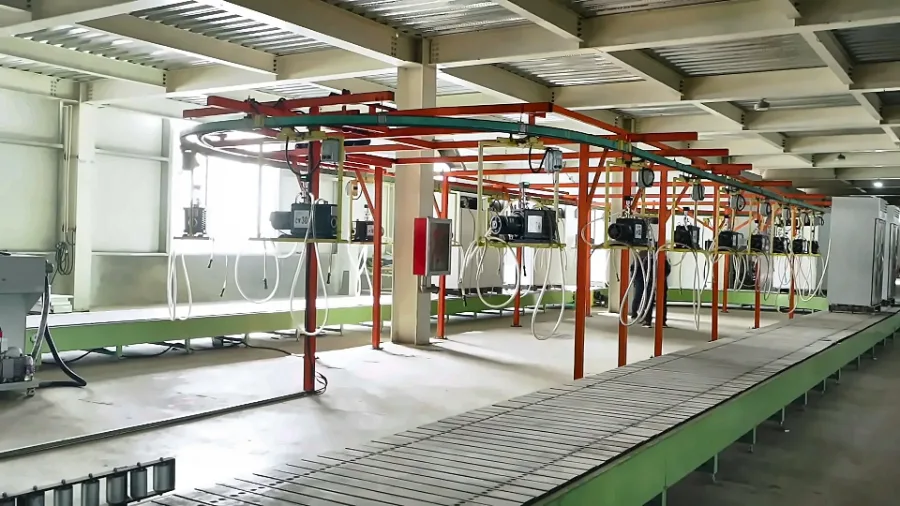
Vacuum Extraction & Testing Line
High-vacuum circuit evacuation and automated leak detection for commercial cooling systems.
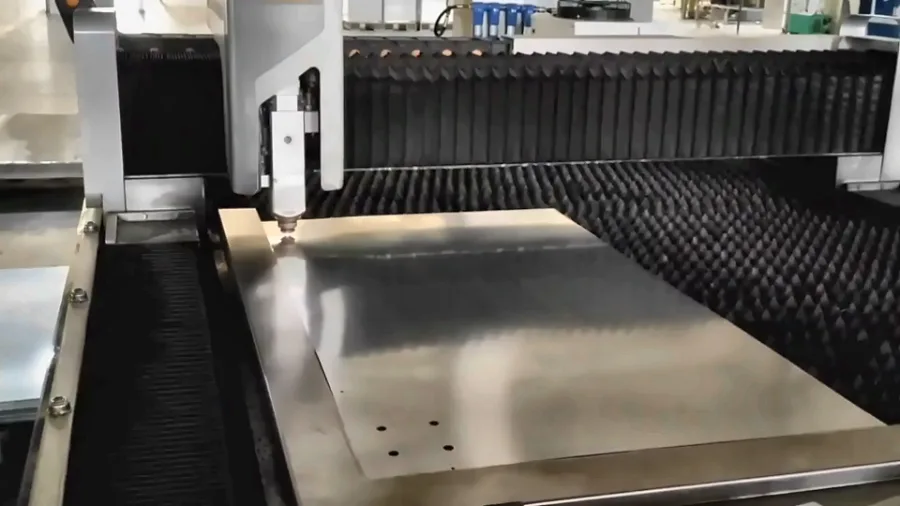
Laser Cutting & CNC Punching Station
High-speed fiber laser cutting and precision CNC punching for intricate component fabrication.
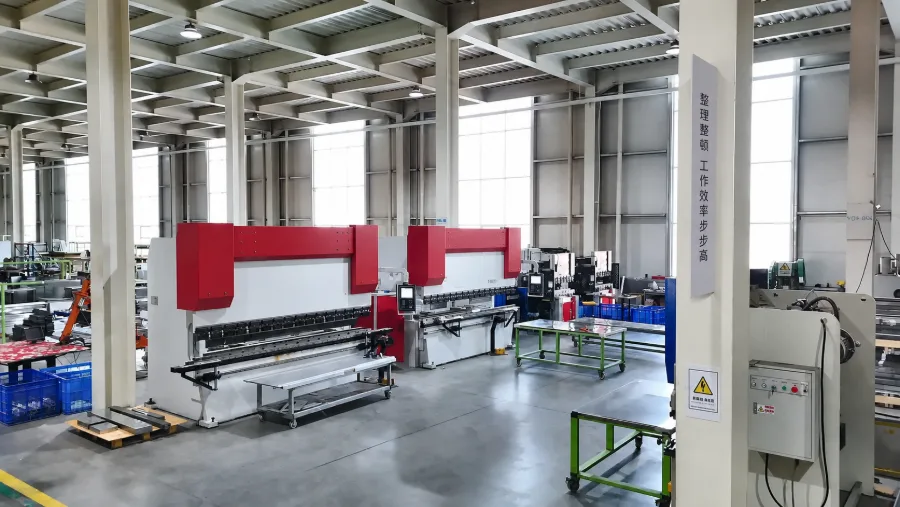
Canadian Heavy-Duty CNC Press Brake
High-tonnage precision press brake for large-format stainless steel sheet forming.
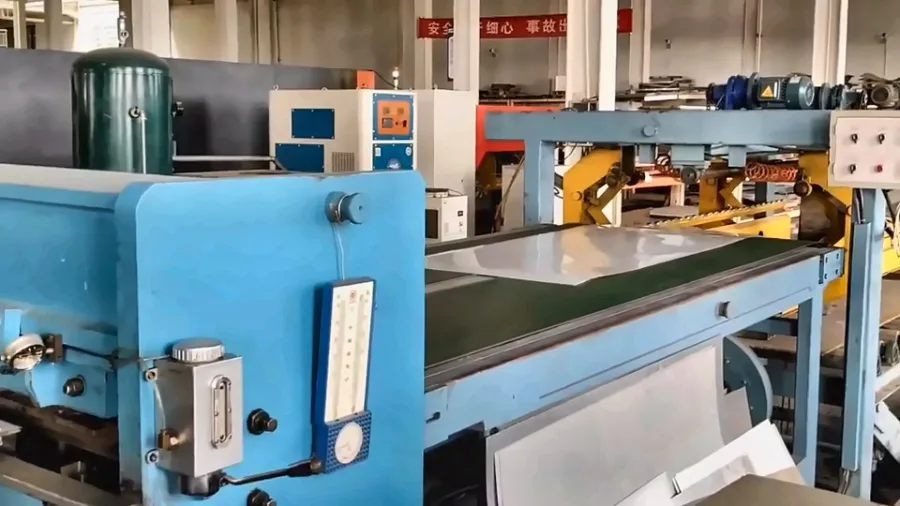
Material Shearing & Cutting Line
Automated heavy-gauge stainless steel shearing and precision raw material sizing.
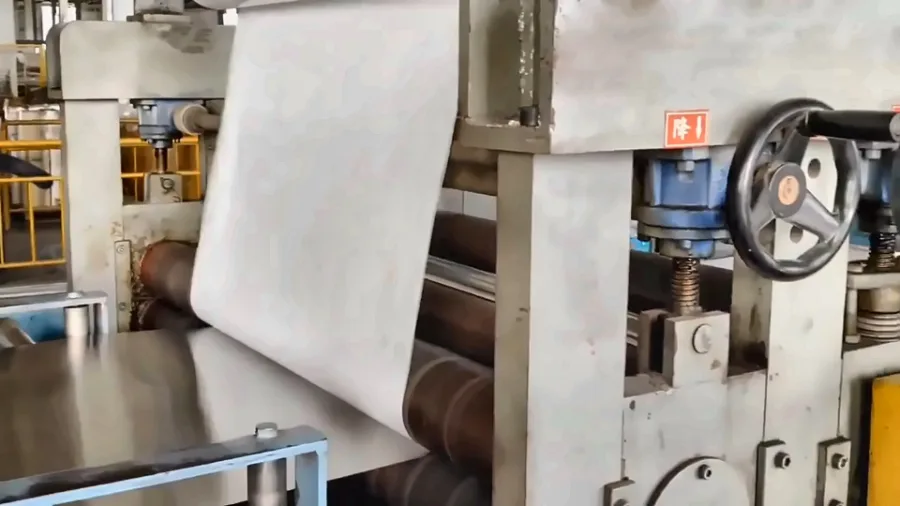
Material Film Laminating Line
Automated surface protection film application to preserve satin and mirror metal finishes.
Explore Popular Kitchen Equipment
Browse equipment that visitors frequently explore, then review the exact model and specifications for your project.
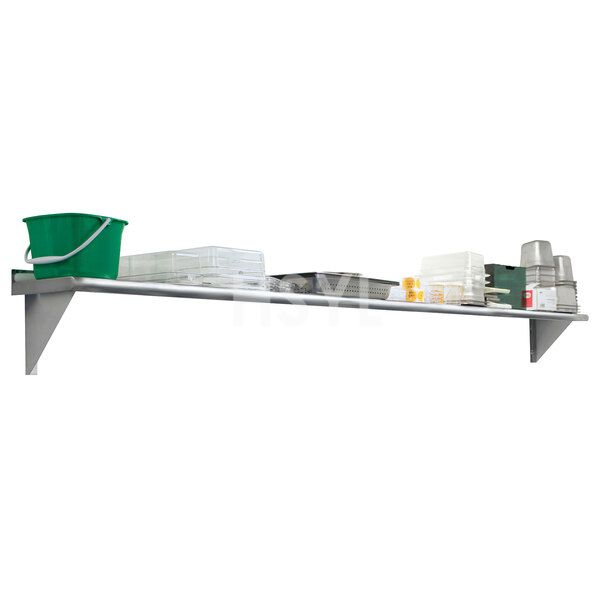
Stainless Steel Wall Shelves
Stainless Steel Wall Shelves for commercial kitchens, fabricated to project dimensions in ...
View product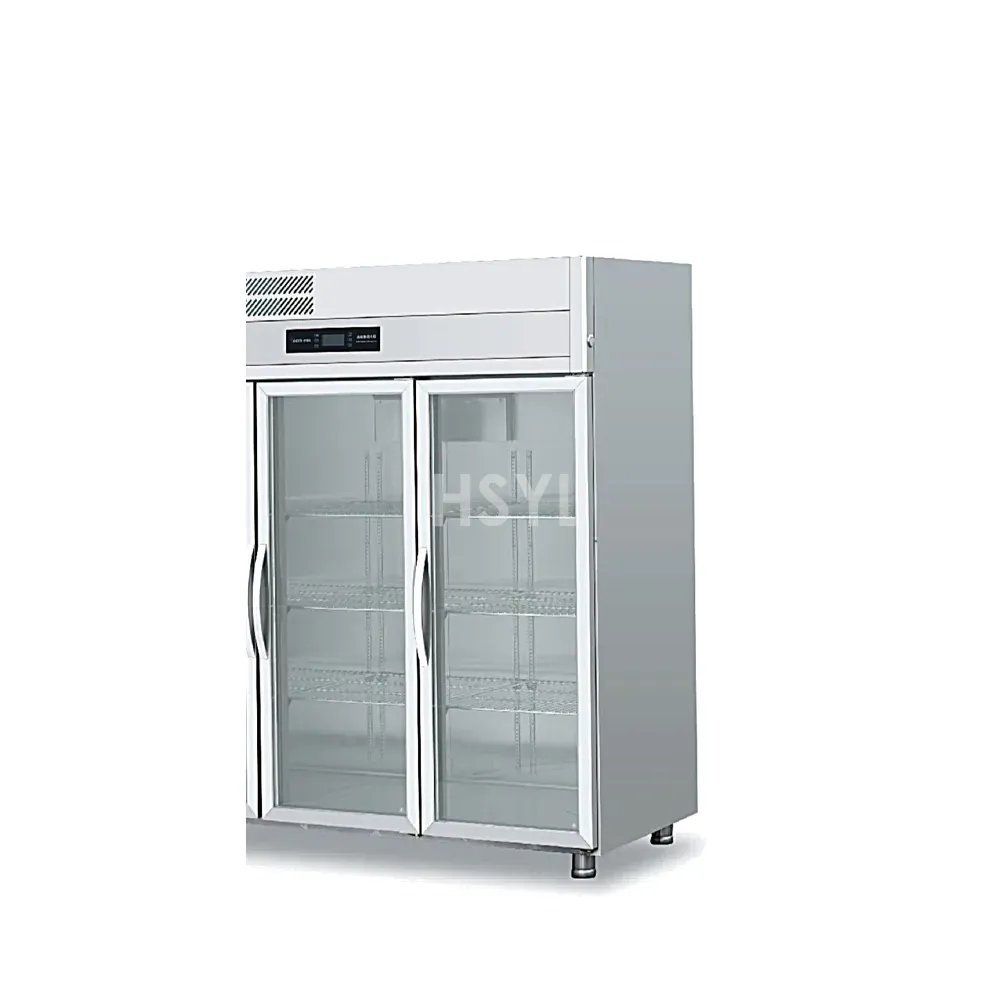
E Series Display Refrigerator Range
Compare E Series display cabinets by door layout, footprint and storage duty. Confirm the ...
View product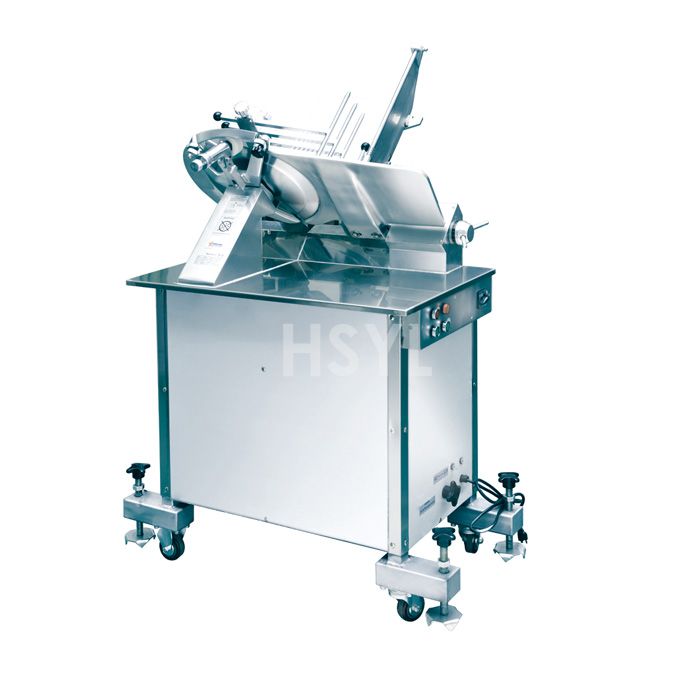
Commercial Meat Slicer-FP-HB-350400
Compare HB-350/400 meat slicers around meat size, slice thickness and production needs. Re...
View product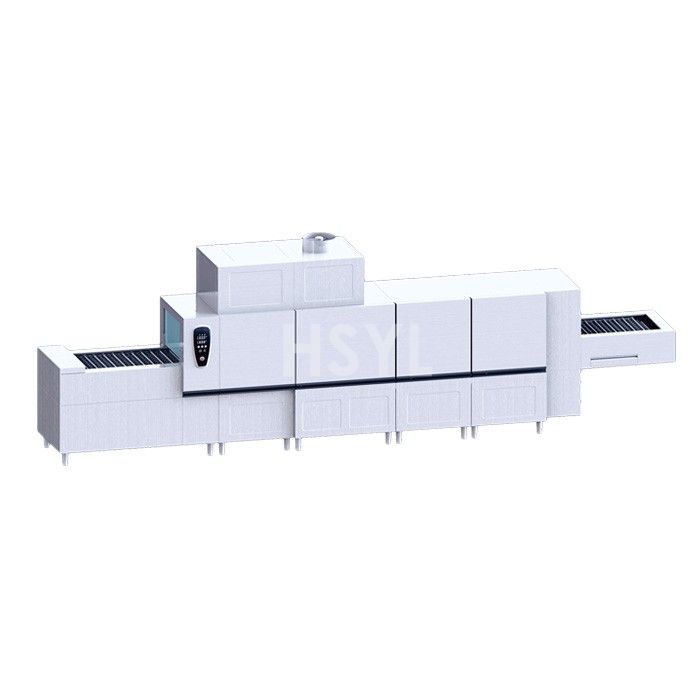
HDW8000L Steam-Heated Commercial Dishwasher
Quick Summary: The HDW8000L Steam-Heated Commercial Dishwasher (Model: CK-HDW8000L) is a h...
View product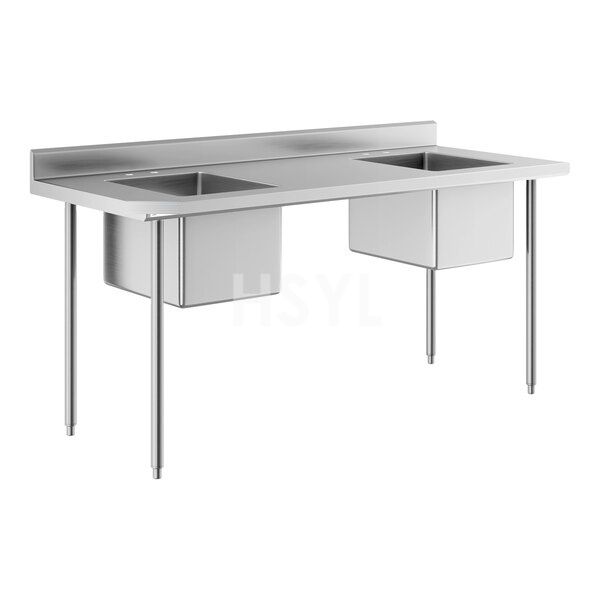
Two-Compartment Commercial Sinks
Two-Compartment Commercial Sinks for commercial kitchens, fabricated to project dimensions...
View product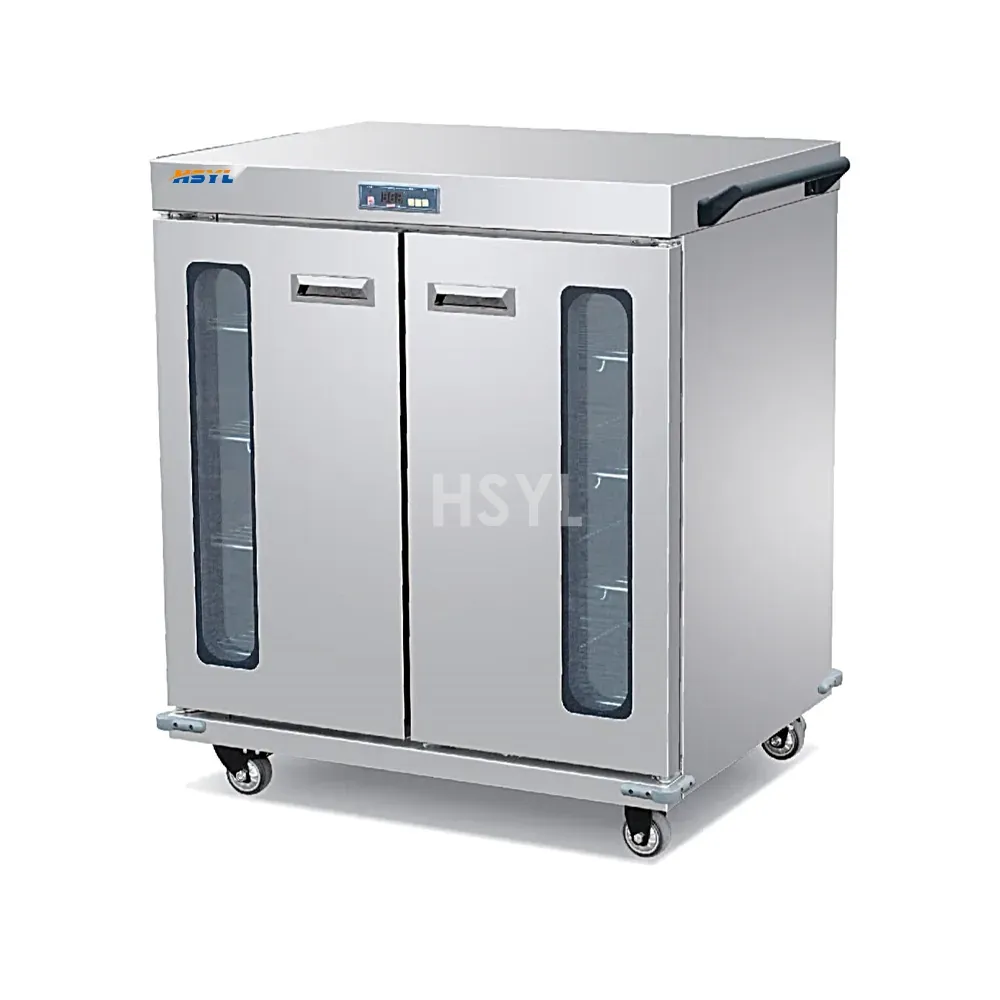
E234-BCW02-11 Horizontal Banquet Cart
Quick Summary: The E234-BCW02-11 Horizontal Banquet Cart-B (Model: SL-E234-BCW02-11) is a ...
View product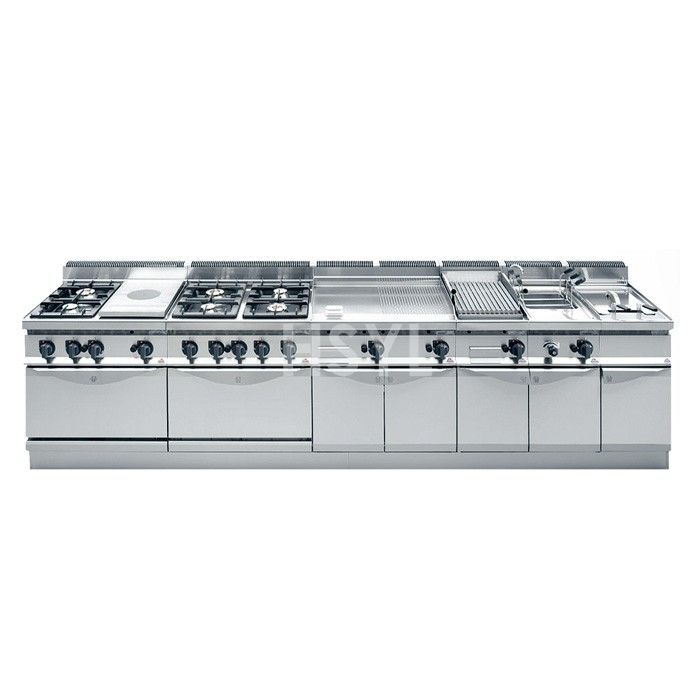
700-Series Combined Western Kitchen Stove
Quick Summary: The 700-Series Combined Western Kitchen Stove (Model: CK-BERTO) is a heavy-...
View product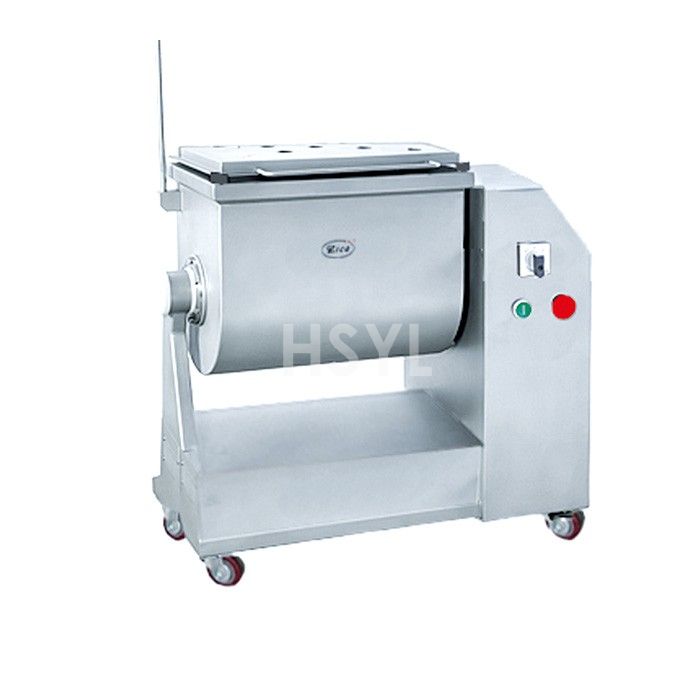
Commercial Meat Mixers
Commercial meat mixers for central kitchens, restaurant prep and meat-processing workstati...
View product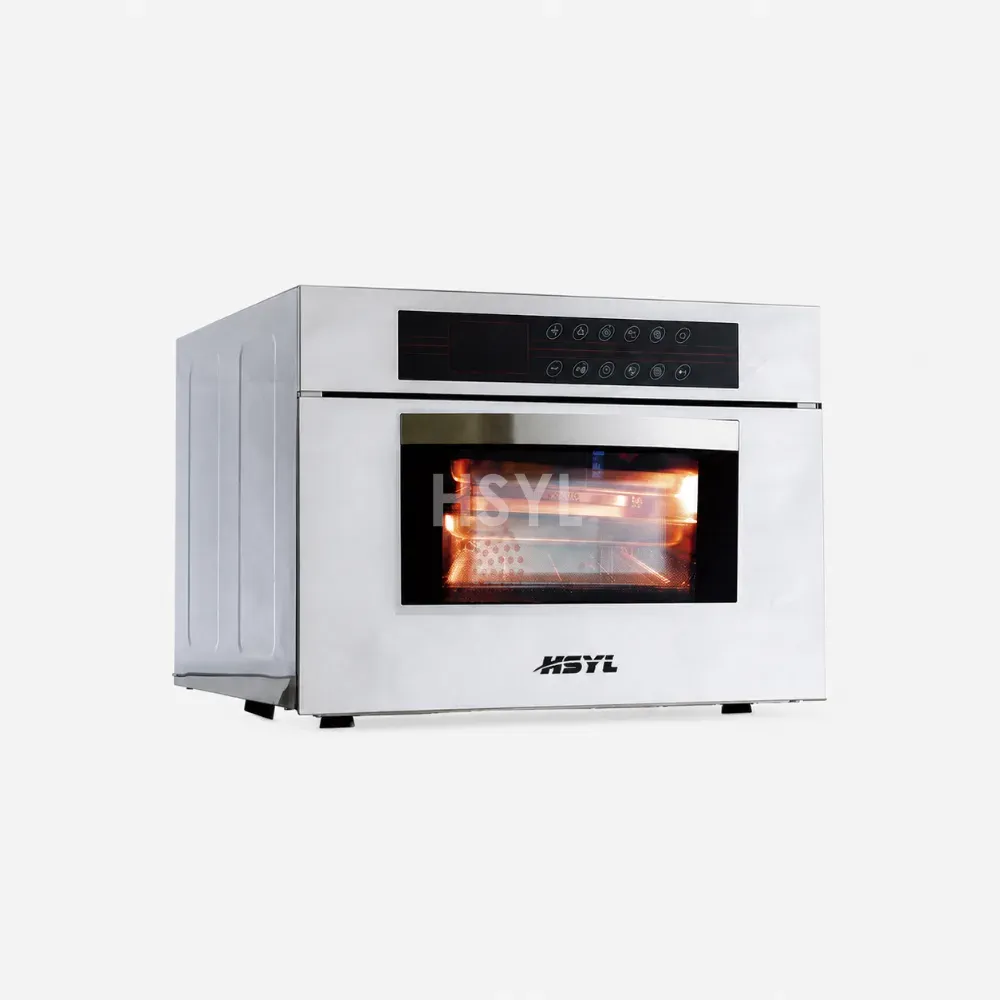
Commercial Ovens for Professional Kitchens
Commercial electric and convection oven solutions for professional kitchens. Review HSYL c...
View product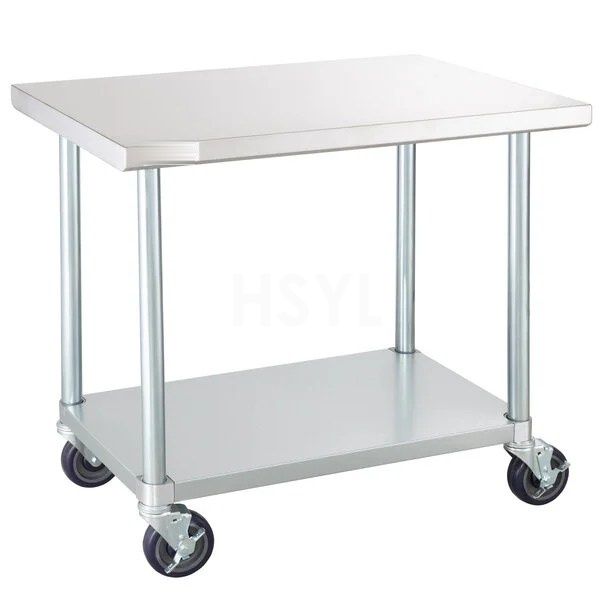
Stainless Steel Kitchen Trolleys
Stainless Steel Kitchen Trolleys for commercial kitchens, fabricated to project dimensions...
View product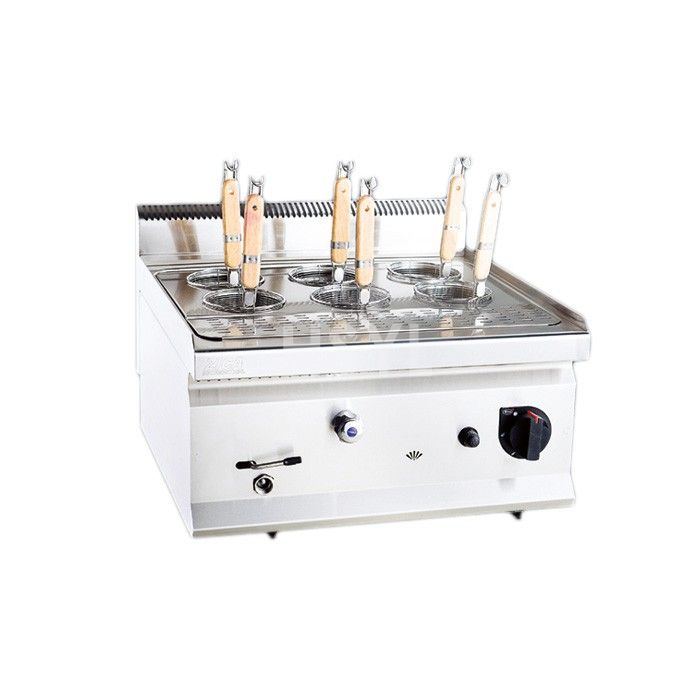
HP Countertop Gas Pasta Cooker Range
Compare HP6035G and HP6060G countertop gas pasta cookers. Review footprint and gas require...
View product
Q and S Series Direct-Cooling Display Cabinet Range
Compare Q and S Series display cabinets for your products and store layout. Confirm temper...
View product
Commercial Steak & Beef Dry-Aging Cabinet with Himalayan Salt Brick & UV Sterilization
Steak dry-aging cabinet with Himalayan salt brick and UV sterilization, 0-4C and 60-85%RH ...
View product
HDW260-EL-R Electric-Heated Commercial Dishwasher
Compare HDW260-EL-R Electric-Heated Commercial Dishwasher capacity, heating, dimensions, u...
View product
Commercial Induction Stockpot Soup Stove
1, 2 or 3-burner induction stockpot soup stove with 400400mm tempered glass top. Zero idle...
View product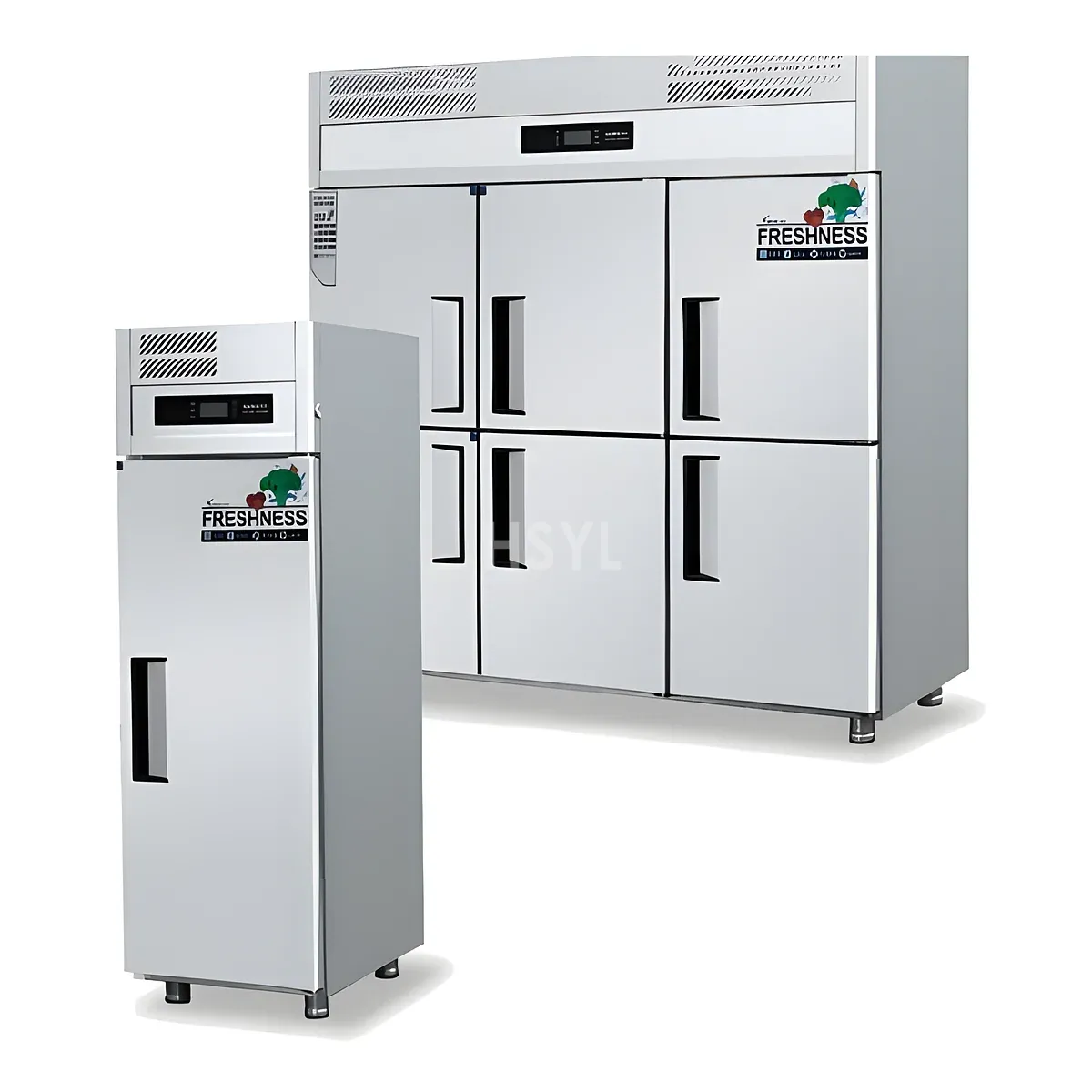
Frost-Free 3D Fan-Cooled 2/4/6-Door Upright Commercial Chiller & Freezer
Frost-free 3D fan-cooled upright commercial chiller and freezer, 2/4/6-door, 380-1500L, R2...
View product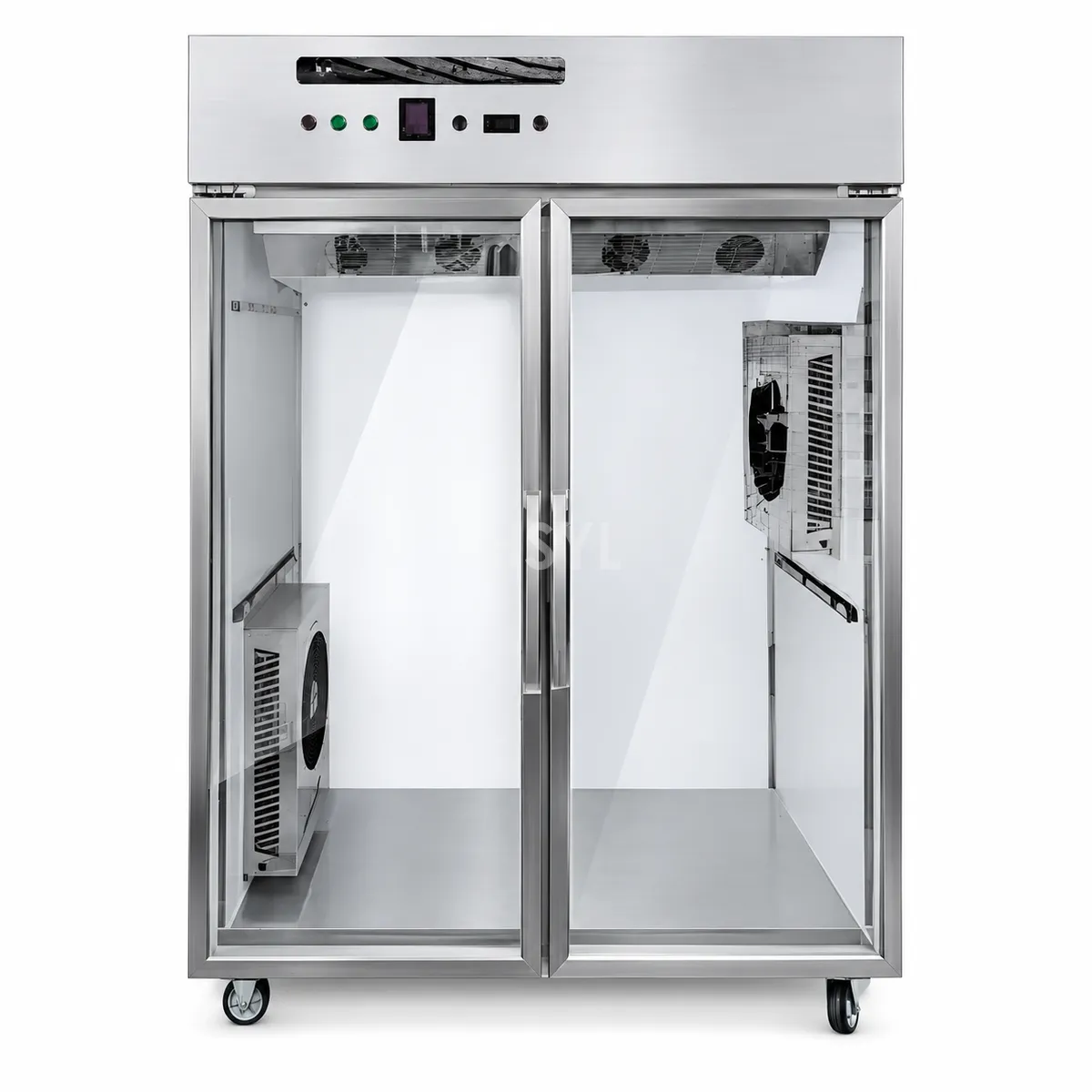
Commercial Stainless Steel Roast Duck & Cantonese Char Siu Air-Drying Chiller Cabinet
Stainless roast duck and Cantonese char siu air-drying chiller, 5-15C and 50-65%RH. Precis...
View product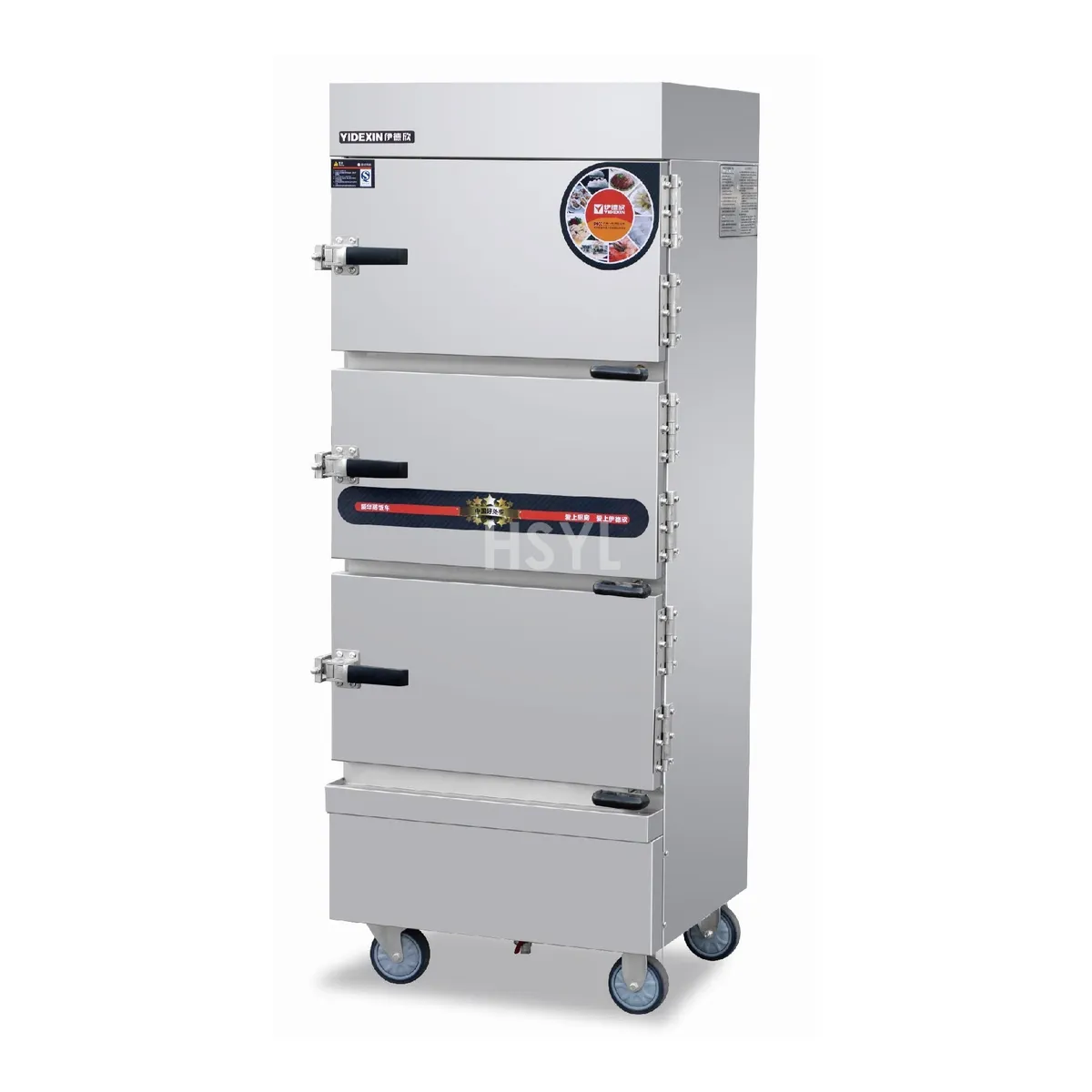
Multi-Door Independent Compartment Commercial Electric Steamer
Multi-door commercial electric steamer with independent per-compartment temperature contro...
View productFrequently Asked Questions
Does the wheel rating determine a mobile table's capacity?
Request the documented limits of the complete table assembly for stationary use and any permitted loaded movement. A rating for one caster does not establish the frame, top, shelf or whole-table load capacity.
Can a mobile worktable replace a catering trolley?
Confirm the intended task. Occasional repositioning of a preparation station differs from repeated transport. The complete assembly, instructions, load retention and route must support the proposed use.
Can an appliance be moved while it is connected on the table?
Follow the appliance instructions and the site's approved installation and movement procedure. A table's wheels do not authorise moving a connected electrical or gas appliance or changing its approved installation.
Plan the Equipment Around Your Kitchen.
Share your menu, peak service demand, available space and site utilities. Tell us which equipment you are considering so we can review the requirements with you.