Commercial Ventless
Comprehensive technical guide to commercial ventless extractor hoods and ductless exhaust canopies. Details multi-stage electrostatic precipitation, charcoal adsorption, CFM capture velocity calculations, and fire suppression compliance.
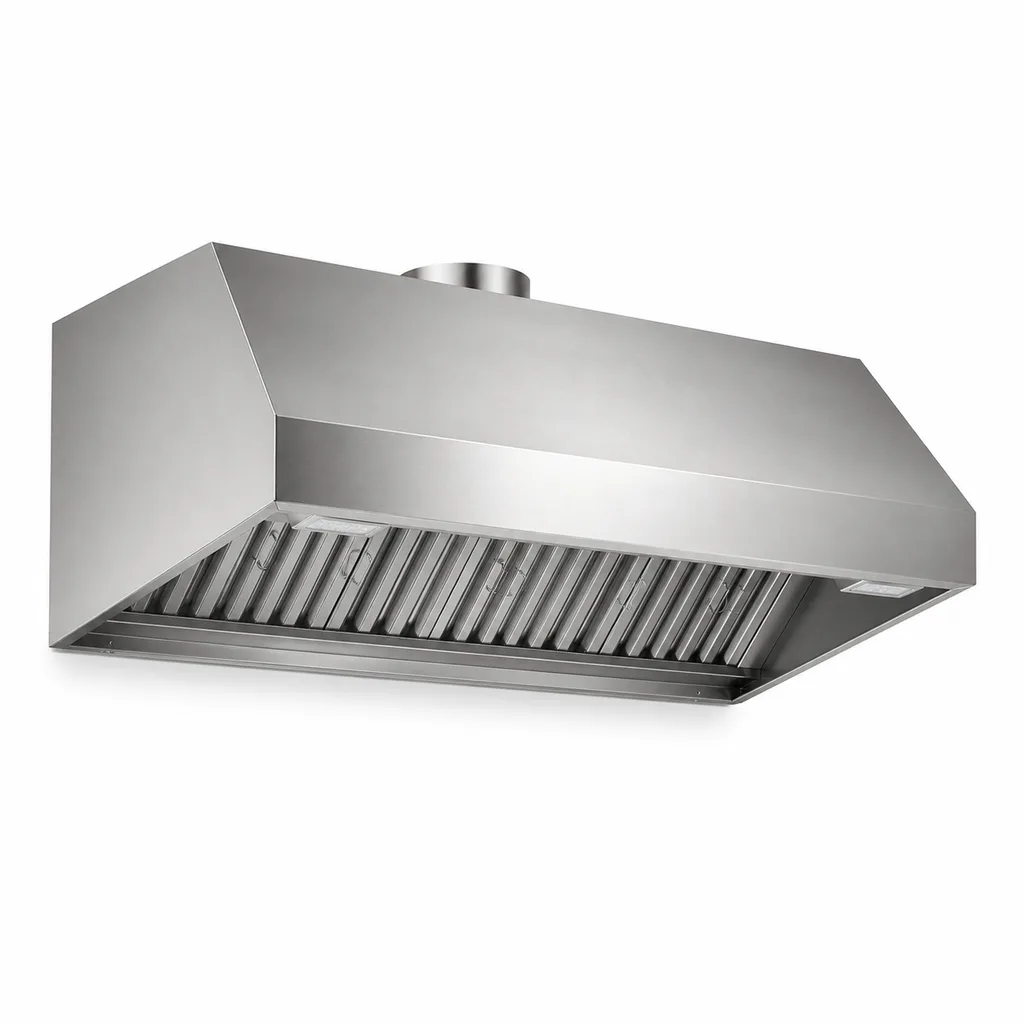
Executive Engineering Summary: Commercial Ventless & Extractor Hood Systems
Commercial kitchen ventilation represents the primary interface between thermal culinary performance, life-safety fire protection, indoor air quality, and municipal building code compliance. While traditional ducted exhaust canopies remain standard for greenfield standalone buildings, high-density urban environments, multi-story shopping centers, historic heritage sites, and airport terminals frequently present insurmountable physical and regulatory barriers to external vertical duct routing. Commercial ventless extractor hoods and ductless exhaust systems resolve these architectural constraints by engineering an internal multi-stage separation, filtration, and deodorization cascade capable of removing grease aerosols, particulate matter, and volatile organic compounds (VOCs) before recirculating tempered clean air back into the kitchen envelope in strict accordance with NFPA 96 and UL 710B standards.
Thermodynamic Exhaust Capture Physics & Volumetric Airflow Sizing
Whether ducted or ventless, effective grease extraction requires maintaining an aerodynamic capture envelope over the thermal plume generated by cooking appliances. When appliances heat cooking oil or sear proteins, a convective thermal plume accelerates upward at velocities between 0.35 m/s and 1.2 m/s. If the hood exhaust velocity is insufficient, ambient cross-drafts disperse carcinogenic grease aerosols into the kitchen.
Thermal Plume Exhaust Airflow Calculation (ASHRAE Standard 154)
The volumetric exhaust airflow required to guarantee 100% plume capture across an overhead canopy hood is calculated using perimeter capture equations:
Q = 1.4 · P · D · V_c
Where:
• Q = Volumetric airflow rate (m³/s or CFM)
• P = Exposed open perimeter length of the hood canopy (m)
• D = Vertical distance from the cooking surface to the lower hood rim (m, typically 0.9m to 1.1m)
• V_c = Minimum capture velocity required for appliance duty class (m/s):
– Light Duty (steamers, ovens): 0.25 m/s (50 fpm)
– Medium Duty (ranges, griddles, fryers): 0.38 m/s (75 fpm)
– Heavy Duty (gas charbroilers, woks): 0.51 m/s (100 fpm)
– Extra Heavy Duty (solid-fuel mesquite wood/charcoal): 0.76 m/s (150 fpm)
Ventless Recirculating Technology: The 4-Stage Filtration Cascade
Unlike traditional ducted hoods that rely on raw extraction to the atmosphere, a commercial ventless hood system processes air through four sequential physical and chemical filtration stages within a hermetically sealed airflow cabinet:
- Stage 1: Mechanical Stainless Baffle Pre-Filter: High-velocity centrifugal impingement baffles extract 60-80% of macroscopic grease droplets (>10 microns) by forcing the air stream through sharp 180-degree directional shears. Liquid grease condenses on the cold stainless vanes and drains into an enclosed perimeter grease trough.
- Stage 2: High-Efficiency Particulate Air (HEPA) / Pleated Filter: Captures sub-micron smoke particles and condensed oil aerosols down to 0.3 microns with 99.97% efficiency, preventing oil film accumulation on internal electrical components and blowers.
- Stage 3: Two-Stage Electrostatic Precipitator (ESP): Generates an ionizing corona field (8 kV to 12 kV DC) that charges airborne grease particles, followed by an alternating ground/collector plate cell (4 kV to 6 kV DC) that electrostatically precipitates particles as fine as 0.01 microns out of the air stream.
- Stage 4: Activated Carbon Chemisorption & Deodorizing Bed: High-surface-area activated coconut shell carbon canisters (internal surface area >1,100 m²/g) adsorb gaseous volatile organic compounds (VOCs), acrolein, aldehydes, and culinary odors, ensuring discharged air is odor-neutral before entering the building envelope.
NFPA 96 & UL 710B Safety Interlocks and Fire Suppression Integration
Because ventless commercial hood systems recirculate air indoors, fire and life-safety codes (NFPA 96 Chapter 14 and UL Standard 710B) mandate fail-safe electrical and mechanical interlocks:
- Pressure Differential Sensor Interlock: Magnehelic or solid-state differential pressure switches continuously monitor static pressure drop (ΔP) across each filter stage. If a filter becomes grease-clogged or is missing, the system automatically de-energizes the electric cookline beneath the hood within 5 seconds.
- Integrated Wet-Chemical Fire Suppression: Every commercial ventless unit must be factory-fitted with an autonomous pre-engineered fire suppression system (such as Ansul R-102 or Amerex KP). Dedicated brass discharge nozzles target the frypot and griddle surfaces, while thermal fusible links (typically rated at 182°C / 360°F) release under fire conditions, shutting down equipment power and activating building fire alarms.
- Microswitch Component Detection: Hermetically sealed microswitches verify that all baffle filters, ESP collection cells, and carbon access doors are securely locked in place before power can be delivered to the cooking appliances.
Acoustic Attenuation & Thermal Balance in the Kitchen Space
A critical operational consideration in ductless ventilation is acoustic management and heat dissipation. Because high static pressure (often 400 to 600 Pa) is required to draw air through multi-stage filters, high-output backward-curved centrifugal blowers are utilized. High-end systems incorporate internal acoustic silencers and acoustic foam baffling to suppress noise levels below 58 dBA at 1.5m ear height. Furthermore, while ventless hoods scrub smoke, grease, and odor, they do not remove sensible and latent heat. Therefore, dedicated make-up air or supplemental kitchen HVAC cooling capacity (approximately 1 kW of room cooling per 1.2 kW of electric appliance power) must be accounted for in the facility's MEP design.
Technical Specification Matrix: Commercial Extraction & Ventless Series
| Model Code | Dimensions (L×W×H mm) | Volumetric Airflow (m³/h / CFM) | Filtration Architecture | Static Pressure / Power | Fire Suppression & Compliance |
|---|---|---|---|---|---|
| HS-VL120-CT | 1200 × 1050 × 950 | 1400 m³/h (825 CFM) | Baffle + Pleated + ESP + Carbon | 480 Pa / 0.75 kW (230V 1-Ph) | Integrated Wet Chemical, UL 710B |
| HS-VL180-FL | 1800 × 1150 × 2100 | 2800 m³/h (1650 CFM) | Baffle + Dual ESP + 30kg Carbon | 620 Pa / 1.5 kW (400V 3-Ph) | Ansul R-102 Factory Fitted, NFPA 96 |
| HS-EX240-WL | 2400 × 1200 × 600 | 4200 m³/h (2470 CFM) | Stainless Steel Honeycomb Baffles | 180 Pa / External Roof Blower | UL 710 Fire Damper, Pre-Piped Nozzles |
| HS-CF100-OV | 1000 × 950 × 450 | 950 m³/h (560 CFM) | Steam Condenser + Carbon Cell | 220 Pa / 0.35 kW (230V 1-Ph) | Direct Combi-Oven Electronic Bus Link |
Systematic Troubleshooting & Diagnostics Matrix
Engineering Matrix: Smoke Spillover, Pressure Trips & Odor Breakthrough
| Symptom / Failure | Underlying Root Cause | Diagnostic Verification Step | Corrective & Preventative Action |
|---|---|---|---|
| Smoke escapes hood canopy into kitchen (Plume spillover) | Insufficient capture velocity; cross-drafts >0.25 m/s from HVAC diffusers; saturated filters | Measure face capture velocity with hot-wire anemometer at hood lower rim; check Magnehelic ΔP gauges | Clean or replace saturated pre-filters; balance HVAC diffusers to eliminate high-velocity drafts across hood face; adjust blower VFD speed |
| Hood safety lockout trips; appliance power cut | Differential pressure switch tripped by clogged filter; interlock microswitch misaligned | Inspect LED diagnostic fault board for specific filter stage error code; measure switch resistance with multimeter | Wash ESP collection cell in hot alkaline degreaser bath; replace loaded HEPA filter; adjust microswitch actuator lever alignment |
| Persistent culinary odor & VOC breakthrough | Activated carbon canister bed fully saturated; relative humidity >75% blinding carbon pore structure | Check running hours log on carbon canisters; verify if operating above 500 service hours | Replace spent activated carbon canisters; verify make-up air dehumidification is operating within 40-60% RH parameters |
| High-frequency arcing / snapping sound inside hood | ESP ionizing wires broken or collector plates warped, touching ground plates | Isolate power, discharge cell capacitor to ground, and visually inspect ESP cell ionizing wires and plate gaps | Straighten bent collector plates using nylon spacer tool; replace snapped tungsten ionizing wires; dry thoroughly before re-energizing |
Make-Up Air Balancing & Dedicated Outdoor Air System (DOAS) Integration
A critical engineering failure in high-output kitchen extraction is negative building pressurization. When commercial extractor hood systems exhaust massive volumes without proportional make-up air (MAU), the kitchen envelope operates under negative static pressure exceeding -15 Pa. This induces backdrafting of combustion flue gases, slamming exterior exit doors, and drawing unfiltered warm outdoor humidity across ceiling plenums, resulting in mold growth and condensation dripping into cooking zones. To maintain neutral kitchen pressure (-2 Pa to -5 Pa relative to dining areas), dedicated outdoor air units (DOAS) with variable speed drives (VFD) must be electronically interlocked with the exhaust canopy. Modulating dampers adjust fresh air delivery in real time, pre-tempering supply air via indirect gas heat exchangers or hydronic cooling coils to eliminate thermal shock on kitchen staff while preserving clean capture velocity across all cooking appliances.
NFPA 96 Exhaust Ductwork Metallurgy & Fire Clearance Protocols
For ducted commercial canopies, NFPA 96 dictates stringent construction standards. Exhaust ductwork must be fabricated from minimum 1.37mm (16-gauge) carbon steel or 1.09mm (18-gauge) AISI 304 stainless steel, joined by continuous external liquid-tight TIG or MIG welds. Duct velocity must be maintained strictly between 7.6 m/s (1,500 fpm) and 12.7 m/s (2,500 fpm). Velocities below 7.6 m/s permit heavy grease aerosols to fall out of suspension and condense on horizontal duct surfaces, creating catastrophic fuel loads; velocities above 12.7 m/s create excessive static pressure drop, severe aerodynamic noise (>68 dBA), and motor energy waste. Zero-clearance fire-rated ceramic fiber insulation wraps (tested to ASTM E2336 / UL 2221) must enclose all vertical grease duct shafts passing through multi-story buildings, providing a certified 2-hour passive fire barrier.
Featured Commercial Equipment Models
HS-VL120 Compact Countertop Ventless Recirculating Hood
Self-contained ventless canopy designed for countertop fryers and electric griddles. Features 4-stage ESP filtration, integrated fire suppression, and zero outdoor ducting requirements.
View Commercial Canopies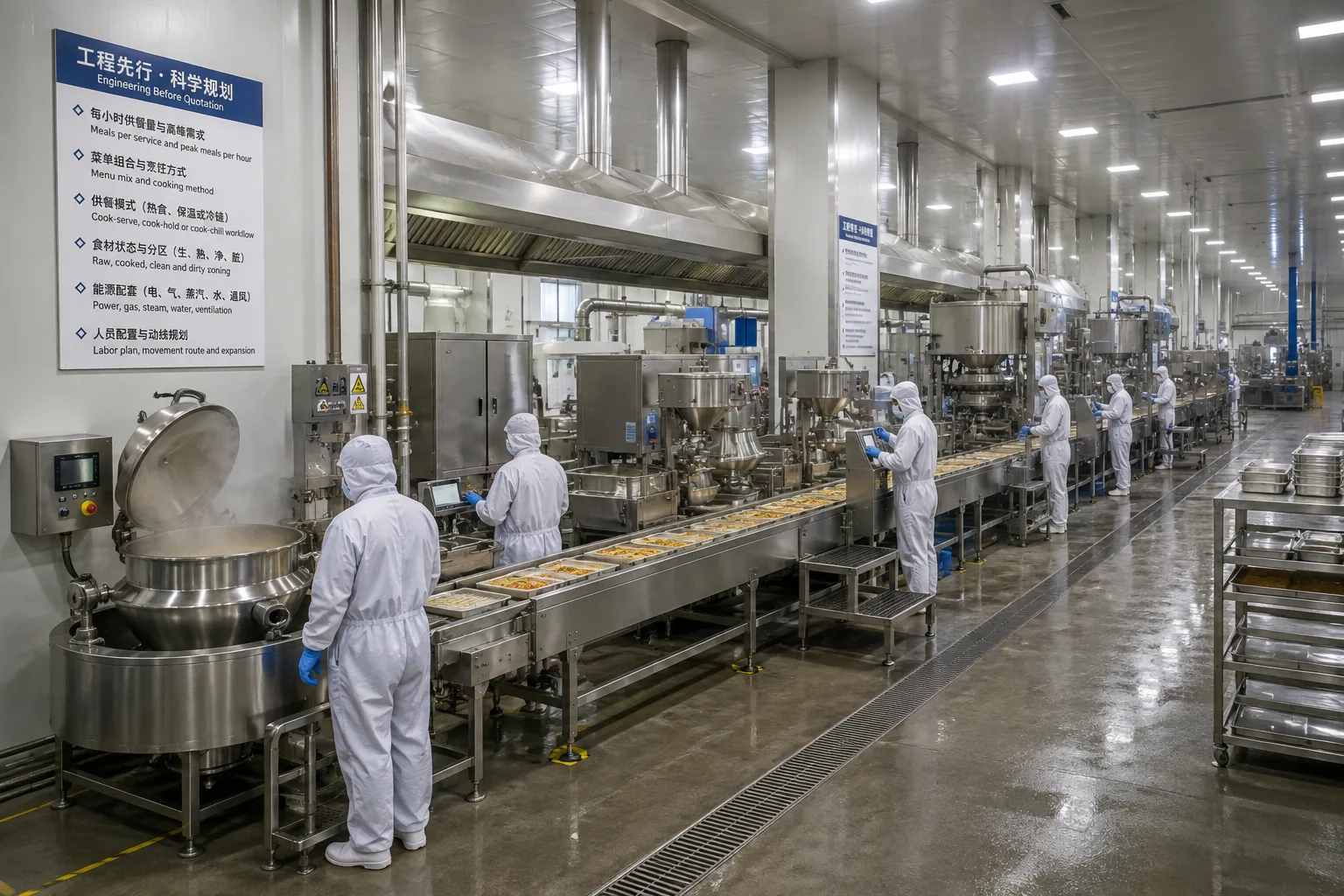
HS-EX240 Heavy-Duty Commercial Wall Canopy Extractor
High-velocity stainless steel exhaust hood with stainless honeycomb baffle filters, perimeter gutter with drain tap, and energy-efficient LED recessed vapor-proof luminaires.
View Commercial Canopies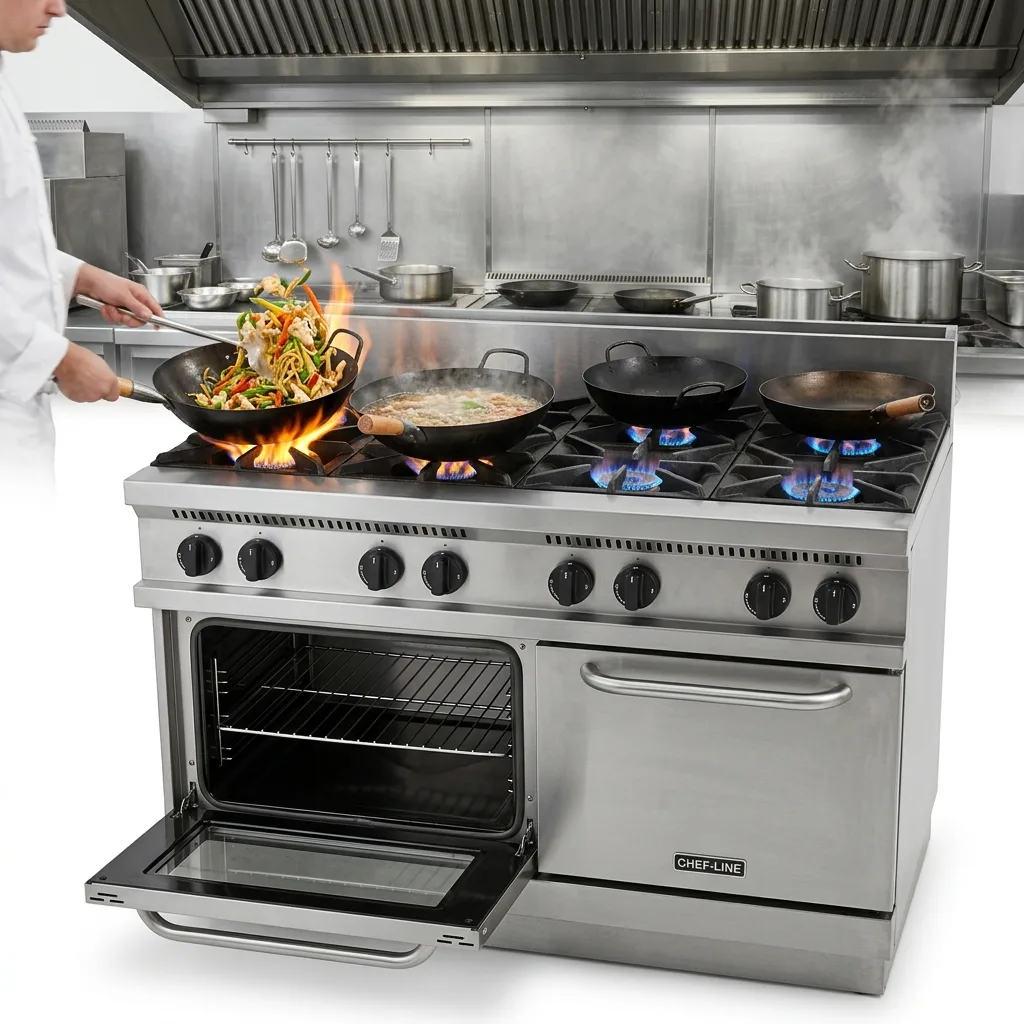
HS-IS300 Island Dual-Sided Commercial Exhaust Canopy
V-bank baffle configuration engineered for heavy central island cooking suites. Features double air curtains, integral grease collection cups, and UL 710 fire damper collars.
View Commercial Canopies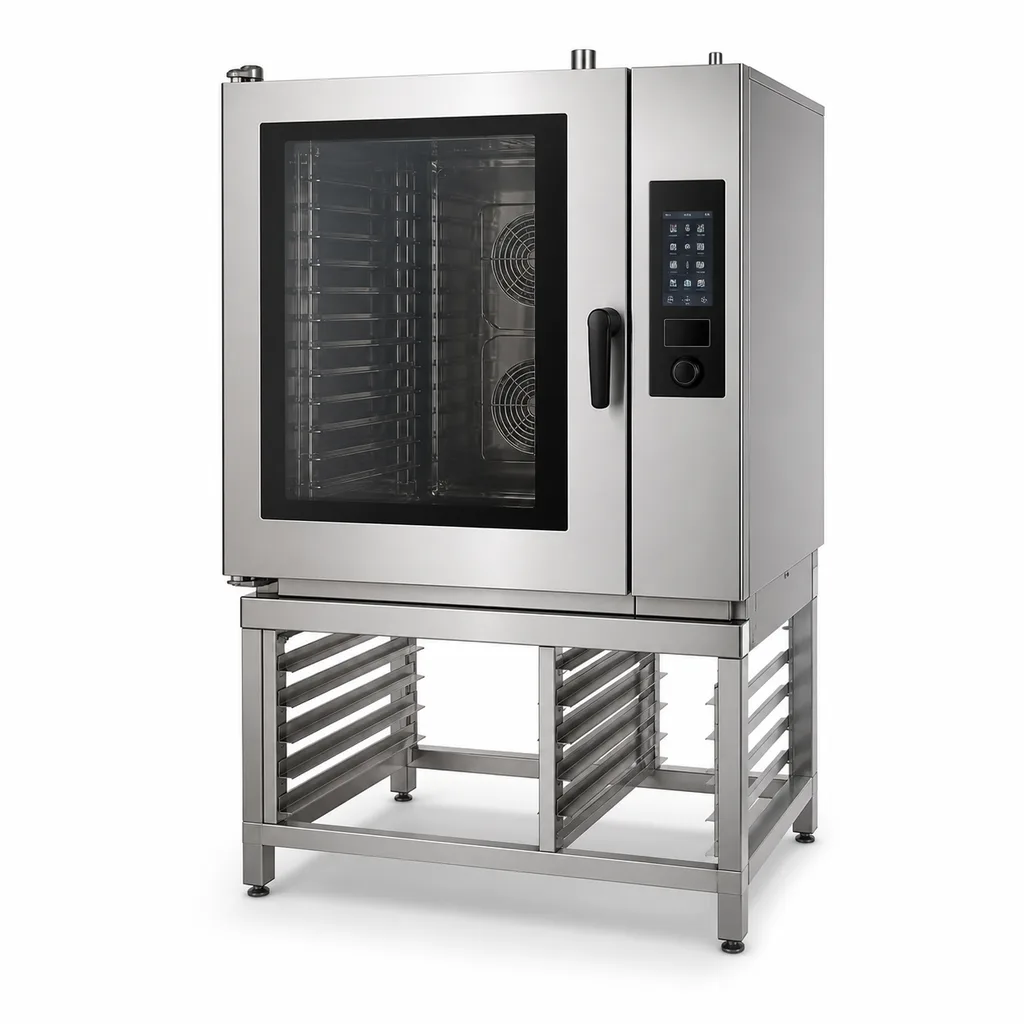
HS-CF180 Ductless Combi-Oven Dedicated Condensation Hood
Microprocessor-interlocked steam condensation and charcoal filter hood mounted directly on commercial combi steamers. Eliminates external ducting through active cold-water condensation.
View Commercial CanopiesTurnkey Engineering Solutions & Applications

Heritage Building Luxury Hotel Basement Kitchen Retrofit
Installed 8 high-performance ventless recirculating extraction systems with multi-stage HEPA and activated carbon filtration where architectural facade restrictions prohibited external ductwork.
Explore Hotel Solutions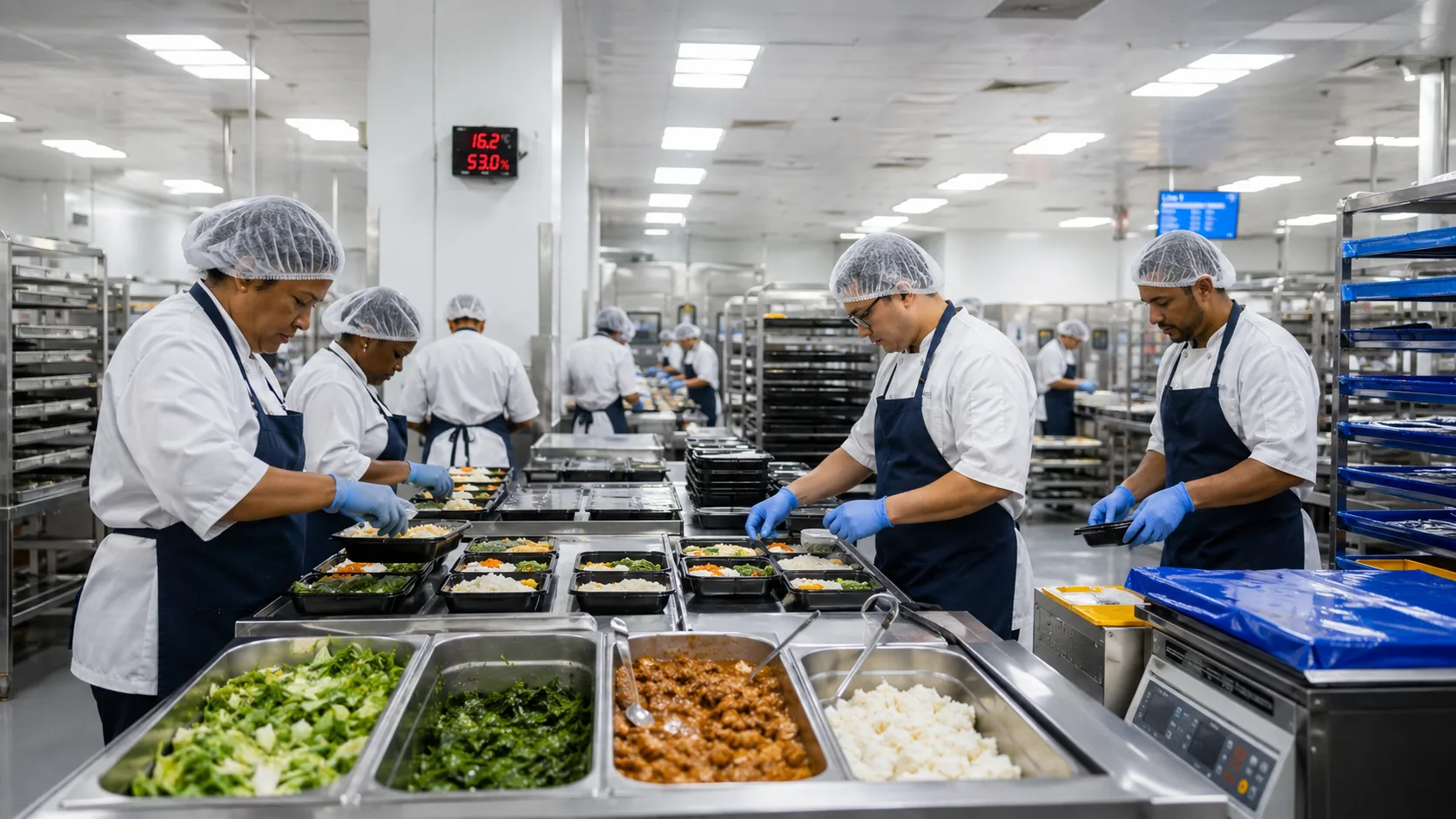
Airport Terminal Food Court Multi-Brand Cookline Project
Engineered integrated UL 710B certified ductless hoods with continuous particulate monitoring and auto-interlock power isolators across 6 quick-service concession units.
Explore Airline Catering
Corporate HQ High-Rise Executive Dining Kitchen
Designed and commissioned low-decibel (sub-54 dBA) wall-mounted extraction hoods with high-efficiency grease baffles and dynamic demand-controlled ventilation (DCV) sensor arrays.
Explore Restaurant Solutions
University Food Science Laboratory Teaching Kitchen
Outfitted 24 individual culinary workstations with dedicated stainless steel exhaust canopies, motorized balancing dampers, and centralized variable speed exhaust ventilation.
Explore Central KitchenProcurement & Code Compliance Checklist
- Verify Local Authority Jurisdiction (AHJ) Acceptance: Confirm whether municipal building and health inspectors accept UL 710B recirculating hoods in lieu of traditional Type 1 ducted exhaust systems.
- Calculate Cooking Equipment Total kW Load: Ensure total electrical connected load beneath the ventless hood does not exceed maximum certified manufacturer ratings (typically 15 to 25 kW per linear meter).
- Plan HVAC Thermal Load Balance: Allocate supplemental chilled water or DX cooling capacity to remove the sensible heat recirculated into the kitchen envelope.
- Schedule Preventative Filter Maintenance Routines: Establish daily baffle wash SOPs, weekly ESP cell wash cycles, and biannual activated carbon canister changeouts.
- Mandate Factory Pre-Engineered Fire Suppression: Confirm the unit is equipped with factory-piped fire suppression nozzles, test pull stations, and automatic gas/electric fuel shut-off valves.
Frequently Asked Questions
How does a commercial ventless extractor hood work without outdoor ducting?
Ventless hoods draw grease-laden cooking vapors through a 4-stage internal filtration cascade: first through a mechanical stainless steel baffle filter, then a high-efficiency particulate or HEPA stage, followed by an electrostatic precipitator (ESP) that captures microscopic grease aerosols down to 0.01 microns, and finally through an activated carbon bed that adsorbs volatile organic compounds (VOCs) and food odors before clean air is recirculated.
Are ventless commercial hoods legal and compliant with fire codes?
Yes. When engineered in compliance with UL 710B and NFPA 96 Chapter 14, ventless hoods are widely accepted by local building, fire, and health authorities. They incorporate fail-safe electrical interlocks that automatically shut off appliance power if filters are missing or clogged, along with integrated pre-piped fire suppression systems (such as Ansul R-102).
What types of commercial cooking appliances can operate under a ventless hood?
Ventless hoods are certified for commercial electric appliances, including electric deep fryers, flat-top griddles, induction cooktops, combi ovens, and panini grills. Gas appliances are generally prohibited under recirculating ventless hoods due to the production of carbon monoxide and combustion moisture that cannot be eliminated by particulate and carbon filters.
How often do filters in a commercial ventless hood need to be cleaned or replaced?
Stainless baffle filters must be washed daily in a commercial dishwasher or soak tank. Electrostatic precipitator (ESP) cells typically require soaking in hot alkaline degreaser every 1 to 2 weeks. Disposable pleated/HEPA filters last 1 to 3 months depending on volume, and activated carbon canisters require replacement every 6 to 12 months or when odor breakthrough occurs.
Do ventless extractor hoods remove heat from the kitchen?
No. While ventless hoods remove grease, smoke, and odors, they do not exhaust sensible heat or steam out of the building. The heat generated by electric cooking equipment is returned to the kitchen room air, requiring adequate facility HVAC cooling (typically 1 kW of room air conditioning per 1.2 kW of connected appliance power) to maintain comfortable kitchen temperatures.
Plan the Equipment Around Your Kitchen.
Share your menu, peak service demand, available space and site utilities. Tell us which equipment you are considering so we can review the requirements with you.