Discount Commercial Kitchen Equipment: Verify the Complete Offer
Evaluate discount commercial kitchen equipment by condition, required accessories, delivered costs, installation and acceptance evidence before approving an offer.
A discount is useful when it reduces the cost of equipment that will work in your kitchen. The purchase price alone cannot establish that result. A cheaper cabinet with the wrong electrical configuration, a cooker missing its required stand, or a used machine with unavailable parts may leave the business paying twice. Compare a complete operating scope before comparing the reduction printed beside the price.
This guide treats discount commercial kitchen equipment as a purchasing decision across new, clearance, demonstration, refurbished and used offers. It does not claim that every condition is suitable, or that HSYL supplies used equipment. Start with the required task, establish the installation and acceptance conditions, and then ask each supplier to price the same deliverable.
Define what the offer must accomplish
Write a short purchase brief that describes the food, service pattern and site. For a fryer, describe the actual products and consecutive batches. For refrigeration, describe packaging, replenishment and access. For a dishwasher, describe racks, ware and peak returns. These details decide which offers are comparable. A discount on equipment that cannot perform the required task has no operational value.
Separate a replacement from an expansion. A replacement may need to match an existing opening, hood arrangement, drain or utility connection. Expansion may require alterations that are absent from the equipment quote. State whether the team needs a machine only, a working station, or a commissioned installation. Ask the supplier to identify the boundary of its responsibility in writing.
Set minimum acceptance criteria before requesting a special price. A buyer can describe accepted food output, usable storage positions or rack fit without inventing a promised machine capacity. Also state the conditions under which the result must be shown. The agreed criterion should survive a change in brand, model or discount percentage. Otherwise a salesperson can improve the apparent price by changing the task.
Identify the condition behind the label
New normally describes condition, but it does not by itself establish an current model revision, local configuration or complete accessory package. Ask for the exact version and the supplied parts. Verify whether a discounted item is a discontinued configuration and which parts remain supported. An unused unit can still be a poor fit for your destination or working pattern.
Clearance or end-of-line explains a commercial reason for an offer. Ask whether the item has a fixed serial number, whether matching accessories can still be ordered, and whether returns differ from the standard policy. Photograph or document the actual item where the offer applies to a particular unit. Do not assume that an advertised image represents its condition.
Display or demonstration may involve transport, operation and handling. Request the hours or demonstration history if available, cleaning records where relevant, and a condition report. An absence of recorded hours is a gap rather than proof of no use. Examine wear-prone components and confirm whether the price includes replacing consumables that would otherwise be needed immediately.
Refurbished needs a defined scope. Was the unit cleaned, inspected, repaired or rebuilt? Which parts were replaced, by whom, and against which acceptance procedure? A label cannot answer these questions. Request the work record and a dated functional demonstration. Cosmetic restoration is different from verifying the controls, sealing, heating, refrigeration or wash process required for service.
Used, as-is or untested transfers more uncertainty to the buyer. Ask what inspection is permitted before payment and whether a qualified technician can examine the actual unit. If the purchase depends on a successful test, make that condition part of the agreement. Record unknowns rather than assigning an optimistic remaining life. No general rule makes all used equipment economical or uneconomical.
Condition gate: decide what must be proven before payment
Use this register for each actual offer. Mark evidence as received, unresolved or unacceptable. A condition label earns no score on its own. An unresolved item that affects safety, fit or the core process prevents approval until the responsible specialist or supplier resolves it.
| Gate | Evidence to request | Decision owner | Reason to pause |
|---|---|---|---|
| Identity and configuration | Model, serial or revision, data plate and included accessories | Buyer and supplier | Listing and actual item cannot be reconciled |
| Operating condition | Inspection report, repairs and agreed task demonstration | Qualified service reviewer | Untested critical function or unexplained fault |
| Installation fit | Drawing, utility requirements and site survey | Installer and site team | Connection, clearance or access remains unresolved |
| Cleaning and food contact | Accessible inspection, cleaning procedure and damaged-part assessment | Kitchen and hygiene team | Condition cannot be brought to the agreed standard |
| Parts and support | Exact parts references, service responsibility and written coverage | Maintenance lead | Essential replacement or service route unavailable |
| Commercial protection | Acceptance, return, collection and cancellation terms | Purchasing lead | Promises exist only in conversation |
For a hypothetical inspected used refrigerator, the seller might provide an identity plate and cold-running video while leaving the door seal, site ambient conditions and loaded recovery untested. That is partial evidence. The buyer should specify the remaining inspection rather than treating a video of a display as proof of the entire storage process.
Resolve display prices before ranking an offer
A product card showing zero is not evidence of a free machine. Ask for the identified model, condition, included parts, destination and a dated written quotation. Enter an unresolved display price as unknown in the comparison worksheet; reserve a zero-cost entry for a supplier-confirmed zero charge. A generic card without an identified configuration cannot establish the lowest comparable offer.
Likewise, match every quoted item to its own model record. Recommended products on a cooking-equipment category page may include sinks, tables or accessories; the category heading does not establish what the displayed amount buys. Keep a weekly-payment prompt separate from the cash quotation and obtain its full payment terms. If the supplier offers a turnkey project, list the included design, extraction, fabrication, installation and acceptance responsibilities individually rather than assuming that the promotional label includes them all.
Reconcile the same scope across quotations
Request a line-by-line quote. Separate the base machine, mandatory accessories, optional accessories, freight, destination handling, installation, commissioning and any specialist alterations. If a supplier excludes an item, leave it visibly excluded and obtain another price. Avoid a grand total that makes a missing requirement disappear. An apparently higher quote may already include what another supplier has omitted.
Keep currency, tax treatment, delivery term and destination consistent. Ask which charges are estimates, which are fixed, and how long the quotation remains valid. Do not compare one domestic delivered price with another ex-works price without reconciling transport and import responsibilities. For an international order, name the delivery location precisely and identify who handles the relevant steps.
Distinguish an accessory that improves convenience from a component needed to operate. A rack, stand, connector, filter, booster, installation kit or control option can affect the usable scope. The buyer and installer should establish what is necessary for the selected configuration. Do not infer inclusion from a photograph, or assume that another model's accessory fits the discounted unit.
A finance payment is another comparison basis, not a replacement for the purchase price. Obtain the total payable amount, fees, term, ownership position and early settlement conditions. Compare these with the operating budget. A low monthly number can conceal a different total commitment. This guide does not calculate a financing return from unverified rates or predict a business payback.
Offer reconciliation worksheet
Copy this worksheet into the purchase review. Enter supplier-confirmed figures in one currency for the same destination and task. Leave unknown costs as unresolved; zero means a confirmed zero charge, not a missing quotation. Keep optional improvements separate from mandatory costs.
| Cost line | Offer A | Offer B | Evidence needed |
|---|---|---|---|
| Actual machine and condition | Quoted amount | Quoted amount | Same functional requirement and identified unit |
| Required operating accessories | Confirmed amount | Confirmed amount | Included list and compatibility |
| Freight and destination handling | Confirmed amount | Confirmed amount | Named location and delivery scope |
| Site alterations and installation | Installer estimate | Installer estimate | Site survey and responsibility |
| Immediate repairs or consumables | Inspected amount | Inspected amount | Condition report and actual parts |
| Commissioning and acceptance | Confirmed amount | Confirmed amount | Test scope and responsible party |
| Unresolved commitments | List, not zero | List, not zero | Resolution before purchase approval |
Comparable initial commitment = equipment + required accessories + delivery and handling + necessary site work + immediate condition work + acceptance costs. Add applicable taxes and import costs consistently under the chosen comparison basis. Do not add the same charge twice when it is already included in another line.
Consider a purely illustrative offer A with an equipment price of 2,000 currency units and 600 in confirmed required work, versus offer B at 2,300 with 150 of confirmed work. Their comparable commitments are 2,600 and 2,450 respectively. This arithmetic does not establish quality, capacity or lifetime. It shows why a smaller equipment price can produce a larger initial commitment.
For ongoing costs, maintain a separate scenario using measured or documented inputs: energy or water under an agreed duty pattern, consumables, planned maintenance and expected service charges. Show the assumptions and vary uncertain inputs. Do not assign an invented failure rate or future resale value to make a preferred offer win. Present an unresolved risk in words when no defensible figure exists.
Inspect the actual equipment, not its sales description
Build an inspection list around the equipment family. For a cooking appliance, ask the service reviewer to inspect relevant heat controls, connections and worn components. For a refrigerated cabinet, check seals, surfaces, controls and the condition of the system using an appropriate procedure. For powered preparation equipment, check supplied tooling, guards and the intended materials. The specialist should choose safe inspection methods.
The food team should check access and cleaning as well as operation. Look for damaged food-contact surfaces, inaccessible residues and missing removable parts. Ask whether replacement parts are available for the identified configuration. A machine can run while still being unacceptable for the intended kitchen. Record defects with photographs and distinguish repairable items from reasons to reject the offer.
Where a demonstration is agreed, make the trial representative. Use the actual product or ware, the intended batch arrangement and the required operating window. Record accepted output and interruptions. A brief unloaded run may identify that a motor starts, but it cannot establish production performance. Include the time needed to clean and reset if that determines how many tasks the team can complete.
Agree on the response to a failed test before scheduling it. Possible outcomes include repair and retest, configuration correction, replacement or cancellation under the written terms. State who pays transport and inspection charges. An acceptance document is useful only when it relates to the actual supplied equipment and an agreed remedy, rather than a generic signature that closes every unresolved issue.
Protect the installation and service route
Survey the receiving route before committing. Check packed dimensions, unloading arrangements, doorways, turns, floor access and final position. A used or clearance unit may come without normal packaging. Ask who supplies suitable protection and what condition is recorded at collection. Plan the handover evidence so damage can be distinguished from defects documented before transport.
Have the installer review electrical, gas, water, drain and ventilation requirements that apply to the exact appliance. A familiar exterior is not evidence that it matches an old connection. Do not improvise fuel conversion or electrical adaptation to preserve a bargain. The relevant qualified person should confirm what can be installed and whether the necessary work changes the purchase decision.
Ask for manuals and parts information in a usable language for the operating and maintenance team. Confirm coverage for the destination and condition, including whether labour, travel, transport and consumables are excluded. Identify who receives a fault report and who can perform a repair locally. A promise of remote assistance should not be interpreted as a confirmed local service network.
Check destination evidence separately
For US buyers, confirm what sanitation and safety evidence the buyer, installer and applicable authority require for that exact unit and installation. The NSF food-equipment standards portfolio separates equipment categories; a general mention of a standard does not show that a specific offered unit is listed. Ask for model-specific evidence and verify it against the actual identification.
For EU destinations, identify applicable product legislation and request the relevant declaration and supporting documentation where required. The official EU CE guidance explains that the marking relates to applicable rules; it is not a general quality award or a universal import approval. A low price, a new condition or a familiar badge cannot replace the required documentation.
For the UK and other markets, obtain the requirements appropriate to the product and destination from the installer, importer and authority involved. Keep gas installation and maintenance responsibilities explicit. The HSE catering gas information sheet is a useful UK starting point, but it does not establish worldwide conformity or certify an HSYL model. Each destination review needs its own evidence.
Send a purchase brief that makes the discount reviewable
When requesting a quotation from HSYL, state the equipment task, required configuration, destination, available utilities, site constraints and acceptance criteria. Ask which current configuration can be supplied and which documentation is available. Request a complete scope and written terms. Do not assume that a discount, used stock, refurbishment service or specific accessory is available until it is confirmed.
The purchasing decision is ready when the team can identify the supplied item, compare the complete commitment, explain its unresolved risks and approve the task and installation evidence. Keep the signed scope, condition report, drawings, correspondence and acceptance record together. Those documents make a reduced price assessable and provide a clear basis for receiving the equipment.
Engineering-Led Commercial Kitchen Manufacturing
HSYL Kitchen Systems designs and produces heavy-duty commercial kitchen equipment for central kitchens, hotels, canteens, hospitals and high-capacity restaurants. Our goal is to provide precise equipment matching, documented quality gates and verified delivery for global foodservice operations.
- Food-grade SUS304 & SUS316 stainless steel construction
- Custom engineering layout & CAD drawing support
- Multi-stage factory quality control & FAT testing
- Factory-direct supply chain with spare parts backup
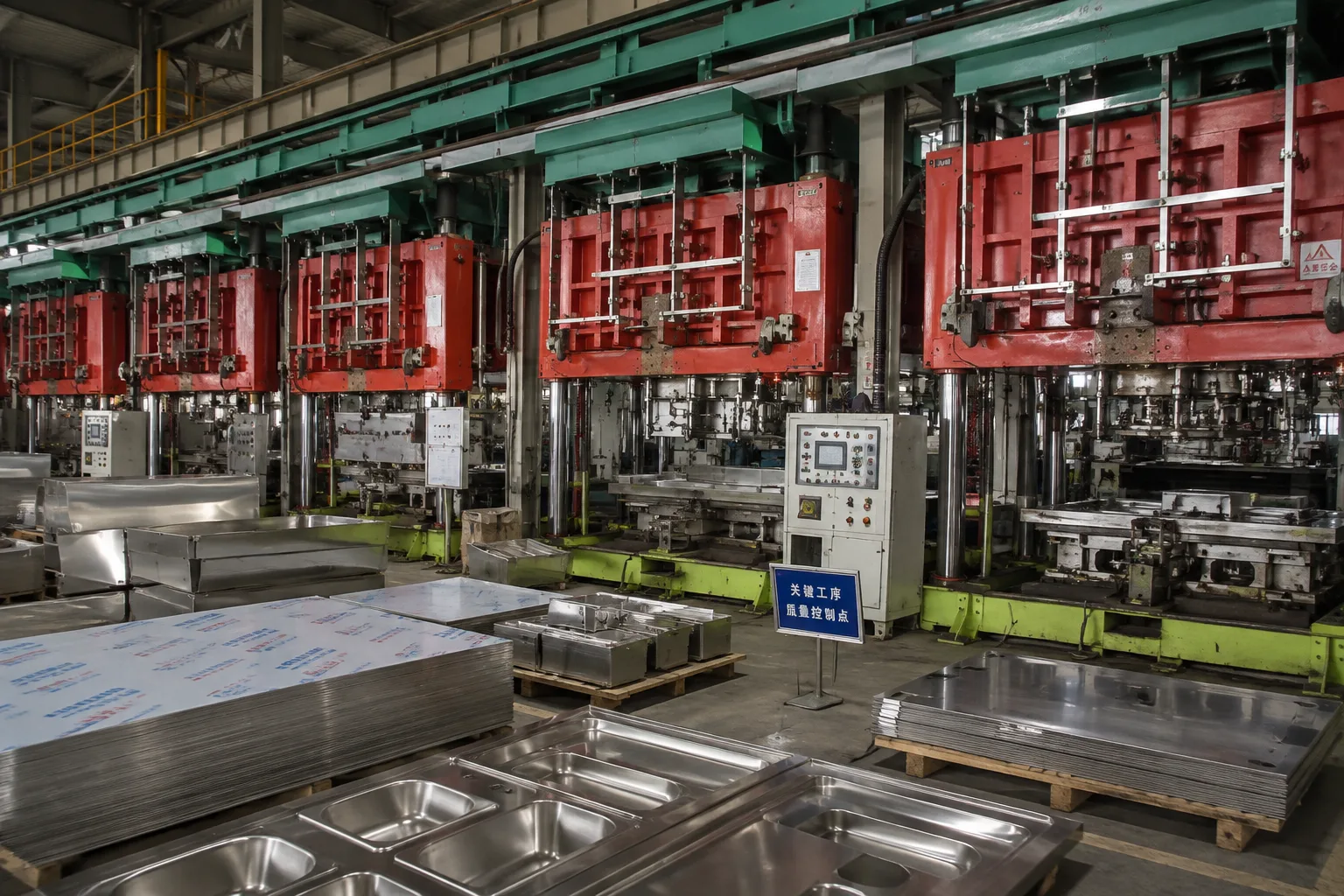
Advanced OEM Processing Equipment & Lines
Equipped with world-class automated sheet metal processing, precision bending centers, thermal foaming lines, and vacuum test rigs to support high-volume commercial kitchen OEM/ODM manufacturing.
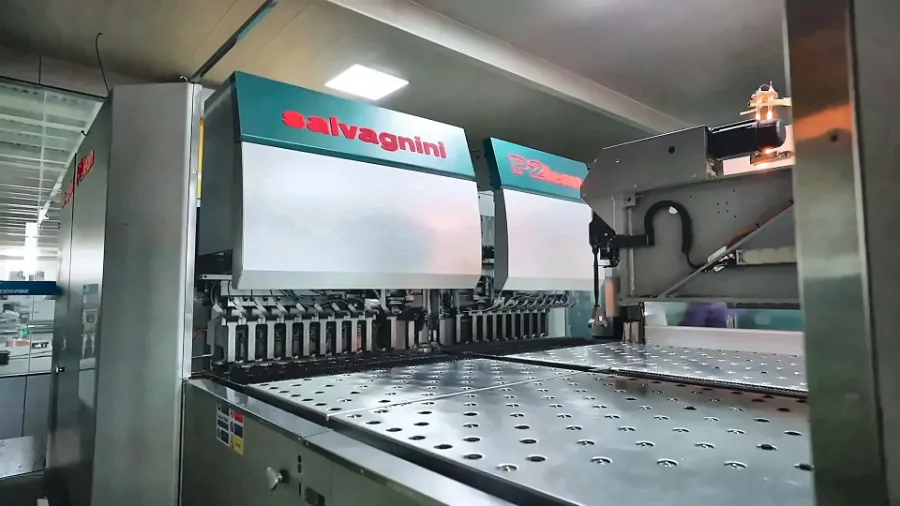
Italian Salvagnini Panel Bending Center
Automated sheet metal bending system for seamless cabinet fabrication and tight structural tolerances.
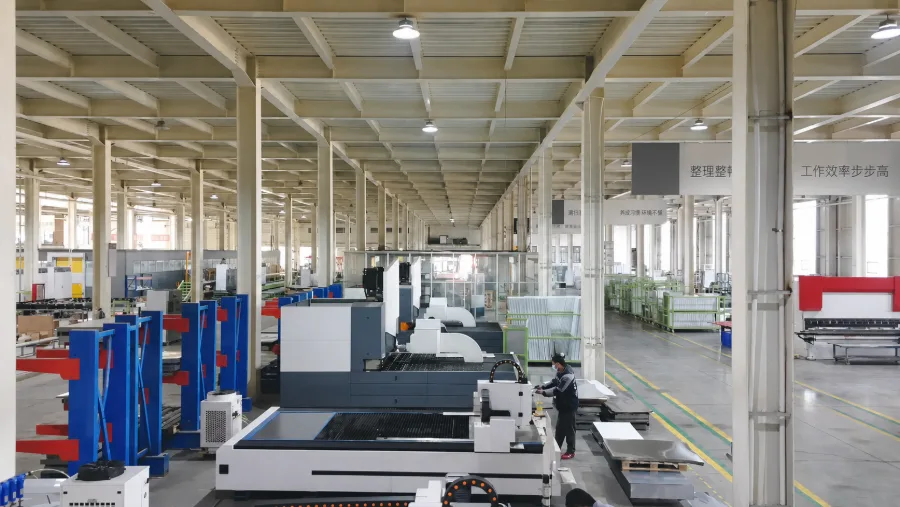
Automated Bending & Laser Cutting Line
Integrated flexible processing line combining fiber laser cutting and multi-axis CNC bending.
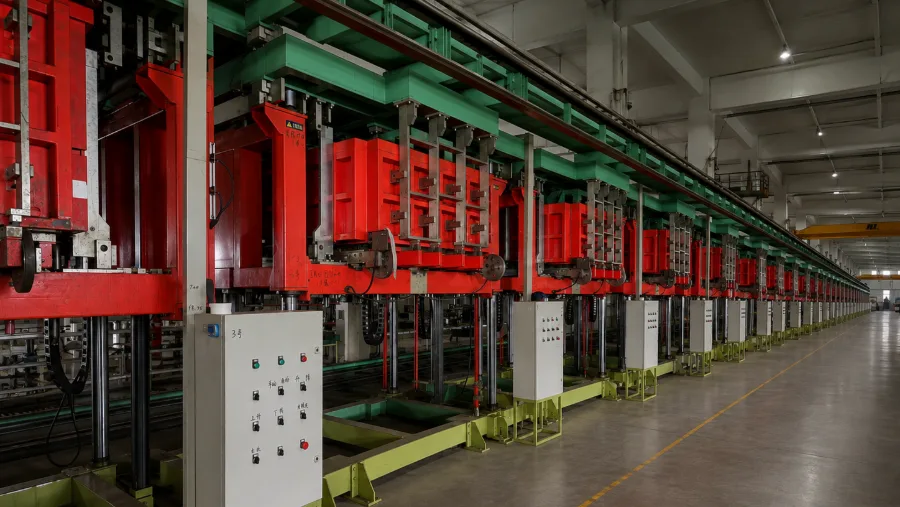
Constant-Temperature Foaming Line
Continuous polyurethane thermal insulation foaming line ensuring uniform core density.
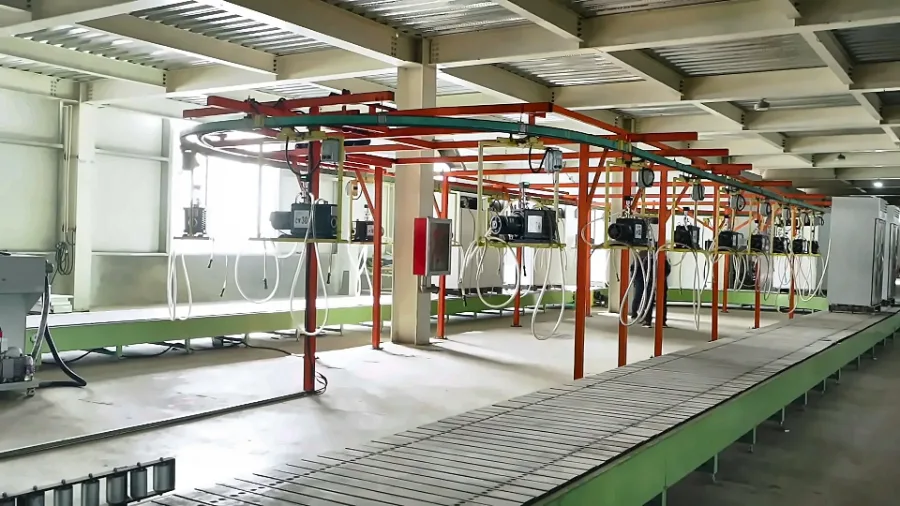
Vacuum Extraction & Testing Line
High-vacuum circuit evacuation and automated leak detection for commercial cooling systems.
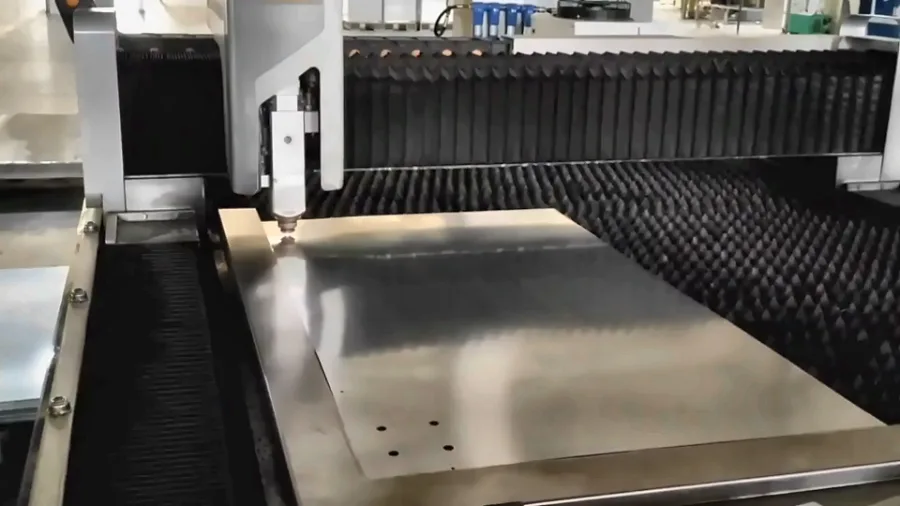
Laser Cutting & CNC Punching Station
High-speed fiber laser cutting and precision CNC punching for intricate component fabrication.
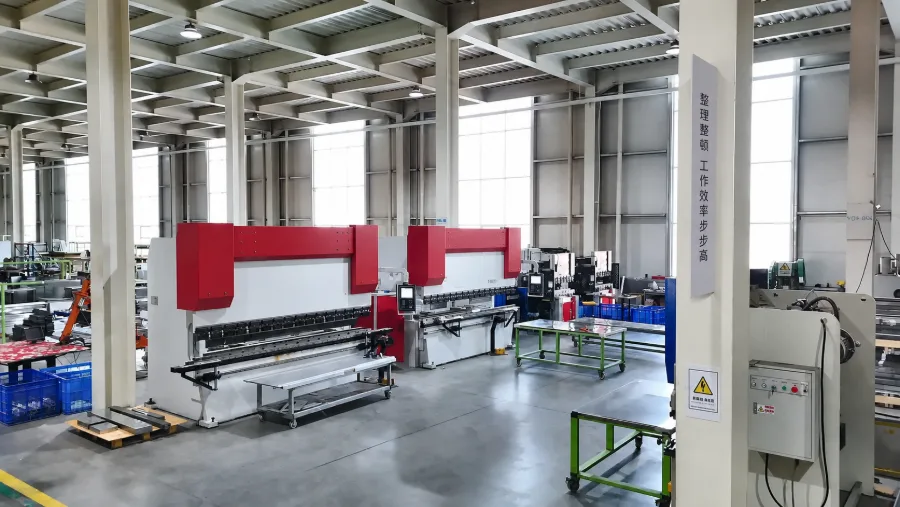
Canadian Heavy-Duty CNC Press Brake
High-tonnage precision press brake for large-format stainless steel sheet forming.
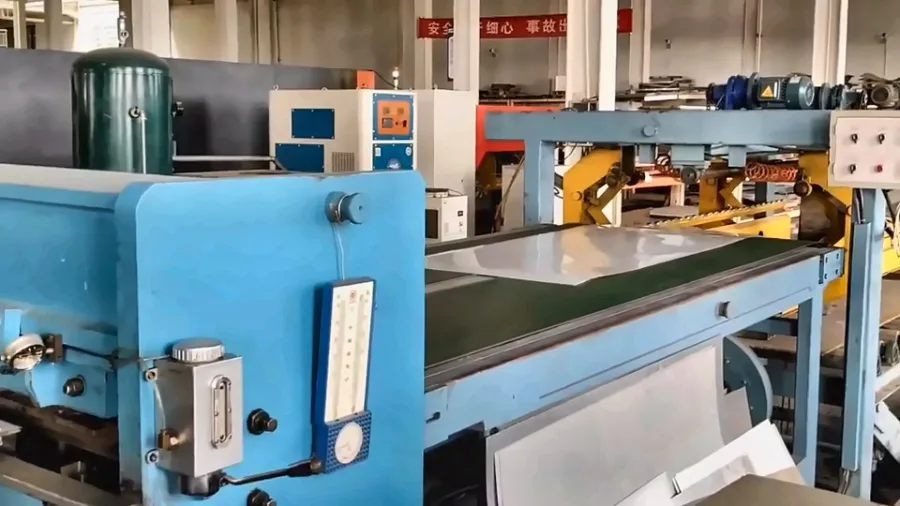
Material Shearing & Cutting Line
Automated heavy-gauge stainless steel shearing and precision raw material sizing.
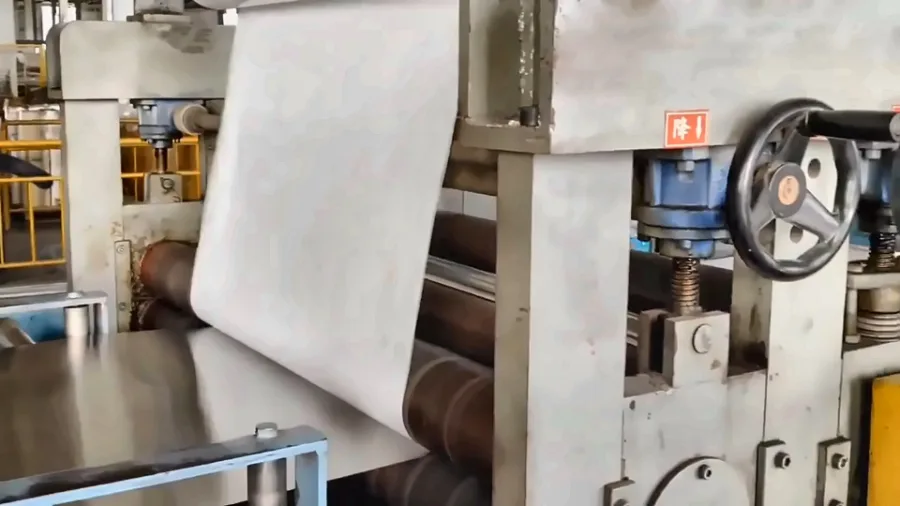
Material Film Laminating Line
Automated surface protection film application to preserve satin and mirror metal finishes.
Explore Popular Kitchen Equipment
Browse equipment that visitors frequently explore, then review the exact model and specifications for your project.
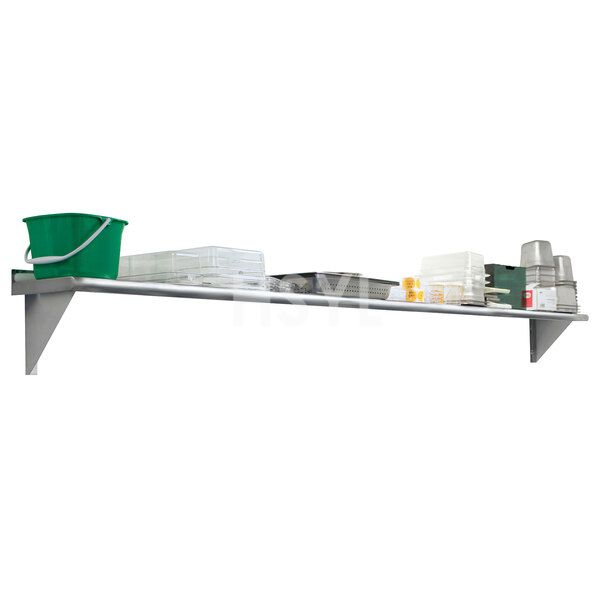
Stainless Steel Wall Shelves
Stainless Steel Wall Shelves for commercial kitchens, fabricated to project dimensions in ...
View product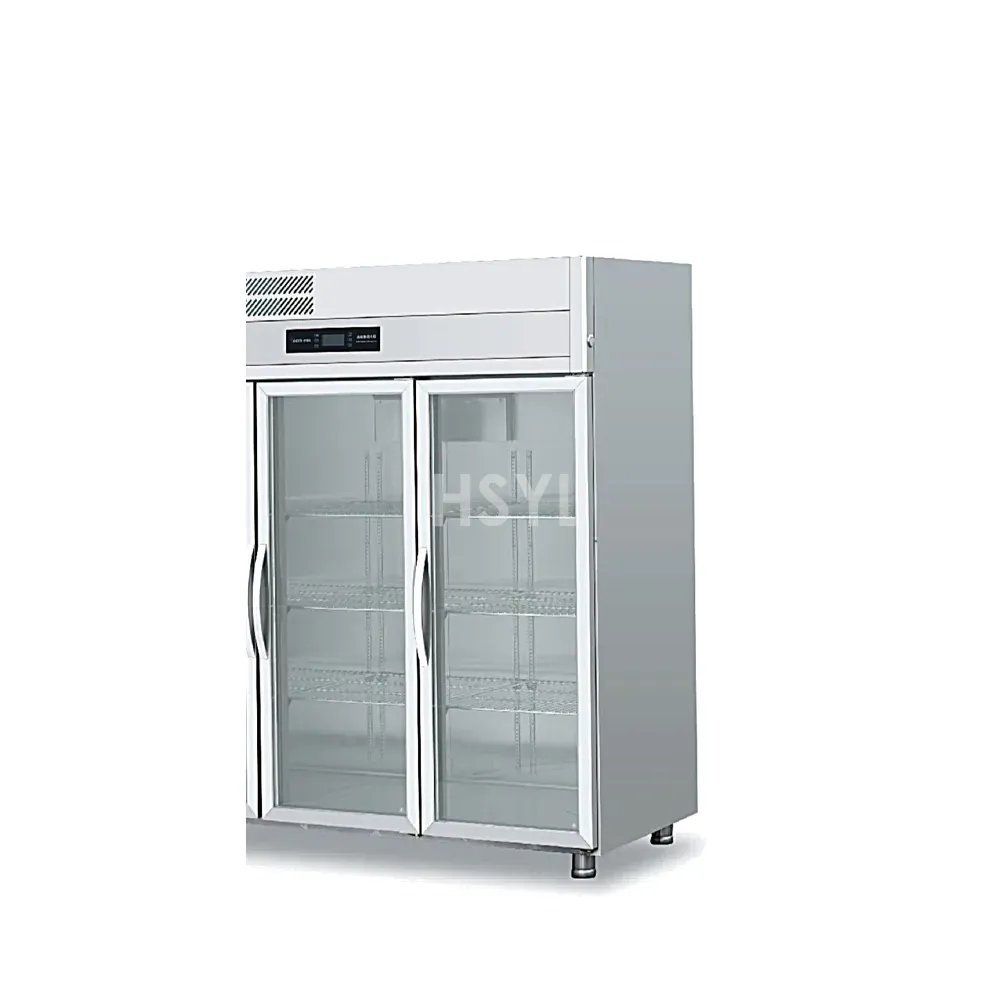
E Series Display Refrigerator Range
Compare E Series display cabinets by door layout, footprint and storage duty. Confirm the ...
View product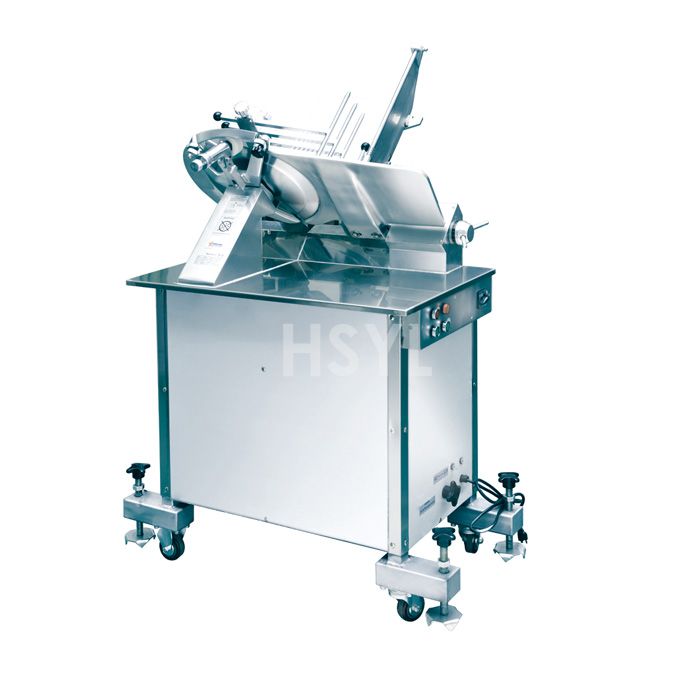
Commercial Meat Slicer-FP-HB-350400
Compare HB-350/400 meat slicers around meat size, slice thickness and production needs. Re...
View product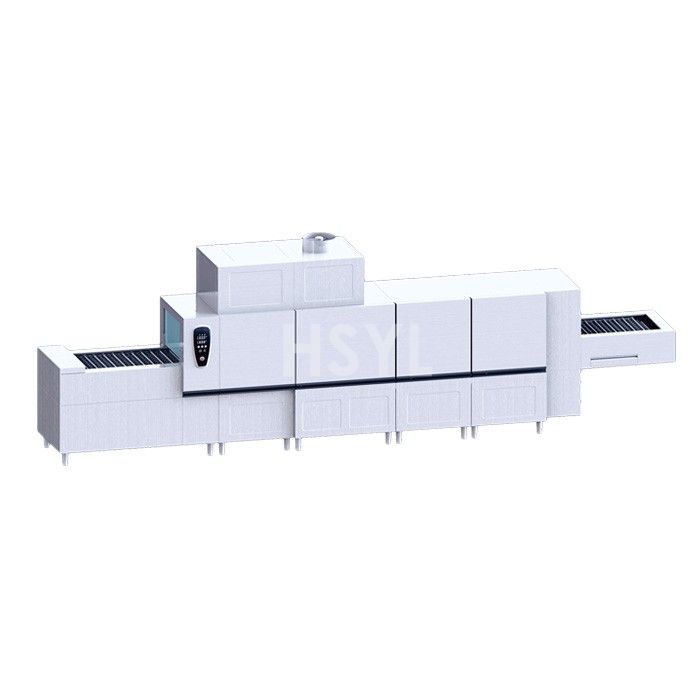
HDW8000L Steam-Heated Commercial Dishwasher
Quick Summary: The HDW8000L Steam-Heated Commercial Dishwasher (Model: CK-HDW8000L) is a h...
View product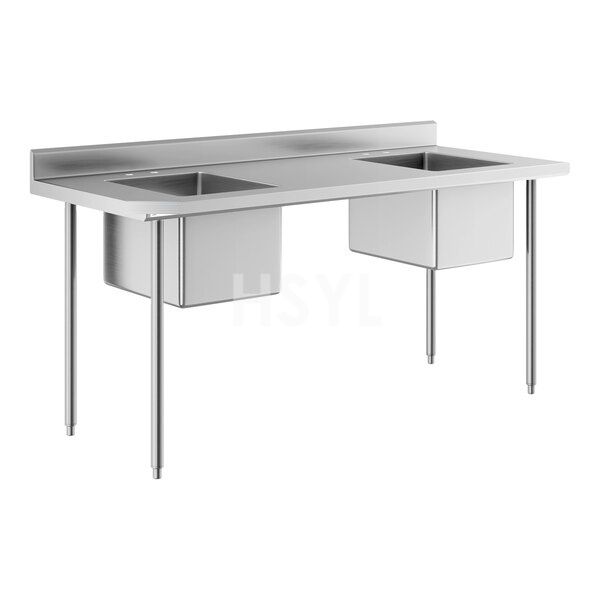
Two-Compartment Commercial Sinks
Two-Compartment Commercial Sinks for commercial kitchens, fabricated to project dimensions...
View product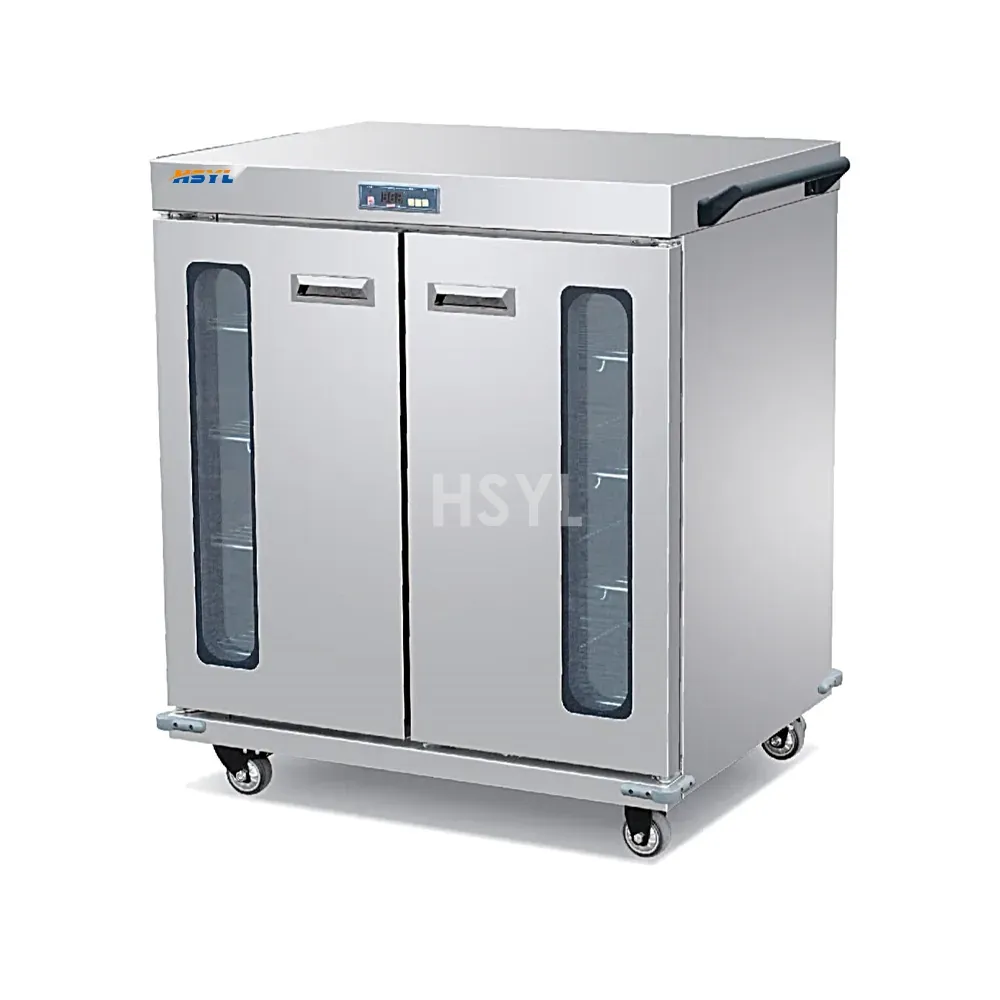
E234-BCW02-11 Horizontal Banquet Cart
Quick Summary: The E234-BCW02-11 Horizontal Banquet Cart-B (Model: SL-E234-BCW02-11) is a ...
View product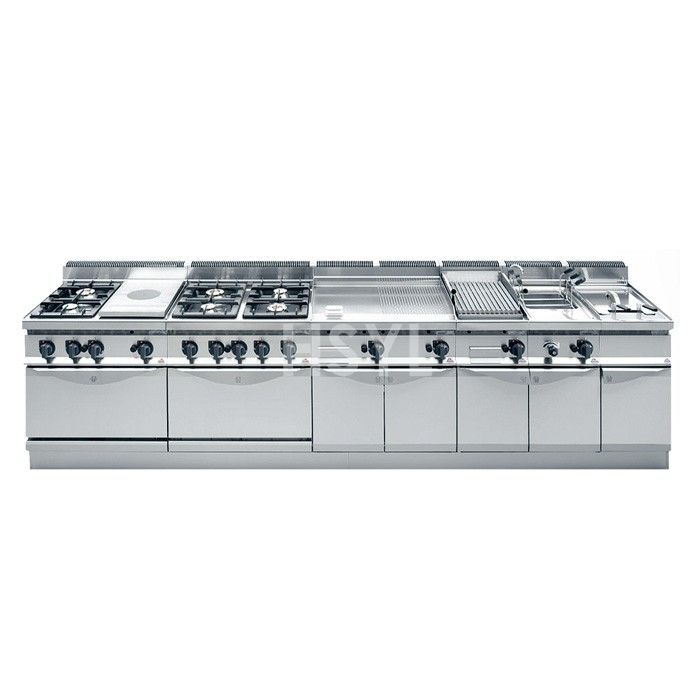
700-Series Combined Western Kitchen Stove
Quick Summary: The 700-Series Combined Western Kitchen Stove (Model: CK-BERTO) is a heavy-...
View product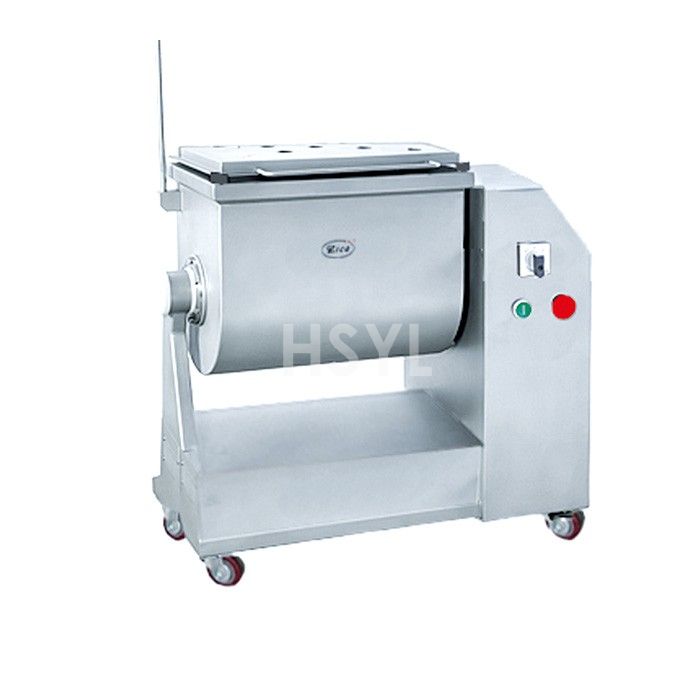
Commercial Meat Mixers
Commercial meat mixers for central kitchens, restaurant prep and meat-processing workstati...
View product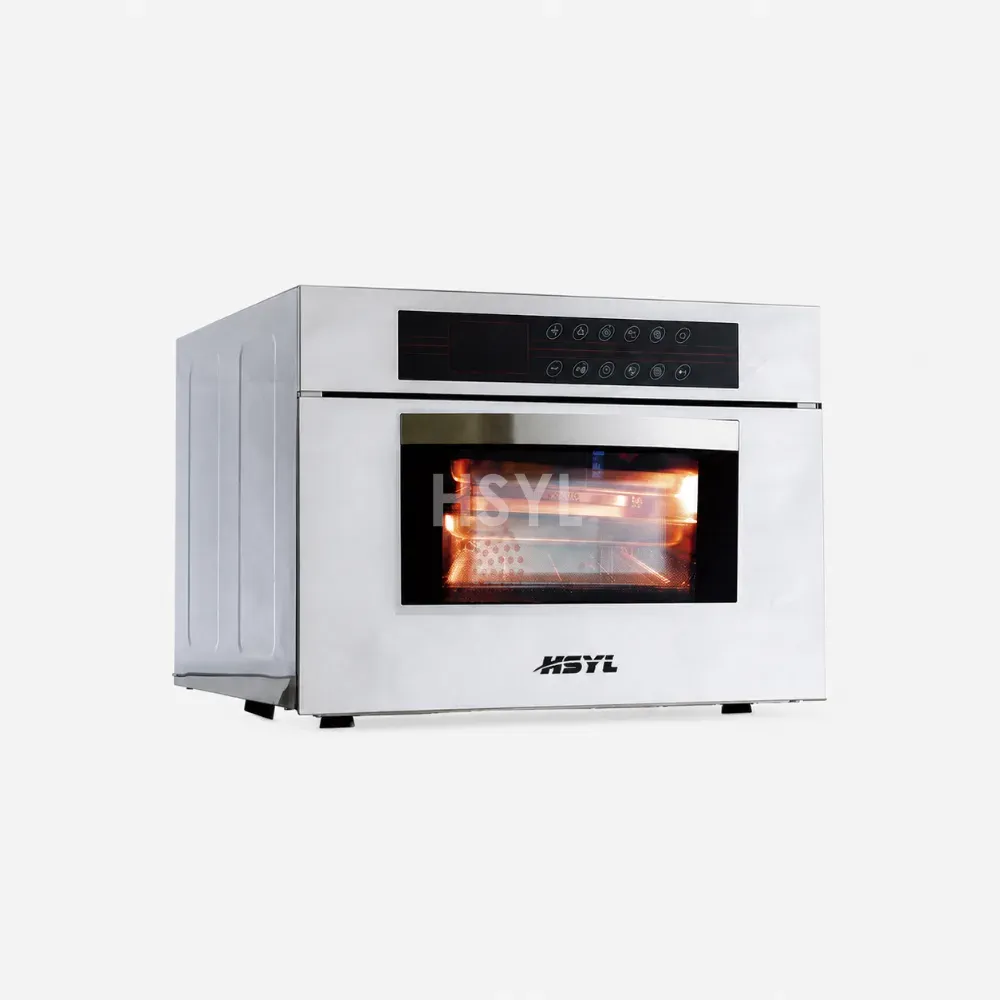
Commercial Ovens for Professional Kitchens
Commercial electric and convection oven solutions for professional kitchens. Review HSYL c...
View product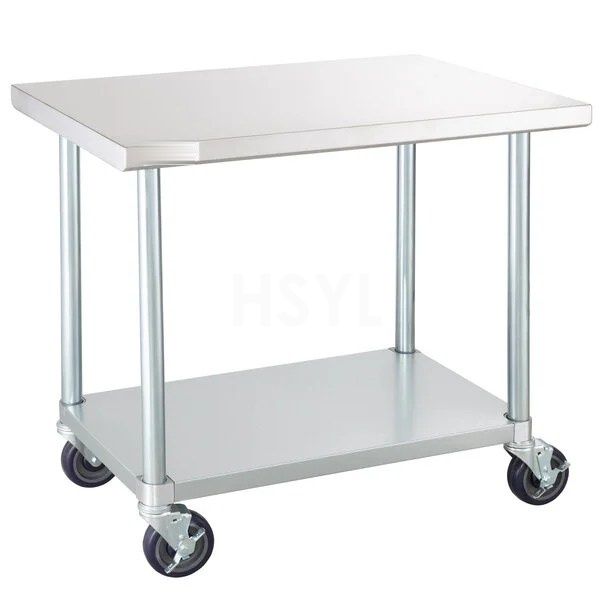
Stainless Steel Kitchen Trolleys
Stainless Steel Kitchen Trolleys for commercial kitchens, fabricated to project dimensions...
View product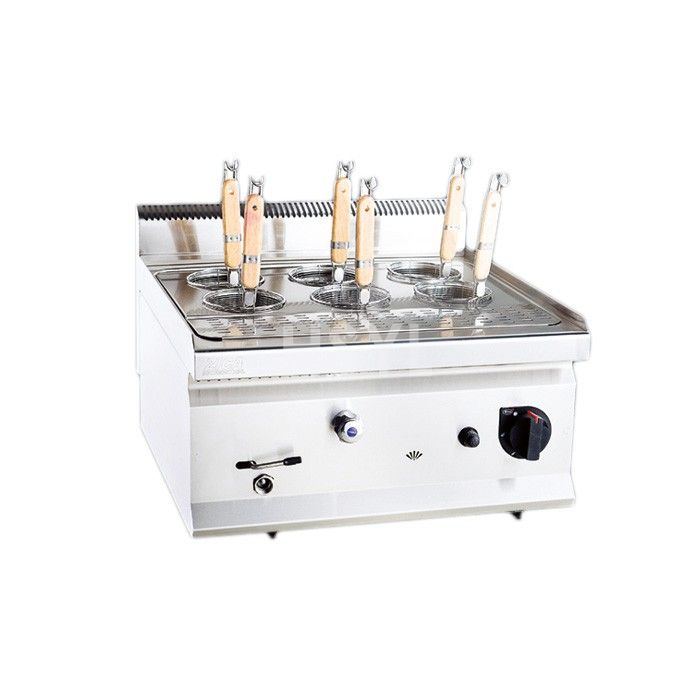
HP Countertop Gas Pasta Cooker Range
Compare HP6035G and HP6060G countertop gas pasta cookers. Review footprint and gas require...
View product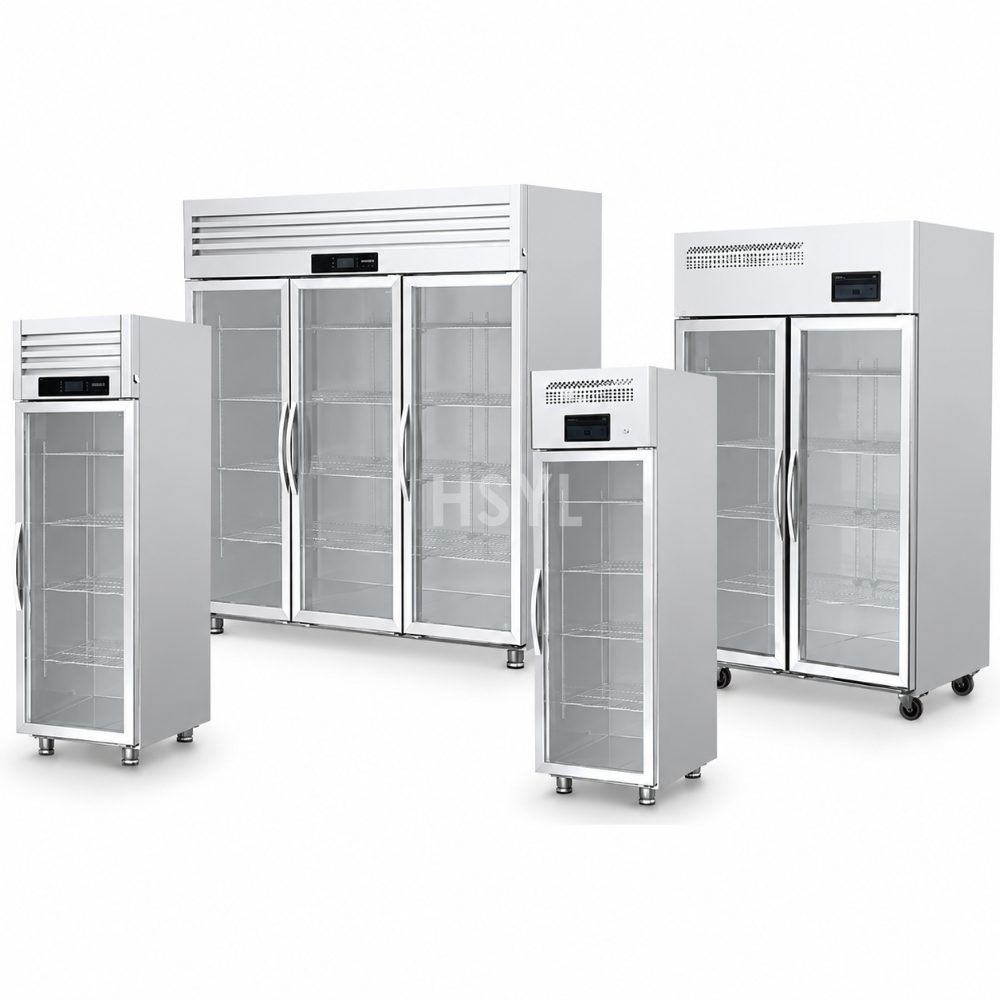
Q and S Series Direct-Cooling Display Cabinet Range
Compare Q and S Series display cabinets for your products and store layout. Confirm temper...
View product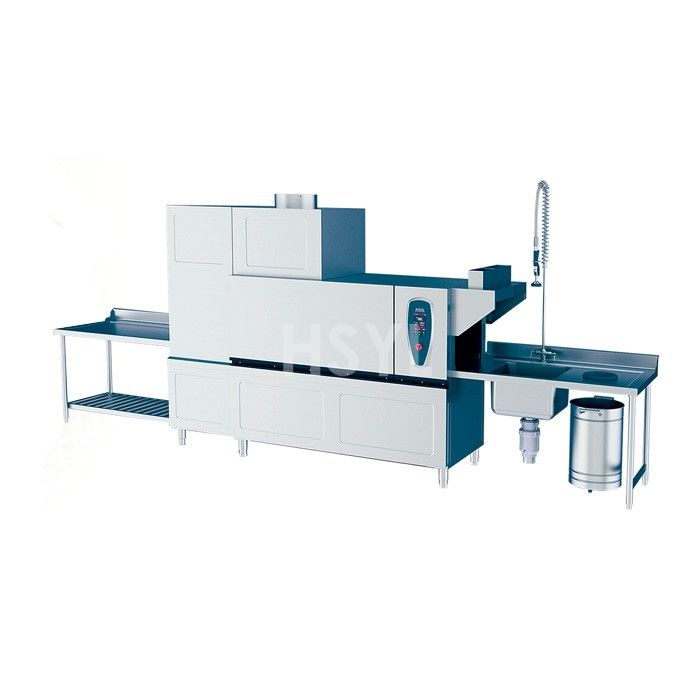
HDW260-EL-R Electric-Heated Commercial Dishwasher
Compare HDW260-EL-R Electric-Heated Commercial Dishwasher capacity, heating, dimensions, u...
View product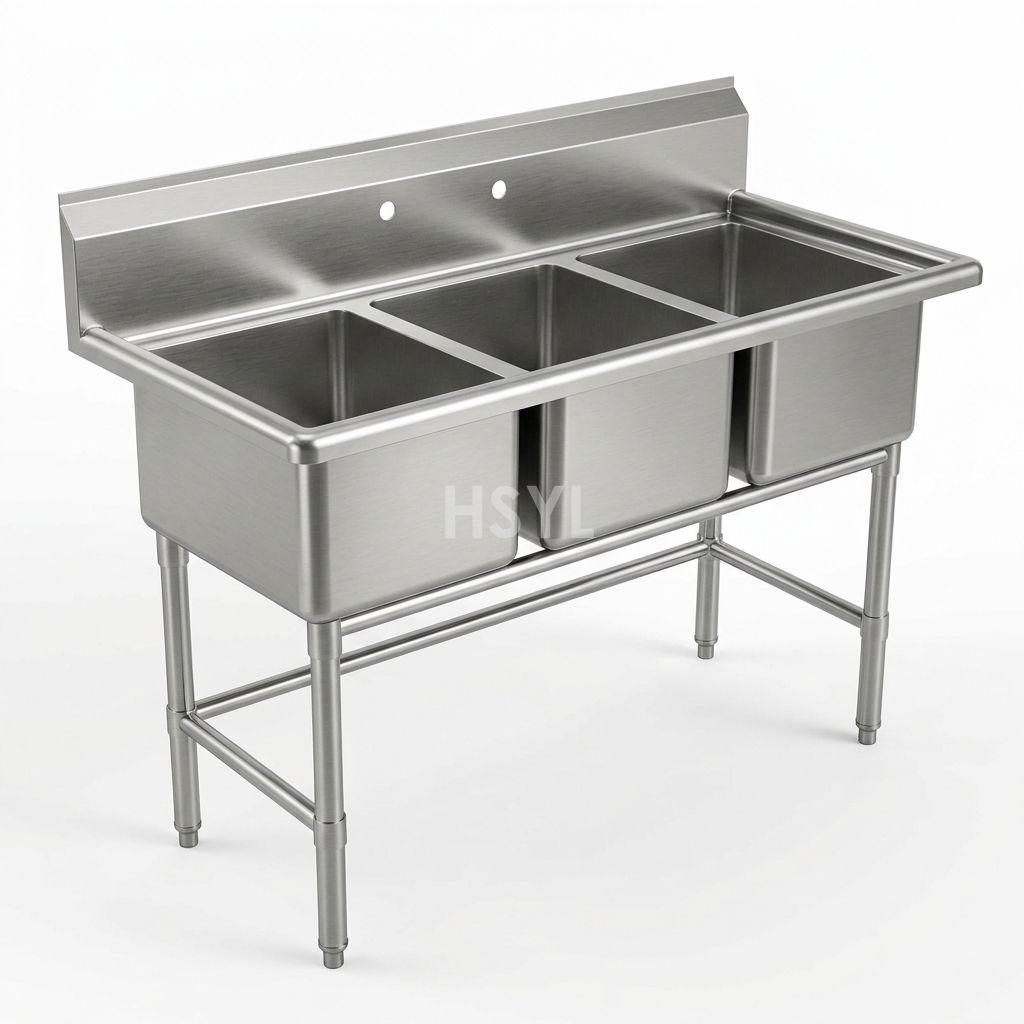
Three-Compartment Commercial Sinks
Three-Compartment Commercial Sinks for commercial kitchens, fabricated to project dimensio...
View product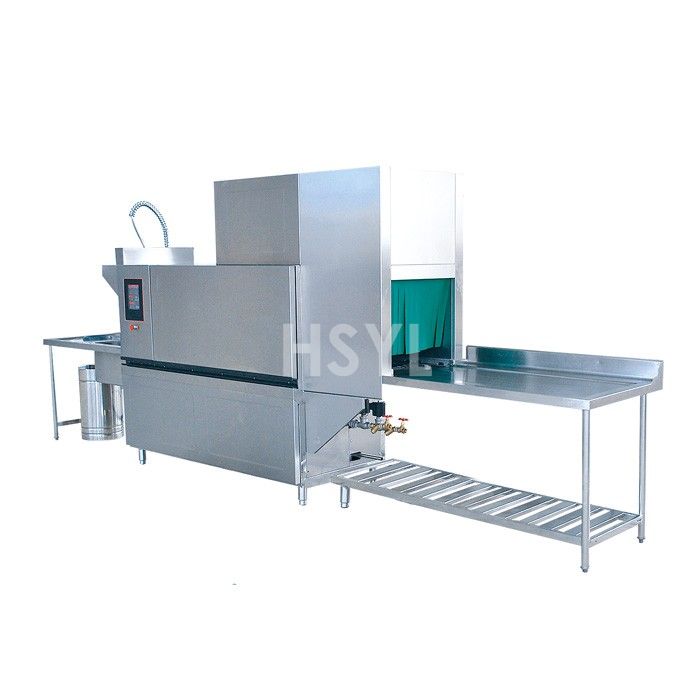
HDW260-SL-R Steam-Heated Commercial Dishwasher
Compare HDW260-SL-R Steam-Heated Commercial Dishwasher capacity, heating, dimensions, util...
View product Stainless Steel Wall Shelf
Plan stainless steel kitchen wall shelves for utensils, containers and clean storage. Spec...
View product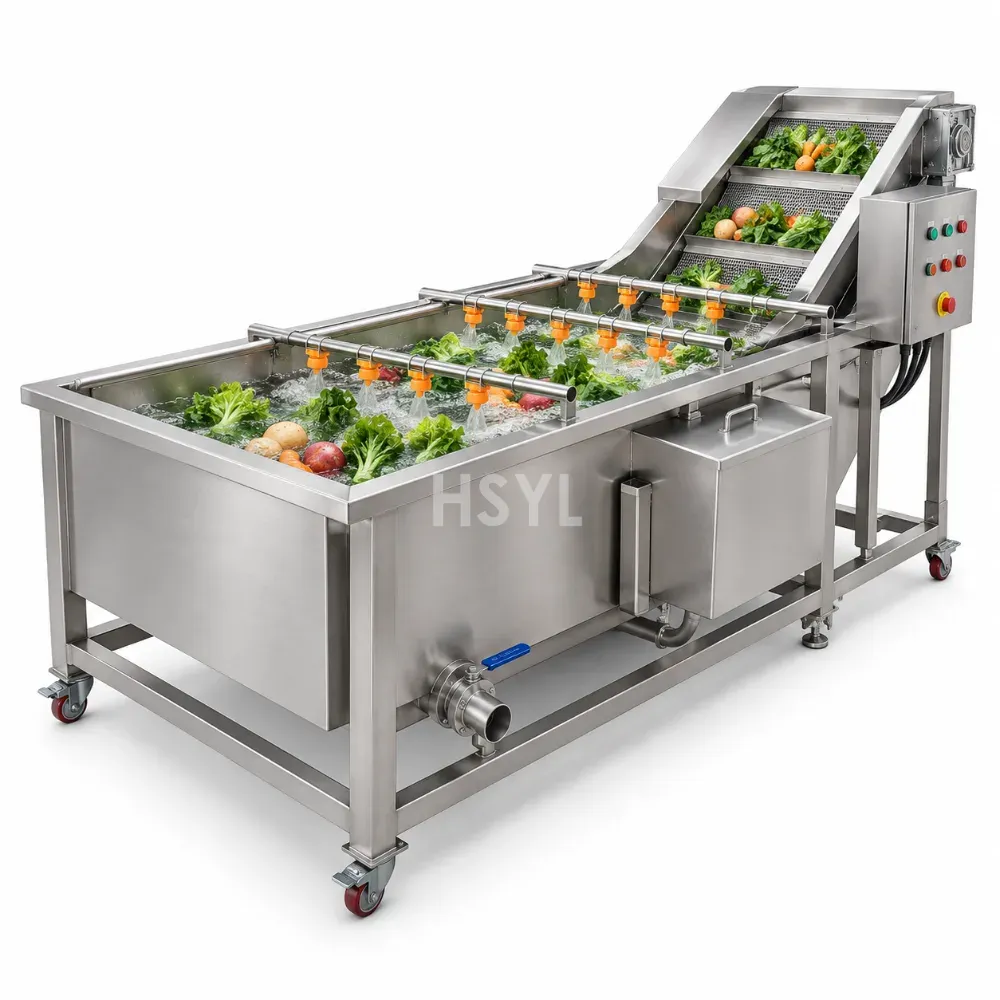
Commercial Vegetable Washers
Commercial Vegetable Washers for central kitchens, food processing plants, canteens and re...
View product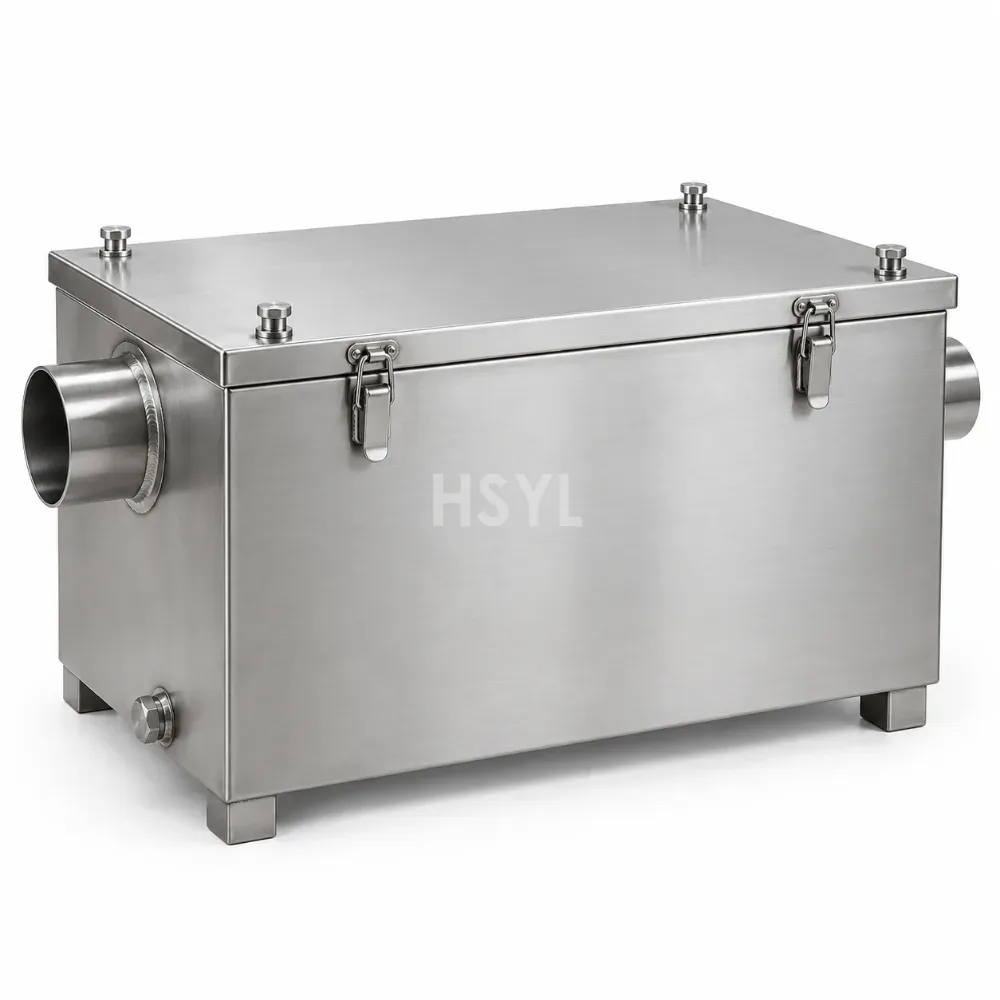
Commercial Grease Traps
Commercial Grease Traps for commercial kitchens, fabricated to project dimensions in AISI ...
View productFrequently Asked Questions
Does discounted equipment always cost less to use?
No. Compare required accessories, handling, site work, immediate condition work and the accepted task. Show unresolved costs separately.
What evidence should a refurbished offer include?
Request the actual unit identity, inspection and repair scope, replaced parts, functional demonstration and written acceptance and coverage terms.
Does HSYL sell used or refurbished equipment?
This guide does not establish that availability. Ask HSYL to confirm what exact condition and configuration can currently be supplied.
Plan the Equipment Around Your Kitchen.
Share your menu, peak service demand, available space and site utilities. Tell us which equipment you are considering so we can review the requirements with you.