Commercial Cooking Appliances: Menu-Based Selection Guide
Compare commercial cooking appliances by menu method, concurrent demand, loaded output and utilities. Plan trials, lifecycle costs and destination documents.
Select commercial cooking appliances by the food result, simultaneous menu demand and available utilities. Compare ranges, ovens, fryers, griddles and steam equipment as different production methods. Check useful loaded output, extraction, cleaning and destination documents before using purchase price to choose between them.
A cooking appliance category is a starting point, not a kitchen specification
Commercial supplier catalogs organize cooking equipment by appliance type. That is useful for navigation, but a restaurant buyer still needs to connect each category to an actual menu task. Cooking vegetables in a steamer, browning them on a griddle and roasting them in an oven may all be possible; the accepted texture, operator work and service timing can be quite different.
Write a production brief before shortlisting models. List the food, preparation condition, portion size, target result and service period. Add the cookware or trays already used, the number of operators and the stages that must happen at the same time. Identify whether the appliance cooks to order, produces a batch ahead of service or supports finishing and reheating.
Separate the primary production constraint from the preferred equipment name. If a kitchen needs several sauces and sautéed dishes at once, individual controllable pan positions matter. If it needs a tray-based production schedule, loaded chamber access and cycle changes matter. A higher connected input or a larger outside cabinet does not directly resolve either constraint.
This guide compares procurement paths rather than naming a universal winning appliance. Exact useful output, energy consumption and cleaning time depend on the selected configuration and food process. Require the supplier to show how the proposed machine meets the brief, and keep the trial conditions attached to the result.
Compare appliances by the production method they control
| Menu task | Appliance route | Selection variable | Practical trial |
|---|---|---|---|
| Independent sauce and pan cooking | Range, suitable hob or induction station | Usable concurrent cookware positions and control response | Run the intended pans together |
| Tray-based baking or roasting | Appropriate commercial oven | Tray fit, loaded uniformity and schedule changeover | Sample food from defined chamber locations |
| Immersion frying | Commercial fryer | Basket arrangement, recovery under the actual product and oil handling | Repeat accepted loads through the service period |
| Direct-contact browning | Commercial griddle or suitable grill | Useful cooking area, zones and grease collection | Cook across positions and planned zones |
| Moist tray cooking | Appropriate steam appliance | Food loading, water system and opening/reloading pattern | Cook the complete loaded tray pattern |
| Several methods in one chamber | Documented multifunction cooking appliance | Menu coverage, changeover and dependency on one machine | Run the intended mixed production schedule |
Use this matrix to build a shortlist of methods before choosing a brand or model. A multifunction machine can reduce the number of separate stations, but it also concentrates work in one resource. If two menu stages require incompatible conditions at the same time, a single large chamber may be less useful than two smaller independent appliances.
Countertop equipment needs the same method-based assessment. Smaller size does not remove extraction, electrical, cleaning or support requirements. Check whether the proposed work surface can carry the approved installed load and whether staff can reach the appliance without losing preparation space. Put the support stand, accessories and utility connections in the quoted scope.
Count overlapping tasks during the busiest production interval
A full-day sales total can conceal a short production bottleneck. Divide the service period into working intervals that reflect the operation and list the tasks occupying each appliance. Include heat-up, loading, cooking, unloading and necessary cleaning or food changes. The resulting schedule shows when more independent capacity is needed and when existing capacity simply needs different sequencing.
For pan cooking, distinguish burner count from usable pan count. Handles, large stockpots, safety clearances and operator access can prevent all nominal positions from being used simultaneously. For ovens, distinguish rack positions from a validated loaded arrangement. For fryers, distinguish oil volume from an acceptable food load and repeated recovery result.
| Service interval | Food task | Resource occupied | Shared constraint | Accepted completion |
|---|---|---|---|---|
| Before service | Batch production | Identify oven, steamer or pan station | Loading, utility and operator availability | Approved food result at dispatch |
| Peak ordering | Cook-to-order items | Identify concurrent zones or vessels | Operator access and extraction | Completed orders within the agreed window |
| Menu changeover | New food or cooking condition | Identify resource unavailable during change | Cleaning and resetting | First accepted batch after change |
Use the schedule to challenge a proposed appliance substitution. Replacing two independent machines with one multifunction unit may preserve total tray capacity but remove simultaneous work. Conversely, a separate finishing appliance may relieve the primary oven without requiring a larger chamber. Assess the substitution against the schedule rather than against a single catalog dimension.
Define the reserve arrangement for the tasks that matter most. A shared station, alternative menu, small backup appliance or external production arrangement may cover a disruption. Record the limits of that fallback. Spare capacity is useful only if it can perform the affected food task with the available utilities and operators.
Check utility and ventilation constraints before selecting power
Record the destination's actual electricity supply, phase arrangement, frequency, available capacity and connection location. Equipment examples such as 115V/60Hz, 220–240V/50Hz or a documented 380V three-phase version are different configurations. Request the exact ordered version and installation schedule; none of these examples establishes what HSYL supplies for a particular model.
Have the installer assess the total kitchen demand rather than adding isolated marketing wattages. Nameplate input supports a connection assessment, while metered consumption supports operating-cost comparisons. A motor, heating element and control circuit can have different service requirements. Confirm protective devices, isolation and cable routing through the installation documents and competent site design.
For gas appliances, identify fuel, required inlet conditions and the approved supply arrangement. Natural gas and LPG compatibility must come from the selected configuration's documentation. A general gas label is insufficient. The appliance, connector, restraints, shutoff arrangement and ventilation system must be assessed as an installation, with clear responsibility for commissioning.
Do not treat all cooking emissions alike. Grease, moisture, heat and combustion products can require different extraction arrangements. Give the ventilation designer the appliance lineup and menu duties before fixing the layout. A small countertop unit may still add a meaningful load to the system, while placing it under an existing hood does not by itself prove suitable capture.
Keep water and drain connections in the same schedule. Some steam and multifunction equipment needs a documented water quality, pressure and drain arrangement. Ask which treatment, consumables and service tasks are included. Additional equipment can create a water-system dependency that was absent from the original kitchen.
Measure acceptable production rather than catalog capacity
Agree the food result and rejection conditions before a demonstration. Use the actual product, initial condition, cookware or tray loading, recipe and operator sequence. Include the work that happens between batches. The trial should show whether the appliance can maintain an acceptable result through the intended interval, not merely produce one attractive sample.
Choose observations appropriate to the method. An oven trial can record food result at different tray positions and the impact of reloading. A griddle trial can compare intended cooking zones and recovery after the selected product is placed. A steamer trial can include the actual pan depth and door-opening routine. Each measurement should answer a purchasing question.
Keep an accepted-output denominator. Count or weigh the food that meets the defined result, and record rejected food separately. Machine cycles, nominal pan positions or isolated cooking time are not interchangeable with accepted portions per service interval. Include preparation and unloading limitations if they prevent the operator from using the machine's apparent capacity.
Record changes during the trial. If a supplier reduces the load, changes the recipe or removes a tray to obtain a result, the final accepted configuration should reflect that change. Do not return to the initial advertised capacity in the quotation. Keep the complete trial record with the model revision so the result cannot be assigned to a different configuration.
Request component and cleaning details that affect daily operation
Ask for the service-sensitive component identities in the ordered build. Heating elements, thermostats, sensors, gas controls, ignition components, motors, fans and door seals may affect repair arrangements. Obtain the exact part references and approved alternatives. A supplier's use of a familiar component brand in another product does not prove that brand is fitted to the quoted appliance.
Specify materials by location and task. If an AISI 304 surface is requested, identify whether that requirement covers the food-contact part, top, cabinet or another component. Ask for the documented grade, finish and cleaning compatibility. Do not treat steel grade alone as proof of cleanability, useful life or load-bearing performance.
Observe disassembly and cleaning after the food trial. Include oil drainage, grease collection, removable trays, guards, door seals and access behind the appliance. Check whether staff can safely perform the routine and whether the required tools or cleaning consumables are supplied. Record maintenance intervals from the manufacturer rather than inventing a universal service frequency.
Discuss destination support with the service provider. Identify which parts should be held locally, which diagnostic information is needed and who performs work under warranty. A repair promise needs a geographic scope and a practical parts route. Include the cleaning and service access envelope in the drawing so it survives installation.
Compare lifecycle cost on the same menu and utilization basis
Build a cost comparison only after the appliance scopes and trials are comparable. Include the machine, required accessories, support stand, water treatment, extraction contribution, delivery and commissioning. Then add measured energy, consumables, cleaning labour, scheduled maintenance and the defined response to an unplanned interruption.
| Input | Evidence to record | Boundary |
|---|---|---|
| Annual electricity | Measured representative kWh and annual duty schedule | Keep standby separate from production |
| Fuel, water and consumables | Observed use or explicitly identified planning estimate | Use the same menu and loading condition |
| Accepted output | Accepted portions or mass after rejects | Do not replace with theoretical cycles |
| Service and disruption | Documented maintenance and defined recovery scenario | Do not invent a failure rate |
Cost per accepted output unit = costs within the agreed comparison period ÷ accepted output during that same period.
When annual energy data is absent, state that an input-based estimate is provisional. Ask for representative measurements during production and standby rather than presenting kWh/annum as a property of an unknown kitchen schedule. Keep the tariff, operating days and utilization assumptions visible so another branch can adjust the calculation.
Review concentration risk as part of cost. One appliance replacing several stations can change service exposure even if the purchase price is attractive. Compare the cost and time of a practical recovery route. The decision should make clear what happens to the menu while a critical part is unavailable.
Complete the destination and shipment package
Ask the destination team which sanitation and safety evidence the exact appliance requires. In the US, sanitation scope and electrical acceptance are separate questions; NSF/ANSI 4 concerns commercial cooking and powered holding equipment. For EU imports, request the applicable conformity documentation for the supplied configuration. For UK gas installations, confirm competent installation and site requirements. None of these checks proves an unverified HSYL certification.
Request packed dimensions, gross weight, permitted orientation and stacking conditions before planning freight. Confirm whether accessories travel in the same package and how fragile controls or connections are protected. A 20GP or 40HQ loading quantity requires the approved packing and loading plan. Nominal cabinet dimensions alone do not establish a container count.
For customization, define the requested drawing or component change and the approval stage. Ask whether OEM or ODM changes affect performance testing, conformity documents, installation details or spare parts. Put accepted changes in the quotation and final model record. Do not assume that a catalog photograph establishes any requested custom version.
Provide HSYL with the menu brief, concurrency register, site utility schedule and required acceptance trial. Request proposed configurations with their exact supply scope and document availability. Approve the appliance that meets those conditions with a workable operating and maintenance route, then carry the same requirements into receiving and commissioning.
Engineering-Led Commercial Kitchen Manufacturing
HSYL Kitchen Systems designs and produces heavy-duty commercial kitchen equipment for central kitchens, hotels, canteens, hospitals and high-capacity restaurants. Our goal is to provide precise equipment matching, documented quality gates and verified delivery for global foodservice operations.
- Food-grade SUS304 & SUS316 stainless steel construction
- Custom engineering layout & CAD drawing support
- Multi-stage factory quality control & FAT testing
- Factory-direct supply chain with spare parts backup
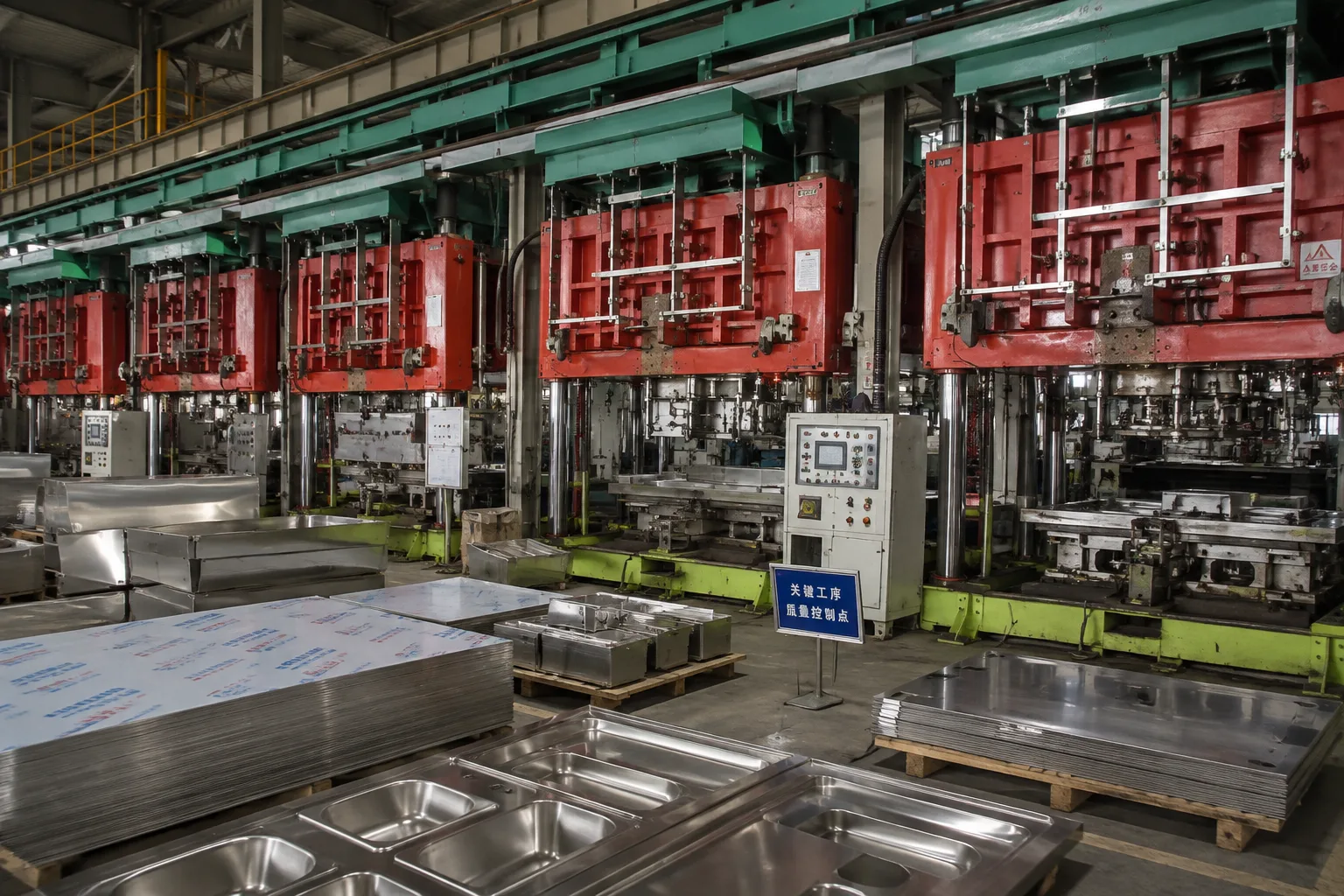
Advanced OEM Processing Equipment & Lines
Equipped with world-class automated sheet metal processing, precision bending centers, thermal foaming lines, and vacuum test rigs to support high-volume commercial kitchen OEM/ODM manufacturing.
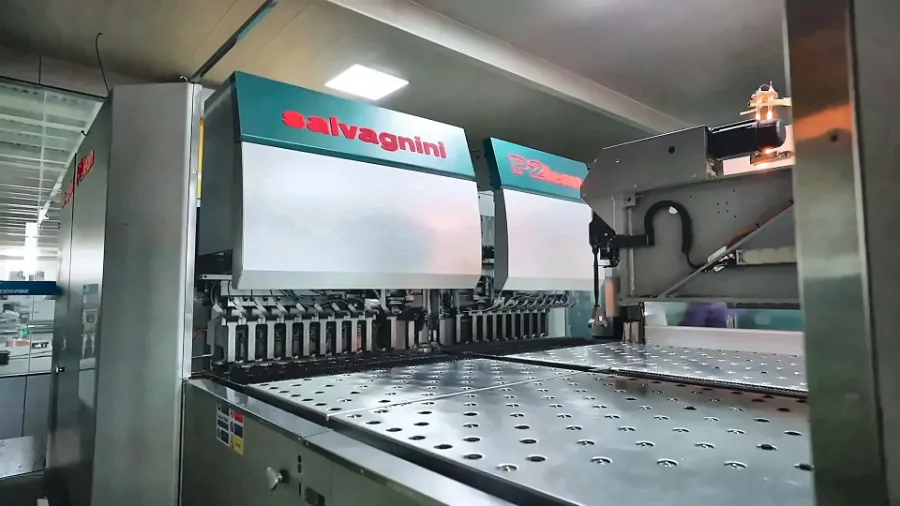
Italian Salvagnini Panel Bending Center
Automated sheet metal bending system for seamless cabinet fabrication and tight structural tolerances.
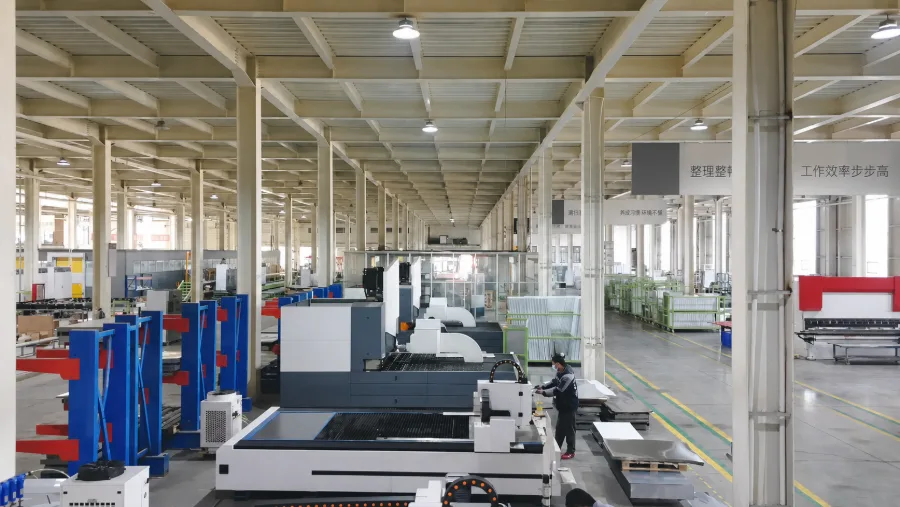
Automated Bending & Laser Cutting Line
Integrated flexible processing line combining fiber laser cutting and multi-axis CNC bending.
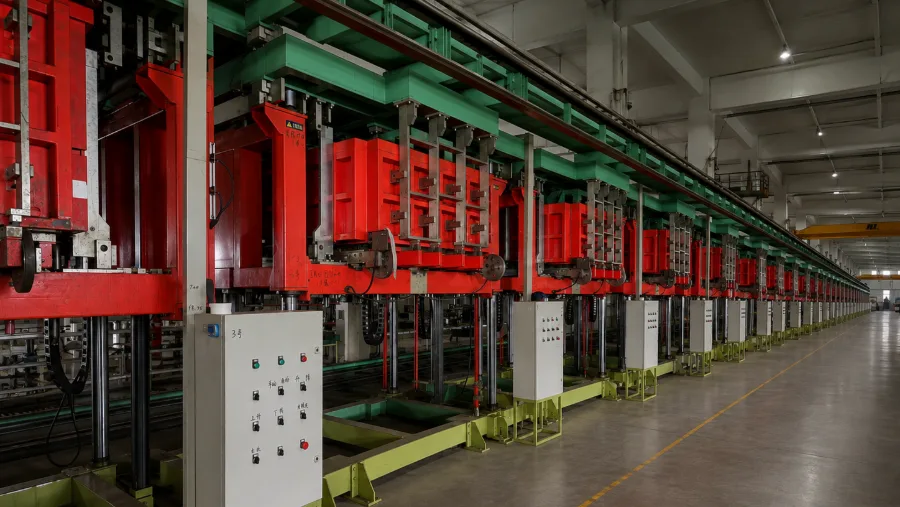
Constant-Temperature Foaming Line
Continuous polyurethane thermal insulation foaming line ensuring uniform core density.
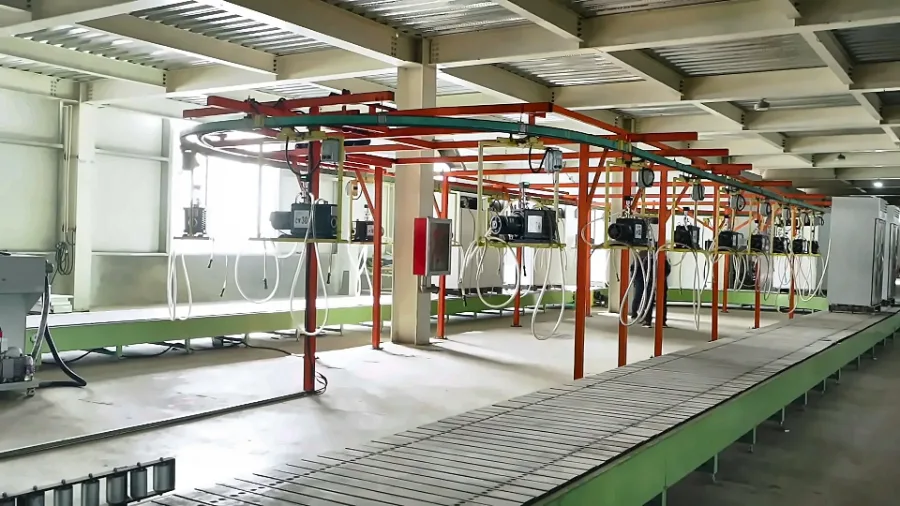
Vacuum Extraction & Testing Line
High-vacuum circuit evacuation and automated leak detection for commercial cooling systems.
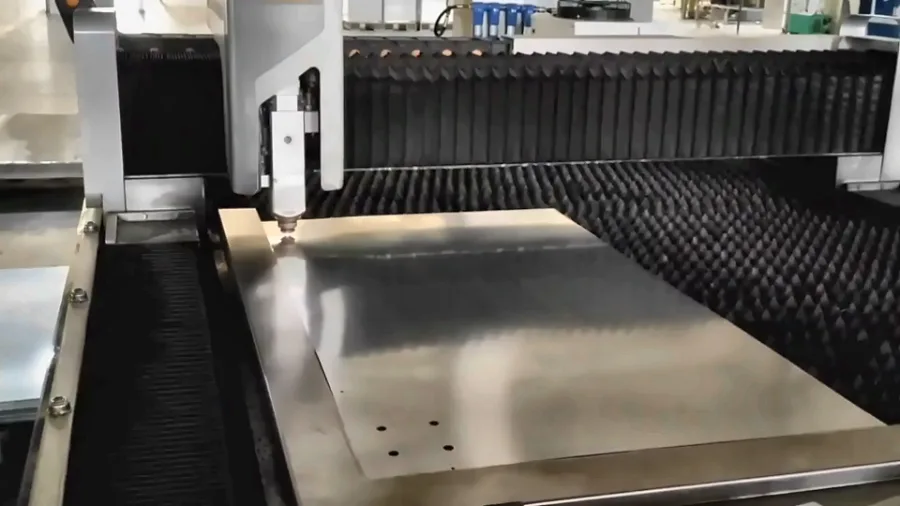
Laser Cutting & CNC Punching Station
High-speed fiber laser cutting and precision CNC punching for intricate component fabrication.
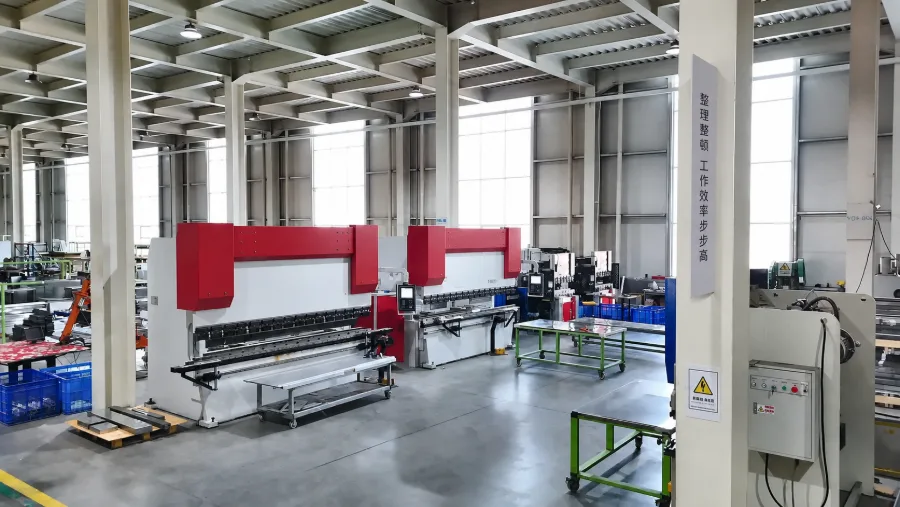
Canadian Heavy-Duty CNC Press Brake
High-tonnage precision press brake for large-format stainless steel sheet forming.
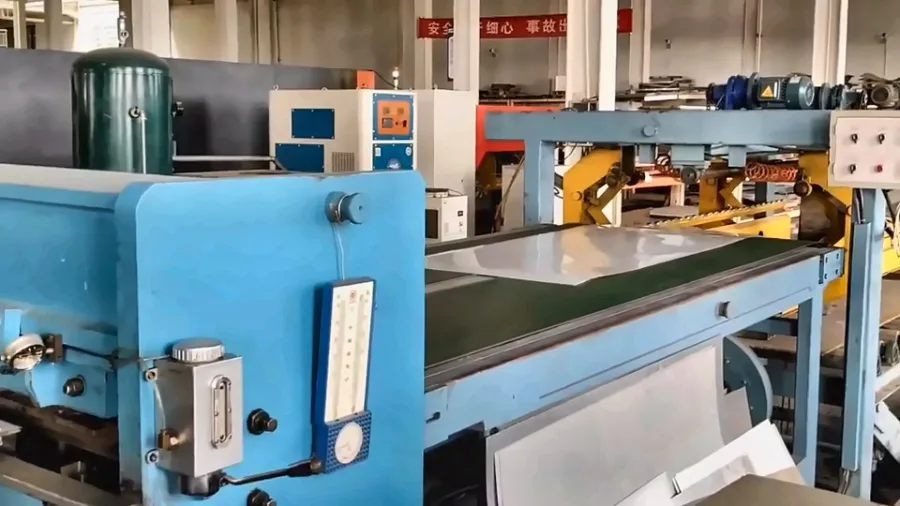
Material Shearing & Cutting Line
Automated heavy-gauge stainless steel shearing and precision raw material sizing.
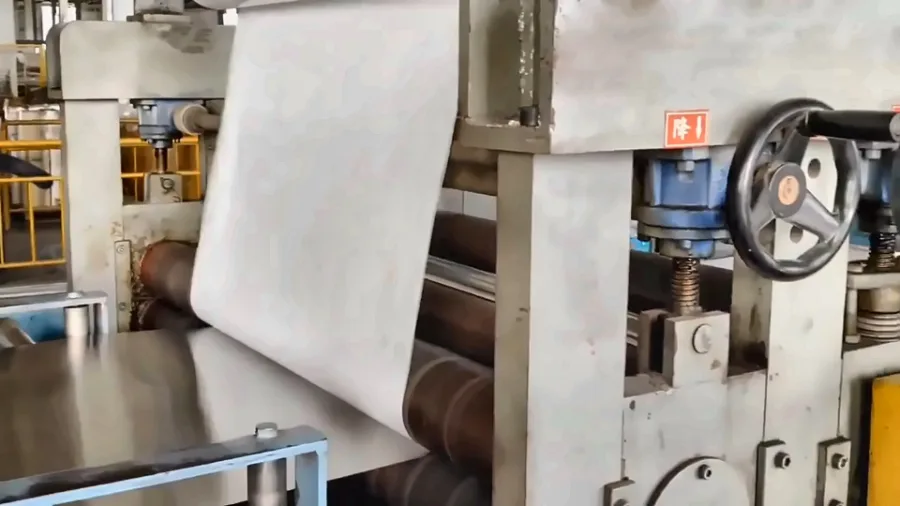
Material Film Laminating Line
Automated surface protection film application to preserve satin and mirror metal finishes.
Explore Popular Kitchen Equipment
Browse equipment that visitors frequently explore, then review the exact model and specifications for your project.
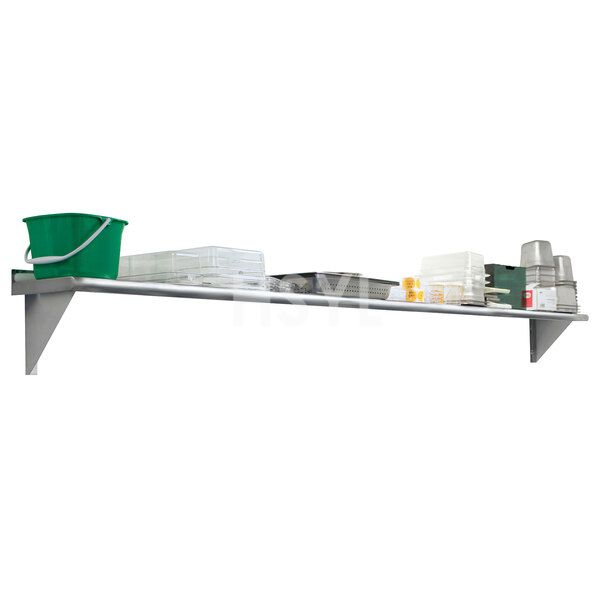
Stainless Steel Wall Shelves
Stainless Steel Wall Shelves for commercial kitchens, fabricated to project dimensions in ...
View product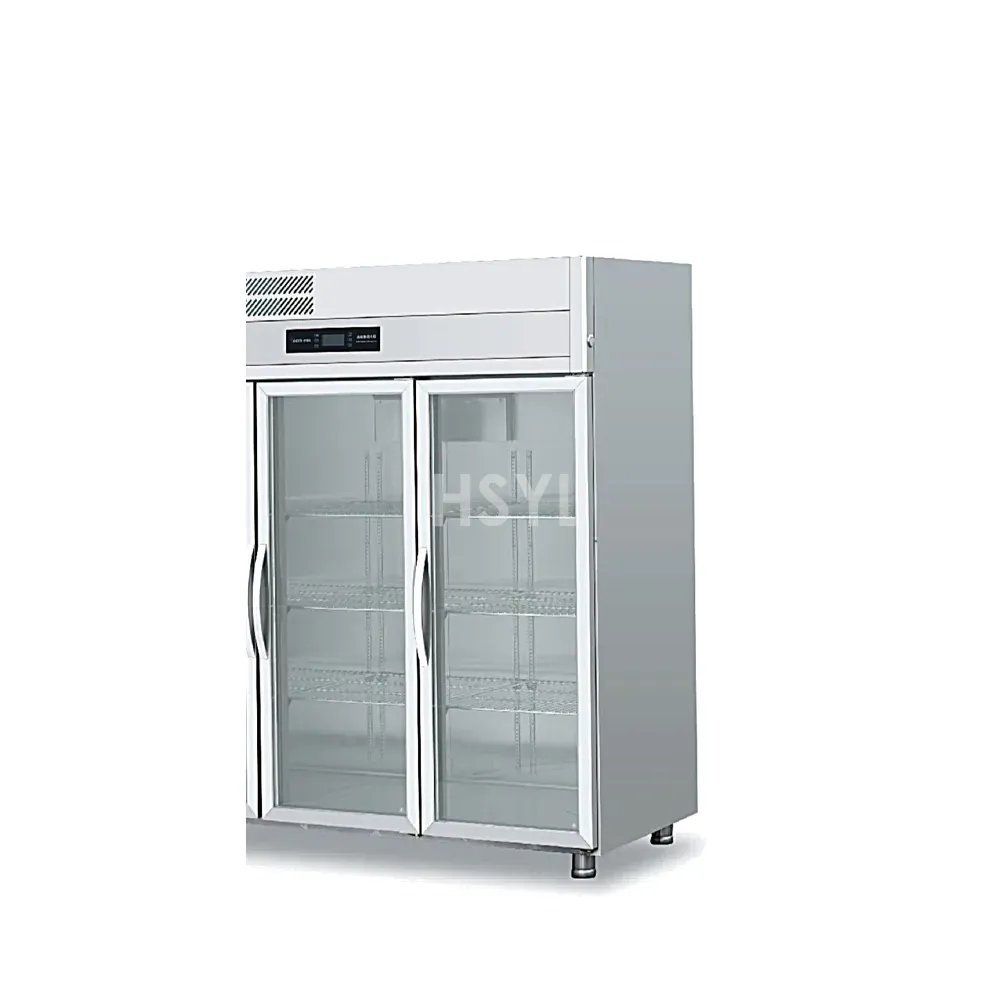
E Series Display Refrigerator Range
Compare E Series display cabinets by door layout, footprint and storage duty. Confirm the ...
View product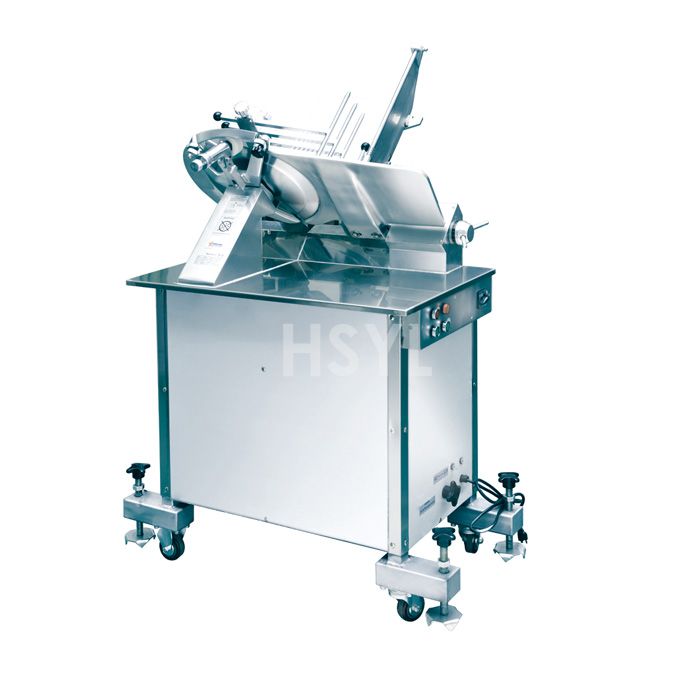
Commercial Meat Slicer-FP-HB-350400
Compare HB-350/400 meat slicers around meat size, slice thickness and production needs. Re...
View product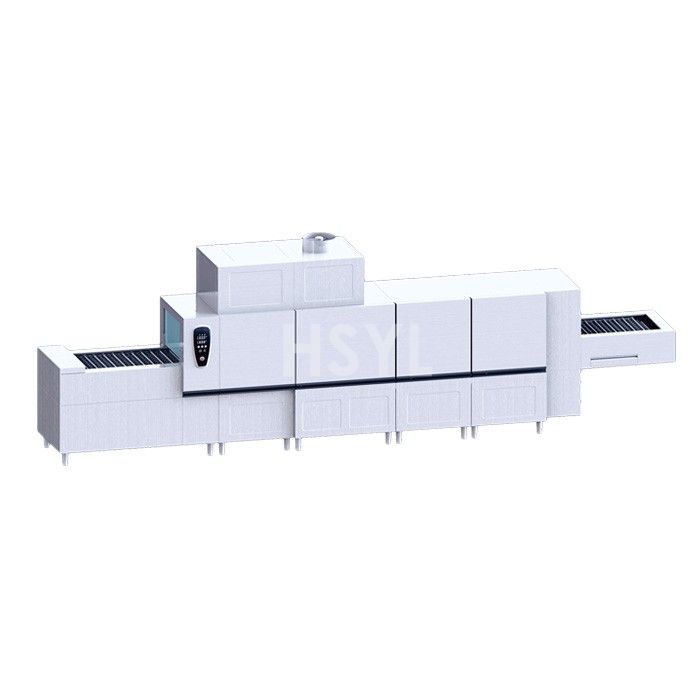
HDW8000L Steam-Heated Commercial Dishwasher
Quick Summary: The HDW8000L Steam-Heated Commercial Dishwasher (Model: CK-HDW8000L) is a h...
View product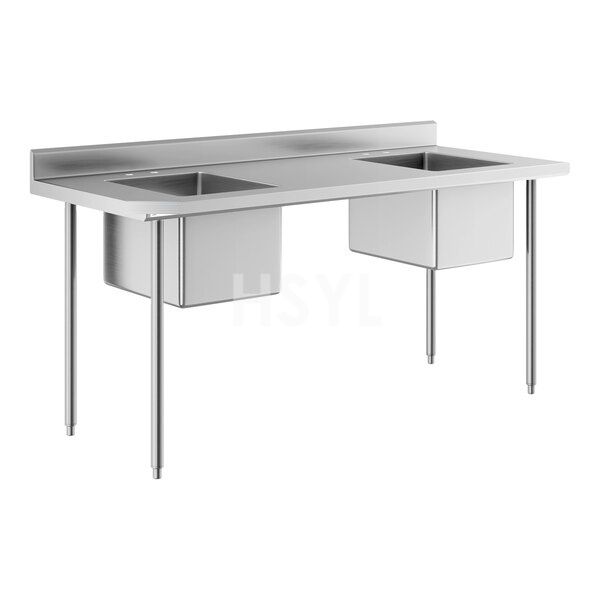
Two-Compartment Commercial Sinks
Two-Compartment Commercial Sinks for commercial kitchens, fabricated to project dimensions...
View product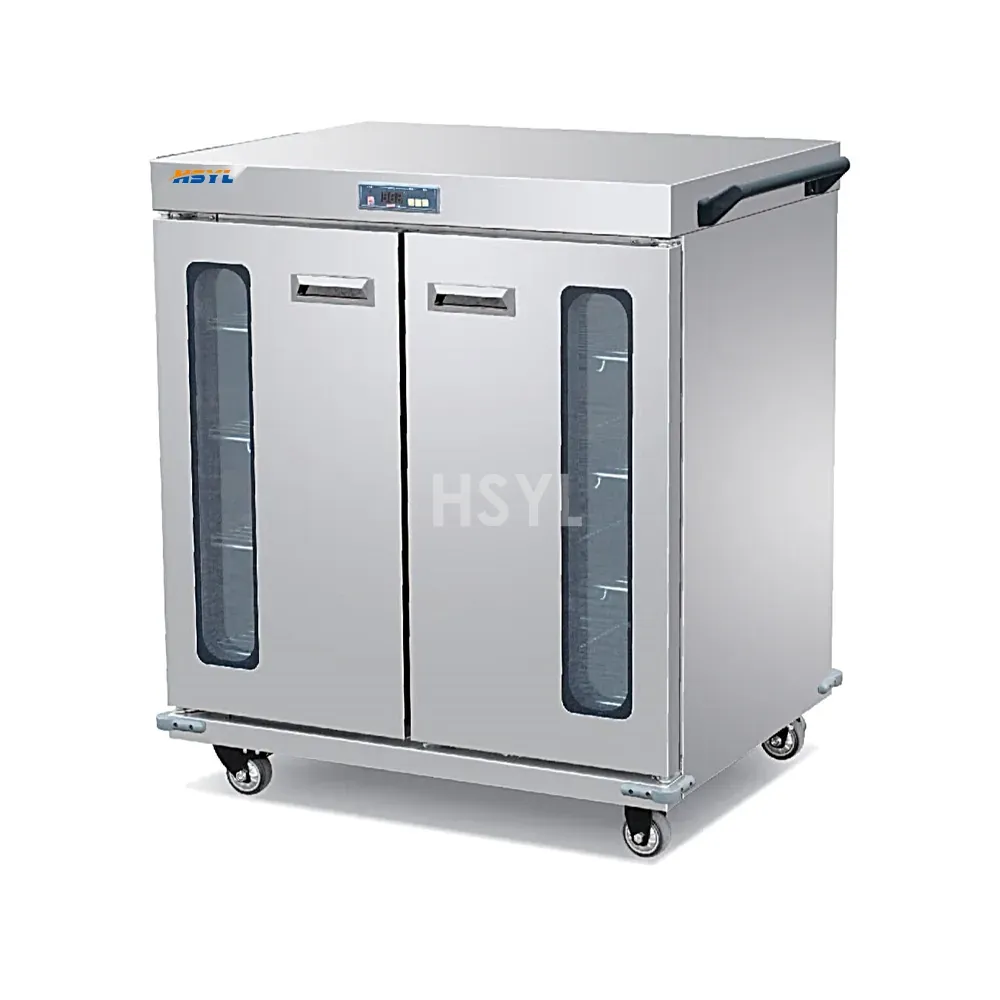
E234-BCW02-11 Horizontal Banquet Cart
Quick Summary: The E234-BCW02-11 Horizontal Banquet Cart-B (Model: SL-E234-BCW02-11) is a ...
View product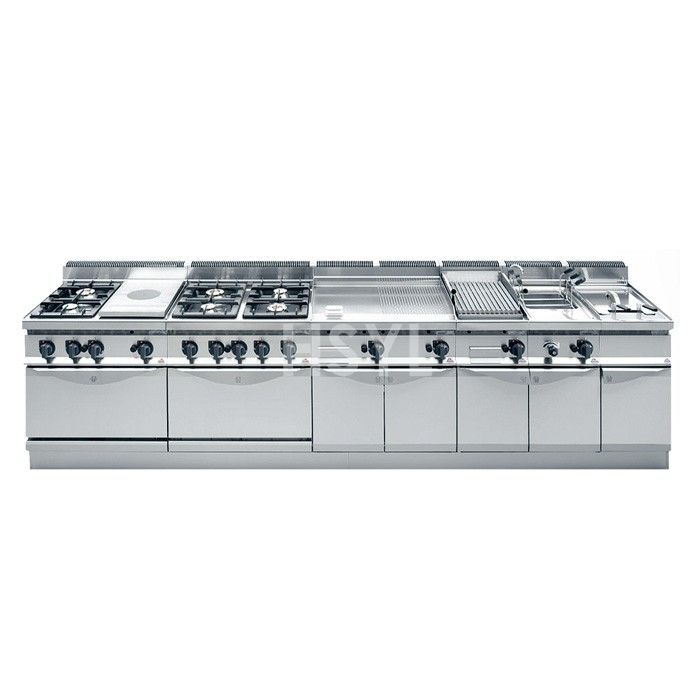
700-Series Combined Western Kitchen Stove
Quick Summary: The 700-Series Combined Western Kitchen Stove (Model: CK-BERTO) is a heavy-...
View product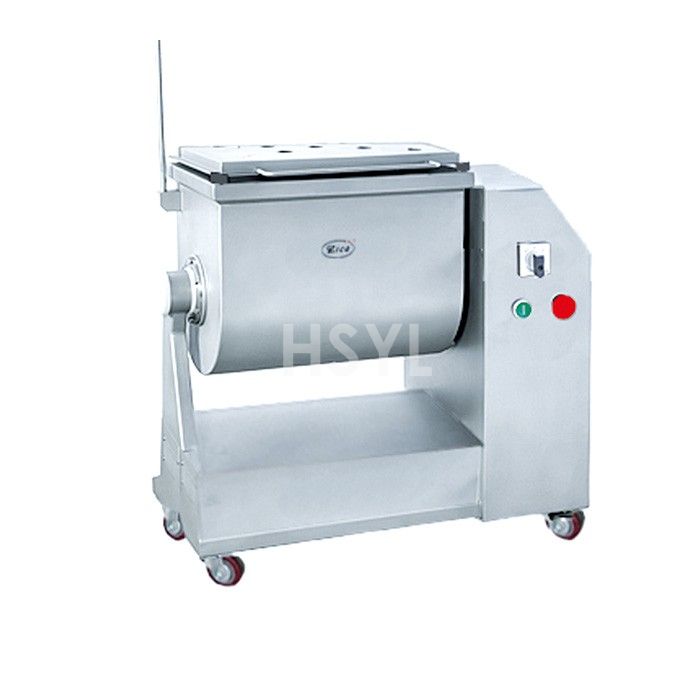
Commercial Meat Mixers
Commercial meat mixers for central kitchens, restaurant prep and meat-processing workstati...
View product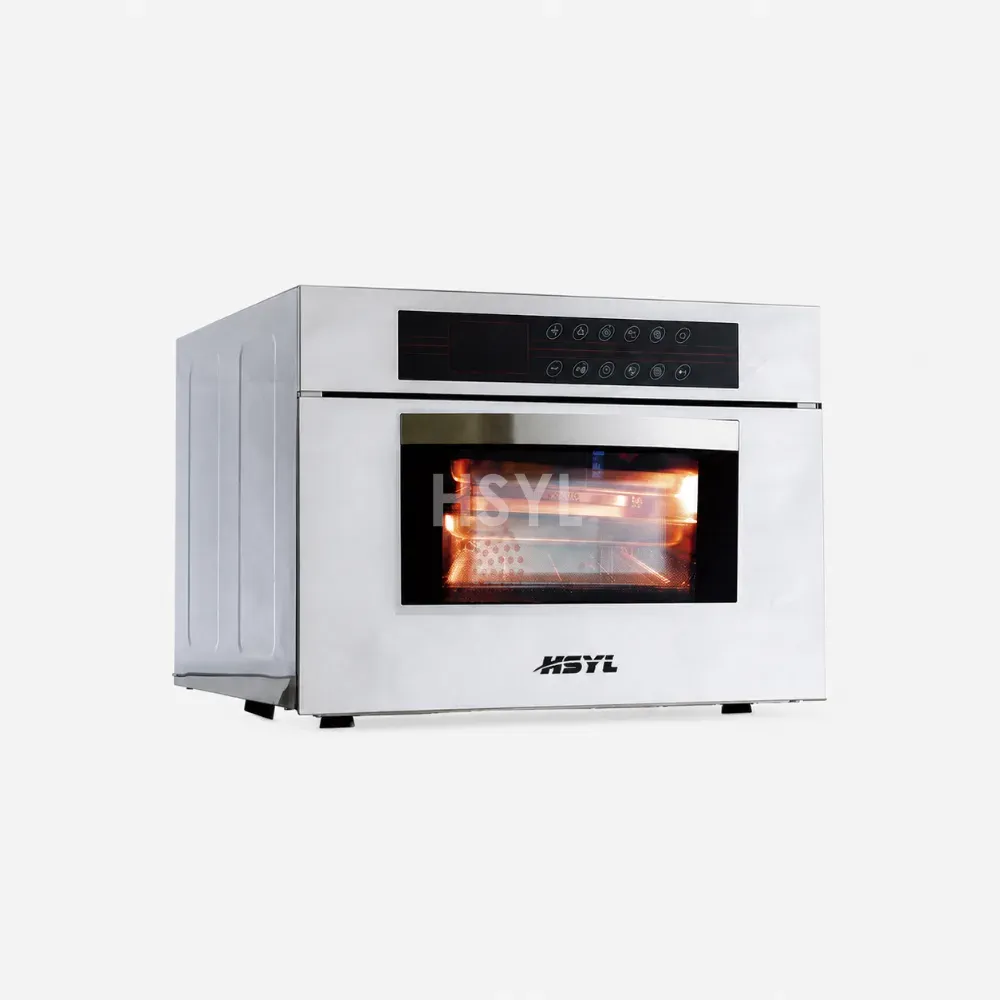
Commercial Ovens for Professional Kitchens
Commercial electric and convection oven solutions for professional kitchens. Review HSYL c...
View product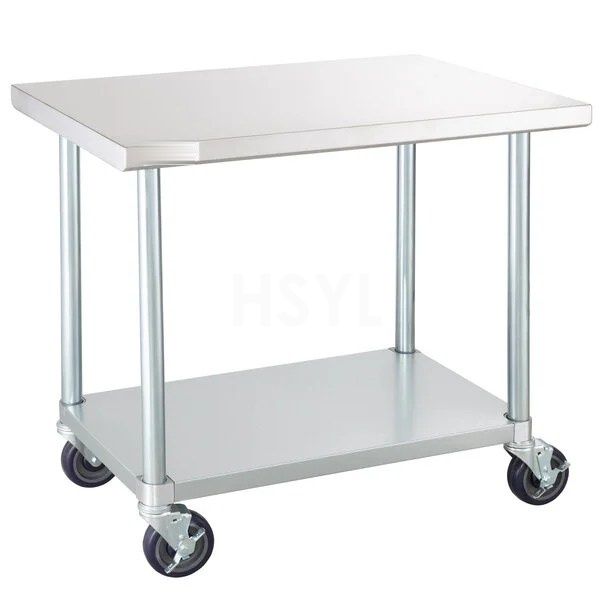
Stainless Steel Kitchen Trolleys
Stainless Steel Kitchen Trolleys for commercial kitchens, fabricated to project dimensions...
View product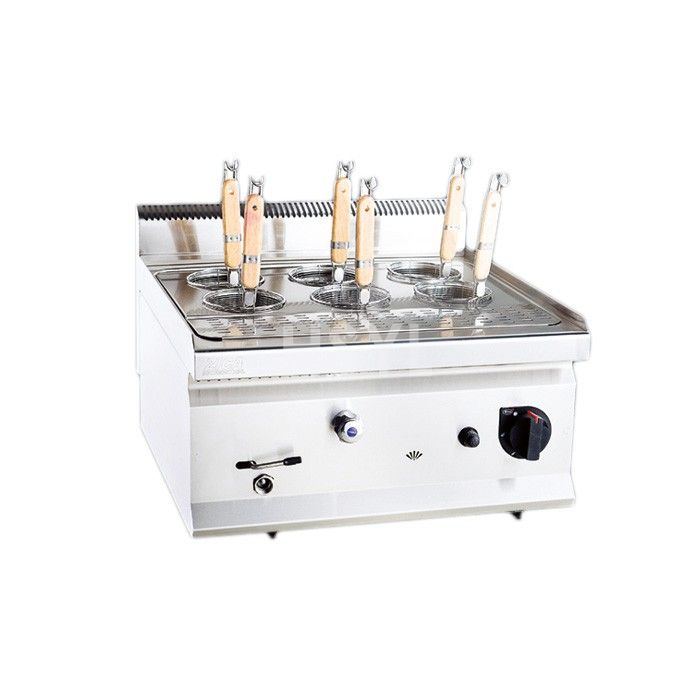
HP Countertop Gas Pasta Cooker Range
Compare HP6035G and HP6060G countertop gas pasta cookers. Review footprint and gas require...
View product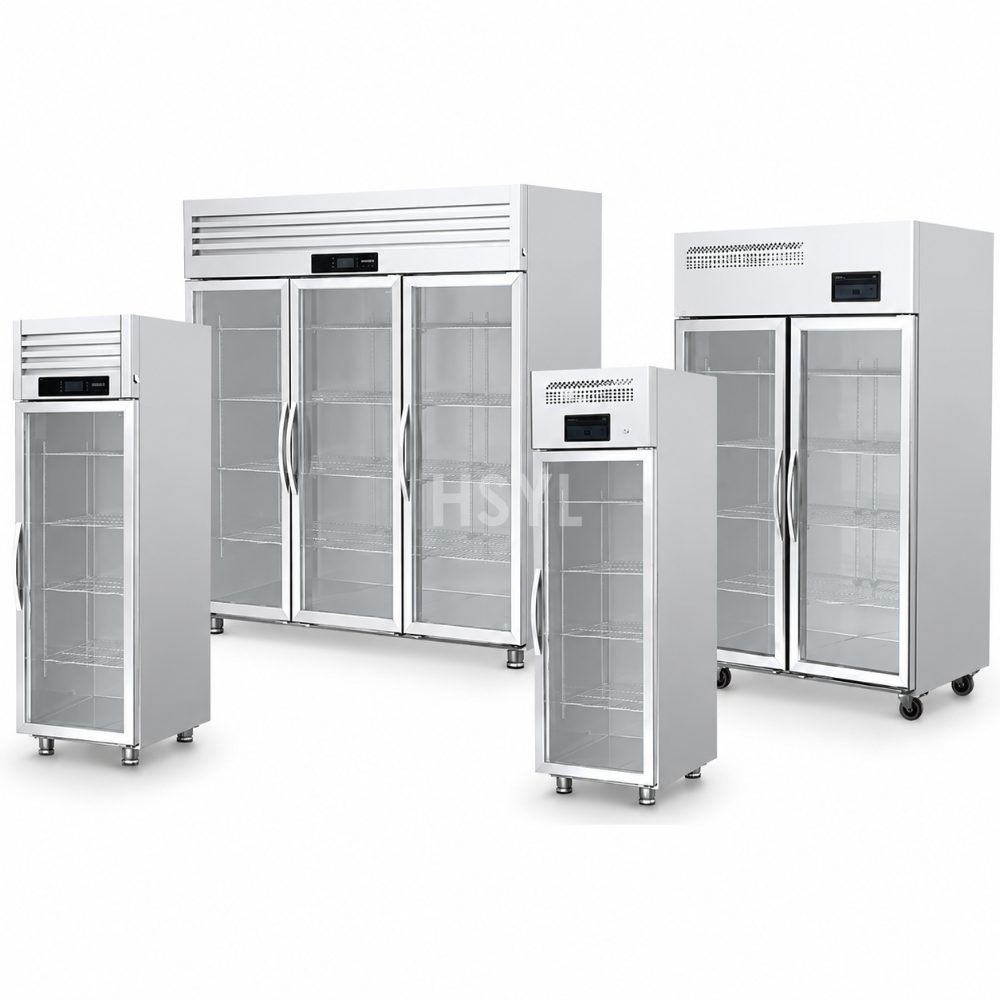
Q and S Series Direct-Cooling Display Cabinet Range
Compare Q and S Series display cabinets for your products and store layout. Confirm temper...
View product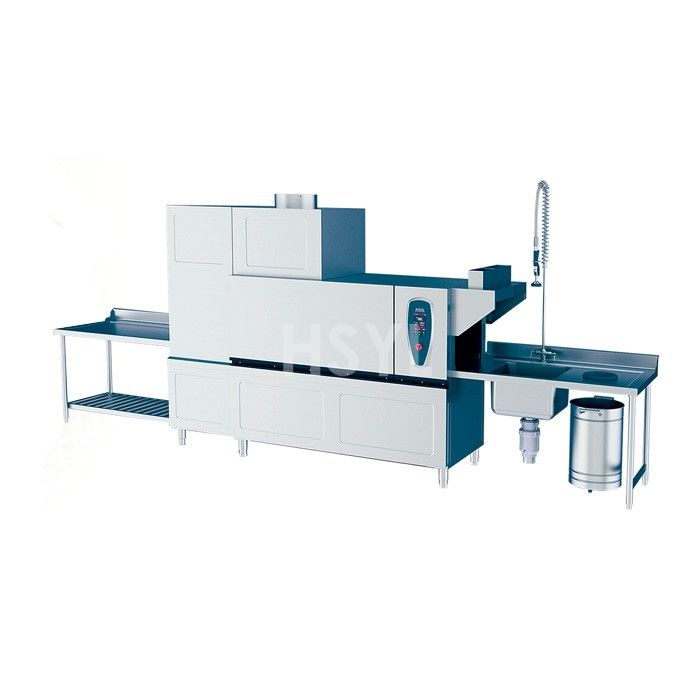
HDW260-EL-R Electric-Heated Commercial Dishwasher
Compare HDW260-EL-R Electric-Heated Commercial Dishwasher capacity, heating, dimensions, u...
View product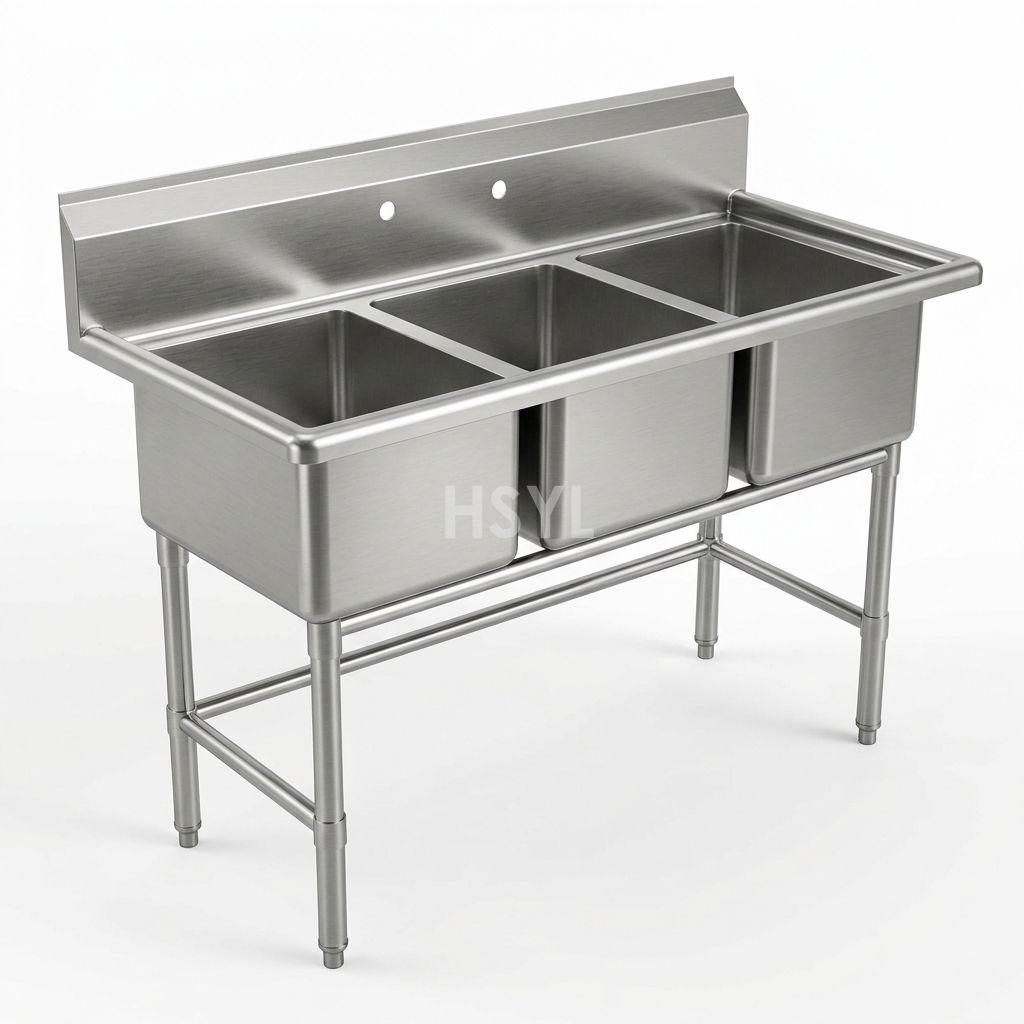
Three-Compartment Commercial Sinks
Three-Compartment Commercial Sinks for commercial kitchens, fabricated to project dimensio...
View product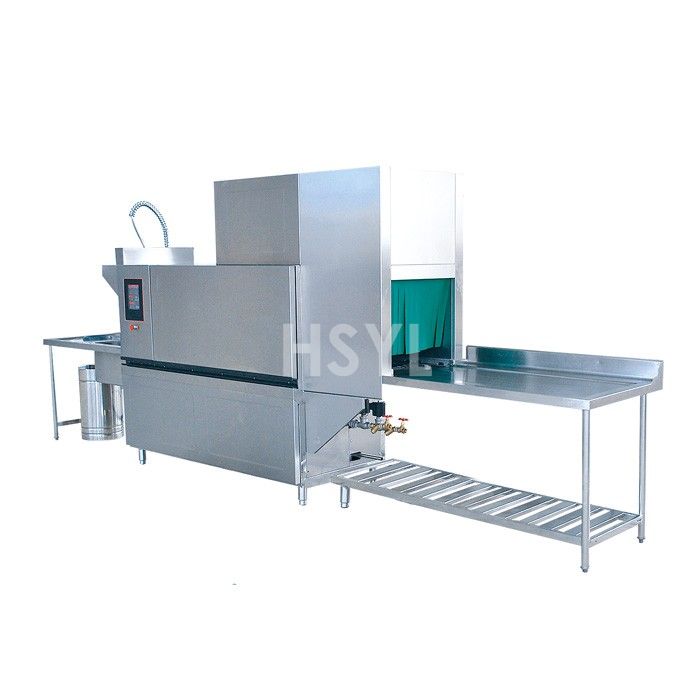
HDW260-SL-R Steam-Heated Commercial Dishwasher
Compare HDW260-SL-R Steam-Heated Commercial Dishwasher capacity, heating, dimensions, util...
View product Stainless Steel Wall Shelf
Plan stainless steel kitchen wall shelves for utensils, containers and clean storage. Spec...
View product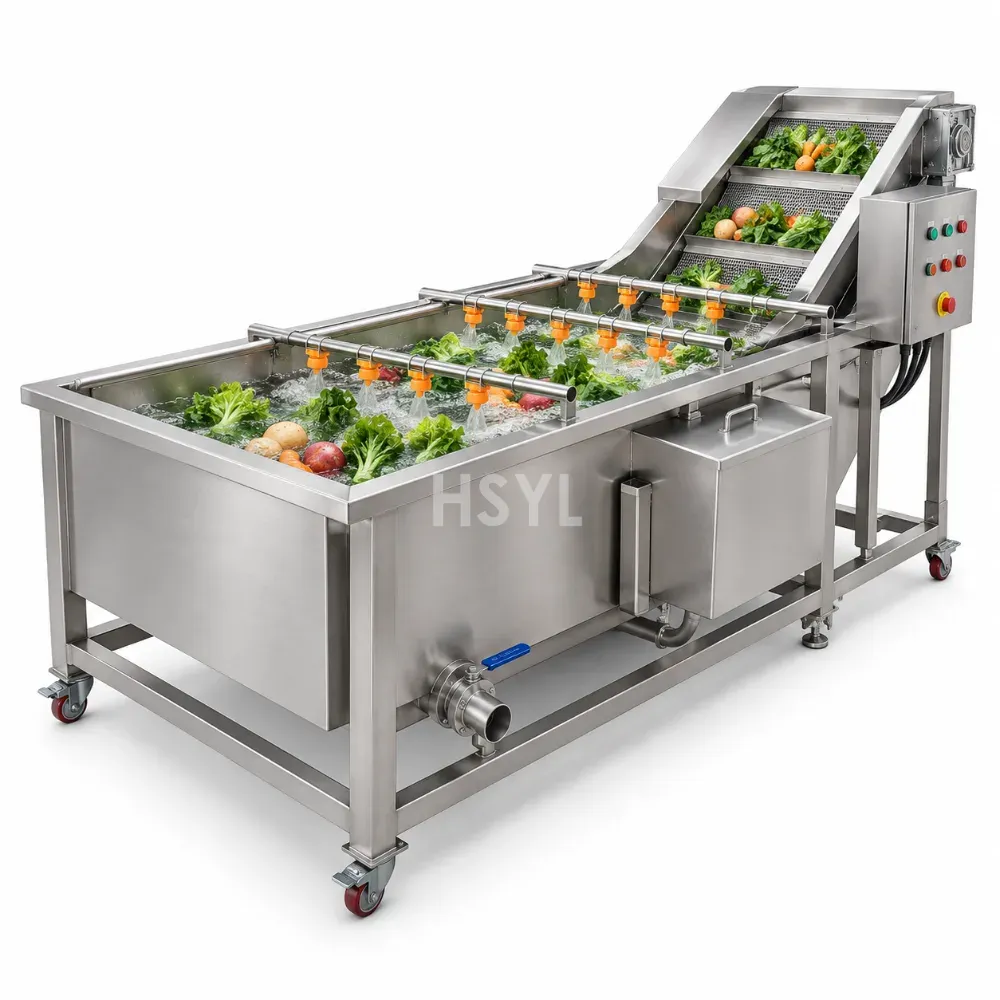
Commercial Vegetable Washers
Commercial Vegetable Washers for central kitchens, food processing plants, canteens and re...
View product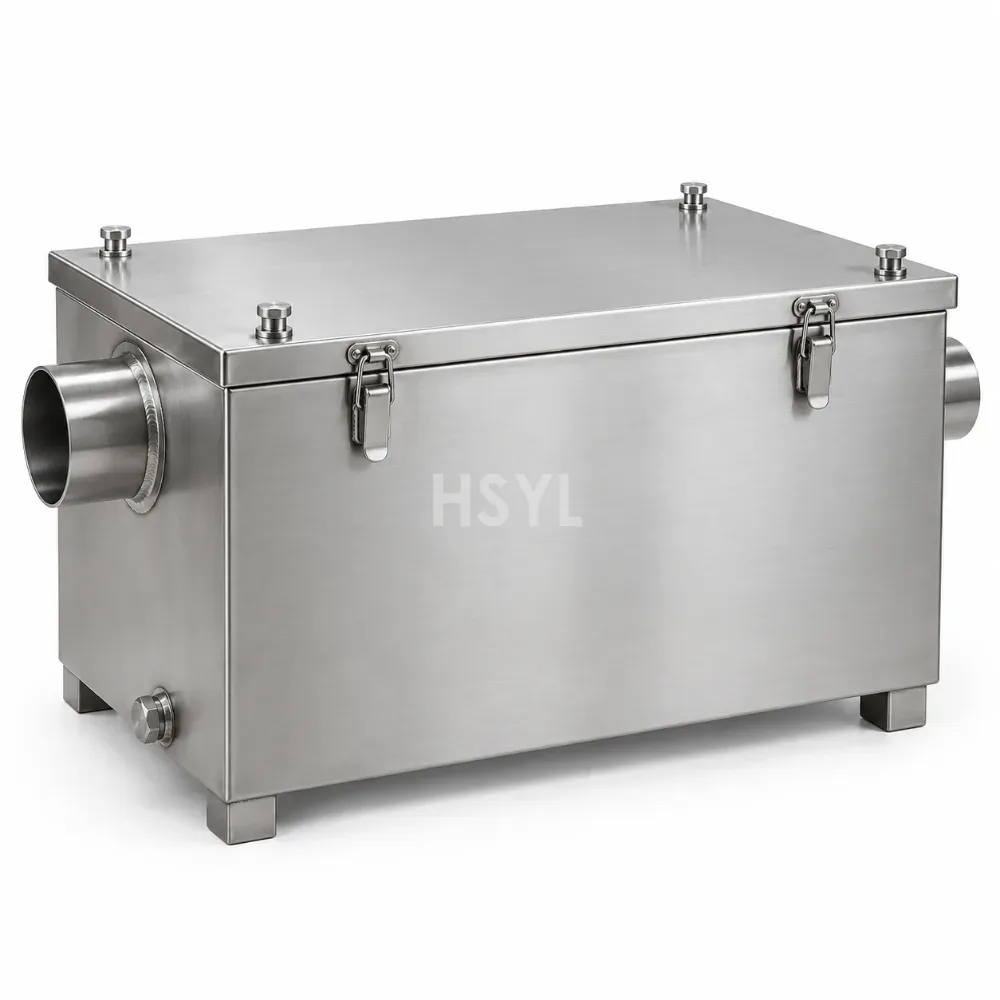
Commercial Grease Traps
Commercial Grease Traps for commercial kitchens, fabricated to project dimensions in AISI ...
View productFrequently Asked Questions
How should commercial cooking appliances be selected?
Define the food result, overlapping menu tasks and site services first. Compare suitable cooking methods, then trial the exact loaded configuration and complete operating sequence.
Does a larger appliance always provide more useful capacity?
Useful capacity depends on accepted food, loading pattern, operator access, changeover and concurrent tasks. Nominal pan positions, cycles or outside dimensions alone do not prove output.
What should a complete cooking appliance quotation include?
Identify the model revision, utility configuration, accessories, installation requirements, destination documents, packing details, maintenance schedule and spare-part responsibilities.
Plan the Equipment Around Your Kitchen.
Share your menu, peak service demand, available space and site utilities. Tell us which equipment you are considering so we can review the requirements with you.