Food Warmer Catering Equipment
Select catering food warmers by food, pans, service intervals and transport. Compare holding functions, replenishment trials and total service costs.
Choose catering food warmers by the already-cooked food, service interval, container arrangement and replenishment route. Confirm whether the offered unit is for holding, cooking or rethermalization. A thermostat setting, cabinet volume or pan count does not prove food temperature or acceptable quality throughout an event.
Plan the hot-food journey
Food warming equipment connects production to service. The purchasing task begins when accepted cooked food leaves its cooking process and ends when a portion reaches the guest or is removed under the operating procedure. Identify kitchen staging, loading, travel, unloading, display, refill and final clearance. A stationary warmer may perform one stage, while insulated carriers, carts and service containers perform others.
A catering team should assign a person to each transfer and record where temperature and quality are checked. A warmer at the venue cannot retrospectively prove that a batch remained acceptable during travel. Equally, a transport cabinet that holds closed pans well may be inconvenient for repeated serving. Decide whether one appliance follows the food or different units serve the kitchen, vehicle and buffet.
Use the actual menu and service pattern. Rice, sauced meat, soup, breaded food and pastry have different handling and quality concerns. Products that need moisture retention can conflict with those assessed for a crisp surface. Separate those tasks in the trial and, where necessary, in the equipment plan. Do not promise that one humidity setting preserves every food equally.
Selection matrix for catering hot holding
| Food and service requirement | Format to investigate | Practical test | Boundary to confirm |
|---|---|---|---|
| Soups, sauces or wet buffet foods | Suitable wet well, soup kettle or enclosed pan warmer | Full and reduced pan loads during repeated serving | Water requirements, pan compatibility and holding-only function |
| Plated or tray-based meals before dispatch | Heated holding cabinet | Loaded shelf arrangement and opening sequence | Usable tray spacing rather than empty cabinet volume |
| Rice production followed by service | Documented rice holding unit or approved cooker/warmer | Actual rice batch, fill depth and depletion pattern | Whether the offered model cooks, holds or performs both |
| Counter service with visible products | Countertop heated display or serving warmer | Door access, portion removal, refill and product checks | Display appearance and control setting are not food-temperature evidence |
| Buffet with portable pan service | Compatible chafer, pan, lid and approved heat source | Venue conditions, safe handling and planned service period | A wire rack or serving set does not prove included fuel or complete equipment |
| Delivery between kitchen and venue | Suitable insulated carrier or documented heated transport unit | Actual route, waiting, door openings and unloading | Passive insulation and powered holding have different operating conditions |
Read the exact configuration behind each product name. Food warmer categories may include drawers, wells, pumps, chip warmers, holding cabinets and cooker/warmer combinations. They do not share one operating method. A full-size pan opening may require adapters for smaller pans, and a cabinet advertised by pan count may use a spacing unsuitable for the intended food height.
Holding is a separate process from reheating
A holding-only appliance is selected to maintain an approved condition after the food reaches that condition through the documented cooking or reheating process. Do not use its maximum dial marking as evidence that it can reheat chilled food safely within the required procedure. Where rethermalization is required, obtain the manufacturer's stated function and a validated food procedure for that exact equipment and menu.
A cooker and warmer combination also needs clear operating instructions. Confirm mode selection, permitted starting conditions, load limits and how the operator recognises the transition to holding. A salesperson's use of the word heater cannot replace these details. Keep separate records for cooking or reheating acceptance and subsequent holding acceptance.
For US projects, the FDA Food Code is a model reference whose local adoption and provisions must be checked with the receiving authority. Use the currently applicable food-temperature and time procedures for the actual menu. The FDA Food Code publication page provides published editions and supplements; confirm the version adopted by the receiving authority. This guide does not set one global holding temperature or substitute for local food-safety review.
Equipment sanitation requirements are another check. NSF/ANSI 4 covers commercial cooking, rethermalization and powered hot-food holding and transport equipment within its scope. Verify the exact listing and configuration if that standard is required for the project. A certification scope does not guarantee every recipe's quality, nor establish that an unlisted HSYL model is certified.
Size pans and replenishment together
Choose pan formats from portion demand and the acceptable serving interval. Record the usable food quantity at the tested fill depth, the quantity actually served before a refill and the reserve batch available. Avoid assuming that a deep pan increases practical throughput: it can change temperature distribution, serving reach and the time food remains on display.
Plan smaller replacement batches where the food procedure and service economics justify them. Identify how a filled pan arrives, where a used pan goes and whether lids and utensils have clean landing space. Adding fresh food to an older batch can compromise traceability and the approved procedure. Agree the replacement method with the food-safety lead and test it operationally.
Wet and dry holding arrangements require different model instructions. For a wet well, confirm permitted water level, filling and draining method, startup sequence and what happens when the water level drops. For a dry unit, establish approved pans, covers and loading conditions. Never assume a wet-designed unit can be used dry or that any accessory insert provides the same heat transfer.
Check the complete pan assembly before ordering. Pan depth, rim dimensions, lids, divider bars, inserts and utensils must fit the offered opening and service method. Bring an actual pan and lid to the evaluation or exchange dimensional drawings. A nominal GN or full-size description is not proof that every lid, handle or insert will fit the final arrangement.
Original HTML planning tool: route and replenishment trial record
This worksheet is an original planning asset for the purchasing team. Populate it with representative food and the approved checking procedure. It is not a manufacturer test result, a legal temperature table or permission to extend a service period.
| Stage | Record the operating condition | Measure or observe | Release decision |
|---|---|---|---|
| Load from production | Food identity, batch, pan, fill depth and starting condition | Product check using the documented method | Accept or reject before holding begins |
| Staging and transport | Load arrangement, actual travel/wait time and openings | Food condition and handling at the planned checkpoints | Release only under the approved procedure |
| Service | Representative portion removal, lid or door openings and room conditions | Product temperature checks and menu-specific quality assessment | Continue, replace or remove according to the procedure |
| Replenishment | Refill quantity, transfer route, pan change and reserve batch | Queue, staff handling and conditions after replacement | Confirm that service can continue without an uncontrolled gap |
| Close and clean | Residual food, emptying, cooling and equipment cleaning method | Waste, cleaning labour and reset time | Document the next-use readiness and batch disposition |
Test the least convenient credible event condition, not only a closed cabinet immediately after loading. Include a reduced load toward the end of service and the actual opening pattern. Check representative food locations using the approved measurement method. Appliance air, water, dial and humidity readings describe the equipment condition; none is automatically the food measurement.
Evaluate tabletop and display units as a working station
For a countertop warmer, measure the loaded footprint with pans, projecting handles, lids and access for refilling. Check support strength for the actual unit, food and any operating water. Provide landing space for hot containers and a route that does not cross guest access or unprotected food. A compact external width can still create a cramped and unsafe serving sequence.
Display units need a trial of customer-side visibility and staff-side access. Door swings, sliding panels and removable trays change the space required. Evaluate the product after realistic door openings and portion removal rather than buying on illuminated appearance. Where temperature and humidity controls are fitted, record the settings with the product outcome rather than converting them into a blanket freshness promise.
Electrical equipment must match the receiving supply. Obtain the exact voltage, frequency, phase, load, connection and isolation details. A 115 V/60 Hz model is not a substitute for a 220–240 V/50 Hz version. For an event with several powered units, the qualified installer should assess the whole circuit plan and any extension or distribution arrangements permitted by the venue.
Fuel-heated portable service needs its own venue and fire review, with the approved appliance and heat source identified. A disposable buffet serving set may supply racks and utensils while excluding pans, lids or fuel. Price the complete assembly and confirm permitted use. Do not describe an accessory rack as a powered warmer or promise that any combustible heat source is acceptable indoors.
Separate food quality, food safety and operating capacity
Quality acceptance should describe the actual product: rice texture, sauce consistency, moisture loss, appearance or crispness as relevant. The chef sets these menu criteria and reviews samples at the planned service intervals. A product can pass the selected temperature checks yet fail the dining specification; that failure still affects purchasing and waste.
Operating capacity is the number of accepted portions supplied through the measured event sequence. Include reserve production, pan changes, staff movements and cleaning interruptions. A cabinet holding many empty trays is not evidence of that capacity. Measure the point at which service queues develop and determine whether the constraint is the warmer, reserve cooking, transport or the serving team.
Food safety depends on the complete approved procedure, measurement and corrective actions. Train staff to identify the batch, operate the exact unit and apply the release decision when a measurement or power supply is outside the procedure. Do not introduce an improvised rescue method during an event. Request manufacturer instructions for power loss and recovery, then align them with the food-safety lead's process.
Original HTML planning tool: cost per accepted service portion
Use a common menu and event schedule to compare alternatives. The ledger separates ownership costs from avoidable waste and handling costs. Enter measured data or a written quote and label the evaluation period.
| Cost entry | Required input | Calculation or comparison |
|---|---|---|
| Complete station purchase | Warmer, pans, lids, adapters, trolley, approved heat source and connections | Compare complete scope, including accessories omitted from the headline price |
| Operating energy or fuel | Consumption through preheat, service and planned idle periods | Event energy cost = measured consumption × matching tariff |
| Handling and cleaning | Loading, transfers, pan replacement, emptying and cleaning labour | Event labour cost = recorded task hours × applicable labour rate |
| Consumables and food loss | Approved consumables, rejected portions and uneaten batch residue | Price the recorded quantities without assumed waste savings |
| Maintenance and disruption | Documented service intervals, parts and an achievable fallback procedure | Compare written service costs and explicit disruption scenarios |
For a powered unit, retain measured kWh per representative event. Annual kWh equals event consumption multiplied by the planned event count, with separate kitchen staging use where applicable. Cost per accepted portion divides the allocated station and operating costs by portions that meet the agreed criteria. Do not use nominal container capacity as the denominator.
Receiving-country review and supplier documents
For the United States and Canada, confirm equipment sanitation and electrical safety requirements for the exact unit and local operating location. For EU destinations, obtain applicable conformity documentation and instructions behind any CE marking. For the UK and other destinations, request the current placing-on-market, electrical, fire and food-service requirements from the responsible receiving professionals. One market's acceptance should not be presented as universal clearance.
Ask for the identified heating element, controller, sensor and any fan part numbers when service continuity matters. Require actual component brands and availability in writing; familiar names should not be inserted into an HSYL specification without evidence. Retain approved cleaning instructions, service access details and the responsibility for commissioning and operator training.
For export orders, obtain packed dimensions, gross weights, lifting and stacking limits and protection for glass, doors and controls. Request a verified packing plan before discussing 20GP or 40HQ quantities. For custom or OEM/ODM arrangements, describe the requested pan layout, access side and electrical version, then obtain a supplier's documented acceptance instead of assuming every variation is available.
Send HSYL the menu, pan drawings, transport route, service schedule, electrical or approved fuel conditions and receiving-country requirements. Request model-specific confirmation and a representative trial. This procurement guide does not assert unverified HSYL holding duration, capacity, temperature uniformity, certification, component brand or guaranteed food quality.
Related Kitchen Products
Selected from the catalogue against the keywords of this page, then reviewed with your duty cycle, utilities and site conditions before quotation.
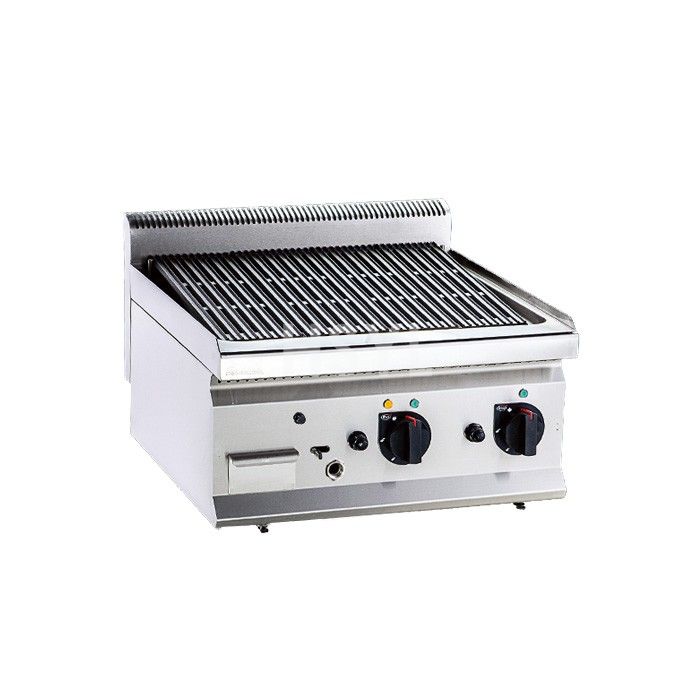
Commercial Charbroilers & Gas Grills
Commercial gas charbroilers and countertop grills for restaurant and hotel cooklines. Compare HSYL 600-series grill configuration, gas supply, pressure, footpri...
View product600 Series Countertop Electric BBQ Grill
Review the HC6060E 600 Series countertop electric BBQ grill for your cookline. Confirm cooking area, electrical supply and installation dimensions with HSYL.
View product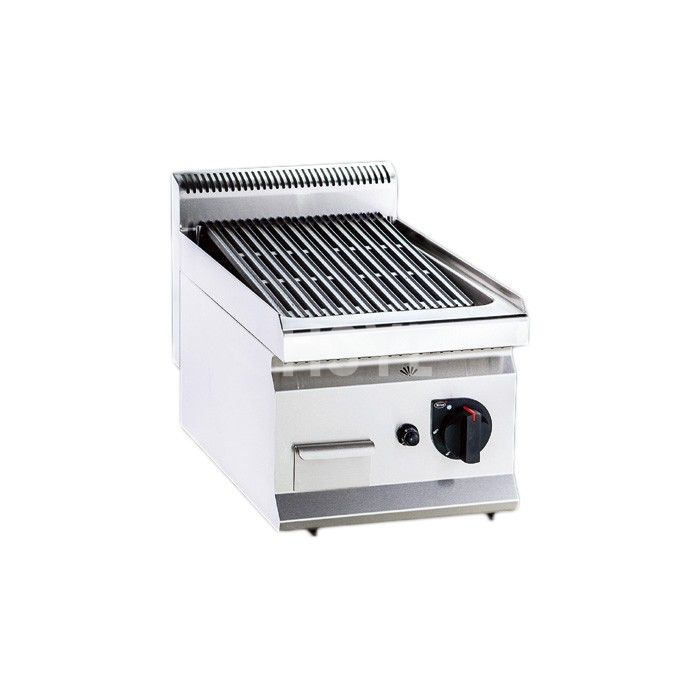
600 Series Desktop Gas Barbecue Grill
Compare HC6035G and HC6060G countertop gas BBQ grills. Confirm the gas configuration, cooking area and installation drawing for your selected model.
View productEngineering-Led Commercial Kitchen Manufacturing
HSYL Kitchen Systems designs and produces heavy-duty commercial kitchen equipment for central kitchens, hotels, canteens, hospitals and high-capacity restaurants. Our goal is to provide precise equipment matching, documented quality gates and verified delivery for global foodservice operations.
- Food-grade SUS304 & SUS316 stainless steel construction
- Custom engineering layout & CAD drawing support
- Multi-stage factory quality control & FAT testing
- Factory-direct supply chain with spare parts backup
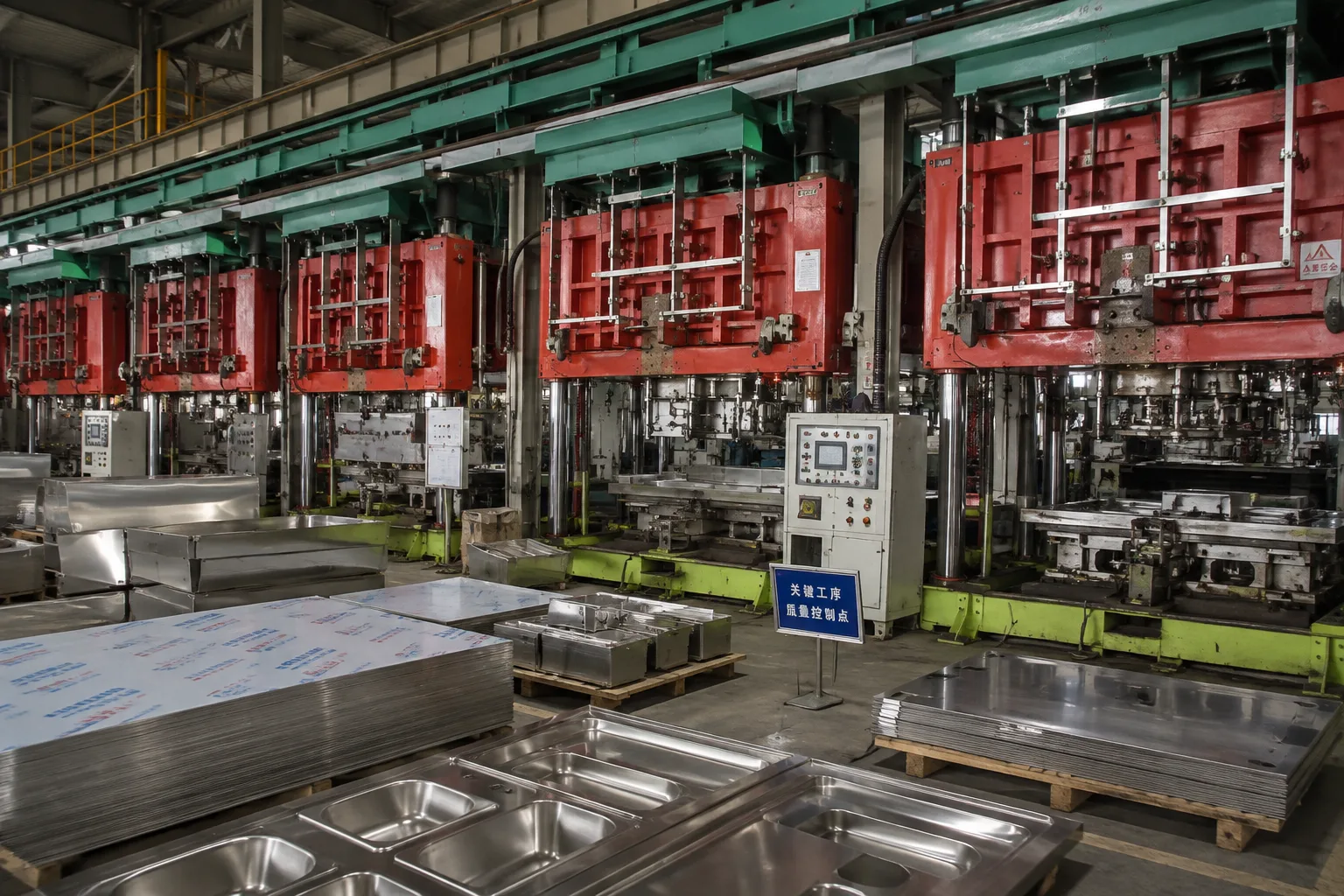
Advanced OEM Processing Equipment & Lines
Equipped with world-class automated sheet metal processing, precision bending centers, thermal foaming lines, and vacuum test rigs to support high-volume commercial kitchen OEM/ODM manufacturing.
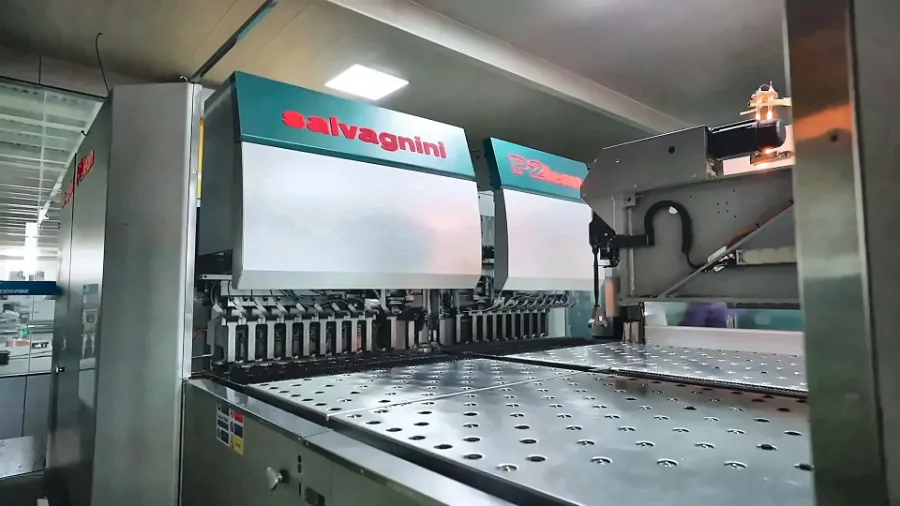
Italian Salvagnini Panel Bending Center
Automated sheet metal bending system for seamless cabinet fabrication and tight structural tolerances.
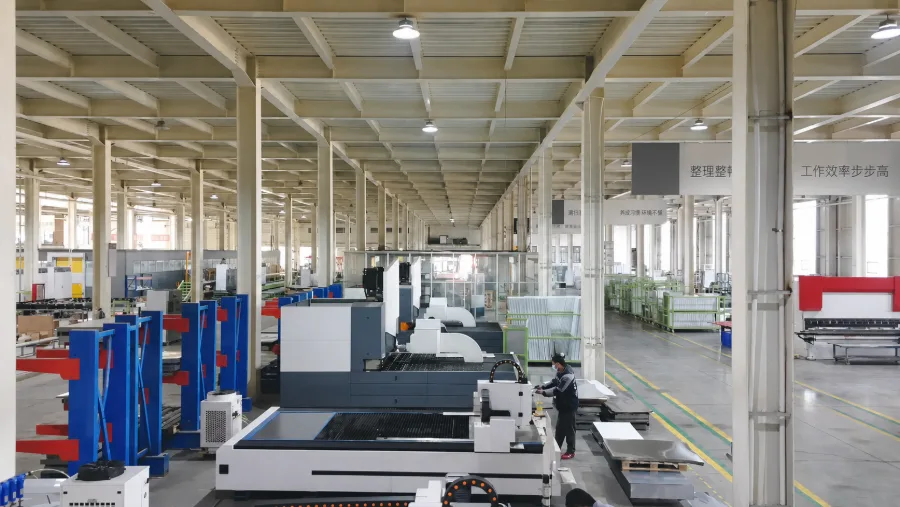
Automated Bending & Laser Cutting Line
Integrated flexible processing line combining fiber laser cutting and multi-axis CNC bending.
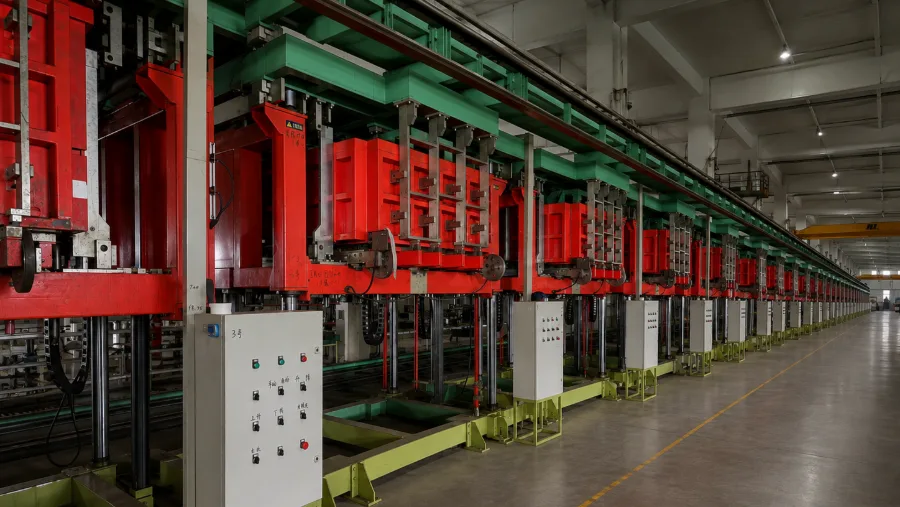
Constant-Temperature Foaming Line
Continuous polyurethane thermal insulation foaming line ensuring uniform core density.
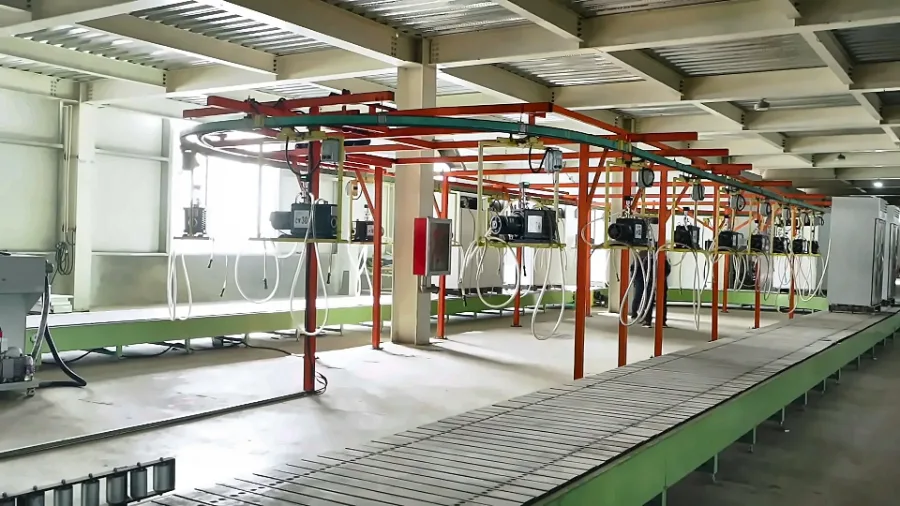
Vacuum Extraction & Testing Line
High-vacuum circuit evacuation and automated leak detection for commercial cooling systems.
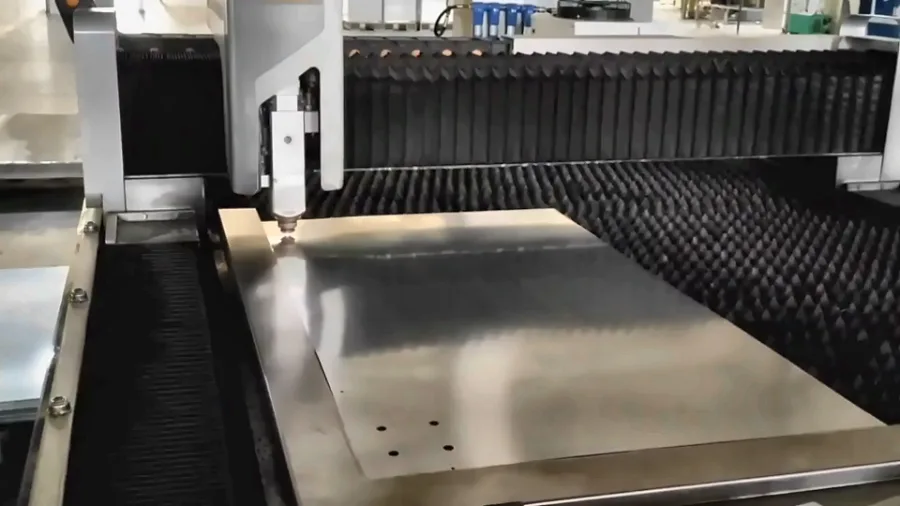
Laser Cutting & CNC Punching Station
High-speed fiber laser cutting and precision CNC punching for intricate component fabrication.
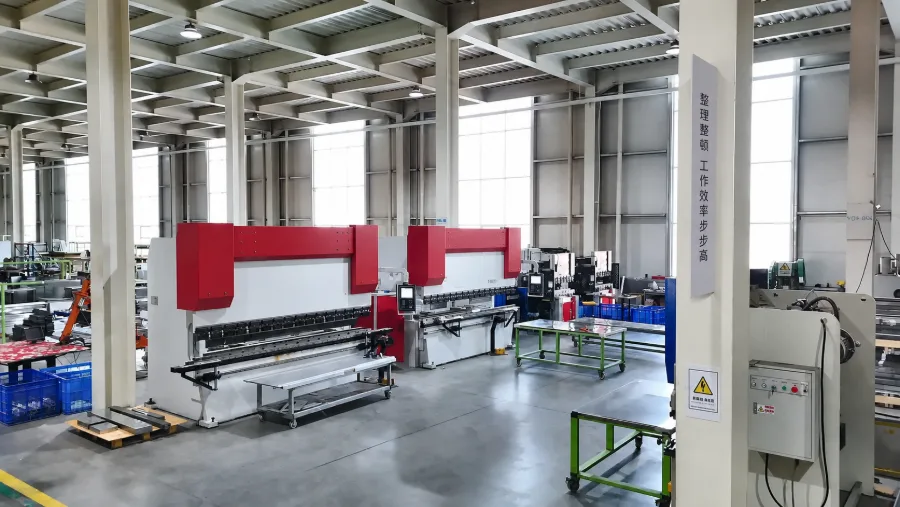
Canadian Heavy-Duty CNC Press Brake
High-tonnage precision press brake for large-format stainless steel sheet forming.
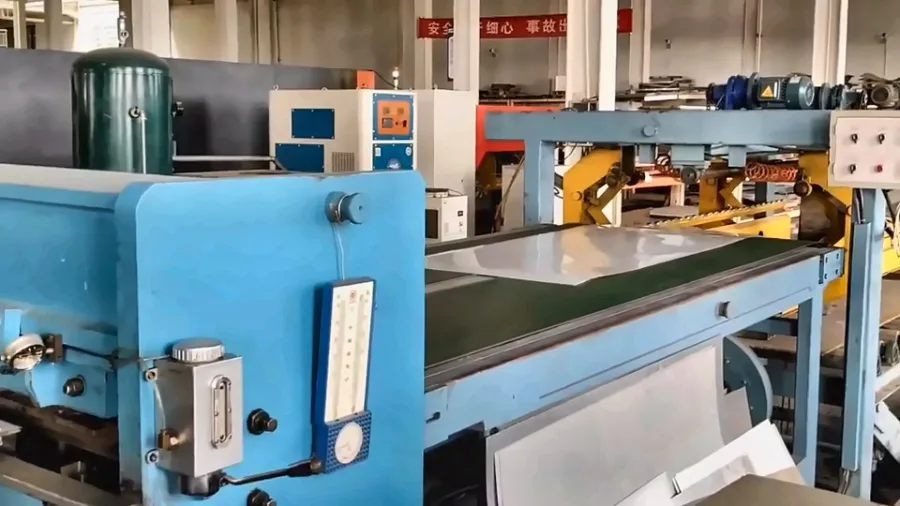
Material Shearing & Cutting Line
Automated heavy-gauge stainless steel shearing and precision raw material sizing.
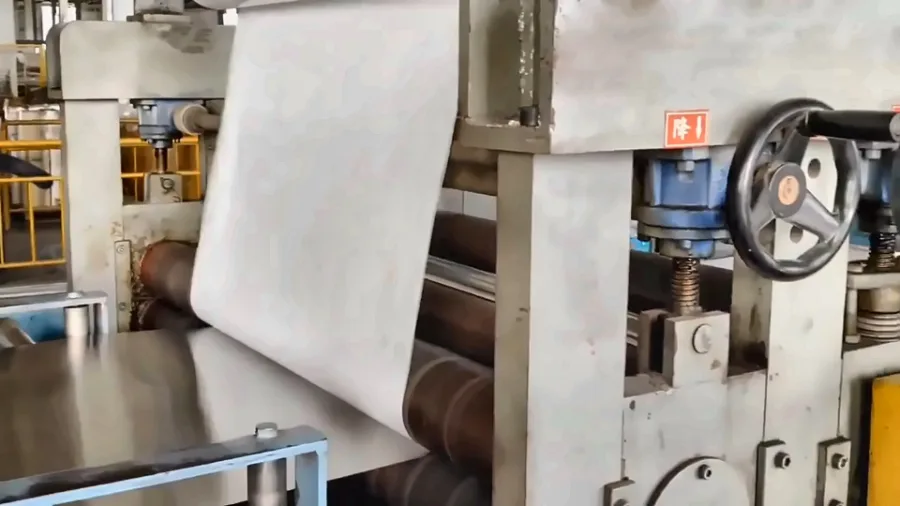
Material Film Laminating Line
Automated surface protection film application to preserve satin and mirror metal finishes.
Explore Popular Kitchen Equipment
Browse equipment that visitors frequently explore, then review the exact model and specifications for your project.
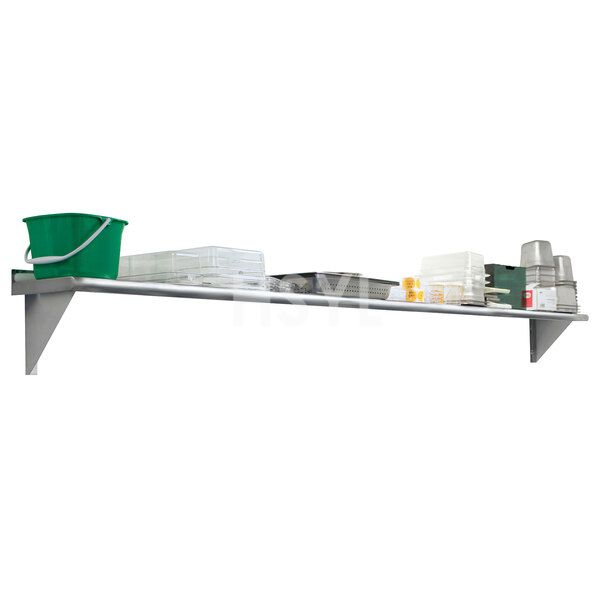
Stainless Steel Wall Shelves
Stainless Steel Wall Shelves for commercial kitchens, fabricated to project dimensions in ...
View product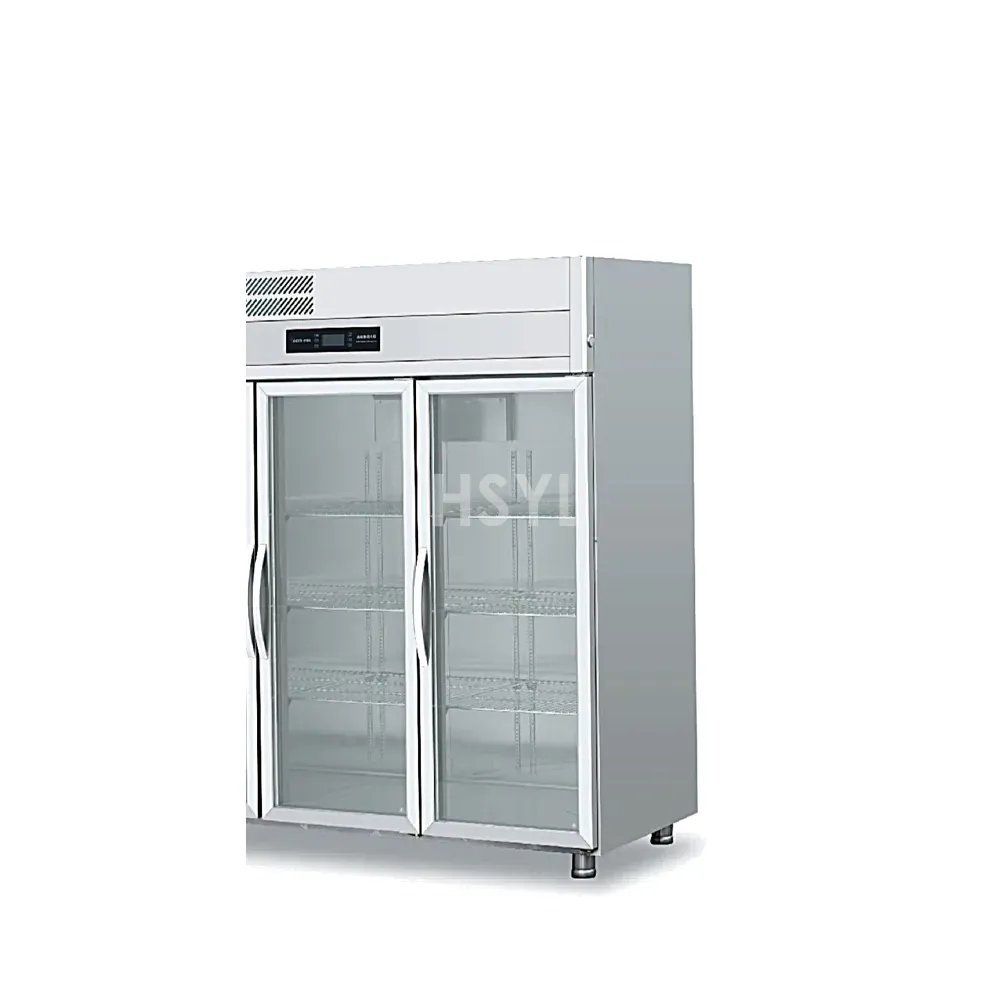
E Series Display Refrigerator Range
Compare E Series display cabinets by door layout, footprint and storage duty. Confirm the ...
View product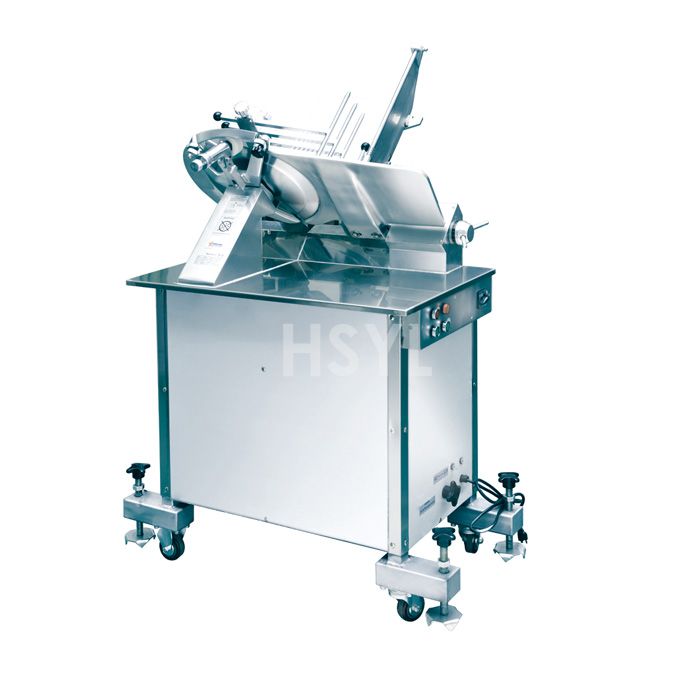
Commercial Meat Slicer-FP-HB-350400
Compare HB-350/400 meat slicers around meat size, slice thickness and production needs. Re...
View product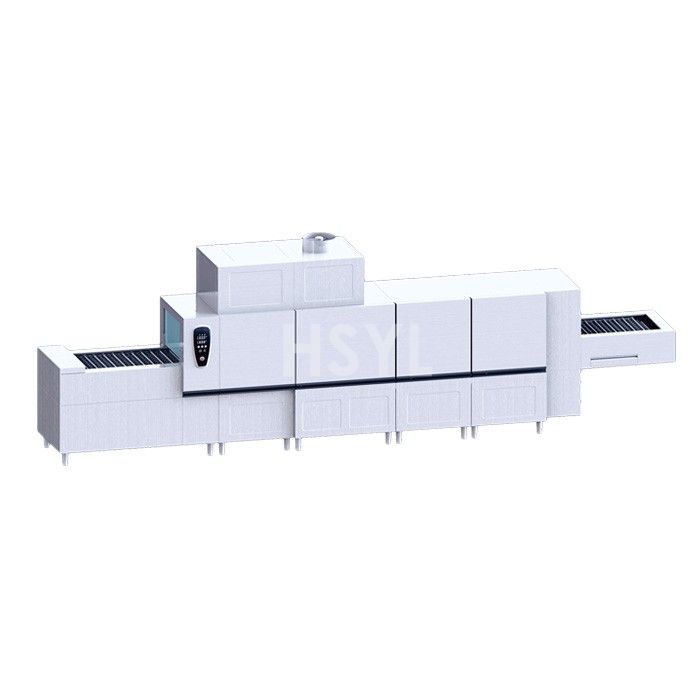
HDW8000L Steam-Heated Commercial Dishwasher
Quick Summary: The HDW8000L Steam-Heated Commercial Dishwasher (Model: CK-HDW8000L) is a h...
View product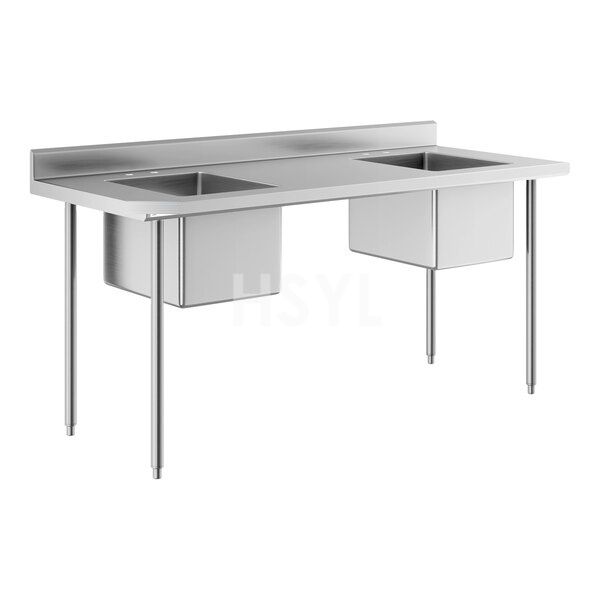
Two-Compartment Commercial Sinks
Two-Compartment Commercial Sinks for commercial kitchens, fabricated to project dimensions...
View product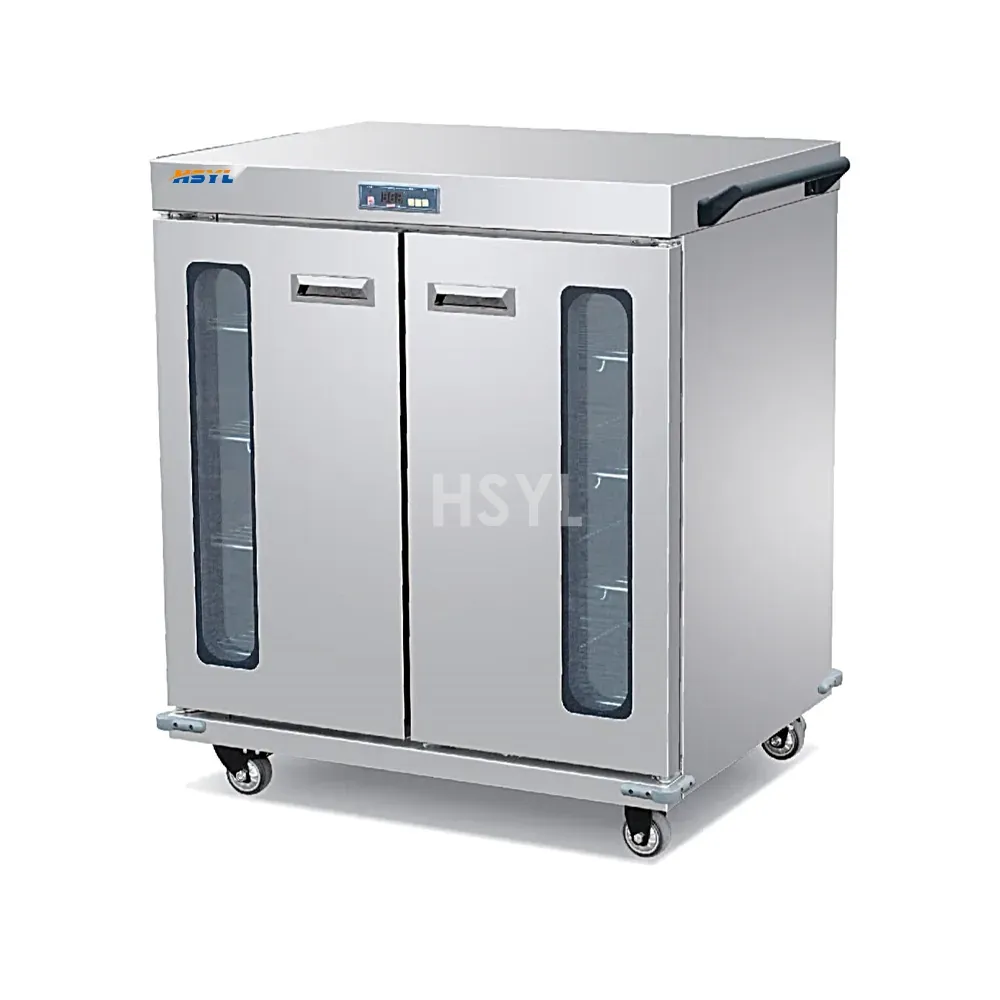
E234-BCW02-11 Horizontal Banquet Cart
Quick Summary: The E234-BCW02-11 Horizontal Banquet Cart-B (Model: SL-E234-BCW02-11) is a ...
View product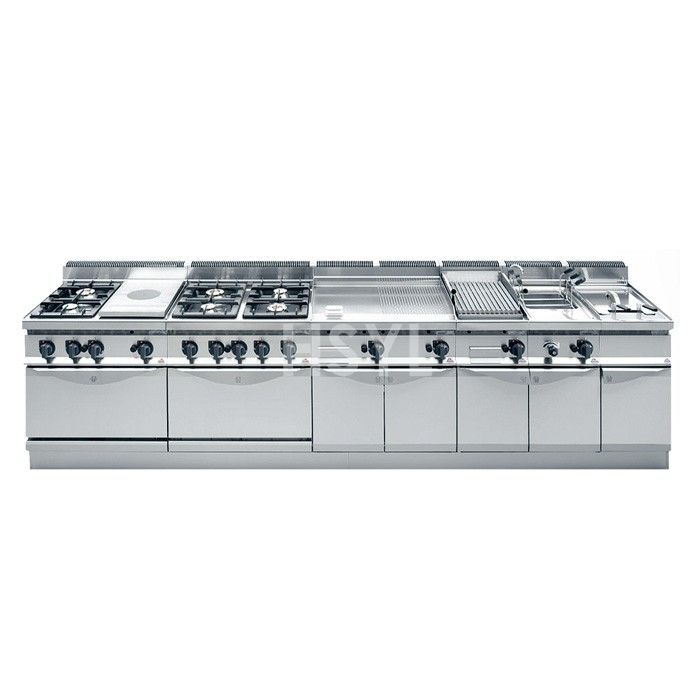
700-Series Combined Western Kitchen Stove
Quick Summary: The 700-Series Combined Western Kitchen Stove (Model: CK-BERTO) is a heavy-...
View product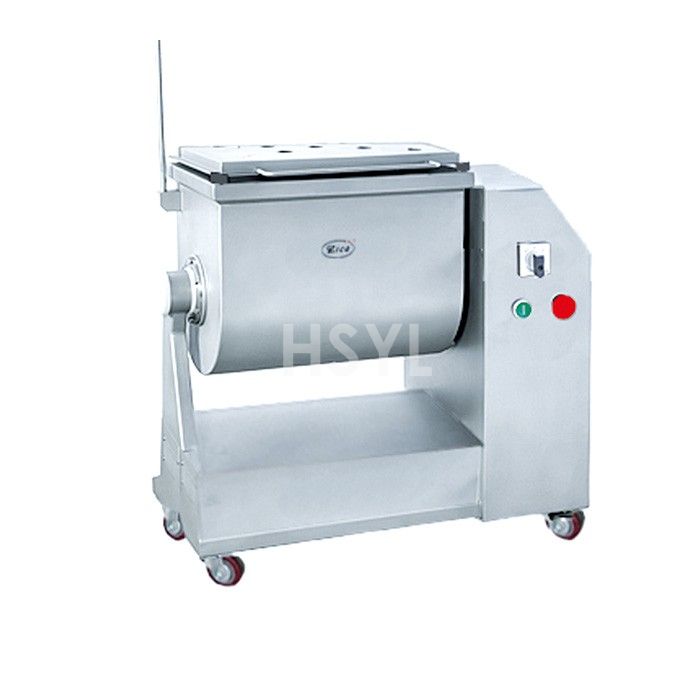
Commercial Meat Mixers
Commercial meat mixers for central kitchens, restaurant prep and meat-processing workstati...
View product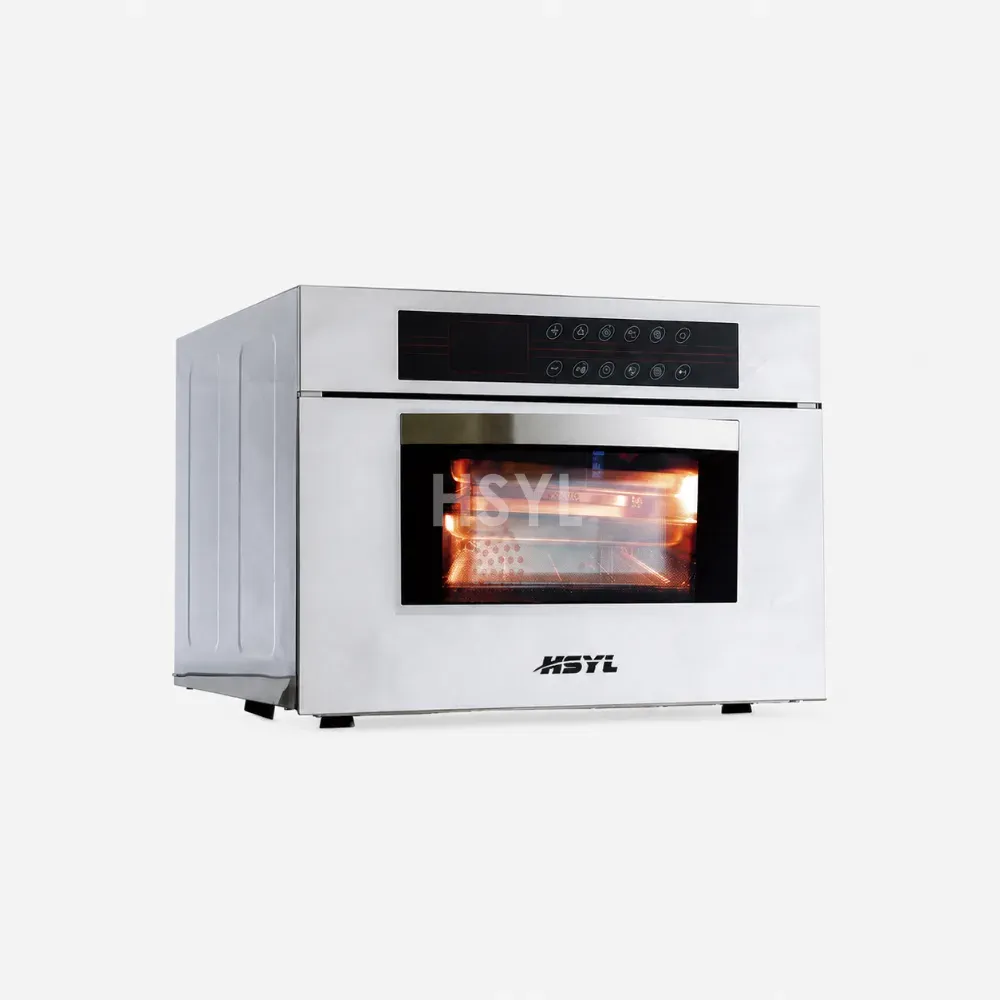
Commercial Ovens for Professional Kitchens
Commercial electric and convection oven solutions for professional kitchens. Review HSYL c...
View product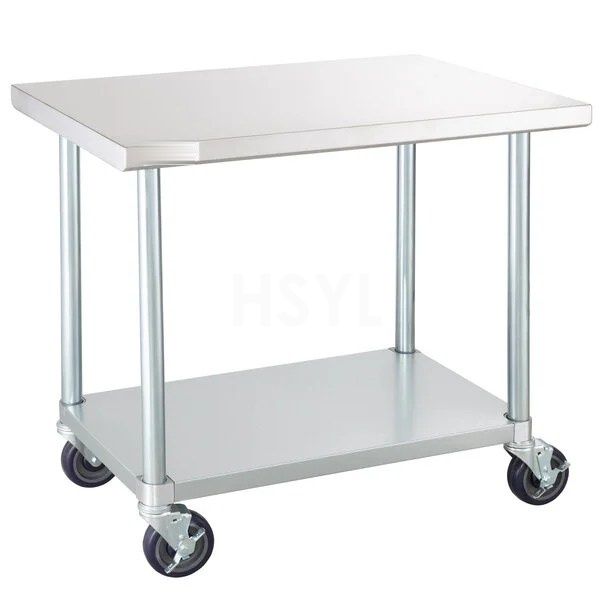
Stainless Steel Kitchen Trolleys
Stainless Steel Kitchen Trolleys for commercial kitchens, fabricated to project dimensions...
View product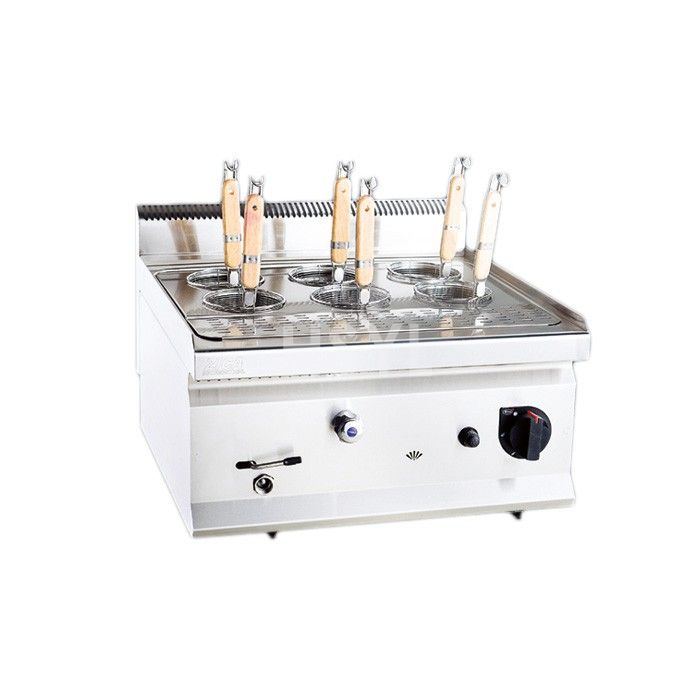
HP Countertop Gas Pasta Cooker Range
Compare HP6035G and HP6060G countertop gas pasta cookers. Review footprint and gas require...
View product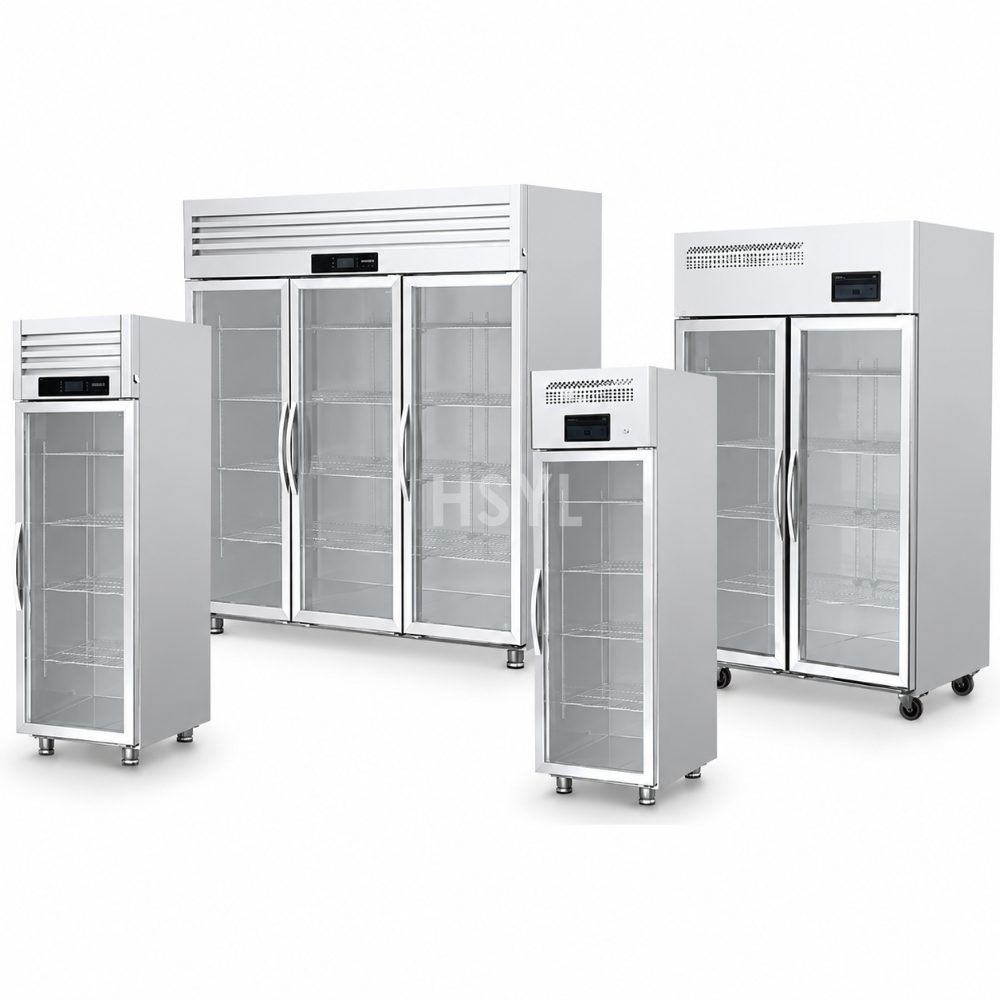
Q and S Series Direct-Cooling Display Cabinet Range
Compare Q and S Series display cabinets for your products and store layout. Confirm temper...
View product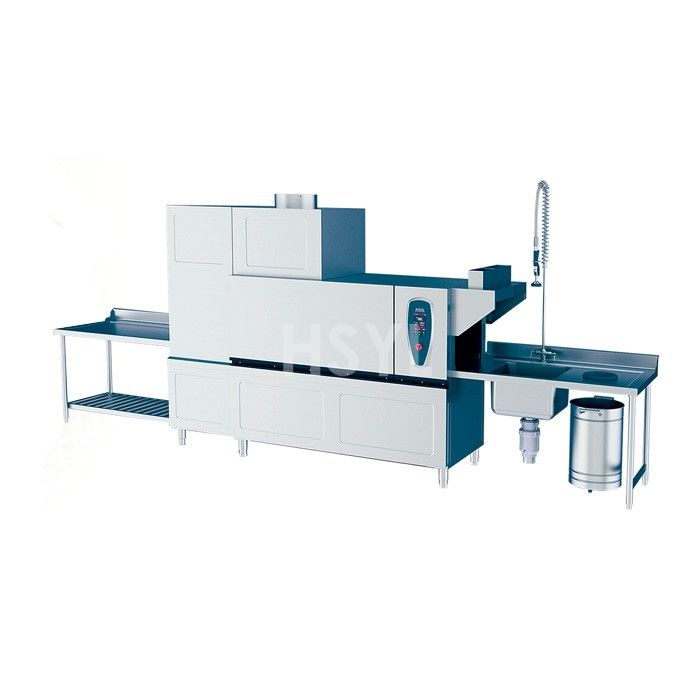
HDW260-EL-R Electric-Heated Commercial Dishwasher
Compare HDW260-EL-R Electric-Heated Commercial Dishwasher capacity, heating, dimensions, u...
View product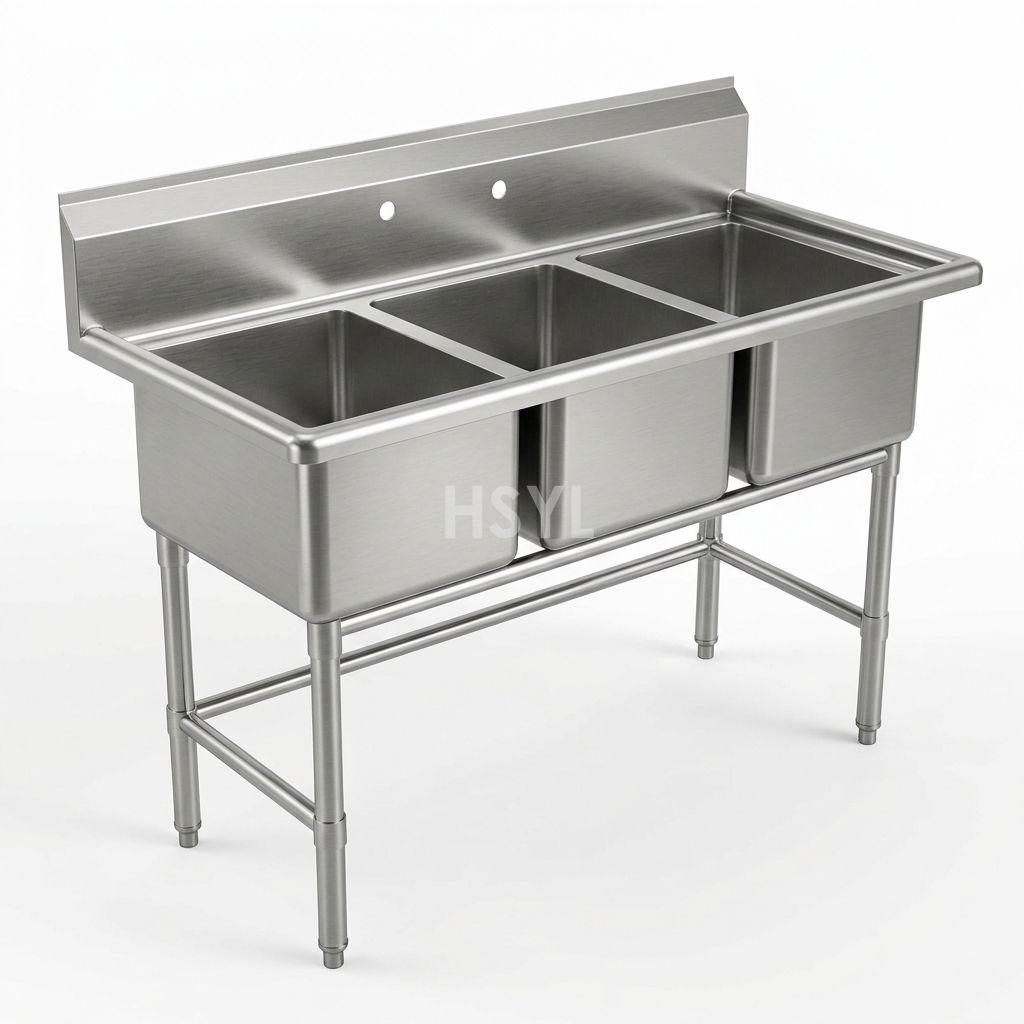
Three-Compartment Commercial Sinks
Three-Compartment Commercial Sinks for commercial kitchens, fabricated to project dimensio...
View product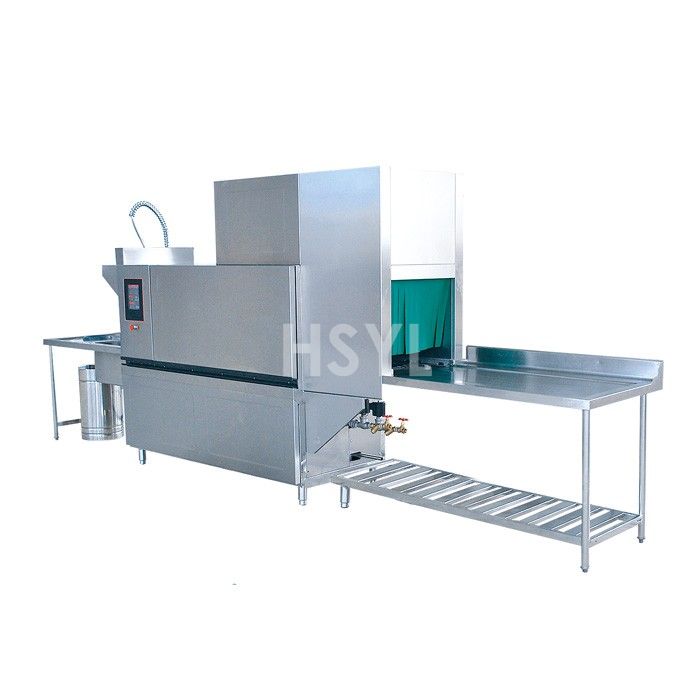
HDW260-SL-R Steam-Heated Commercial Dishwasher
Compare HDW260-SL-R Steam-Heated Commercial Dishwasher capacity, heating, dimensions, util...
View product Stainless Steel Wall Shelf
Plan stainless steel kitchen wall shelves for utensils, containers and clean storage. Spec...
View product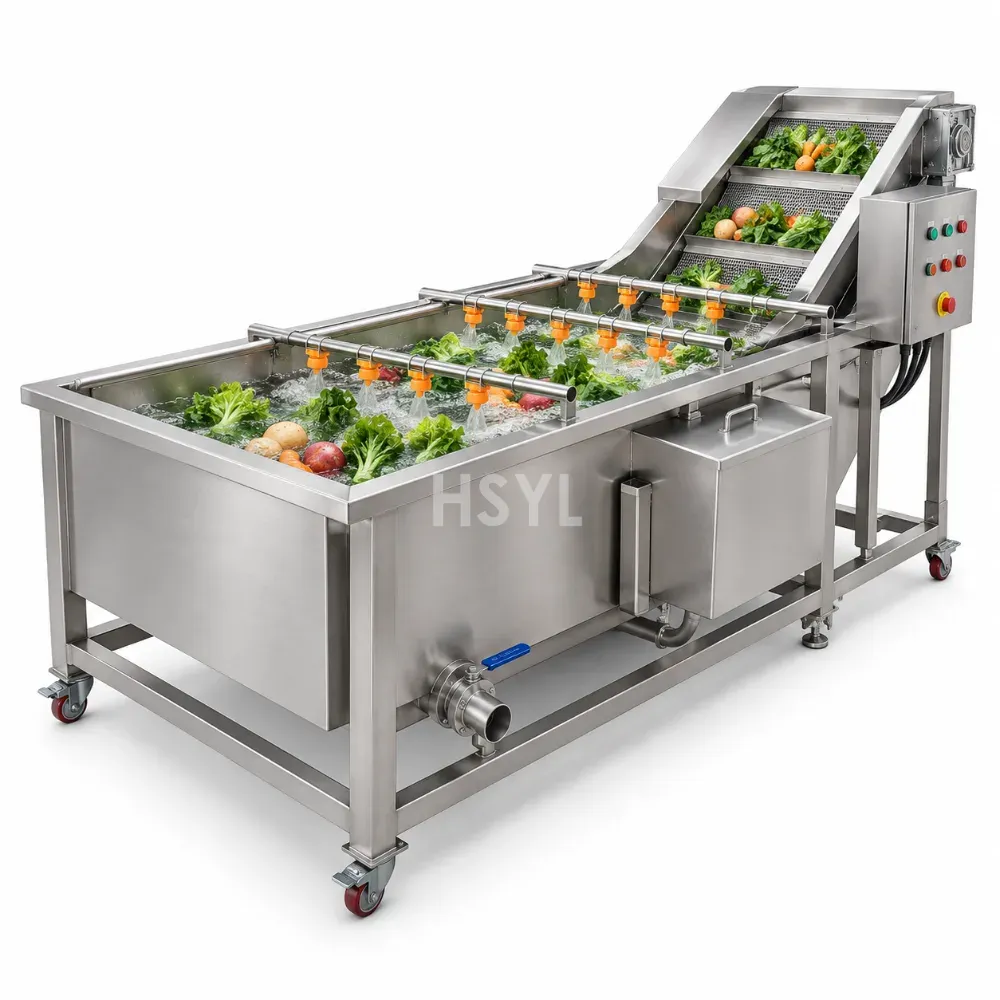
Commercial Vegetable Washers
Commercial Vegetable Washers for central kitchens, food processing plants, canteens and re...
View product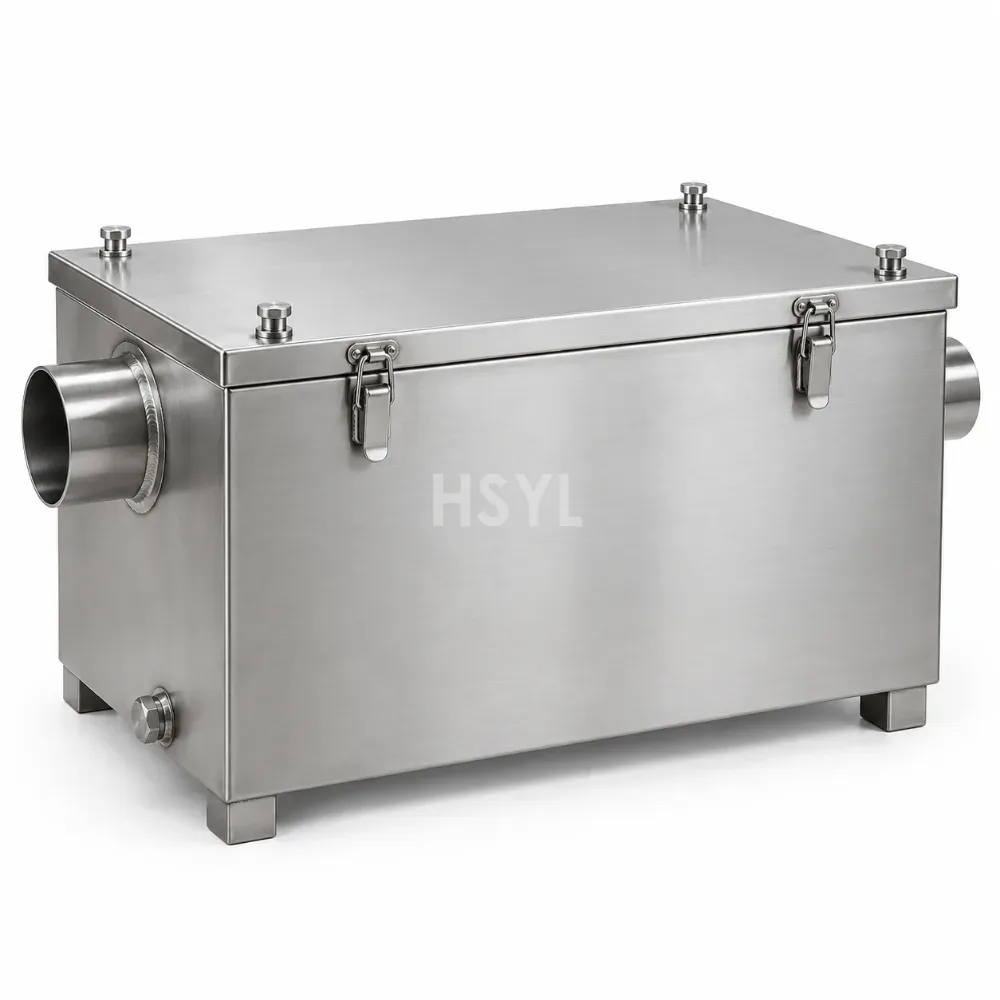
Commercial Grease Traps
Commercial Grease Traps for commercial kitchens, fabricated to project dimensions in AISI ...
View productPlan the Equipment Around Your Kitchen.
Share your menu, peak service demand, available space and site utilities. Tell us which equipment you are considering so we can review the requirements with you.