Best Commercial Convection Oven: A Loaded-Test Buying Guide
Compare commercial convection ovens by loaded tray results, cycle time, airflow controls, site utilities and service costs. Build a practical procurement brief.
The best oven is the one that passes your loaded-menu trial
The best commercial convection oven should cook your required tray load to an agreed quality, fit the site utilities and have service support for the destination. Compare loaded results, usable tray spacing and complete cycle time before comparing chamber size, power ratings or a supplier's best-oven label.
For a restaurant, bakery or shared production kitchen, the buying question is specific: can the proposed oven deliver the menu during the operating window without excessive tray handling, rejected product or disruption to the line? A nominal pan count and a temperature display cannot answer that question on their own.
Use this guide to build a shortlist and a demonstration brief. The comparison covers half-size and full-size equipment, single and stacked chambers, airflow controls, installation and total cost. Product-specific performance remains a trial question rather than a result inferred from another manufacturer's oven.
Confirm the exact offered model's permitted commercial application and the documents supporting that use. A catalogue mixing home and commercial products does not establish suitability for your service schedule or warranty coverage. For a countertop installation, include the support's permitted load, working height, heat suitability and required clearances in the complete station review.
Shortlist around the food, trays and production window
List the products that share an oven cycle and those that need a separate temperature, airflow setting or operating sequence. Include the tray dimensions, filled tray weight, product height and required clearance above the product. Add the number of acceptable trays needed within the busiest production window.
A mixed menu may need several small cycles at different settings. Another kitchen may need a long run of one product. Those duties place different demands on chamber size and independent controls. Compare the schedule before choosing a large single oven, a smaller oven or independently controlled chambers.
| Arrangement | Useful comparison task | Evidence needed | Constraint to examine |
|---|---|---|---|
| Half-size convection oven | Smaller trays and more frequent recipe changes | Actual tray fit, clearance, rack positions and loaded cooking result | Whether extra cycles meet the peak deadline |
| Full-size convection oven | Production using the specified larger tray format | Chamber dimensions, usable tray orientation and uniformity at the required load | Handling, landing space and performance with partial loads |
| Single chamber | One main cooking schedule | Complete cycle and changeover time | Conflicting recipes compete for the same temperature and airflow |
| Stacked independent chambers | Separate recipes or staggered cycles in a defined footprint | Approved stacking kit, independent utilities and operator reach | Upper loading height, service access and support requirements |
| Convection oven with selectable fan settings | Products needing different airflow conditions | The exact available settings and comparative product trials | A listed setting may not suit every delicate product |
| Combi oven considered as an alternative | A menu that also needs documented steam or combination processes | Confirmed modes, water requirements and process trials | Additional utilities, cleaning and quotation scope |
Keep the alternatives tied to the required process. A deck oven, a plain convection oven and a combi oven can all appear in a commercial oven catalog, but their functions and installation requirements differ. A shared chamber photograph or a similar model name does not make them interchangeable.
An optional humidity or moisture setting does not by itself establish a complete combi steam process. Ask which modes and water interfaces the exact offered version documents, then test the required food process. Keep dry convection, moisture assistance and a documented combi configuration distinct in the shortlist.
Turn pan capacity into a usable production schedule
A quoted pan capacity should identify the pan dimensions, orientation and spacing used for the claim. Count the positions that remain usable with your product height and the manufacturer's loading instructions. An oven may accept a tray physically while the selected food load still obstructs the intended airflow.
As a documented example from another manufacturer, Blodgett's CTBR page lists five half-size sheet pans at the stated spacing, a two-speed fan and different electrical configurations. These are details for that product family, not HSYL specifications. The example shows why pan format, spacing, fan controls and electrical version belong together in a comparison. Consult the CTBR manufacturer's product page for its configuration documents.
Plan the entire sequence: preheat, load, cook, unload, recover and change to the next product. Observe which steps can occur while another chamber is cooking and which steps require the same operator or trolley. If staff need to rotate trays or change positions, include that work in the trial and production plan.
| Measurement | Record from the trial | Use in the decision |
|---|---|---|
| Acceptable output per cycle | Trays or portions meeting the agreed quality | Exclude rejected product from usable capacity |
| Complete cycle time | Cooking and the observed handling, recovery and changeover sequence | Determine which cycles fit the operating window |
| Available production time | The planned window after other required tasks | Check the timing of the final required batch |
| Operator work | Loading, rotation, unloading and cleaning tasks | Check for conflicts with the rest of the line |
Planning estimate: acceptable output per complete cycle × completed cycles within the available window. This worksheet contains no measured HSYL output result. Confirm the actual schedule by observing the required sequence, including the final batch and any interruptions.
A theoretical steady-rate estimate can conceal a missed deadline for the last batch. Mark when every cycle starts and finishes. Include early preheating where the operating plan permits it, and account for a recipe change that requires a different setting. Use the schedule to compare equipment rather than treating all oven minutes as equally available.
Evaluate uniformity with food in every intended position
Set out the acceptance criteria before comparing demonstrations. Depending on the product, these may include color, internal condition, surface finish, texture or a defined finished weight. The kitchen's responsible food-safety professional should specify the applicable cooking and handling controls. Choose measuring methods that address those criteria.
Test the load you intend to use, including the trays and product placement. Identify each tray position and keep the settings and starting conditions with the observations. Record whether a tray was rotated, whether the door opened during the cycle and whether the result depended on leaving a position empty.
| Sample level | Front observation | Middle observation | Back observation |
|---|---|---|---|
| Upper sample level | Product result and position | Product result and position | Product result and position |
| Middle sample level | Product result and position | Product result and position | Product result and position |
| Lower sample level | Product result and position | Product result and position | Product result and position |
This is a conceptual sampling map, not a model-specific rack drawing or a temperature test result. Adapt the sampling positions to the exact chamber and agreed test method. Evaluate food quality across the load; do not use a single display reading as proof of uniformity.
Repeat the relevant trial when a major operating condition changes, such as a different tray, greater product height or a different recipe load. If the process requires tray rotation, evaluate whether staff can perform it consistently during production. A satisfactory test with that intervention should not be described as a result obtained without intervention.
Community discussions can reveal questions buyers care about, including usable racks and consistency. They do not establish a comparative failure rate or prove that another unit will perform the same way. Use those questions to improve the demonstration brief, then rely on the exact configuration's documented and observed behavior.
Ask what the controls change during your process
Identify the available fan settings, temperature controls, timers and recipe functions for the offered version. Have the supplier demonstrate how the operator selects and changes them. A menu with different products may need different settings; an optional control shown on a catalog page may not be included in the quotation.
For products sensitive to airflow, compare the actual finished result at the relevant settings. Record the recipe, tray load and intervention required. Avoid promising that a particular fan option eliminates drying, improves yield or reduces cooking time across every product. Those are process-specific outcomes to verify.
Check usability with the people who will operate the equipment. Observe whether staff can repeat a stored recipe, identify a changed setting and manage several timers without confusion. Confirm whether recipe functions, probes, connectivity or data export are supplied, optional or unavailable for the quoted controller.
Request identification for the fan motor, temperature sensor, controller, heating or gas components and other service parts applicable to the offered version. Record permitted substitutions before ordering. A recognizable component brand can support a parts discussion, but it is not a substitute for the finished appliance's documentation or service arrangements.
Check the site before approving a single or stacked installation
Use the configuration-specific connection drawing and installation instructions. Confirm voltage, phase, frequency and connected load for an electric oven. For a gas model, confirm the gas family, inlet conditions and any electrical connection needed by fans or controls. Assign circuit and fuel-system work to the responsible qualified professionals.
Give the extraction designer the menu and operating duty as well as the oven designation. Electric cooking still produces heat, steam and cooking emissions. If an offer describes equipment as ventless, obtain the documents for that exact model, installation and cooking use, then confirm acceptance for the destination project. A ventless label should not be transferred from a different oven.
For stacked equipment, confirm the approved support or stacking kit, overall dimensions and the loading height of the upper chamber. Check how staff handle a filled tray, where it lands and whether the service panel remains accessible. Include the door movement and the trolley approach in the layout.
Check unloading, packed dimensions, handling instructions and the route through the building. Agree who assembles the support, places the oven, connects utilities and commissions the installation. A complete delivered price may still exclude site work; identify those exclusions before comparing it with another proposal.
Compare cost per acceptable production run
Prepare a cost comparison for the same menu, output requirement and evaluation period. Include the oven, support, accessories, delivery, site work, commissioning, energy, cleaning, scheduled service and potential disruption. Keep the assumptions visible so that a lower initial price does not conceal additional work.
Measure energy over the representative production window, including preheat, cooking, idle operation and changeovers. Apply the local tariff to the measured consumption. Rated power describes the electrical or fuel input specified for the equipment; multiplying it by every opening hour without a measured duty is not an annual consumption result.
Count acceptable output when comparing production cost. A cycle that needs additional rotation labor, longer recovery or discarded trays may have a different operating cost from one that meets the agreed result with less intervention. Record those differences during the same trial conditions rather than assigning a general efficiency percentage to convection cooking.
Ask the local service provider for the applicable maintenance scope, part availability and response arrangements. Treat downtime as a scenario where reliable failure data is unavailable. Determine whether a second independent chamber can maintain essential menu items during a repair and whether the staffing and utilities support that operating plan.
For used equipment, request the exact model, serial identification, service history and condition assessment. Confirm which documentation, controls and parts remain available. Budget inspection, delivery and commissioning alongside the equipment price. An inexpensive unit can still be unsuitable if it cannot meet the menu trial or installation requirements.
Keep destination documents attached to the quoted version
For a United States project, identify the requested sanitation listing and separate gas or electrical safety evidence. NSF's standards overview places commercial cooking equipment, including ovens, within NSF/ANSI 4's sanitation scope. Verify the actual appliance designation rather than inferring certification from the supplier's catalog. See NSF's food equipment standards.
For an EU destination, have the importer identify the legislation applicable to the exact electrical or gas configuration and obtain the associated declaration and assessment documents. The Gas Appliances Regulation framework concerns gas equipment; do not apply its gas requirements to a purely electric oven.
For a UK gas installation, use a professional competent for the relevant catering work and confirm the applicable site requirements. HSE's catering gas-safety guidance connects equipment, gas work and ventilation. For Australia and other markets, ask the local importer and installer to identify the required approval route before shipment.
Keep certification, energy qualifications, materials and performance statements specific to the supplied version. This selection guide does not claim that an unspecified HSYL oven carries a particular listing or matches the test results of another manufacturer's equipment.
Send a trial brief with the HSYL oven inquiry
The HSYL commercial oven overview is a starting point for discussing equipment options. Ask which offered model provides the required convection process, tray format and controls. Keep steam equipment, deck ovens and convection configurations distinct in the order schedule.
Through the HSYL inquiry page, send the products, tray dimensions, peak deadline, required acceptable output, destination and available utilities. Include the site drawing and the proposed trial conditions. Request a quotation identifying the exact version, included accessories, support, packing information, production schedule, warranty scope and service-part arrangements.
Approve the configuration after reviewing the documents, site checks and observed product results together. The practical comparison is whether the oven can repeat your process within the required window, with an installation and support plan appropriate to the destination.
Related Kitchen Products
Selected from the catalogue against the keywords of this page, then reviewed with your duty cycle, utilities and site conditions before quotation.
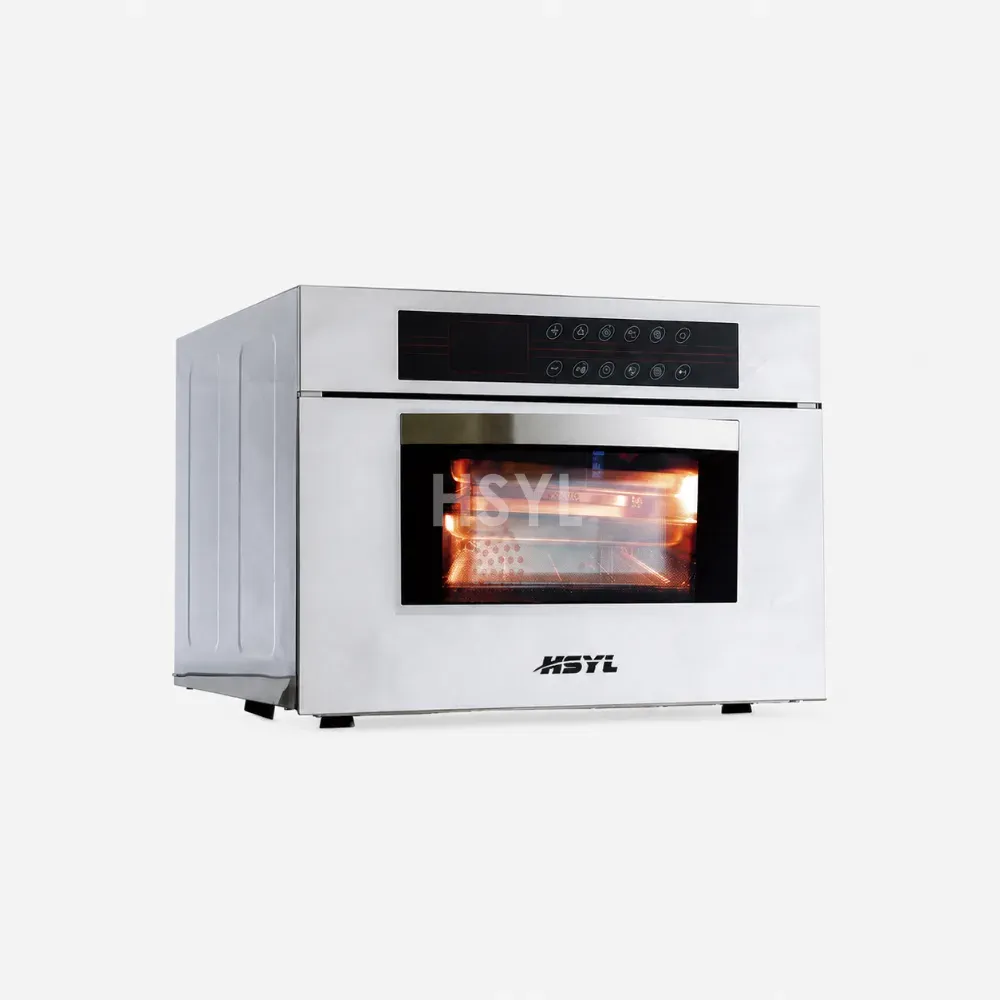
Commercial Ovens for Professional Kitchens
Commercial electric and convection oven solutions for professional kitchens. Review HSYL countertop oven configuration, utilities, installation requirements and...
View product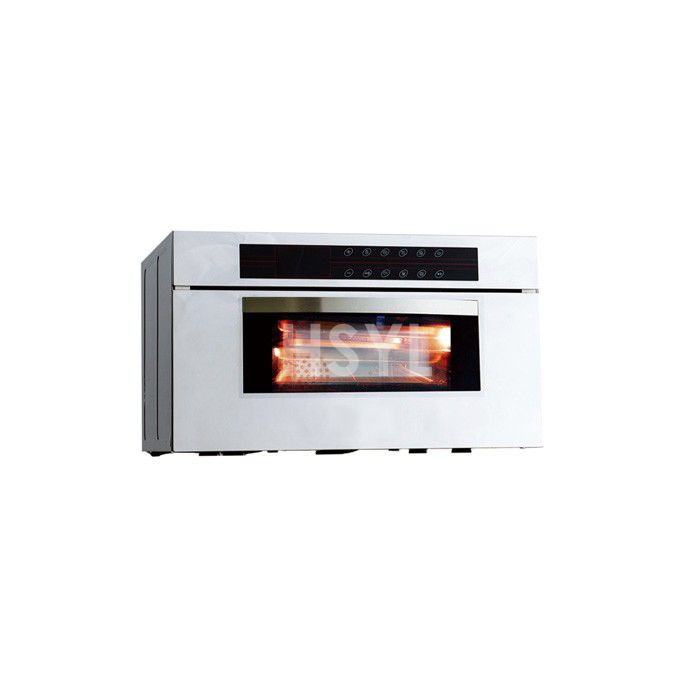
Commercial Combi Ovens
Commercial combi ovens for restaurants, hotels, canteens and central kitchens. Compare compact and high-capacity HSYL combi oven models, cooking modes, utilitie...
View product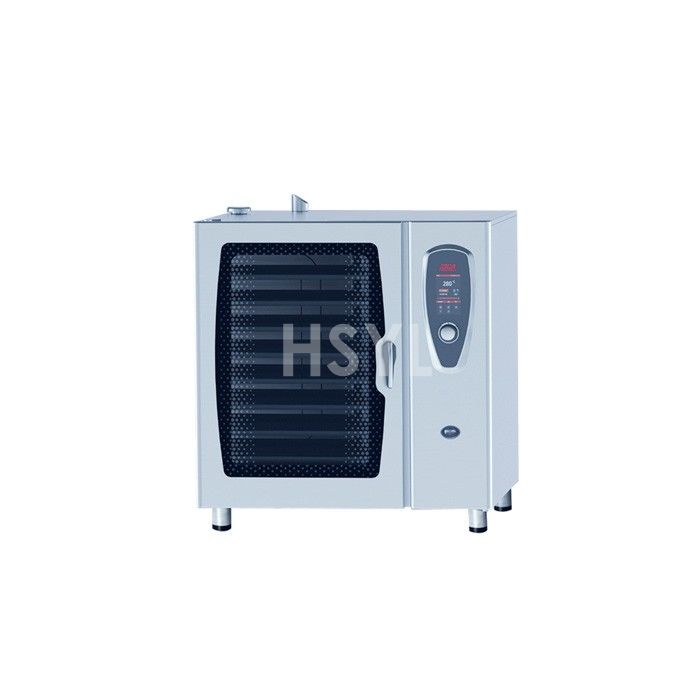
HCO10.2E Commercial Combi Oven
Review HCO10.2E commercial combi oven requirements. Request the current CK-HCO10-2E specification, cooking controls, utilities and quotation.
View productCommercial Combi Oven-CK-HCO-2A
Review CK-HCO-2A combi oven requirements for your menu and batch size. Request cooking modes, chamber dimensions, electrical details and a quotation.
View product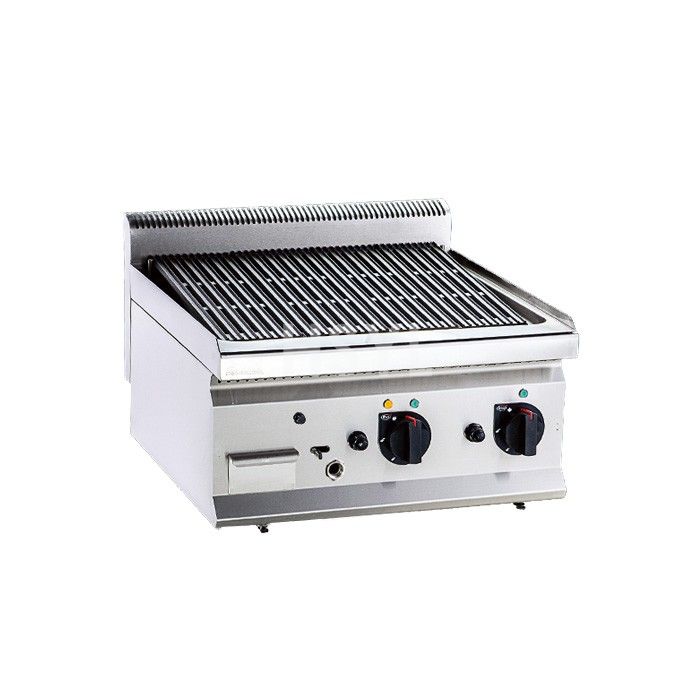
600 Series Countertop Electric BBQ Grill
Review the HC6060E 600 Series countertop electric BBQ grill for your cookline. Confirm cooking area, electrical supply and installation dimensions with HSYL.
View product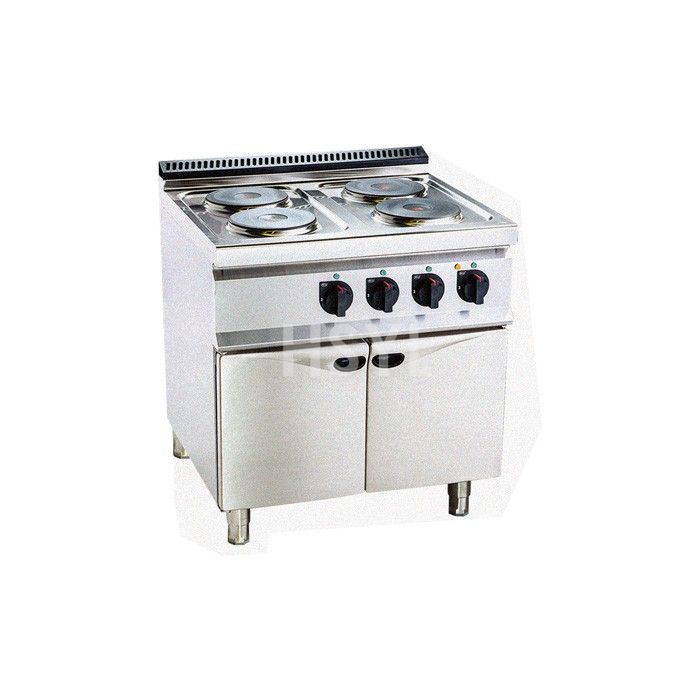
Commercial Range with Oven
Explore CK-BZGL-03 commercial kitchen equipment with technical specifications, application guidance and related models. Request a configuration quote from HSYL.
View productEngineering-Led Commercial Kitchen Manufacturing
HSYL Kitchen Systems designs and produces heavy-duty commercial kitchen equipment for central kitchens, hotels, canteens, hospitals and high-capacity restaurants. Our goal is to provide precise equipment matching, documented quality gates and verified delivery for global foodservice operations.
- Food-grade SUS304 & SUS316 stainless steel construction
- Custom engineering layout & CAD drawing support
- Multi-stage factory quality control & FAT testing
- Factory-direct supply chain with spare parts backup
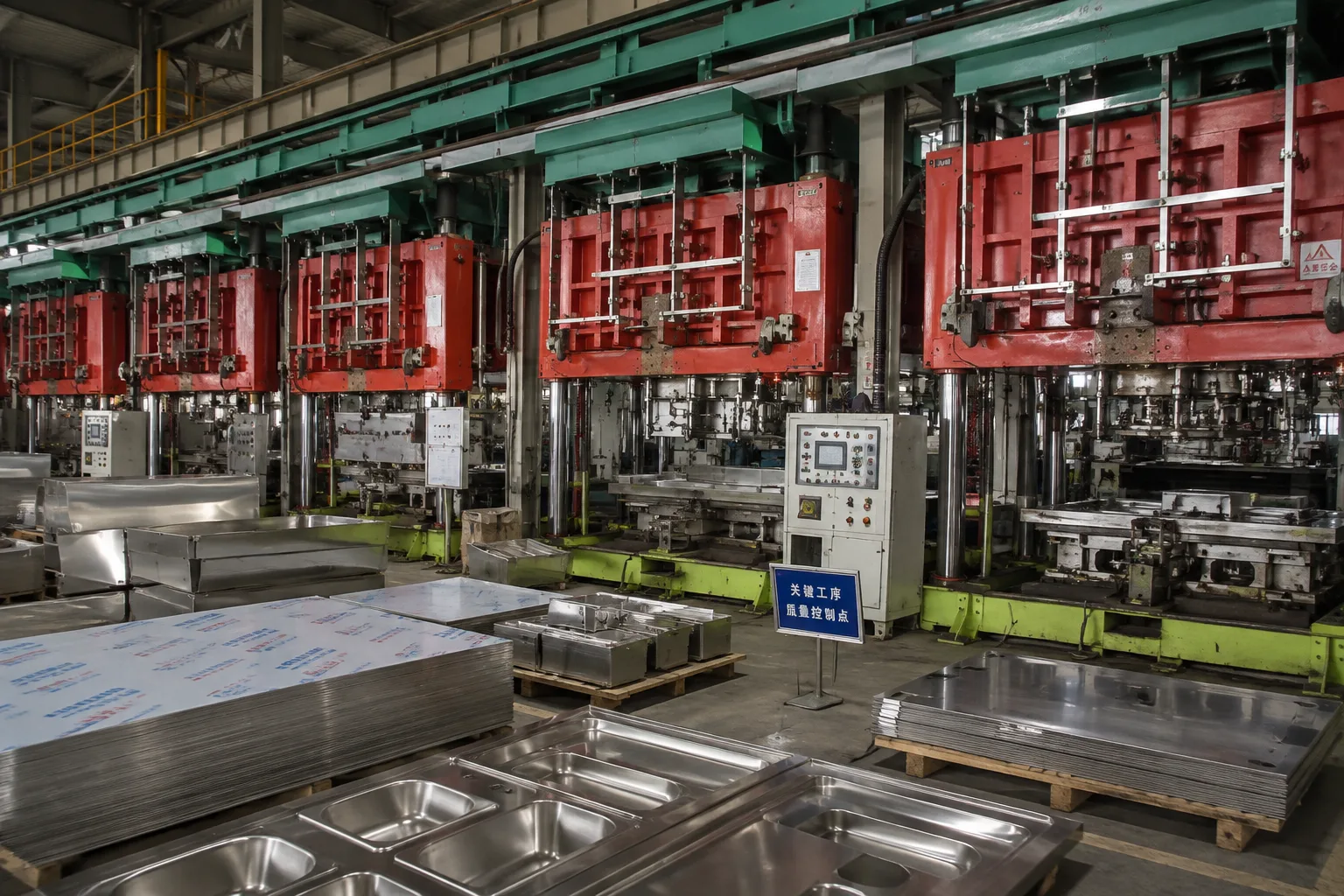
Advanced OEM Processing Equipment & Lines
Equipped with world-class automated sheet metal processing, precision bending centers, thermal foaming lines, and vacuum test rigs to support high-volume commercial kitchen OEM/ODM manufacturing.
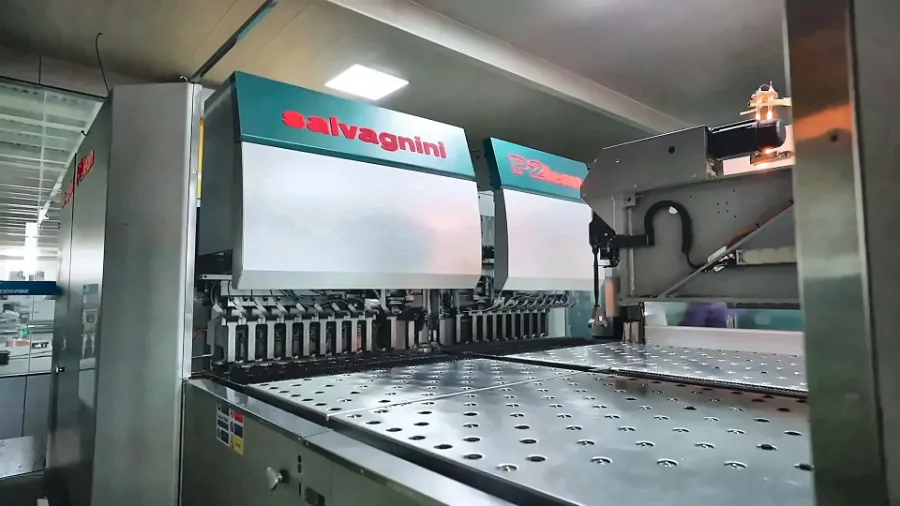
Italian Salvagnini Panel Bending Center
Automated sheet metal bending system for seamless cabinet fabrication and tight structural tolerances.
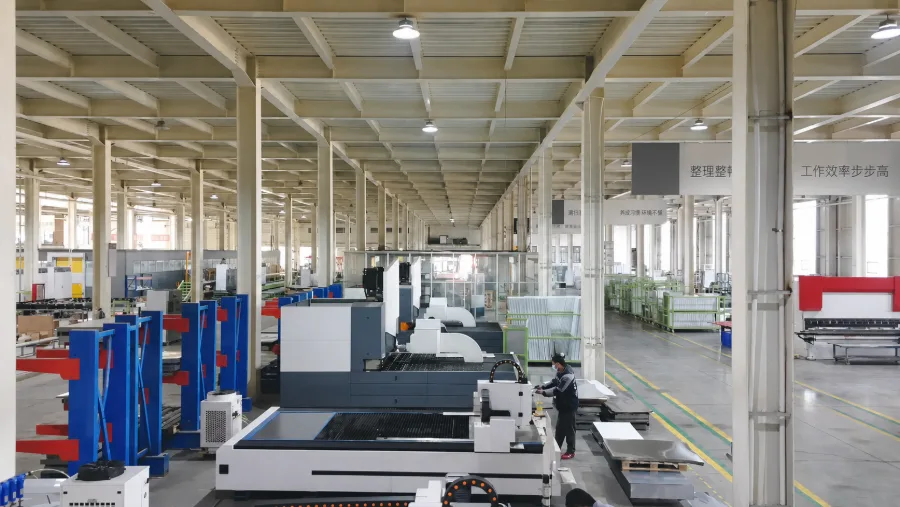
Automated Bending & Laser Cutting Line
Integrated flexible processing line combining fiber laser cutting and multi-axis CNC bending.
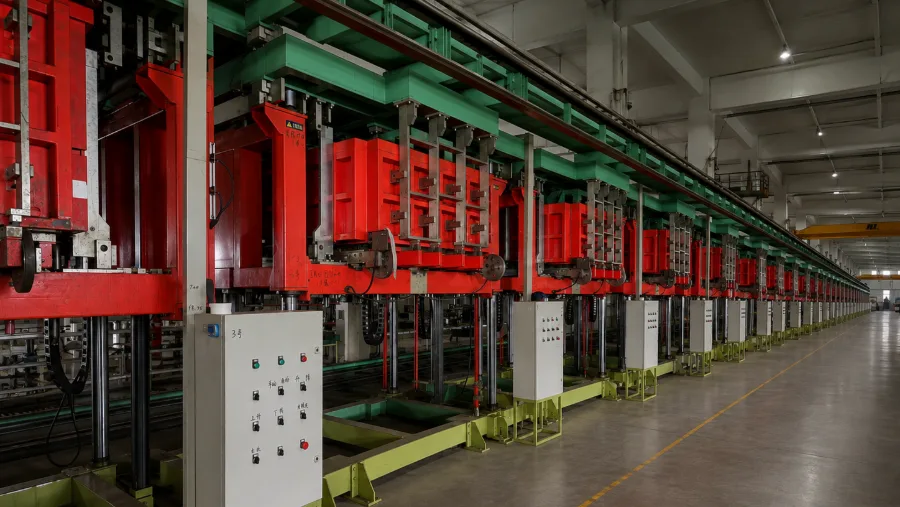
Constant-Temperature Foaming Line
Continuous polyurethane thermal insulation foaming line ensuring uniform core density.
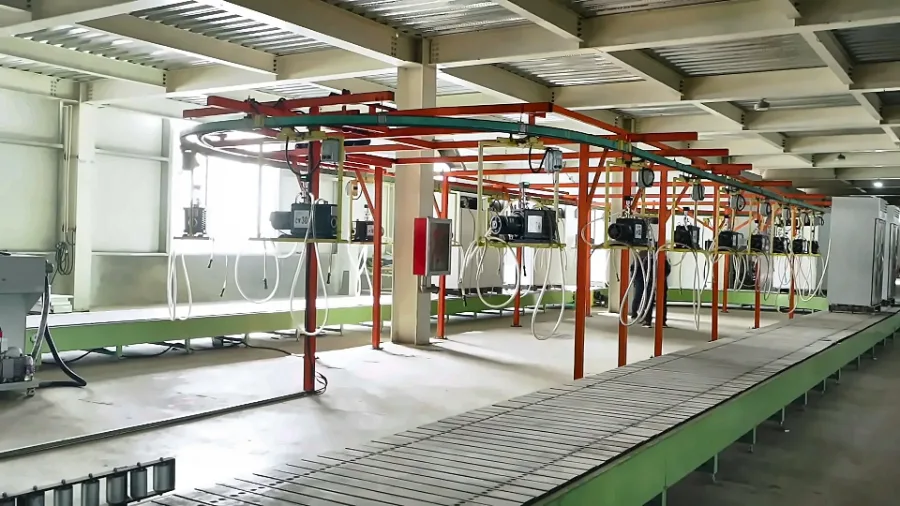
Vacuum Extraction & Testing Line
High-vacuum circuit evacuation and automated leak detection for commercial cooling systems.
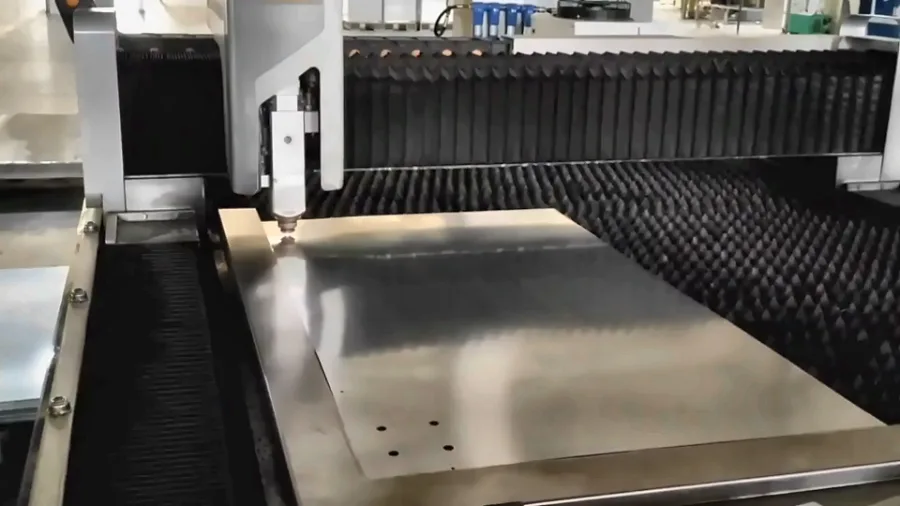
Laser Cutting & CNC Punching Station
High-speed fiber laser cutting and precision CNC punching for intricate component fabrication.
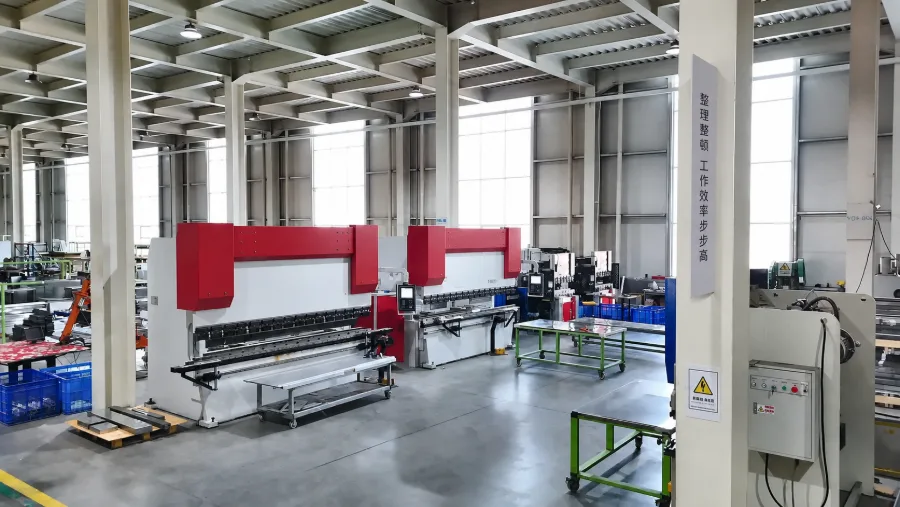
Canadian Heavy-Duty CNC Press Brake
High-tonnage precision press brake for large-format stainless steel sheet forming.
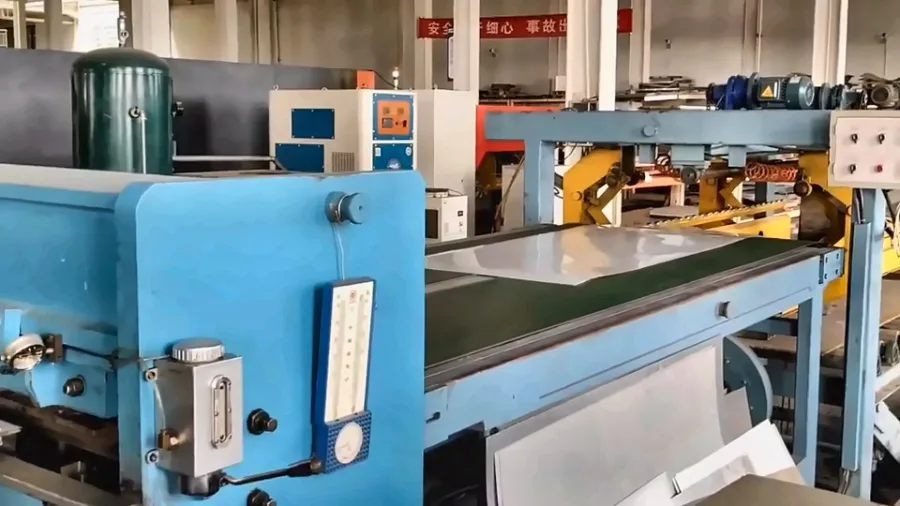
Material Shearing & Cutting Line
Automated heavy-gauge stainless steel shearing and precision raw material sizing.
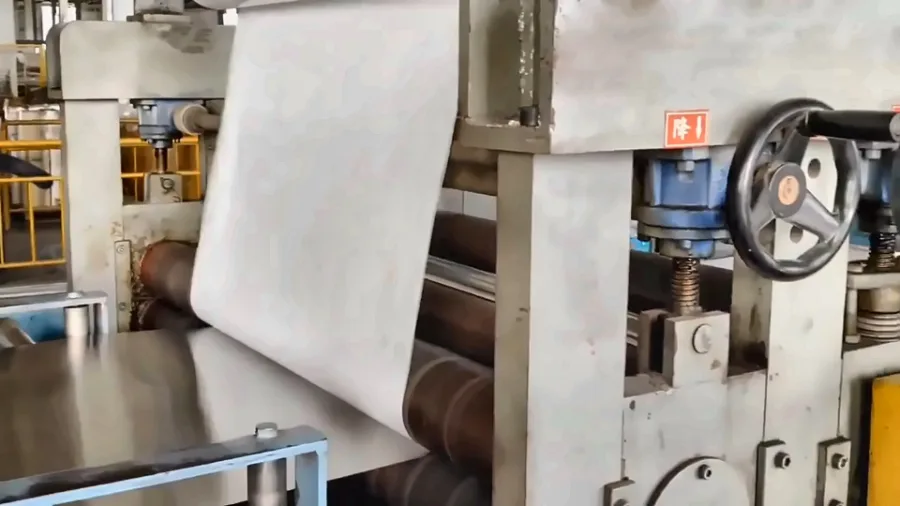
Material Film Laminating Line
Automated surface protection film application to preserve satin and mirror metal finishes.
Explore Popular Kitchen Equipment
Browse equipment that visitors frequently explore, then review the exact model and specifications for your project.
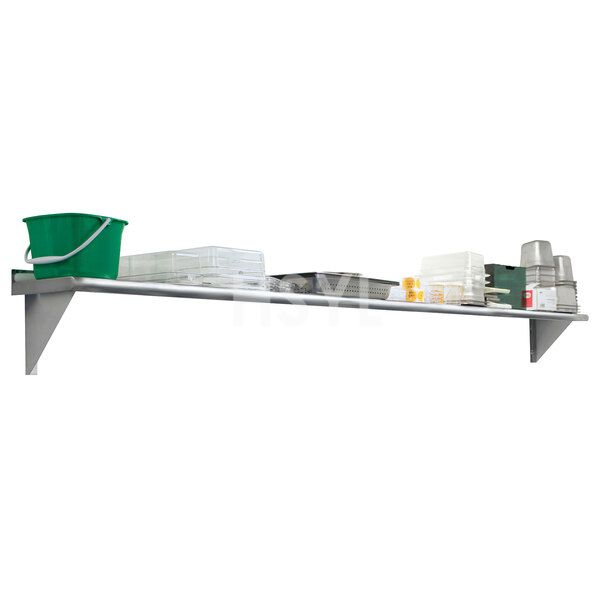
Stainless Steel Wall Shelves
Stainless Steel Wall Shelves for commercial kitchens, fabricated to project dimensions in ...
View product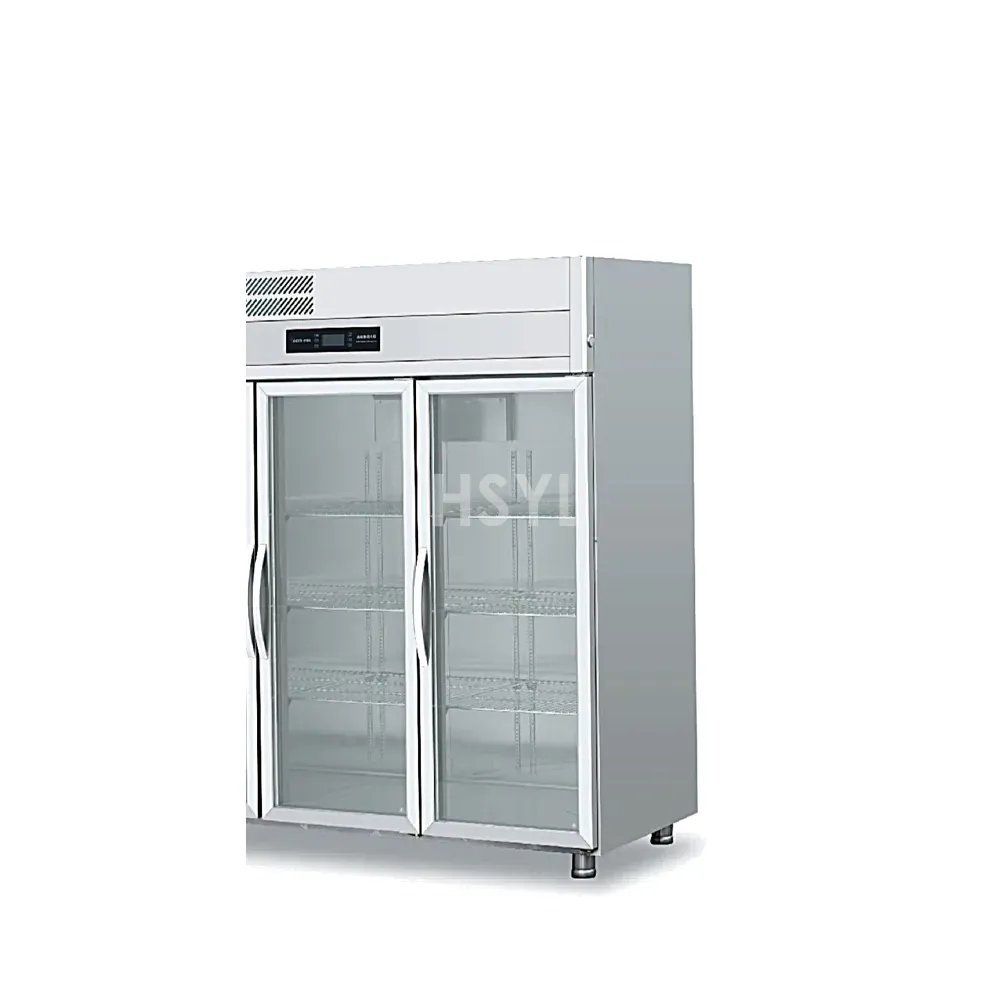
E Series Display Refrigerator Range
Compare E Series display cabinets by door layout, footprint and storage duty. Confirm the ...
View product
Commercial Meat Slicer-FP-HB-350400
Compare HB-350/400 meat slicers around meat size, slice thickness and production needs. Re...
View product
HDW8000L Steam-Heated Commercial Dishwasher
Quick Summary: The HDW8000L Steam-Heated Commercial Dishwasher (Model: CK-HDW8000L) is a h...
View product
Two-Compartment Commercial Sinks
Two-Compartment Commercial Sinks for commercial kitchens, fabricated to project dimensions...
View product
E234-BCW02-11 Horizontal Banquet Cart
Quick Summary: The E234-BCW02-11 Horizontal Banquet Cart-B (Model: SL-E234-BCW02-11) is a ...
View product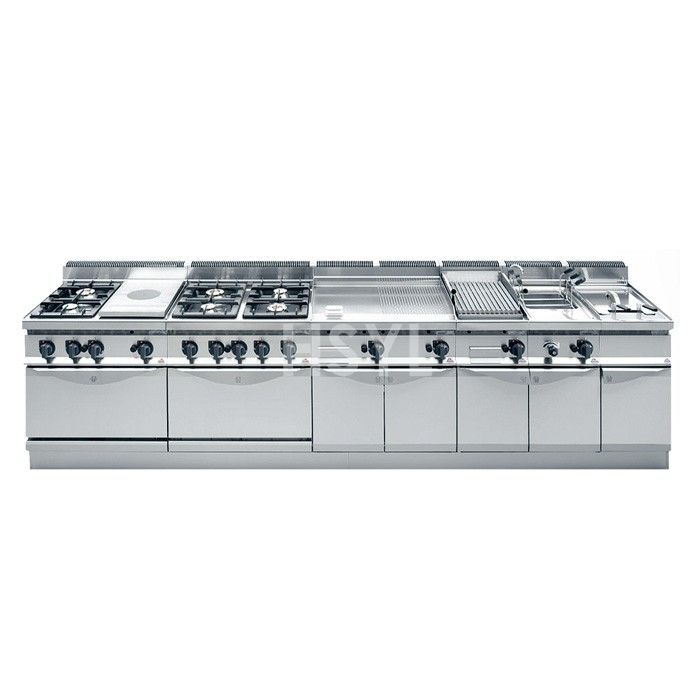
700-Series Combined Western Kitchen Stove
Quick Summary: The 700-Series Combined Western Kitchen Stove (Model: CK-BERTO) is a heavy-...
View product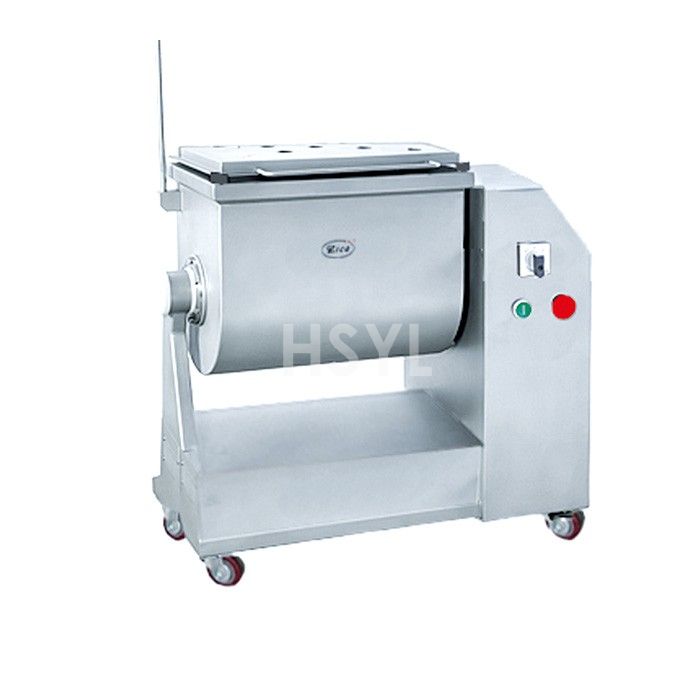
Commercial Meat Mixers
Commercial meat mixers for central kitchens, restaurant prep and meat-processing workstati...
View product Commercial Ovens for Professional Kitchens
Commercial electric and convection oven solutions for professional kitchens. Review HSYL c...
View product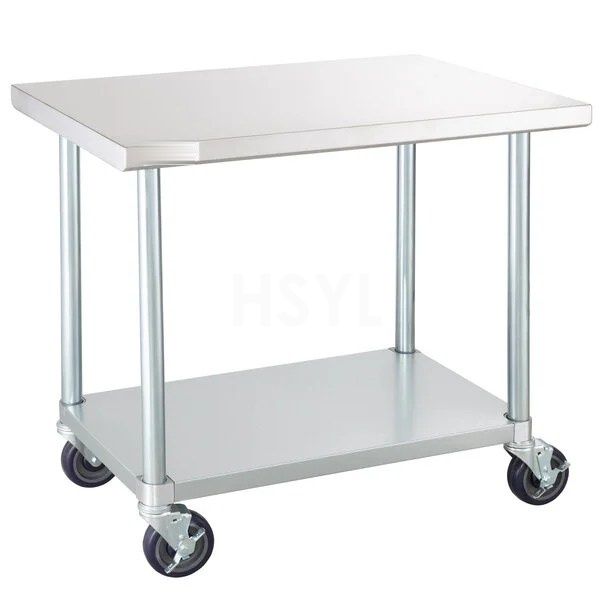
Stainless Steel Kitchen Trolleys
Stainless Steel Kitchen Trolleys for commercial kitchens, fabricated to project dimensions...
View product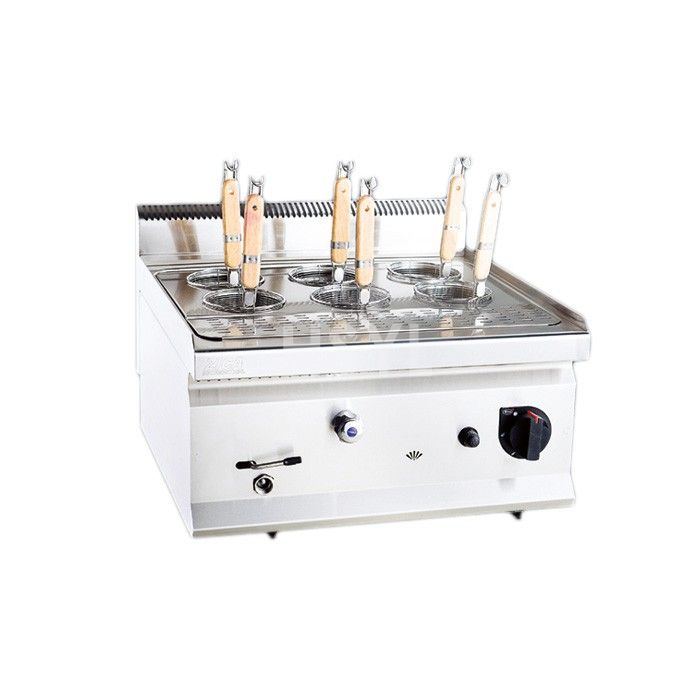
HP Countertop Gas Pasta Cooker Range
Compare HP6035G and HP6060G countertop gas pasta cookers. Review footprint and gas require...
View product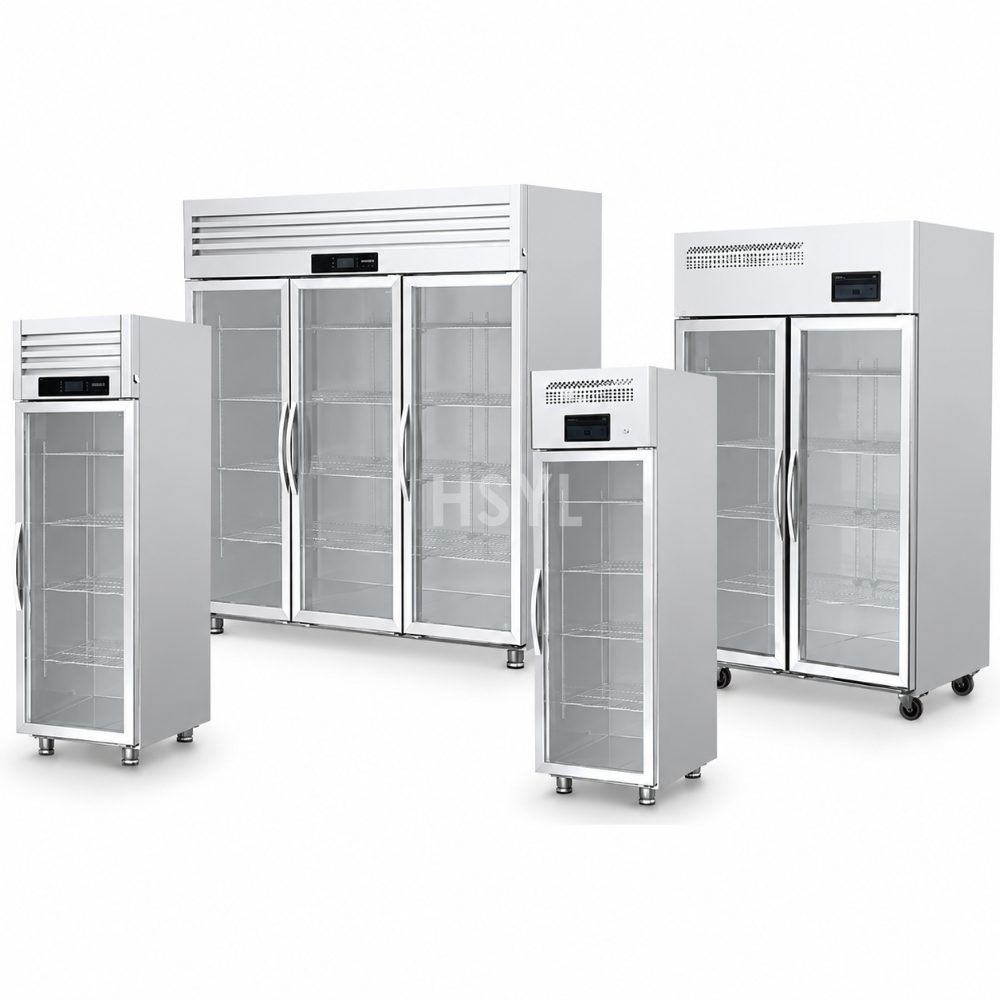
Q and S Series Direct-Cooling Display Cabinet Range
Compare Q and S Series display cabinets for your products and store layout. Confirm temper...
View product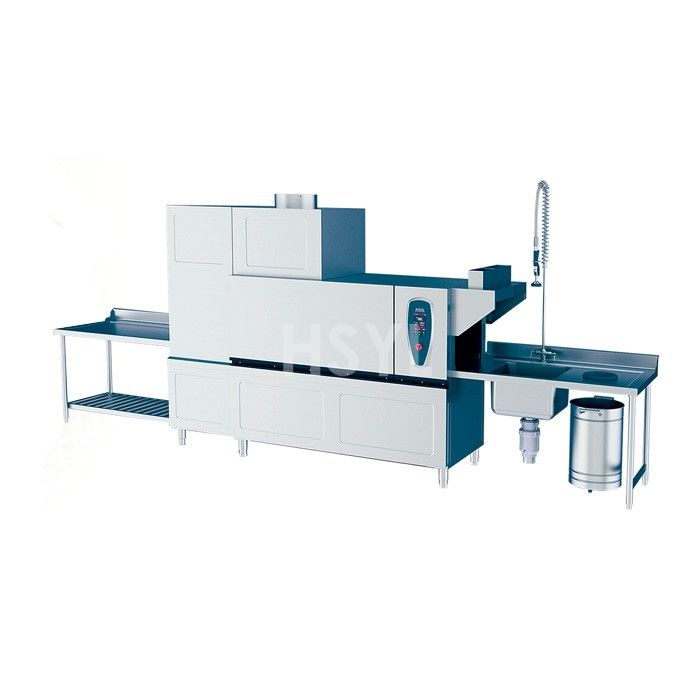
HDW260-EL-R Electric-Heated Commercial Dishwasher
Compare HDW260-EL-R Electric-Heated Commercial Dishwasher capacity, heating, dimensions, u...
View product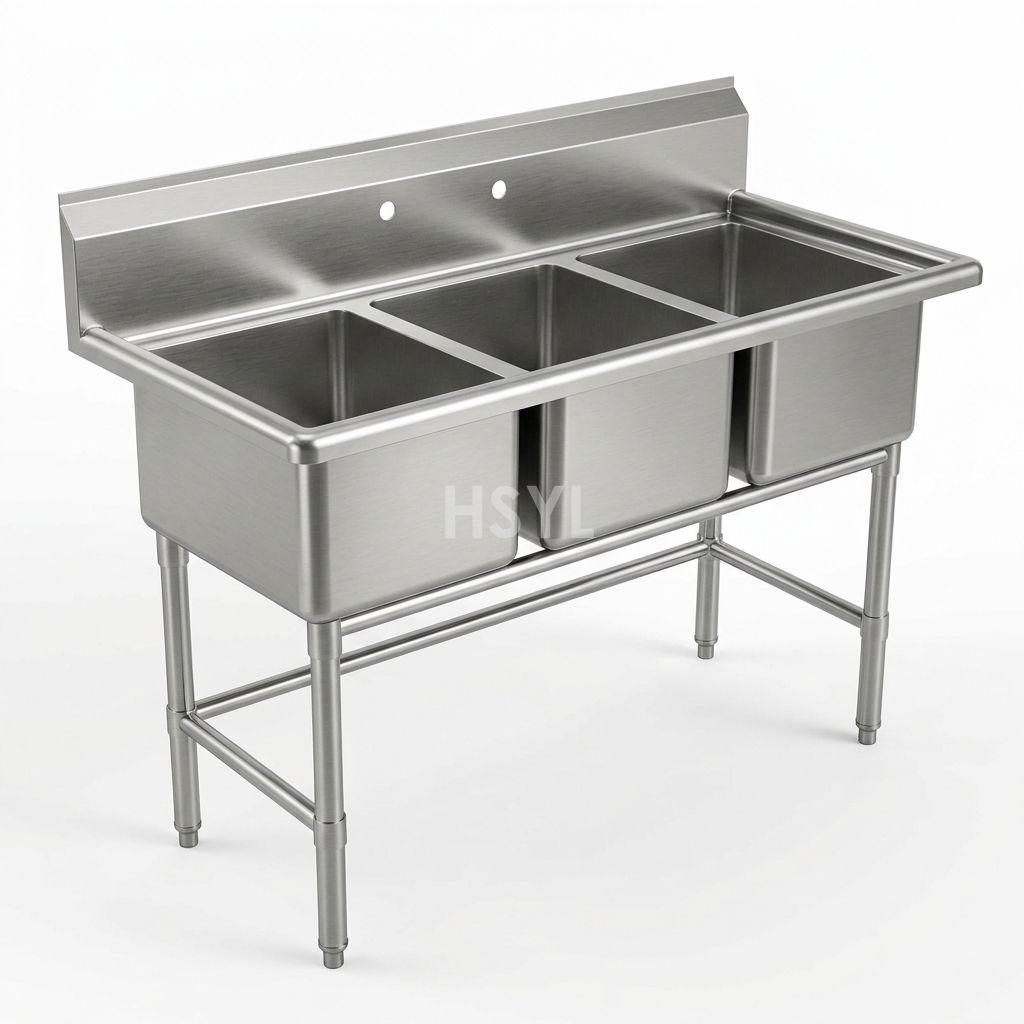
Three-Compartment Commercial Sinks
Three-Compartment Commercial Sinks for commercial kitchens, fabricated to project dimensio...
View product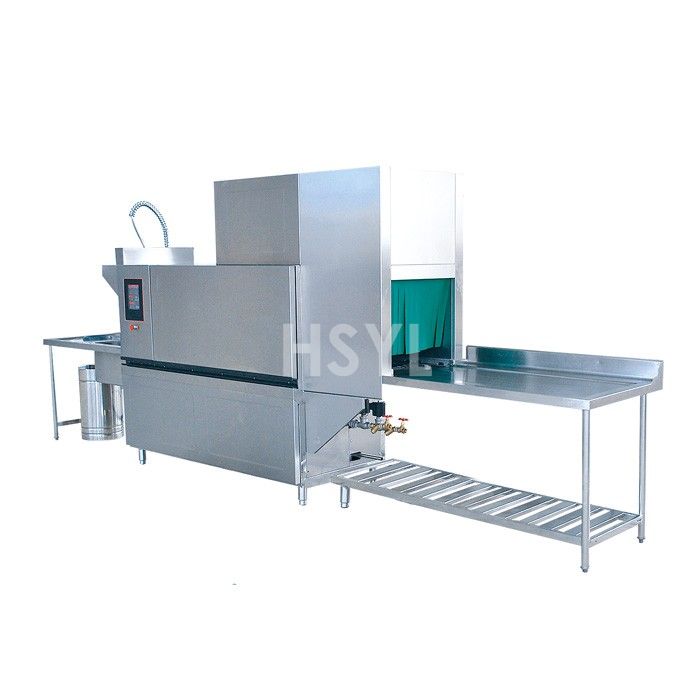
HDW260-SL-R Steam-Heated Commercial Dishwasher
Compare HDW260-SL-R Steam-Heated Commercial Dishwasher capacity, heating, dimensions, util...
View product Stainless Steel Wall Shelf
Plan stainless steel kitchen wall shelves for utensils, containers and clean storage. Spec...
View product
Commercial Vegetable Washers
Commercial Vegetable Washers for central kitchens, food processing plants, canteens and re...
View product
Commercial Grease Traps
Commercial Grease Traps for commercial kitchens, fabricated to project dimensions in AISI ...
View productFrequently Asked Questions
How should commercial convection oven uniformity be checked?
Agree the required food quality, then run the intended tray load with representative products. Identify positions, settings, starting conditions and any tray rotation. Evaluate the finished result across the load; a single temperature display reading is not proof of uniform cooking.
Is a half-size or full-size convection oven better for a commercial kitchen?
Compare the actual tray format and complete production schedule. A half-size unit may fit smaller batches, while a full-size unit may fit the required larger trays. Check usable spacing, recipe conflicts, handling and the deadline for acceptable output before deciding.
Plan the Equipment Around Your Kitchen.
Share your menu, peak service demand, available space and site utilities. Tell us which equipment you are considering so we can review the requirements with you.