Bulk Restaurant Supply Store: Repeat-Order Buying Guide
Choose a bulk restaurant supply store by repeat-item control, stock confirmation, delivery scope and receiving checks. Compare complete order and service costs.
Choose a bulk restaurant supply store by its ability to repeat the correct items, explain substitutions and deliver them within your receiving plan. Separate replenishment supplies from installed kitchen equipment: they need different order controls, service arrangements and acceptance checks.
Start with what the restaurant will buy repeatedly
A bulk order is useful when the items are genuinely repeatable. Several branches may use the same food-storage container, while their cooking equipment varies with the menu, gas supply and available floor space. Ordering an identical quantity of every category can create unused stock and still leave a critical station short.
Build the purchasing list from the operation. Identify the item, its task, who uses it, how often it is replaced and where it is stored. Distinguish daily replenishment from opening stock, maintenance spares and equipment purchased for a specific installation. Give each line an owner who can approve changes before the supplier dispatches it.
For an importer or restaurant group, the store question also includes geography. A nearby supply store may help with urgent smallwares and local service, while an overseas equipment quotation needs a separate freight, destination-document and installation plan. Compare those channels by the job each can perform. A supplier's large catalog does not establish local stock or service in another country.
Classify the order before comparing suppliers
| Order group | Useful buying basis | Substitution boundary | Receiving check |
|---|---|---|---|
| Consumables and smallwares | Use, dimensions, pack quantity and replenishment pattern | Confirm compatibility with the existing process and storage | Count cases and units; inspect labels and damage |
| Preparation tables and shelving | Working position, usable storage, cleaning access and footprint | Approve the actual drawing and permitted load configuration | Check dimensions, assembly parts and stability |
| Refrigeration and cooking equipment | Menu duty, usable capacity, utilities and destination documents | Approve the exact model, revision and supplied configuration | Match the identification plate and perform the agreed commissioning checks |
| Wash stations and dishwashing equipment | Largest item, rack flow, landing space and plumbing interfaces | Confirm handedness, connection details and compatible accessories | Inspect interfaces and verify the installed workflow |
| Maintenance spares | Installed model, revision and failure or planned replacement need | Approve part identity and compatibility in writing | Match the part number, condition and accompanying instructions |
This classification makes supplier comparisons more useful. One company may be strong at fast case replenishment; another may provide a better equipment specification package. Ask the supplier to identify which order lines it supplies directly, which it sources through another business and which services it can actually provide at the destination.
Keep the delivery promise attached to the particular order. A product marked available on a website can still depend on the selected voltage, fuel, accessories, branch allocation or destination. Record the confirmed configuration and dispatch conditions in the quotation rather than relying on a general catalog label.
Make repeat ordering independent of a product photograph
A repeat purchase should refer to an approved item record. Include the supplier's item code, manufacturer where applicable, model or specification revision, dimensions that affect fit, pack unit and approved alternatives. For installed equipment, add the utility schedule and the documents checked during the first purchase.
Photographs are useful for identifying an item but are a weak basis for substitution approval. A similar-looking sink can have a different bowl arrangement or outlet position. A replacement table can obstruct an existing drain or cleaning route. A range with the same overall width can use another fuel arrangement, cooking top or oven base.
Use version control when branches share an item list. Record the date of each accepted change, the branches affected and any remaining old stock. If the supplier changes an item number or discontinues a product, require a comparison of the relevant interfaces before approving the replacement. Keep staff from ordering a familiar name against an outdated drawing.
| Control field | What to record |
|---|---|
| Approved item | Task, supplier code, manufacturer/model and specification revision |
| Order unit | Case, pack or individual unit; quantities and branch allocation |
| Critical interface | Dimensions, accessory fit, utility connection or cleaning requirement |
| Change authority | Named buyer approval, accepted alternative and revision date |
| Receiving evidence | Order line, delivery count, identification and inspection record |
For a restaurant group, start with the items that are most often confused or hardest to replace. A short accurate register for critical products is more useful than a long catalog in which nobody knows which alternatives are acceptable. Expand the register after the team has used it through a complete purchasing and receiving cycle.
Calculate bulk quantities from use and receiving constraints
For replenishment products, use recorded consumption, delivery frequency and available storage. Include seasonal or branch-opening changes separately from normal use. The order quantity should reflect the supplier's case size without hiding the number of units the restaurant will receive.
For installed equipment, quantities come from the production and service plan. Establish the tasks performed at the same time, the staff assigned to them and the equipment positions that support them. A bulk discount does not create a need for another fryer, refrigerator or wash station if the operation cannot use or connect it.
Check where the shipment can wait. Cases that arrive before the fit-out is ready may need dry storage, secure access and handling equipment. Large appliances can require a different receiving route from smallwares. Measure the complete route, including lifts, doors, corners, steps and the final positioning area, before confirming the delivery date.
When several branches share a shipment, label the allocation on the order and packing list. Separate common stock from branch-specific equipment and accessories. This helps receiving staff identify a short delivery without dismantling every package or opening another branch's equipment.
Consider staged deliveries when the project has different readiness dates. The quotation should explain any storage, consolidation or additional delivery charges. Approval should follow a comparison of the full cost and the operational consequences; a single shipment is not automatically the least expensive way to complete the project.
Ask the store to show how an order will be completed
Request a sample quotation and packing list for the type of order you intend to place. Look for clear item identity, order units, quantities, configuration, delivery scope and exclusions. Ask how the supplier handles a back-ordered line, a split shipment or a proposed substitute.
For equipment, ask who supplies the model documentation and who answers installation questions. Establish whether the quotation includes assembly, uncrating, positioning, utility connection, commissioning or staff instruction. Each service should have a named scope and provider. Avoid assuming that delivery includes installation.
Ask about damage reporting and returns before the goods leave the supplier. Record the inspection period, required photographs, packaging retention and the process for a missing accessory. Custom fabrication, configured equipment and opened goods can follow different return conditions; use the agreed terms for the actual order.
Review support at the destination. A supplier's local service statement can apply only to a particular region or product line. Identify the party responsible for warranty assessment, parts shipment and any on-site labor. Keep these terms attached to the offered model rather than extending one brand's arrangements to the whole shipment.
A pilot order can test the purchasing process without treating it as proof of every future delivery. Choose representative items, document the quotation changes and inspect the delivery against the approved register. Use the result to correct the ordering process and acceptance checklist before increasing the order size.
Compare landed and operating cost on the same basis
Compare quotations with the same item identities, quantities and service scope. Include freight, handling, export packaging, destination charges, assembly and installation work that the quotation excludes. Keep customs and tax assumptions specific to the destination and commercial arrangement; request advice for the actual shipment rather than applying a universal percentage.
For powered equipment, build the operating-cost comparison from the proposed production schedule and measured or documented energy use. Include cleaning labor, planned maintenance, consumables, parts availability and the effect of downtime. An unverified efficiency or lifetime claim should not decide a bulk equipment order.
Define the comparison period and record the assumptions. A frequently replenished item needs a consumption and delivery-cost comparison, while an installed appliance needs a production and service-cost comparison. Keep the calculations separate so that savings on inexpensive supplies do not conceal an unsuitable equipment configuration.
Ask for written clarification when quotation lines are difficult to compare. One offer may include a required stand or rack while another shows it as an accessory. One shipment may be delivered to the premises while another stops at a freight terminal. Normalize these differences before evaluating the total.
Use a document schedule for each destination and equipment category
Build the document schedule from the offered equipment and its intended destination. Identify the exact model, configuration, nameplate data, operating manual, installation instructions and the declarations or certifications relevant to that product. Confirm that the supplied version is the one covered by the documentation.
For the United States, distinguish sanitation certification from electrical or gas safety evaluation and from local installation acceptance. NSF's food-equipment standards portfolio lists separate scopes for different equipment categories. A listing for one appliance or component does not demonstrate approval of the complete mixed order.
For an EU destination, ask the supplier to identify the legislation applicable to each product and supply the corresponding configuration-specific documentation. For a UK destination, confirm the requirements that apply in the receiving jurisdiction and to the proposed installation. Do not use a generic logo photograph as evidence that every product is acceptable.
Other markets require their own review of power supply, gas type, food-contact materials, service arrangements and site approval. Record the destination for every branch-specific appliance. A shared commercial appearance does not make two electrical or gas versions interchangeable.
Check component identity where it affects maintenance or compliance. Request the specified replacement part and any allowed alternative, together with compatibility information. Treat a component brand as an order requirement only when it is included in the approved model documentation; do not infer it from another supplier's catalog.
Release the order only after the receiving team can check it
Give receiving staff an accessible copy of the approved order, allocation list and inspection checklist. Explain which packages require identification photographs, which goods can be counted without opening and which equipment must remain protected until installation. Coordinate any specialist inspection with the delivery plan.
At arrival, compare the packages, quantities and identification with the order. Record visible damage before the delivery document is closed, following the agreed carrier and supplier procedure. Keep packaging and labels where they may be needed for a claim. Separate shortage reporting from performance testing so that a missing accessory is not discovered only after commissioning.
For installed equipment, finish the acceptance checks under the agreed operating conditions. Confirm connections, movement and service clearances, cleaning access and the required loaded task. The delivery count alone does not establish that the restaurant can operate the station safely or meet its service schedule.
For repeat supplies, monitor the first use as well as receipt. Staff can identify a pack-size misunderstanding, a poorly fitting accessory or a storage problem that was not obvious at delivery. Feed these findings into the approved item register before the next order.
Prepare an equipment enquiry with useful purchasing detail
The HSYL product library can help organize the equipment part of a restaurant supply enquiry. Use the commercial range reference to discuss cooking-top and oven-base requirements, and the worktable reference to discuss preparation and nearby storage. These references do not replace an approved order configuration.
Send the menu duties, branch quantities, destination, required utility version and available drawings with the enquiry. Include receiving limitations, accessory needs and the inspection conditions. Ask for the exact offered model and revision, its documents, packing dimensions and weight, and the services included in the quotation.
Keep any broader supply requirements visible. If the order includes consumables, smallwares or local installation services, ask which lines and services can be offered and by whom. Obtain written confirmation before counting them as part of the equipment shipment.
A clear bulk order ends with an agreed item register, a comparable quotation, a delivery plan and a receiving checklist. Those documents make repeat purchasing useful across branches and help the restaurant distinguish an economical order from a large order that creates extra work.
Engineering-Led Commercial Kitchen Manufacturing
HSYL Kitchen Systems designs and produces heavy-duty commercial kitchen equipment for central kitchens, hotels, canteens, hospitals and high-capacity restaurants. Our goal is to provide precise equipment matching, documented quality gates and verified delivery for global foodservice operations.
- Food-grade SUS304 & SUS316 stainless steel construction
- Custom engineering layout & CAD drawing support
- Multi-stage factory quality control & FAT testing
- Factory-direct supply chain with spare parts backup
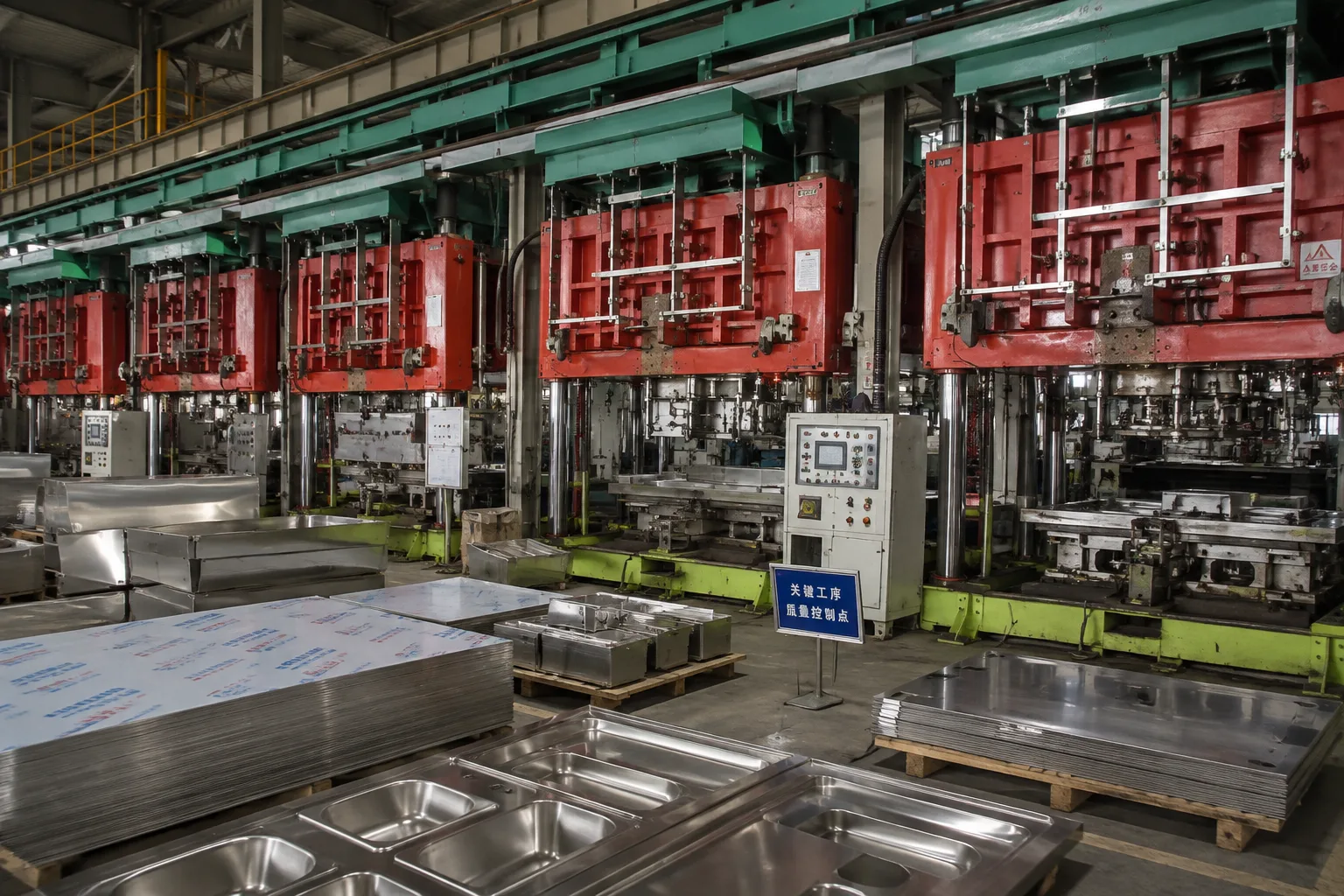
Advanced OEM Processing Equipment & Lines
Equipped with world-class automated sheet metal processing, precision bending centers, thermal foaming lines, and vacuum test rigs to support high-volume commercial kitchen OEM/ODM manufacturing.
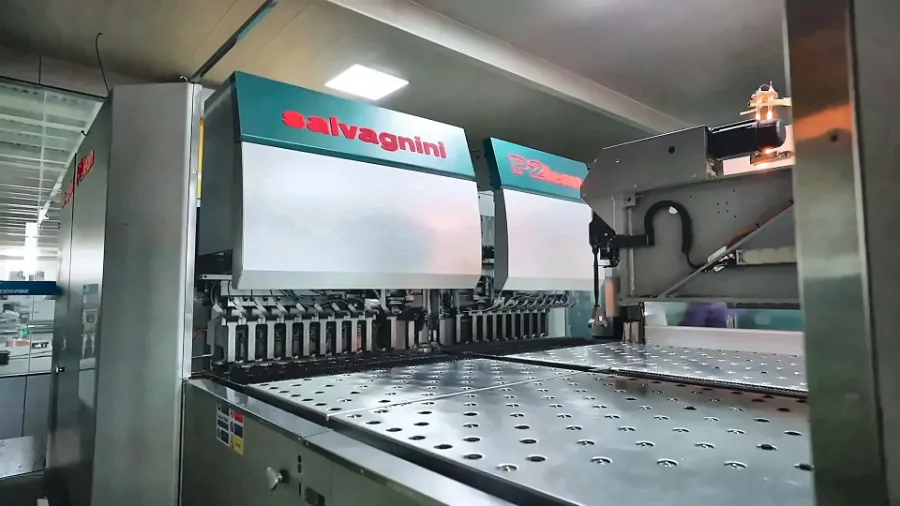
Italian Salvagnini Panel Bending Center
Automated sheet metal bending system for seamless cabinet fabrication and tight structural tolerances.
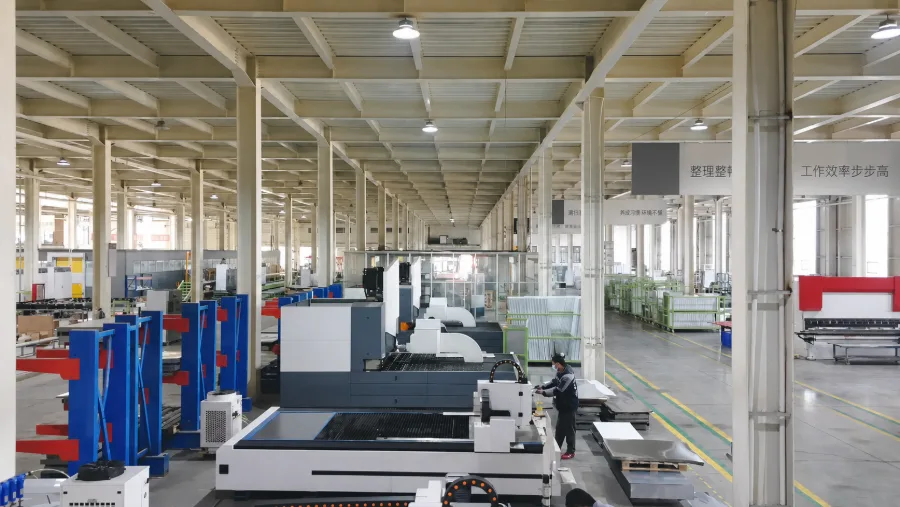
Automated Bending & Laser Cutting Line
Integrated flexible processing line combining fiber laser cutting and multi-axis CNC bending.
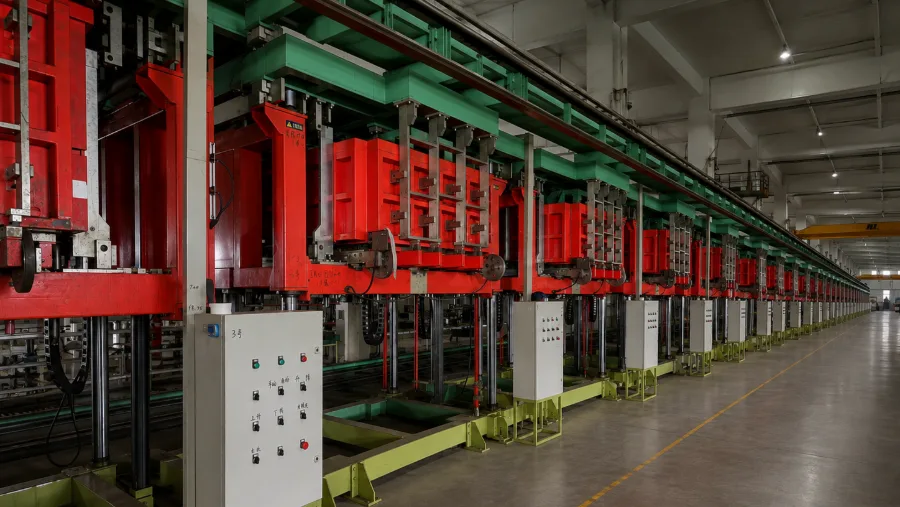
Constant-Temperature Foaming Line
Continuous polyurethane thermal insulation foaming line ensuring uniform core density.
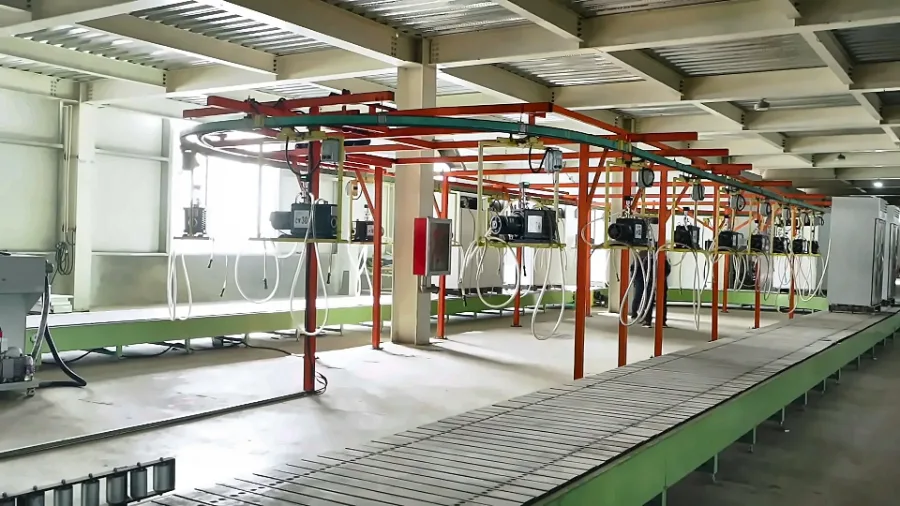
Vacuum Extraction & Testing Line
High-vacuum circuit evacuation and automated leak detection for commercial cooling systems.
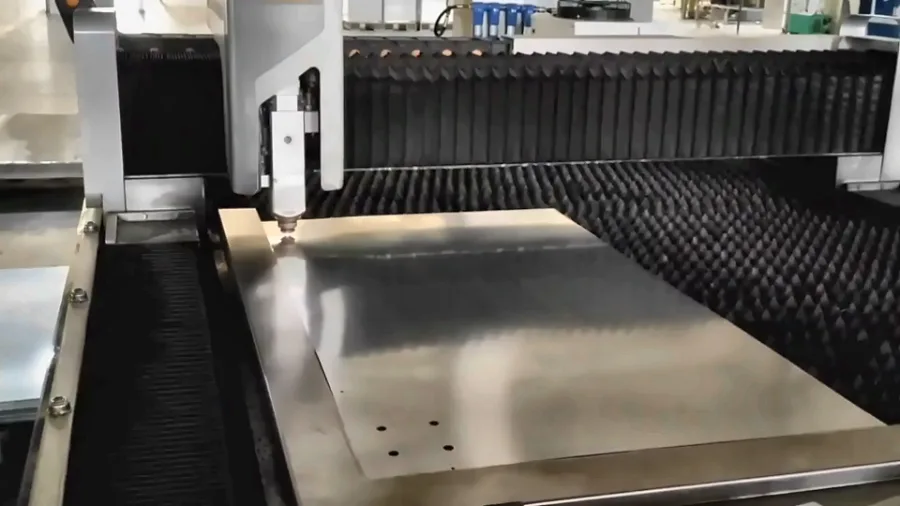
Laser Cutting & CNC Punching Station
High-speed fiber laser cutting and precision CNC punching for intricate component fabrication.
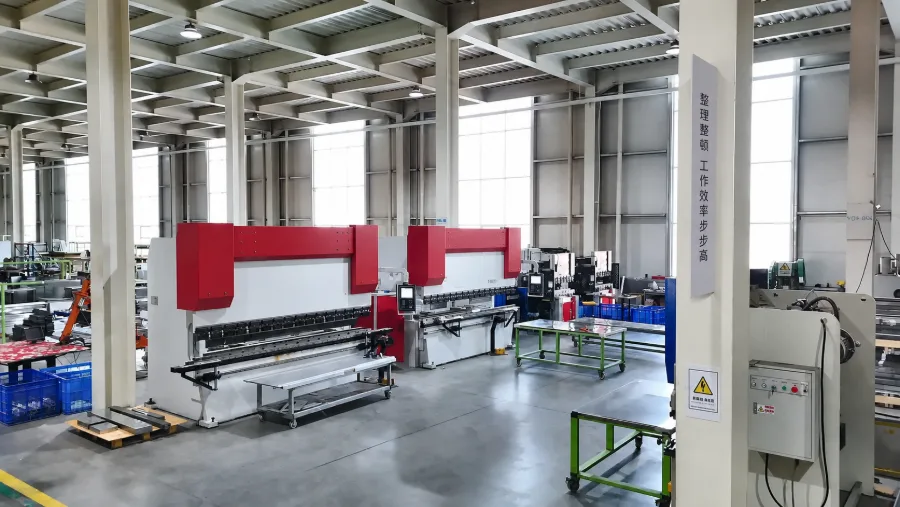
Canadian Heavy-Duty CNC Press Brake
High-tonnage precision press brake for large-format stainless steel sheet forming.
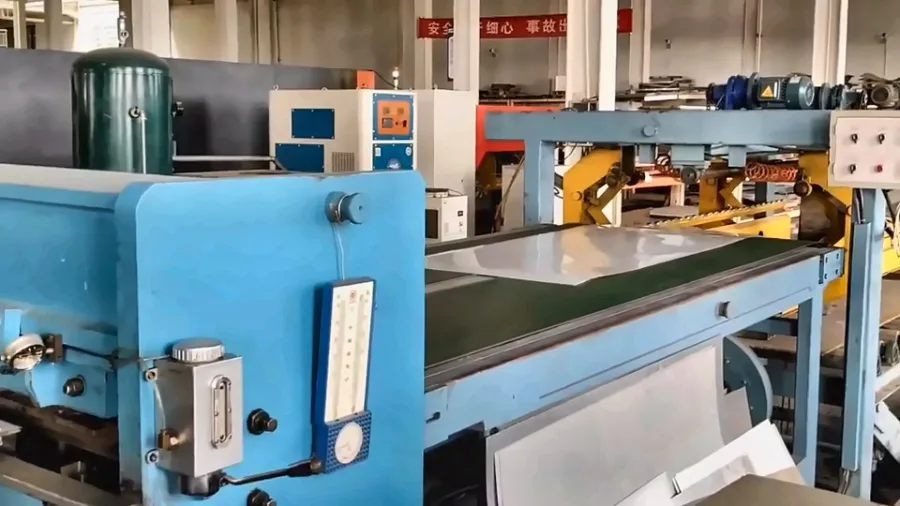
Material Shearing & Cutting Line
Automated heavy-gauge stainless steel shearing and precision raw material sizing.
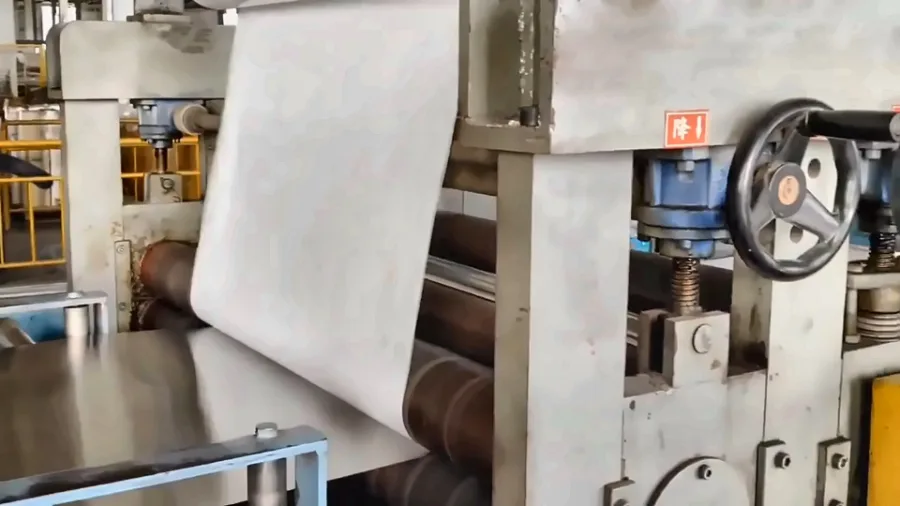
Material Film Laminating Line
Automated surface protection film application to preserve satin and mirror metal finishes.
Explore Popular Kitchen Equipment
Browse equipment that visitors frequently explore, then review the exact model and specifications for your project.
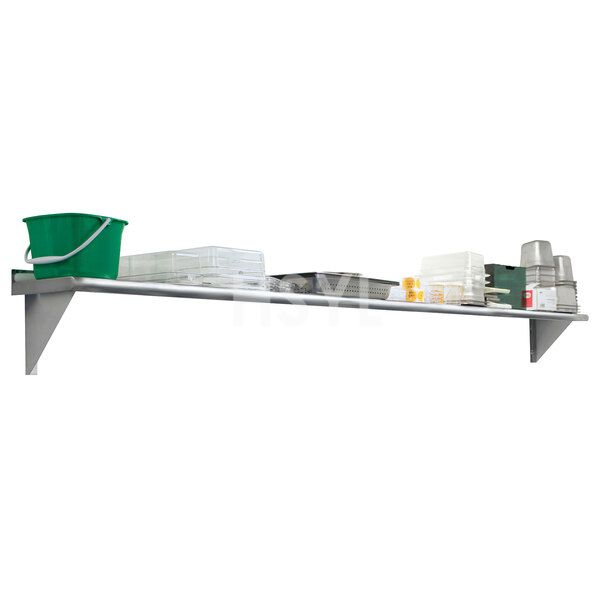
Stainless Steel Wall Shelves
Stainless Steel Wall Shelves for commercial kitchens, fabricated to project dimensions in ...
View product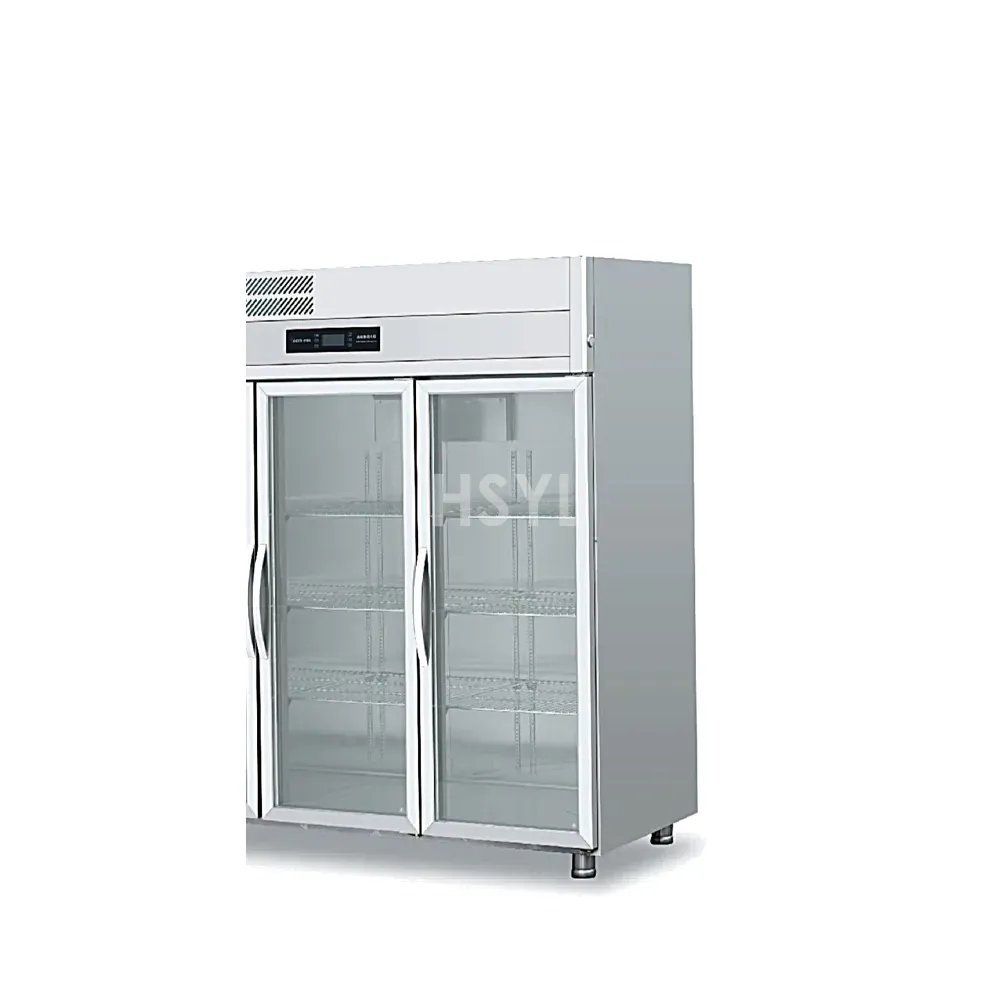
E Series Display Refrigerator Range
Compare E Series display cabinets by door layout, footprint and storage duty. Confirm the ...
View product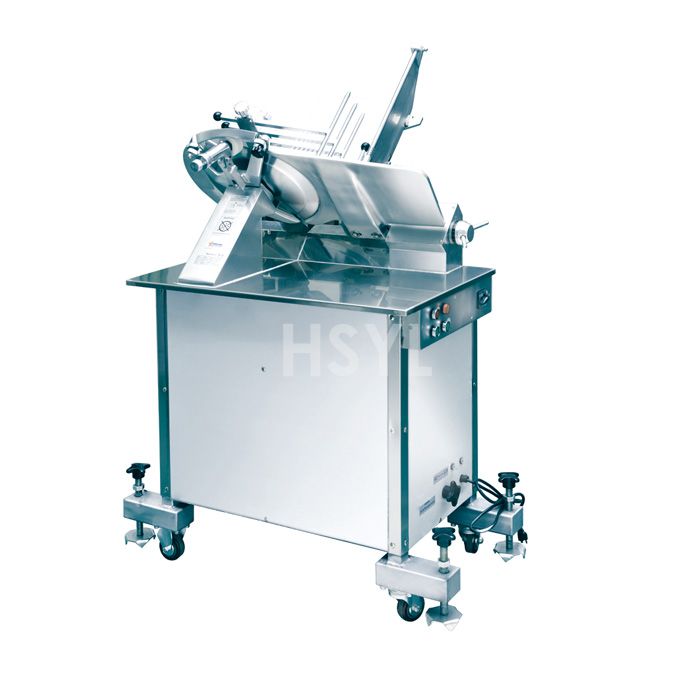
Commercial Meat Slicer-FP-HB-350400
Compare HB-350/400 meat slicers around meat size, slice thickness and production needs. Re...
View product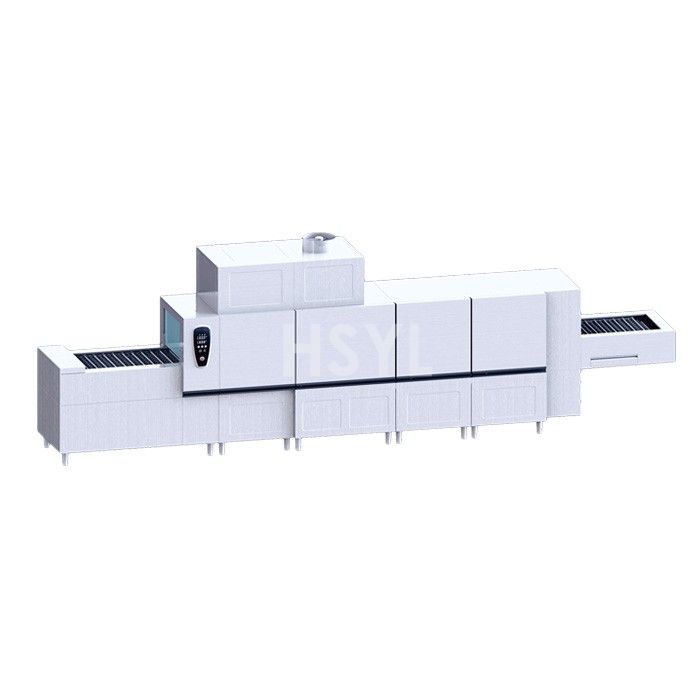
HDW8000L Steam-Heated Commercial Dishwasher
Quick Summary: The HDW8000L Steam-Heated Commercial Dishwasher (Model: CK-HDW8000L) is a h...
View product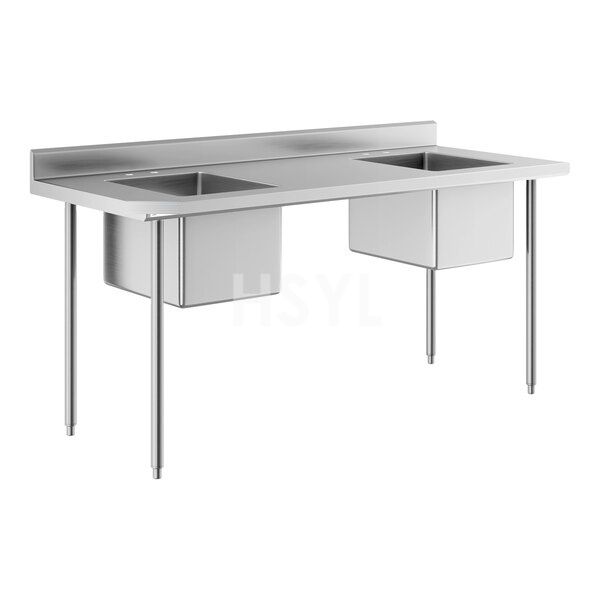
Two-Compartment Commercial Sinks
Two-Compartment Commercial Sinks for commercial kitchens, fabricated to project dimensions...
View product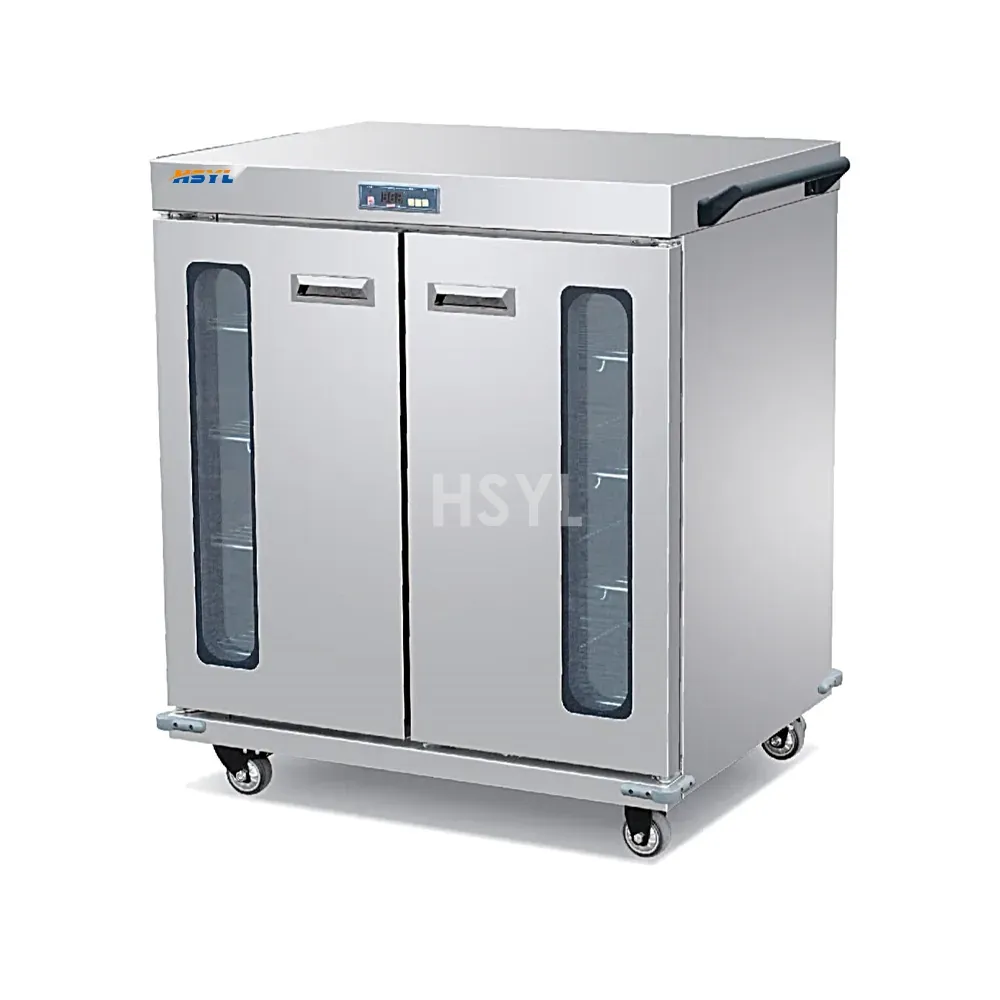
E234-BCW02-11 Horizontal Banquet Cart
Quick Summary: The E234-BCW02-11 Horizontal Banquet Cart-B (Model: SL-E234-BCW02-11) is a ...
View product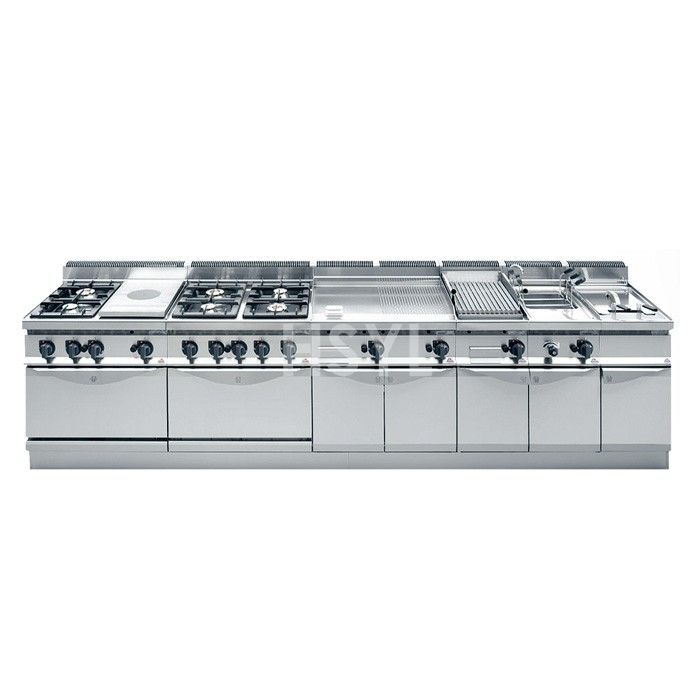
700-Series Combined Western Kitchen Stove
Quick Summary: The 700-Series Combined Western Kitchen Stove (Model: CK-BERTO) is a heavy-...
View product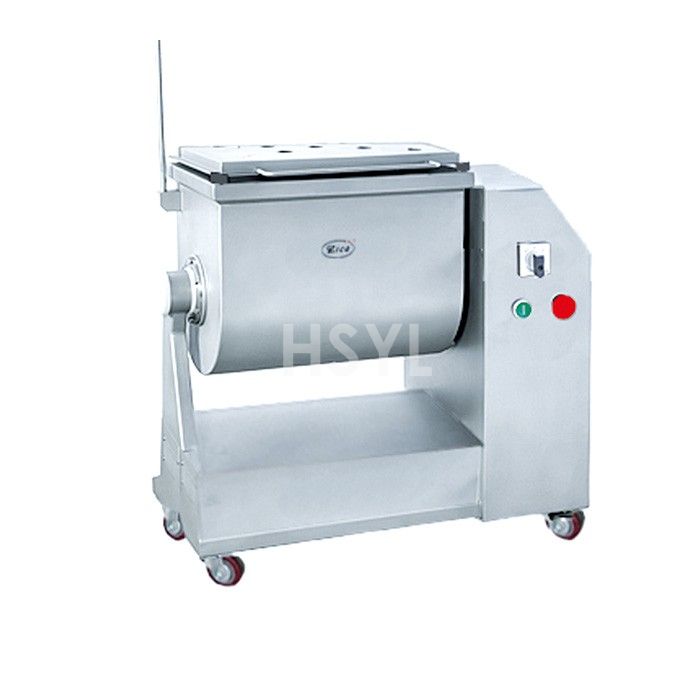
Commercial Meat Mixers
Commercial meat mixers for central kitchens, restaurant prep and meat-processing workstati...
View product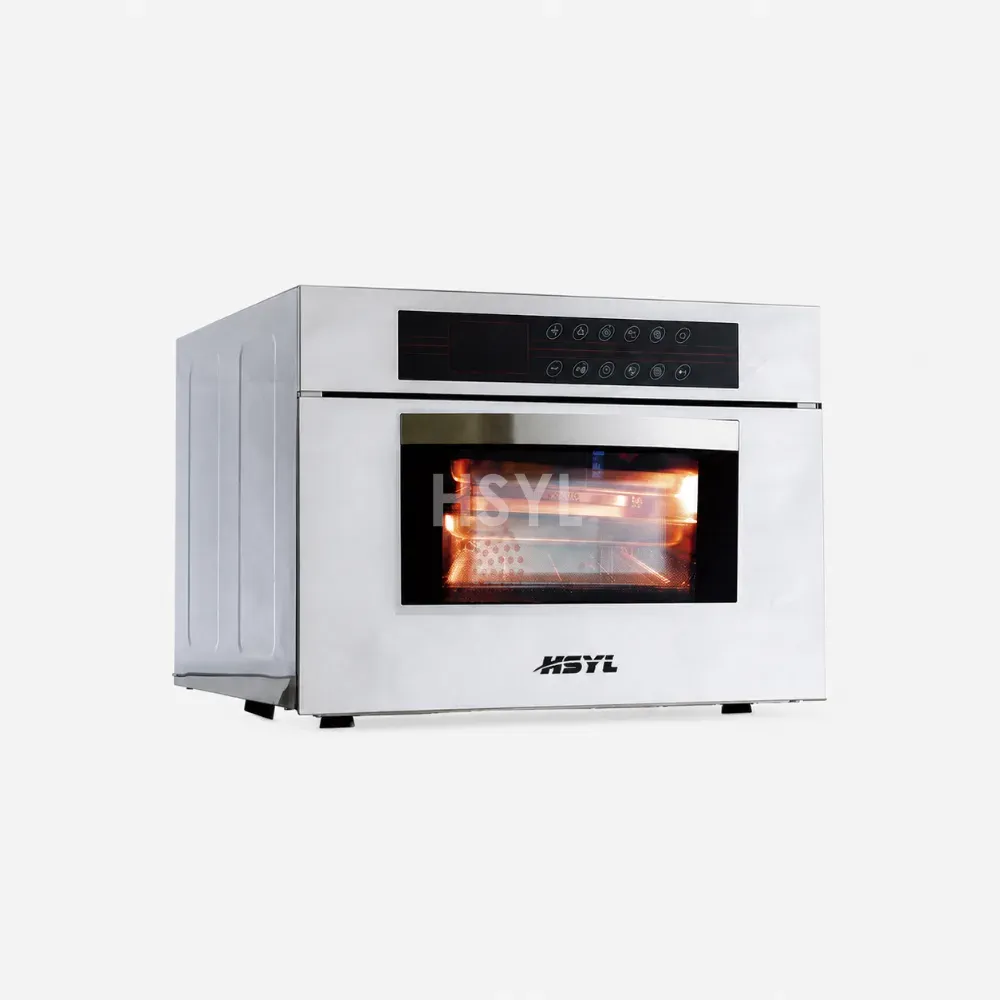
Commercial Ovens for Professional Kitchens
Commercial electric and convection oven solutions for professional kitchens. Review HSYL c...
View product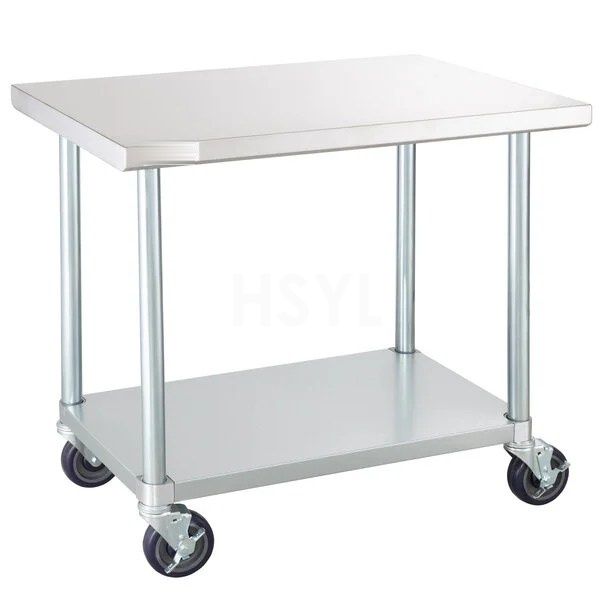
Stainless Steel Kitchen Trolleys
Stainless Steel Kitchen Trolleys for commercial kitchens, fabricated to project dimensions...
View product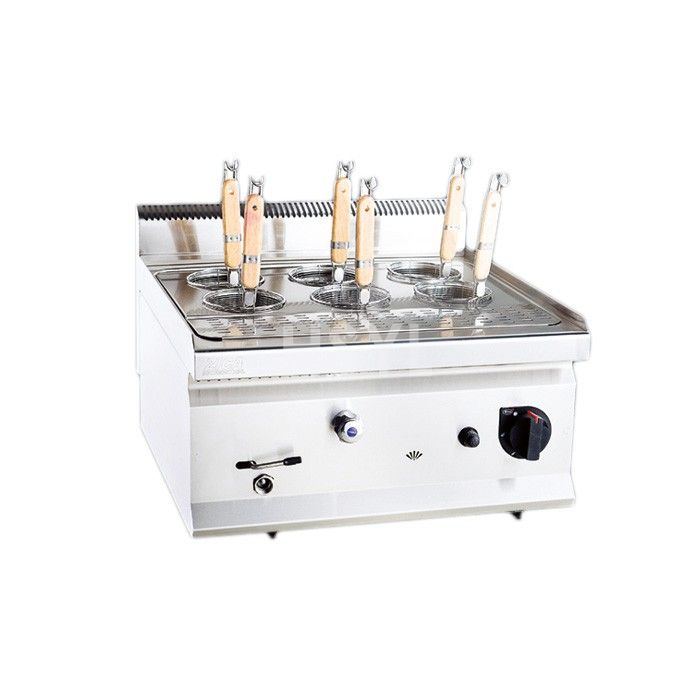
HP Countertop Gas Pasta Cooker Range
Compare HP6035G and HP6060G countertop gas pasta cookers. Review footprint and gas require...
View product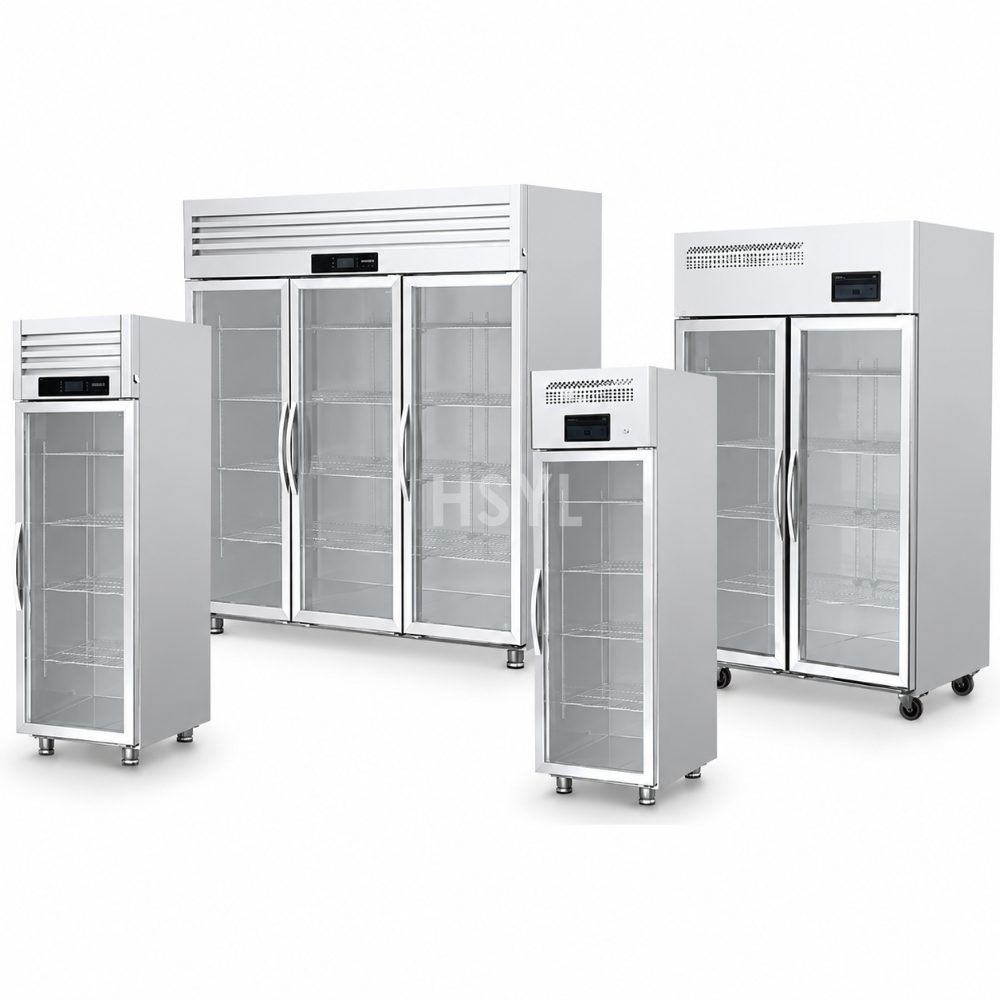
Q and S Series Direct-Cooling Display Cabinet Range
Compare Q and S Series display cabinets for your products and store layout. Confirm temper...
View product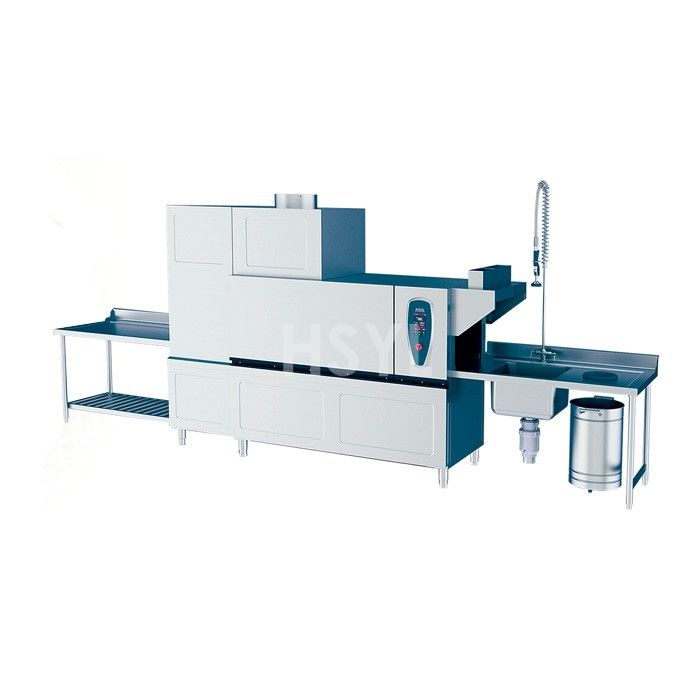
HDW260-EL-R Electric-Heated Commercial Dishwasher
Compare HDW260-EL-R Electric-Heated Commercial Dishwasher capacity, heating, dimensions, u...
View product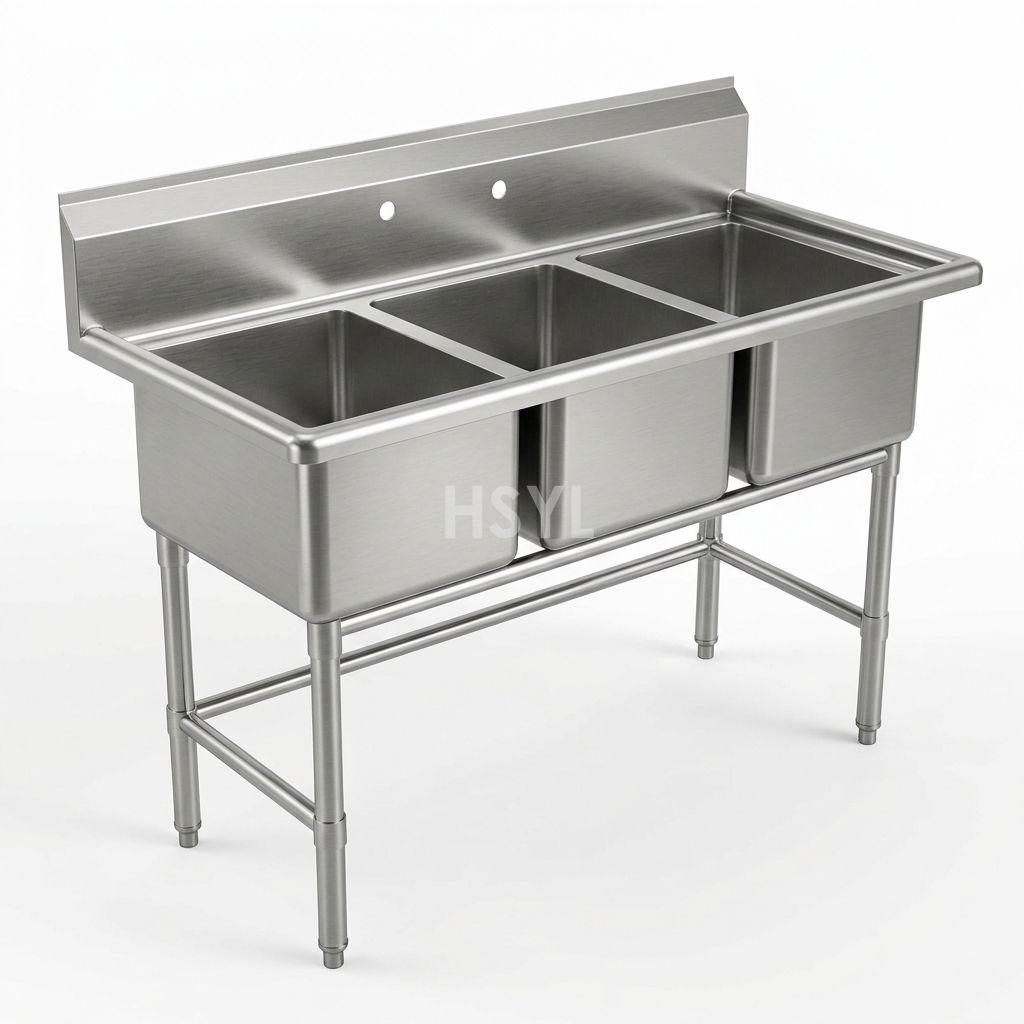
Three-Compartment Commercial Sinks
Three-Compartment Commercial Sinks for commercial kitchens, fabricated to project dimensio...
View product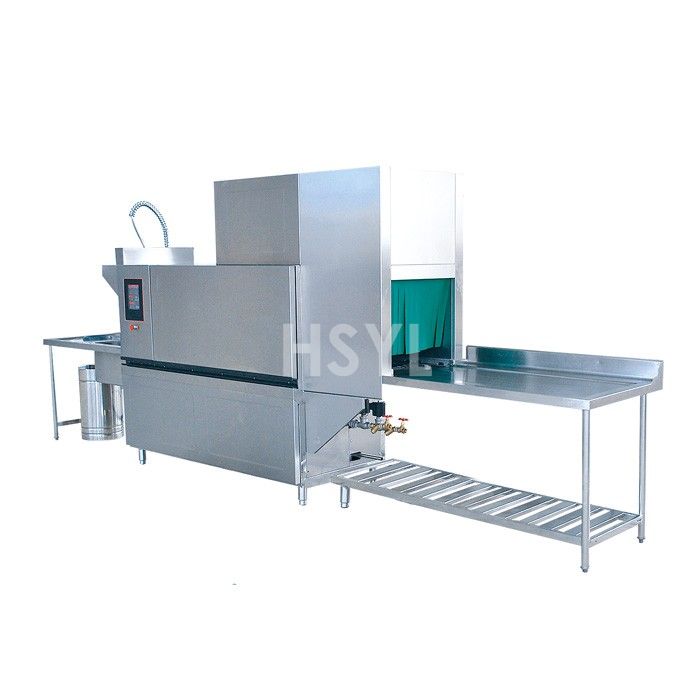
HDW260-SL-R Steam-Heated Commercial Dishwasher
Compare HDW260-SL-R Steam-Heated Commercial Dishwasher capacity, heating, dimensions, util...
View product Stainless Steel Wall Shelf
Plan stainless steel kitchen wall shelves for utensils, containers and clean storage. Spec...
View product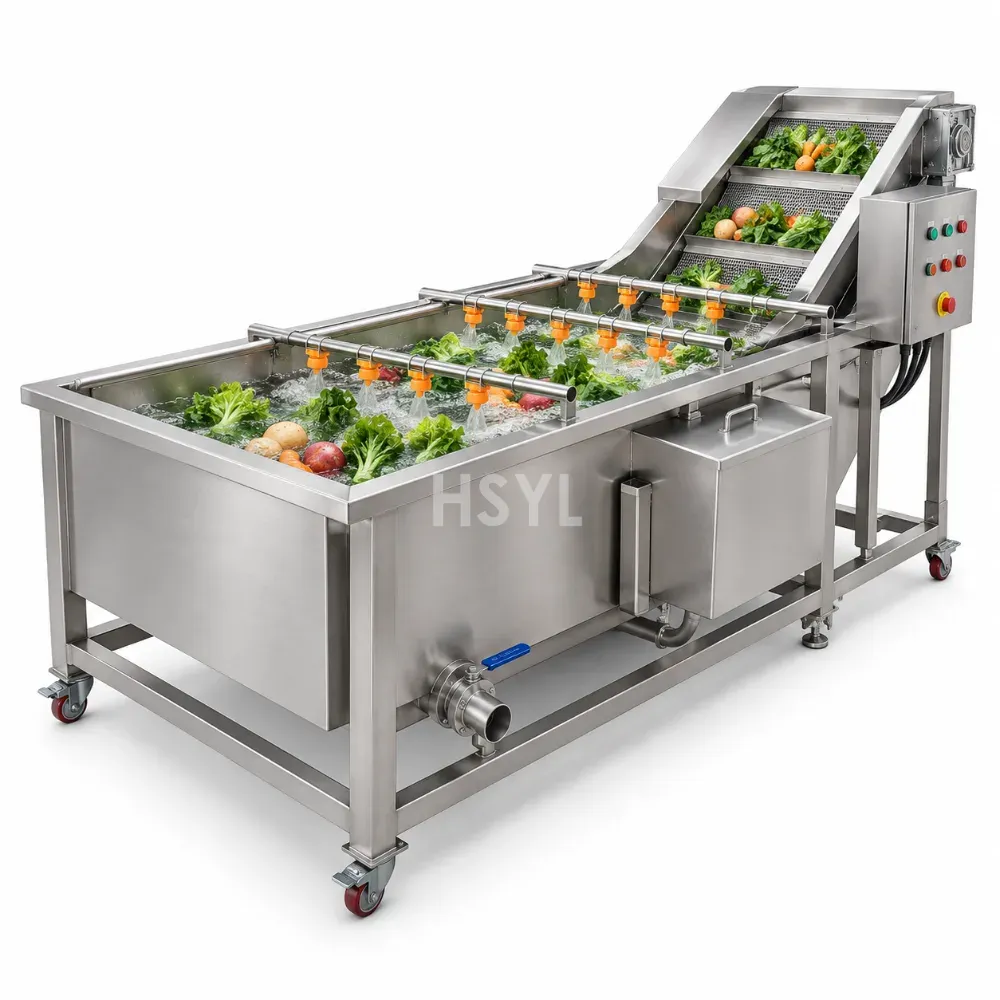
Commercial Vegetable Washers
Commercial Vegetable Washers for central kitchens, food processing plants, canteens and re...
View product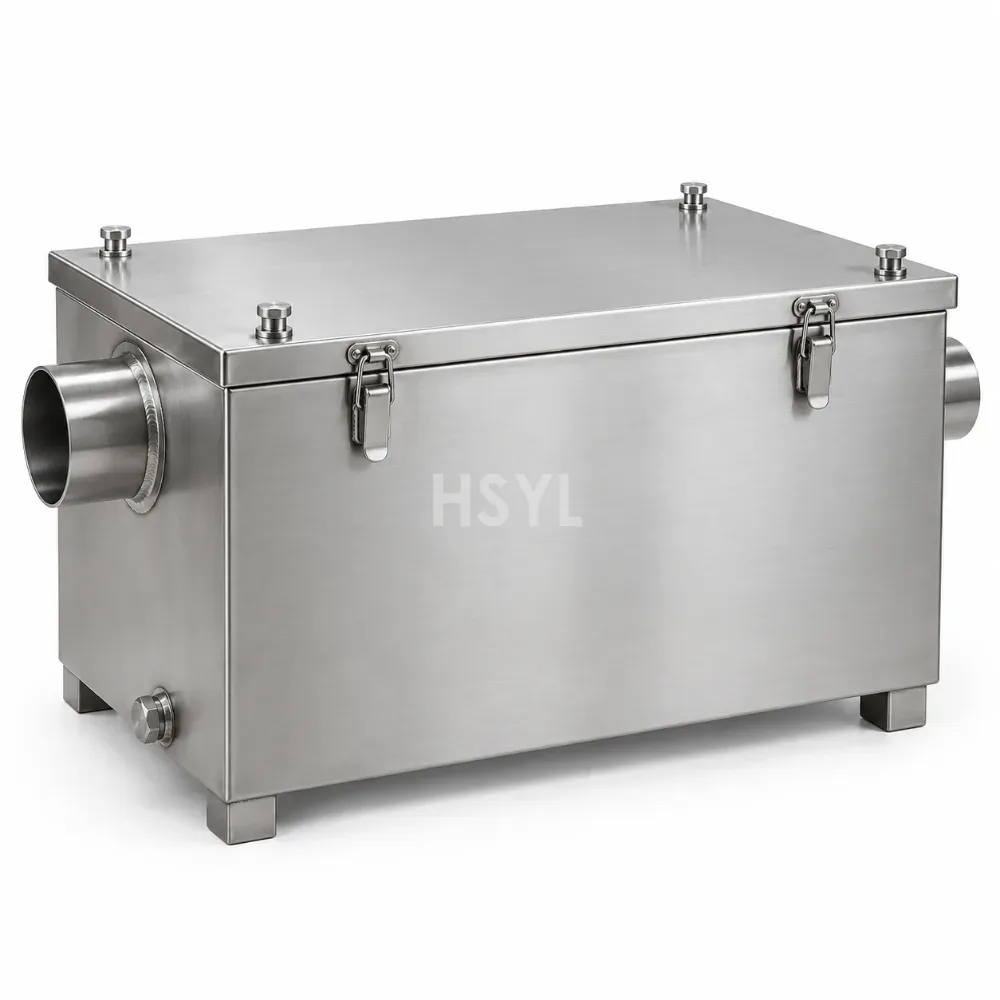
Commercial Grease Traps
Commercial Grease Traps for commercial kitchens, fabricated to project dimensions in AISI ...
View productFrequently Asked Questions
What should a bulk restaurant supply order include?
Include approved item identities, order units, branch quantities, permitted alternatives and receiving conditions. Keep replenishment supplies separate from equipment that needs an exact model, utility version, installation plan and destination documents.
How should a supplier substitution be approved?
Compare the replacement against the approved item record, including dimensions, interfaces, accessories and the task it must perform. For installed equipment, approve the model revision and utility configuration in writing before dispatch.
Does bulk restaurant equipment delivery include installation?
Use the written scope for the actual order. Delivery, uncrating, positioning, utility connection, commissioning and staff instruction can be separate services. Confirm the responsible provider and destination coverage for each required task.
Plan the Equipment Around Your Kitchen.
Share your menu, peak service demand, available space and site utilities. Tell us which equipment you are considering so we can review the requirements with you.