Wholesale Restaurant Supply: Build a Complete Equipment Order
Build an itemised restaurant equipment order, compare equivalent quotations and identify accessories, delivery and installation costs before committing.
When a wholesale restaurant supply order includes several equipment types, the most expensive omission may be a small item: the stand that sets the working height, the trays needed for the first service or the connection work no supplier included. Build an itemised equipment schedule before comparing package totals.
This guide covers commercial kitchen equipment purchasing. For a combined order, separate equipment from tableware, disposable supplies and other recurring purchases so each supplier can confirm exactly what it will provide.
Use one line for each usable configuration
| Order field | What to write | Why it matters |
|---|---|---|
| Equipment ID and quantity | A stable ID matching the floor plan and required number of units. | Prevents a changed description from being counted as a second item or omitted. |
| Required duty | Food process, operating pattern and the required output or storage task. | Allows an alternative to be judged on use, not appearance. |
| Offered model and configuration | Exact suffix, selected options and specification revision. | A family name may include incompatible sizes or utilities. |
| Included accessories | Trays, racks, stands, shelves, baskets or other required items with quantities. | Separates a working station from a bare machine price. |
| Supply and site work | Who supplies, connects, tests and signs off each item. | Exposes gaps between an equipment shipment and an operating kitchen. |
Keep the same IDs in every revised quotation. When a model changes, ask the supplier to identify the replacement and every related change in dimensions, services, accessories and price.
Make quotations comparable before comparing totals
Request separate figures for the equipment, selected options, packing, transport and any agreed services. Ask which destination charges and local work are outside the quotation. Record the named delivery point and responsibility for unloading and moving equipment into position.
If one offer includes trays and a stand and another does not, add the missing items to the comparison before judging the apparent saving. Keep an alternate model on its own line until its suitability is accepted; do not allow it to silently replace the specified unit.
A low package total cannot show whether the refrigeration is sized for the station, whether the steamer accepts the intended trays or whether the electrical versions match the site. Finish those technical comparisons first.
Two examples that prevent ordering errors
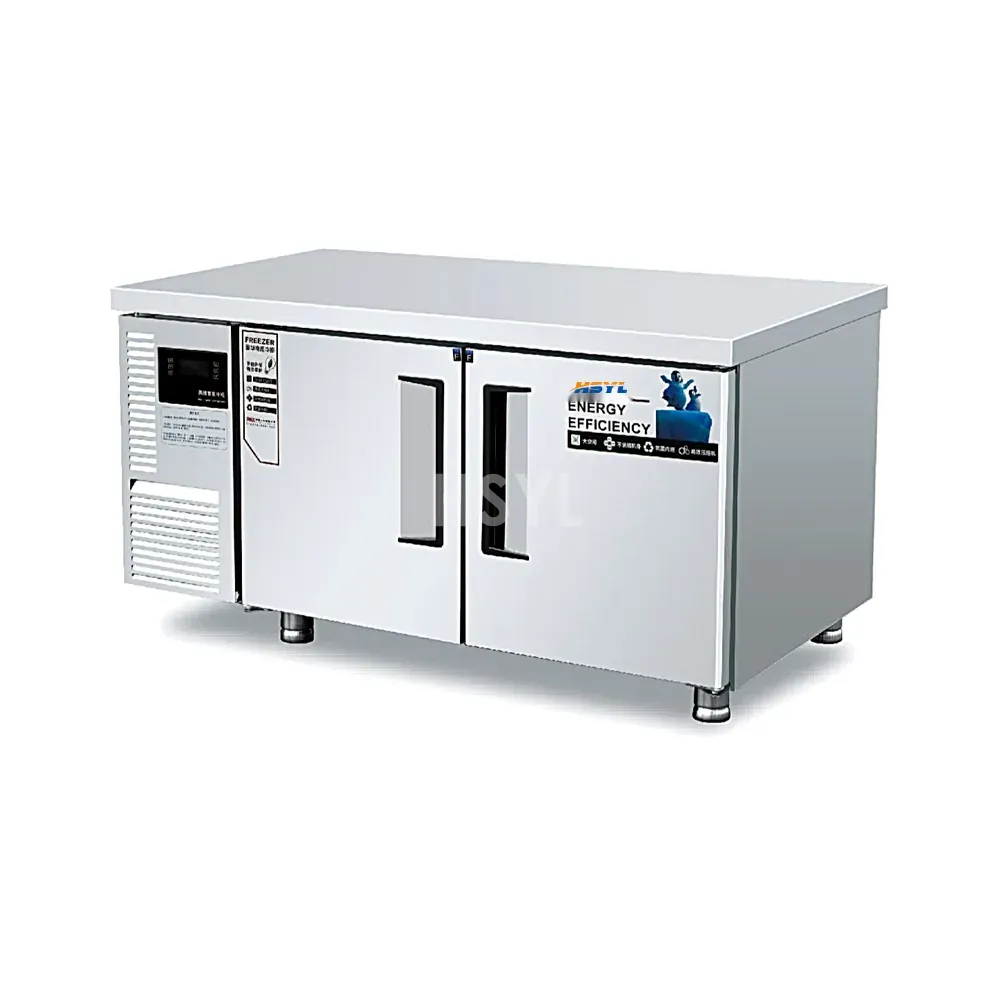
Refrigerated workbench
The E Series range distinguishes refrigerator and freezer configurations. Write the required storage duty and exact model into the order. “One workbench fridge/freezer” is ambiguous and does not specify a dual-temperature cabinet.
Tray-based steamer
The HSO range includes gas and electric models. Record the selected version, tray arrangement and accessory quantities. The required electrical or gas services should follow the selected unit, not a photograph of the range.
Control substitutions and staggered deliveries
Decide which substitutions need approval and who can give it. A different brand or model may alter a counter cut-out, utility connection or maintenance requirement. Ask for the revised data sheet and drawing before accepting the change.
For staged opening, list which items must arrive together to create a usable workstation. Receiving a cooker early may provide little benefit if its stand, extraction work or required accessories arrive later. Obtain item-level availability and a written delivery schedule; do not infer readiness from a catalogue listing.
Check the shipment against the schedule
Use the equipment IDs to reconcile packing lists, model labels, accessories and documents. Record damage or discrepancies through the agreed receiving procedure. Plan commissioning separately from delivery so the relevant people, services and operating instructions are available.
Related Products
Use these two equipment families to build separate, complete lines in a restaurant equipment package.
E Series Workbench Refrigerators and Freezers
For the refrigeration line, specify the selected model, storage duty, shelves and site requirements. Do not leave the order description as a generic fridge/freezer.
View product details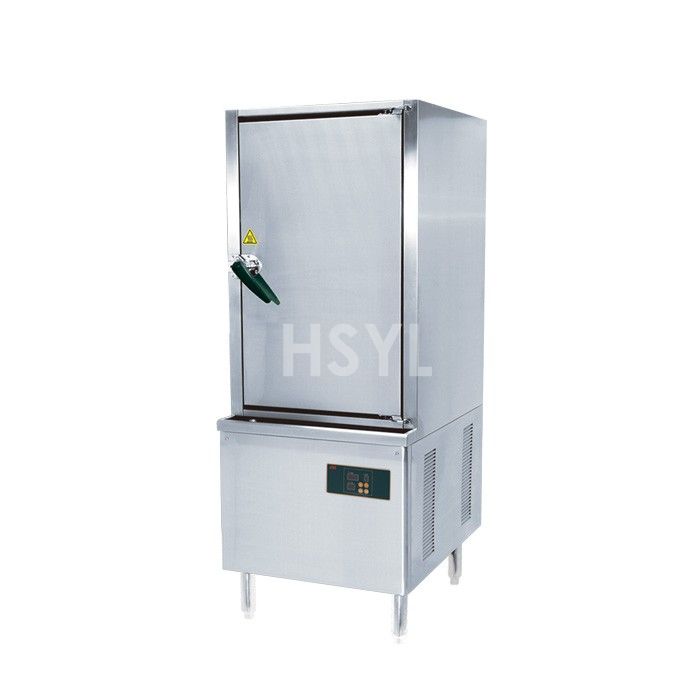
HSO Gas and Electric Steamer Cabinets
For the steaming line, identify the gas or electric version and itemise the required trays and accessories so suppliers quote the same usable configuration.
View product detailsUse the HSYL equipment catalogue to assemble your starting list, then request an itemised quotation with quantities, destination, layout, utility conditions and required delivery stages. Ask for minimum quantities, commercial terms and service scope in the offer rather than assuming a standard wholesale arrangement.
Related Products
Use these two equipment families to build separate, complete lines in a restaurant equipment package.
E Series Workbench Refrigerators and Freezers
For the refrigeration line, specify the selected model, storage duty, shelves and site requirements. Do not leave the order description as a generic fridge/freezer.
View product detailsHSO Gas and Electric Steamer Cabinets
For the steaming line, identify the gas or electric version and itemise the required trays and accessories so suppliers quote the same usable configuration.
View product detailsPlan the Equipment Around Your Kitchen.
Share your menu, peak service demand, available space and site utilities. Tell us which equipment you are considering so we can review the requirements with you.